


Search results
Search for "acetone" in Full Text gives 366 result(s) in Beilstein Journal of Nanotechnology. Showing first 200.
Supramolecular assembly of pentamidine and polymeric cyclodextrin bimetallic core–shell nanoarchitectures
Beilstein J. Nanotechnol. 2022, 13, 1361–1369, doi:10.3762/bjnano.13.112
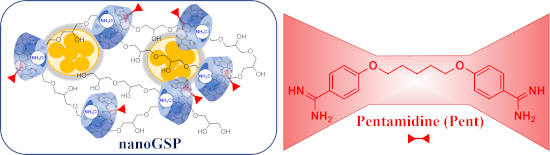
- at rt ≈ 25 °C. The chemical shifts are expressed in ppm using acetone as an internal standard. NMR analyses and Raman analysis (Supporting Information File 1, Figure S1) were carried out according to previously reported protocols [14][30]. Preparation of PolyCD Au NPs and PolyCD Au@Ag BMNPs NanoG and


Laser-processed antiadhesive bionic combs for handling nanofibers inspired by nanostructures on the legs of cribellate spiders
Beilstein J. Nanotechnol. 2022, 13, 1268–1283, doi:10.3762/bjnano.13.105
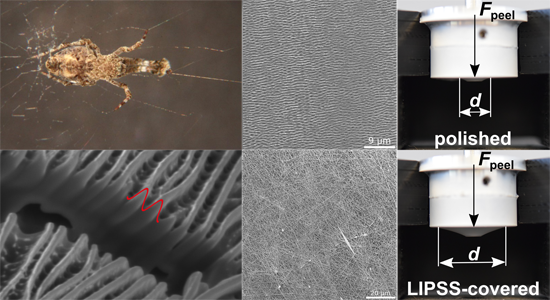
- inter-line separation of Δ = 5 µm. The linear laser beam polarization was kept parallel to the scan direction. Immediately after laser processing, the samples were cleaned for 5 min in acetone in an ultrasonic bath and stored in a desiccator. Figure 10 indicates the presence of the LIPSS at the entire






Interaction between honeybee mandibles and propolis
Beilstein J. Nanotechnol. 2022, 13, 958–974, doi:10.3762/bjnano.13.84
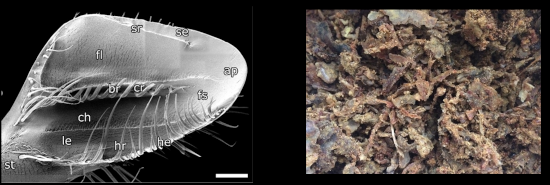
- ) equipped with a camera (Leica DFC420) prior to further experiments. For the following anatomical studies, mandibles of nectar collector and hive bees were then washed with acetone and water. They were air-dried, mounted on holders (inside up), sputter-coated with a 10 nm thick layer of gold–palladium and
- % ethanol, Carl Roth GmbH & Co. KG), or acetone (Rotipuran® ≥99.8%, p. a. ACS ISO, Carl Roth GmbH & Co. KG) for 5 min followed by 5 min washing with distilled water. Distilled water was used as an agent for removing hydrophilic substances from the surface of bee mandibles. Chloroform and acetone are known
- thus analysed using various imaging methods. Anatomy of the bee mandible The anatomy of the worker bee mandibles (Apis mellifera) was studied using a binocular microscope and SEM on acetone-cleaned specimens. Mandibles have a strong stem at the proximal end and a concave, spoon-shaped tip at the distal


Hierachical epicuticular wax coverage on leaves of Deschampsia antarctica as a possible adaptation to severe environmental conditions
Beilstein J. Nanotechnol. 2022, 13, 807–816, doi:10.3762/bjnano.13.71
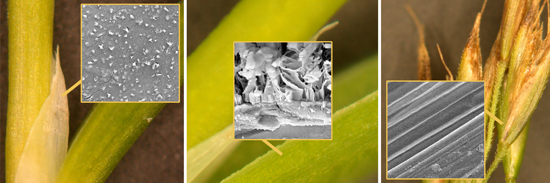
- . antarctica plant, which are usually exposed to the environment, using cryo scanning electron microscopy (cryo-SEM) allowing for a high-resolution imaging of frozen and fractured samples in native condition, that is, without treatment in strong solvents, such as ethanol or acetone, usually needed in the




Optimizing PMMA solutions to suppress contamination in the transfer of CVD graphene for batch production
Beilstein J. Nanotechnol. 2022, 13, 796–806, doi:10.3762/bjnano.13.70
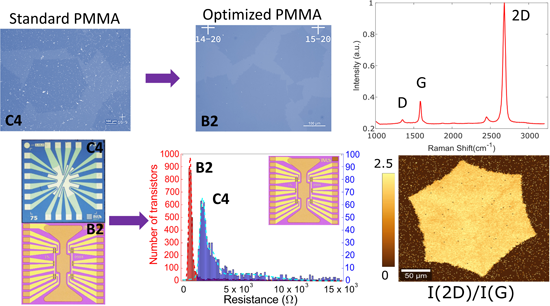
- (larger than 2.5 µm) in the images. Micrographs taken on 650 × 500 µm2 areas were compared (Figure 1a–f). The amount of PMMA residues appears to be directly related to the PMMA concentration. A1 showed very little residues (they can be almost completely removed using acetone) and low mechanical strength
- that the PMMA mixture features good mechanical strength and cleanness (i.e., the acetone bath can thoroughly remove it). The transferred graphene samples were investigated via Raman spectroscopy to evaluate crystallinity, layer number, and structural defect level [23]. The relative intensities of the G
- on the graphene surface mainly feature three peaks resulting from C–C bonds and carbon–oxygen-related bonds (i.e., methoxy and carboxy functional groups). After PMMA has been removed in the acetone bath, the peak of the C–H bond can rarely be observed because of a broader merger with the peak of sp3




Efficient liquid exfoliation of KP15 nanowires aided by Hansen's empirical theory
Beilstein J. Nanotechnol. 2022, 13, 788–795, doi:10.3762/bjnano.13.69
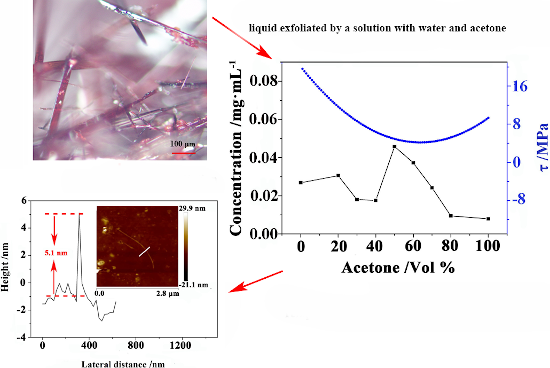
- were first obtained. Based on the Hansen's empirical theory, the concentration of liquid-exfoliated KP15 nanowires was improved to 0.0458 mg·mL−1 by a solution containing 50% water and 50% acetone. Approximately 79% of the KP15 nanowires had a thickness value below 50 nm and 60.9% of them had a width
- this work. By using a solution containing 50% water and 50% acetone, the exfoliation efficiency of KP15 was effectively improved. Our results show that 79% of the KP15 nanowires had thickness values below 50 nm and 60.9% of these nanowires had width values below 100 nm. The thinnest KP15 nanowires
- absorption coefficient of KP15 is 3.86 ± 0.13 mL·mg−1·cm−1. We selected 20 common solvents, including benzyl benzoate, toluene, ethyl acetate, acetone, alcohol, butyrolactone, N,N'-dimethylpropyleneurea, bromobenzene, cyclopentanone, N-dodecyl-2-pyrrolidone, glycol, vinyl acetate, hexane, isopropyl alcohol


Gelatin nanoparticles with tunable mechanical properties: effect of crosslinking time and loading
Beilstein J. Nanotechnol. 2022, 13, 778–787, doi:10.3762/bjnano.13.68
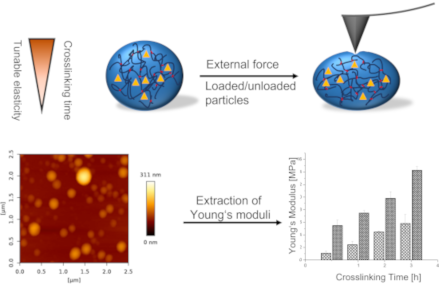
- nanoprecipitation method described in [17]. In brief, 20 mg gelatin was dissolved in 1 mL of deionized water at 50 °C and added to the antisolvent phase, consisting of 2.8% poloxamer 188 dissolved in a mixture of acetone and deionized water in a ratio of 15:1, with an injection rate of 0.25 mL/min using a syringe
- pump (Legato 200, KD Scientific Inc., Holliston, MA, USA). Immediately after completion of GNP formation, the freshly prepared particles were stabilized by adding 537 µL of 1.74% glutaraldehyde in acetone. After incubation times of 0.5, 1.0, 2.0, and 3.0 h the crosslinking reaction was stopped [22


Hierarchical Bi2WO6/TiO2-nanotube composites derived from natural cellulose for visible-light photocatalytic treatment of pollutants
Beilstein J. Nanotechnol. 2022, 13, 745–762, doi:10.3762/bjnano.13.66
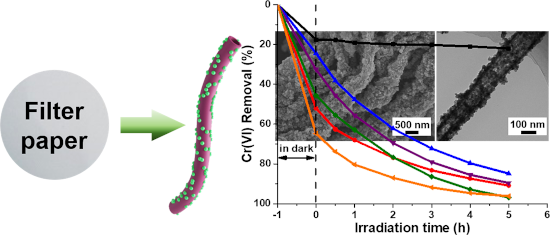
- , anhydrous ethanol, acetone, barium sulfate (BaSO4), rhodamine B, isopropyl alcohol (IPA), N-methylpyrrolidone, ethylenediaminetetraacetic acid disodium salt (EDTA-2Na), silver nitrate (AgNO3), sodium sulfate (Na2SO4), ethylene glycol (EG), potassium dichromate (K2Cr2O7), phosphoric acid (H3PO4), and
- spectrophotometer. The concentration of the Cr(VI) aqueous solution was determined by the diphenylcarbazide colorimetric method as follows. 1,5-diphenylcarbazide (0.2 g) was dissolved in acetone/water (100.0 mL, v/v = 1:1) to form solution A, while H3PO4 (20.0 mL) and H2SO4 (20.0 mL) were homogeneously mixed in


A chemiresistive sensor array based on polyaniline nanocomposites and machine learning classification
Beilstein J. Nanotechnol. 2022, 13, 411–423, doi:10.3762/bjnano.13.34
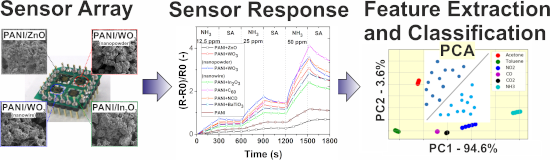
- 1999/2, 182 21 Prague, Czech Republic 10.3762/bjnano.13.34 Abstract The selective detection of ammonia (NH3), nitrogen dioxide (NO2), carbon oxides (CO2 and CO), acetone ((CH3)2CO), and toluene (C6H5CH3) is investigated by means of a gas sensor array based on polyaniline nanocomposites. The array
- between VOCs, supported by a vector machine to distinguish between acetone, nitrogen dioxide, and ammonia, and by a neutral network model to distinguish between ammonia and formaldehyde gas [7][8][9]. In our previous work [10], we demonstrated a combination of organic (polyaniline, PANI) and inorganic
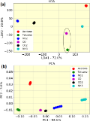
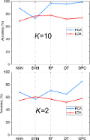
- dioxide, nitrogen dioxide, carbon monoxide, acetone, and toluene). Moreover, the obtained data were used for machine learning classification. Many pattern recognition models based on intuitive, linear and nonlinear supervised techniques have been explored in E-nose data [11][12]. A considerable number of




Systematic studies into uniform synthetic protein nanoparticles
Beilstein J. Nanotechnol. 2022, 13, 274–283, doi:10.3762/bjnano.13.22
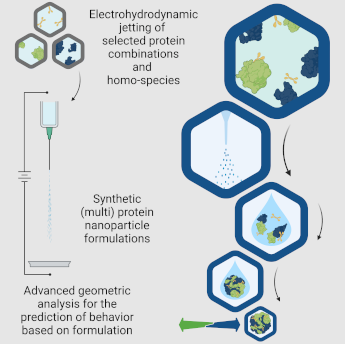
- as poorly defined physical properties and/or stability in the bloodstream [14]. Desolvation methods have been used to prepare various therapeutic protein nanoparticles [15][16][17]. The desolvation process requires the addition of desolvating agents, such as ethanol or acetone, to induce changes in


Impact of device design on the electronic and optoelectronic properties of integrated Ru-terpyridine complexes
Beilstein J. Nanotechnol. 2022, 13, 219–229, doi:10.3762/bjnano.13.16
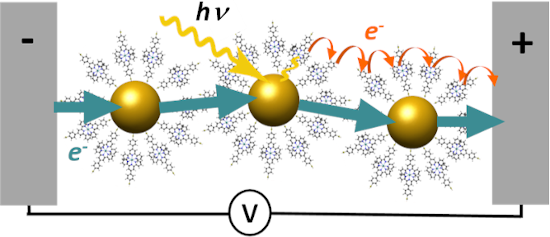
- precursor [Ru(acetone)6](PF6)3 (Ru-PF6) were prepared according to procedures previously described [15][19][25][26][27]. The analysis of the prepared substances, including 1H NMR, UV–vis spectroscopy and mass spectrosmetry, display a high purity [15]. The molecular formulas of the chemical compounds are
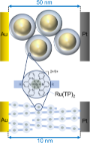
- hope that our results inspire further developments in this field. Stepwise Ru(TP)2-complex wire growth by alternate addition of the Ru-PF6 precursor in ethanol and BTP solution, (i)–(iv) see text above; L = ligand (acetone or ethoxide anion). Schematic illustration of Ru(MPTP)2–AuNP (upper part) and Ru


Piezoelectric nanogenerator for bio-mechanical strain measurement
Beilstein J. Nanotechnol. 2022, 13, 192–200, doi:10.3762/bjnano.13.14
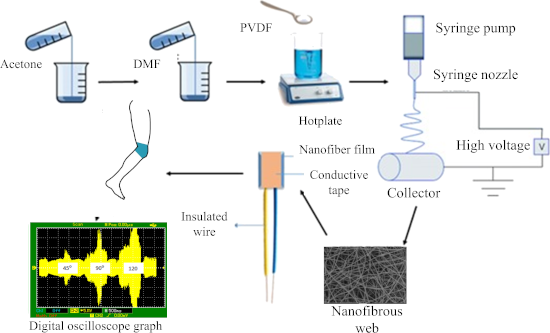
- (DMF) and acetone from Sigma-Aldrich were used as solvents without any further purification. A conductive tape was used to make electrodes. Knitted fabric was used for the integration of the nanofibrous mesh for human body angle measurement. Fabrication of the nanofibrous mesh and its characterization
- PVDF solutions with varying concentrations (12, 14, and 16 wt %) were prepared in an acetone/DMF mixture (1:2.3 by volume). PVDF was dissolved in the acetone/DMF mixture at 120 °C in a sealed container under stirring for 4 h followed by incubating the solutions at room temperature for 24 h before


Thermal oxidation process on Si(113)-(3 × 2) investigated using high-temperature scanning tunneling microscopy
Beilstein J. Nanotechnol. 2022, 13, 172–181, doi:10.3762/bjnano.13.12
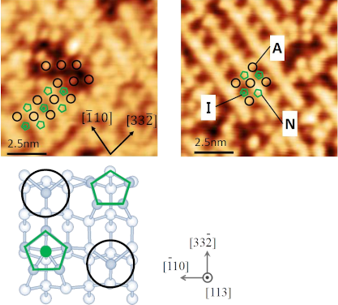
- oxidation on Si(113) using our VT-STM. Experimental The Si(113) sample used was a p-type (B-doped) wafer with a resistivity of 1–10 Ω·cm. Sacrificed oxidation was performed to produce the oxide with a thickness of 200 nm using an oxidation furnace. The sample was cut to 6.5 × 1.5 mm2, rinsed with acetone to
- measurements at high temperatures. The PtIr and Nb tips were rinsed with acetone and simply cut using a nipper. The W tip was also cut using a nipper before it was introduced to the UHV chamber. It was then heated to 1270 K with electron bombardment to remove the oxide. Experiments were carried out in a UHV


Tin dioxide nanomaterial-based photocatalysts for nitrogen oxide oxidation: a review
Beilstein J. Nanotechnol. 2022, 13, 96–113, doi:10.3762/bjnano.13.7
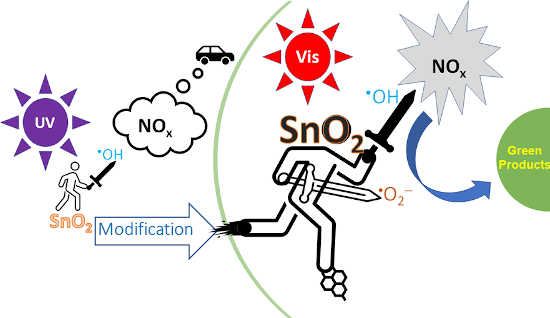
- and acetone [75]. The presence of graphene induces the formation of SnO2 and introduces Sn vacancies, which supports the electron transfer from the CB of Zn2SnO4 to oxygen under visible light irradiation (Figure 12). The authors only used a visible light LED with low power (3 W) and obtained a high
- from [75], Chemical Engineering Journal, vol. 336, by Li, Y.; Wu, X.; Ho, W.; Lv, K.; Li, Q.; Li, M.; Lee, S. C. “Graphene-induced formation of visible-light-responsive SnO2-Zn2SnO4 Z-scheme photocatalyst with surface vacancy for the enhanced photoreactivity towards NO and acetone oxidation”, pages 200


Polarity in cuticular ridge development and insect attachment on leaf surfaces of Schismatoglottis calyptrata (Araceae)
Beilstein J. Nanotechnol. 2021, 12, 1326–1338, doi:10.3762/bjnano.12.98
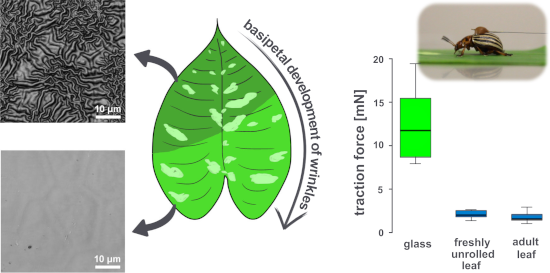
- growth stages. Insect traction experiments Insect walking frictional forces were measured on a freshly unrolled (stage 3) and an adult (stage 4) S. calyptrata leaf and were compared with the forces on a clean glass slide. The glass slide was cleaned with acetone followed by isopropyl alcohol before




Morphology-driven gas sensing by fabricated fractals: A review
Beilstein J. Nanotechnol. 2021, 12, 1187–1208, doi:10.3762/bjnano.12.88
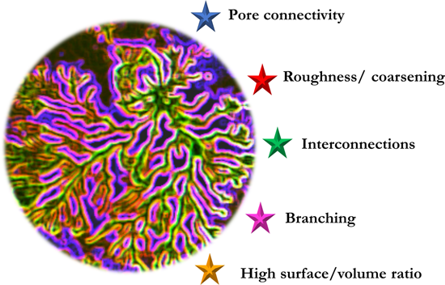
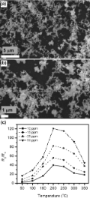
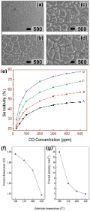
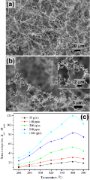
- spherical and labyrinth structures exhibited low sensitivity to ethanol and acetone vapors, while a sensitivity greater than 20 it was observed in case of percolation network nanostructures. Thus, the network and pore connectivity of fractal nanostructures becomes crucial for a better gas sensing response
- ethanol, acetone, and toluene, was examined. The LSPR sensor showed a 4–8 times higher sensitivity for detecting gas molecules with the fractal-enhanced dielectric structure. The enhancement in the sensitivity was mainly attributed to the large surface-to-volume ratio of fractal system, which resulted in
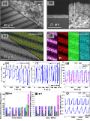
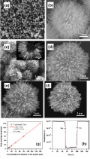
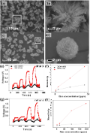
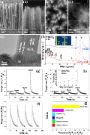
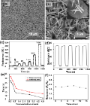
- electrode resulting in a sensor prototype and were later used for UV-assisted acetone sensing. Figure 12a and Figure 12b show SEM images of top-view morphology and thickness of the sample at low and high magnifications, respectively. Figure 12c shows an energy-dispersive X-ray spectroscopy (EDS) mapping of










Progress and innovation of nanostructured sulfur cathodes and metal-free anodes for room-temperature Na–S batteries
Beilstein J. Nanotechnol. 2021, 12, 995–1020, doi:10.3762/bjnano.12.75
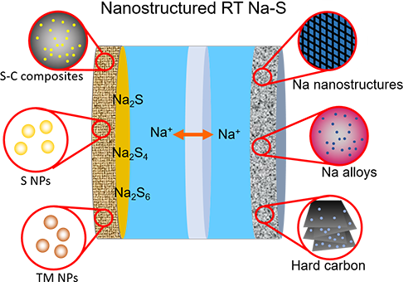
- and can be distinguished in aqueous and organic solvent routes [57]. The so-called Weimarn sols are produced by dissolution of sulfur powder in ethanol or acetone-based solutions and the subsequent precipitation of sub-micrometer-size particles in water [57]. The so-called Raffo sols are obtained by a




A Au/CuNiCoS4/p-Si photodiode: electrical and morphological characterization
Beilstein J. Nanotechnol. 2021, 12, 984–994, doi:10.3762/bjnano.12.74
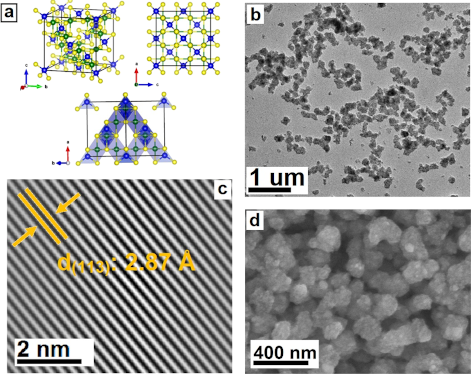
- the Al/CuNiCoS4/p-Si device A p-type Si(100) wafer was used as substrate and as semiconductor material for the Au/CuNiCoS4/p-Si photodiode. First, the wafer was cut to 2 cm2 pieces, and acetone and propanol were used to clean the pieces in an ultrasonic cleaner. Then, the pieces were immersed in HF



9.1% efficient zinc oxide/silicon solar cells on a 50 μm thick Si absorber
Beilstein J. Nanotechnol. 2021, 12, 766–774, doi:10.3762/bjnano.12.60
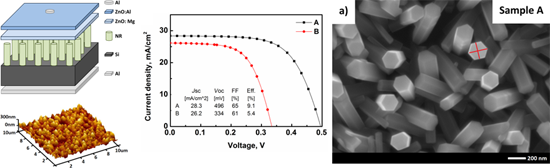
- was used as absorber of the solar spectrum. Carrier concentration, mobility, and resistivity were 4.3 × 1015 cm−3, 270 cm2·V−1·s−1, and 5.3 Ω·cm, respectively. The silicon wafer was cut into small square pieces, ca. 1.5 × 1.5 cm2 in size. Samples were cleaned in acetone, iso-propanol, and twice in


High-yield synthesis of silver nanowires for transparent conducting PET films
Beilstein J. Nanotechnol. 2021, 12, 624–632, doi:10.3762/bjnano.12.51
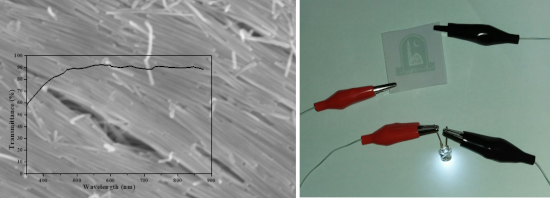
- PET films whose transmittance was calculated to be up to 92.5%. Experimental Materials All required chemical reagents, that is, silver nitrate (AgNO3), ethyl glycol, polyvinylpyrrolidone (PVP), copper chloride (CuCl2), hydroxyethyl cellulose (HEC), polyethylene terephthalate (PET) film, acetone, and


Impact of GaAs(100) surface preparation on EQE of AZO/Al2O3/p-GaAs photovoltaic structures
Beilstein J. Nanotechnol. 2021, 12, 578–592, doi:10.3762/bjnano.12.48
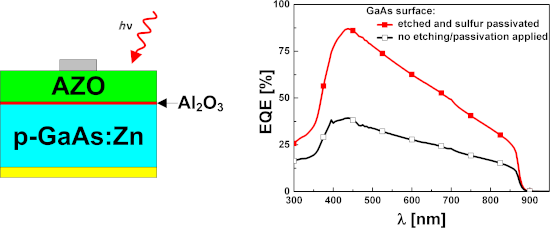
- (DIW, 18.2 MΩ·cm at 25 °C). The surface of the samples was prepared in five main stages. The stage 1 (initial cleaning in an ultrasonic cleaner, USC) was performed at approx. 30 °C (acetone/3 min, DIW/1 min, isopropanol/3 min, DIW/1 min), while stages 3 and 4 were conducted at room temperature (RT




Nickel nanoparticle-decorated reduced graphene oxide/WO3 nanocomposite – a promising candidate for gas sensing
Beilstein J. Nanotechnol. 2021, 12, 343–353, doi:10.3762/bjnano.12.28
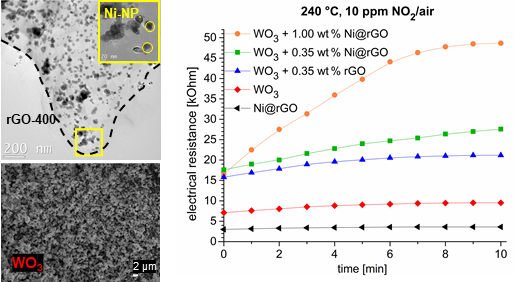
- –carbon composite (Ni@rGO). Previous work with WO3 had used either NiO (as part of the WO3 lattice), solely carbon, Pd-surface decorated WO3 (Pd@WO3), or Pd or Pt@carbon@WO3. We demonstrate the gas response for pure WO3, rGO/WO3 and Ni@rGO/WO3 sensing elements towards NO2 and acetone in air as well as
- towards CO in N2. The addition of 0.35 wt % Ni@rGO composite to WO3 enables the increase of the sensory response by more than 1.6 times for NO2 vapors. The gas response towards acetone using 0.35 wt % Ni@rGO/WO3 composite was 1.5 times greater for 3500 ppm than for 35,000 ppm acetone. For 0.35 wt % Ni@rGO
- in sensor resistance during exposure to the gas is measured directly [5]. Gases can either be oxidizing, such as NO, N2O, NO2, O3, and Cl2, reducing, such as H2S, NH3, CO, H2, SO2, and CH4, or rather inert, such as CO2 [6][7]. VOCs are organic molecules such as acetone, ethanol, and formaldehyde [8


Exploring the fabrication and transfer mechanism of metallic nanostructures on carbon nanomembranes via focused electron beam induced processing
Beilstein J. Nanotechnol. 2021, 12, 319–329, doi:10.3762/bjnano.12.26
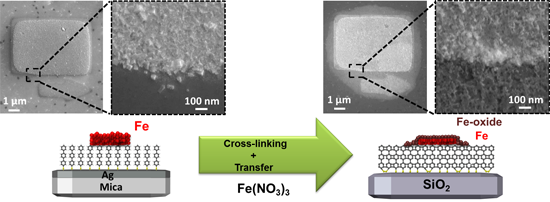
- the Ag layer by putting it into a 1 M Fe(NO3)3 solution for 24 h, the sample was protected by a 400 nm thick layer of poly(methyl methacrylate) (PMMA). In a next step, the CNM/EBID/PMMA hybrid structure was transferred onto a SiO2 substrate. Finally, the PMMA was dissolved in acetone. The results for
- sample in acetone for 1 h. (a) SAM consisting of TPT molecules on a Ag(111)/mica substrate. (b) EBID process on the SAM Ag substrate. (c) Local activation of the TPT SAM with the focused electron beam within the EBISA process. (d) Precursor dosage after electron irradiation. If EBISA is possible the


Gold(I) N-heterocyclic carbene precursors for focused electron beam-induced deposition
Beilstein J. Nanotechnol. 2021, 12, 257–269, doi:10.3762/bjnano.12.21
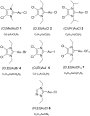
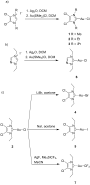
- . [(Cl,Et)AuBr] (4): A solution of 2 (100.6 mg, 0.24 mmol, 1 equiv) and LiBr (211.6 mg, 2.4 mmol, 10 equiv) in dried acetone (10 mL) was stirred in the dark under Ar for 20 h. Solvent was removed by rotary evapouration and the resulting white solid was partially dissolved in dichloromethane (DCM) and
- analysis: calcd. for C7H10AuBrCl2N2: C, 17.89; H, 2.14; N, 5.96; found: C, 17.76; H, 2.13; N, 5.82%. [(Cl,Et)AuI] (5): A suspension of 2 (100.3 mg, 0.24 mmol, 1 equiv) and NaI (358.2 mg, 2.4 mmol, 10 equiv) in dried acetone (10 mL) was stirred in the dark under Ar for 20 h. Solvent was removed by rotary
- experiments. The silicon substrates were cleaned by ultrasonication in acetone for 15 min, followed by ultrasonication in isopropanol for 15 min and blow drying with N2, and were kept in a dust free environment. For each precursor a different substrate was used to avoid cross contamination. The substrate was





The nanomorphology of cell surfaces of adhered osteoblasts
Beilstein J. Nanotechnol. 2021, 12, 242–256, doi:10.3762/bjnano.12.20
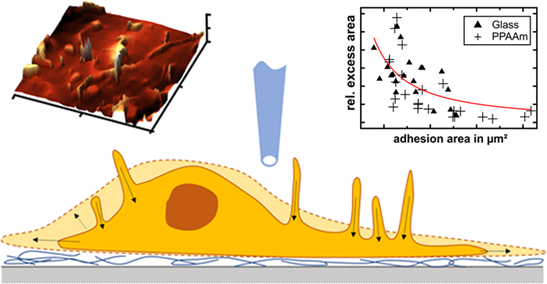
- osteoblast after 3 h of adhesion to titanium. The ruffles on the cell membrane are visible. (FE-SEM SUPRA25, 1 kV, 30° angle, 100 nm Ti on Si wafer, fixation by 2.5% glutardialdehyde (GA), acetone series, critical point drying). Edge height analysis. (a) Topography of a fixed osteoblast on a 10 nm Au layer





