


Search results
Search for "applications" in Full Text gives 1941 result(s) in Beilstein Journal of Nanotechnology. Showing first 200.
Piezoelectricity of layered double hydroxides: perspectives regarding piezocatalysis and nanogenerators
Beilstein J. Nanotechnol. 2025, 16, 1812–1817, doi:10.3762/bjnano.16.124

- nanostructure itself demonstrated a piezoelectric charge coefficient of 274 pm·V−1. This work opens the door to future applications of LDHs in smart wearable electronic devices as both power generators and supercapacitors. In addition to the intrinsic piezoelectric properties of LDHs, it has been demonstrated
- structural robustness. Therefore, the strength of LDH-based piezocatalysts lies especially in their tunability (composition, thickness, and interlayer anions) rather than in a maximum rate alone, making them promising alternatives or complements in piezocatalytic applications. Conclusion The study of
- discussed studies appear largely consistent; ultrathin structures, doped systems, and composites systematically show improved performance in applications where mechanically induced charge generation and utilization are important (piezo-catalysis/piezo-photocatalysis, energy storage). Three interrelated

Electrical, photocatalytic, and sensory properties of graphene oxide and polyimide implanted with low- and medium-energy silver ions
Beilstein J. Nanotechnol. 2025, 16, 1794–1811, doi:10.3762/bjnano.16.123
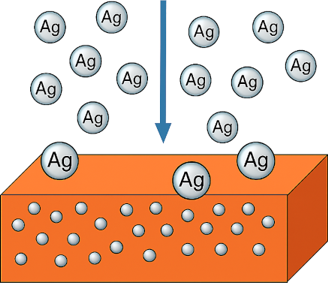
- yield. Such properties are promising for applications including photocatalytic water purification, self-cleaning surfaces, and light-activated antimicrobial coatings [20]. The elemental composition of the modified films was characterized by Rutherford backscattering spectrometry (RBS) and elastic recoil
- the potential of Ag ion implantation to significantly enhance the functionalities of GO and PI films for various applications, including environmental monitoring and photocatalysis. Experimental Hummers’ method was employed to synthesize graphene oxide (GO), following the procedure outlined in [16


Exploring the potential of polymers: advancements in oral nanocarrier technology
Beilstein J. Nanotechnol. 2025, 16, 1751–1793, doi:10.3762/bjnano.16.122
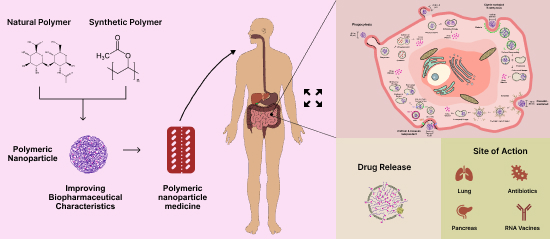
- developing diverse nanocarriers for oral applications, and this review provides a valuable theoretical foundation for understanding the strategies currently employed in this field. Keywords: drug delivery; nanoparticle; oral administration; polymer; polymeric nanoparticle; Review 1 Introduction The oral
- particles. Materials reduced to this scale exhibit alterations in their physicochemical properties, enhancing their interactions with molecular and cellular processes. Consequently, nanotechnology has diverse pharmaceutical applications, as the nanoencapsulation of drugs improves solubility and
- chemical derivatization to obtain specific properties, while synthetic polymers are synthesized from their corresponding monomers, resulting in diverse structures and applications [25]. PNs are viable options for smart drug delivery using responsive and stimulating polymers, which release molecules in


Advances of aptamers in esophageal cancer diagnosis, treatment and drug delivery
Beilstein J. Nanotechnol. 2025, 16, 1734–1750, doi:10.3762/bjnano.16.121
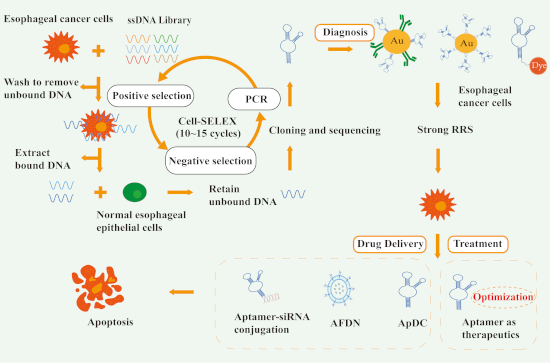
- contribute to off-target effects. This fundamental limitation explains the persistent observation of diverse adverse effects in both preclinical animal studies and clinical applications of carrier-modified therapeutics. If aptamer modification is carried out on the surface of the carrier [40], it will help
- ) selection, synthesis, and technical details of aptamers and their applications are described in detail in the article. The exclusion criteria are: (1) review, letter, news; (2) comment of a conference or seminar; (3) case report; or (4) irrelevant research topic of the article. Eventually, 17 original
- threshold (30–50 kDa), thereby prolonging circulation half-life and enhancing stability. These strategies collectively improve drug bioavailability while reducing off-target toxicity, offering versatile solutions for aptamer applications in precision medicine. The following sections give a summary of the


Multifunctional anionic nanoemulsion with linseed oil and lecithin: a preliminary approach for dry eye disease
Beilstein J. Nanotechnol. 2025, 16, 1711–1733, doi:10.3762/bjnano.16.120
- Freire 01, Cidade Universitária, 50740-540, Recife, Pernambuco, Brazil 10.3762/bjnano.16.120 Abstract The treatment of dry eye disease (DED) often requires frequent use of artificial tear products. Because of their low permeability and limited ocular bioavailability, repeated applications are required
- as rapid elimination by the precorneal layer and low retention of the ocular surface [7]. As a result, topical administration remains the primary treatment method despite its drawbacks, such as low bioavailability and the need for frequent applications [8][9]. Studies show that only a tiny fraction
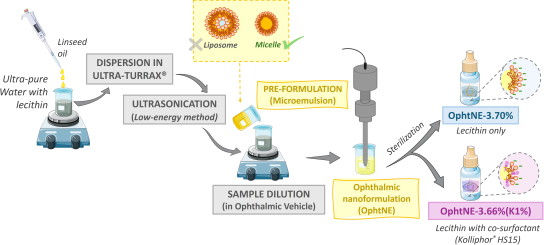
- experimentally determined using a dilution method combined with a low-energy technique, ensuring the formation of uniform micelles ideal for ophthalmic applications, as detailed below. Preparation of ophthalmic nanoformulations To obtain nanoemulsions for ocular application, three progressive studies were



Beyond the bilayer: multilayered hygroscopic actuation in pine cone scales
Beilstein J. Nanotechnol. 2025, 16, 1695–1710, doi:10.3762/bjnano.16.119
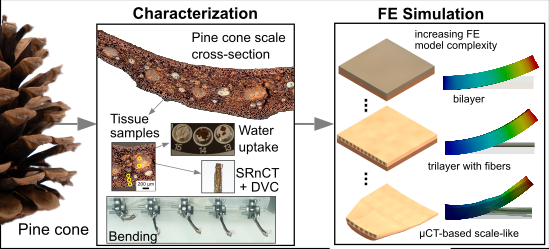
- properties and tissue arrangements for predicting pine cone scale bending in silico. By contributing to a deeper understanding of pine cone scale biomechanics, these results also support the development of bioinspired technical applications. Future studies should refine tissue mechanical properties and
- technical applications [1][2][3][4]. Of particular interest are, for example, Banksia seed pods [5][6], Hakea fruits [7][8], and scales of pine cones [9][10][11][12], which passively respond to changes in ambient relative humidity by shape morphing to facilitate seed dispersal. In the case of pine cones
- arrangement impact the bending motion, can therefore benefit the development and improvement of novel bioinspired technical applications. At present, some characteristics of pine cones have been described that help to explain how their individual tissues can deform under desiccation/hydration and thus lead to


Ambient pressure XPS at MAX IV
Beilstein J. Nanotechnol. 2025, 16, 1677–1694, doi:10.3762/bjnano.16.118
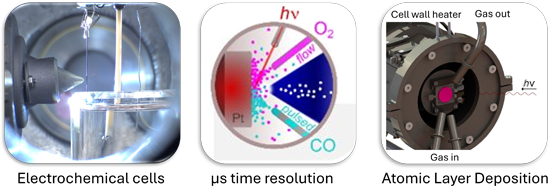
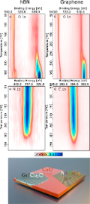
- . Electrochemistry is controlled via a Biologic SP200 potentiostat. Catalysis Heterogeneous catalysis is one of the most prominent and long-standing applications of APXPS and one of the primary drivers of its development [4][5][12]. APXPS extends the tradition of UHV-XPS surface science by enabling direct, operando





Energy spectrum and quantum phase transition of the coupled single spin and an infinitely coordinated Ising chain
Beilstein J. Nanotechnol. 2025, 16, 1668–1676, doi:10.3762/bjnano.16.117
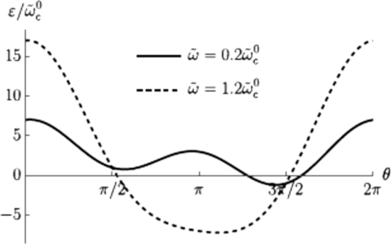
- the Markovian approximation, and also the correct way of introducing the Lindblad dissipation operators. These problems remain important in the general field of open quantum systems, extending beyond spin models [7][8][9]. One of the practical applications is modelling of certain quantum computing

![[Graphic 39]](/bjnano/content/inline/2190-4286-16-117-i63.svg?max-width=637&scale=1.18182)


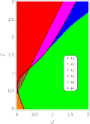
![[Graphic 51]](/bjnano/content/inline/2190-4286-16-117-i75.svg?max-width=637&scale=1.18182)
Prospects of nanotechnology and natural products for cancer and immunotherapy
Beilstein J. Nanotechnol. 2025, 16, 1644–1667, doi:10.3762/bjnano.16.116
- of the subject matter addressed, the IPC classification was not used, since the search criteria implemented provided patents from different IPCs that were related to the topic addressed in the review. Also, PCT (Patent Cooperation Treaty) applications were considered, as can be seen in the inclusion
- (CN) and The Institute of Medicinal Plant Development (CN) have published around three patents; the industry is represented by a single patent from BG Negev Technologies & Applications Ltd (WO) (Figure 3C). The predominance of patents filed by universities in cancer research based on natural products
- dose of its active ingredients [96]. These characteristics have made nanoparticles widely used in medicines, medical applications, and the food industry, as they provide increased shelf life, improved drug delivery, and enhanced therapeutic efficacy [97]. Various methods, such as chemical reduction


Nanotechnology-based approaches for the removal of microplastics from wastewater: a comprehensive review
Beilstein J. Nanotechnol. 2025, 16, 1607–1632, doi:10.3762/bjnano.16.114
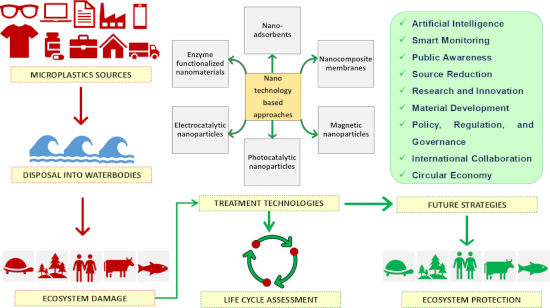
- techniques for the removal of MPs. Nanoparticle-based removal Advancements in characterization and synthesis techniques have enabled the manipulation of materials at the nanoscale, leading to innovations across various domains, including energy, electronics, and biomedical applications. Figure 5 depicts
- solution into a gel, enabling precise compositional control and producing homogenous metal oxides suited for photocatalytic applications [74]. Hydrothermal synthesis uses high-temperature, high-pressure aqueous environments to yield well crystalized particles with controlled morphologies, while co
- radicals. These benefits are particularly significant when the particle size is reduced to around 10 nm. Utilizing nanostructured semiconductors in photocatalytic applications proves to be more efficient, as a larger proportion of the photogenerated electron–hole pairs is available at the surface


Bioinspired polypropylene-based functionally graded materials and metamaterials modeling the mistletoe–host interface
Beilstein J. Nanotechnol. 2025, 16, 1592–1606, doi:10.3762/bjnano.16.113
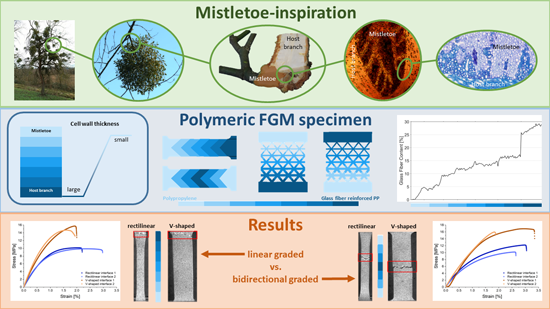
- versatility for a wide range of applications [16]. By strategically designing the gradient profiles within FGMs and integrating them into the hierarchical architectures of mechanical metamaterials, engineers can effectively program and manipulate the stiffness of the resulting structures at multiple length
- material gradient that can either enhance or counteract the gradient effect, opening up even more possibilities for advanced programmable metamaterials, which could find applications, for example, in crash-resistant components to selectively absorb impact energy or in material systems for targeted


Photocatalytic degradation of ofloxacin in water assisted by TiO2 nanowires on carbon cloth: contributions of H2O2 addition and substrate absorbability
Beilstein J. Nanotechnol. 2025, 16, 1567–1579, doi:10.3762/bjnano.16.111
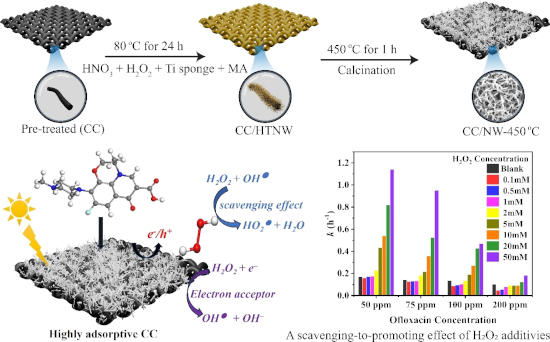
- Environmental and Optoelectronic Applications, Institute of Wenzhou, Zhejiang University, Wenzhou 325006, P. R. China 10.3762/bjnano.16.111 Abstract Vertically aligned TiO2 nanowires demonstrate exceptional photoactivity owing to their high specific surface area and improved charge separation; however, their
- ; ofloxacin; photocatalytic degradation; TiO2 nanowires; wastewater treatment; Introduction Drug pollution in natural environments has become an increasingly serious issue as a result of the wide applications of drugs in the diagnosis and treatment of human diseases, anti-epidemic disinfection, aquaculture
- mitigates the aggregation issues and simplifies the separation and recovery of photocatalysts within a slurry system. TiO2 nanowires are known for their significantly high surface area and are important for photocatalytic and photoelectrochemical applications. Template-mediated methods such as sol–gel


Modeling magnetic properties of cobalt nanofilms used as a component of spin hybrid superconductor–ferromagnetic structures
Beilstein J. Nanotechnol. 2025, 16, 1557–1566, doi:10.3762/bjnano.16.110
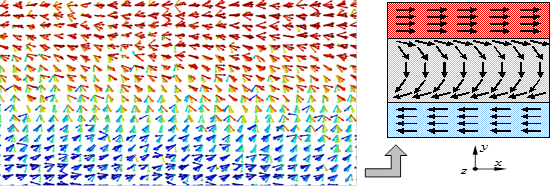
- thin films and the formation of Neel domain walls. Keywords: ferromagnetic properties; LAMMPS; mathematical modeling; MEAM; molecular dynamics; spin dynamics; Introduction Thin film structures [1][2] are increasingly employed each year in a wide range of applications, serving as functional [3][4
- possible to optimize them for specific applications and tasks. The present work is a development of earlier publications by the authors [14][15][16]. The cobalt thin films studied in this work can be a component of superconductor–ferromagnetic hybrid nanostructures, which are the basis for the formation of


Transient electronics for sustainability: Emerging technologies and future directions
Beilstein J. Nanotechnol. 2025, 16, 1545–1556, doi:10.3762/bjnano.16.109

- operational period, addressing growing concerns over sustainability and long-term biocompatibility. Built from biodegradable materials that undergo hydrolysis or enzymatic degradation, these systems are particularly well suited for temporary implantable applications, such as neural monitors, wireless
- persistence. One of the most compelling applications of transient electronics is in minimally invasive implantable medical devices designed for postoperative care and rehabilitative medicine. During the immediate postoperative recovery period, clinical needs are typically limited to short-term monitoring or
- van der Waals films via photonic sintering allows for the development of novel forms of transient electronic devices, thereby further broadening the scope of their potential applications [31]. The foundational principles of transient electronics rest on the deliberate selection and integration of


Influence of laser beam profile on morphology and optical properties of silicon nanoparticles formed by laser ablation in liquid
Beilstein J. Nanotechnol. 2025, 16, 1533–1544, doi:10.3762/bjnano.16.108
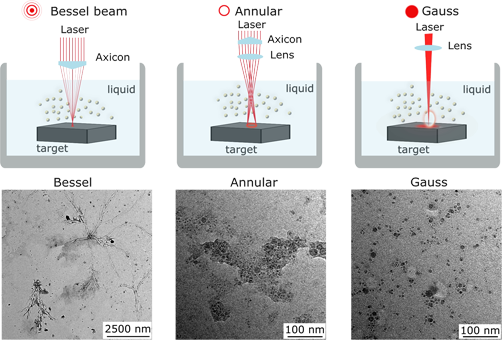
- morphology. The synthesized colloidal Si NPs are suggested for applications as a component of electrode materials in supercapacitors and batteries. Keywords: laser ablation; laser beams with Bessel, annular, Gaussian profiles; laser-induced modification; silicon nanoparticles; Introduction Silicon, due to
- electrical properties suitable for a wide range of practical applications [7][8][9]. PLAL has a number of advantages over other NP production methods due to the accessibility of equipment for ablation, the simplicity of the method, which does not require a special environment such as vacuum, and the ability
- number of approaches have been adopted to the formation of semiconducting nanowires and hybrid nanostructures by PLAL, including one-dimensional nanowires, nanotubes, and nanoribbons, as well as two-dimensional nanosheets and nanobelts [13][20][21]. Exemplary applications of laser ablation techniques for


Dendrimer-modified carbon nanotubes for the removal and recovery of heavy metal ions from water
Beilstein J. Nanotechnol. 2025, 16, 1522–1532, doi:10.3762/bjnano.16.107

- reagents or solvent systems [39][40]. DESs are formed through hydrogen bonding between two solid components resulting in eutectic liquids having a melting point lower than those of the individual components [41][42]. They offer advantages such as simple synthesis, low cost, and broad applications in
- efficiencies of 81.9 and 74.3% for Pb2+ and Cd2+ metal ions, respectively, affirming its potential use for practical applications. Based on kinetic studies, the adsorption process was best described by a pseudo-second order reaction, and the rate-limiting step was mainly chemisorption. Calculated value of


Cross-reactivities in conjugation reactions involving iron oxide nanoparticles
Beilstein J. Nanotechnol. 2025, 16, 1504–1521, doi:10.3762/bjnano.16.106
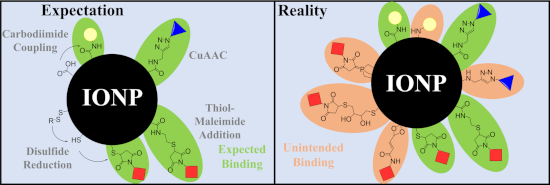
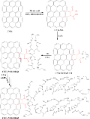
- (IONPs) with functional organic molecules is a major area of research for biomedical applications. Conjugation reactions, such as carbodiimide coupling and the highly selective class of reactions known as “click chemistry”, have been instrumental in tailoring the ligand layers of IONPs to produce
- erroneous conclusions about the efficacy of conjugation reactions, which can have detrimental impacts on the functionality and safety of IONPs in biomedical applications. Keywords: click chemistry; copper-catalyzed azide–alkyne cycloaddition; disulfide reduction; iron oxide nanoparticles; thiol–maleimide
- Michael addition; Introduction Iron oxide nanoparticles (IONPs) have been the subject of an immense body of research in the field of biomedicine, where their magnetic properties are appealing for such applications as MRI contrast agents [1], tumor hyperthermia [2], and magnetic drug delivery [3







Nanomaterials for biomedical applications
Beilstein J. Nanotechnol. 2025, 16, 1499–1503, doi:10.3762/bjnano.16.105
- , Istanbul, Turkey 10.3762/bjnano.16.105 Keywords: biomedical applications; drug delivery; nanocarriers; nanomaterials; nanomedicine; nanoparticles; polymeric nanoparticles; tissue regeneration; Medicine has rapidly advanced over the last few decades, and nanotechnology has played a significant role in
- adverse effects and increasing the success rate of the delivery. Since nanomaterials can be tunable, the vast majority of health sectors are investigating their potential in a wide range of applications, such as targeted drug delivery, gene therapy, tissue regeneration, imaging, and diagnostic tools [2
- ]. Polymeric nanoparticles, dendrimers, and carbon-based structures such as carbon nanotubes are very promising when it comes to delivering drugs and genes to certain parts of the body [3]. Conversely, metallic nanoparticles such as gold and iron oxide, and fluorescent quantum dots have applications in
Laser processing in liquids: insights into nanocolloid generation and thin film integration for energy, photonic, and sensing applications
Beilstein J. Nanotechnol. 2025, 16, 1428–1498, doi:10.3762/bjnano.16.104
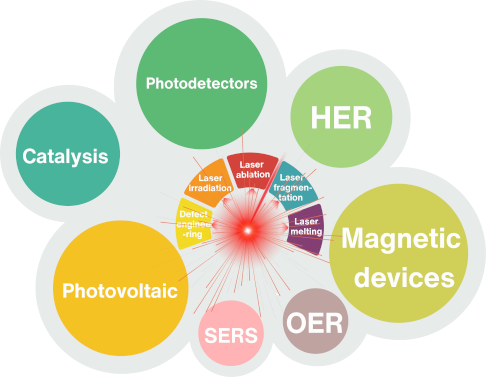
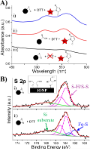
- stability in addition to other benefits like tunable size and morphology, crystalline phases, new compounds and alloys, and defect engineering. These nanocolloids are useful for fabricating different devices mainly with applications in optoelectronics, catalysis, sensors, photodetectors, surface-enhanced
- sections start with an introduction to the common laser-assisted synthesis for nanocolloids and different methods of thin film fabrication using these nanocolloids followed by devices fabricated and characterized for applications including photovoltaics, photodetectors, catalysis, photocatalysis
- also touches upon the phenomenon of laser-induced defects in liquid environments. While numerous comprehensive reviews on these topics already exist, this article aims to offer a succinct overview of the fundamental principles and applications of these techniques [1]. The focus is on providing a






Photochemical synthesis of silver nanoprisms via green LED irradiation and evaluation of SERS activity
Beilstein J. Nanotechnol. 2025, 16, 1417–1427, doi:10.3762/bjnano.16.103
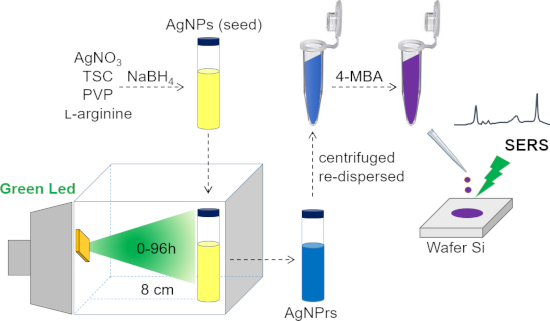
- applications. Keywords: light-emitting diodes (LEDs); photochemical synthesis; silver nanoprisms; surface-enhanced Raman scattering (SERS); trisodium citrate; Introduction Anisotropic silver nanoparticles (ASNPs) have attracted increasing attention from research groups worldwide due to their potential
- applications in optical sensing, particularly in surface-enhanced Raman scattering (SERS) [1]. Among ASNPs, silver nanoprisms (AgNPrs) are of particular interest because of their broad absorption in the visible range (400–900 nm), enabling them to display a wide spectrum of colors such as yellow, red, orange
- , violet, green, and blue. This makes AgNPrs highly suitable for optical sensing applications [2]. The formation mechanism of AgNPrs in solution typically proceeds through three stages, namely, nucleation, seeding, and crystallization, with the crystallization phase being the slowest and rate-determining


The role of biochar in combating microplastic pollution: a bibliometric analysis in environmental contexts
Beilstein J. Nanotechnol. 2025, 16, 1401–1416, doi:10.3762/bjnano.16.102
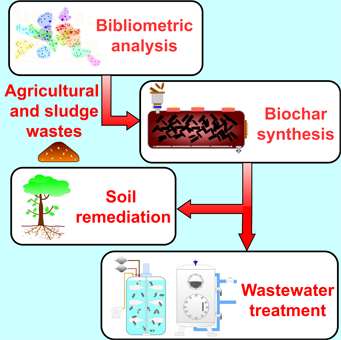
- functional groups in MP remediation also remains insufficiently explored. Moreover, bibliometric approaches have not been widely applied to visualize research trends in BC applications for MP mitigation. To advance the understanding of MP pollution and biochar’s remediation mechanisms, bibliometric analysis
- shown in Figure S1, Supporting Information File 1, four primary research themes have been explored at the national level since 2017, namely, (i) adsorption capacity and mechanisms, (ii) composting-related fertilizer applications, (iii) degradation of plastic mulch into polymers in soil, and (iv
- removal efficiency in wastewater treatment applications. Biochar synthesis techniques and functional optimization Biochar synthesis The synthesis methods for biochar, as illustrated in Figure 4, encompass traditional hydrolysis techniques and modified approaches utilizing materials such as magnetic



Parylene-coated platinum nanowire electrodes for biomolecular sensing applications
Beilstein J. Nanotechnol. 2025, 16, 1392–1400, doi:10.3762/bjnano.16.101
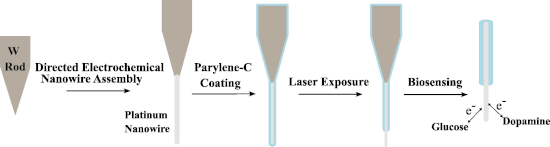
- introduced. Results show that the diameter of the platinum nanowire and electrode tip length can be tuned down to 120 nm and 1.2 µm, respectively, where the exposed nanowires on the electrode tips are chemically active and their surfaces can be modified for specific biosensing applications. The biosensing
- testing with glucose and dopamine demonstrate limits of detection of 30 nM and 0.01 mM, respectively. The R-squared values for peak current versus concentration are 0.985 and 0.994, indicating strong linear correlations. These nanoscale electrodes hold great promise for single-cell biosensing applications
- , and enhanced signal-to-noise ratio besides high-resolution scanning applications [4][5]. These properties have made nanoscale electrodes the preferred choice in the biosensing industry, particularly for point-of-care applications. As this market continues to expand, there is a growing demand for more


Synthesis and antibacterial properties of nanosilver-modified cellulose triacetate membranes for seawater desalination
Beilstein J. Nanotechnol. 2025, 16, 1380–1391, doi:10.3762/bjnano.16.100
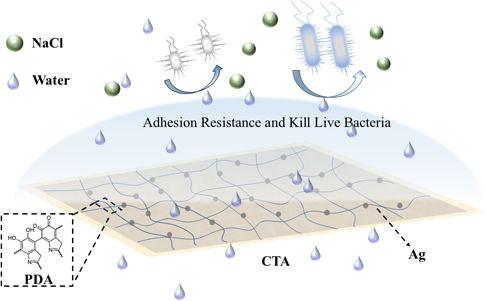
- the PDA layer (Figure 4e). These Ag nanoparticles, typically appearing as discrete entities, are interspersed among the PDA microspheres, contributing to the membrane’s antimicrobial properties essential for mitigating biofouling in desalination applications. The cross-sectional SEM images, along with
- further improvements and new applications of nanomaterials in membrane technology remains promising. Experimental Materials CTA was purchased from DAICEL (China) Investment Co., Ltd. Dopamine hydrochloride (98%), tris(hydroxymethyl)aminomethane hydrochloride (standard buffer substance, 99.9% (titration


Enhancing the therapeutical potential of metalloantibiotics using nano-based delivery systems
Beilstein J. Nanotechnol. 2025, 16, 1350–1366, doi:10.3762/bjnano.16.98
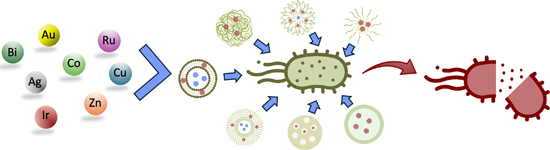
- , significantly expanding their applications [58]. The structure of liposomes can vary, with unilamellar and multilamellar vesicles being the two main forms, offering flexibility in the types of drugs they can deliver. In addition, size, surface charge, and lipid composition of these nanoparticles can be tailored
- during storage [83][84]. Their surfaces can be modified for targeted delivery, improving the bioavailability of therapeutic agents and allowing for their use in a variety of medical applications. Despite these advantages, challenges such as particle aggregation and potential toxicity continue to persist
- , making them ideal for targeted drug delivery applications [87]. Mesoporous silica nanoparticles (MSiNPs) are a subclass of SiNPs known for their ordered pore structure, which allows for the encapsulation of large molecules and proteins. Due to their high surface area for drug loading and also to the fact


Ferroptosis induction by engineered liposomes for enhanced tumor therapy
Beilstein J. Nanotechnol. 2025, 16, 1325–1349, doi:10.3762/bjnano.16.97
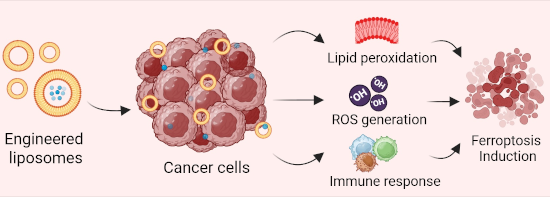
- the sensitivity of tumor cells to these treatments and improve the efficacy of these treatments [14][15][16]. New technologies, innovative methods, and interdisciplinary research will drive progress in ferroptosis research and its medical applications [13]. Recently, nanotechnology has expanded its
- high EE and stability [117]. These new technologies in liposome synthesis offer improved methods for producing liposomes with customized properties, which increased their potential as drug delivery systems for various therapeutic applications [114][117][118][119]. The optimal method of liposome
- , lipid peroxidation facilitation, and drug release kinetics. In the following section, we explore how these engineered liposomes contribute to ferroptosis induction and tumor therapy. 3.3 Applications and advancements in liposomal drug delivery systems Liposomes are highly promising nanocarriers for drug





