Search results
Search for "battery" in Full Text gives 114 result(s) in Beilstein Journal of Nanotechnology.
Synthesis of graphene–transition metal oxide hybrid nanoparticles and their application in various fields
Beilstein J. Nanotechnol. 2017, 8, 688–714, doi:10.3762/bjnano.8.74
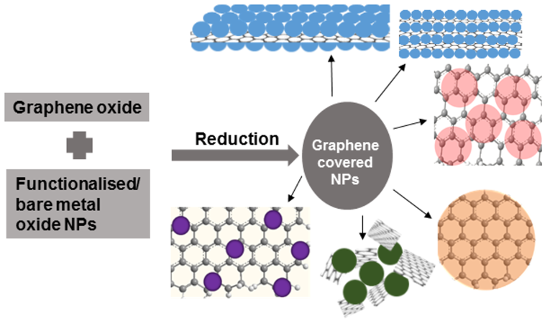
- ] for growing Mn3O4 NPs on the GO sheets. The Mn3O4–graphene hybrid is being explored for high capacity, low cost, nontoxic anode materials for battery applications (Figure 4b). MnO2 has a high theoretical capacity of 1232 mAh·g−1 deduced from heterogeneous Li2O and Mn metal conversion reactions [139
- medium. The Co3O4–graphene hybrid possesses catalytic performance for heterogeneous activation of peroxymonosulfate for the decomposition of phenol [183]. Moreover, the performance of the zinc–air battery (ZAB), fabricated by using this hybrid as the cathode, is found to be closely matched with the
- for GO reduction [193]. This hybrid shows higher catalytic activity than Co(OH)2 for phenol degradation and it takes only 10 min for 100% phenol removal. Nickel oxide (NiO)–graphene hybrids NiO, a p-type wide band gap semiconductor is extensively used as catalyst, battery cathode, electrochemical






Carbon nanotube-wrapped Fe2O3 anode with improved performance for lithium-ion batteries
Beilstein J. Nanotechnol. 2017, 8, 649–656, doi:10.3762/bjnano.8.69
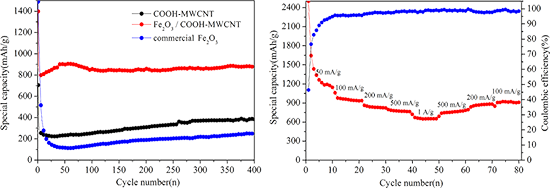
- vehicles and battery electric vehicles [1][2][3][4][5][6][7][8]. Graphite, is the most commonly used anode material for LIBs, has a theoretical specific capacity of 372 mAh·g−1 [9], which does not meet the requirements of hybrid electric vehicles. Thus, the development of next-generation batteries with low
- spectroscopy (EIS). Charge/discharge tests of the assembled cells were carried out using a commercial battery test system (LAND model, CT2001A) at a constant current in the potential range of 0.01–3.00 V (vs Li/Li+). The cyclic voltammetry measurements were conducted in the same potential window at a scanning


Phosphorus-doped silicon nanorod anodes for high power lithium-ion batteries
Beilstein J. Nanotechnol. 2017, 8, 222–228, doi:10.3762/bjnano.8.24
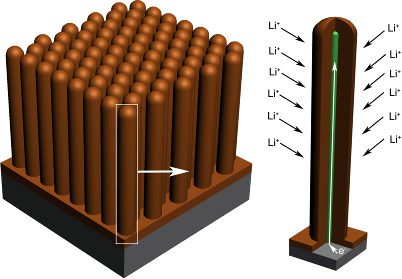
- . Keywords: in situ reduction; lithium-ion battery; silicon anode; silicon nanorods; Introduction As one of the most popular secondary power sources, lithium-ion batteries (LIBs) are widely used in portable personal electronics, electrical vehicles and grid energy storage because of their high energy and
- battery performance [7][11]. In such a stratagem, nanostructured current collectors are generally prepared by carbonization of organics, electrochemical deposition with templates, and reduction of metal oxides, all of which are complicated and costly [7][11][12][13]. On the other hand, as a semiconductor
- material, the conductivity of Si is not high enough for high-power battery applications. Conductive coatings are usually used to enhance the conductivity of Si-based anodes, but the conductivity inside the Si cannot be changed by this approach, resulting in limited improvements of the high-power


Microwave synthesis of high-quality and uniform 4 nm ZnFe2O4 nanocrystals for application in energy storage and nanomagnetics
Beilstein J. Nanotechnol. 2016, 7, 1350–1360, doi:10.3762/bjnano.7.126
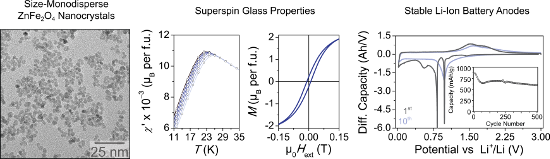
- Christian Suchomski Ben Breitung Ralf Witte Michael Knapp Sondes Bauer Tilo Baumbach Christian Reitz Torsten Brezesinski Institute of Physical Chemistry, Justus-Liebig-University Giessen, Heinrich-Buff-Ring 17, 35392 Giessen, Germany Battery and Electrochemistry Laboratory, Institute of
- good material characteristics, it is remarkable that the microwave-based synthetic route is simple, easily reproducible and scalable. Keywords: 1-phenylethanol route; lithium-ion battery; nanomagnetism; nanoparticles; nonaqueous sol–gel synthesis; zinc ferrite; Introduction Spinel ferrites of the
- to be capable of reacting electrochemically with Li to form Li2O and reduced metal phases [12][13][14]. However, bulk forms of these materials have not proven to be of interest for battery applications because of sluggish conversion reaction kinetics and fast capacity decay on cycling. Since small


Improved lithium-ion battery anode capacity with a network of easily fabricated spindle-like carbon nanofibers
Beilstein J. Nanotechnol. 2016, 7, 1289–1295, doi:10.3762/bjnano.7.120
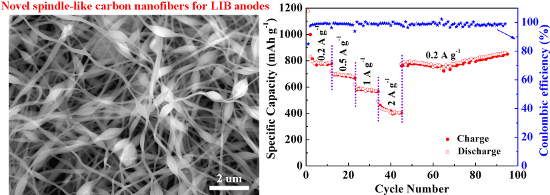
- capacity of 875.5 mAh g−1 after 200 cycles and 1005.5 mAh g−1 after 250 cycles with a significant coulombic efficiency of 99.5%. Keywords: carbon nanofiber network; electrospinning; lithium-ion battery; manganese oxide; nitrogen modification; Introduction Lithium-ion batteries (LIBs) have been identified
- cycling and rate tests of the cells were measured using a Neware BTS-610 multichannel battery tester at room temperature. Cyclic voltammetry measurements were performed over a potential window of 0.02–3.00 V vs Li/Li+ at a scanning rate of 0.1 mV s−1 with a CHI-660C electrochemical workstation. (a) SEM


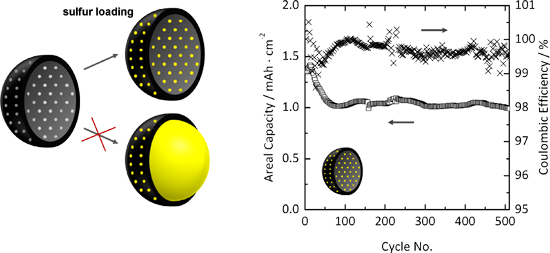
Mesoporous hollow carbon spheres for lithium–sulfur batteries: distribution of sulfur and electrochemical performance
Beilstein J. Nanotechnol. 2016, 7, 1229–1240, doi:10.3762/bjnano.7.114
- Anika C. Juhl Artur Schneider Boris Ufer Torsten Brezesinski Jurgen Janek Michael Froba Institute of Inorganic and Applied Chemistry, University of Hamburg, Martin-Luther-King-Platz 6, 20146 Hamburg, Germany Battery and Electrochemistry Laboratory, Institute of Nanotechnology, Karlsruhe Institute
- the high theoretical specific capacity (1675 mAh·g−1) and specific energy (2600 Wh·kg−1) of sulfur the lithium–sulfur (Li–S) battery is a promising candidate to overcome this limitation and, thus, replace the Li–ion system [4][6]. Besides, sulfur offers the advantages of being naturally abundant, non
- electrolyte used in the cell was 10 μL/mgsulfur. Galvanostatic measurements were performed at 25 °C in the potential range of 2.5–1.7 V versus Li/Li+ using a MACCOR Series 4000 (Tulsa, Oklahoma) multichannel battery cycler. A constant voltage step was applied at the end of charging until a current drop of 90


Novel roles for well-known players: from tobacco mosaic virus pests to enzymatically active assemblies
Beilstein J. Nanotechnol. 2016, 7, 613–629, doi:10.3762/bjnano.7.54
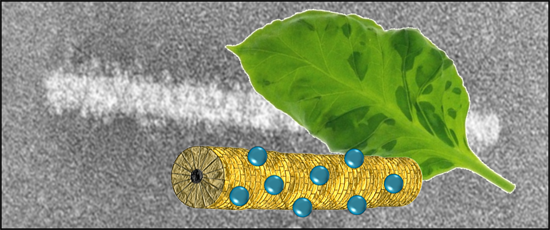
- (length: 300 nm) in combination with functional ligands such as peptides, enzymes, dyes, drugs or inorganic materials is advantageous for applications ranging from biomedical imaging and therapy approaches over surface enlargement of battery electrodes to the immobilization of enzymes. TMV building blocks


Molecular machines operating on the nanoscale: from classical to quantum
Beilstein J. Nanotechnol. 2016, 7, 328–350, doi:10.3762/bjnano.7.31
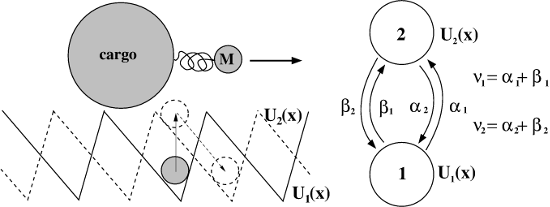
- electrochemical rechargeable battery) is used to synthesize ATP molecules out of ADP and the orthophosphate Pi (the useful work done), in the case of ATP-synthase, or to produce mechanical motion by flagellar motors [1][3]. An ATP-synthase nanomotor can also operate in reverse [9], and the energy of ATP
- hydrolysis can be used to pump protons against their electrochemical gradient to recharge the “battery”. These and similar nanomotors can operate at ambient temperature in a highly dissipative environment with nearly 100% thermodynamic efficiency defined as the ratio of useful work done to the input energy
- example, highly efficient ionic pumps – the “Maxwell demons” of living cells working under the condition of strong friction. Plainly said, a dissipationless demon cannot charge a battery, it is futile. Therefore, the consideration of such a device as a “motor” cannot be scientifically justified. It is

![[Graphic 40]](/bjnano/content/inline/2190-4286-7-31-i86.png?max-width=637&scale=1.18182) with depth ε. Bias Δμ < 0 per one rotation tur...
with depth ε. Bias Δμ < 0 per one rotation tur...

![[Graphic 48]](/bjnano/content/inline/2190-4286-7-31-i94.png?max-width=637&scale=1.18182) , for the most asymmetric sawtooth mod...
, for the most asymmetric sawtooth mod...


Functional fusion of living systems with synthetic electrode interfaces
Beilstein J. Nanotechnol. 2016, 7, 296–301, doi:10.3762/bjnano.7.27
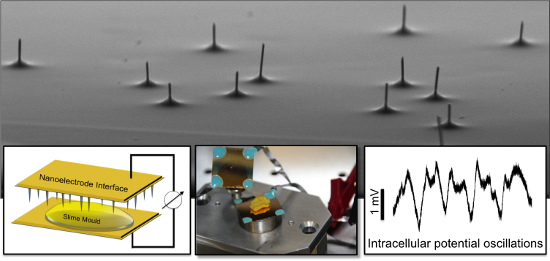
- corresponds to a hypothetical electrical output of approximately 1.6 nW. To determine the maximal electrical output of this Physarum/NEI/PGE “battery”, measurements using defined resistors were performed. This experiment revealed a peak of 3.31 nW at 4 MΩ (Figure 2d), emphasizing its potential use for energy


Synthesis and applications of carbon nanomaterials for energy generation and storage
Beilstein J. Nanotechnol. 2016, 7, 149–196, doi:10.3762/bjnano.7.17

















Selective porous gates made from colloidal silica nanoparticles
Beilstein J. Nanotechnol. 2015, 6, 2105–2112, doi:10.3762/bjnano.6.215
- . Quantification was performed with external calibration curves (R2 ≥ 0.9999 for MB and R2 ≥ 0.9998 for RNAse, see Figures S1 and S2 in Supporting Information File 1). Additionally, some tests were performed applying an external stimulus (i.e., electric field) by using a battery of 9 V connected with two graphite


Nitrogen-doped graphene films from chemical vapor deposition of pyridine: influence of process parameters on the electrical and optical properties
Beilstein J. Nanotechnol. 2015, 6, 2028–2038, doi:10.3762/bjnano.6.206
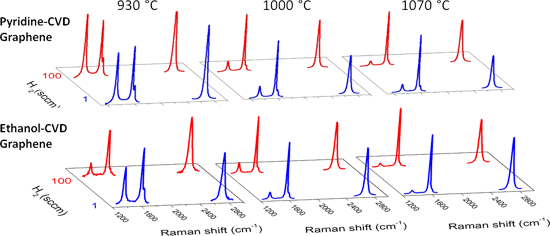
- nitrogen might also confer useful chemical properties to graphene, e.g., rendering it catalytic to oxygen reduction reactions [24] or enhancing its lithium intercalation properties for battery applications [25]. Nitrogen doping was originally achieved ex situ by the post-growth treatment of pristine CVD


Paramagnetism of cobalt-doped ZnO nanoparticles obtained by microwave solvothermal synthesis
Beilstein J. Nanotechnol. 2015, 6, 1957–1969, doi:10.3762/bjnano.6.200
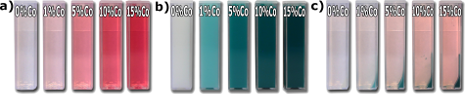
- ][13][14], solar cells [10], catalysts [15], energy storage (battery) materials [16], fast data storage [17], light-emitting diodes (LEDs) [18], gas sensors [10], thermoelectric devices [19], varistors [20][21], window materials for displays [21], laser technology [10], surface acoustic wave devices




Metal hydrides: an innovative and challenging conversion reaction anode for lithium-ion batteries
Beilstein J. Nanotechnol. 2015, 6, 1821–1839, doi:10.3762/bjnano.6.186
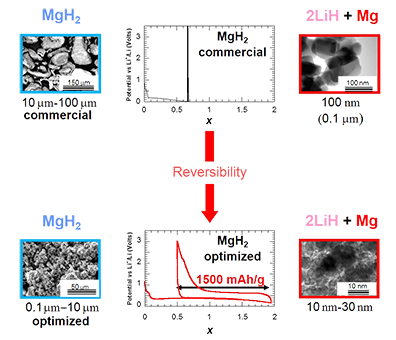
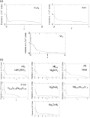
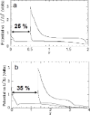
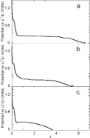
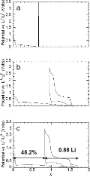
- final analysis, hydrides as a new concept for negative electrodes bridges Li-ion battery and hydrogen storage technologies together and can constitute a promising opportunity for the discovery and the achievement of new energy storage technology for the next 20 years. Gravimetric and theoretical











Materials for sustainable energy production, storage, and conversion
Beilstein J. Nanotechnol. 2015, 6, 1601–1602, doi:10.3762/bjnano.6.163

- well as their function when integrated into a battery electrode. Not only can a better understanding of the transport processes and chemical reactions at the microscale be gathered, but also the development of strategies for optimizing the electrode. Such a multiscale modeling approach is presented
Possibilities and limitations of advanced transmission electron microscopy for carbon-based nanomaterials
Beilstein J. Nanotechnol. 2015, 6, 1541–1557, doi:10.3762/bjnano.6.158
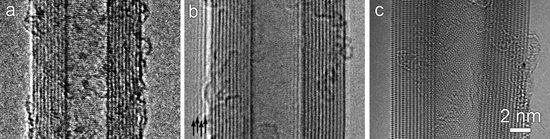
- devices, catalysis supports, battery electrodes, and many more. The research of carbon nanohybrid materials, including both the fundamental study of carbon nanostructures and the understanding of interface formation between nano-carbon and the host matrix, is essential to the understanding of their


From lithium to sodium: cell chemistry of room temperature sodium–air and sodium–sulfur batteries
Beilstein J. Nanotechnol. 2015, 6, 1016–1055, doi:10.3762/bjnano.6.105
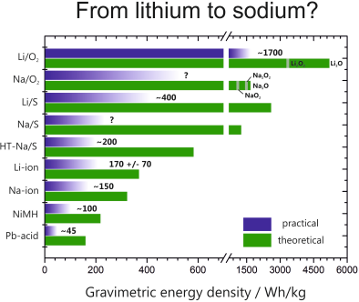
- Physical Chemistry, Justus-Liebig-University Giessen, Heinrich-Buff-Ring 58, 35392 Giessen, Germany BASF SE, 67056 Ludwigshafen, Germany Battery and Electrochemistry Laboratory, Institute of Nanotechnology, Karlsruhe Institute of Technology, Hermann-von-Helmholtz-Platz 1, 76344 Eggenstein-Leopoldshafen
- abundance of sulfur and oxygen. The cell chemistry, however, is complex, and progress toward practical device development remains hampered by some fundamental key issues, which are currently being tackled by numerous approaches. Quite surprisingly, not much is known about the analogous sodium-based battery
- systems, although the already commercialized, high-temperature Na/S8 and Na/NiCl2 batteries suggest that a rechargeable battery based on sodium is feasible on a large scale. Moreover, the natural abundance of sodium is an attractive benefit for the development of batteries based on low cost components


Multiscale modeling of lithium ion batteries: thermal aspects
Beilstein J. Nanotechnol. 2015, 6, 987–1007, doi:10.3762/bjnano.6.102
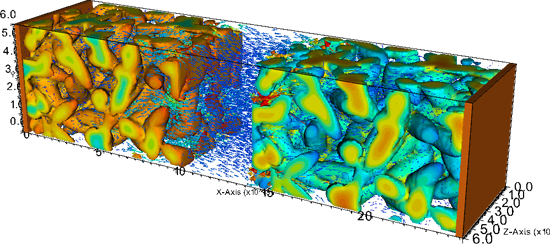
- cell scale are numerically solved in full 3D resolution. The complex very localized distributions of heat sources in a microstructure of a battery and the problems of mapping these localized sources on an averaged porous electrode model are discussed by comparing the detailed 3D microstructure-resolved
- devices in general is the extremely complex chemical context in which those devices are operated [1]. There is no commercial battery which is produced from pure active materials for the electrodes and from a pure mixture of salt and solvent for the electrolyte alone. Usually, it is necessary to add soot
- structure of the battery is as important as the material itself to obtain a “good” electrode, where “good” is defined with respect to the envisioned application and not with respect to the materials properties. Analogous modifications are necessary to obtain a good conducting electrolyte that is stable


Pt- and Pd-decorated MWCNTs for vapour and gas detection at room temperature
Beilstein J. Nanotechnol. 2015, 6, 919–927, doi:10.3762/bjnano.6.95
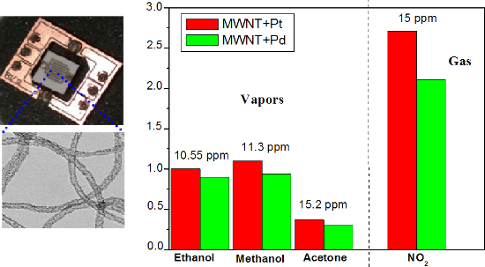
- compounds studied (measured at concentrations up to 50 ppm). Therefore, these sensors could be useful in a small, battery-operated alarm detector, for example, which is able to discriminate aromatic from non-aromatic volatile organic compounds in ambient. Keywords: gas and vapour sensing; metal decoration
- temperatures [18]) thus enabling the development of low-power sensors [13][19]. This is essential for achieving long-life, battery-operated, wearable detectors. Furthermore, carbon nanotube sensors can be easily miniaturised, which is not the case for electrochemical sensors [20]. Pristine carbon nanotubes are



Filling of carbon nanotubes and nanofibres
Beilstein J. Nanotechnol. 2015, 6, 508–516, doi:10.3762/bjnano.6.53
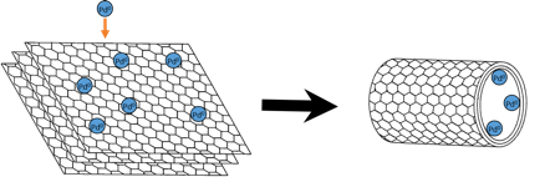
- energy storage [34][35], battery electrodes [24][36], catalysis [37][38] and nanowelding [39]. Shortly after their discovery in 1991, MWCNTs were filled with metals in order to create metal nanowires encapsulated within the CNT [10]. While this was the original inspiration behind the filling of TCNSs, it


Kelvin probe force microscopy in liquid using electrochemical force microscopy
Beilstein J. Nanotechnol. 2015, 6, 201–214, doi:10.3762/bjnano.6.19
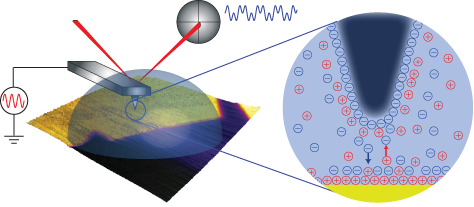
- in an unknown background potential [36]. The study of, e.g., biological systems and battery materials necessitates the application of KPFM-like techniques in ionically-active liquids whilst presenting an opportunity to overcome the difficulties present under ambient conditions. Despite the urgent


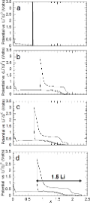
![[Graphic 6]](/bjnano/content/inline/2190-4286-6-19-i11.png?max-width=637&scale=1.18182) response collected 200 nm above a grounded Au electrode in (a, b, c) air, (d, e, f) decane an...
response collected 200 nm above a grounded Au electrode in (a, b, c) air, (d, e, f) decane an...


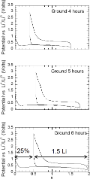
![[Graphic 22]](/bjnano/content/inline/2190-4286-6-19-i27.png?max-width=637&scale=1.18182) spectra [bias-on] collected 500 nm above HOPG in aqueous solutions of increasing salt concent...
spectra [bias-on] collected 500 nm above HOPG in aqueous solutions of increasing salt concent...

![[Graphic 25]](/bjnano/content/inline/2190-4286-6-19-i30.png?max-width=637&scale=1.18182) spectra [bias-on] collected 500 nm above (a) HOPG and (b) Au in milli-Q water (vertical color...
spectra [bias-on] collected 500 nm above (a) HOPG and (b) Au in milli-Q water (vertical color...

![[Graphic 27]](/bjnano/content/inline/2190-4286-6-19-i32.png?max-width=637&scale=1.18182) spectra [bias-on] recorded 500 nm above a HOPG/Au boundary in milli-Q water. T...
spectra [bias-on] recorded 500 nm above a HOPG/Au boundary in milli-Q water. T...

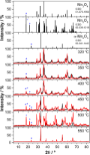
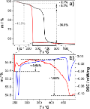
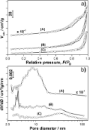
Manganese oxide phases and morphologies: A study on calcination temperature and atmospheric dependence
Beilstein J. Nanotechnol. 2015, 6, 47–59, doi:10.3762/bjnano.6.6
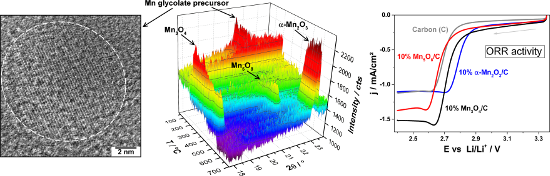
- reaction intermediates, especially those involving oxygen. These properties are especially important for catalytic applications such as water oxidation [9][10][11] and the oxygen reduction and evolution reactions in metal/air battery systems [12][13][14][15][16]. Additionally, the advantages of manganese





Synthesis of radioactively labelled CdSe/CdS/ZnS quantum dots for in vivo experiments
Beilstein J. Nanotechnol. 2014, 5, 2383–2387, doi:10.3762/bjnano.5.247
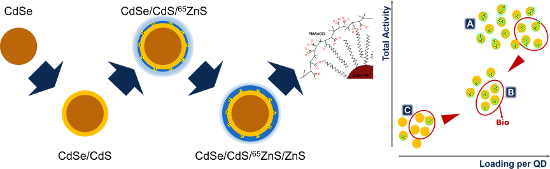
- Gordon M. Stachowski Christoph Bauer Christian Waurisch Denise Bargheer Peter Nielsen Jorg Heeren Stephen G. Hickey Alexander Eychmuller Physical Chemistry, Technische Universität Dresden, 01062 Dresden, Germany Li-Tec Battery GmbH, Am Wiesengrund 7, 01917 Kamenz, Germany Department of


Magnesium batteries: Current state of the art, issues and future perspectives
Beilstein J. Nanotechnol. 2014, 5, 1291–1311, doi:10.3762/bjnano.5.143
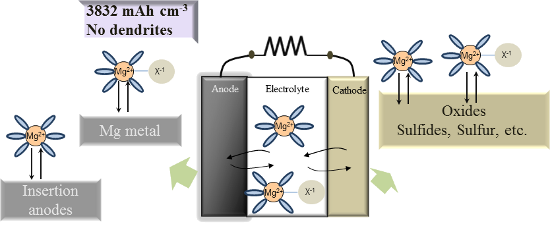
- ...” Count Alessandro Volta. Inspired by the first rechargeable magnesium battery prototype at the dawn of the 21st century, several research groups have embarked on a quest to realize its full potential. Despite the technical accomplishments made thus far, challenges, on the material level, hamper the
- realization of a practical rechargeable magnesium battery. These are marked by the absence of practical cathodes, appropriate electrolytes and extremely sluggish reaction kinetics. Over the past few years, an increased interest in this technology has resulted in new promising materials and innovative
- the most recent developments made and offer our perspectives on how to overcome some of the remaining challenges. Keywords: cathode; electrolyte; magnesium anode; magnesium battery; magnesium metal; Introduction Fueled by an ever increasing demand for electrical energy to power the numerous aspects


Review of nanostructured devices for thermoelectric applications
Beilstein J. Nanotechnol. 2014, 5, 1268–1284, doi:10.3762/bjnano.5.141
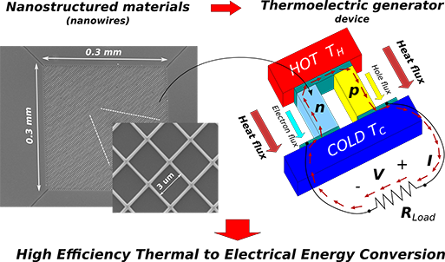
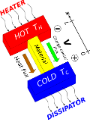
- thermally in parallel) can be used both to generate electrical power, if a temperature difference is maintained (by using for example a heater for TH and a heat sink for TC), and as a cooler, if electrical power is supplied by a battery. Even if in this review a particular emphasis on thermoelectric