


Search results
Search for "bioavailability" in Full Text gives 101 result(s) in Beilstein Journal of Nanotechnology.
Microfluidics as tool to prepare size-tunable PLGA nanoparticles with high curcumin encapsulation for efficient mucus penetration
Beilstein J. Nanotechnol. 2019, 10, 2280–2293, doi:10.3762/bjnano.10.220
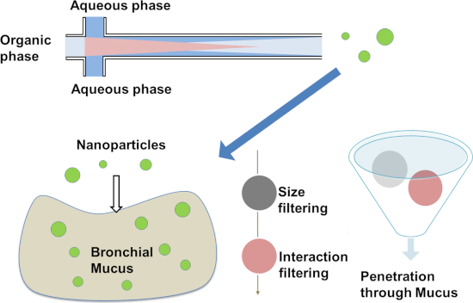
- improved solubility and bioavailability [25]. As penetrating particulate systems also raise the question of toxicity, biocompatible systems such as poly(lactide-co-glycolide) (PLGA) (a very benign material) are considered to be well-suited. PLGA NPs have been extensively studied in the pharmaceutical field


Targeted therapeutic effect against the breast cancer cell line MCF-7 with a CuFe2O4/silica/cisplatin nanocomposite formulation
Beilstein J. Nanotechnol. 2019, 10, 2217–2228, doi:10.3762/bjnano.10.214
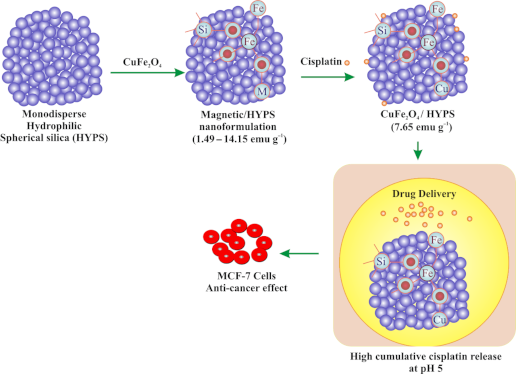
- expected health crisis [1]. However, the single modal drug delivery system is hampered by low bioavailability (about 5–10%), burst release, and lower target efficiency. Multifunctional theranostic nanoparticles that can respond to an external magnetic field for drug release and assist in bioimaging


BergaCare SmartLipids: commercial lipophilic active concentrates for improved performance of dermal products
Beilstein J. Nanotechnol. 2019, 10, 2152–2162, doi:10.3762/bjnano.10.208
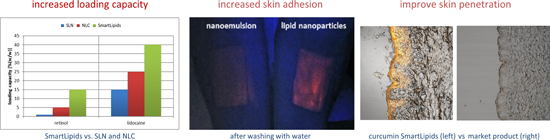
- agents, e.g., retinol as a classical example; restoration of the natural skin barrier (recently in focus in the framework of “anti-pollution” strategies); penetration enhancement and increased bioavailability allowing for a reduced application frequency, enabling the use of active agents that could not
- primarily for the higher priced cosmetic sector. Increased penetration and bioavailability Occlusion increases the dermal penetration of many active agents. Occlusion leads to increased moisture content of the skin as well as increased percutaneous absorption of most active agents [29][30]. A simple but
- for such problematic, poorly soluble active agents such as curcumin. This increased bioavailability in the skin enables real skin effects. This study based on curcumin fluorescence was a qualitative study as the fluourescence intensity was not measured quantitatively. However, strong fluorescence


Porous silver-coated pNIPAM-co-AAc hydrogel nanocapsules
Beilstein J. Nanotechnol. 2019, 10, 1973–1982, doi:10.3762/bjnano.10.194
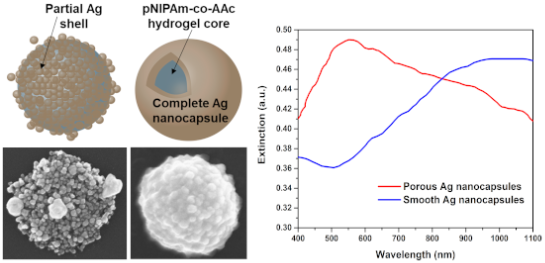
- advantages over bulk materials in terms of reactive surface area, mobility, carrier capacity, bioavailability, and absorption/scattering across a broad range of wavelengths, even into the near-infrared (NIR) [7][8][9][10]. Nanostructured composites have been reported in a variety of shapes, sizes, and


Synthesis and potent cytotoxic activity of a novel diosgenin derivative and its phytosomes against lung cancer cells
Beilstein J. Nanotechnol. 2019, 10, 1933–1942, doi:10.3762/bjnano.10.189
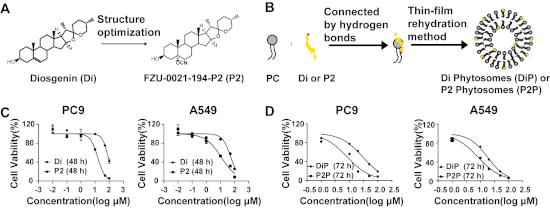
- by cholesterol have been substantially investigated as drug carriers for targeting, modulating drug pharmacokinetics, and decreasing drug toxicity [15][16]. Liposomes also can be used as solubilizing media to enhance solubility and bioavailability of insoluble drugs [17]. Di and our prepared
- phytosomes were expected to enhance the solubility and bioavailability of the Di derivative for clinical transformation. In this study, we first prepared several Di derivatives and screened the most potent candidate through a preliminary structure–activity relationship study. Then the liposome-like



Preservation of rutin nanosuspensions without the use of preservatives
Beilstein J. Nanotechnol. 2019, 10, 1902–1913, doi:10.3762/bjnano.10.185
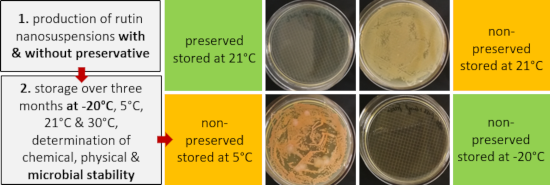
- well-known formulation principle to overcome poor aqueous solubility and poor bioavailability of class-II and class-VI active ingredients of the biopharmaceutics classification system (BCS) [6][7]. Nanocrystals are already used in various pharmaceutical drug products for oral use. Examples are Rapamune


Microfluidic manufacturing of different niosomes nanoparticles for curcumin encapsulation: Physical characteristics, encapsulation efficacy, and drug release
Beilstein J. Nanotechnol. 2019, 10, 1826–1832, doi:10.3762/bjnano.10.177
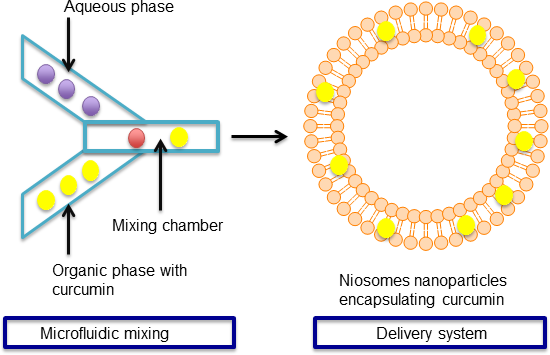
- cancer such as prostate and cervical cancers [3]. However, the therapeutic application of curcumin is limited by its high hydrophobicity with poor water solubility, photosensitivity, chemical instability, and rapid metabolism rate [4][5]. Therefore, as a result, systemic bioavailability is much reduced
- [6]. The use of nanoparticles as drug delivery systems is currently a corner stone in the field of drug delivery in order to improve the pharmacokinetics and pharmacodynamics of many drugs that have limitations in bioavailability [7]. Therefore, to improve the curcumin characteristics, nanoparticles


Nanoporous smartPearls for dermal application – Identification of optimal silica types and a scalable production process as prerequisites for marketed products
Beilstein J. Nanotechnol. 2019, 10, 1666–1678, doi:10.3762/bjnano.10.162
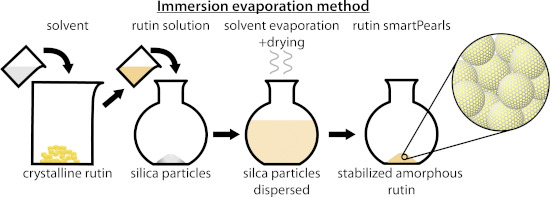
- particles loaded with a long-term stable, amorphous active agent in its mesopores (2–50 nm). The amorphous state of the active agent is known to increase dermal bioavailability. For use in marketed products, optimal silica types were identified from commercially available, regulatory accepted silica. In
- solvent removal) can be industrially realized in a commercial 50 L rotary evaporator. Keywords: amorphous dispersion; bioavailability enhancement; dermal delivery system; rutin; smartPearls; solubility enhancement; Introduction Many interesting active agents in pharma and cosmetics are poorly soluble
- solution, because the application of simple suspensions to the skin normally does not provide a sufficient dermal bioavailability. Classic delivery systems such as liposomes [3] or solid lipid nanoparticles (SLNs) [4][5] do not work because the active agents do not dissolve in the lipidic phase of these




Tailoring the stability/aggregation of one-dimensional TiO2(B)/titanate nanowires using surfactants
Beilstein J. Nanotechnol. 2019, 10, 1024–1037, doi:10.3762/bjnano.10.103
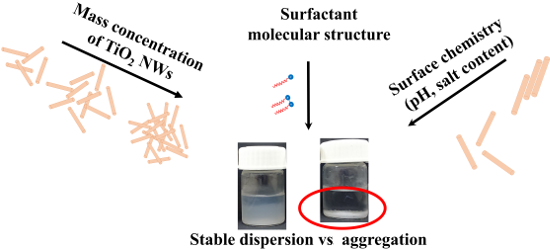
- altering their aggregation behavior as well as the ultimate bioavailability and eco-toxicity in aqueous environments [30][31]. Among the different classes of surfactants that have emerged in the last 30 years, dimeric, i.e., gemini surfactants have attracted particular attention in both fundamental


Hybrid Au@alendronate nanoparticles as dual chemo-photothermal agent for combined cancer treatment
Beilstein J. Nanotechnol. 2018, 9, 2947–2952, doi:10.3762/bjnano.9.273
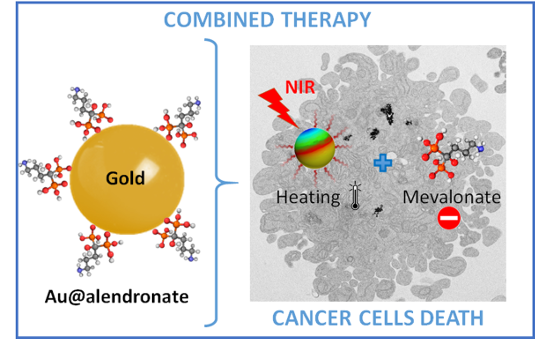
- . They inhibit the prenylation of GTPase proteins, which affects cell morphology, replication and signalling that can cause cell death by apoptosis [8][9]. However, the in vivo therapeutic use of HMBPs is limited by low bioavailability. Once intravenously injected, free HMBPs are only slightly


Enhanced antineoplastic/therapeutic efficacy using 5-fluorouracil-loaded calcium phosphate nanoparticles
Beilstein J. Nanotechnol. 2018, 9, 2499–2515, doi:10.3762/bjnano.9.233
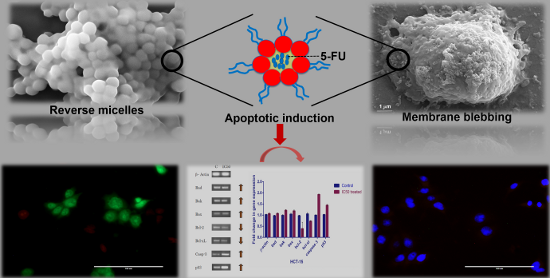
- bioavailability, increased chemical stability, stimuli-responsive behaviour, pH-dependent properties, surface engineering characteristics, low or no antigenicity [16] and aqueous solubility of calcium phosphate nanoparticles greatly enhances the therapeutic efficacy. The exploitation of calcium phosphate
- introduced in 1958, displays higher therapeutic efficacy in solid tumours like colon, rectum and breast cancers. 5-FU exhibits increased bioavailability and a versatile generation of antineoplastic properties and is a commonly administered chemotherapeutic drug. Due to its nucleotide analogue chemical
- . Characteristic features such as high biocompatibility, bioavailability and pH-triggered behaviour, highlight the great potential of calcium phosphate nanoparticles as carriers for biomedical applications. Moreover, the low cost, highly reproducible microemulsion synthetic procedure further enhances the


Review on nanoparticles and nanostructured materials: history, sources, toxicity and regulations
Beilstein J. Nanotechnol. 2018, 9, 1050–1074, doi:10.3762/bjnano.9.98

- protein capsids were used to encapsulate drugs, genes, enzymes or proteins for targeted delivery with biocompatibility and bioavailability [128]. Recent research efforts have focused on using viral NPs as conjugation templates to produce novel nanostructures [129][130] and cages for compound encapsulation


Green synthesis of fluorescent carbon dots from spices for in vitro imaging and tumour cell growth inhibition
Beilstein J. Nanotechnol. 2018, 9, 530–544, doi:10.3762/bjnano.9.51
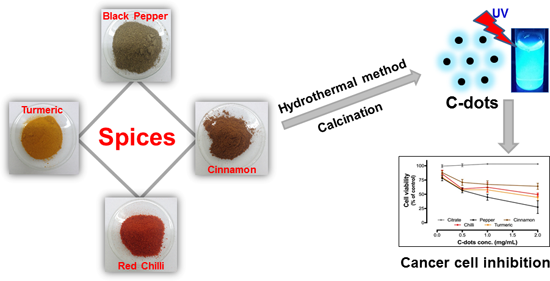
- 115.0, 201.1 and 286.1 (see Figure S10, Supporting Information File 1). Thus, the reduction of cancer cell viability produced by the assayed spice-derived C-dots could be attributed to the components of the spices employed for the synthesis. Even if present at low concentrations, the bioavailability of


Development of polycationic amphiphilic cyclodextrin nanoparticles for anticancer drug delivery
Beilstein J. Nanotechnol. 2017, 8, 1457–1468, doi:10.3762/bjnano.8.145
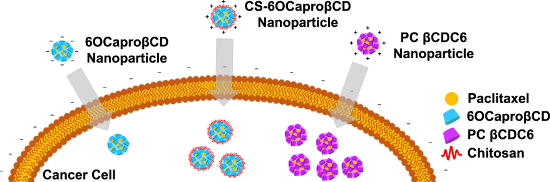
- is effective against a wide spectrum of cancers. To overcome its bioavailability problems arising from very poor aqueous solubility and tendency to recrystallize upon dilution, paclitaxel is commercially formulated with co-solvents such as Cremophor EL® that are known to cause serious side effects


Low uptake of silica nanoparticles in Caco-2 intestinal epithelial barriers
Beilstein J. Nanotechnol. 2017, 8, 1396–1406, doi:10.3762/bjnano.8.141
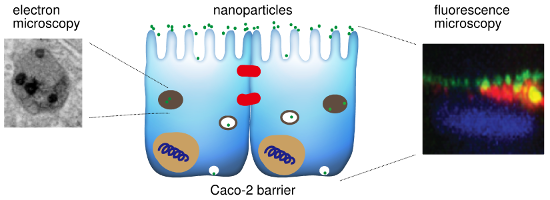
- and bioavailability of compounds in drug delivery. In vitro drug transport studies with differentiated Caco-2 barriers are usually performed using transwell systems that allow distinguishing the apical and basal side of the developed monolayer, after polarisation and tight junction expression have



Needs and challenges for assessing the environmental impacts of engineered nanomaterials (ENMs)
Beilstein J. Nanotechnol. 2017, 8, 989–1014, doi:10.3762/bjnano.8.101
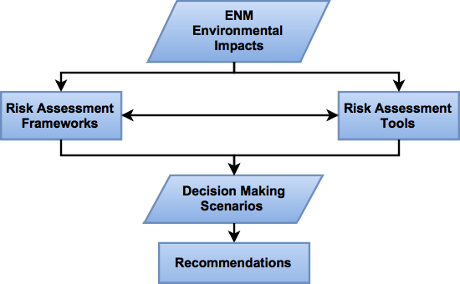
- ENM properties such as agglomeration, reactivity/charge, critical functional groups, contaminant dissociation and size; evidence of toxicity; and other factors related to toxicity such as bioavailability and bioaccumulation). This outranking method has the advantage, when criteria metrics are not
- perceived hazard/toxicity (i.e., lower score for less harmful/toxic ENM) and 5 the least favorable/more toxic); and toxicity evidence, bioavailability, and bioaccumulation (scale of 0–100 of a “subjective” probability scale constructed by the authors based on their expert judgment). In the proposed approach

Nanoscale isoindigo-carriers: self-assembly and tunable properties
Beilstein J. Nanotechnol. 2017, 8, 313–324, doi:10.3762/bjnano.8.34
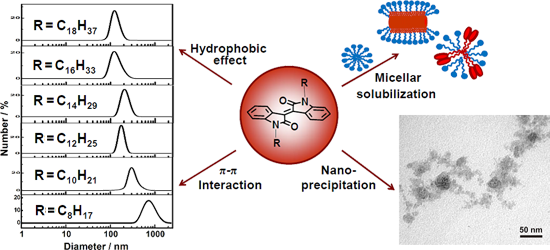
- ]. This may be of potential interest in biomedicine for the delivery of drugs or genetic material into cells [34][35]. The development of effective therapeutic drugs based on isoindigo derivatives focuses on improving their bioavailability because of their weak solubility in water. To this end an
- and hydrogen bonding. Another strategy is the use of soft matter (micelles, emulsions, dendrimers, nanospheres, solid lipid nanoparticles or liposomes) as the delivery vehicle. These studies have been encouraged by the possibility to prevent side effects, to increase drug bioavailability, to decrease
- supramolecular aggregates largely through π–π stacking interactions, while the aggregation of the long-chain homologues is mainly guided by hydrophobic effects (Scheme 1). Micellar solutions of isoindigo derivatives and their spectroscopic properties One way to improve the bioavailability of isoindigo




Chitosan-based nanoparticles for improved anticancer efficacy and bioavailability of mifepristone
Beilstein J. Nanotechnol. 2016, 7, 1861–1870, doi:10.3762/bjnano.7.178
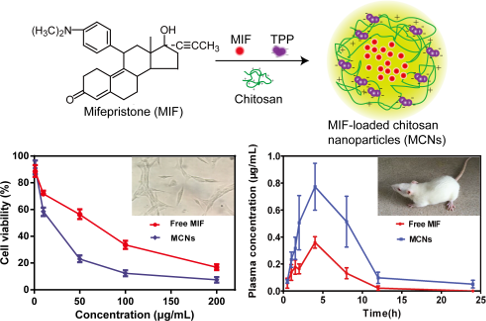
- mechanism of action. However, application of MIF is limited by its poor water solubility and low oral bioavailability. In this work, we developed a drug delivery system based on chitosan nanoparticles (CNs) to improve its bioavailability and anticancer activity. The MIF-loaded chitosan nanoparticles (MCNs
- curve from 0 to 24 h compared with free MIF. These results demonstrated that MCNs could be developed as a potential delivery system for MIF to improve its anticancer activity and bioavailability. Keywords: anticancer; chitosan; drug delivery; mifepristone; nanoparticles; pharmacokinetics; sustained
- ]. Because the side effects of MIF are closely related with its dosage, some studies have been implemented to find the optimum dosage of MIF [7] or to develop new formulations for MIF to improve its bioavailability [8]. Chitosan (Cs) is a basic polysaccharide found in nature with good biocompatibility and


Preparation of alginate–chitosan–cyclodextrin micro- and nanoparticles loaded with anti-tuberculosis compounds
Beilstein J. Nanotechnol. 2016, 7, 1208–1218, doi:10.3762/bjnano.7.112
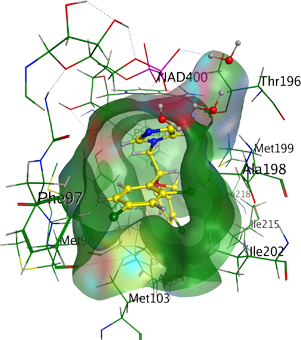
- of some antituberculosis drugs (insufficient enantiomeric purity) and reduced bioavailability, cause the development of drug-resistant (DR-TB), multidrug-resistant (MD-RTB), and extensively drug-resistant (XDR-TB) tuberculosis [1][2]. In order to reduce the duration of treatment and the frequency and
- the delivery of a celecoxib–hydroxypropyl-β-cyclodextrin–PVP complex [3] and for the controlled release of insulin after oral delivery [4][5]. Since these were mainly administered through the digestive tract, their sizes were only determined by bioavailability, and not by aerosol stability as in the
- precipitate in the lungs. At the same time, particles with diameters above 5.0 μm are mainly retained in the oropharynx [13]. The addition of cyclodextrins to the microparticles results in (i) an increase of stability, solubility, and bioavailability of the active compounds in the complex; this has been



Predicting cytotoxicity of PAMAM dendrimers using molecular descriptors
Beilstein J. Nanotechnol. 2015, 6, 1886–1896, doi:10.3762/bjnano.6.192
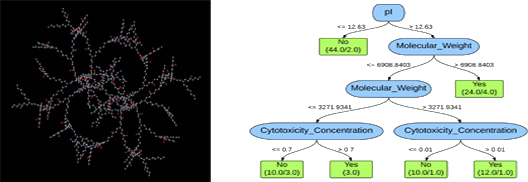
- scaffold structures, they have been demonstrated to be suitable carriers for a number of diverse bioactive agents, improving the solubility and bioavailability of poorly soluble ones [14][15]. These particular nanoparticles are also promising for use in the treatment of cancer, including oral formulations


NanoE-Tox: New and in-depth database concerning ecotoxicity of nanomaterials
Beilstein J. Nanotechnol. 2015, 6, 1788–1804, doi:10.3762/bjnano.6.183
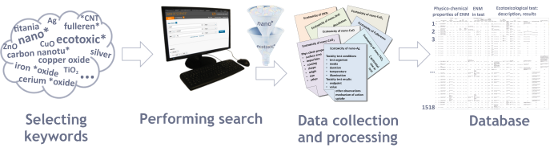
- entries identified residual elements. Other reported observations, the most common parameters being crystal structure, density, and absorbance, were specified in 33% of the entries (Figure 4a). Both in toxicological tests as well as in natural environments, the bioavailability and toxicity of ENMs depends


How decision analysis can further nanoinformatics
Beilstein J. Nanotechnol. 2015, 6, 1594–1600, doi:10.3762/bjnano.6.162

- characteristics listed above and that may influence hazards (bioavailability, bioaccumulation and toxic potential) were used to evaluate the selected nanomaterials [18]. Five alternative risk classifications were proposed for the materials: extreme risk, high risk, medium risk, low risk, and very low risk. The
Influence of surface chemical properties on the toxicity of engineered zinc oxide nanoparticles to embryonic zebrafish
Beilstein J. Nanotechnol. 2015, 6, 1568–1579, doi:10.3762/bjnano.6.160
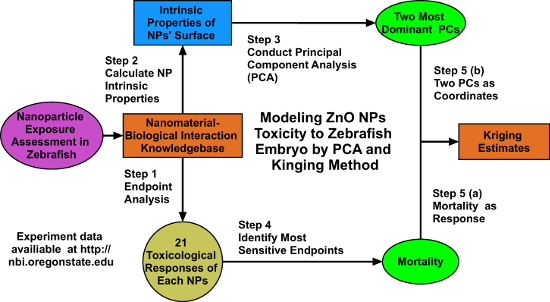
- + ions and ROS production compared to bare ZnO NPs [17][18]. In addition, the behaviour of surface functionalized ZnO NPs may vary compared to non-functionalized (bare) ZnO NPs by altering stability and/or agglomeration, potentially altering bioavailability and toxicity to aquatic organisms [18][19][20




PLGA nanoparticles as a platform for vitamin D-based cancer therapy
Beilstein J. Nanotechnol. 2015, 6, 1306–1318, doi:10.3762/bjnano.6.135
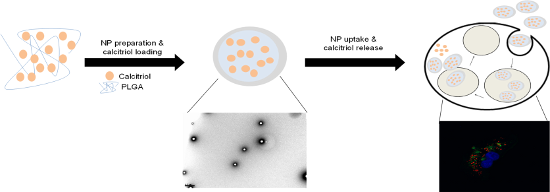
- polymeric NPs will increase bioavailability by preventing drug degradation before administration, increasing the half-life of vitamin D3 in the bloodstream, avoiding the first-pass effect and circumventing the multidrug resistance (MDR) problem [18]. Also it is well documented that PLGA NPs are efficiently
- activity, allowing reduced administration frequency, as well as lower drug dosage, and thus increased drug bioavailability. This work also demonstrated that encapsulation in a nanovehicle enhanced the growth inhibition effect of calcitriol in the treated human cell lines by inducing cell cycle arrest in
- conclude that nanoencapsulation in PLGA NPs may offer a new and potentially effective administration strategy of calcitriol that overcomes the actual limitations such as its low bioavailability. Experimental Chemicals PLGA Resomer® RG503H (50:50; Mw 24,000–38,000), ethyl acetate, Pluronic®F127, coumarin-6


Nanodiamond-DGEA peptide conjugates for enhanced delivery of doxorubicin to prostate cancer
Beilstein J. Nanotechnol. 2014, 5, 937–945, doi:10.3762/bjnano.5.107
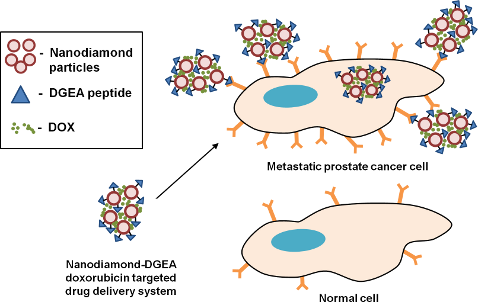
- , delivery due to size, and bioavailability. In contrast to the aforementioned nanoparticle systems, nanodiamond particles (ND) possess advantageous properties such as rich surface chemistry for conjugating targeting molecules, high surface area for loading drugs, and the ability to act as transmembrane





