


Search results
Search for "cancer cells" in Full Text gives 166 result(s) in Beilstein Journal of Nanotechnology.
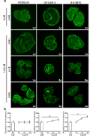
The nanomorphology of cell surfaces of adhered osteoblasts
Beilstein J. Nanotechnol. 2021, 12, 242–256, doi:10.3762/bjnano.12.20
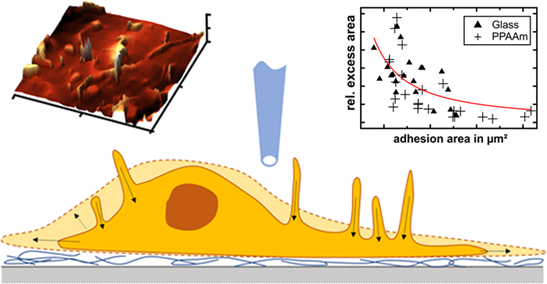
- breast cancer cells [30], and on keratinocytes [35]. In general, these features are associated with migration, receptor internalization, and micropinocytosis [30][36][37]. Membrane ruffling is regulated by a distinct signaling pathway [38] and the supporting actin is denser and more cross-linked [35


Bio-imaging with the helium-ion microscope: A review
Beilstein J. Nanotechnol. 2021, 12, 1–23, doi:10.3762/bjnano.12.1
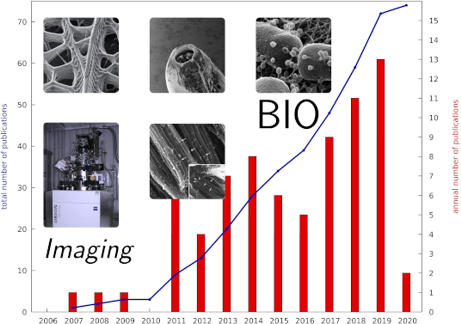
- study published in the same year, Bazou et al. employed HIM to image human colon cancer cells (Caco2) [9]. The glutaraldehyde-fixed and freeze-dried cells were imaged by both HIM and SEM to enable the direct comparison between the two instruments. HIM analysis of gold-coated and uncoated samples showed
- , HIM provided high-resolution insight into the complex network of interactions of platelets with cancer cells [10]. In 2012, Berg-Foels et al. used transmission electron microscopy, SEM, and HIM to image rabbit cartilage samples [70]. The long depth of field provided by HIM renders the technique
- study regarding biological HIM imaging of a whole variety of biological samples, including plants, bacteria, cancer cells, and a nematode worm, Pristionchus pacificus. The imaging of that worm will be discussed later in the section “Nanofabrication” regarding its innovative use of the combination of


PEG/PEI-functionalized single-walled carbon nanotubes as delivery carriers for doxorubicin: synthesis, characterization, and in vitro evaluation
Beilstein J. Nanotechnol. 2020, 11, 1728–1741, doi:10.3762/bjnano.11.155
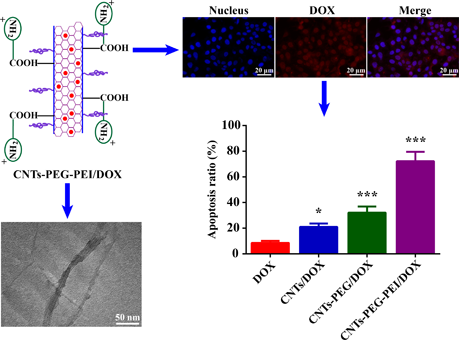
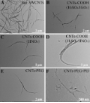
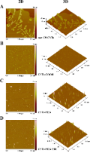
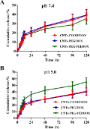
- chemotherapeutic agents to distinguish cancer cells from normal cells due to nonspecific distribution and lack of selectivity results in severe toxic side effects for health [1][2]. Therefore, a variety of nanoscale delivery systems have been designed for the controlled release of chemotherapy drugs to decrease
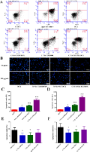
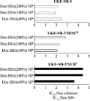
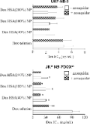
- can induce cell apoptosis with ratios of 9.2% and 11.3% at 50 and 100 μg·mL−1, respectively. The apoptosis ratios of carboxylated or functionalized SWCNTs are lower (Figure 10E,F). It can be concluded that drug-loaded CNT carriers can cause the death of cancer cells through apoptosis after delivering




Influence of the magnetic nanoparticle coating on the magnetic relaxation time
Beilstein J. Nanotechnol. 2020, 11, 1207–1216, doi:10.3762/bjnano.11.105
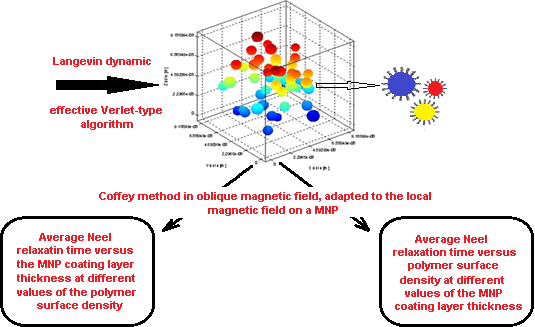
- . Upon reaching the tumour, the magnetic nanoparticles are locally subjected to an alternating magnetic field, generating heat that kills the cancer cells [1]. The heat is generated due to two phenomena: Néel relaxation (an internal phenomenon driven by the rotation of the particle magnetic moment inside


Applications of superparamagnetic iron oxide nanoparticles in drug and therapeutic delivery, and biotechnological advancements
Beilstein J. Nanotechnol. 2020, 11, 1092–1109, doi:10.3762/bjnano.11.94
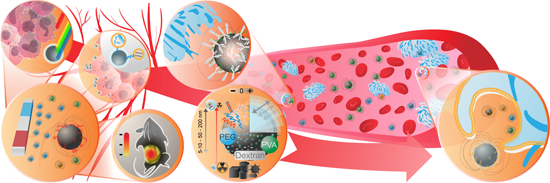
- occurred [84]. Polyvinylpyrrolidone (PVP)-coated SPIONs showed an unexpected effect on human breast cancer cells (BT-474) in vitro. At concentrations between 10 and 100 µg/mL, for up to three days, nanoparticles doubled the metabolic activity and the population number of cancer cells. Only at
- very important for medical applications. These properties depend on the methods used, targeted organs/tissues, image resolution, administration way and dosage, and toxicity [116]. Fakhar-e-Alam and collaborators [117] observed that above a certain dose cancer cells develop a resistance to ligand
- of 48 °C (after 1 h treatment at 15 mT and 150 kHz) and effectively killing breast cancer cells [145]. A high surface absorption rate can be obtained by increasing the frequency of the magnetic field, but that can only be done in a biologically safe limit, determined by Brezovich and Atkinson [146


Examination of the relationship between viscoelastic properties and the invasion of ovarian cancer cells by atomic force microscopy
Beilstein J. Nanotechnol. 2020, 11, 568–582, doi:10.3762/bjnano.11.45
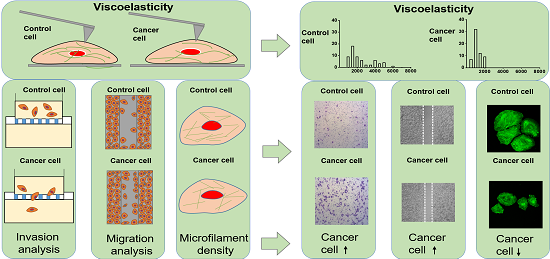
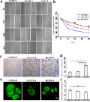
- The mechanical properties of cells could serve as an indicator for disease progression and early cancer diagnosis. This study utilized atomic force microscopy (AFM) to measure the viscoelastic properties of ovarian cancer cells and then examined the association with the invasion of ovarian cancer at
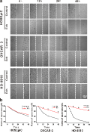
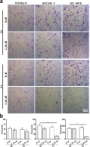
- the level of living single cells. Elasticity and viscosity of the ovarian cancer cells OVCAR-3 and HO-8910 are significantly lower than those of the human ovarian surface epithelial cell (HOSEpiC) control. Further examination found a dramatic increase of migration/invasion and an obvious decease of
- significantly related with the elasticity of the cells. An increase of elasticity and a decrease of invasion were found in OVCAR-3 and HO-8910 cells after Ech treatment. Together, this study clearly demonstrated the association of viscoelastic properties with the invasion of ovarian cancer cells and shed a


Luminescent gold nanoclusters for bioimaging applications
Beilstein J. Nanotechnol. 2020, 11, 533–546, doi:10.3762/bjnano.11.42
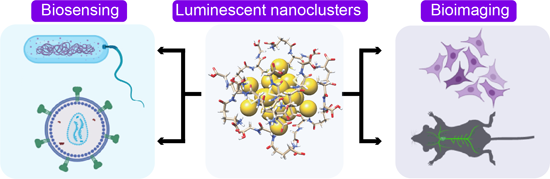
- allowed for plasmonic and magnetic resonance, and luminescence in a single composite system for plasmonic photothermal therapy (PPTT). The bioimaging capability of the plasmonic magneto-luminescent multifunctional nanocarrier (PML-MF) systems were studied in vitro using three types of cancer cells, namely
- potential for photothermal therapy. While PML-MF alone was not toxic to healthy HEK cell lines, the treatment with DPML-MF showed a similar antiproliferative effect on healthy cell lines as that of cancerous cells. Therefore, the selective killing of cancer cells was not achieved. The superparamagnetic
- therapy [93]. The toxicity studies using human oesophageal squamous cancer cells (EC1) showed that when [Au8(C21H27O2)8] was used at a concentration near its IC10 value, the luminescence of the incubated samples increased from 0 to 8 h. The luminescence, however, disappeared after 24 h indicating


Multilayer capsules made of weak polyelectrolytes: a review on the preparation, functionalization and applications in drug delivery
Beilstein J. Nanotechnol. 2020, 11, 508–532, doi:10.3762/bjnano.11.41
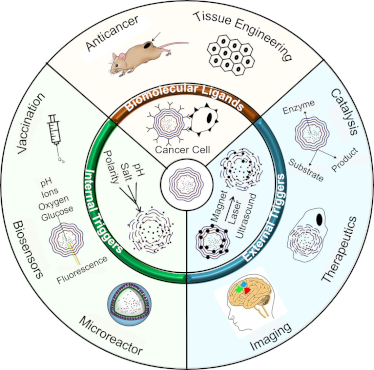
- intensity of radiation successfully breaks the shell and releases the loaded cargo, high intensity leads to the generation of high heat, which helps in destroying the surrounding cancer cells. Even though the advantages of NP incorporation in capsules have been immense, similar work in weak PE assemblies is
- drug-loaded PVPAlk capsules were even shown to overcome multidrug resistance with Dox and paclitaxel against LIM1899 colorectal cancer cells [98]. A new kind of dual (pH and redox) responsive, charge shifting click capsules based on poly(2-diisopropylaminoethyl methacrylate) (PDPA) were also fabricated
- specific to A33 antigens expressed on colorectal cancer cells were adsorbed on capsules from a buffer at pH 7.4 [102]. Both electrostatic and hydrogen bonding contributed to the binding of antibodies to the capsule external layer and to retaining their immunological activity. As mentioned in the previous



Brome mosaic virus-like particles as siRNA nanocarriers for biomedical purposes
Beilstein J. Nanotechnol. 2020, 11, 372–382, doi:10.3762/bjnano.11.28
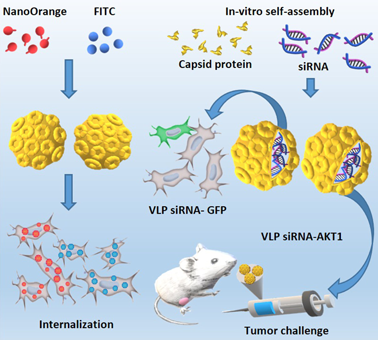
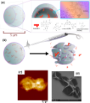
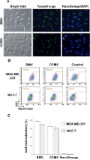
- the breast cancer cells. Representative confocal microscopy images showed NanoOrange fluorescence inside the cells (Figure 1A). It is important to point out that the capsids are able to internalize efficiently into tumor cells without any functionalization. The cell internalization has been quantified
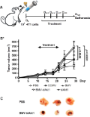
- cancer cells was prepared at a concentration of 2 × 10⁶ cells/mL in PBS. 4T1 cells were then inoculated in the left, upper (or 2nd) mammary fat pad (105 cells in 50 µL) of 8-week old Balb/C female mice. One week after the inoculation, palpable tumors were detected in all the mice that were divided into


Poly(1-vinylimidazole) polyplexes as novel therapeutic gene carriers for lung cancer therapy
Beilstein J. Nanotechnol. 2020, 11, 354–369, doi:10.3762/bjnano.11.26
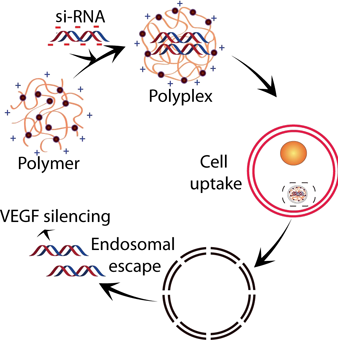
- efficiency of the formed complexes in A549 lung cancer cells. The polyplex formed was found to exhibit 66% complexation efficiency. The complexation was confirmed by gel retardation assays, FTIR and thermal analysis. The blank PVI polymer was not toxic to cells. The polyplex was found to exhibit excellent
- internalization and escaped the endosome effectively. The polyplex was more effective than free siRNA in silencing VEGF in lung cancer cells. The silencing of VEGF was quantified using Western blot and was also reflected in the depletion of HIF-1α levels in the cells treated with the polyplex. VEGF silencing by
- that have been connected to the proliferation and invasion of lung cancer cells. These results indicate that the PVI complexes can be an effective agent to counter lung cancer. Keywords: anti-VEGF siRNA; gene silencing; lung cancer; microarray; poly(1-vinylimidazole); small interfering RNA (siRNA


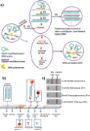
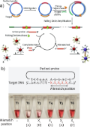
Using gold nanoparticles to detect single-nucleotide polymorphisms: toward liquid biopsy
Beilstein J. Nanotechnol. 2020, 11, 263–284, doi:10.3762/bjnano.11.20
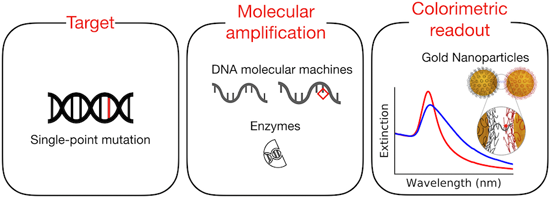
- necrosis [40][41][42][43][44]. Moreover, in solid malignancies, circulating tumor DNA differs from cell-free DNA by somatic mutations [18][46][47]. In leukemia, for example, the increased amount of cfDNA originates from cancer cells. Nonetheless, four main types of gene alterations occurring in cfDNA are




Rational design of block copolymer self-assemblies in photodynamic therapy
Beilstein J. Nanotechnol. 2020, 11, 180–212, doi:10.3762/bjnano.11.15
- proposed to overcome the drug resistance of cancer cells. Indeed, it induced membrane permeability of the endo-lysosome and particle disassembly after white-light irradiation thus triggering the release of doxorubicin in the cytosol [96]. In the study by Zheng et al. [100] the AIE fluorophore is used as
- a hydrophilic shell for micelle stabilization, and the derivatized polylysin (Plys) acts as a hydrophobic core to load the photosensitizer (BODIPY), while PMAGP mainly serves to direct the target delivery to hepatoma cancer cells. Folate (FA) has been extensively studied as a targeting moiety [116
- production efficiency was improved. Polymer self-assemblies containing catalase [68] or MnO2 nanoparticles [65][69] have been developed as they can catalytically decompose endogenous H2O2 present in the tumor environment thus increasing the oxygen level in cancer cells. The electrostatic interactions between






Molecular architectonics of DNA for functional nanoarchitectures
Beilstein J. Nanotechnol. 2020, 11, 124–140, doi:10.3762/bjnano.11.11
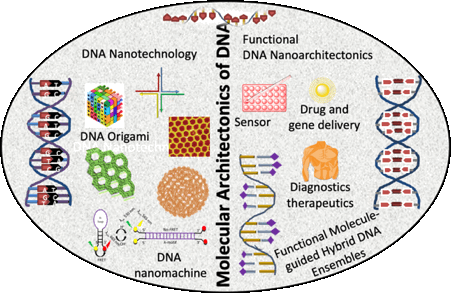
- construction of a DNA origami-based nanorobot for the cargo delivery of payloads into cancer cells [56]. The autonomous DNA nanorobot was constructed using a nucleolin-binding DNA aptamer and was loaded with thrombin protease. The nucleolin protein was overexpressed in tumor-associated endothelial cells, which
- -functionalized iron oxide nanoparticle system was capable of selectively targeting the cancer cells and, potentially, to act as an MRI contrast agent. The programmability of the DNA tetrahedrons provided an opportunity to conjugate other functional nucleic acid sequences, viz., DNA, siRNA, or DNAzymes, to serve
- the ECL quenching via formation of hydrogen peroxide. Kim and co-workers developed an innovative approach of intercalation of the anticancer drug doxorubicin within the DNA tetrahedron that showed improved therapeutic efficacy in drug-resistant breast cancer cells [70]. The doxorubicin-encapsulated


Advanced hybrid nanomaterials
Beilstein J. Nanotechnol. 2019, 10, 2563–2567, doi:10.3762/bjnano.10.247

- is simultaneously employed as a contrast agent in magnetic resonance imaging (MRI) and for local heating therapy using magnetic particle hyperthermia [33]. In vitro hyperthermia tests showed efficiency in inoculating mouse breast cancer cells. Another study reports the use of alendronate-coated gold
- nanoparticles [34]. The resulting gold–alendronate nanoplatform combines antitumor activity through drug delivery and photothermal therapy, as illustrated in vitro on the inhibition of prostate cancer cells. In the field of hybrid coordination networks, new lanthanide-based networks synthesized by a solvo
Bombesin receptor-targeted liposomes for enhanced delivery to lung cancer cells
Beilstein J. Nanotechnol. 2019, 10, 2553–2562, doi:10.3762/bjnano.10.246
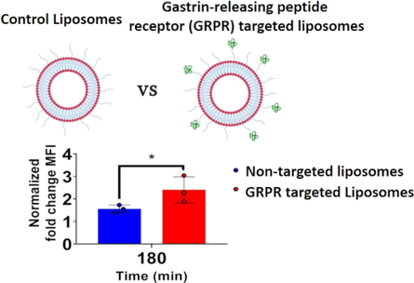
- vivo cancer imaging. In this report we decorated pegylated liposomes with a GRPR antagonist peptide and studied its interaction with, and accumulation within, lung cancer cells. Results: An N-terminally cysteine modified GRPR antagonist (termed cystabn) was synthesised and shown to inhibit cell growth
- targeting has potential for enhancing drug accumulation in resistant cancer cells. Keywords: bombesin; GRPR; liposome; lung cancer; targeting; Introduction Small-cell lung cancer (SCLC) accounts for approximately one in five lung cancer diagnoses. In spite of global efforts to reduce tobacco smoking in
- (PSMA)-targeted BIND-014 [16] have reached the clinic but detailed information about the clinical advantage of using targeted platforms is still forthcoming. In this study we explored whether surface engraftment of a GRPR antagonist peptide could be used to target GRPR expressing lung cancer cells for

pH-Controlled fluorescence switching in water-dispersed polymer brushes grafted to modified boron nitride nanotubes for cellular imaging
Beilstein J. Nanotechnol. 2019, 10, 2428–2439, doi:10.3762/bjnano.10.233
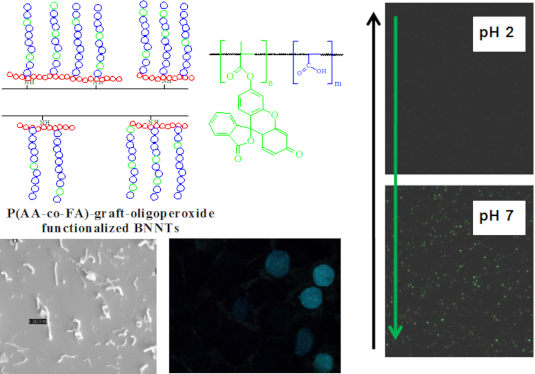
- uptake of P(AA-co-FA)-functionalized BNNTs into human normal prostate epithelium (PNT1A) and human prostate cancer (DU145) cell lines, we used fluorescence microscopy with excitation at 490 nm and emission at 520 nm (Figure 9). The autofluorescence of healthy cells and cancer cells was strictly avoided
- BNNTs clearly showed fluorescence not only in the nuclei but also in the cytosol. The reason for this is likely due to the more internalized material compared to the healthy cells as a result of higher metabolic activity of cancer cells. This study clearly shows that the cellular uptake of P(AA-co-FA


Design of a nanostructured mucoadhesive system containing curcumin for buccal application: from physicochemical to biological aspects
Beilstein J. Nanotechnol. 2019, 10, 2304–2328, doi:10.3762/bjnano.10.222
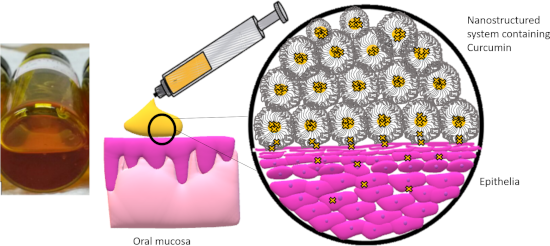
- 8 h and could permeate through the porcine oral mucosa. Cytotoxicity testing revealed that the formulations were selective to cancer cells over healthy cells. Therefore, these systems could improve the physicochemical characteristics of curcumin by providing improved release and permeation, while
- selectivity targeting cancer cells. Keywords: curcumin; mucoadhesion; oral squamous cell carcinoma; permeation; poloxamer 407; Introduction The development of nanostructured systems containing poloxamer 407 (P407) and Carbopol 974P® (C974P) have previously been shown to have rheological and mechanical
- incorporated into the formulation but decreased cytotoxic effects in healthy cells. Therefore, the nanostructured system demonstrated promising results due to the selectivity towards cancer cells in a monolayer cell culture in addition to exhibiting excellent physicochemical properties. Hence, further activity


Use of data processing for rapid detection of the prostate-specific antigen biomarker using immunomagnetic sandwich-type sensors
Beilstein J. Nanotechnol. 2019, 10, 2171–2181, doi:10.3762/bjnano.10.210
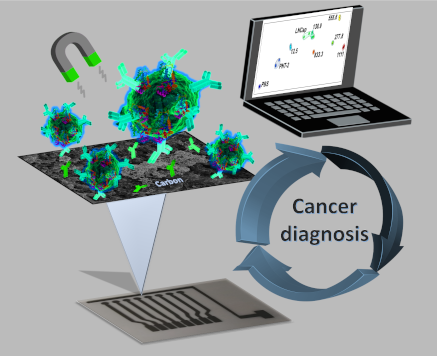
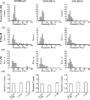
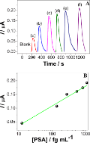
- ) and prostate cancer cells (LNCap). Parallel coordinates plot for PSA concentrations from 12.5 to 1111 fg·mL−1 after the feature-selection procedure. The x-axis represents time values, while the y-axis represents Euclidean distances related to the current. IDMAP plot obtained from the data in Figure 1A
- for buffers containing different PSA concentrations and from Figure 3 for prostate cancer cells. In both cases, feature selection was applied before plotting the data. Schematic illustration of the fabrication of sandwich-type electrochemical immunosensors (INμ-SPCEs). Electrode modification with 10


Incorporation of doxorubicin in different polymer nanoparticles and their anticancer activity
Beilstein J. Nanotechnol. 2019, 10, 2062–2072, doi:10.3762/bjnano.10.201
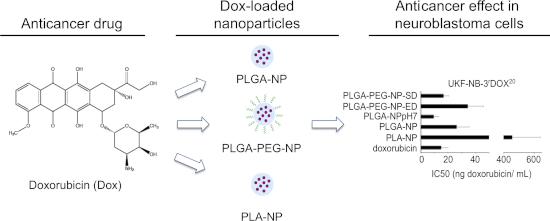
- . The expression of efflux transporters such as the ATP-binding cassette (ABC) transporter ABCB1 is an important resistance mechanism in therapy-refractory cancer cells. Drug encapsulation into nanoparticles has been shown to bypass efflux-mediated drug resistance, but there are also conflicting results
- an important step in the development of improved nanoparticle preparations for anticancer therapy. Further research is required to understand under which circumstances nanoparticles can be used to overcome efflux-mediated resistance in cancer cells. Keywords: cancer; doxorubicin; drug release
- cancer [4][5][6][7][8][9]. Another important aspect of the efficacy of nanoparticles as delivery system for anticancer is their uptake and, in turn, the drug transport into cancer cells. Uptake mechanisms may differ between different types of nanoparticles, which may affect their effectiveness as





Review of advanced sensor devices employing nanoarchitectonics concepts
Beilstein J. Nanotechnol. 2019, 10, 2014–2030, doi:10.3762/bjnano.10.198
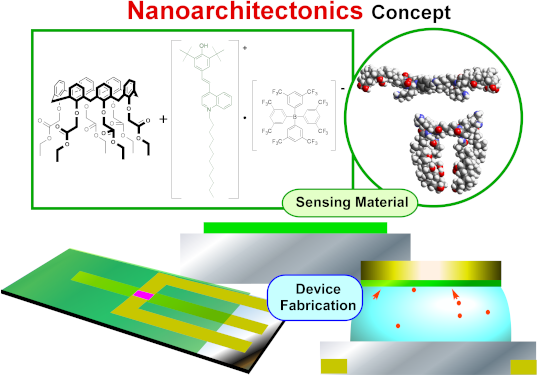
- useful for the rapid screening of diseases as a point-of-care diagnostic tool. Owens and co-workers developed organic field-effect transistor systems with PEDOT/PSS materials for the detection of lactate [111]. Enhanced lactate production was detected for cancer cells because of their promoted activity





Synthesis and potent cytotoxic activity of a novel diosgenin derivative and its phytosomes against lung cancer cells
Beilstein J. Nanotechnol. 2019, 10, 1933–1942, doi:10.3762/bjnano.10.189
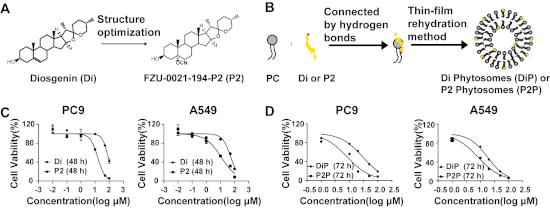
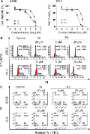
- sterol structure similarly to cholesterol, P2 phytosomes (P2Ps) were prepared to further improve the water solubility of P2. The P2Ps exhibited a particle size of 53.6 ± 0.3 nm with oval shape and a zeta potential of −4.0 ± 0.7 mV. P2Ps could inhibit the proliferation of lung cancer cells more
- anticancer activities, such as restraining the hTERT gene expression in A549 lung cancer cells [3], inhibiting breast cancer stem-like cells via Wnt β-catenin signaling [4], impeding hepatocellular carcinoma cells by increasing DDX3 expression [5], and inducing apoptosis of prostate cancer cells through
- phytosomes were prepared by substituting Di and its derivative for cholesterol. The anticancer effects of free drugs and their phytosomes were investigated in non-small-cell lung cancer cells. Results and Discussion Synthesis and characterization of Di derivatives Late-stage functionalization that uses the C



Microfluidic manufacturing of different niosomes nanoparticles for curcumin encapsulation: Physical characteristics, encapsulation efficacy, and drug release
Beilstein J. Nanotechnol. 2019, 10, 1826–1832, doi:10.3762/bjnano.10.177
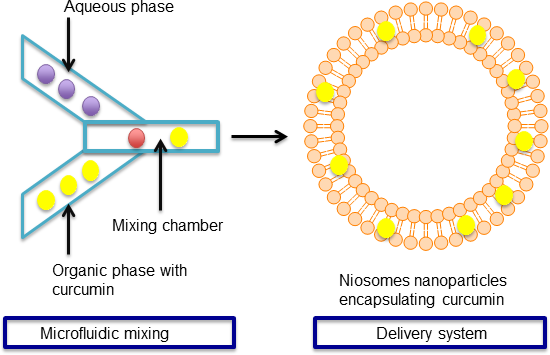
- surfactants prepared by the solvent evaporation method, Xu et al. were able to achieve around 92% loading efficiency of curcumin and measured enhanced cytotoxic activity against ovarian cancer cells compared with freely dispersed curcumin [9]. Microfluidic mixing is a recently developed method for the


Doxorubicin-loaded human serum albumin nanoparticles overcome transporter-mediated drug resistance in drug-adapted cancer cells
Beilstein J. Nanotechnol. 2019, 10, 1707–1715, doi:10.3762/bjnano.10.166
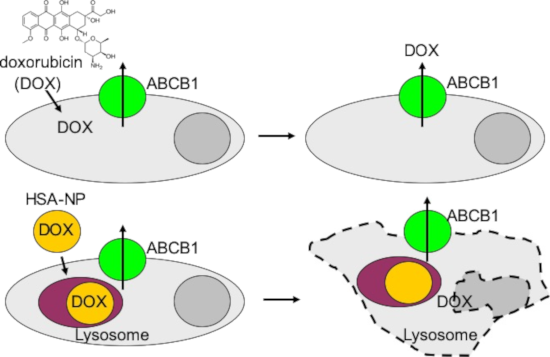
- conceptually very attractive because it can (in contrast to inhibitors of ABCB1 or other transporters) overcome resistance mediated by multiple transporters and does not result in the systemic inhibition of transporter function at physiological barriers. However, cancer cells may be characterised by multiple
- more sophisticated, personalised therapies will need to be developed. Such therapies will depend on an improved understanding of the resistance status of cancer cells to a certain drug beyond its transporter status. If biomarkers become available that predict cancer cell response to a certain drug more
- reliably, nanoparticles can be used to transport drugs under circumvention of transporter-mediated efflux into cancer cells that are likely to respond to them. In conclusion, doxorubicin-loaded HSA nanoparticles produced by desolvation and cross-linking using glutaraldehyde overcome (in contrast to other


Materials nanoarchitectonics at two-dimensional liquid interfaces
Beilstein J. Nanotechnol. 2019, 10, 1559–1587, doi:10.3762/bjnano.10.153
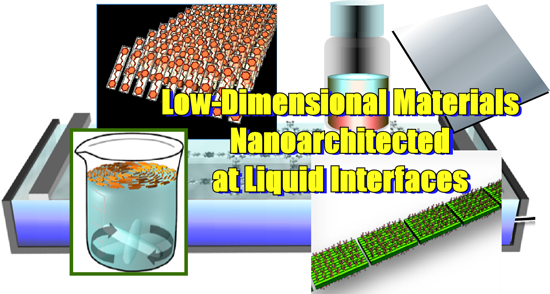
- sophisticated strategy to realize chemotherapy targeting at cancer cells using the controlled assembly and disassembly of layer-by-layer hybrid structures made of two dimensional MoS2 nanosheets with DNA [87]. The preparation of functional low-dimensional materials requires preservation of nanoscale features in













The effect of magneto-crystalline anisotropy on the properties of hard and soft magnetic ferrite nanoparticles
Beilstein J. Nanotechnol. 2019, 10, 1348–1359, doi:10.3762/bjnano.10.133
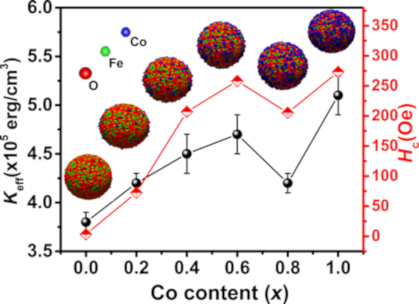
- to destroy cancer cells through the elevated temperatures [16][17]. The heating efficiency of the NPs as heat sources under ac magnetic fields is often denominated as specific absorption rate (SAR), which is directly related to the area of the magnetic hysteresis loop of the nanoparticles by the





