Search results
Search for "catalysts" in Full Text gives 315 result(s) in Beilstein Journal of Nanotechnology. Showing first 200.
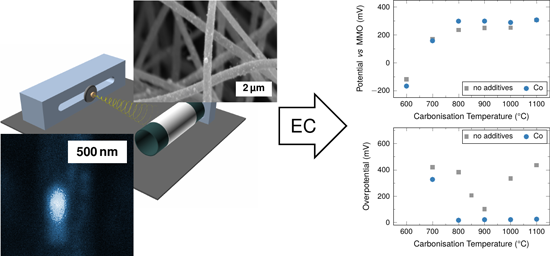
The effect of cobalt on morphology, structure, and ORR activity of electrospun carbon fibre mats in aqueous alkaline environments
Beilstein J. Nanotechnol. 2021, 12, 1173–1186, doi:10.3762/bjnano.12.87
- the catalysts to be utilised to their full potential especially in aqueous metal–air systems. Since initial work by Heise and Schumacher in 1932, pressed layer systems have become a standard [6]. In contrast, quite a number of different approaches are being discussed for non-aqueous metal–air systems
- , although the plateau values of EOCP are consistently lower at around 250 mV vs MMO. The influence of the cobalt catalysts becomes more relevant, when the obtained current densities at an overpotential of 100 mV are considered (Figure 9b). For fibres containing cobalt, there is a distinct increase for


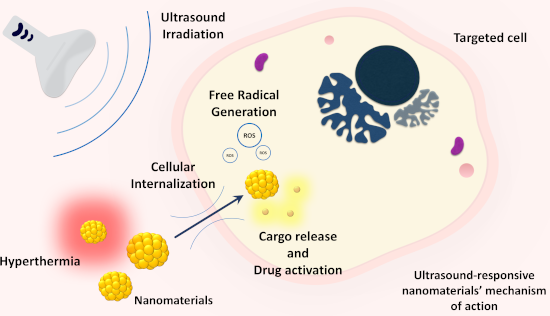
Comprehensive review on ultrasound-responsive theranostic nanomaterials: mechanisms, structures and medical applications
Beilstein J. Nanotechnol. 2021, 12, 808–862, doi:10.3762/bjnano.12.64


Prediction of Co and Ru nanocluster morphology on 2D MoS2 from interaction energies
Beilstein J. Nanotechnol. 2021, 12, 704–724, doi:10.3762/bjnano.12.56
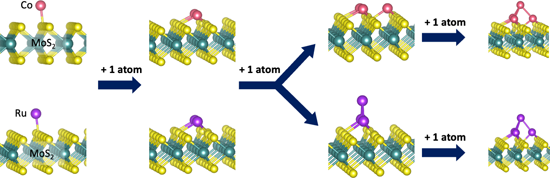
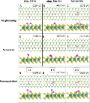
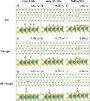
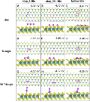
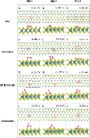
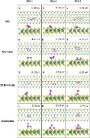
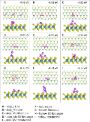
- wide range of potential applications due to the properties of a single layer, which often differ from the bulk material. They are of particular interest as ultrathin diffusion barriers in semiconductor device interconnects and as supports for low-dimensional metal catalysts. Understanding the
- catalysts or for preventing islanding of conductive metals. Typically, theoretical studies focus on the adsorption of either single atoms of a series of metals [21][23][24][25][27] or large nanoparticle-like structures [19][20]. In our previous study we identified that while these studies do deliver useful
- MoS2 ML, where n = 1–4. Co and Ru are of great interest in conjunction with MoS2 for application in advanced interconnects as alternatives to Cu [30][31][32][33][34][35] and TaN. Applications in catalysis include Pt-free hydrogen evolution catalysts [36][37][38][39][40][41]. Interconnects require high



Nanoporous and nonporous conjugated donor–acceptor polymer semiconductors for photocatalytic hydrogen production
Beilstein J. Nanotechnol. 2021, 12, 607–623, doi:10.3762/bjnano.12.50
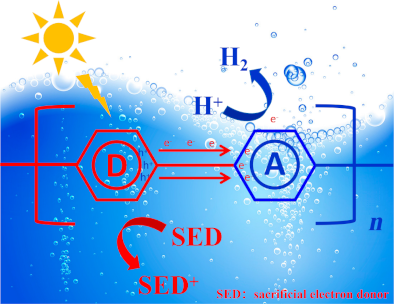
- the sites for photocatalytic proton reduction in water [73]. Cooper and co-workers [74] first reported FSO-based CPs as catalysts for PHP in 2016. The linear FSO–phenyl-based polymer P54 (Figure 8) yielded a moderate HER of 92 μmol·h−1 (25 mg) under visible light. Subsequently, Wang et al. [75




Stability and activity of platinum nanoparticles in the oxygen electroreduction reaction: is size or uniformity of primary importance?
Beilstein J. Nanotechnol. 2021, 12, 593–606, doi:10.3762/bjnano.12.49
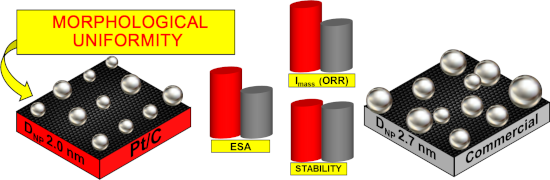
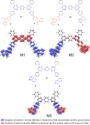
- University, "High-Resolution Transmission Electron Microscopy” Shared Use Center, 344090, 194/2 Stachki st., Rostov-on-Don, Russia 10.3762/bjnano.12.49 Abstract Platinum–carbon catalysts are widely used in the manufacturing of proton-exchange membrane fuel cells. Increasing Pt/C activity and stability is an
- liquid-phase synthesis. A comparative study of the structural characteristics, catalytic activity in the oxygen electroreduction reaction (ORR), and durability of the synthesized catalysts, as well as their commercial analogs, was carried out. It was shown that the uniformity of the structural and
- morphological characteristics of Pt/C catalysts makes it possible to reduce the negative effect of the small size of NPs on their stability. As a result, the obtained catalysts were significantly superior to their commercial analogs regarding ORR activity, but not inferior to them in terms of stability


The preparation temperature influences the physicochemical nature and activity of nanoceria
Beilstein J. Nanotechnol. 2021, 12, 525–540, doi:10.3762/bjnano.12.43
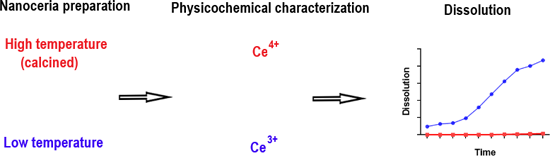
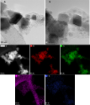
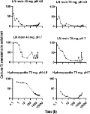
- family of metal oxide ENMs used industrially, as catalysts in diesel fuel, abrasives in chemical mechanical planarization, in integrated circuit manufacture, as structural supports for catalysts for fuel synthesis applications, in solid oxide fuel cells, and in rechargeable batteries [1][2]. Cerium oxide




Boosting of photocatalytic hydrogen evolution via chlorine doping of polymeric carbon nitride
Beilstein J. Nanotechnol. 2021, 12, 473–484, doi:10.3762/bjnano.12.38
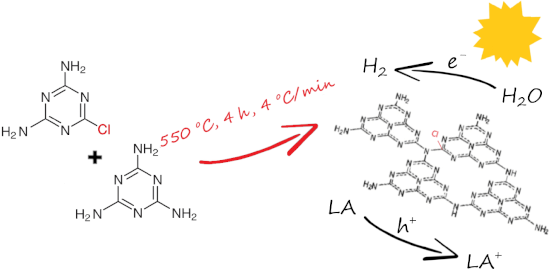
- hydrogen [1][2][3][4], environmental remediation [5][6], decomposition of organic pollutants [7], CO2 reduction into hydrocarbon fuels [8][9][10], disinfection [11][12], and selective organic transformations [13][14]. One of the most studied catalysts is polymeric carbon nitride (PCN). This graphite-like
- visible light compared to catalysts doped with one heteroatom [39]. Other studies showed that S- and P-doped photocatalysts showed significantly increased photocatalytic activity in the degradation of methylene blue under visible light compared to bulk PCN. The improvement was attributed to lone-pair
- the H2 evolution rate after three cycles, indicating the stability of the catalyst. Table 4 presents a comparative study of Cl-PCN with catalysts doped with Cl and other elements which have been reported in the literature. The table presents a broad range of the enhancement factor of the hydrogen


Towards 3D self-assembled rolled multiwall carbon nanotube structures by spontaneous peel off
Beilstein J. Nanotechnol. 2020, 11, 1865–1872, doi:10.3762/bjnano.11.168
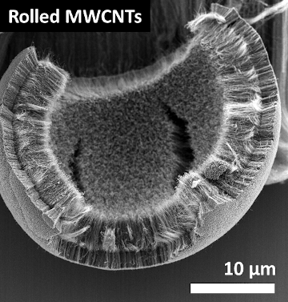
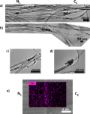
- forest, structures compatible with relatively large nanoparticles (approx. 100 nm) are identified. These are attributed to Fe metal catalysts formed during the synthesis and from which MWCNTs grow, assuming a root-growth mechanism [16][26]. For N1/C2 structures, it is not straightforward to observe the



Unravelling the interfacial interaction in mesoporous SiO2@nickel phyllosilicate/TiO2 core–shell nanostructures for photocatalytic activity
Beilstein J. Nanotechnol. 2020, 11, 1834–1846, doi:10.3762/bjnano.11.165
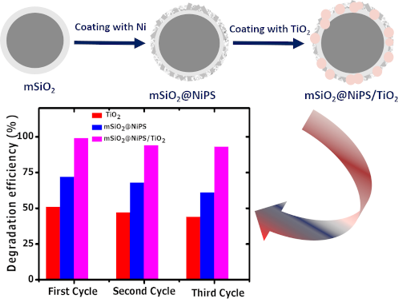
- metal oxides, such as ZrO2 [16] and SiO2 [17], influence the morphology and surface features of the resulting binary metal oxide semiconductors. Moreover, these binary metal oxide semiconductors act as charge-transfer catalysts and significantly reduce the electron–hole recombination [18][19]. Another
- phyllosilicate can be obtained either by a hydrothermal method or a deposition-precipitation method, the 2:1 nickel phyllosilicate is only formed under hydrothermal conditions [32][33][34]. Recently, several researchers have reported on the generation of nickel phyllosilicate catalysts for hydrogenation
- obtained via a hydrothermal treatment method using solid SiO2 spheres, urea, and nickel nitrate hexahydrate. Although NiPS compounds are extensively used as catalysts, to our knowledge, reports on the use of core–shell based nickel–phyllosilicate composites in dye photodegradation are yet to be reported


Nanocasting synthesis of BiFeO3 nanoparticles with enhanced visible-light photocatalytic activity
Beilstein J. Nanotechnol. 2020, 11, 1822–1833, doi:10.3762/bjnano.11.164
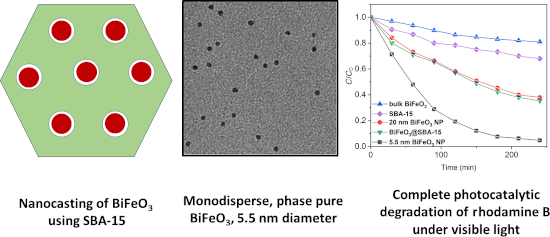
- light using different catalysts. Kinetics of the photocatalytic degradation of RhB using different catalysts. Effect of catalyst concentration on the degradation of RhB. Evaluation of photocatalytic stability and reusability of 5.5 nm BiFeO3 NP in a total of five cycles. Photocatalytic degradation of




Self-standing heterostructured NiCx-NiFe-NC/biochar as a highly efficient cathode for lithium–oxygen batteries
Beilstein J. Nanotechnol. 2020, 11, 1809–1821, doi:10.3762/bjnano.11.163
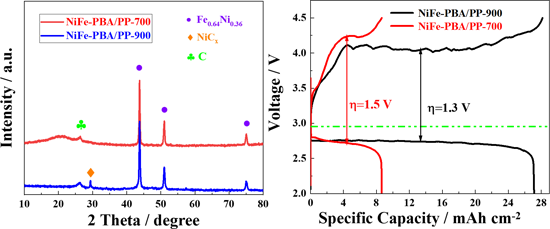
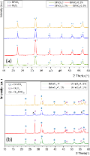
- catalysts is highly desirable for practical applications in lithium–oxygen batteries. Herein, a heterostructure of NiFe and NiCx inside of N-doped carbon (NiCx-NiFe-NC) derived from bimetallic Prussian blue supported on biochar was developed as a novel self-standing cathode for lithium–oxygen batteries. The
- batteries [7][8][9][10]). In order to meet the requirements for efficient catalysts in practical applications, platinum group metal (PGM)-based catalysts are currently used as principal catalysts to reduce the overpotential of ORR and OER due to their slow kinetics [11][12][13]. The high cost, poor
- poisoning tolerance, and scarcity of PGM-based ORR and OER catalysts significantly impede their application in energy storage and conversion devices at a large scale [14][15]. Therefore, there is an urgent and high demand for the development of alternatives to these PGM-based catalysts, at low cost and with






Selective detection of complex gas mixtures using point contacts: concept, method and tools
Beilstein J. Nanotechnol. 2020, 11, 1631–1643, doi:10.3762/bjnano.11.146
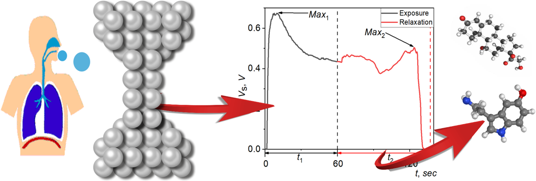
- formed as a result of these interactions can be catalysts for new chemical reactions. This leads to a change in the original state of the breath, which may cause false-positive or false-negative results in medical diagnosis [27][28]. This problem has motivated the development of an alternative approach


![[Graphic 4]](/bjnano/content/inline/2190-4286-11-146-i8.svg?max-width=637&scale=1.18182) in th...
in th...

![[Graphic 7]](/bjnano/content/inline/2190-4286-11-146-i11.svg?max-width=637&scale=1.18182) in the...
in the...
Wafer-level integration of self-aligned high aspect ratio silicon 3D structures using the MACE method with Au, Pd, Pt, Cu, and Ir
Beilstein J. Nanotechnol. 2020, 11, 1439–1449, doi:10.3762/bjnano.11.128
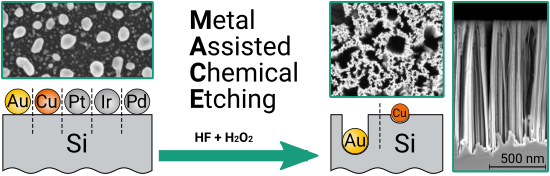
- dominant mechanism [13]. This work presents the integration of the MACE process at the wafer level using several metal nanoparticles as catalysts for the reduction process (Equation 1). The aim is to generate a high aspect ratio template of silicon. This template has to be fully integrable into a common


One-step synthesis of carbon-supported electrocatalysts
Beilstein J. Nanotechnol. 2020, 11, 1419–1431, doi:10.3762/bjnano.11.126

- Abstract Cost-efficiency, durability, and reliability of catalysts, as well as their operational lifetime, are the main challenges in chemical energy conversion. Here, we present a novel, one-step approach for the synthesis of Pt/C hybrid material by plasma-enhanced chemical vapor deposition (PE-CVD). The
- commercial production of fuel cell catalysts, especially the scarcity of noble metals and the insufficient electrochemical long-term stability. Even though the surface-to-volume ratio can be drastically increased by the use of nanoparticles instead of thin films, the amount of noble metal (usually platinum
- well-adjusted under the given deposition conditions and, as a result, promising electrocatalysts are obtained. However, in order to assess how performance-critical properties such as CNW morphology, Pt-loading, and PSD of the resulting Pt/CNW catalysts can be influenced by specific process parameters




Analysis of catalyst surface wetting: the early stage of epitaxial germanium nanowire growth
Beilstein J. Nanotechnol. 2020, 11, 1371–1380, doi:10.3762/bjnano.11.121
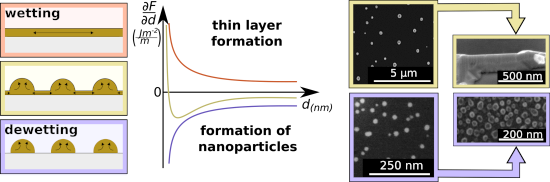
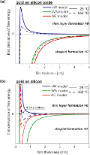
- system due to material re-evaporation and Ostwald ripening describes the theoretically predicted and experimentally obtained results. Thus, dewetting phenomena of thin metal layers can be used to manufacture nanostructured devices. From this point of view, the application of gold droplets as catalysts to
- chalcopyrites [11], or precursors for complex structures, such as nanowires [12]. Silicon, germanium and silicon oxide nanowires, for example, can be formed on different substrates by using metal catalysts in the form of tin, indium or gold nanodroplets [13][14][15]. Such nanometre-sized one-dimensional
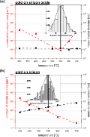


Role of redox-active axial ligands of metal porphyrins adsorbed at solid–liquid interfaces in a liquid-STM setup
Beilstein J. Nanotechnol. 2020, 11, 1264–1271, doi:10.3762/bjnano.11.110
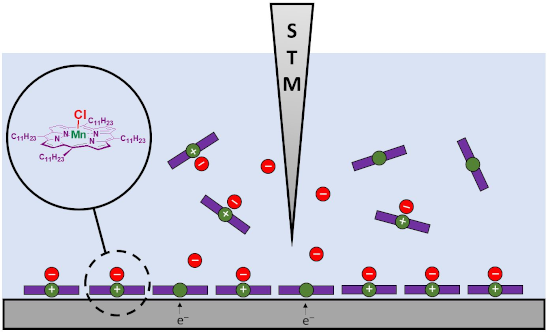
- active acetate instead of chloride axial ligands, the currents remained absent. Keywords: manganese; porphyrins; redox reactions; scanning tunneling microscopy; solid–liquid interface; Introduction Manganese(III) porphyrins are well-known catalysts for the epoxidation of alkenes [1][2][3][4]. The


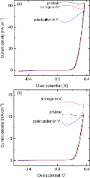
Atomic layer deposition for efficient oxygen evolution reaction at Pt/Ir catalyst layers
Beilstein J. Nanotechnol. 2020, 11, 952–959, doi:10.3762/bjnano.11.79
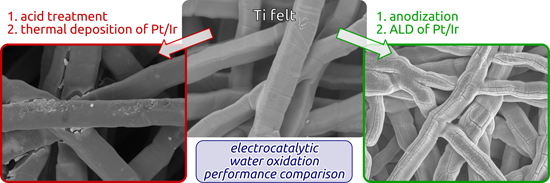
- significant cost of theses noble metals renders it necessary to minimize their loading and maintain optimal access of the electrolyte to every active site of their surface. Numerous studies have been dedicated to the development of such bimetallic catalysts in various compositions [11], using various coating
- composition and pH value, temperature, or reference electrode), or even the choice of performance parameters (current density at a given overpotential, mass activity based on noble-metal loading, or overpotential for a given current), are usually different. Hence, often direct comparisons between catalysts of
- and combining individual ALD cycles of two or more materials. The deposition of platinum and iridium as a binary catalyst can be realized at very low loadings in the range of micrograms per square centimeter [26]. Specifically, the applicability of ALD regarding Ir and bimetallic Pt/Ir catalysts, the


Nickel nanoparticles supported on a covalent triazine framework as electrocatalyst for oxygen evolution reaction and oxygen reduction reactions
Beilstein J. Nanotechnol. 2020, 11, 770–781, doi:10.3762/bjnano.11.62
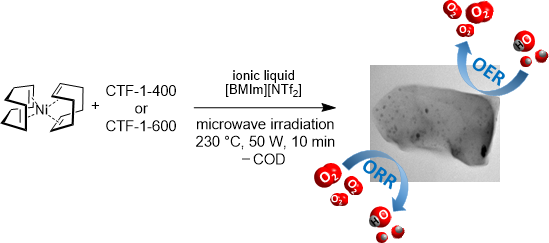
- the oxygen reduction reaction (ORR) are two crucial processes, which require improvements through the design of efficient catalysts. Both OER and ORR suffer from slow kinetics of the four-electron transfer process [2][3]. Thus, highly efficient electrocatalysts with enhanced performance need to be
- developed. Noble metals (Ir, Ru) and their oxides are the current commercial electrocatalysts for the OER, whereas Pt metal is the benchmark catalyst for the ORR [4][5]. Yet, all these catalysts have drawbacks such as scarcity and high cost, which are disadvantageous for their large-scale production and
- application. Consequently, researchers are working on discovering and developing catalysts for OER and ORR that are metal-free or based on non-noble metals, stable and earth-abundant [6][7][8][9][10]. Among the transition-metal-based OER and ORR catalysts, Ni-containing catalysts are promising candidates [7


Effect of Ag loading position on the photocatalytic performance of TiO2 nanocolumn arrays
Beilstein J. Nanotechnol. 2020, 11, 717–728, doi:10.3762/bjnano.11.59
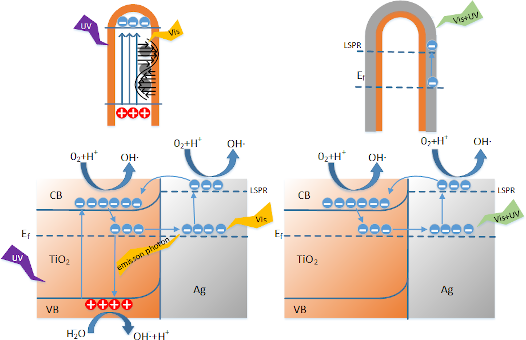
- resonance (SPR), which leads to strongly absorbed visible light and enhancement of local electromagnetic fields [14]. Among the noble metals, Ag nanostructures have been widely used as catalysts because of their reasonable cost and broad plasmon resonance in the visible region [15][16]. At present, the


Preparation, characterization and photocatalytic performance of heterostructured CuO–ZnO-loaded composite nanofiber membranes
Beilstein J. Nanotechnol. 2020, 11, 631–650, doi:10.3762/bjnano.11.50
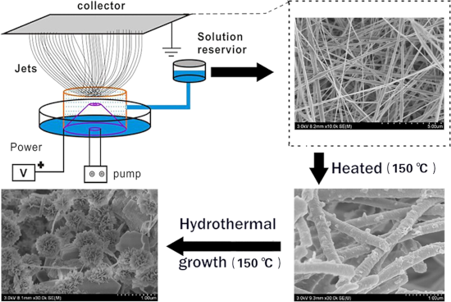
- using cathodic co-electrodeposition and observed their photocatalytic performance. Fierro et al. [25] synthesized CuO–ZnO composite catalysts by temperature-programmed reduction and applied them in photocatalytic degradation. Nanocomposites loaded with metal oxide semiconductors have excellent optical











Silver-decorated gel-shell nanobeads: physicochemical characterization and evaluation of antibacterial properties
Beilstein J. Nanotechnol. 2020, 11, 620–630, doi:10.3762/bjnano.11.49
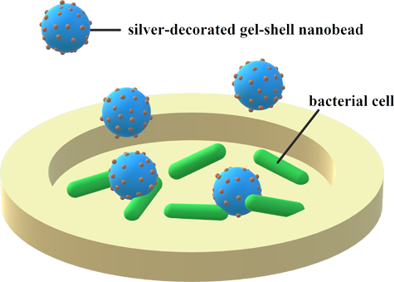
- [10][11][12][13][14][15][16][17]. The resulting composites exhibit a double function, they support the metal nanoparticles and prevent their aggregation. For example, polystyrene microspheres have been decorated with silver nanoparticles and were used as catalysts, Raman-enhancing materials


Adsorptive removal of bulky dye molecules from water with mesoporous polyaniline-derived carbon
Beilstein J. Nanotechnol. 2020, 11, 597–605, doi:10.3762/bjnano.11.47
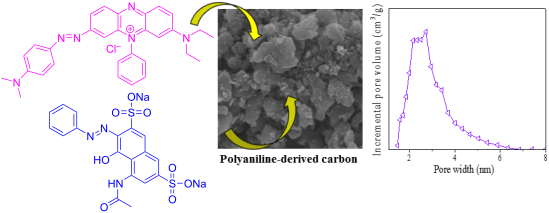
- synthesis, high conductivity and nitrogen content. Porous carbon materials, with high porosity and nitrogen content, have also been obtained from PANI. In other words, functional carbon, for catalysts and supercapacitors can be derived from high temperature carbonization of PANI, especially in the co


Electrochemically derived functionalized graphene for bulk production of hydrogen peroxide
Beilstein J. Nanotechnol. 2020, 11, 432–442, doi:10.3762/bjnano.11.34
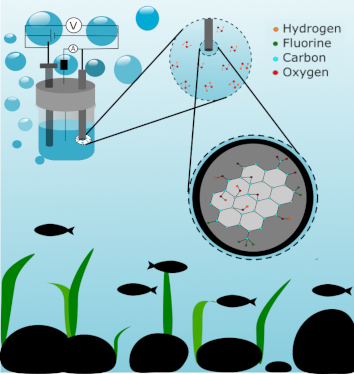
- gaining tremendous attention due to its importance in many fields, including water treatment technologies. Oxidized graphitic carbon-based materials have been recently proposed as an alternative to metal-based catalysts in the electrochemical oxygen reduction reaction (ORR), and in this work we unravel
- also demonstrated at low potential (0.358 mV vs RHE), yielding ≈34 mg/L peroxide with highly functionalized (≈23 atom %) graphene and ≈16 g/L with low functionalized (≈13 atom %) graphene, which is on par with the peroxide production using state-of-the-art precious-metal-based catalysts. Hence this
- method opens a new scheme for the single-step large-scale production of functionalized carbon-based catalysts (yield ≈45% by weight) that have varying functionalities and can deliver peroxide via the electrochemical ORR process. Keywords: electrochemical oxygen reduction; functionalized carbon


Simple synthesis of nanosheets of rGO and nitrogenated rGO
Beilstein J. Nanotechnol. 2020, 11, 68–75, doi:10.3762/bjnano.11.7
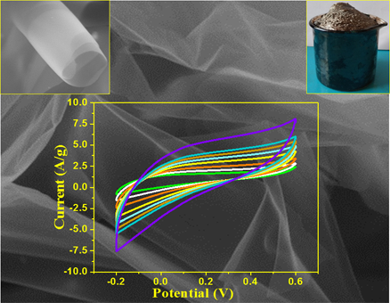
- in ca. 7 minutes, respectively. The present protocols for synthesizing rGO and N-rGO are simple and environmentally friendly as we do not use any harmful reagents, metal catalysts and solvents. Along with that, this method offers an inexpensive route with high yields to prepare rGO with a high
- any solvents, metal catalysts, reagents and hazardous chemicals. Similarly, N-rGO nanosheets have also been synthesized using glycine as precursor. Results and Discussion The typical XRD patterns of rGO and N-rGO nanosheets are shown in Figure 1. The XRD pattern of the as-prepared rGO (Figure 1a


Synthesis of amorphous and graphitized porous nitrogen-doped carbon spheres as oxygen reduction reaction catalysts
Beilstein J. Nanotechnol. 2020, 11, 1–15, doi:10.3762/bjnano.11.1
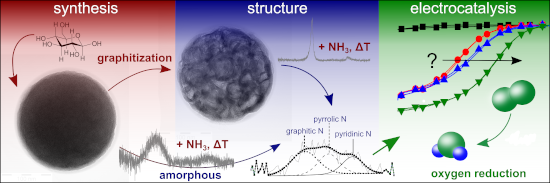
- . Both rely on the oxygen reduction reaction (ORR). The best established ORR catalysts are so far based on Pt nanoparticles or Pt alloys. However, Pt is expensive and its stability under fuel-cell working conditions is limited. Therefore, alternative catalysts based on noble-metal-free, less expensive
- and stable materials are highly needed. Metal-free carbon materials, single- or multi-doped with N, B, P, S, halogens, Si or Se, have turned out to be promising ORR catalysts [1][2][3][4][5][6]. N-doped carbon materials show promising ORR activities along with high electric conductivity, in addition
- they can result in further advantages such as an improved tolerance towards impurities compared to Pt-based catalysts [1]. A wide variety of N-doped carbon materials is known from the literature, reaching from N-doped graphene and graphite, N-doped carbon nanotubes, carbon cages, carbon cups and carbon