Search results
Search for "colloid" in Full Text gives 120 result(s) in Beilstein Journal of Nanotechnology.
Improved biocompatibility and efficient labeling of neural stem cells with poly(L-lysine)-coated maghemite nanoparticles
Beilstein J. Nanotechnol. 2016, 7, 926–936, doi:10.3762/bjnano.7.84
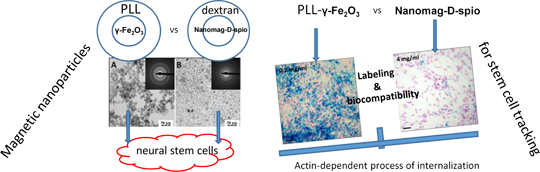
- confirmed by FTIR spectroscopy [19][27]. In short, 12 mL of 0.2 M FeCl3 solution was mixed with 12 mL of 0.5 M NH4OH solution under sonication (Sonicator W-385; Heat SystemsUltrasonics, Inc., Farmingdale, NY, USA) for 2 min at room temperature to form colloid Fe(OH)3. Under sonication 6 mL of aqueous 0.2 M
- iron oxide colloid, diluted to a concentration of 2.2 mg iron oxide/mL. The obtained mixture was sonicated for 5 min and used in the experiments. Characterization of nanoparticles Morphology of the particles was evaluated by transmission electron microscopy (TEM). Samples were prepared by dropping 2 μL




Antibacterial activity of silver nanoparticles obtained by pulsed laser ablation in pure water and in chloride solution
Beilstein J. Nanotechnol. 2016, 7, 465–473, doi:10.3762/bjnano.7.40
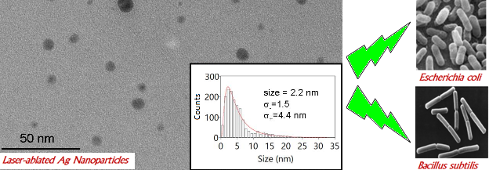
- previously observed a strong surface-enhanced Raman scattering (SERS) signal from such AgNPs by “activating” the NP surface by the addition of a small quantity of LiCl to the colloid. Such surface effects could also influence the antimicrobial activity of the NPs. Their activity, on the other hand, could
- : antibacterial activity; colloid; laser ablation; nanoparticles; silver; Introduction The interest in nanoscale metal particles is constantly growing as they find wide application in diverse fields ranging from sensing [1][2][3], medicine [4], catalysis [5][6][7][8], to astrobiology [9][10] and many others. In
- a strong increase of the Raman response of molecular adsorbates in the SERS (Surface Enhanced Raman Scattering) effect. A strong SERS signal from such AgNPs can be obtained by “activating” the NP surface by addition of a small quantity of LiCl to the colloid. In addition, a sizeable catalytic effect


Surface coating affects behavior of metallic nanoparticles in a biological environment
Beilstein J. Nanotechnol. 2016, 7, 246–262, doi:10.3762/bjnano.7.23
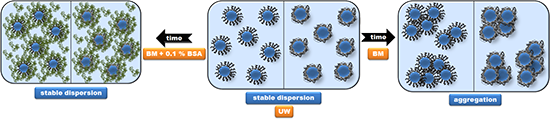
- ), Brij 35 (5 mL, 0.45 mM) and hydrogen peroxide (0.105 mL, 30 wt %) with 44.5 mL ultrapure water. The mixture was vigorously stirred at room temperature in the presence of air. The final volume was kept at 50 mL. To this mixture, NaBH4 (0.4 mL, 200 mM) was rapidly injected, generating a colloid that was
- pale yellow. After 30 min, the colloid darkened to a deep-yellow color indicating the formation of AgNPs. CITAgNPs were synthesized via the following protocol: 200 μL of the aqueous solution of ascorbic acid (AsA) with a concentration of 0.1 mM was added into 190 mL of boiling water, followed by




Influence of calcium on ceramide-1-phosphate monolayers
Beilstein J. Nanotechnol. 2016, 7, 236–245, doi:10.3762/bjnano.7.22
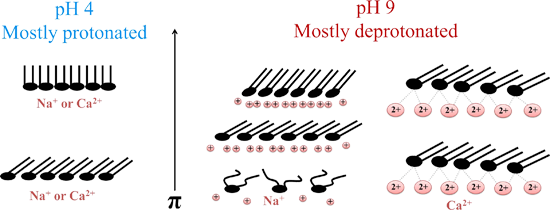
- Joana S. L. Oliveira Gerald Brezesinski Alexandra Hill Arne Gericke Max Planck Institute of Colloids and Interfaces, Colloid Chemistry Department, Wissenschaftspark Potsdam-Golm, Am Mühlenberg 1, 14476 Potsdam, Germany Department of Biological Sciences, Kent State University, Kent, Ohio 44242, USA


Chemiresistive/SERS dual sensor based on densely packed gold nanoparticles
Beilstein J. Nanotechnol. 2015, 6, 2498–2503, doi:10.3762/bjnano.6.259
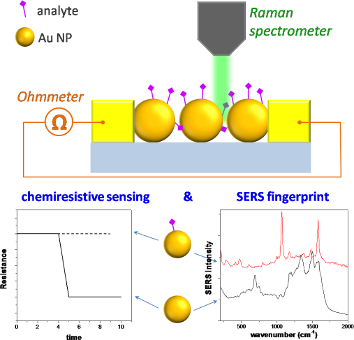
- thus combine unique advantages of both electric and optical sensors. Colloidal gold nanoparticles as building blocks A request for a good control of the NP assembling process is represented by the chemical stability of the used colloid. We observed that by increasing the concentration of the colloid
- features during CSA. Finally, the SEM image in Figure 2d indicates that the gold nanoparticles in the strips are assembled with a high density packing. This is due to the good stability of the colloid during assembly, achieved by capping NPs with FA. The current–voltage (I–V) behavior of the assembled
- HAuCl4·3H2O was boiled. A solution of 38.8·10−3 M sodium citrate (10 mL) was added under stirring. After the color changed from yellow to burgundy-red, the heat was stopped, and stirring continued until the colloid reached room temperature. Folic acid was mixed with the colloidal nanoparticles and


Silica-coated upconversion lanthanide nanoparticles: The effect of crystal design on morphology, structure and optical properties
Beilstein J. Nanotechnol. 2015, 6, 2290–2299, doi:10.3762/bjnano.6.235
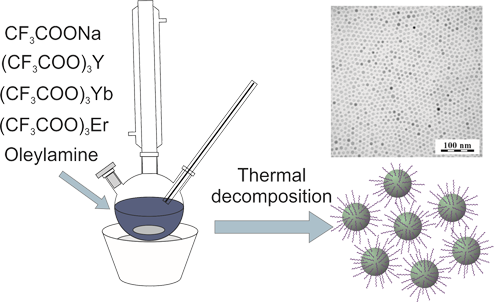
- modifications. The OM–NaYF4:Yb3+/Er3+ nanoparticles (50 mg) were dispersed in cyclohexane (10 mL). Igepal CO-520 (0.5 mL) and 25% aqueous ammonia (0.08 mL) were added, and the suspension was mixed using a Sonopuls sonicator (Bandelin, Berlin, Germany) for 30 min, yielding a stable colloid. TMOS (0.04 mL) was






Electrochemical behavior of polypyrrol/AuNP composites deposited by different electrochemical methods: sensing properties towards catechol
Beilstein J. Nanotechnol. 2015, 6, 2052–2061, doi:10.3762/bjnano.6.209
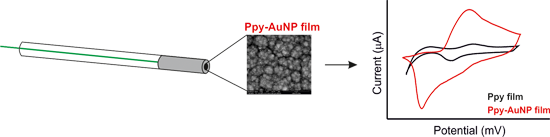
- of films deposited onto SS or Pt were almost identical. The average size of the AuNPs was between 30 and 40 nm (regardless of the method used), which is consistent with the absorbance at 540 nm observed by colloid that was used to obtain the nanocomposites by trapping. The number of AuNPs
- on a hot plate, then 1 mL of solution (2) was quickly added to the HAuCl4 solution while stirring. The mixture was then boiled for 20 min. Using this procedure, a red colloid with a UV absorbance maximum at λ = 540 nm was obtained. Instruments Electropolymerizations and electrochemical studies were


Synthesis, characterization and in vitro biocompatibility study of Au/TMC/Fe3O4 nanocomposites as a promising, nontoxic system for biomedical applications
Beilstein J. Nanotechnol. 2015, 6, 1677–1689, doi:10.3762/bjnano.6.170
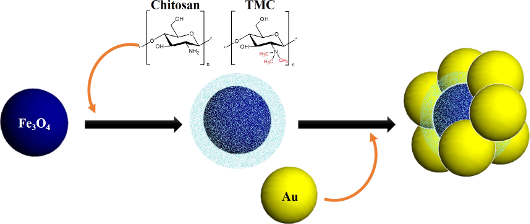
- synthesized, Au nanoparticle, colloid solution for about 2 h under continuous stirring conditions. The Au nanoparticles were assumed to attach to the polymer/Fe3O4 complex via electrostatic interaction, which was confirmed by the discoloration of the mixture. After washing with deionized water and adding




Protein corona – from molecular adsorption to physiological complexity
Beilstein J. Nanotechnol. 2015, 6, 857–873, doi:10.3762/bjnano.6.88
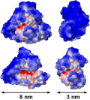
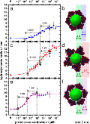
- , Gebauer, Treuel and co-workers [53] presented an in-depth investigation of the quantitative effect of corona formation on colloidal stability. By carefully increasing the ionic strength of the surrounding medium, Gebauer et al. [53] removed the charge stabilization of a citrate-coated Ag colloid, and
- revealed a decrease of the collision efficiency (i.e., the overall number of collisions divided by the number of collisions that form an agglomerate) with an increasing protein (human serum albumin, HSA) concentration (Figure 1a). Intriguingly, they found that their colloid was stable at a point where
- the deliberately destabilized colloid. Black dots: data points, black solid line: Hill fit to the data points (KD = 71 ± 17 nmol·L−1, n = 2.71) indicating a cooperative binding behavior. Reproduced with permission from [53]. Copyright 2012 American Chemical Society. (a): Schematic representation of



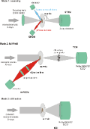
Overview of nanoscale NEXAFS performed with soft X-ray microscopes
Beilstein J. Nanotechnol. 2015, 6, 595–604, doi:10.3762/bjnano.6.61
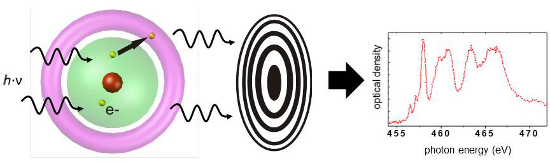
- capability to investigate cryogenic samples in the HZB-TXM, the electronic structure of individual hybrid colloid particles in their hydrated environment were analysed [63]. Here, the structural homogeneity of nanoparticles in the hybrid particle was examined. Nanoscale valence changes in resistive switching
- magnetic nanoparticles which will have future applications in photo thermal therapy or drug delivery can be optimized by different analysis methods including NEXAFS spectroscopy with the HZB-TXM [65]. In the latter case as well as in the case of hybrid colloid particles the nanoparticles have sizes below


Raman spectroscopy as a tool to investigate the structure and electronic properties of carbon-atom wires
Beilstein J. Nanotechnol. 2015, 6, 480–491, doi:10.3762/bjnano.6.49
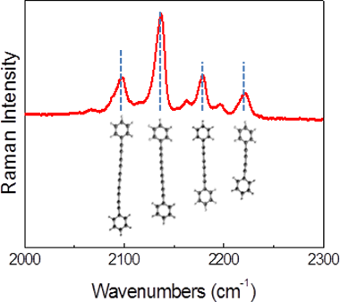
- from NIR (1064 nm) to blue (458 nm) wavelengths, illustrating that this is not a resonance-activated effect [39]. When interacting with metal nanoparticles in solution, H-terminated polyynes promote colloid aggregation, which causes the plasmon resonance to broaden and shift from the visible to the NIR


Exploring plasmonic coupling in hole-cap arrays
Beilstein J. Nanotechnol. 2015, 6, 1–10, doi:10.3762/bjnano.6.1
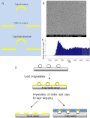
- heating the particles to temperatures close to and above the glass transition of polystyrene to allow reshaping of the colloid giving increased wetting of the silica surface and thereby reducing the vertical distance between the caps and holes. Any coupling between caps and hole arrays should be strongly

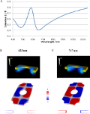

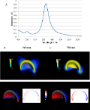


Intake of silica nanoparticles by giant lipid vesicles: influence of particle size and thermodynamic membrane state
Beilstein J. Nanotechnol. 2014, 5, 2468–2478, doi:10.3762/bjnano.5.256
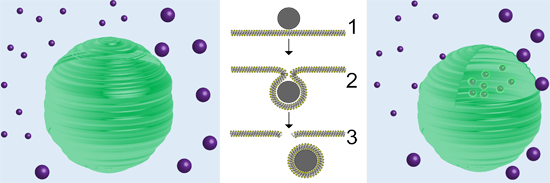
- . Mechanical aspects of such a colloid–membrane interaction are treated by several theoretical models. A simple, purely mechanical picture of such an interaction involves at least three mechanical parameters: the adhesion energy per unit area gad, the bending stiffness of the membrane κ and its surface tension


Nanobioarchitectures based on chlorophyll photopigment, artificial lipid bilayers and carbon nanotubes
Beilstein J. Nanotechnol. 2014, 5, 2316–2325, doi:10.3762/bjnano.5.240
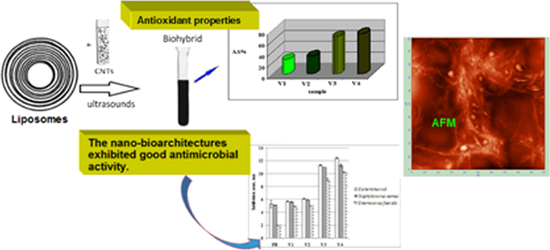
- research stage with the design, preparation and characterization techniques needed for monitoring these biomaterials, and presents new interdisciplinary aspects involving concepts of biochemistry, biophysics, microbiology, nanotechnology, colloid and supramolecular chemistry, and materials science. The


Coating with luminal gut-constituents alters adherence of nanoparticles to intestinal epithelial cells
Beilstein J. Nanotechnol. 2014, 5, 2308–2315, doi:10.3762/bjnano.5.239
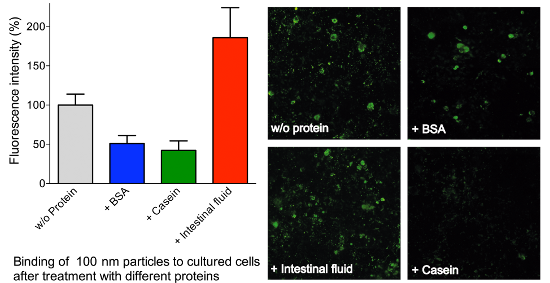
- increasing colloid stability or camouflaging attachment sites, certain components of intestinal fluid are capable to modify particle surfaces in such a way that interactions with cellular surface structures result in an increased binding. Keywords: adherence; agglomeration; intestinal epithelial cells
- ], and possible implications for the particle–cell interactions are considered. For example, it was shown that human serum albumin (HSA), BSA and fetal bovine serum can build a protein corona around NPs whereby the particles are stabilized against agglomeration and the colloid stability of the particle
- be visible at the magnification used during light microscopy. The proteins BSA and casein seem to diminish the contact of NPs with the cell surface by enhancing the NP colloid stability. This effect is particularly evident in software-processed microscope images of 100 nm particles on Caco-2 cells



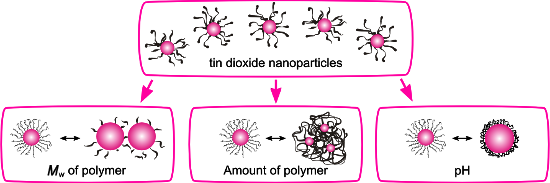
Influence of stabilising agents and pH on the size of SnO2 nanoparticles
Beilstein J. Nanotechnol. 2014, 5, 2192–2201, doi:10.3762/bjnano.5.228
- precipitation reaction in a solution of standard composition (see Experimental section), a colloid was obtained. This was observed in the UV–vis spectrum of which a characteristic peak at a wavelength of 282 nm distinguishes the presence of tin dioxide particles in solution (Figure 1). The standard composition
- 30 min. Before the measurement, a gold layer was deposited on the sample using a coater (Edwards–Pirani 501). UV–vis spectrum of a tin dioxide colloid stabilised with PEI. DLS results of the diameter distribution of the resulting nanoparticles formed in a solution with a standard composition. XRD


Biopolymer colloids for controlling and templating inorganic synthesis
Beilstein J. Nanotechnol. 2014, 5, 2129–2138, doi:10.3762/bjnano.5.222
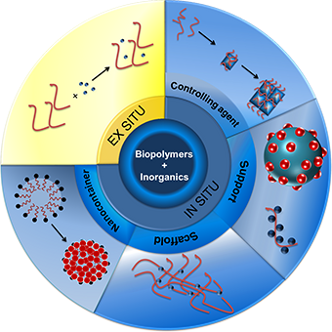
- , micelles, and vesicles, and on the other hand continuous scaffolds generated by gelling biopolymers. Keywords: biomacromolecules; biopolymer; colloid; nanoparticle; organic–inorganic hybrid; template; Introduction During the natural synthesis of inorganic matter in living organisms, referred to as


PVP-coated, negatively charged silver nanoparticles: A multi-center study of their physicochemical characteristics, cell culture and in vivo experiments
Beilstein J. Nanotechnol. 2014, 5, 1944–1965, doi:10.3762/bjnano.5.205

- zeta potential of −20 mV and a metallic core diameter of about 70 nm. All concentrations given refer to the amount of silver. This review article summarizes the results of all groups who participated in this study. Synthesis and colloid-chemical characterization of silver nanoparticles The synthesis of
- , which is indicative for a monodisperse system. The particles were negatively charged with a zetapotential of −20 mV. These particles were used in all described experiments after thorough chemical and colloid-chemical characterization. Dissolution of dispersed silver nanoparticles Silver nanoparticles


The surface properties of nanoparticles determine the agglomeration state and the size of the particles under physiological conditions
Beilstein J. Nanotechnol. 2014, 5, 1774–1786, doi:10.3762/bjnano.5.188
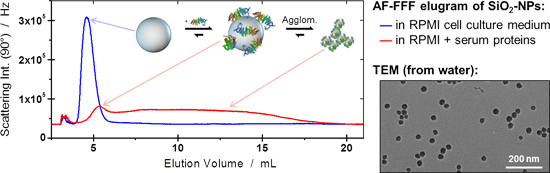
- physiological salinity, zeta potential determinations based on electrophoretic mobility measurements should be treated with great care. As they are influenced by a multitude of factors, such as surface charge, salinity and by the interactions that are present in the colloid, the applied models to derive zeta


Influence of surface-modified maghemite nanoparticles on in vitro survival of human stem cells
Beilstein J. Nanotechnol. 2014, 5, 1732–1737, doi:10.3762/bjnano.5.183
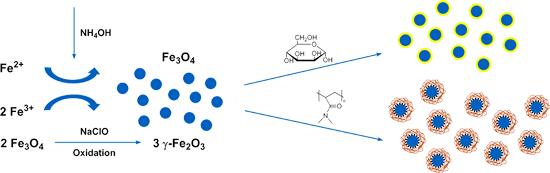
- by sodium hypochlorite and the coating with D-mannose and poly(N,N-dimethylacrylamide) according to earlier reports [20][25]. While coating with D-mannose was performed by the slow addition of D-mannose solution to the γ-Fe2O3 colloid, coating with PDMAAm included solution radical polymerization of N
- serum for 24 h and a series of aqueous γ-Fe2O3 colloids were added to reach concentrations of 100, 50, 25, 12.5 and 6 µL colloid per mL of fresh cultural medium. The cells were grown with the nanoparticles for 72 h until a confluent monolayer of the cells was obtained. Consequently, 15 μL of MTT dye (5
- control and all of them revealed cytotoxic activity. At the same time, the data confirmed the tendency of decreasing particle cytotoxicity if coated with PDMAAm or D-mannose. The strongest cytotoxic effect was observed at the highest concentration of the colloid (100 µL/mL of medium). The PDMAAm-coated γ


Growth evolution and phase transition from chalcocite to digenite in nanocrystalline copper sulfide: Morphological, optical and electrical properties
Beilstein J. Nanotechnol. 2014, 5, 1542–1552, doi:10.3762/bjnano.5.166
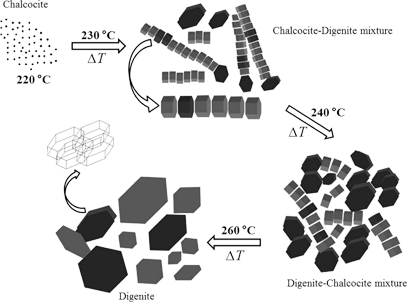
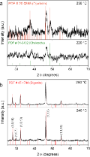
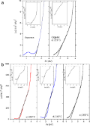
- cells. Experimental Crystalline copper sulfide nanostructures were obtained by one-pot synthesis in an organic solvent while raising the reaction temperature from 220 to 260 °C. Amorphous copper sulfide was also synthesized by a chemical reaction in aqueous solution at 40 °C. Films, colloid and powder




Near-field photochemical and radiation-induced chemical fabrication of nanopatterns of a self-assembled silane monolayer
Beilstein J. Nanotechnol. 2014, 5, 1441–1449, doi:10.3762/bjnano.5.156
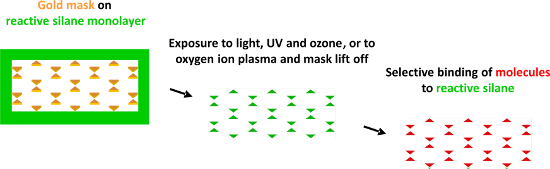
- highly localized shadow. The removal of the gold mask reveals the SAM nanopattern. Keywords: colloid lithography; contact lithography; near-field; photochemistry; self-assembled silane monolayers; Introduction Chemical nanopatterns consist of spatially separated areas providing different chemically


Surface processes during purification of InP quantum dots
Beilstein J. Nanotechnol. 2014, 5, 1220–1225, doi:10.3762/bjnano.5.135
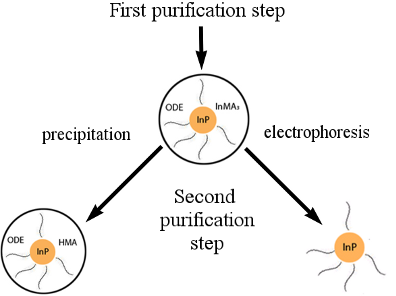
- from byproducts. There are a lot of strategies for the size and shape-selective purification of nanoparticles [7]. Size-selective precipitation is one of the most important separation technique used widely in colloid chemistry. It relies on the fractional precipitation from a “good” solvent by addition



Nanodiamond-DGEA peptide conjugates for enhanced delivery of doxorubicin to prostate cancer
Beilstein J. Nanotechnol. 2014, 5, 937–945, doi:10.3762/bjnano.5.107
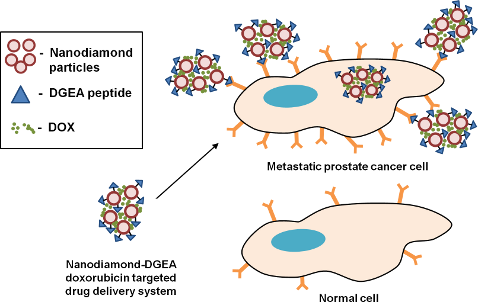
- shown in Scheme 1. With this technique, EDAC was used to activate carboxylic groups on the ND surface. Sulfo-NHS was used to form a stable amide bond between the –COOH groups on the NDs and the free NH2 groups on DGEA. Briefly, 200 µL of ND colloid (5 mg/mL in distilled water) was added with 100 µL of


Optical and structural characterization of oleic acid-stabilized CdTe nanocrystals for solution thin film processing
Beilstein J. Nanotechnol. 2014, 5, 881–886, doi:10.3762/bjnano.5.100
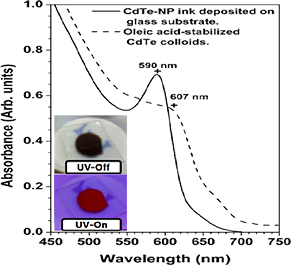
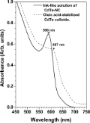
- distribution for our samples. Nevertheless the exciton peak disappeared once the CdTe colloid was drop-cast on the glass substrates Figure 5 shows the absorbance spectra of CdTe-NC of the colloidal solution and of a liquid sample processed by the size-separation technique. The effect of size-separation can be
- observed by considering the maximum absorption peak. The excitonic peak is narrower than that the of the colloid and nearly symmetric, similar to a nearly monodispersed sample. Additionally, the maximum absorbance has shifted from 607 nm to 589 nm arguing for a lower size dispersion of the CdTe-NC. However
- , this result imposes a technological limitation in the colloid application in a thin-film device due to strong stabilization of oleic acid, which is nonconductive and separates the nanocrystals with spacings of about 0.7 nm and thus impedes their electrical contact [15]. Conclusion Oleic acid-stabilized