


Search results
Search for "crystallinity" in Full Text gives 347 result(s) in Beilstein Journal of Nanotechnology. Showing first 200.
Mixed oxides with corundum-type structure obtained from recycling can seals as paint pigments: color stability
Beilstein J. Nanotechnol. 2023, 14, 467–477, doi:10.3762/bjnano.14.37
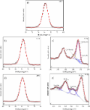
- indicates a rhombohedral structure [18]. The same crystallographic charts were indexed for materials with 5 and 20 wt % of coloring ions (Figure S1, Supporting Information File 1). The crystallinity of the samples was calculated considering the entire diffractogram. It is similar among the oxides, ranging
- from 57.3% (alumina) to 63.9% (sample 2) (Table 1). The crystallinity of the synthesized oxides is superior to the ones obtained via coprecipitation [1]. Raman spectroscopy The Raman spectrum observed for sample 1 (Figure 2a) is characteristic of chromium oxide (Cr2O3), in agreement with what was
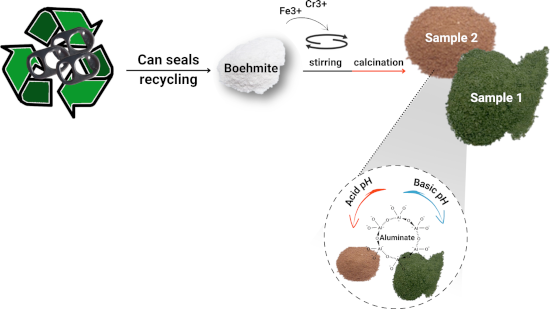
- and (b) alkaline environment. Scheme of the synthetic route used to obtain mixed oxides. Phase, crystallographic chart and crystallinity of alumina, sample 1, and sample 2. Composition of alumina, sample 1, and sample 2 samples determined by XPS. Colorimetric parameters of alumina, sample 1, and




Antimicrobial and mechanical properties of functionalized textile by nanoarchitectured photoinduced Ag@polymer coating
Beilstein J. Nanotechnol. 2023, 14, 95–109, doi:10.3762/bjnano.14.11
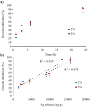
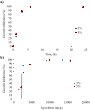
- high crystallinity of the synthesized NPs and the diffraction rings which indicate the polycrystalline nature of the AgNPs have been indexed to the (111), (200), (220) and (311) planes and correspond only to the face-centered cubic (fcc) crystal structure of metallic silver (JCPDS, No. 04-0783) (Figure



Electrical and optical enhancement of ITO/Mo bilayer thin films via laser annealing
Beilstein J. Nanotechnol. 2022, 13, 1589–1595, doi:10.3762/bjnano.13.133
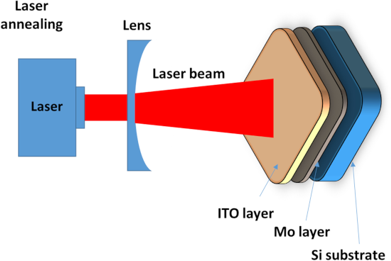
- structural results show that both the as-deposited and the annealed ITO/Mo thin films have a polycrystalline structure, and that the annealing treatment enhanced the crystallinity of samples. Moreover, the XRD patterns exhibited a cubic structure preferentially oriented along the (222) and (400) planes. The
- analyses show that the ITO/Mo has a polycrystalline structure. As well, it can be seen from the grain size analysis that the energy of 120 mJ gives the highest grain size and good crystallinity because most of the orientation of the crystallites appears in the XRD results. Figure 5 shows the optical
- increase in the transmittance with the increase of laser energy until they attain a maximum of 94% for 120 mJ. Above 120 mJ, the optical transmission decreases with the increase of the energy up to 240 mJ. This increase in transmittance is due to the improvement in crystallinity caused by the laser. The


Induced electric conductivity in organic polymers
Beilstein J. Nanotechnol. 2022, 13, 1551–1557, doi:10.3762/bjnano.13.128
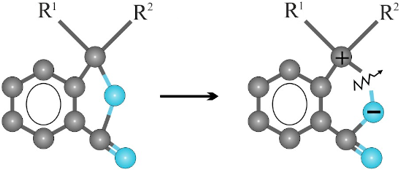
- , transparency in the visible spectrum, and high mechanical strength [3][4]. PDP has an amorphous structure with a degree of crystallinity not exceeding 15%. It is characterized by unusually high chemical resistance. The conditions for the selective production of PDP with a molecular weight of more than (50–60



Hydroxyapatite–bioglass nanocomposites: Structural, mechanical, and biological aspects
Beilstein J. Nanotechnol. 2022, 13, 1490–1504, doi:10.3762/bjnano.13.123
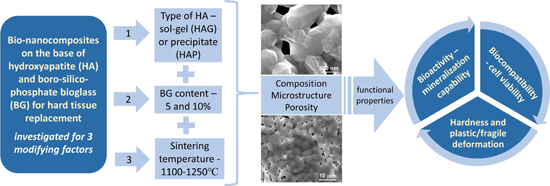
- width at half maximum) is the width at the half height of the peak, θ is the Bragg angle at which the reflection takes place, and hkl are the Miller indices associated with the crystallographic plane. The crystallinity fraction was evaluated using the following formula: where V112/300 represents the
- decomposition of HA into TCP. The average size of the crystallites (Dhkl) and the crystallinity fraction (Xc) are presented in Table 3. The obtained data can be summarized as follows: (i) The average size of the crystallites proves the nanocrystalline structure of the composites, (ii) the crystallinity fraction
- , plastic or fragile behavior is influenced, besides the porosity, by other structural parameters such as crystallinity fraction, form and size of constituent particles, and their bonding strength. For a deeper understanding of the influence of these parameters on the plastic or fragile behavior of the
Electrocatalytic oxygen reduction activity of AgCoCu oxides on reduced graphene oxide in alkaline media
Beilstein J. Nanotechnol. 2022, 13, 1020–1029, doi:10.3762/bjnano.13.89
- and crystallinity of the assembled binary and ternary metallic oxide NPs, powder X-ray diffraction (PXRD) measurements were carried out. The PXRD patterns of the binary and ternary NPs on rGO showed peaks located at 2θ = 38.1°, 44.2°, 64.3°, and 77.1°, which could be indexed to the (111), (200), (220


Solar-light-driven LaFexNi1−xO3 perovskite oxides for photocatalytic Fenton-like reaction to degrade organic pollutants
Beilstein J. Nanotechnol. 2022, 13, 882–895, doi:10.3762/bjnano.13.79
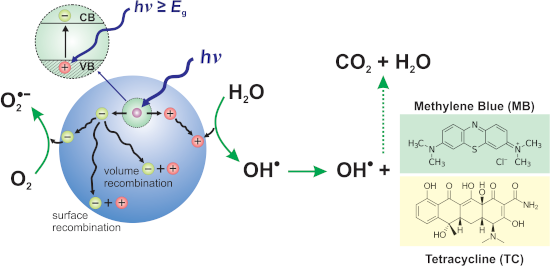
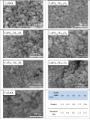
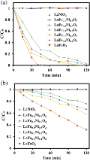
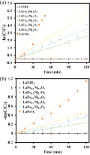
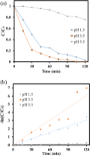
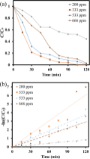
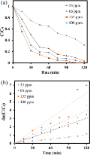
- ratios (1/9, 3/7, 5/5, 7/3, 9/1). The samples were examined by XRD, DRS, BET, and SEM to reveal their crystallinity, light-absorption ability, specific surface area, and surface features, respectively. The photocatalytic Fenton reaction was conducted using various LaFexNi1−xO3 perovskite oxides to
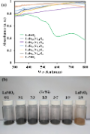
- calculated by Scherrer's equation were obtained. The crystal diameters was 18.5 nm, 25.4 nm, 29.1 nm, 35.0 nm for LaFeO3-500, LaFeO3-600, LaFeO3-700, LaFeO3-800, respectively, suggesting higher calcination temperature caused higher crystallinity for LaFeO3. Moreover, all LaFeO3 samples revealed higher
- crystallinity caused less recombination of electron-and-hole pairs, and subsequent reactions might occur more effectively [44]. On the other hand, The unit cell parameters and cell volume were also estimated from the XRD patterns and summarized in Supporting Information File 1, Table S2. Since the peaks of



Self-assembly of C60 on a ZnTPP/Fe(001)–p(1 × 1)O substrate: observation of a quasi-freestanding C60 monolayer
Beilstein J. Nanotechnol. 2022, 13, 857–864, doi:10.3762/bjnano.13.76
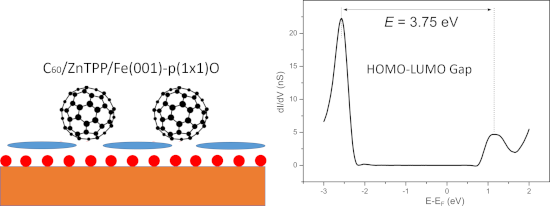
- the cell efficiency [21]. It has been shown that a buffer layer interposed between the substrate and the molecular film can improve the crystallinity of the latter and reduce the electronic coupling with the support [22]. The buffer layer can either be a thin oxide film [23][24][25][26] or a single


Optimizing PMMA solutions to suppress contamination in the transfer of CVD graphene for batch production
Beilstein J. Nanotechnol. 2022, 13, 796–806, doi:10.3762/bjnano.13.70
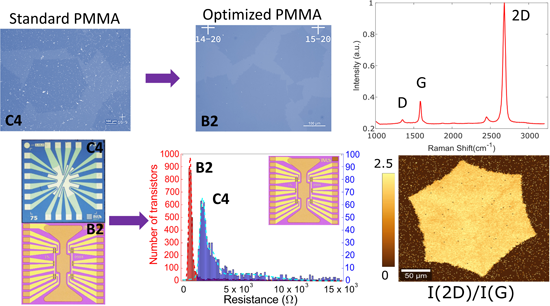
- that the PMMA mixture features good mechanical strength and cleanness (i.e., the acetone bath can thoroughly remove it). The transferred graphene samples were investigated via Raman spectroscopy to evaluate crystallinity, layer number, and structural defect level [23]. The relative intensities of the G
- ± 3.0 cm−1 (Figure 2f,i), implying high-quality monolayer graphene. Together, the data further support uniformity and crystallinity of the sample. The G phonon band arises from double degeneracy of iTO and iLO phonon modes (E2g symmetry) at the Brillouin zone center, which is an in-plane vibration of




Hierarchical Bi2WO6/TiO2-nanotube composites derived from natural cellulose for visible-light photocatalytic treatment of pollutants
Beilstein J. Nanotechnol. 2022, 13, 745–762, doi:10.3762/bjnano.13.66
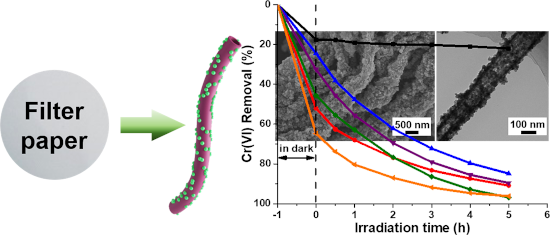
- presence of the hierarchical TiO2 nanotubes influences and inhibits the crystallinity of Bi2WO6 in between the interface of the two phases, revealing the strong interaction between TiO2 and Bi2WO6 phases [35][36]. Figure 2b displays the FTIR spectra of the hierarchical Bi2WO6/TiO2-NT nanocomposites, pure


Nanoarchitectonics of the cathode to improve the reversibility of Li–O2 batteries
Beilstein J. Nanotechnol. 2022, 13, 689–698, doi:10.3762/bjnano.13.61
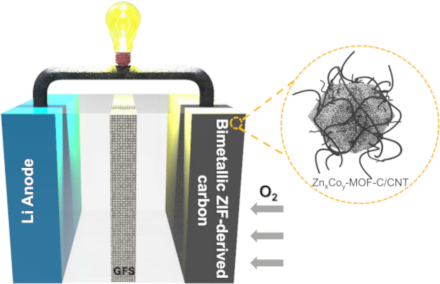
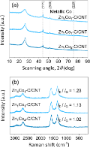
- the same content of CNTs in the composites, the differences in the intensity ratio of the D to the G band (Id/Ig) are mainly attributable to the crystallinity of the ZnxCoy–C particles. The Zn1Co4–C/CNT composite has the best crystallinity with a ratio of 1.02, which is lower than that of the Zn1Co1–C
- /CNT (1.13) and Zn4Co1–C/CNT (1.23) composites. Transmission electron microscopy (TEM) observations with corresponding fast Fourier transform (FFT) patterns confirm the different crystallinity of ZnxCoy–C particles, depending on the concentration of Co during the synthesis. After the carbonization, the
- crystallinity of ZnxCoy–C particles can be enhanced by decreasing the Zn/Co ratio during synthesis [35]. Unlike Zn4Co1–C particles (Figure 3a), which have a typical amorphous carbon structure, both Zn1Co1–C (Figure 3b) and Zn1Co4–C (Figure 3c) particles contain some short-range graphitic carbon structures with


Sodium doping in brookite TiO2 enhances its photocatalytic activity
Beilstein J. Nanotechnol. 2022, 13, 599–609, doi:10.3762/bjnano.13.52
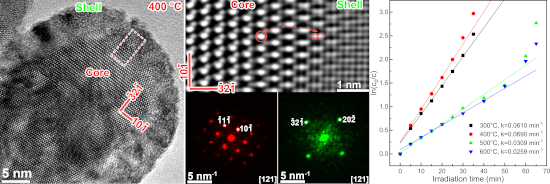
- photodegradation of the orange II dye of brookite varies with the annealing temperature [20]. These differences in the photocatalytic activity of brookite were generally considered as factors such as the specific surface area, crystallite size, and crystallinity [9][21]. But whether the local atomic structure of


Zinc oxide nanostructures for fluorescence and Raman signal enhancement: a review
Beilstein J. Nanotechnol. 2022, 13, 472–490, doi:10.3762/bjnano.13.40
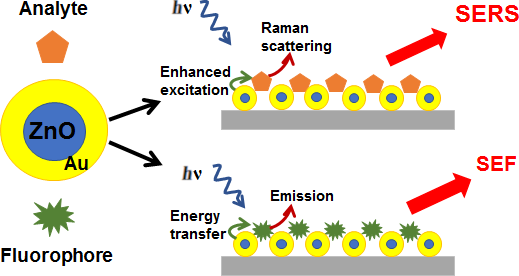
- controllable morphology [28]. Various morphologies including nanoworms, nanowires, and nanorods with excellent crystallinity were also obtained using the solvothermal method [25]. According to Chieng et al., the particle sizes of the synthesized ZnO nanoparticles are in correlation with the glycol chain length




The role of sulfonate groups and hydrogen bonding in the proton conductivity of two coordination networks
Beilstein J. Nanotechnol. 2022, 13, 437–443, doi:10.3762/bjnano.13.36
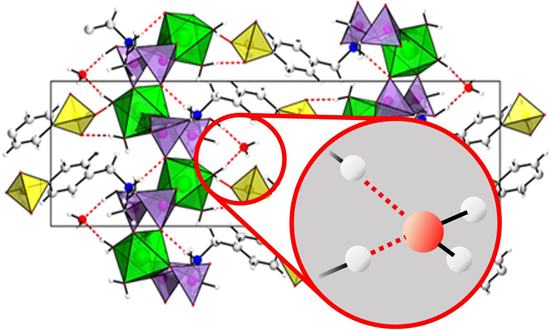
- coordination polymers (CPs), such as (porous) metal-organic frameworks (MOFs) and (non-porous, yet cross-linked) coordination networks [12], may offer alternatives to Nafion because of their structural controllability and high crystallinity [13]. The quest to develop new proton-conducting network materials is
- h in dry air. This process is supposed to remove surface-adsorbed water, such as residues from the synthesis process or from exposure to humid conditions. Powder X-ray diffraction confirmed that this process does not affect the crystallinity of the two materials, and no phase transformation was


A non-enzymatic electrochemical hydrogen peroxide sensor based on copper oxide nanostructures
Beilstein J. Nanotechnol. 2022, 13, 424–436, doi:10.3762/bjnano.13.35
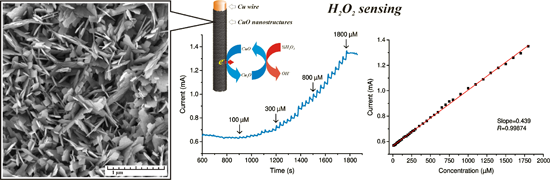
- amorphous background indicates a high degree of crystallinity of the obtained samples. The X-ray diffraction pattern shows a large number of crystallographic planes corresponding to the CuO (tenorite) lattice; however, the dominant orientation corresponds to the direction perpendicular to the (002) and (111




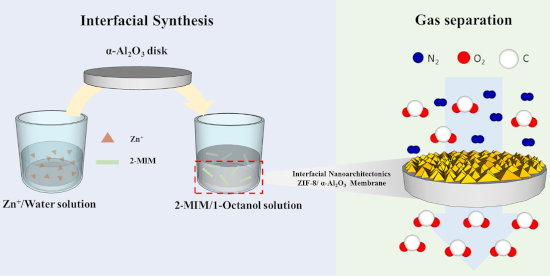
Interfacial nanoarchitectonics for ZIF-8 membranes with enhanced gas separation
Beilstein J. Nanotechnol. 2022, 13, 313–324, doi:10.3762/bjnano.13.26
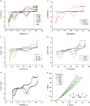
- -ray diffraction were measured on a Rigaku Ultima IV with Cu Kα radiation (λ = 1.5418 Å) to check the crystallinity of the synthesized ZIF-8 thin films. The morphology of the supports, the free-standing thin films, and the supported membranes was observed by FE-SEM (NovaTM NanoSEM 230). The elemental
- the support did not change. The intensity ratio of the strongest XRD peaks between ZIF-8 crystals ((011) at ca. 7.3°) and α-Al2O3 crystals ((104) at ca. 35.1°) was adopted as an indicator of ZIF-8 crystallinity, since the crystallinity of all commercial α-Al2O3 disks was consistent. Therefore, a
- higher intensity ratio indicated a higher crystallinity of ZIF-8. As the synthesis temperature increased from 40 to 120 °C, the intensity ratio increased from 23.44 to 45.90% (Table 1), suggesting a higher crystallinity of ZIF-8 synthesized at higher reaction temperatures. Grain size of ZIF-8 crystals


Effects of drug concentration and PLGA addition on the properties of electrospun ampicillin trihydrate-loaded PLA nanofibers
Beilstein J. Nanotechnol. 2022, 13, 245–254, doi:10.3762/bjnano.13.19
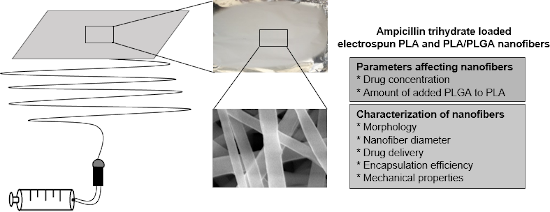
- ][18] and crystallization properties of the polymer [19]. Since the crystallinity of PLGA is known to be lower than that of PLA [20] and its structure is different, the increase in diameter with the addition of PLGA may be related to the lower crystallinity and different structure of PLGA. In our


Engineered titania nanomaterials in advanced clinical applications
Beilstein J. Nanotechnol. 2022, 13, 201–218, doi:10.3762/bjnano.13.15
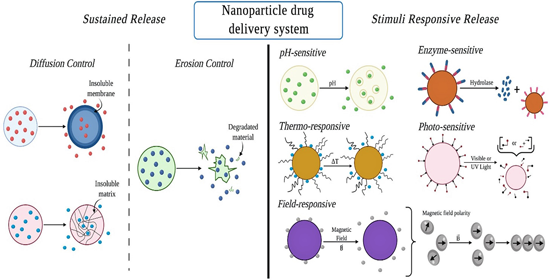
- generated free electrons (e−) react with molecular oxygen to generate superoxide radicals by reduction. Several factors contribute to the photocatalytic performance of TiO2, such as the structural phase (anatase, brookite, or rutile), defects in the lattice, the degree of crystallinity, morphology


Piezoelectric nanogenerator for bio-mechanical strain measurement
Beilstein J. Nanotechnol. 2022, 13, 192–200, doi:10.3762/bjnano.13.14
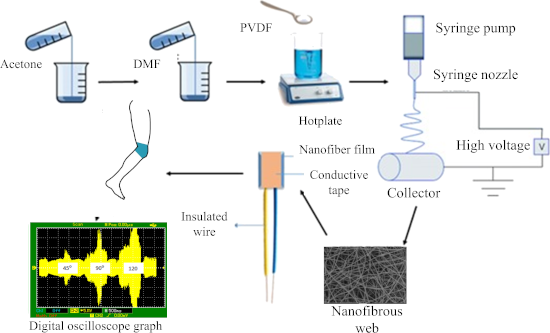
- diffraction analyses were used to study the morphology and to confirm the beta phase in fibers. The results reveal that the nanofibers made from solutions with high concentration were smooth and defect-free, compared to the fibers obtained from solutions with low concentration, and possess high crystallinity
- fibers obtained from the 16 wt % solution compared to the solutions of 12 and 14 wt %. The crystallinity was calculated from the XRD diffractograms and came out to be 52.3%, 54.6%, and 57.7% for the fibers made from 12, 14, and 16 wt % solutions, respectively. This phenomenon can be correlated with the


Sputtering onto liquids: a critical review
Beilstein J. Nanotechnol. 2022, 13, 10–53, doi:10.3762/bjnano.13.2
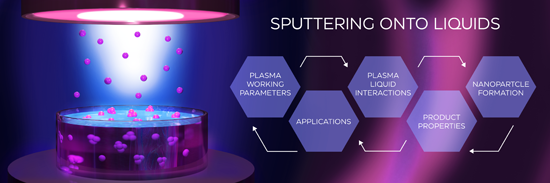
- ][25]. Also, the micro/nanostructure of the films is a very important aspect of the tailoring, and the sputtering process usually allows for controlling coating density, crystallinity, and micro/nanostructure to some extent by carefully varying the working parameters. For instance, energy transferred
- kinetic energy, and coating properties (on solid substrates) are changed as compared to DCMS discharges. The film crystallinity can be promoted at lower growth temperatures, although sometimes, a too intense ion bombardment may lead to the amorphization of the material [68]. Because they are ionized, the






Electrical, electrochemical and structural studies of a chlorine-derived ionic liquid-based polymer gel electrolyte
Beilstein J. Nanotechnol. 2021, 12, 1252–1261, doi:10.3762/bjnano.12.92
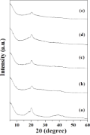
- work [10]. The uniformly distributed pores present in the films lead to the retention of liquid electrolytes, thereby increasing the overall ionic conductivity of the electrolyte films. X-ray diffraction (XRD) patterns were also recorded to check the crystallinity of the synthesized material. The
- variations in the crystallinity of the polymer electrolytes are directly related to the intensity and full width at half maximum (FWHM) of the peak. Usually, the crystallinity and FWHM are inversely proportional to each other, the larger the FWHM, the smaller the crystal size and vice versa [32]. XRD
- ), and θ is the Bragg angle (in degrees). The calculated results are tabulated in Table 1. As it can be seen from the results obtained from SEM and XRD, the addition of a liquid electrolyte in the host polymer significantly decreases the crystallinity of the latter, which is expected to result in an



Irradiation-driven molecular dynamics simulation of the FEBID process for Pt(PF3)4
Beilstein J. Nanotechnol. 2021, 12, 1151–1172, doi:10.3762/bjnano.12.86
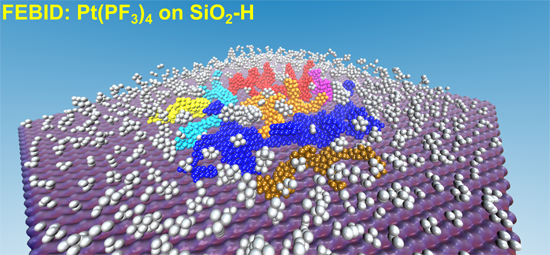
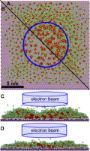
- understanding of the relationship between deposition parameters and physical characteristics of fabricated nanostructures (e.g., size, shape, purity, and crystallinity). Further advancement of the existing experimental techniques and molecular-level computational modeling can provide insights into the








Revealing the formation mechanism and band gap tuning of Sb2S3 nanoparticles
Beilstein J. Nanotechnol. 2021, 12, 1021–1033, doi:10.3762/bjnano.12.76
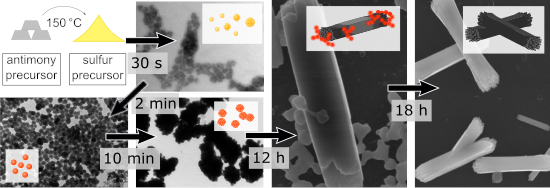
- deposition [13] methods. Up to now, the syntheses of Sb2S3 nanomaterials lack sufficient control of the growth conditions. The result are nanoparticles of which the size, shape, and crystallinity can only be tuned to a limited extent. However, for several applications, such as electronic circuits [14], it is
- temperature leads to larger particles. Furthermore, they have concluded that a chlorine-containing antimony precursor affects the morphology and crystallinity of the particles. Nevertheless, the study of Abulikemu et al. focused on using bis(trimethylsilyl) sulfide (TMS) as sulfur precursor since with this
- of 180–210 °C to facilitate the synthesis process following the hot-injection method with a sulfur–oleylamine (S-OlAm) precursor. They have found that the temperature influences the crystallinity, shape, and size of the particles [21]. These studies revealed growth processes comprising a primary


A review of defect engineering, ion implantation, and nanofabrication using the helium ion microscope
Beilstein J. Nanotechnol. 2021, 12, 633–664, doi:10.3762/bjnano.12.52
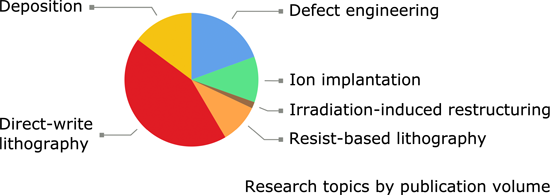
- structures [45]. The performance of Josephson junctions in YBCO thin films fabricated using the HIM has been further evaluated in [46]. Cross-sectional STEM analysis of helium line irradiations of YBCO has shown that the crystallinity of the Josephson junction barriers is essentially preserved, highlighting


High-yield synthesis of silver nanowires for transparent conducting PET films
Beilstein J. Nanotechnol. 2021, 12, 624–632, doi:10.3762/bjnano.12.51
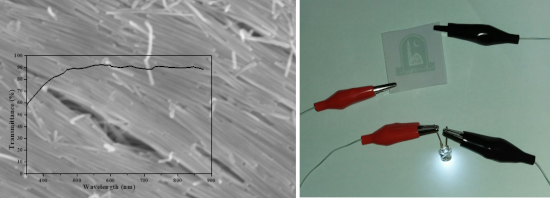
- morphology of the Ag NWs was best at a reaction temperature of 160 °C and a 1:4 ratio of AgNO3/PVP. The XRD analysis confirmed the crystallinity of the AgNWs structures. The aqueous solution of the AgNWs exhibited a broad PL emission band in the red region. The SEM images confirmed that the final product was





