


Search results
Search for "density" in Full Text gives 1728 result(s) in Beilstein Journal of Nanotechnology. Showing first 200.
Multifunctional anionic nanoemulsion with linseed oil and lecithin: a preliminary approach for dry eye disease
Beilstein J. Nanotechnol. 2025, 16, 1711–1733, doi:10.3762/bjnano.16.120
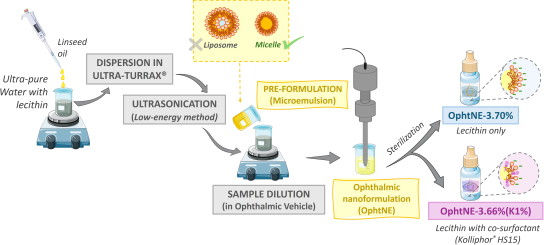
- and density The viscosity and density of LO were measured using an SVM 3000/G2 kinematic viscometer (Anton Paar, USA). The measurements were performed at two temperatures: 25 °C (by ASTM D7042-21 standard) and 75 °C, with each measurement repeated in triplicate to determine the mean ± standard
- health [65][66]. PUFAs are well-known for their therapeutic potential, particularly their anti-inflammatory and antioxidant properties [30], showing promising results in systemic and topical treatment [33][67][68], including for dry eye disease [35][36][69]. The viscosity, density, and AV of LO at both
- room temperature (25 °C) and elevated temperature (75 °C) are summarized in Table 2. Visually, heating LO to 75 °C did not result in any noticeable changes in color or turbidity; the oil maintained its original yellowish hue and translucent appearance, as shown in Figure 1a. The observed density of LO



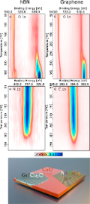
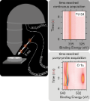
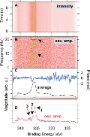
Ambient pressure XPS at MAX IV
Beilstein J. Nanotechnol. 2025, 16, 1677–1694, doi:10.3762/bjnano.16.118
- precious metals such as Rh, Pd, and Pt [14][15]. Their atom-level dispersion maximizes surface exposure and minimizes metal consumption, which is critical for both economic and environmental sustainability. However, their inherently low site density and metastability under reaction conditions present





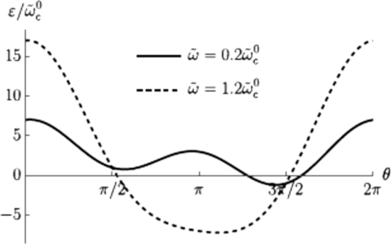
Energy spectrum and quantum phase transition of the coupled single spin and an infinitely coordinated Ising chain
Beilstein J. Nanotechnol. 2025, 16, 1668–1676, doi:10.3762/bjnano.16.117
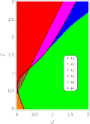
- the single-spin density matrix. One might choose to make or not to make the Markov approximation, obtaining different types of master equations. Given that the exact solution is known, different master equation solutions can be compared against it. This allows to study the limits of applicability of

![[Graphic 39]](/bjnano/content/inline/2190-4286-16-117-i63.svg?max-width=637&scale=1.18182)


![[Graphic 51]](/bjnano/content/inline/2190-4286-16-117-i75.svg?max-width=637&scale=1.18182)
Prospects of nanotechnology and natural products for cancer and immunotherapy
Beilstein J. Nanotechnol. 2025, 16, 1644–1667, doi:10.3762/bjnano.16.116

- polymeric membranes, non-ionic surfactants, macromolecules, and phospholipids [176][177]. The properties of the pharmaceutical form are governed by size, shape, core structure, and ligands, which can alter factors such as solubility, charge density, hydrophobicity, stability, and binding affinity [178]. The


Venom-loaded cationic-functionalized poly(lactic acid) nanoparticles for serum production against Tityus serrulatus scorpion
Beilstein J. Nanotechnol. 2025, 16, 1633–1643, doi:10.3762/bjnano.16.115
- cationic nanoparticles prepared by ionic gelation with 100% encapsulation efficiency [1][2]. Additionally, PEI with high branching density has been shown to enhance complexation and transfection efficiency [23]. The morphology obtained by AFM and FEGSEM showed particles with a smooth surface, spherical


Nanotechnology-based approaches for the removal of microplastics from wastewater: a comprehensive review
Beilstein J. Nanotechnol. 2025, 16, 1607–1632, doi:10.3762/bjnano.16.114
- wear, and microbial activity [3]. Common types of MPs found in ecosystems, particularly in freshwater and drinking water sources, include materials such as high-density polyethylene, polystyrene, polyvinyl chloride, and polypropylene [4]. Among the various contributors to MPs, residential households
- hydrocarbons, heavy metals, and other toxic contaminants, increasing their potential risks to living ecosystems and organisms [9][10]. MPs have low density, variable sizes, high persistence, and non-biodegradable nature. These characteristics make their removal difficult, especially in aquatic environments [11
- low density are present initially in the suspended form. However, as time passes, they interact with suspended clay particles, and an accumulation of biofilm occurs, resulting in an increase in density. This will result in gradual settlement of the MPs in the sediment [19]. The concentration of MPs in


Bioinspired polypropylene-based functionally graded materials and metamaterials modeling the mistletoe–host interface
Beilstein J. Nanotechnol. 2025, 16, 1592–1606, doi:10.3762/bjnano.16.113
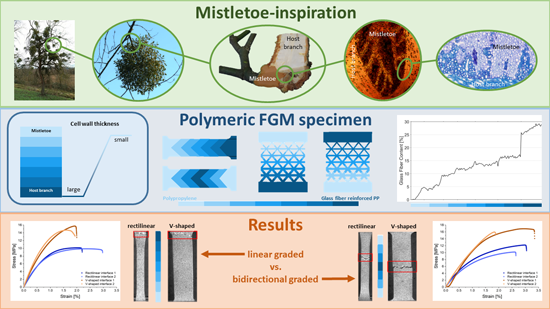
- 4A shows representative cross-sectional μCT images for each scan. The relatively small difference in brightness between the PP matrix (dark grey) and the surrounding air (black) compared to the very bright appearing glass fibers can be explained by the large difference in density between the polymer
- number of burnt glass fiber particles at the edges. In the sections with the highest glass fiber density, a volume fraction of between 25% and 30% was obtained, which is in good agreement with the 25% specified by the manufacturer (Figure 4D), demonstrating the validity of the fiber content analysis
- locations. For example, DIC showed a wider strain distribution for the specimens with a V-shaped interface, but all specimens failed in the area with the highest glass fiber density. This makes it possible to introduce predetermined failure points into material systems and program the stiffness and local


Few-photon microwave fields for superconducting transmon-based qudit control
Beilstein J. Nanotechnol. 2025, 16, 1580–1591, doi:10.3762/bjnano.16.112
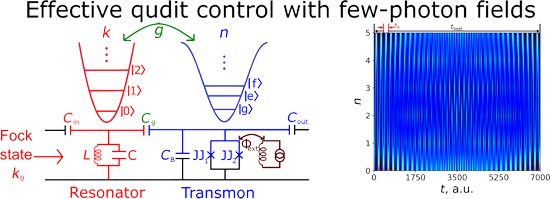
- application of the rotating wave approximation, which makes it possible to use the relation in Equation 5, are Δω ≪ ω0 and g ≪ ω0 [44]. Here, the efficiency of the interaction between two subsystems is determined by the average photon density ⟨N⟩/Vres, which is large enough to allow field-induced transitions
- regulated by the interferometric arm asymmetry, and the values of EJ determine the magnitude of the critical current and the area of each JJ: Ic1 ≈ 39.44 nA, S1 = 200 × 197 nm2, Ic2 ≈ 22.21 nA, and S2 = 149 × 149 nm2, with the usual critical current density of j = 1 μA·μm−2. The frequency of the resonator


Modeling magnetic properties of cobalt nanofilms used as a component of spin hybrid superconductor–ferromagnetic structures
Beilstein J. Nanotechnol. 2025, 16, 1557–1566, doi:10.3762/bjnano.16.110
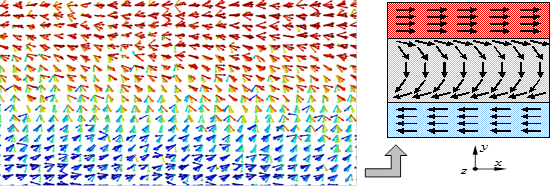
- particle; and Tl and Ts are values of the thermodynamic and spin temperatures, respectively [26][27]. The potential of the modified embedded atom method [28][29] was based on the electron density functional theory. The magnitude of the potential UMEAM depends on the set of atomic positions, which makes the
- density. When describing the electron density, different types of electron clouds of the atoms under consideration are taken into account, and a sufficiently large set of potential parameters is involved, which makes MEAM sufficiently accurate and allows it to be used in solving a wide range of atomistic
- -monolayers, the number of nearest neighbors for cobalt atoms sharply decreases. This weakens the exchange interaction that stabilizes the ferromagnetic order. Disruption of lattice periodicity and a high density of defects exacerbate this problem. For these reasons, such studies are not included in this


Transient electronics for sustainability: Emerging technologies and future directions
Beilstein J. Nanotechnol. 2025, 16, 1545–1556, doi:10.3762/bjnano.16.109

- stimulators, and drug delivery vehicles, as well as environmentally benign electronics for soil or aquatic disposal. Despite their potential, key challenges remain in expanding the material set for diverse functionalities, achieving high-density integration for advanced operations, and enabling precise
- identifies three central areas that warrant focused development. First, the expansion of the available materials palette is essential to support diverse electronic functionalities. Second, advancements in high-density integration techniques are required to realize sophisticated, multifunctional devices
- plugs, ~100 nm). The fabricated single unit of n-channel MOSFETs exhibits on/off current ratios exceeding 107 and field-effect mobilities up to 680 cm2·V−1·s−1 [80]. This approach is considered key for realizing the high-density integration and mass production of bioresorbable systems. Looking beyond


Influence of laser beam profile on morphology and optical properties of silicon nanoparticles formed by laser ablation in liquid
Beilstein J. Nanotechnol. 2025, 16, 1533–1544, doi:10.3762/bjnano.16.108
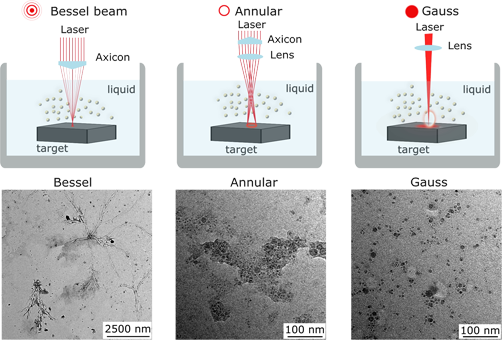
- ablation synthesis of nanomaterials in liquids are still very rare. A typical PLAL experiment uses a Gaussian beam profile, which is known to have a tight focus along both transverse and propagation axes and the highest power density in the beam center. Non-Gaussian beam profiles are characterized by a non
- potential wells and can result in confinement of plasma and CB propagation, CB oscillations, and the reflection of shockwaves [29]. The confinement and reflection effects are known to result in a plasma compression and, consequently, plasma temperature and electron density increase [35][36][37]. A reflected
- shockwave also causes perturbations in the medium, thus, influencing the electron density distribution in the plasma. Furthermore, the confinement of the plasma plume slows down thermalization and cooling of the plasma, changing the conditions for the nucleation and growth of the nanoparticles [37]. The


Cross-reactivities in conjugation reactions involving iron oxide nanoparticles
Beilstein J. Nanotechnol. 2025, 16, 1504–1521, doi:10.3762/bjnano.16.106
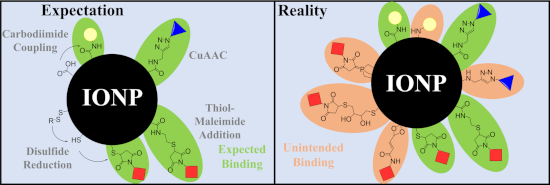
- steric hindrance, as well as to deactivation of the amine through withdrawal of electron density. We suspect that the latter is the most important factor affecting the poor reactivity of these dyes, as attempts to perform the EDC/NHS coupling in DMF, DMSO, and EtOH, wherein the dyes are much more soluble
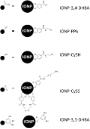
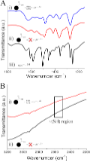
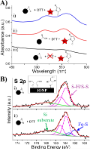
- lineshape for the IONP-CySS/DTT, which suggests the presence of multiple binding sites, resulting in an increased Cy3 packing density, thereby enabling H-aggregate formation. This observation provides evidence that there is successful cleavage of the disulfide bonds, when treated with DTT, resulting in Cy3
- -exposed to bind Cy3-maleimide. We reason that, while the DTT molecule can reach the IONP surface and bind through one of its thiols, the density of DHBA ligands is such that it is not likely that the DTT molecule will fold over and bind to surface Fe through the remaining SH group at the opposite end of







Laser processing in liquids: insights into nanocolloid generation and thin film integration for energy, photonic, and sensing applications
Beilstein J. Nanotechnol. 2025, 16, 1428–1498, doi:10.3762/bjnano.16.104
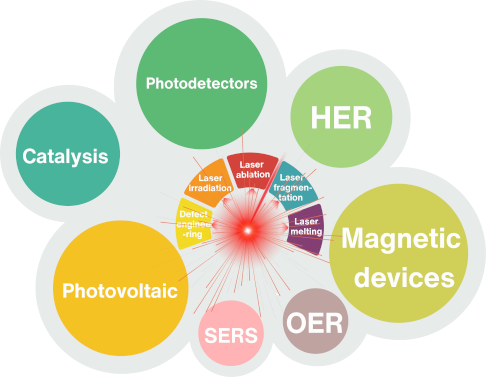
- characteristics, are influenced by the NP size and crystalline quality (Figure 3b,c). LFL also plays a crucial role in tuning the optical properties of NPs. Laser processing affects the defect density and optical bandgap of the particles, as demonstrated by changes in the optical transmission spectra before and
- parameters, researchers have been able to selectively create and stabilize the desired type and distribution of defects within the electrode materials, leading to improvements in energy density, power density, and cycling stability of electrochemical energy storage devices [88][89][90][91]. Furthermore, LDL
- experimental setup for LDL typically involves a tightly focused laser beam interacting with a liquid precursor or solution. This precise control over the laser parameters, including wavelength, pulse duration, and energy density, allows researchers to carefully tailor the nature and distribution of the






The role of biochar in combating microplastic pollution: a bibliometric analysis in environmental contexts
Beilstein J. Nanotechnol. 2025, 16, 1401–1416, doi:10.3762/bjnano.16.102

- increased from 300 to 800 °C [37]. However, [38] reported contrasting trends in commercial corn straw biochar, where increasing thermolysis temperatures led to a significant decrease in surface area from 808.3 to 177.5 m2·g−1, while the bulk density increased from 0.059 to 0.121 g·cm−3. Similarly, biochar
- and surface area, compared to other materials [37]. Biochar produced from carbon-, oxygen- and nitrogen-rich straw at low pyrolysis temperatures retains a large number of functional groups, which enhance charge transfer potential and adsorption stability through increased surface charge density
- illustrates the effectiveness of biochar in counteracting the physical degradation caused by MPs. In terms of soil chemical properties, MPs influence pH, organic matter content, and macronutrient levels, including nitrogen (N), phosphorus (P) and potassium (K). For example, 3–7% low-density polyethylene (LDPE



Parylene-coated platinum nanowire electrodes for biomolecular sensing applications
Beilstein J. Nanotechnol. 2025, 16, 1392–1400, doi:10.3762/bjnano.16.101
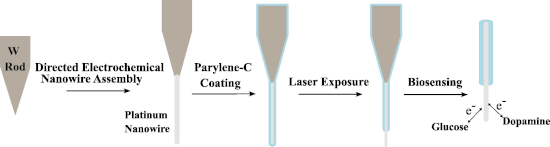
- option offers faster and automatic analysis for peak current calculation and improves the result of LoD calculation. Due to the difficulty of measuring the surface area of our electrode, the current was used here rather than current density. Glucose detection by cyclic voltammetry (CV) The 100 mM glucose


Synthesis and antibacterial properties of nanosilver-modified cellulose triacetate membranes for seawater desalination
Beilstein J. Nanotechnol. 2025, 16, 1380–1391, doi:10.3762/bjnano.16.100
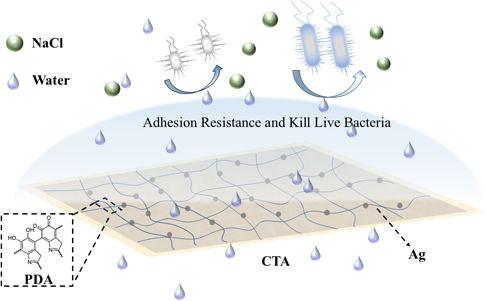
- images, along with high-magnification views, reveal a dense, compact structure indicative of high polymer packing density (Figure 4b). The application of the PDA coating results in uniformly sized, densely packed spheres that adhere uniformly to the CTA membrane’s surface, providing active sites for


Automated collection and categorisation of STM images and STS spectra with and without machine learning
Beilstein J. Nanotechnol. 2025, 16, 1367–1379, doi:10.3762/bjnano.16.99
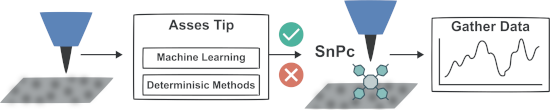
- properties of surfaces and molecules with atomic precision. This opens up the ability to map the local density of states (LDOS) of a sample with high spatial resolution [1][2][3]. Peaks within a map of the LDOS correspond to increases in conductance at specific bias values, revealing the energy levels of key
- results [4][5][6][7]. STS measurements are the result of an integration over the available density of states (DOS) in both the tip and the sample, with the current measured therefore being proportional to the convolution of two. To isolate the DOS of the sample, it is crucial that the tip has a nominally
- “flat” DOS, which is typically achieved by using a purely metallic tip. However, most tips do not demonstrate a perfectly flat local density of states (LDOS) as they have a complex electronic structure governed by the geometry of the metallic cluster at the tip apex [8][9][10][11][12]. Non-metallic




Enhancing the therapeutical potential of metalloantibiotics using nano-based delivery systems
Beilstein J. Nanotechnol. 2025, 16, 1350–1366, doi:10.3762/bjnano.16.98
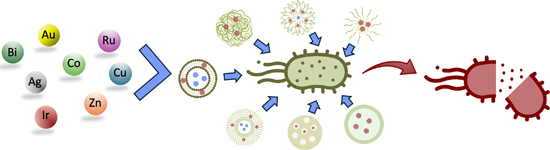
- bacterial lectins could serve as effective binding sites for glycosylated polymers [49]. Targeted nanoparticles need to be designed with an optimal density of targeting moieties to effectively interact with specific cell surface receptors. Achieving this requires a clear understanding of the ratio between


Wavelength-dependent correlation of LIPSS periodicity and laser penetration depth in stainless steel
Beilstein J. Nanotechnol. 2025, 16, 1302–1315, doi:10.3762/bjnano.16.95
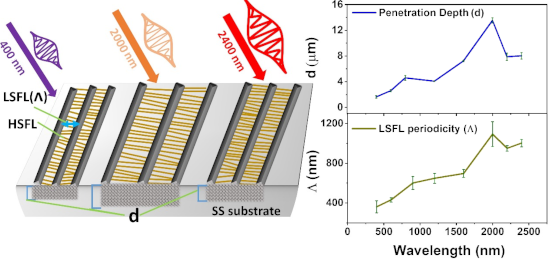
- density coherently oscillates, coupled to both media. Usually, LIPSS formation is a multipulse phenomenon, as pulse after pulse create a different roughness on the surface or feedback mechanism to form certain SPP modes. The interference of incoming light with scattering from the SPP modes can lead to the
- unbound electrons within stainless steel oscillate in the presence of an electromagnetic field is known as the plasma frequency. The metallic substance’s electron density and effective electron mass also affect the plasma frequency. where ωp is the plasmonic frequency, ne is the electron density, and me
- is the effective mass of the electron. Stainless steel has a more complex electron density than pure metals because it is composed of a mix of iron, chromium, nickel, and other elements. Stainless steel’s electron density varies depending on the composition and microstructure of the alloy, typically





Enhancing the photoelectrochemical performance of BiOI-derived BiVO4 films by controlled-intensity current electrodeposition
Beilstein J. Nanotechnol. 2025, 16, 1289–1301, doi:10.3762/bjnano.16.94
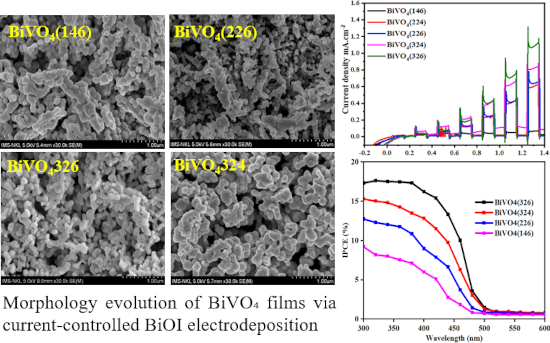
- Abstract This study investigates the fabrication of BiVO4 photoanodes using a controlled-intensity current electrodeposition method to improve their photoelectrochemical (PEC) performance. The impact of varying the deposition current density and VO(acac)2 concentration was systematically analyzed to
- monoclinic scheelite BiVO4 structure with dominant (121) and (004) peaks. FESEM imaging revealed that the different deposition conditions influenced the surface morphologies of the BiOI and BiVO4 films. Photocurrent density measurements showed that BiVO4(326) achieved 1.2 mA·cm−2 at 1.23 V vs RHE
- samples fabricated with lower current density, highlighting the benefits of the optimized electrodeposition conditions for the former. Keywords: BiOI; BiVO4; electrodeposition; photoelectrochemical water splitting; Introduction In the context of the increasing global energy demand, the development of



Acrocomia aculeata oil-loaded nanoemulsion: development, anti-inflammatory properties, and cytotoxicity evaluation
Beilstein J. Nanotechnol. 2025, 16, 1277–1288, doi:10.3762/bjnano.16.93
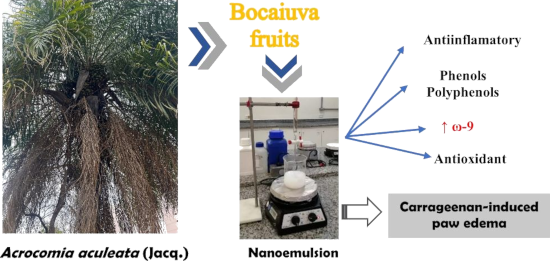
- , quality indicators such as refractive index, solubility in different organic solvents, and relative density showed that the bocaiúva oil used in that study had good purity [35]. Coimbra and Jorge analyzed Acrocomia aculeata oil and found refractive index values similar to those in this study (1.46 ± 0.01
- Acrocomia aculeata oil-loaded nanoemulsion as a nanotechnological innovative product that enhances the therapeutic value of A. aculeata oil and supports its development as a promising anti-inflammatory agent. Experimental Materials Bocaiúva oil was used as the lipid core (relative density 0.9000, iodine
- nitrogen for 24 h to obtain the solvent-free oil. Physicochemical characterization of Acrocomia aculeata oil Relative density and refractive index of Acrocomia aculeata oil (AAO) were evaluated according to the American Pharmacopoeia [58]. Iodine value, peroxide value, acid value, and saponification index


Better together: biomimetic nanomedicines for high performance tumor therapy
Beilstein J. Nanotechnol. 2025, 16, 1246–1276, doi:10.3762/bjnano.16.92
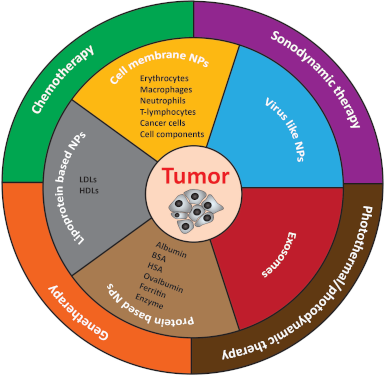
- phospholipids and apolipoproteins [55]. Lipoproteins include, among others, low-density lipoprotein (LDL) and high-density lipoprotein (HDL). Due to the hydrophobic core and prolonged circulation, they have been used in drug delivery. The lipid core of the lipoprotein tend to load a variety of lipophilic drug
- specific inhibitors of 3-hydroxy-3-methylglutaryl coenzyme A reductase, the rate-limiting enzyme of the mevalonate metabolic pathway [58]. The use of statins, drugs that lower plasma lipoprotein levels, has been shown to reduce the risk of certain types of cancer [59][60]. 1.2.1 Low-density lipoprotein
- . The uptake of LDL inside the cells occurs mainly via receptor-mediated endocytosis by a structurally similar receptor family, similar to LDL receptor proteins including LDL receptor-related protein (LRP or megalin), very-low density lipoprotein (vLDL) receptor, and apolipoprotein E receptor-2 (ApoER2







Chitosan nanocomposite containing rotenoids: an alternative bioinsecticidal approach for the management of Aedes aegypti
Beilstein J. Nanotechnol. 2025, 16, 1197–1208, doi:10.3762/bjnano.16.88
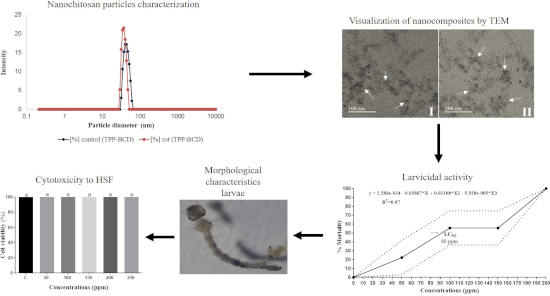
- to rotenoids and to the CS/TPP–β-CD–rot nanocomposite was evaluated using the 3-(4,5-dimethylthiazol-2-yl)-2,5-diphenyltetrazolium bromide (MTT) assay. The cells were cultured in 96-well plates at a density of 3 × 10⁵ cells/mL. After adherence, the cells were treated with either in natura rotenoids



Electronic and optical properties of chloropicrin adsorbed ZnS nanotubes: first principle analysis
Beilstein J. Nanotechnol. 2025, 16, 1184–1196, doi:10.3762/bjnano.16.87
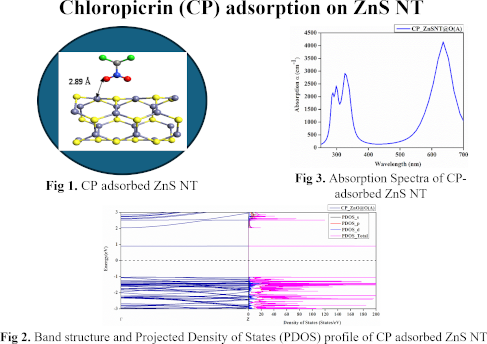
- Information Technology, Allahabad, UP-211015, India 10.3762/bjnano.16.87 Abstract Zinc sulfide nanotubes have garnered significant attention as potential candidates for chemical sensing applications owing to their exceptional structural, electronic, and optical properties. In this study, we employed density
- functional theory (DFT) to explore the sensing capabilities of a ZnS (3,3) nanotube (ZnS NT) for detecting chloropicrin (CP, CCl3NO2), a highly toxic gas. To elucidate the sensing mechanism, we systematically analyze the adsorption configurations, Mulliken charge transfer, band structure, density of states
- spectra and optical conductivity peaks, highlight the potential of ZnS NT for designing sensitive and reusable CP gas sensors. Keywords: chemical sensor; chloropicrin (CP); density functional theory; zinc sulfide nanotubes (ZnS NTs); Introduction Chloropicrin (CP), also known as trichloronitromethane


Mechanical stability of individual bacterial cells under different osmotic pressure conditions: a nanoindentation study of Pseudomonas aeruginosa
Beilstein J. Nanotechnol. 2025, 16, 1171–1183, doi:10.3762/bjnano.16.86
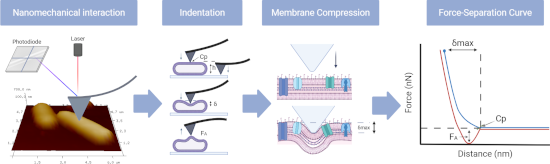
- . Therefore, the type and density of these MS channels triggered at different threshold values of membrane tension determine the survival capacity of the bacteria under drastic changes in osmotic pressure [16][17][18][19][20]. PA is also known to use other channel proteins to overcome the attack by





