Search results
Search for "development" in Full Text gives 1368 result(s) in Beilstein Journal of Nanotechnology. Showing first 200.
Multifunctional anionic nanoemulsion with linseed oil and lecithin: a preliminary approach for dry eye disease
Beilstein J. Nanotechnol. 2025, 16, 1711–1733, doi:10.3762/bjnano.16.120
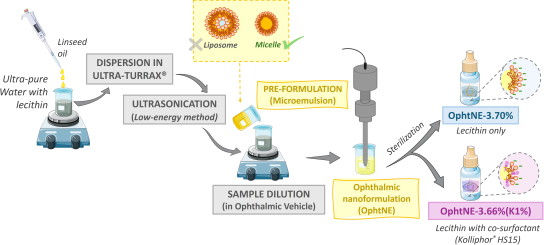
- therapeutic option for this ocular condition. Artificial tear products commonly used to alleviate symptoms of DED contain various ingredients that promote osmoprotective and antioxidant effects. In this context, this study proposes the development of an ophthalmic nanoemulsion with multifunctional action
- stability dispersion [84]. Based on these criteria, the O/W(L-3%) pre-formulation was identified as the most suitable candidate for further investigations in the development of ophthalmic nanoformulations for DED. After optimizing the pre-formulation parameters, a simple dilution process of O/W(L-3
- [102][103], compared to literature-reported nanoemulsions for DED treatment based on castor oil and 1,2-dimyristoyl-sn-glycerol-3-phosphocholine with a conductivity of 68.9 μS·cm−1 [20]. Another study described the development of a nanoemulsion-based gel containing moxifloxacin hydrochloride to treat



Beyond the bilayer: multilayered hygroscopic actuation in pine cone scales
Beilstein J. Nanotechnol. 2025, 16, 1695–1710, doi:10.3762/bjnano.16.119
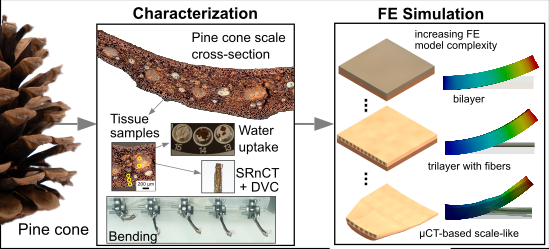
- properties and tissue arrangements for predicting pine cone scale bending in silico. By contributing to a deeper understanding of pine cone scale biomechanics, these results also support the development of bioinspired technical applications. Future studies should refine tissue mechanical properties and
- arrangement impact the bending motion, can therefore benefit the development and improvement of novel bioinspired technical applications. At present, some characteristics of pine cones have been described that help to explain how their individual tissues can deform under desiccation/hydration and thus lead to


Ambient pressure XPS at MAX IV
Beilstein J. Nanotechnol. 2025, 16, 1677–1694, doi:10.3762/bjnano.16.118
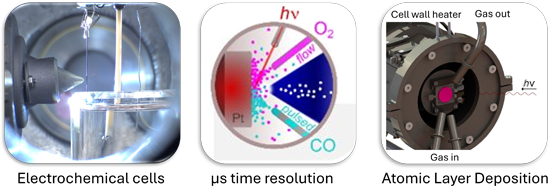
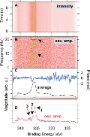
- only at the turn of the century that APXPS instruments were developed, thanks to the high flux of the third and then, particularly, fourth generation of synchrotron radiation light sources. At the same time, the development of differentially pumped electron energy analyzers (EEA) with higher
- transmission also played a crucial role [2]. The technical development of APXPS was driven forward in particular by groups at BESSY II (Berlin, Germany) and ALS (Berkeley, US) [3][4]. Today, APXPS is a consolidated technique, and instruments are widely available both in synchrotron radiation facilities and in
- . Electrochemistry is controlled via a Biologic SP200 potentiostat. Catalysis Heterogeneous catalysis is one of the most prominent and long-standing applications of APXPS and one of the primary drivers of its development [4][5][12]. APXPS extends the tradition of UHV-XPS surface science by enabling direct, operando





Prospects of nanotechnology and natural products for cancer and immunotherapy
Beilstein J. Nanotechnol. 2025, 16, 1644–1667, doi:10.3762/bjnano.16.116
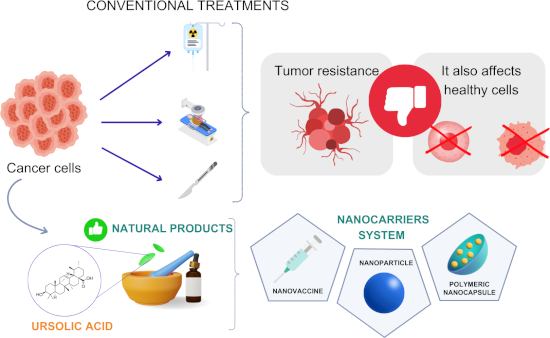
- Sergipe, São Cristóvão, Brazil Postgraduate Program in Health Sciences, Federal University of Sergipe, Aracaju, Sergipe, Brazil 10.3762/bjnano.16.116 Abstract Nanotechnology is revolutionizing pharmaceutical industry and drug development by providing significant advantages in controlling drug release
- traditional therapies. Advances in cancer nanotechnology include the development of smart nanocarriers capable of responding to internal stimuli (such as pH, redox potential, and enzymes) and external stimuli (such as magnetic fields, heat, or ultrasound), enabling precise and controlled drug release [16][17
- technological progress and, at the same time, revealing current limitations, future directions, and perspectives for the development of effective and scalable therapeutic strategies. Methods In this patent review, the free online databases of the European Patent Office (EPO) and the World Intellectual Property


Venom-loaded cationic-functionalized poly(lactic acid) nanoparticles for serum production against Tityus serrulatus scorpion
Beilstein J. Nanotechnol. 2025, 16, 1633–1643, doi:10.3762/bjnano.16.115
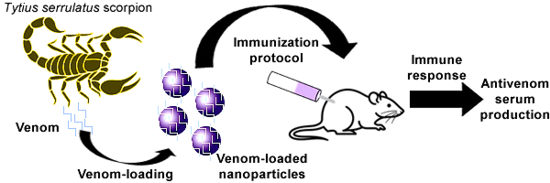
- Technological Development (CNPq) (process numbers: 436051/2018-4; 311209/2020-3). They also thank the National Institute of Science and Technology of the Health Economic-Industrial Complex - iCEIS (CNPq,406264/2022-8). This study was also financed in part by the Coordenação de Aperfeiçoamento de Pessoal de


Nanotechnology-based approaches for the removal of microplastics from wastewater: a comprehensive review
Beilstein J. Nanotechnol. 2025, 16, 1607–1632, doi:10.3762/bjnano.16.114
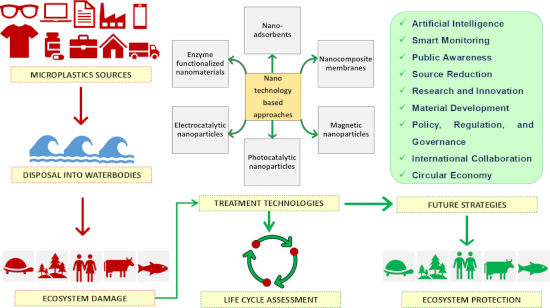
- plankton development, lifespan and reproduction, and growth [45]. MPs function as carriers for heavy metals, resulting in their accumulation in the digestive systems of fish. This accumulation can negatively affect fish by impairing their activity, stunting growth, disrupting reproduction, and potentially
- biotechnology have further enabled the development of genetically modified organisms to enhance MP degradation. However, a significant concern with microbial biodegradation is the potential ecological impact of introducing these organisms into non-native environments, which may lead to unforeseen consequences
- -noise ratio and is affected by surface fluorescence from the samples, making careful sample preparation essential before analysis [134]. In recent years, advancements in MPs research have led to the development of innovative analytical tools for their detection, such as digital holography, scanning


Bioinspired polypropylene-based functionally graded materials and metamaterials modeling the mistletoe–host interface
Beilstein J. Nanotechnol. 2025, 16, 1592–1606, doi:10.3762/bjnano.16.113
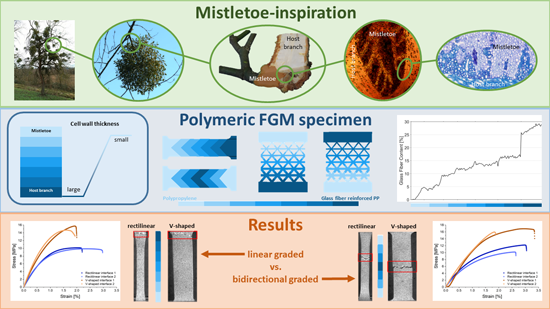
- Longevity and the efficient use of resources are playing an increasingly important role in the development and production of engineering materials systems. In order to fully exploit the longevity potential, the robustness and resilience of materials and material composites and their structuring are of
- pressure during hot pressing also play a crucial role in the development of stable materials. The thermal conductivity is reduced by increasing the glass fiber content; thus, the molecular movement of the polymer is reduced, which affects the tensile modulus and the maximal strength of the material [41


Few-photon microwave fields for superconducting transmon-based qudit control
Beilstein J. Nanotechnol. 2025, 16, 1580–1591, doi:10.3762/bjnano.16.112
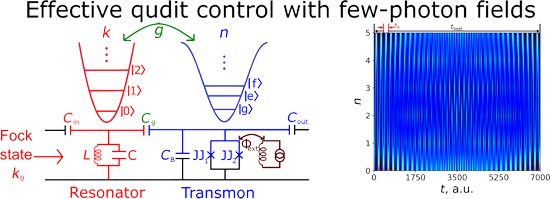
- qubits; Introduction Currently, quantum computing is under active development, opening new horizons for solving a number of problems that are difficult for classical processors, including modeling the behavior of quantum systems, optimization problems, breaking cryptographic systems, solving large


Modeling magnetic properties of cobalt nanofilms used as a component of spin hybrid superconductor–ferromagnetic structures
Beilstein J. Nanotechnol. 2025, 16, 1557–1566, doi:10.3762/bjnano.16.110
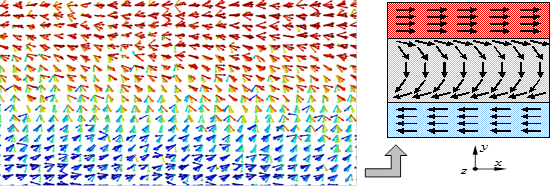
- possible to optimize them for specific applications and tasks. The present work is a development of earlier publications by the authors [14][15][16]. The cobalt thin films studied in this work can be a component of superconductor–ferromagnetic hybrid nanostructures, which are the basis for the formation of


Transient electronics for sustainability: Emerging technologies and future directions
Beilstein J. Nanotechnol. 2025, 16, 1545–1556, doi:10.3762/bjnano.16.109

- lifetime control through strategies such as protective encapsulation. This Perspective outlines critical opportunities and technical directions to guide the development of next-generation transient electronic systems. Keywords: biodegradable/bioresorbable electronics; biodegradable materials
- focused on the development of implants that can naturally resorb within the body, thereby eliminating long-term retention and minimizing adverse biological responses [5]. This paradigm is particularly attractive in clinical scenarios such as neurorehabilitation [6][7][8], gastric recovery [9], cardiac
- van der Waals films via photonic sintering allows for the development of novel forms of transient electronic devices, thereby further broadening the scope of their potential applications [31]. The foundational principles of transient electronics rest on the deliberate selection and integration of


Nanomaterials for biomedical applications
Beilstein J. Nanotechnol. 2025, 16, 1499–1503, doi:10.3762/bjnano.16.105
- nanoscale features, which can be used to control the way the cells function. Surface patterns, for example, can tell cells when to divide, which way to grow, or what type of tissue they should make. It proves to be valuable in stem cell therapy as well as in the development of artificial organs [27]. In
- medicine. They not only enhance what we already have, but also help to develop new types of treatments and diagnostics with more effectiveness. Ongoing research, responsive development, and collaboration might enable nanotechnology to transform modern healthcare on an unprecedented scale [42]. Iqra Zainab
Laser processing in liquids: insights into nanocolloid generation and thin film integration for energy, photonic, and sensing applications
Beilstein J. Nanotechnol. 2025, 16, 1428–1498, doi:10.3762/bjnano.16.104
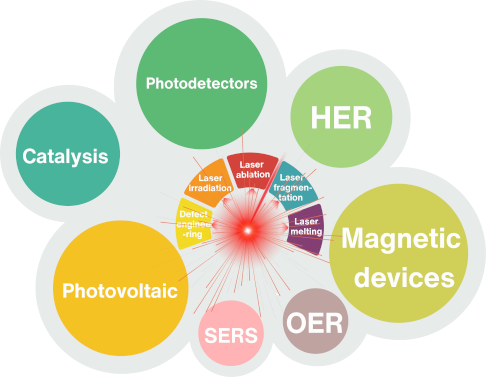
- has emerged as a powerful approach to fabricate advanced heterostructures and integrated electrode architectures, which are challenging to achieve through conventional synthesis methods in the development of high-performance energy storage and conversion devices [85][88][92][93][94][95][96]. The






Photochemical synthesis of silver nanoprisms via green LED irradiation and evaluation of SERS activity
Beilstein J. Nanotechnol. 2025, 16, 1417–1427, doi:10.3762/bjnano.16.103
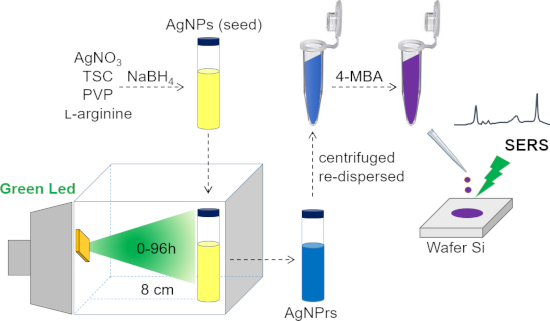
- various solid supports such as glass [11], quartz, silicon, or aluminum foil [12]. A recent trend in the development of practical SERS substrates emphasizes flexibility and portability for field-deployable Raman detection. Accordingly, several groups have developed paper-based [13] or cotton-based [14
- , this method avoids excessive oxidative–reductive agents such as H2O2, thereby improving the structural integrity, stability, and potential applicability of the resulting AgNPrs. Formation mechanism of AgNPrs During the seed development process leading to the formation of AgNPrs, two critical components


The role of biochar in combating microplastic pollution: a bibliometric analysis in environmental contexts
Beilstein J. Nanotechnol. 2025, 16, 1401–1416, doi:10.3762/bjnano.16.102
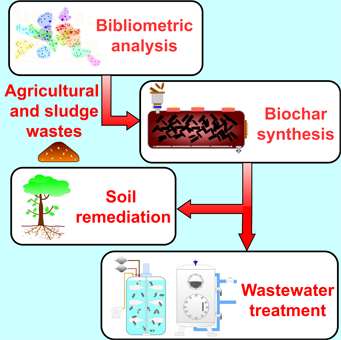
- , bibliometric tools support informed policy making and research prioritization. The application of bibliometric analysis enables an accessible and comprehensive visualization of research dynamics and development trends in BC-based MP remediation. Additionally, using authoritative journal databases such as
- stronger collaborative patterns. The trend analysis identified thematic clusters, research hotspots, and emerging frontiers, offering a comprehensive understanding of the field’s development. In the knowledge mapping process, the node size represents the frequency of references or citations, while edge
- as “adsorbent”, “adsorbent mechanism”, “waste”, and “walnut shell”, highlight the development of biochar from agricultural residues and adsorption mechanism evaluations. Similarly, terms like “aggregate”, ”soil remediation”, “identification”, “mechanism”, and “kinetics” indicate a research trajectory



Parylene-coated platinum nanowire electrodes for biomolecular sensing applications
Beilstein J. Nanotechnol. 2025, 16, 1392–1400, doi:10.3762/bjnano.16.101
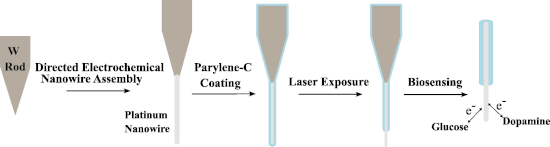
- and components [3]. Advancements in materials science over the past two decades have driven significant progress in the development of nanoscale electrodes. Their high surface-to-volume ratio and nanoscale dimensions offer inherent advantages, including improved response time, improved sensitivity
- , and cell oxidative stress [10]. Another important class of biosensors relies on metal nanoparticles, as metals have long served as some of the earliest and most widely utilized materials in biosensor development. Like CNTs, nanoscale metal particles benefit from their small size and high surface-to


Synthesis and antibacterial properties of nanosilver-modified cellulose triacetate membranes for seawater desalination
Beilstein J. Nanotechnol. 2025, 16, 1380–1391, doi:10.3762/bjnano.16.100
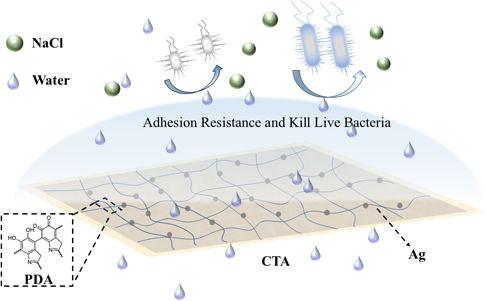
- Development, Jilin Engineering Normal University, Changchun 130052, Jilin, People’s Republic of China School of Biological and food Engineering, Jilin Engineering Normal University, Changchun, 130052, Jilin, People’s Republic of China 10.3762/bjnano.16.100 Abstract To address the issue of biological
- nanomaterials can be engineered to optimize their antimicrobial activity, making them versatile tools in the development of advanced membrane technologies. Quantum effects, such as localized surface plasmon resonance in metallic nanoparticles, can further enhance antimicrobial properties by generating reactive


Automated collection and categorisation of STM images and STS spectra with and without machine learning
Beilstein J. Nanotechnol. 2025, 16, 1367–1379, doi:10.3762/bjnano.16.99
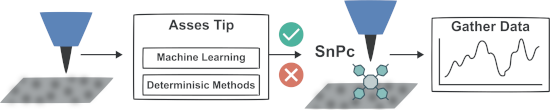
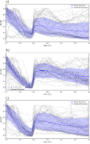
- spectroscopic measurements. The ability to automate this process is a key aim in development of high resolution scanning probe materials characterisation. In this paper, we assess the feasibility of automating the assessment of imaging quality, and spectroscopic tip quality, via both machine learning (ML) and
- collect a high number of spectra on multiple molecules without human intervention. The technique can be easily extended to most metal–adsorbate systems and is promising for the development of automated, high-throughput, STM characterisation of small adsorbate systems. Keywords: automated; machine




Enhancing the therapeutical potential of metalloantibiotics using nano-based delivery systems
Beilstein J. Nanotechnol. 2025, 16, 1350–1366, doi:10.3762/bjnano.16.98
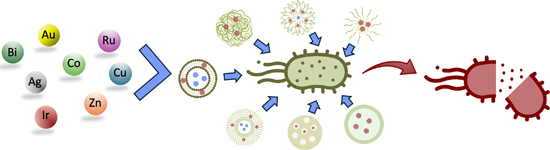
- global crisis arises from a combination of the abuse and misuse of antibiotics, the lack of new antibiotic drugs in clinical development, and the remarkable ability of microorganisms to adapt and evolve. Antimicrobial resistance can be partly explained by natural selection, which allows bacteria to
- in discovering new active antimicrobial compounds, as the current pipeline is incapable of addressing the urgency of this issue [8]. This concern has also been echoed in recent analyses evaluating AMR trends and antibiotic development strategies [9]. Most of the antibiotics currently in clinical
- development are derivatives of already existing ones, which makes them susceptible to existing resistance mechanisms [10]. In 2024, the World Health Organization (WHO) identified only 32 antibiotics under development to address the priority pathogens [11], of which only twelve fulfil all criteria to be


Ferroptosis induction by engineered liposomes for enhanced tumor therapy
Beilstein J. Nanotechnol. 2025, 16, 1325–1349, doi:10.3762/bjnano.16.97
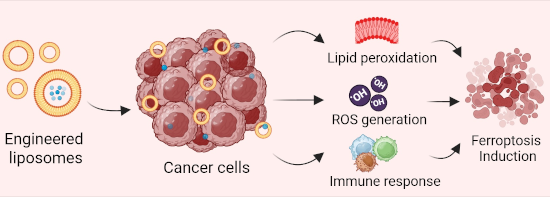
- to high disability and mortality, and the exact mechanisms are still unclear. Current chemotherapy faces challenges, including non-specificity, toxicity to healthy cells, the development of stem-like cells, and the progression of multidrug resistance [1]. Drug resistance is a major obstacle in cancer
- PEG can sometimes limit the targetability of liposomes [114]. Another innovation is the development of stimuli-responsive liposomes, which release their payload in response to triggers like pH, temperature, or enzymatic activity. Stimuli-responsive technology, based on specific physiological
- the development, expansion, and metastasis of tumors, which are more prevalent in various types of cancer [175]. Recently, this enzyme has been used as a stimulus for the release of tumor-specific ligands or drugs [152][176]. Based on this, an MMP2-activated and ATB0,+-targeted liposome with


Deep-learning recognition and tracking of individual nanotubes in low-contrast microscopy videos
Beilstein J. Nanotechnol. 2025, 16, 1316–1324, doi:10.3762/bjnano.16.96
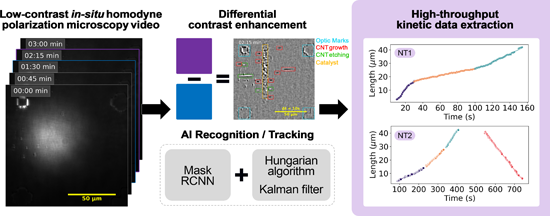
- growth kinetics, revealing complex behaviors such as intermittent switching between growth, pause, and etching modes, even under nominally constant synthesis conditions [20]. These observations, further supported by complementary Raman spectroscopy, served as a foundation for the development of a new


Enhancing the photoelectrochemical performance of BiOI-derived BiVO4 films by controlled-intensity current electrodeposition
Beilstein J. Nanotechnol. 2025, 16, 1289–1301, doi:10.3762/bjnano.16.94
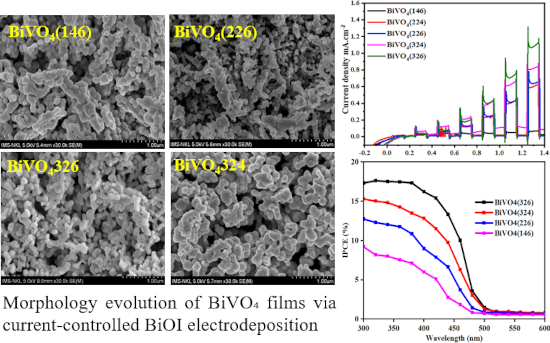
- samples fabricated with lower current density, highlighting the benefits of the optimized electrodeposition conditions for the former. Keywords: BiOI; BiVO4; electrodeposition; photoelectrochemical water splitting; Introduction In the context of the increasing global energy demand, the development of



Acrocomia aculeata oil-loaded nanoemulsion: development, anti-inflammatory properties, and cytotoxicity evaluation
Beilstein J. Nanotechnol. 2025, 16, 1277–1288, doi:10.3762/bjnano.16.93
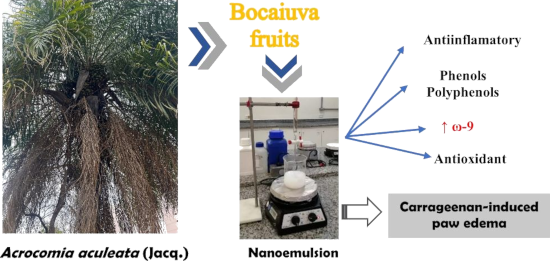
- ]. Despite these variations, the compositional profiles remain comparable, underscoring the distinctive chemical characteristics of the oil studied. Preparation of nanoemulsions, required hydrophilic–lipophilic balance, droplet size, zeta potential, and shelf stability The development of a nanoemulsion
- Acrocomia aculeata oil-loaded nanoemulsion as a nanotechnological innovative product that enhances the therapeutic value of A. aculeata oil and supports its development as a promising anti-inflammatory agent. Experimental Materials Bocaiúva oil was used as the lipid core (relative density 0.9000, iodine


Better together: biomimetic nanomedicines for high performance tumor therapy
Beilstein J. Nanotechnol. 2025, 16, 1246–1276, doi:10.3762/bjnano.16.92
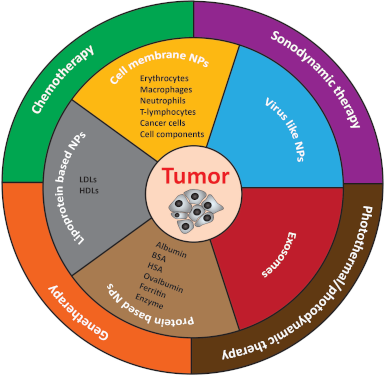
- targetability have been employed for the treatment of various fatal diseases such as cancer, Alzheimer’s, stroke, and diabetes [17][18][19]. However, the development of optimum NP drug carriers is still critical as they all come with several limitations. For example, liposomes can carry hydrophilic drugs that
- different steps of a metabolic pathway [100]. Later, this strategy has evolved into the development of artificial organelles, which contain enzymes for a complex cascade reaction. Artificial organelles consist of capsosomes with a polymeric shell containing multiple liposomes, where each liposome may carry
- delivery [115]. Excellent control of shape, size, and genetic modification makes virus-like particles an excellent opportunity for safe and effective delivery of payload to an intended site. 2 Biomedical applications of biomimetic nanoparticles 2.1 Chemotherapy In recent years, the development of novel






Hydrogels and nanogels: effectiveness in dermal applications
Beilstein J. Nanotechnol. 2025, 16, 1216–1233, doi:10.3762/bjnano.16.90
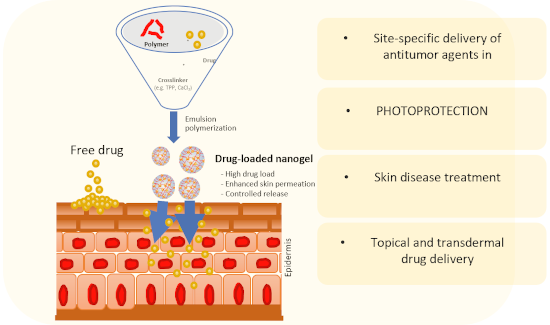
- have emerged as promising alternatives for various medical purposes, including skin [7], nasal [4], and eye [8] applications. The evolution of ocular contact lenses, for example, has benefited from the development of hydrogels [9][10]. Hydrogels can be described as cross-linked polymeric networks
- prevention of the spontaneous combustion of coal [29]. The development of chemically functional materials on the nanoscale appears to be of fundamental importance when it comes to health applications. Nanogels are an excellent alternative for the manufacture of biomaterials due to their physical and chemical
- encapsulation of poorly water-soluble drugs and allowing the controlled release of the encapsulated compound [142][144]. These innovations represent a significant advance in the development of multifunctional and biocompatible nanogels, suitable for applications in oncology, gene therapy, and precision medicine


Investigation of the solubility of protoporphyrin IX in aqueous and hydroalcoholic solvent systems
Beilstein J. Nanotechnol. 2025, 16, 1209–1215, doi:10.3762/bjnano.16.89
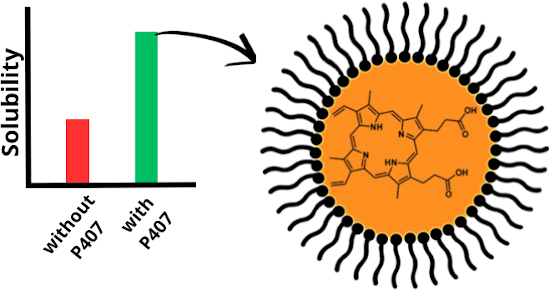
- evaluate the solubility of PpIX in distinct solvent systems to support the development of novel pharmaceutical formulations. The shake-flask method was employed, using purified water, 50% ethanol (EtOH50), 77% ethanol (EtOH77), absolute ethanol (EtOHabs), and polymeric systems containing 10% (w/w
- its bioavailability and light absorption capacity will be increased [5]. To overcome this problem, the development of drug delivery systems, such as poloxamer-based ones, has played an important role on the delivery of dyes for PDT [8][9][10]. Poloxamers are triblock copolymers with thermosensitive
- optimize the development of new drug delivery systems for PDT applications. Moreover, the potential of P407 as a feasible system for PpIX delivery was also evaluated in different media. Experimental Preparation of the systems The systems were prepared at least 24 h before the test and used for up to seven