


Search results
Search for "dosage" in Full Text gives 96 result(s) in Beilstein Journal of Nanotechnology.
Cr(VI) remediation from aqueous environment through modified-TiO2-mediated photocatalytic reduction
Beilstein J. Nanotechnol. 2018, 9, 1448–1470, doi:10.3762/bjnano.9.137
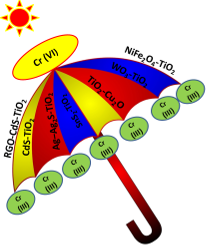
- activity towards reduction of Cr(VI). However, the photoactivity was reduced with increasing NiO dosage because excess NiO acted as the recombination centers for photogenerated charge carriers. Therefore, a photocatalyst containing 0.1% NiO and calcined at 500 °C exhibited maximum Cr(VI) reduction. In
- visible light for reduction of Cr(VI) was exhibited by 2.0% Bi2O3/TiO2. A further increase in Bi2O3 dosage may create new recombination centers of photoinduced charge carriers, which in turn decreased the photocatalytic activity [178]. Photocatalytic reduction of Cr(VI) by TiO2 modified with spinel metal


Review on nanoparticles and nanostructured materials: history, sources, toxicity and regulations
Beilstein J. Nanotechnol. 2018, 9, 1050–1074, doi:10.3762/bjnano.9.98

- extensive studies reported that Ag NPs demonstrated a size, morphology, and dosage-dependent higher cytotoxicity to humans and animals cells than asbestos [91][116][117][118][119][120]. The hazardous effects of other NPs present in consumer products are unknown and are still under research. Naturally


A review of carbon-based and non-carbon-based catalyst supports for the selective catalytic reduction of nitric oxide
Beilstein J. Nanotechnol. 2018, 9, 740–761, doi:10.3762/bjnano.9.68
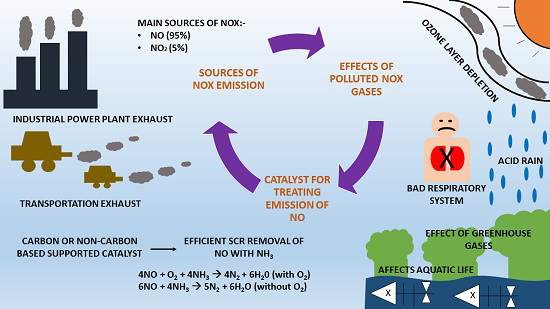
- to further enhance and stabilise the metal catalyst [32]. Owing to its ease of metal loading control as well as high utilisation of the active component with less metal precursor dosage, the impregnation method is profoundly known as one of the well established procedures for SCR catalyst preparation
Sugarcane juice derived carbon dot–graphitic carbon nitride composites for bisphenol A degradation under sunlight irradiation
Beilstein J. Nanotechnol. 2018, 9, 353–363, doi:10.3762/bjnano.9.35
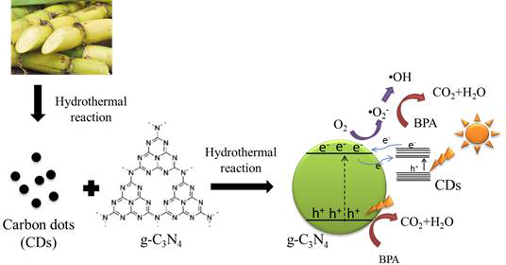
- be suppressed if the concentration of CDs is too high. However, the photocatalytic performance did not correlate well with the PL analysis. The remarkable performance of CD/g-C3N4(0.5) proved that the intense photosensitizing effect of CDs at higher dosage could overcome the poorer separation


CdSe nanorod/TiO2 nanoparticle heterojunctions with enhanced solar- and visible-light photocatalytic activity
Beilstein J. Nanotechnol. 2017, 8, 2741–2752, doi:10.3762/bjnano.8.273
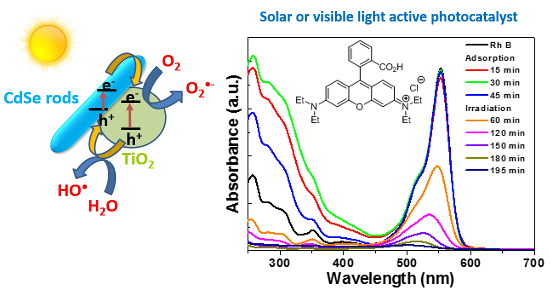
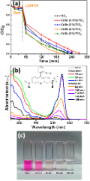
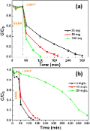
- TiO2 and CdSe/TiO2 composites loaded with 0.5, 1, 2, and 5 wt % CdSe, respectively (Figure S4, Supporting Information File 1). Influence of the photocatalyst dosage and rhodamine B concentration The photodegradation efficiency is generally affected by the amount of catalyst used and by the
- mg of photocatalyst. As expected, the photocatalytic degradation rates increased with the catalyst dosage, which is linked to the concentration of adsorption sites and photocatalytically active sites (k = 0.010, 0.019 and 0.034 min−1 for reactions conducted with 25, 50 and 100 mg of photocatalyst






Localized growth of carbon nanotubes via lithographic fabrication of metallic deposits
Beilstein J. Nanotechnol. 2017, 8, 2592–2605, doi:10.3762/bjnano.8.260
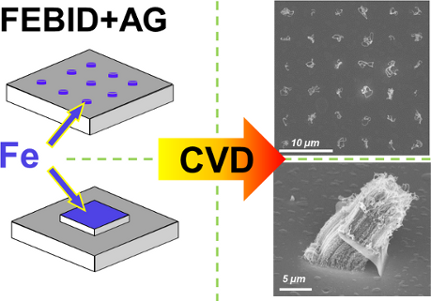
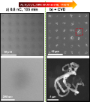
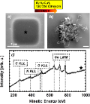
- Fe samples were transferred under ambient conditions to the CVD apparatus at the University of Szeged, Hungary. Therefore, oxidation of the Fe deposits, forming Fe2O3 and Fe3O4, is anticipated as discussed previously [32]. However, exposure to H2 for ten minutes before the CVD and simultaneous dosage
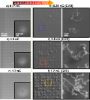
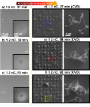
- , Germany) [51]. Dot exposures were performed using the SEM spot mode while square structures were all fabricated with a step size of 6.2 nm. The AG process was performed by continuous precursor dosage after the EBID process. The corresponding AG time quoted in this study is the time of the subsequent




Carbon nanomaterials sensitize prostate cancer cells to docetaxel and mitomycin C via induction of apoptosis and inhibition of proliferation
Beilstein J. Nanotechnol. 2017, 8, 1307–1317, doi:10.3762/bjnano.8.132
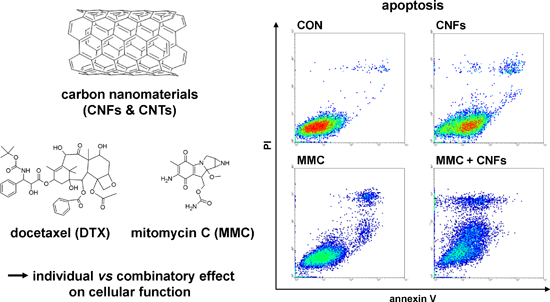
- . Co-administration of chemotherapeutics with carbon nanomaterials could result in a reduction of the chemotherapeutic dosage and thus limit systemic side effects. Keywords: carbon nanomaterials; chemosensitization; docetaxel; mitomycin C; prostate cancer cells; Introduction According to the global
- (Table 1), DTX or MMC alone had to be applied in concentrations of about 25 ng/mL and 2 µg/mL, respectively (Supporting Information File 1, Figure S1a,b). This corresponded to a reduction of the chemotherapeutic dosage down to a seventeenth and a seventh, respectively, in the combinatory treatments in
- S1c,d) [28]. Consistently, the reduction of the chemotherapeutic dosage was more distinct in combinatory treatments with CNFs independent of the chemotherapeutic used. A combined application with carbon nanomaterials would also result in an improved cellular uptake of the active drug component as


“Sticky invasion” – the physical properties of Plantago lanceolata L. seed mucilage
Beilstein J. Nanotechnol. 2016, 7, 1918–1927, doi:10.3762/bjnano.7.183
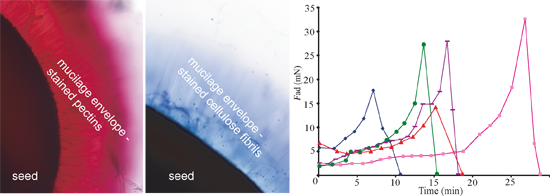
- features mucilage finds diverse applications in pharmacy as, e.g., tablet binders, disintegrants, emulsifiers, and suspending or thickening agent. Mucilage as polymer was also studied for the application in pharmaceutical dosage as, e.g., film coating agents, buccal films or nanoparticles [31]. In the


Chitosan-based nanoparticles for improved anticancer efficacy and bioavailability of mifepristone
Beilstein J. Nanotechnol. 2016, 7, 1861–1870, doi:10.3762/bjnano.7.178
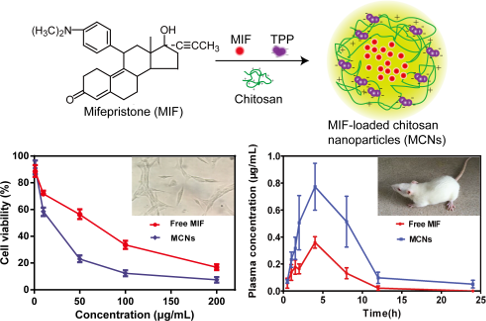
- ]. Because the side effects of MIF are closely related with its dosage, some studies have been implemented to find the optimum dosage of MIF [7] or to develop new formulations for MIF to improve its bioavailability [8]. Chitosan (Cs) is a basic polysaccharide found in nature with good biocompatibility and
- Care and Use Committee to reduce the suffering and use of animals. Oral administration Eight male SD rats were randomly divided into two groups (n = 4). Group 1 was given a single 30 mg/kg dose of MIF (in soybean oil solution) and Group 2 was given a single dose of MCNs equivalent to the same dosage of
- MCNs equivalent to the same dosage of MIF. Blood samples (each 0.5 mL) were collected into heparinized tubes from the orbital venous plexus at different time points after oral administration. Pharmacokinetic parameters of different MIF formulations. Acknowledgements This work was supported by the


Preparation of alginate–chitosan–cyclodextrin micro- and nanoparticles loaded with anti-tuberculosis compounds
Beilstein J. Nanotechnol. 2016, 7, 1208–1218, doi:10.3762/bjnano.7.112
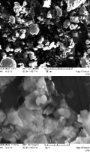
- treatment of lung infections. Among others, these are the reduction of the systemic toxicity, the availability of high drug concentrations at the site of action, and the avoidance of the first-pass effect [6]. The main challenges connected to this type of formulations are problems with correct dosage



PLGA nanoparticles as a platform for vitamin D-based cancer therapy
Beilstein J. Nanotechnol. 2015, 6, 1306–1318, doi:10.3762/bjnano.6.135
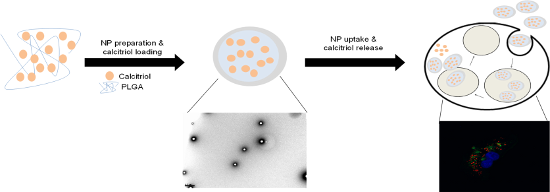
- activity, allowing reduced administration frequency, as well as lower drug dosage, and thus increased drug bioavailability. This work also demonstrated that encapsulation in a nanovehicle enhanced the growth inhibition effect of calcitriol in the treated human cell lines by inducing cell cycle arrest in


Influence of gold, silver and gold–silver alloy nanoparticles on germ cell function and embryo development
Beilstein J. Nanotechnol. 2015, 6, 651–664, doi:10.3762/bjnano.6.66
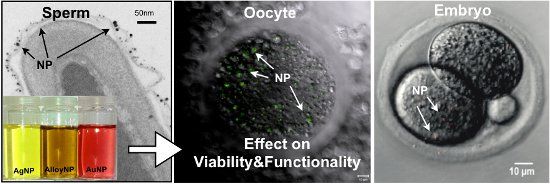
- applied in extremly small sizes in conjuction with high dosages (<2 nm, 1014 NP per embryo). (iii) Concerning oocytes and embryos silver nanoparticles are considerable more toxic than gold nanoparticles, with a clear dependency on the applied dosage. A clearly defined toxic threshold is difficult to




Functionalized polystyrene nanoparticles as a platform for studying bio–nano interactions
Beilstein J. Nanotechnol. 2014, 5, 2403–2412, doi:10.3762/bjnano.5.250
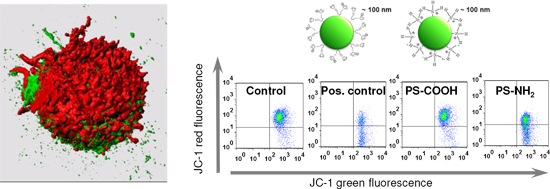
- resistance and cannot be applied orally. Such drugs could be encapsulated within nanoparticles protecting the drug, generating a new hydrophilic surface, improving pharmacokinetics and targeting the drug to distinct cells and tissues This would enable a reduction of the drug dosage thereby improving the


Nanobioarchitectures based on chlorophyll photopigment, artificial lipid bilayers and carbon nanotubes
Beilstein J. Nanotechnol. 2014, 5, 2316–2325, doi:10.3762/bjnano.5.240
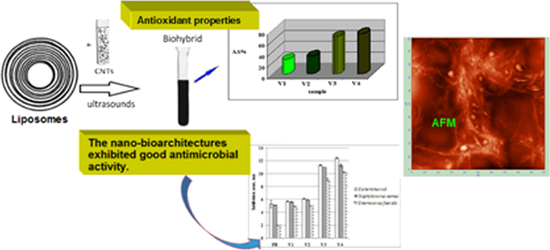
- largely used as drug delivery vehicles, showing potential in targeting specific cancer cells [18] with a necessary dosage lower than conventional drugs, without harming healthy cells and significantly reduced side effects. Another interesting property of carbon nanotubes is their antioxidant activity


Influence of surface-modified maghemite nanoparticles on in vitro survival of human stem cells
Beilstein J. Nanotechnol. 2014, 5, 1732–1737, doi:10.3762/bjnano.5.183
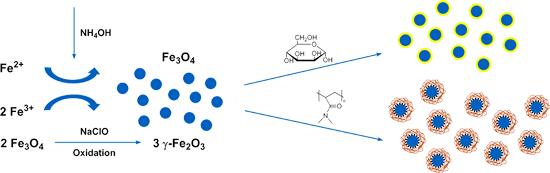
- drugs to specific types of cells in a body, in order to greatly reduce both the needed dosage and the side effects of the drug [6][7][8]. At the same time, the long-term fate of the particles and their possible cytotoxic effects on cells of the human body have to be taken into account to evaluate


Precise quantification of silica and ceria nanoparticle uptake revealed by 3D fluorescence microscopy
Beilstein J. Nanotechnol. 2014, 5, 1616–1624, doi:10.3762/bjnano.5.173
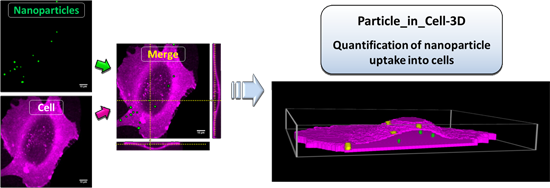
- nanoparticles. The flow is generated by a novel microfluidic reactor that can be combined with live-cell imaging and is able to cover the entire physiological range of shear rates [31]. Comparison to other methods Customary techniques performed for achieving the dosage of particles taken up by cells include


Mimicking exposures to acute and lifetime concentrations of inhaled silver nanoparticles by two different in vitro approaches
Beilstein J. Nanotechnol. 2014, 5, 1357–1370, doi:10.3762/bjnano.5.149
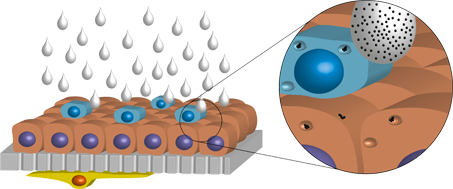
- in epon [71]. From the embedded cells, ultrathin sections were cut parallel to the vertical axis of the inserts, mounted on copper grids and stained with uranyl acetate. Imaging was done with a Philips CM12 TEM (FEI Co Philips Electron Optics). Estimation of NP dosage in dispersion over time The in



Electron-beam induced deposition and autocatalytic decomposition of Co(CO)3NO
Beilstein J. Nanotechnol. 2014, 5, 1175–1185, doi:10.3762/bjnano.5.129
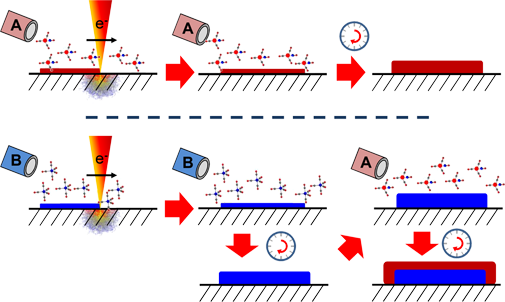
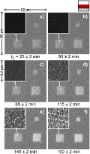
- brightness of the deposits and the cluster growth mode are in line with the autocatalytic growth of EBID deposits upon dosage of additional Co(CO)3NO. The samples were further characterized at the PolLux soft X-ray STXM beamline [28] at the Swiss Light Source using a zone plate with a nominal resolution of
- autocatalytic decomposition upon further precursor dosage. The two precursors show very different growth characteristics under the applied reaction conditions. Structure fabrication by using Co(CO)3NO is strongly affected by the applied electron dose in the EBID step and subsequent autocatalytic growth time
- deposits at an enlarged photon energy scale, along with the spectrum of a Co layer produced by PVD as reference (grey). Evaluation of the X-ray absorption data for the growth of Co-containing deposits by EBID plus autocatalytic growth upon Co(CO)3NO dosage. a) Optical density (left vertical axis) and




Antimicrobial properties of CuO nanorods and multi-armed nanoparticles against B. anthracis vegetative cells and endospores
Beilstein J. Nanotechnol. 2014, 5, 789–800, doi:10.3762/bjnano.5.91
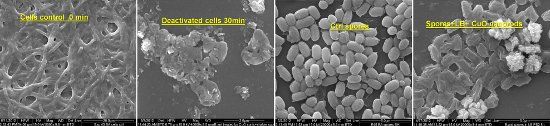
- deadly B. anthracis spores and vegetative cells. However the limited work still underscores the potential of a nanomaterial-mediated decontamination of BW agents. Prasad et al. [13] have reported some degree of deactivation of B. anthracis cells by UV light assisted TiO2 nanoparticles at a dosage ranging
- first 30 min of exposure to CuO nanoparticles (P5). Interestingly even 0.5 mg/mL dose of the NPs was capable of killing over 99% of B. anthracis vegetative cells. Afterward, up to 4 h the rate of decrease was not that high, even for higher dosage up to 6 mg/mL P5 NPs. In terms of absolute data after


Spontaneous dissociation of Co2(CO)8 and autocatalytic growth of Co on SiO2: A combined experimental and theoretical investigation
Beilstein J. Nanotechnol. 2012, 3, 546–555, doi:10.3762/bjnano.3.63
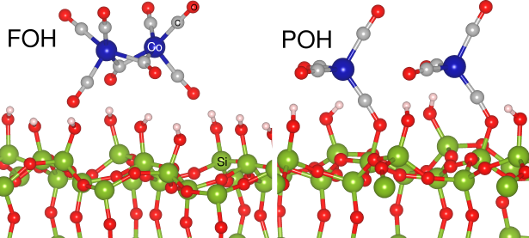
- injection system for 30 min, causing a pressure increase to 3 × 10⁻⁵ mbar, which dropped within ten minutes to about 6 × 10⁻⁶ mbar. The gas injection system employs a stainless-steel precursor capsule with a fine-dosage valve. The precursor temperature was set by the ambient conditions to 27 °C. From the


The morphology of silver nanoparticles prepared by enzyme-induced reduction
Beilstein J. Nanotechnol. 2012, 3, 404–414, doi:10.3762/bjnano.3.47
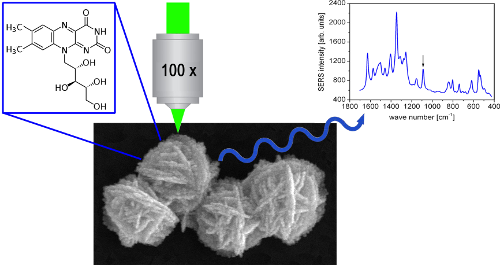
- the high-energy yield for the simulated film curve; and (3) the maximum height hmax of the silver nanoparticles by comparing the low-energy tail of silver with that of the homogenous silver film. In order to study the surface density and the total particle number (i.e., the dosage) of silver in the





