


Search results
Search for "drug delivery systems" in Full Text gives 142 result(s) in Beilstein Journal of Nanotechnology.
Self-assembly of amino acids toward functional biomaterials
Beilstein J. Nanotechnol. 2021, 12, 1140–1150, doi:10.3762/bjnano.12.85
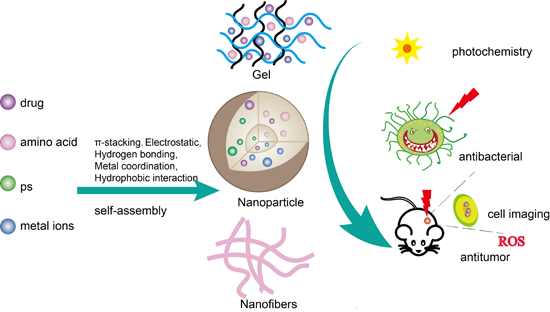
- in vivo [28] compared with the self-assembly of large molecules, such as proteins and peptides. Importantly, amino acids or amino acid derivatives may be self-assembled with other components to form functional architectures, such as drug delivery systems, light collection systems, and imaging systems

Comprehensive review on ultrasound-responsive theranostic nanomaterials: mechanisms, structures and medical applications
Beilstein J. Nanotechnol. 2021, 12, 808–862, doi:10.3762/bjnano.12.64
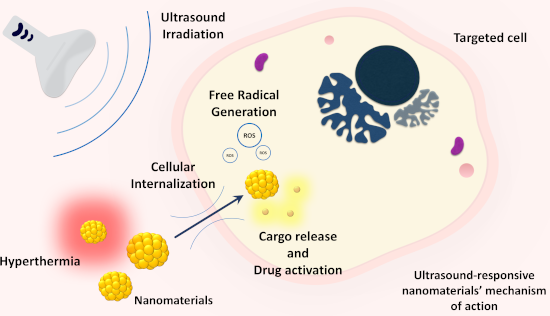
- efficiency [1]. To overcome the limitations and drawbacks of conventional drugs, such as uncontrolled release and nonspecific biodistribution, drug delivery systems (DDS) such as liposomes, polymeric nanoparticles, or nanoemulsions (NEs) have been extensively explored. However, even conventional DDS often
- hyperthermia and mechanical effects. These biological effects are commonly due to the transient cavitation phenomenon [143]. Drug delivery systems can, in theory, respond to either thermal or mechanical effects. Drug delivery induced by high-frequency ultrasound is associated with thermal effects, while low


Recent progress in actuation technologies of micro/nanorobots
Beilstein J. Nanotechnol. 2021, 12, 756–765, doi:10.3762/bjnano.12.59
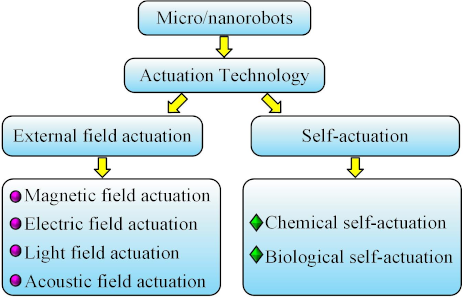
- . Chen et al. [39] proposed Z-shaped Au/Pt hybrid self-actuation micro/nanorobot for cancer treatment and targeted drug delivery systems. It is based on self-electrophoretic actuation. The platinum end is designed to be wider than the gold end. Thus, the movement of the micro/nanorobot was directed


The impact of molecular tumor profiling on the design strategies for targeting myeloid leukemia and EGFR/CD44-positive solid tumors
Beilstein J. Nanotechnol. 2021, 12, 375–401, doi:10.3762/bjnano.12.31
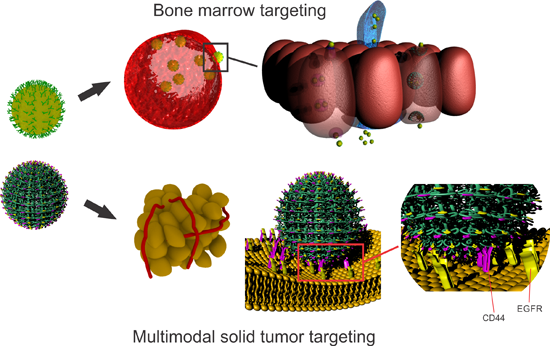
- efficacy of the cancer treatment. This article will focus on novel design strategies for nanoscale drug delivery systems, based on the unique molecular signatures of myeloid leukemia and EGFR/CD44-positive solid tumors, and the impact of novel discoveries in molecular tumor profiles on future
- of individualized tumor signatures for a personalized therapy against cancers. The greatest interest regarding the development of targeted nanoscale drug delivery systems is related to solid tumors. However, liquid tumor targeting can greatly benefit from the application of nanomedicines during
- develop nanoparticulated drug delivery systems targeted to this cell population. It is known that the leukemia-propagating cells in murine CALM/AF10-positive AML differ from normal haematopoietic stem cells regarding the surface expression of B220 [52]. To demonstrate the efficacy of targeting a specific


Doxorubicin-loaded gold nanorods: a multifunctional chemo-photothermal nanoplatform for cancer management
Beilstein J. Nanotechnol. 2021, 12, 295–303, doi:10.3762/bjnano.12.24
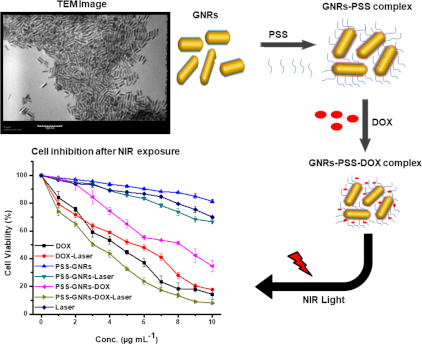
- urgently needed to kill cancerous cells without damaging normal cells or tissues. One approach is to selectively remove cancer cells using the advanced drug delivery systems. These carrier systems hold sufficient amounts of the drug with prolonged circulation time and sustained drug release at the tumor


PEG/PEI-functionalized single-walled carbon nanotubes as delivery carriers for doxorubicin: synthesis, characterization, and in vitro evaluation
Beilstein J. Nanotechnol. 2020, 11, 1728–1741, doi:10.3762/bjnano.11.155
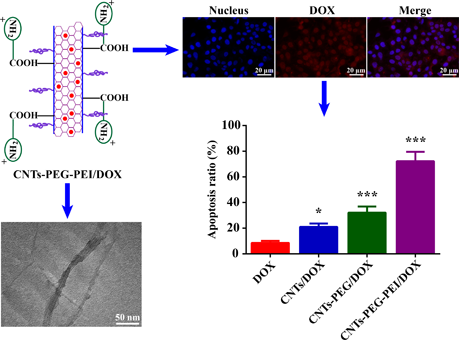
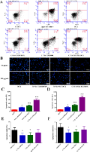
- uptake Efficient cellular uptake and intracellular drug release are decisive factors for drug delivery systems regarding therapeutic effects. Fluorescence images were recorded and compared to analyze the cell internalization and subsequent drug release of the different CNT formulations. The fluorescence




Cardiomyocyte uptake mechanism of a hydroxyapatite nanoparticle mediated gene delivery system
Beilstein J. Nanotechnol. 2020, 11, 1685–1692, doi:10.3762/bjnano.11.150
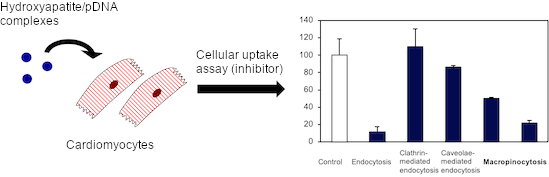
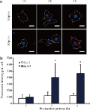
- medical and dental applications, such as dental implants, orthopedics, and drug delivery systems, since it has similar elements found in bone and teeth. In addition, CaP stabilizes the nucleic acid against nuclease degradation, forms ionic interactions with the phosphates of DNA, and its biodegradation is


A few-layer graphene/chlorin e6 hybrid nanomaterial and its application in photodynamic therapy against Candida albicans
Beilstein J. Nanotechnol. 2020, 11, 1054–1061, doi:10.3762/bjnano.11.90
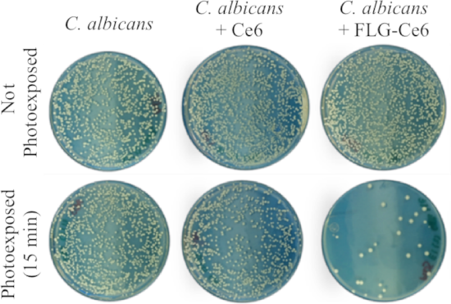
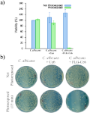
- biological applications, such as biosensors, protein detection, bioimaging and drug delivery [17][18]. In recent years, graphene nanoparticles have been used in many different applications ranging from enhanced spectroscopy techniques, coatings, polymeric composites, sensors, drug delivery systems and others


Multilayer capsules made of weak polyelectrolytes: a review on the preparation, functionalization and applications in drug delivery
Beilstein J. Nanotechnol. 2020, 11, 508–532, doi:10.3762/bjnano.11.41
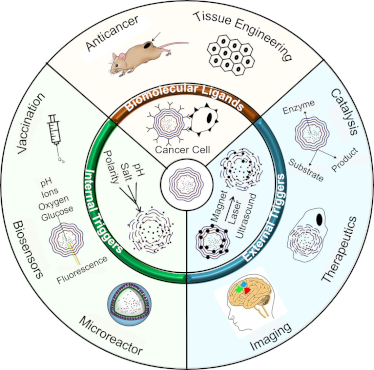
- cancer cells was achieved through folate-targeted sodium alginate/chitosan capsules. The lipid coating on the PAH/PSS microcapsule surface significantly reduced the permeability of the capsule walls [110]. Alternatively, carbohydrate functionalization has been widely used in hepatic drug delivery systems


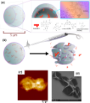

Understanding nanoparticle flow with a new in vitro experimental and computational approach using hydrogel channels
Beilstein J. Nanotechnol. 2020, 11, 296–309, doi:10.3762/bjnano.11.22
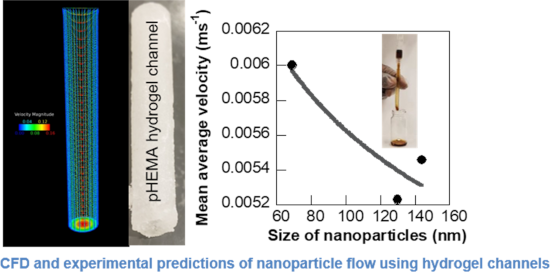
- related to flow of NPs such as the quantity of NPs lost during transport and flow trajectory greatly affect the clinical efficiency of NP drug delivery systems. Currently, there is little knowledge of the physical mechanisms dominating NP flow inside the human body due to the limitations of available
- experimental tools for mimicking complex physiological environments at the preclinical stage. Here, we report a coupled experimental and computational fluid dynamics (CFD)-based novel in vitro approach to predict the flow velocity and binding of NP drug delivery systems during transport through vasculature
- ; Introduction Current research increasingly highlight the importance of drug delivery systems in engineering new solutions to our medical challenges [1][2][3]. A drug delivery agent should be biocompatible, easily administered to the patient, and capable of carrying the drug to the disease site before


Facile biogenic fabrication of hydroxyapatite nanorods using cuttlefish bone and their bactericidal and biocompatibility study
Beilstein J. Nanotechnol. 2020, 11, 285–295, doi:10.3762/bjnano.11.21
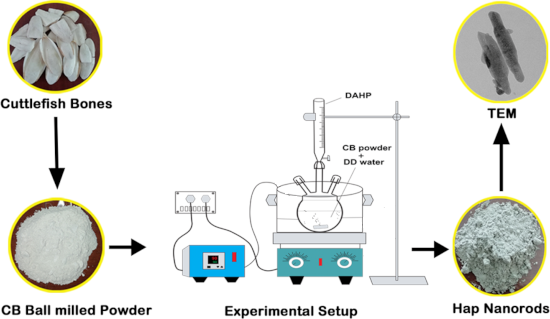
- loading capacity and slow drug release in drug delivery systems for progressive advancement in osteoporosis and bone tumor treatments [17]. Various studies have reported the synthesis procedure of Hap nanoparticles from annealed cuttlefish bone using a hydrothermal method, which yields calcium oxide (CaO


Phase inversion-based nanoemulsions of medium chain triglyceride as potential drug delivery system for parenteral applications
Beilstein J. Nanotechnol. 2020, 11, 213–224, doi:10.3762/bjnano.11.16
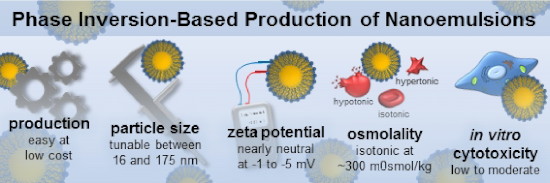
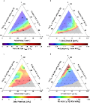
- Eike Folker Busmann Dailen Garcia Martinez Henrike Lucas Karsten Mader Institute of Pharmacy, Martin Luther University Halle-Wittenberg, Halle (Saale), Germany 10.3762/bjnano.11.16 Abstract Lipid nanoemulsions are attractive drug delivery systems for lipophilic drugs. To produce nanoemulsions
- drug delivery systems such as solid lipid or polymeric nanoparticles, nanocapsules, liquid nanoemulsions, liposomes and micelles can be used to carry poorly water soluble ingredients of pharmaceuticals for parenteral applications [1][2][3]. Thereby, the physical entrapment of the active ingredients
- water, very high surfactant concentrations could be avoided and the resulting MCT nanoemulsions might be suitable as potential drug delivery systems for intravenous applications. The presented phase inversion-based process offers a suitable alternative to the production of nanoemulsions based on high




Molecular architectonics of DNA for functional nanoarchitectures
Beilstein J. Nanotechnol. 2020, 11, 124–140, doi:10.3762/bjnano.11.11
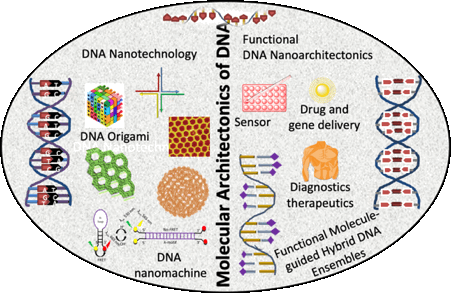
- assembly systems points at potential drug delivery systems for small molecular and gene-based drugs. Mercury is one of the most toxic heavy metals, with a severe impact on human health already at ultralow concentrations [20][72][73][74]. Selective binding of Hg(II) with thymine is a highly feasible


Internalization mechanisms of cell-penetrating peptides
Beilstein J. Nanotechnol. 2020, 11, 101–123, doi:10.3762/bjnano.11.10
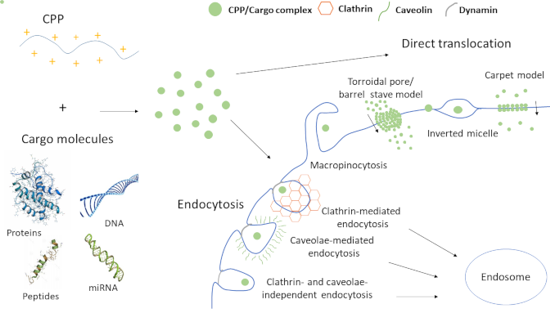
- provide enzymatic protection and stability for the drug, an improved distribution and target specificity, as well as a lack of toxicity [3]. Cell-penetrating peptides as drug delivery systems Having in mind the attention they have gained, cell-penetrating peptides (CPPs) have become a current hotspot in


Fully amino acid-based hydrogel as potential scaffold for cell culturing and drug delivery
Beilstein J. Nanotechnol. 2019, 10, 2579–2593, doi:10.3762/bjnano.10.249
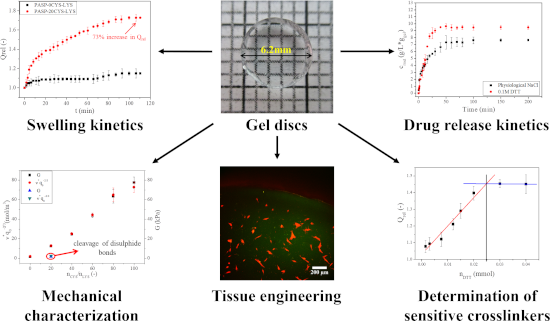
- the changing environmental conditions. Therefore, hydrogels can be used as drug delivery systems [4], implants [5][6], coatings [7][8] or scaffolds for tissue engineering [2][3][9][10]. Besides these stimuli-responsive properties, the chemical and physical structure, the mechanical properties [10] as
- sporadic data available regarding PASP-based drug delivery systems [34][35][36][37]. Although the preparation of most types of poly(amino acid)s is expensive, the synthesis of PASP can be relatively cost-efficient, and it does not require extreme conditions, as we described previously [25][37][38][39][40


Frontiers in pharmaceutical nanotechnology
Beilstein J. Nanotechnol. 2019, 10, 2538–2540, doi:10.3762/bjnano.10.244

- is a very dynamic and evolving research area that integrates a wide variety of disciplines such as chemical, biological and biomedical science. At the frontier of knowledge, nanoparticles, exosomes and even more advanced drug delivery systems [1] blur the line between drug discovery and formulation
Design of a nanostructured mucoadhesive system containing curcumin for buccal application: from physicochemical to biological aspects
Beilstein J. Nanotechnol. 2019, 10, 2304–2328, doi:10.3762/bjnano.10.222
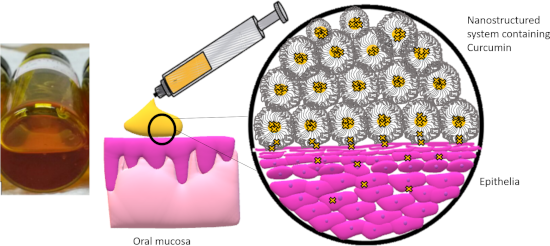
- to different types of stimulation, during mastication, speech and swallowing, could hinder the development of drug delivery systems for this route [15][16]. In order to avoid these drawbacks, nanostructured systems with mucoadhesive polymers, such as acrylic-acid derivatives, have been investigated
- with the mechanical and rheological characteristics observed. One of the replicate images is showed in Figure 9B. In vitro drug release profile During the development of drug delivery systems for buccal application, in vitro drug release is highly important and is considered a prerequisite for
- determine the viability of oral mucosa as a targeting site for drug delivery [81][82]. These studies can be performed ex vivo, in vitro or in vivo and are dependent of the drug physicochemical characteristics and its behavior when incorporated in drug delivery systems and biological target tissue. The


Microfluidics as tool to prepare size-tunable PLGA nanoparticles with high curcumin encapsulation for efficient mucus penetration
Beilstein J. Nanotechnol. 2019, 10, 2280–2293, doi:10.3762/bjnano.10.220
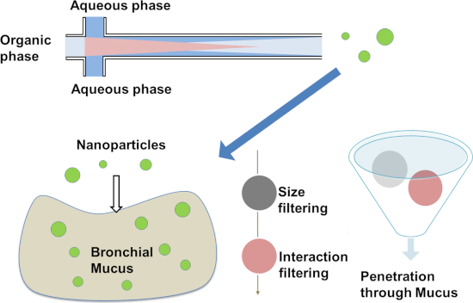
- is more than 50% for Pluronic F68 and Pluronic 10500. A considerable increase in size and size distribution would hamper the ability of the particles to serve as efficient drug delivery systems. Thus, all stabilizers that do not prohibit agglomeration are not suitable for our application. To


Nitrogen-vacancy centers in diamond for nanoscale magnetic resonance imaging applications
Beilstein J. Nanotechnol. 2019, 10, 2128–2151, doi:10.3762/bjnano.10.207
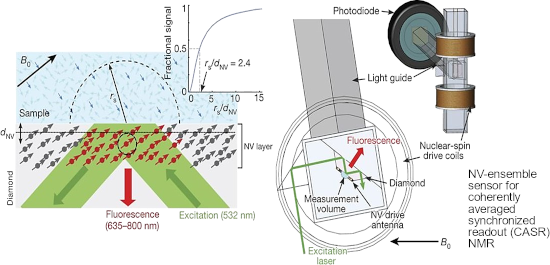
- whose features are used in many technologies, from magnetic information storage to ferrofluids or nanoscale drug-delivery systems and magneto-assisted hyperthermia cancer treatments [65]. Single SPION detection with 10 nm accuracy was shown by bulk diamond NV center magnetometry combining spin


Incorporation of doxorubicin in different polymer nanoparticles and their anticancer activity
Beilstein J. Nanotechnol. 2019, 10, 2062–2072, doi:10.3762/bjnano.10.201
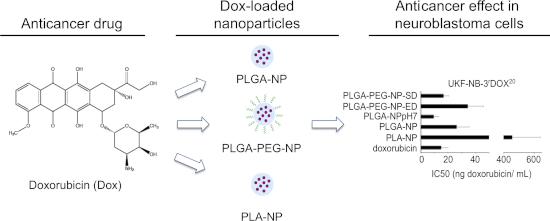
- . However, the therapeutic window is small, and anticancer therapies are typically associated with severe side-effects [2][3]. One strategy to develop more effective cancer therapies is to use nano-sized drug delivery systems that mediate a more specific tumour accumulation of transported drugs. Tumour


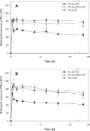

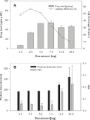


Synthesis and potent cytotoxic activity of a novel diosgenin derivative and its phytosomes against lung cancer cells
Beilstein J. Nanotechnol. 2019, 10, 1933–1942, doi:10.3762/bjnano.10.189
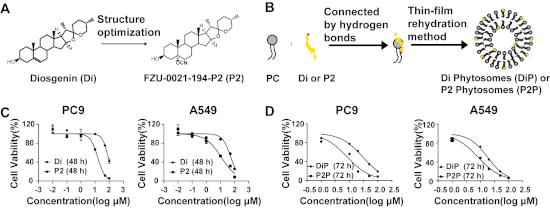
- [30]. Phytosomes have been used as drug delivery systems of several insoluble natural drugs in recent years. Sinigrin [31] and epigallocatechin-3-O-gallate [32] loaded in phytosomes showed stronger antiproliferative activity than free drugs against melanoma cells and breast cancer cells. In this work



Engineered superparamagnetic iron oxide nanoparticles (SPIONs) for dual-modality imaging of intracranial glioblastoma via EGFRvIII targeting
Beilstein J. Nanotechnol. 2019, 10, 1860–1872, doi:10.3762/bjnano.10.181
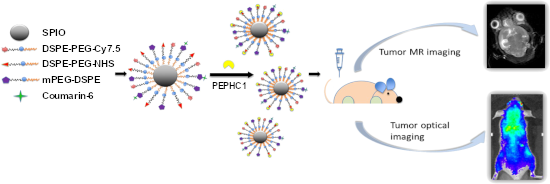
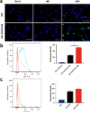
- PEPHC1 peptide conjugation greatly enhanced PNP accumulation in U87MG-EGFRvIII tumors (Figure 7a and 7b). For the biodistribution study, similar to other drug delivery systems based on tumor-targeting nanoparticles [45][46][47], both PNP and NP nanoprobes were found distributed in other major organs




Microfluidic manufacturing of different niosomes nanoparticles for curcumin encapsulation: Physical characteristics, encapsulation efficacy, and drug release
Beilstein J. Nanotechnol. 2019, 10, 1826–1832, doi:10.3762/bjnano.10.177
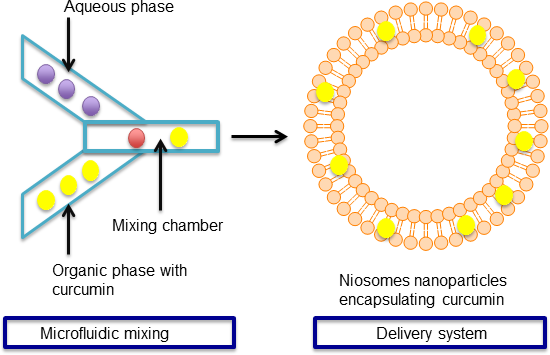
- [6]. The use of nanoparticles as drug delivery systems is currently a corner stone in the field of drug delivery in order to improve the pharmacokinetics and pharmacodynamics of many drugs that have limitations in bioavailability [7]. Therefore, to improve the curcumin characteristics, nanoparticles


Highly ordered mesoporous silica film nanocomposites containing gold nanoparticles for the catalytic reduction of 4-nitrophenol
Beilstein J. Nanotechnol. 2019, 10, 1368–1379, doi:10.3762/bjnano.10.135
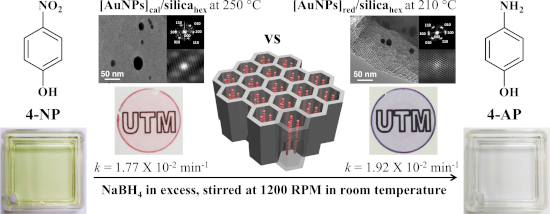
- ; Introduction Mesoporous silica nanomaterials with pore size between 2 to 50 nm [1] have been recently applied to the development of biomedical adsorbents [2][3][4], drug delivery systems [5][6][7], catalysts [8][9][10], as well as supports for metal nanoparticles [11][12][13] due to their large surface area


The systemic effect of PEG-nGO-induced oxidative stress in vivo in a rodent model
Beilstein J. Nanotechnol. 2019, 10, 901–911, doi:10.3762/bjnano.10.91
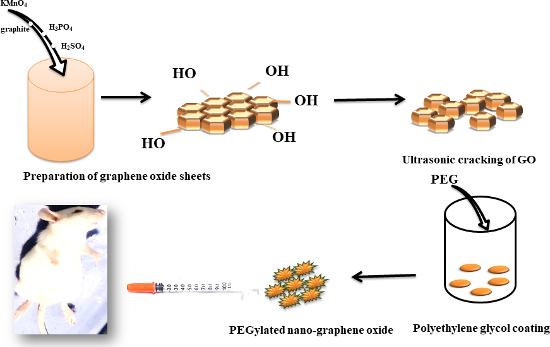
- advanced nanomaterials has led to the development of effective drug delivery systems [1][2]. Graphene, a single layer of carbon atoms with a hexagonal 2-dimensional crystal structure, its use in nanoscience and nanotechnology, is of great interest for scientists. The hydrophobic nature of graphene





