Search results
Search for "dye" in Full Text gives 347 result(s) in Beilstein Journal of Nanotechnology. Showing first 200.
Solar-light-driven LaFexNi1−xO3 perovskite oxides for photocatalytic Fenton-like reaction to degrade organic pollutants
Beilstein J. Nanotechnol. 2022, 13, 882–895, doi:10.3762/bjnano.13.79
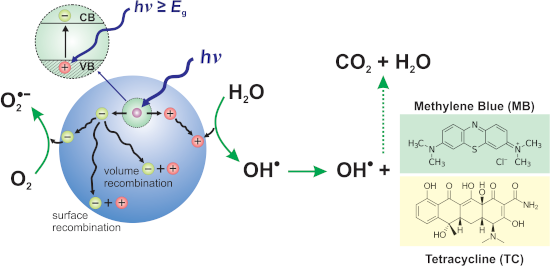
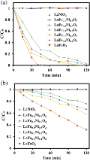
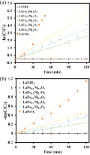
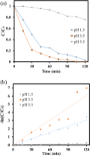
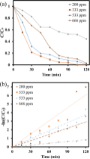
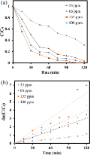
- , such as pH value, catalyst dosage, and the additional amount of H2O2. LaFe0.7Ni0.3O3 perovskite oxides could operate efficiently under pH 3.5, catalyst dosage of 50 mg/150 mL, and H2O2 concentration of 133 ppm to decompose the MB dye in the 1st order kinetic rate constant of 0.0506 s−1. Keywords
- without proper solutions would eventually significantly affect natural ecology and people’s quality of life. Dyes are widely used in various living areas, such as paint, leather, textiles, oil wax, etc. Accordingly, a large amount of dye wastewater is produced every day. Dye wastewater refers to dyes
- remaining in the aqueous solution during the textile process. The amount of dye wastewater is enormous and has gradually become the main wastewater discharged in the industry [6]. At present, dyes are mainly divided into azo dyes, thiazine dyes, acridine dyes, and aryl methane dyes. Due to their complex



Sodium doping in brookite TiO2 enhances its photocatalytic activity
Beilstein J. Nanotechnol. 2022, 13, 599–609, doi:10.3762/bjnano.13.52
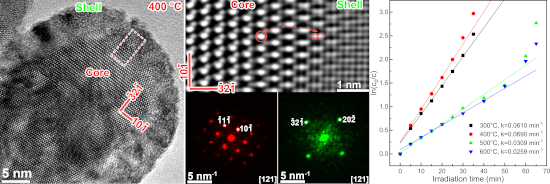
- heterojunction exhibited a synergetic effect, improving the photocatalytic activity for both hydrogen generation and organic dye degradation [10][11]). Similarly, the anatase/brookite heterojunction (38.2% brookite) also exhibited the highest degradation efficiency of cylindrospermopsin under UV–vis light [12
- photodegradation of the orange II dye of brookite varies with the annealing temperature [20]. These differences in the photocatalytic activity of brookite were generally considered as factors such as the specific surface area, crystallite size, and crystallinity [9][21]. But whether the local atomic structure of


Influence of thickness and morphology of MoS2 on the performance of counter electrodes in dye-sensitized solar cells
Beilstein J. Nanotechnol. 2022, 13, 528–537, doi:10.3762/bjnano.13.44
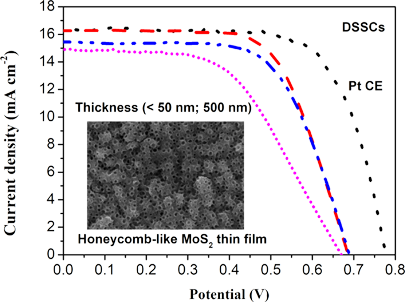
- disulfide (MoS2) was prepared on substrates coated with fluorine-doped tin oxide (FTO) to substitute the platinum counter electrode (CE) for dye-sensitized solar cells (DSSCs). Herein, we synthesized layered and honeycomb-like MoS2 thin films via the cyclic voltammetry (CV) route. Thickness and morphology
- : cyclic voltammetry (CV); dye-sensitized solar cells (DSSCs); electrocatalytic activity; honeycomb-like; molybdenum disulfide (MoS2); thin film; Introduction Since Grätzel’s first report in 1991, dye-sensitized solar cells (DSSCs) have been the subject of much research due to the easy fabrication process
- and respectable efficiency [1]. This promising third generation of solar cells contains a dye-adsorbed TiO2 photoanode, an iodide/triiodide electrolyte, and a platinum-based cathode, also known as the counter electrode (CE). However, the high cost of platinum has prevented the real-world application of


Zinc oxide nanostructures for fluorescence and Raman signal enhancement: a review
Beilstein J. Nanotechnol. 2022, 13, 472–490, doi:10.3762/bjnano.13.40
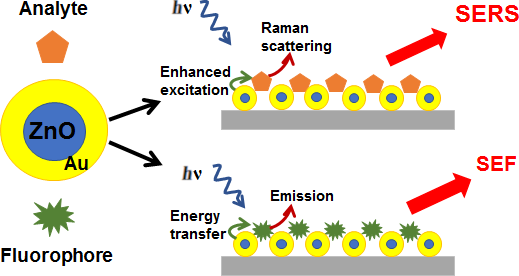
- under the same irradiation conditions [53]. A typical experiment to test the reusability of an Au–ZnO substrate consisted of immersing the substrate in a dye solution for 12 h and characterizing it by SERS. Afterwards, the substrate is immersed in ultrapure water and exposed to UV irradiation for 1 h to
- applications for optoelectronic devices, namely light-emitting diodes for both UV and visible light [89]. Also, the combination with metallic nanoparticles has been proposed for enhanced UV light-emitting diodes [90]. Another significant application of ZnO-based substrates is to boost the performance of dye




Coordination-assembled myricetin nanoarchitectonics for sustainably scavenging free radicals
Beilstein J. Nanotechnol. 2022, 13, 284–291, doi:10.3762/bjnano.13.23
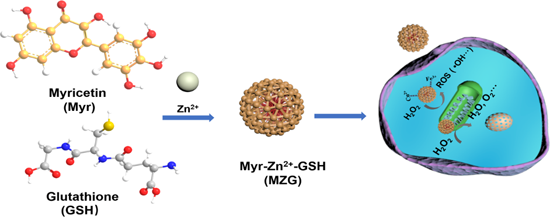
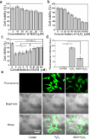
- was evaluated. After the treatment of 3T3 cells with different concentrations of MZG for 24 h, 100 µM of H2O2 was used to treat the 3T3 cells. The capability of protecting cells from damage was accessed by the cell viability assay. After that, 2′7′-dichlorodihydrofluorescein diacetate (DCFH-DA) dye


Photothermal ablation of murine melanomas by Fe3O4 nanoparticle clusters
Beilstein J. Nanotechnol. 2022, 13, 255–264, doi:10.3762/bjnano.13.20
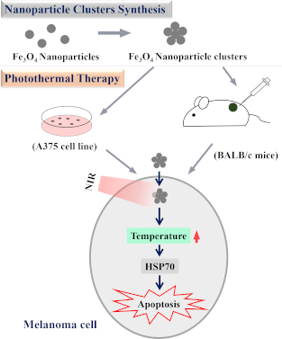
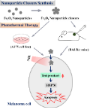
- increasing power densities. In vitro photothermal ablation of A375 cells. (a) Bright-field microscopy showing the health conditions of A375 cells treated with saline or increasing concentrations of NPCs, in the presence or absence of NIR irradiation. Cells were stained with Trypan blue dye to visualize dead


A comprehensive review on electrospun nanohybrid membranes for wastewater treatment
Beilstein J. Nanotechnol. 2022, 13, 137–159, doi:10.3762/bjnano.13.10
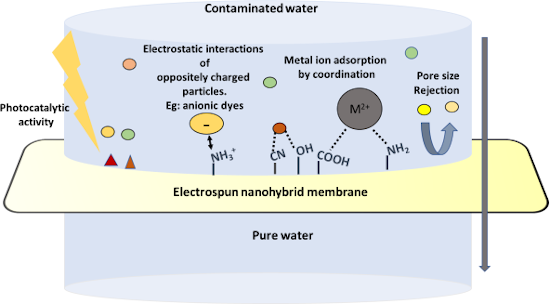
- of dye-containing effluents into the aquatic environments. It is reported that 200 billion liters of dye-containing effluents are produced annually by the textile industry alone, and approximately 50% of the effluent is cleared directly into the waterways [75]. Though organic dyes have been
- considered as a micropollutant, with the growing industrialization, organic dyes have become a significant issue in wastewater treatment. Whether the dye is cationic or anionic, electrospun nanohybrid membranes are used to treat a variety of dye-contaminated waters. Of the many methods of dye decontamination
- incorporation of 1.0 wt % SiO2 rendered optimum water permeability and dye rejection. A 98% dye rejection of DR23 was shown by the optimum nanofiber composite when operated for 20 min under 1711 LMH (under 0.4 bar applied pressure) of high water flux [76]. The same group fabricated a clay-based electrospun





Theranostic potential of self-luminescent branched polyethyleneimine-coated superparamagnetic iron oxide nanoparticles
Beilstein J. Nanotechnol. 2022, 13, 82–95, doi:10.3762/bjnano.13.6
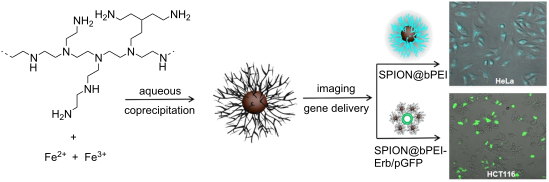
- partial PEI oxidation during the synthesis. Here, we demonstrate in vitro dye-free optical imaging and successful gene transfection with luminescent SPION@bPEI, which was further modified for receptor-mediated delivery of the cargo selectively to cancer cell lines overexpressing the epidermal growth
- in many in vitro studies including, for example, flow cytometry or fluorescence imaging, since the luminescence of the polymer was not detected [18][33][34]. Unfortunately, the luminescence of the fluorophores (dye or quantum dots) that are active in the visible range is usually significantly reduced
- are SPIONs conjugated with luminescent quantum dots (QD) [44][45][46][47] or tagged with luminescent dyes such as indocyanine green (ICG) [48]. Here, we demonstrate the utility of intensely blue-luminescent, small, and cationic SPION@bPEI in dye-free optical detection and therapeutic gene transfection




Biocompatibility and cytotoxicity in vitro of surface-functionalized drug-loaded spinel ferrite nanoparticles
Beilstein J. Nanotechnol. 2021, 12, 1339–1364, doi:10.3762/bjnano.12.99
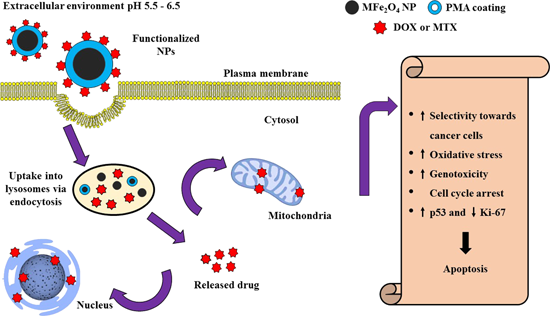
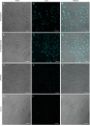
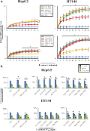
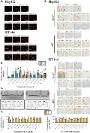
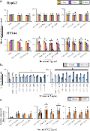
- ]. The present study was conducted to evaluate the role of drug-functionalized MFe2O4 NPs in hindering MDR pump activity in HepG2 and HT144 cells after a 24 h treatment at IC50 doses. The retention of the fluorometric dye was estimated relative to NTC (Figure 9c). Among DOX nanocarriers in HepG2, CFO+DOX
- and ZFO+DOX produced maximum significant inhibition of the MDR pump, with up to 6.8-fold (p < 0.005) dye retention compared to NTC. Similarly, among MTX nanocarriers, the highest dye retention of up to 4-fold was observed in CFO+MTX and ZFO+MTX (p < 0.05). Dye retention in free DOX and MTX was lower
- (3- and 1.9-fold, respectively). Cyclosporin A, used as positive control, caused inhibition of MDR up to 4-fold. Similar results were obtained in HT144 cells. Among DOX nanocarriers, CFO+DOX and ZFO+DOX were responsible for the maximum inhibition of the MDR pump (up to 7-fold, p < 0.005), whereas dye







An overview of microneedle applications, materials, and fabrication methods
Beilstein J. Nanotechnol. 2021, 12, 1034–1046, doi:10.3762/bjnano.12.77
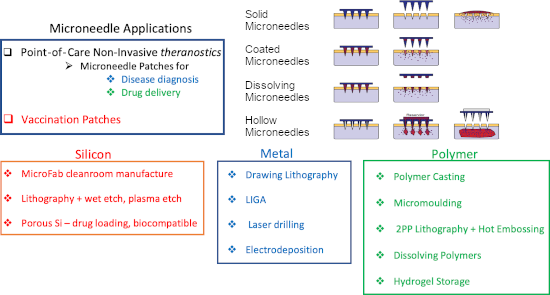
- by GCoS. (a) Overview, (b) microneedle outlet and shank, (c) inlet with microchannels, (d) outlet with microchannels, (e,f) cross-section of microchannels with two and five cavities. (g) A coronal brain cross-section micrograph with the infusion of a dye at the posterior nucleus, (h) a horizontal


Modification of a SERS-active Ag surface to promote adsorption of charged analytes: effect of Cu2+ ions
Beilstein J. Nanotechnol. 2021, 12, 902–912, doi:10.3762/bjnano.12.67
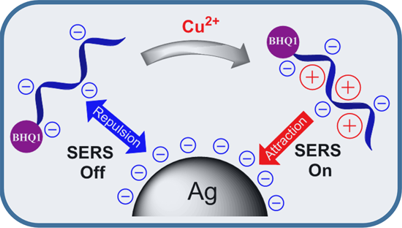
- surface modifications were tested using a negatively charged oligonucleotide labeled with Black Hole Quencher dye. Only the addition of copper ions into the analyte solution yielded a good SERS signal. Considering the strong interaction of copper ions with the oligonucleotide molecules, we suppose that
- remaining polymer molecules are not able to generate a strong positive charge at the surface but they improve the adsorption of the analyte molecules due to hydrogen bonding and donor–acceptor and lipophilic interactions. SERS analysis of dye-labeled oligonucleotides Biomolecules such as nucleotides and
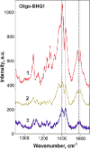
- for bioconjugation [34]. Thus, oligonucleotide SERS spectra can indicate a positive charge of the SERS substrate surface. An oligonucleotide was labeled with a Black Hole Quencher dye (BHQ1) for better spectrum recognition due to exclusion of characteristic peaks with background fluorescence, which is


Comprehensive review on ultrasound-responsive theranostic nanomaterials: mechanisms, structures and medical applications
Beilstein J. Nanotechnol. 2021, 12, 808–862, doi:10.3762/bjnano.12.64


Nanoporous and nonporous conjugated donor–acceptor polymer semiconductors for photocatalytic hydrogen production
Beilstein J. Nanotechnol. 2021, 12, 607–623, doi:10.3762/bjnano.12.50
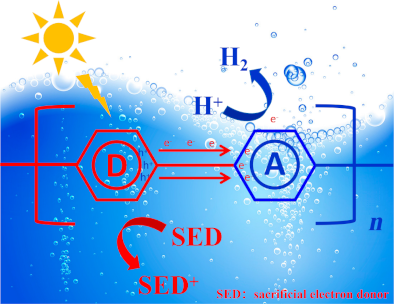
- semicrystalline counterparts. Dye sensitization further enhanced the photocatalytic activity of P67. Remarkably, incorporating a near-infrared absorbing dye (WS5F) into P67 (252.5 μmol·h−1, 25 mg) further improved the HER to 497.5 mmol·h−1 (25 mg), which was attributed to the enhanced light absorption and




Interface interaction of transition metal phthalocyanines with strontium titanate (100)
Beilstein J. Nanotechnol. 2021, 12, 485–496, doi:10.3762/bjnano.12.39
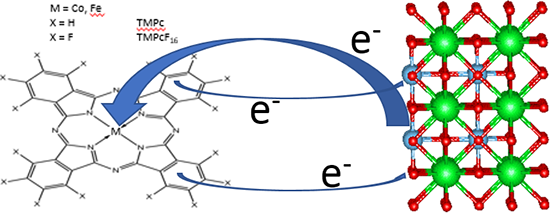
- at interfaces; strontium titanate; transition metal phthalocyanines; Introduction Interfaces between organic semiconductors and oxides are of increasing fundamental interest. Such interfaces determine key properties of a broad variety of electronic devices. Common examples are dye-sensitized solar
- supports the presence of an additional TiO2 layer on the STO substrate. FePc (dye content 90%), CoPc and CoPcF16 were purchased from Sigma Aldrich Chemie GmbH (Steinheim, Germany), and FePcF16 was purchased from Synthon Chemicals GmbH & Co. KG (Bitterfeld-Wolfen, Germany). FePc and FePcF16 powders were


Intracranial recording in patients with aphasia using nanomaterial-based flexible electronics: promises and challenges
Beilstein J. Nanotechnol. 2021, 12, 330–342, doi:10.3762/bjnano.12.27
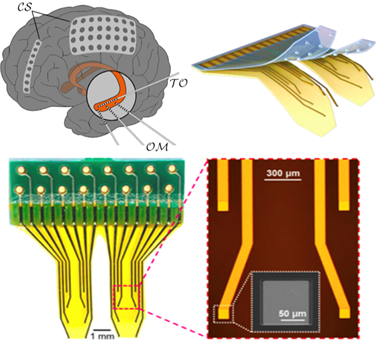
- known. Theodor Meynert pioneered the histological examination of the human brain in 1867 by using a blue dye to observe neuron cells in distinct portions of the cerebral cortex [13]. He observed that different parts of the cerebral cortex had different cell structures and found that sensory input was


Characterization, bio-uptake and toxicity of polymer-coated silver nanoparticles and their interaction with human peripheral blood mononuclear cells
Beilstein J. Nanotechnol. 2021, 12, 282–294, doi:10.3762/bjnano.12.23
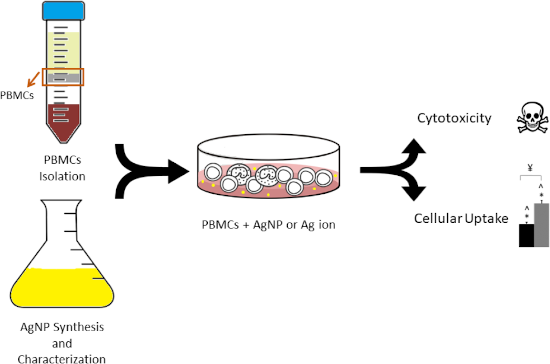
- for 24 h. Subsequently, MTS dye was added to each well, and incubated at 37 °C in a 5% CO2 humidified incubator for four additional hours. The optical density of reduced MTS was measured at 490 nm using a 96-well plate reader spectrophotometer. The potential interference of particles with LDH and MTS



Differences in surface chemistry of iron oxide nanoparticles result in different routes of internalization
Beilstein J. Nanotechnol. 2021, 12, 270–281, doi:10.3762/bjnano.12.22
- electrophoresis. The cDNA was prepared using the RevertAid First Strand cDNA kit (Thermo Fisher Scientific) using 1 µg of total RNA according to the protocol recommended by the manufacturer. Gene expression was measured by semi-quantitative real-time PCR using SYBR Green dye (Maxima SYBR Green qPCR Master Mix kit



The nanomorphology of cell surfaces of adhered osteoblasts
Beilstein J. Nanotechnol. 2021, 12, 242–256, doi:10.3762/bjnano.12.20
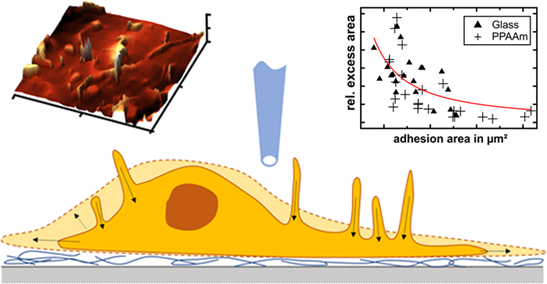
- microscopy is an option to study the membrane surface nanoscopically without dye labeling or laser light exposure. In scanning probe microscopy a nanoprobe is kept at a constant distance from the sample surface by maintaining a local interaction signal constant via a feedback loop [16]. If the interaction
- the only method capable of nanoscopic three-dimensional imaging of living cells without the application of dye labels or other modifications. Though SICM was developed already in 1989 [19], it was not much exploited until the method was used to image a number of murine and human cell lines [23
- more than 70 nm in space and time. At the peripheral region larger gaps have been observed. These values do include only the extracellular matrix because the dye is situated in the plasma membrane. Our step edge heights are compatible with these results and point towards lamellipodia thicknesses in the


Effect of different silica coatings on the toxicity of upconversion nanoparticles on RAW 264.7 macrophage cells
Beilstein J. Nanotechnol. 2021, 12, 35–48, doi:10.3762/bjnano.12.3

- protect UCNPs surfaces from dissolution. In contrast to a more complex polymeric coating, silica surfaces can be easily functionalized with a wide range of coupling agents and biomolecules, and the interior of the silica shell can be modified by integrating dye molecules, for example. However, amorphous
- -shelled samples (sample UC@thick_RBITC_NH2). The silica shells of the dye-doped samples were slightly thicker than those of the samples without the dye, as APS and RBITC-APS slightly increase the porosity of the silica shell. Consequently, identical amounts of silica per particle result in slightly
- 10 mL of EtOH. Finally, the particles were redispersed in 10–15 mL of EtOH [38]. For the growth of silica shells with covalently bound RBITC, a modified method from Verhaegh et al. was used [80]. The reaction was carried out under inert atmosphere. The dye was first coupled with APS yielding the dye


Atomic layer deposited films of Al2O3 on fluorine-doped tin oxide electrodes: stability and barrier properties
Beilstein J. Nanotechnol. 2021, 12, 24–34, doi:10.3762/bjnano.12.2
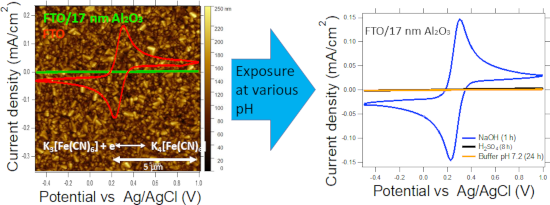
- ), at sites that were not covered by the semiconductor, was blocked. This blocking layer (also called electron-selective layer) is a key component of dye-sensitized [19] and perovskite solar cells [21]. The blocking function consists in supporting vectorial electron transport from a photoexcited light
- absorber (sensitizing dye or perovskite) to the negative terminal of the solar cell, usually an FTO or a similar transparent conducting oxide. At the same time, this layer blocks the back electron transfer from the current collector (FTO) to the electrolyte redox mediator, to the hole-transporting medium
- [18]. Promising properties of Al2O3 blocking layers for dye-sensitized solar cells were first reported by Palomares at al. [22]. The CVs in Figure 2 demonstrate the blocking behaviour of Al2O3 films on FTO. Increasing numbers of ALD cycles led to an increasing suppression of the peak heights in the


Unravelling the interfacial interaction in mesoporous SiO2@nickel phyllosilicate/TiO2 core–shell nanostructures for photocatalytic activity
Beilstein J. Nanotechnol. 2020, 11, 1834–1846, doi:10.3762/bjnano.11.165
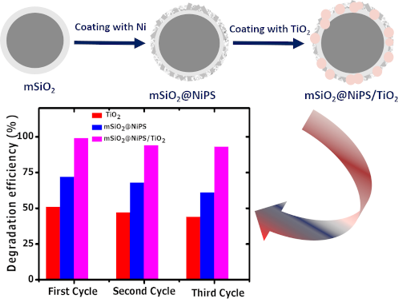
- were used as photocatalysts for the degradation of methyl violet dye and the degradation efficiencies were found to be 72% and 99% for the mSiO2@NiPS and the mSiO2@NiPS/TiO2 nanostructures, respectively. Furthermore, a recyclability test revealed good stability and recyclability of the mSiO2@NiPS/TiO2
- the core–shell nanostructure and yielded superior photocatalytic properties. Keywords: bandgap energy; core–shell; dye degradation; nickel phyllosilicate; photocatalysts; Introduction Textile dyes and organic compounds are major water pollutants, which create an environmental hazard to aquatic
- efficient, reliable, and eco-friendly water-treatment and decontamination techniques in order to mitigate this issue [3][4]. Among the various techniques, the use of semiconducting photocatalysts for light-stimulated degradation of dye pollutants has been extensively investigated [5]. Owing to its chemical


Nanocasting synthesis of BiFeO3 nanoparticles with enhanced visible-light photocatalytic activity
Beilstein J. Nanotechnol. 2020, 11, 1822–1833, doi:10.3762/bjnano.11.164
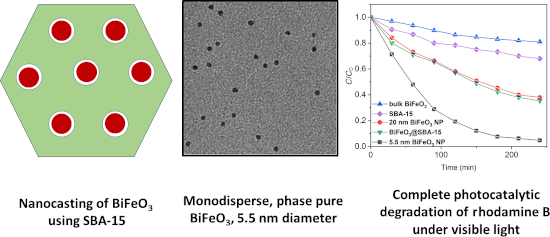
- radical trapping experiments. Keywords: bismuth ferrite (BiFeO3); dye; nanocasting; nanoparticles; photocatalysis; rhodamine B; SBA-15; Introduction In the face of a continuously growing demand, the production of safe and readily available water is one of the biggest challenges humanity is facing
- dyes from wastewater such as precipitation (chemical coagulation, flocculation), membrane and electrochemical processes, as well as biological treatment methods [9]. The main disadvantages of these treatment methods are very often incomplete dye removal, high energy consumption and capital cost, and
- experiments The photocatalytic activity of the samples was evaluated regarding the degradation of RhB in water at room temperature under visible light using high-power LEDs with an emission wavelength of λ > 420 nm as a light source. In a typical experiment, 50 mL of dye solution (concentration of rhodamine B




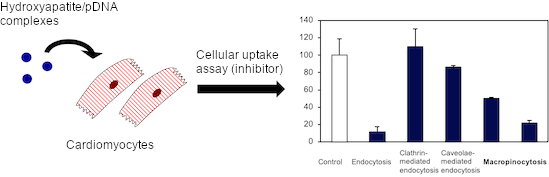
Cardiomyocyte uptake mechanism of a hydroxyapatite nanoparticle mediated gene delivery system
Beilstein J. Nanotechnol. 2020, 11, 1685–1692, doi:10.3762/bjnano.11.150
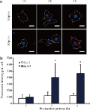
- cultured for 24 h. HL-1 cells were stained by using the nuclear dye Hoechst 33343 (Dojindo) in the medium. The GFP expression was verified using a fluorescence microscope (20× magnification) and the transfection efficiency was defined as the percentage of EGFP-expressing cells. This percentage was
- incubated with 25 µg/mL of TMR–dextran (Mw: 70,000) (Invitrogen) at 37 °C for 30 min. The cells were washed three times with PBS, to remove free TMR–dextran or membrane-bound dextran, fixed with 4% paraformaldehyde for 10 min, and stained with the nuclear dye Hoechst 33343. To quantify macropinocytosis


The influence of an interfacial hBN layer on the fluorescence of an organic molecule
Beilstein J. Nanotechnol. 2020, 11, 1663–1684, doi:10.3762/bjnano.11.149
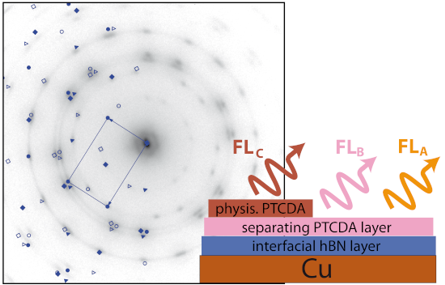
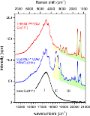
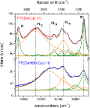
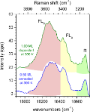
- position of the spot of the excitation light on the sample. It will not be in the focus of this work. The sharp peaks in region III are identified as Raman lines from PTCDA (highlighted in green). The Raman lines were additionally identified by using a dye laser with tunable wavelength [20] (497–507 nm






Electrokinetic characterization of synthetic protein nanoparticles
Beilstein J. Nanotechnol. 2020, 11, 1556–1567, doi:10.3762/bjnano.11.138
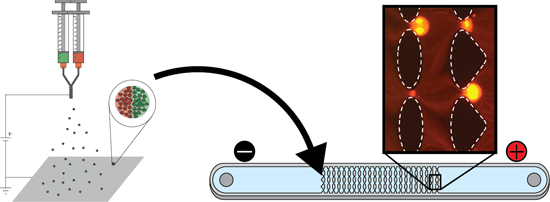
- calculations will be shown later. SPNP-BSA-488 and SPNP-BSA-555 were both measured in the EK microdevices and both particle types were found to be trapped at the same potential, that is, 500 V (Figure 2c and Figure 2d). This result suggesting that the presence of the dye does not affect the EK response has
- been reported in the literature in similar EK microdevices [57]. The absence of a difference in trapping voltage even in the presence of different fluorescent dyes shows that the dye molecules themselves have no evident effect on the EK behavior of the particles. Electrokinetic response of SPNPs
- by using a fluorescence microscope. Results illustrating the effect of the fluorescent dye on the SPNP behavior in EK microfluidics. (a) DLS size distribution of BSA SPNPs labeled with Alexa Fluor 488 (green) and Alexa Fluor 555 (red). (b) Schematic representing the EK microfluidic device used and