


Search results
Search for "environment" in Full Text gives 1023 result(s) in Beilstein Journal of Nanotechnology. Showing first 200.
Ferroptosis induction by engineered liposomes for enhanced tumor therapy
Beilstein J. Nanotechnol. 2025, 16, 1325–1349, doi:10.3762/bjnano.16.97
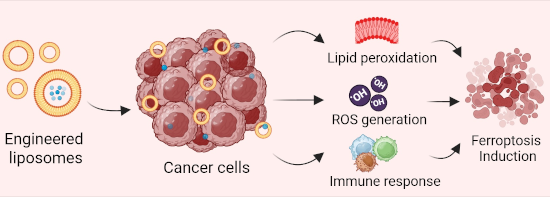
- by six transmembrane epithelial antigens of the prostate 3 (STEAP3) in the acidic environment in the endosome. Fe+2 is then transported into the cytoplasm by the transporter for divalent metals (DMT1). Iron has various functions in the cell and can be used in different enzymatic processes or stored
- oxidation or hydrolysis processes. After the hydrolysis of free fatty acids, compounds are formed that are toxic to the human body and lower the pH value of the environment. Antioxidants such as flavonoids and vitamins C and E can be included in the formulation of liposomes to stop oxidation [138]. While


Enhancing the photoelectrochemical performance of BiOI-derived BiVO4 films by controlled-intensity current electrodeposition
Beilstein J. Nanotechnol. 2025, 16, 1289–1301, doi:10.3762/bjnano.16.94
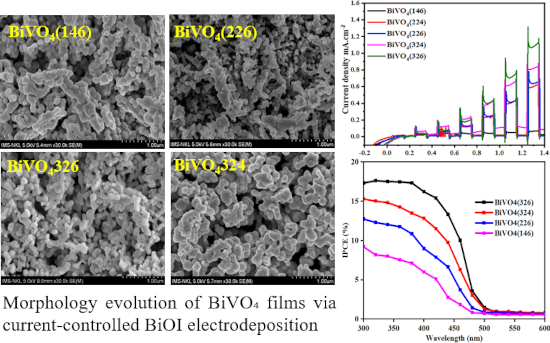
- thickness. Alternatively, Liu et al. [16] employed RF sputtering with a single BiVO4 target, but the volatility of Bi in a vacuum environment often led to an imbalanced Bi/V ratio, requiring precise regulation of oxygen partial pressure. Gong et al. [17] utilized DC co-sputtering of Bi and V targets to



Better together: biomimetic nanomedicines for high performance tumor therapy
Beilstein J. Nanotechnol. 2025, 16, 1246–1276, doi:10.3762/bjnano.16.92
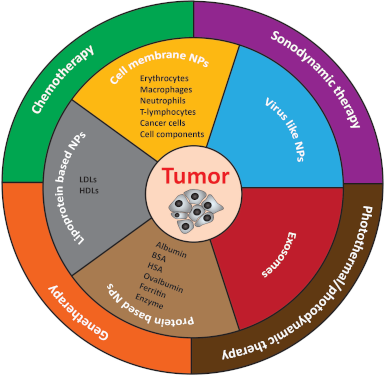
- surrounding environment, including immunosuppression in T cells via PD-1/PD-L1 axis, recruitment of stem cells via CXCR4/CXCL2 chemokine axis, maturation of immune cells via membrane interactions, and various other physical/chemical interactions, uncover the emergence of cell membrane-based drug delivery






Hydrogels and nanogels: effectiveness in dermal applications
Beilstein J. Nanotechnol. 2025, 16, 1216–1233, doi:10.3762/bjnano.16.90
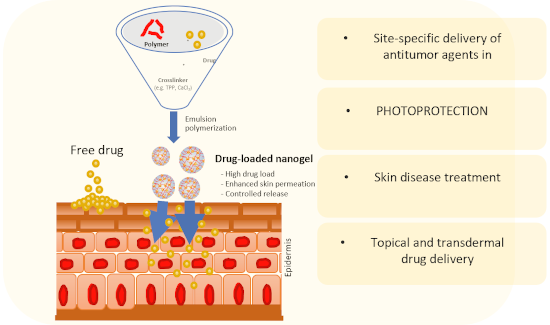
- embedded in hydrophilic solvents, usually water, which can carry active materials and biomolecules [11][12][13]. After hydration in an aqueous environment, the hydrogel structure is created by hydrophilic groups or regions arranged in a polymeric network [14]. Hydrogels present interesting properties
- largest organ in the body, the human skin has a critical role in the maintenance of vital functions: it provides protection to all internal organs, contributes to immune responses, and receives sensorial stimuli from the external environment [39]. The complexity of human skin makes it challenging to mimic
- . On the other hand, hydrogels and nanogels have arrived on the market as materials that resemble skin tissue, offering a hygroscopic and favorable environment for wound healing, for example. They can be combined with active ingredients that accelerate the primary goal of healing injured skin, helping


Investigation of the solubility of protoporphyrin IX in aqueous and hydroalcoholic solvent systems
Beilstein J. Nanotechnol. 2025, 16, 1209–1215, doi:10.3762/bjnano.16.89
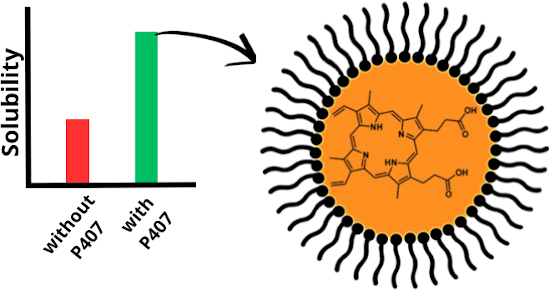
- self-assembly of monomers into micelles with a hydrophobic core of polypropylene oxide (PPO) and a hydrophilic corona of polyethylene oxide (PEO), creating an environment suitable for the encapsulation of hydrophobic drugs such as PpIX [15]. These micelles enhance drug solubility, protect against


Chitosan nanocomposite containing rotenoids: an alternative bioinsecticidal approach for the management of Aedes aegypti
Beilstein J. Nanotechnol. 2025, 16, 1197–1208, doi:10.3762/bjnano.16.88
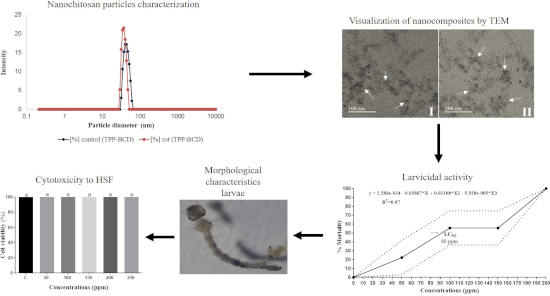
- significant advancement, vector management remains the primary strategy for preventing these urban arboviruses. In this context, the development of pesticides that offer safer alternatives for the environment and human health has become urgent. In this study, a chitosan-based nanocomposite was developed as a
- investment of 16.9 million Brazilian reais in 2023 [4], the development of resistance by this vector to regularly used larvicides, which impact other organisms beneficial to the environment while presenting risks of poisoning to humans who handle them, is rampant. The adoption of new biotechnological tools
- the nanocomposite to reduce potential environmental damage, such as those reported in the literature for some metal-decorated nanomaterials and their derivatives (silver, gold, copper, zinc, titanium, and silicon) that can be highly toxic to non-target organisms in the environment [18]. The



Electronic and optical properties of chloropicrin adsorbed ZnS nanotubes: first principle analysis
Beilstein J. Nanotechnol. 2025, 16, 1184–1196, doi:10.3762/bjnano.16.87
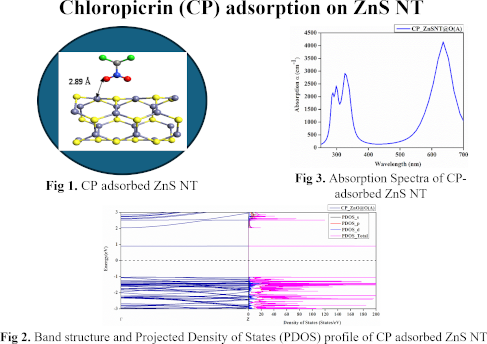
- pronounced bandgap narrowing and enhanced visible light absorption. This anisotropic behavior is consistent with theoretical and experimental studies on nanotube systems, where adsorption-induced optical changes are highly dependent on molecular orientation and the local electronic environment [74]. The


Single-layer graphene oxide film grown on α-Al2O3(0001) for use as an adsorbent
Beilstein J. Nanotechnol. 2025, 16, 1082–1087, doi:10.3762/bjnano.16.79
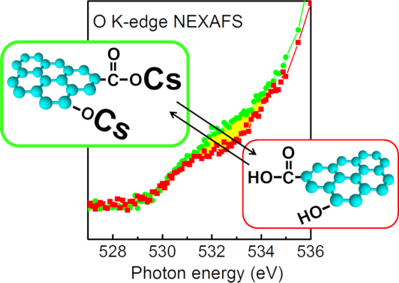
- were conducted into its adsorption properties. A significant accident at a nuclear facility can result in the release of substantial amounts of radioactive cesium (Cs) and strontium (Sr) into the environment [19][20]. The development of a method for reducing the volume of these radioactive waste is


Piezoelectricity of hexagonal boron nitrides improves bone tissue generation as tested on osteoblasts
Beilstein J. Nanotechnol. 2025, 16, 1068–1081, doi:10.3762/bjnano.16.78
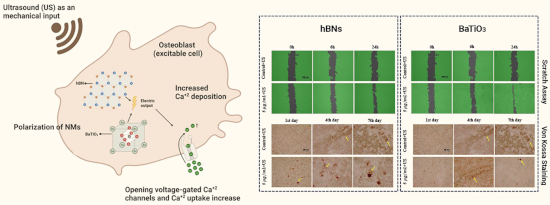
- . Although applying US to the environment is a noninvasive mechanical stimulation, it may still cause acoustic streaming, acoustic microstreaming, and cavitation. This mechanical effect may cause fluid flow in the extracellular environment, creating temporary membrane deformation and tension on osteoblasts
- for cellular processes that are essential for bone repair and regeneration, which could explain the superior performance of hBNs in promoting osteoblast migration compared to that of BaTiO3 under US exposure. This suggests that the combination of hBNs and US may provide a more favorable environment


Soft materials nanoarchitectonics: liquid crystals, polymers, gels, biomaterials, and others
Beilstein J. Nanotechnol. 2025, 16, 1025–1067, doi:10.3762/bjnano.16.77
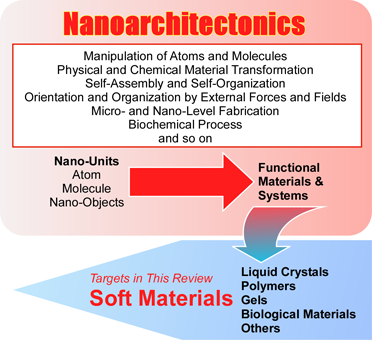
- as biomedical applications [15][16][17][18][19][20], but also extends to functional material systems that address issues such as energy [21][22][23][24][25] and environment [26][27][28][29][30]. The creation of such soft functional materials has been fostered alongside the advancement of science
- provides an optimal environment for membrane or membrane-associated proteins, thus paving the way for new bio-nanoarchitected devices. In particular, they can serve as electroactive components in sensing and energy devices. Furthermore, a unit-by-unit construction on solid surfaces to form end-on polymer






Time-resolved probing of laser-induced nanostructuring processes in liquids
Beilstein J. Nanotechnol. 2025, 16, 968–1002, doi:10.3762/bjnano.16.74
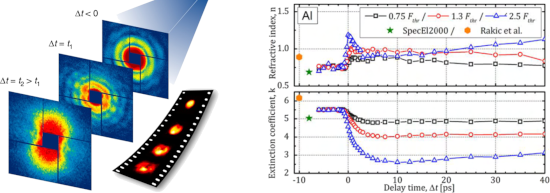
- , we describe structural pathways for particle generation, fragmentation, and energy coupling to the liquid environment to establish a mechanistic knowledge of fundamental and applied processes. The first chapter entitled “Ultrafast light–matter interaction directly observed via single-pulse, single
- dynamic behavior of the surrounding liquid environment. The liquid medium not only mediates energy transfer but also plays a crucial role in influencing NP generation mechanisms, shock wave propagation, and bubble dynamics. Understanding the liquid dynamics is therefore essential for optimizing process
- parameters, improving reproducibility, and tailoring material properties for specific applications. Ultrafast optical techniques such as transient absorption spectroscopy (TAS) [84][85][86][87] have been applied to investigate the influence of the liquid environment on the energy relaxation processes of


Shape, membrane morphology, and morphodynamic response of metabolically active human mitochondria revealed by scanning ion conductance microscopy
Beilstein J. Nanotechnol. 2025, 16, 951–967, doi:10.3762/bjnano.16.73
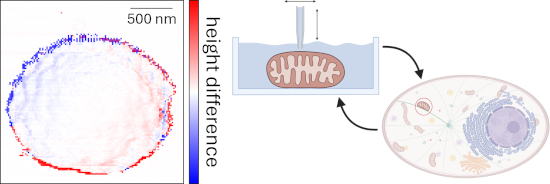
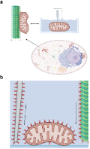
- local environment. The similarities between the nanopipette in the measurement setup and the microtubules in the cellular context are discussed as the basis for the hypothesis. Keywords: HeLa; metabolically active; mitochondria; morphodynamics; scanning ion conductance microscopy; Introduction
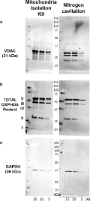
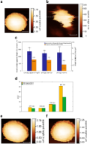
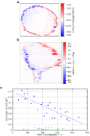
- . One of these effects appears to be associated to the dynamics of the mitochondria’s morphology (in the following referred to as morphodynamics, cf. [6]) and their contact with the measurement environment. Finally, we propose hypotheses to explain the observed effects. Results Viability of the
- significant advance in imaging metabolically active organelles in their native environment with nanometer-scale resolution. The outer mitochondrial membrane appears largely “featureless” and smooth in these measurements. No detectable signatures of porins or other integral membrane proteins, which are present



Synthesis of biowaste-derived carbon-dot-mediated silver nanoparticles and the evaluation of electrochemical properties for supercapacitor electrodes
Beilstein J. Nanotechnol. 2025, 16, 933–943, doi:10.3762/bjnano.16.71
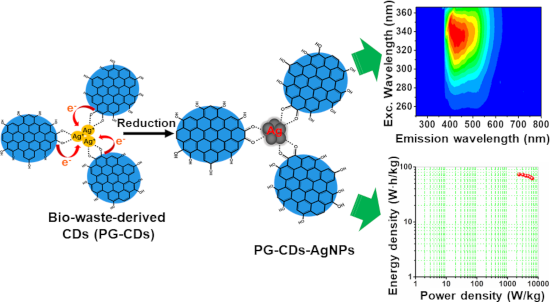
- reduction of Ag is extremely hazardous and can be dangerous to humans and the environment [17]. Hence, safer nontoxic methods for the production of AgNPs are in high demand. Green chemistry emphasizes the use of nontoxic chemicals and production pathways for environmental safety. Motivated by these
- groups which give them remarkable chemical and photophysical features, such as photostability, minimal toxicity, and tunable luminescence [18][19]. A significant number of studies has been carried out for developing CDs from inexpensive natural resources in many ways, which are also environment friendly


Heat-induced transformation of nickel-coated polycrystalline diamond film studied in situ by XPS and NEXAFS
Beilstein J. Nanotechnol. 2025, 16, 887–898, doi:10.3762/bjnano.16.67
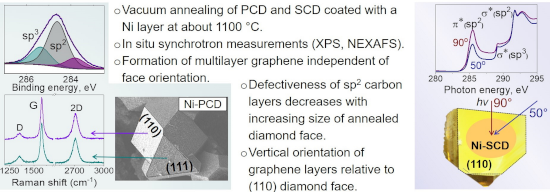
- , resulting in the development of a thin sp² carbon layer over the entire surface of the sample. The chemical state of nickel in the annealed Ni-PCD film was elucidated using XPS and NEXAFS spectroscopy to probe the local environment of metal atoms on the surface and inside the bulk (Figure 3). The XPS Ni 3p


Facile one-step radio frequency magnetron sputtering of Ni/NiO on stainless steel for an efficient electrode for hydrogen evolution reaction
Beilstein J. Nanotechnol. 2025, 16, 837–846, doi:10.3762/bjnano.16.63
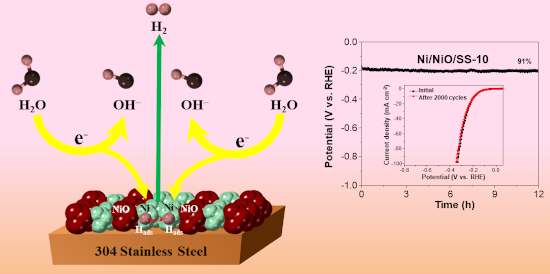
- accompanied by toxic solvents and gases, influencing the environment and people’s health. One of the most significant current discussions in water electrolysis is finding green methods to prepare high-efficiency electrocatalysts. Thus, vacuum physical techniques have gained considerable attention in


Synthesis and magnetic transitions of rare-earth-free Fe–Mn–Ni–Si-based compositionally complex alloys at bulk and nanoscale
Beilstein J. Nanotechnol. 2025, 16, 823–836, doi:10.3762/bjnano.16.62
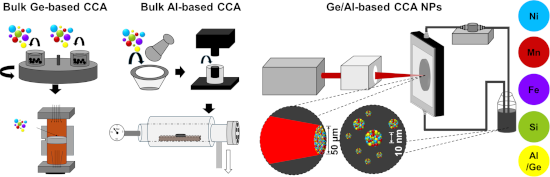
- irradiation of the target material submerged in a liquid environment. This makes PLAL a safe, scalable and environmentally friendly approach [46][47][48]. Research on the synthesis of CoCrFeMnNi Cantor alloy NPs by PLAL demonstrated that this method consistently produces NPs with near-equiatomic compositions
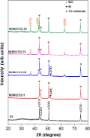
- weight ratio of 20:1 with a rotation speed of sun disk/jars 700 rpm/1400 rpm. In the second step, the HEBM powders were consolidated using SPS (Dr. Sinter Lab – Fuji Electronic Industrial Co. Ltd.) in a vacuum environment. The powder mixture was loaded into a cylindrical graphite die with an inner
- powder was compressed at 100 MPa to produce cylindrical pellets of 10 mm in diameter and 2 mm in thickness (middle panel, Figure 1b). Finally, the samples underwent heat treatment in a near-vacuum environment (down to 10 mbar) at 600 °C for seven days, followed by rapid quenching in water. This procedure


Supramolecular hydration structure of graphene-based hydrogels: density functional theory, green chemistry and interface application
Beilstein J. Nanotechnol. 2025, 16, 806–822, doi:10.3762/bjnano.16.61
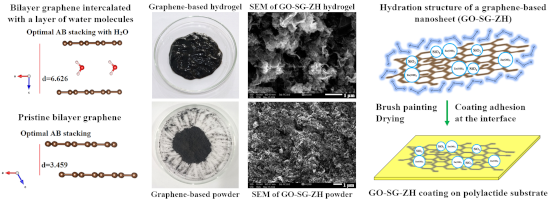
- cell content includes about 70–95% water that creates an aqueous environment for biological processes. Water molecules are bound to biomolecular surfaces and participate in the structuring and functioning of biomolecules, typically the folding of protein and the twisting of the double helix of
- antibacterial activity against E. coli and S. aureus (the positive control was the antibiotic penicillin). Inhibition zone assays were used to evaluate antibiofilm properties of uncoated and coated plastic films [14][25]. Coating stability of plastic films in an environment simulating aqueous food was tested
- environment and quickly settled down. Stacked agglomerates of GO-SG-ZH powder at the bottom of the dispersion were observed in the micrograph of Figure 6c, while the micrograph of the dispersion of GO-SG-ZH hydrogel showed the absence of stacked structures. In Figure 6d, UV–vis spectra of aqueous dispersions


Morphology and properties of pyrite nanoparticles obtained by pulsed laser ablation in liquid and thin films for photodetection
Beilstein J. Nanotechnol. 2025, 16, 785–805, doi:10.3762/bjnano.16.60
- related to FeS2 [3]. Pyrite has shown outstanding performance and a long shelf life as a high-capacity cathode and has been utilized in batteries [4]. Pyrite has also been identified as a promising material for effectively removing environmental contaminants in the environment near the surface of the
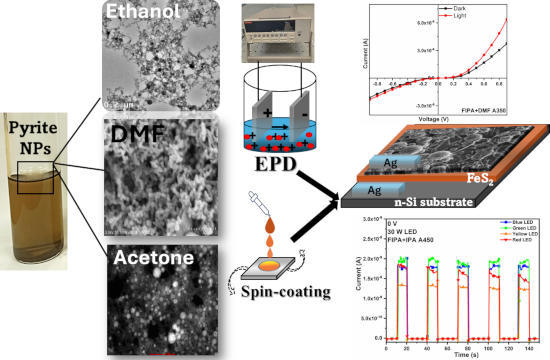
- . Sufurization of films For this experiment, FDMF was drop-casted onto FTO substrates (2.5 × 2 × 0.1 cm) and the film was annealed for 1 h at 300 °C in a sulfur environment. In a semi-cylindrical glass container (12 × 2.5 cm), 5 mg of sulfur powder was added, and samples were maintained closely to the powder
- surrounding liquid results in a cavitation bubble which is a thin layer of vapor of the surrounding liquid, as well as some material evaporating from the target. Some of the crucial elements influencing the formation of the cavitation bubble are the liquid environment, a stronger confinement of the plasma






Changes of structural, magnetic and spectroscopic properties of microencapsulated iron sucrose nanoparticles in saline
Beilstein J. Nanotechnol. 2025, 16, 762–784, doi:10.3762/bjnano.16.59
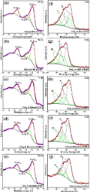
- is constant and equal to 0.6 eV, it was concluded that this is a reflection of the spin–orbit splitting of the Si 2p spectrum into 2p3/2 and 2p1/2 lines [94]. Peaks II are widely described in the literature and are assigned to Si ions in the environment of four oxygen ions, so SiO2 [95][96][97
- valency of the Si ions is four, some parts of the silicon atoms have an environment other than just oxygen. It appears impossible to determine what other atoms besides oxygen may be bonded to the Si atom to meet the bonding requirements, and only some suggestions may be made. Based on [99], it could be




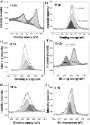

Thickness dependent oxidation in CrCl3: a scanning X-ray photoemission and Kelvin probe microscopies study
Beilstein J. Nanotechnol. 2025, 16, 749–761, doi:10.3762/bjnano.16.58
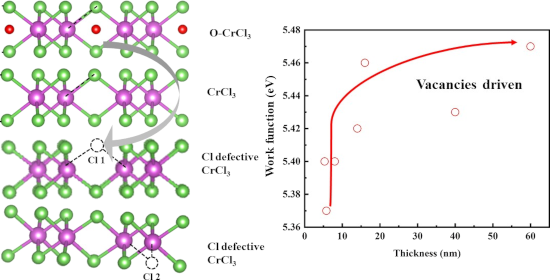
- investigates interfaces made by dry transfer of CrCl3 flakes in an atmospheric environment. Cl vacancies and the formation of O/CrCl3 are induced, serving as dissociation centers that facilitate the migration of Cl vacancies between the top and bottom surfaces. By manipulating 2D atomic layers via surface

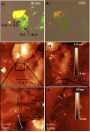


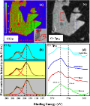


Serum heat inactivation diminishes ApoE-mediated uptake of D-Lin-MC3-DMA lipid nanoparticles
Beilstein J. Nanotechnol. 2025, 16, 740–748, doi:10.3762/bjnano.16.57
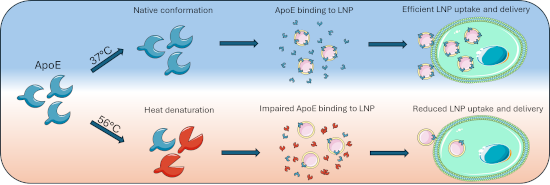
- delivery efficiency, it is becoming increasingly clear that the in vivo environment to which the nanoparticles will be exposed should be considered during LNP development. Nevertheless, the initial screening of nanoparticles in vitro is often restricted to experiments using tissue culture media


Synthesis of a multicomponent cellulose-based adsorbent for tetracycline removal from aquaculture water
Beilstein J. Nanotechnol. 2025, 16, 728–739, doi:10.3762/bjnano.16.56
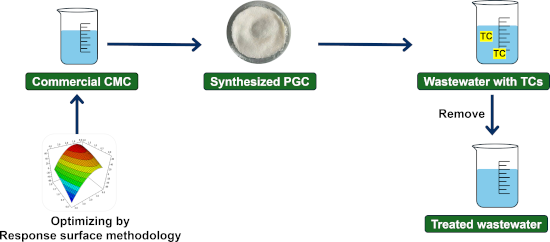
- involves van der Waals forces, which primarily represent electrostatic interactions. Notably, TC is an aromatic organic compound with an amino group that can accept protons (H+) from the environment, acquiring a positive charge. The CMC network within PGC includes oxygen-containing functional groups (‒OH


Polyurethane/silk fibroin-based electrospun membranes for wound healing and skin substitute applications
Beilstein J. Nanotechnol. 2025, 16, 591–612, doi:10.3762/bjnano.16.46
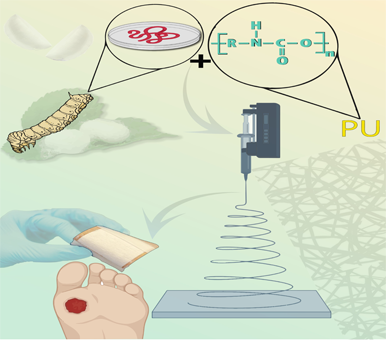
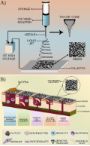
- reduce inflammation, control infection, maintain a moist environment, promote cell growth, deliver bioactive molecules, and reduce scar formation throughout the wound healing process as shown in Figure 2B [72]. Although various materials can be used as effective dermal substitutes, this study focuses on
- mechanical capabilities, while improving blood clotting as demonstrated by reduced whole blood coagulation time. This study also indicated a sustained release of CHD over 8 h, with a faster drug release rate in an acidic environment. These properties highlight the dressing’s potential for effective



Feasibility analysis of carbon nanofiber synthesis and morphology control using a LPG premixed flame
Beilstein J. Nanotechnol. 2025, 16, 581–590, doi:10.3762/bjnano.16.45
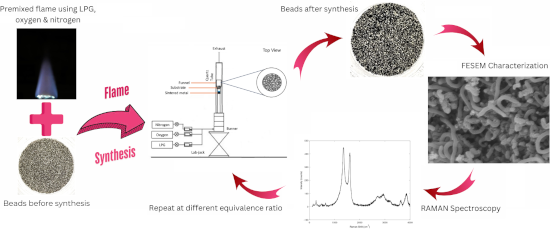
- equivalence ratio of 1.80. As expected, there is large number of CNFs present in the sample, as shown in Figure 8. The fraction of amorphous carbon in this sample is much smaller than that in Figure 7. The flame at 1.80 equivalence ratio ensures a suitable environment for carbon deposition. At higher fuel
- higher-temperature environment, which accelerates the breakdown of hydrocarbon molecules into free carbon atoms. The carbon atoms, in the absence of efficient catalytic activity, aggregate to form amorphous carbon rather than ordered structures such as CNFs as shown in Figure 7a. In contrast, at an
- equivalence ratio of 1.80, despite a higher carbon supply rate, the lower temperature does not sufficiently drive the decomposition reaction, thus providing a more conducive environment for the growth of ordered carbon structures as shown in Figure 8a [30]. The Raman spectra in Figure 9 show the ID and IG



Nanomaterials in targeting amyloid-β oligomers: current advances and future directions for Alzheimer's disease diagnosis and therapy
Beilstein J. Nanotechnol. 2025, 16, 561–580, doi:10.3762/bjnano.16.44
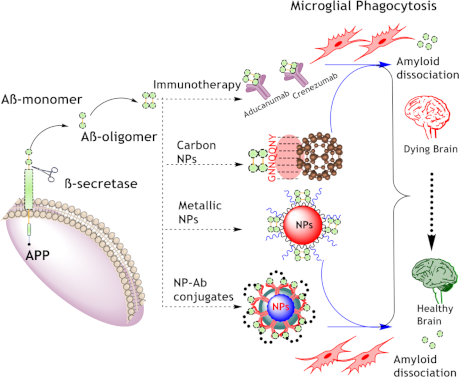
- specificity allow for efficient capture even at low concentrations, crucial in the complex biological environment of the brain. Recent advancements in immunoassay technology have led to the development of ultrasensitive methods for detecting Aβ-derived diffusible ligands (ADDLs) and AβOs. A novel immunoassay





