Search results
Search for "imaging" in Full Text gives 982 result(s) in Beilstein Journal of Nanotechnology. Showing first 200.
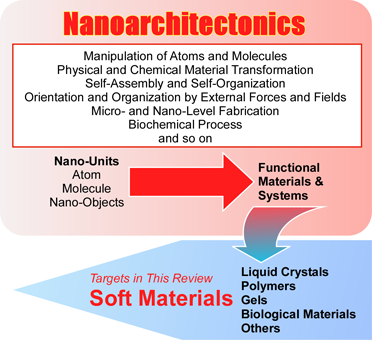
Soft materials nanoarchitectonics: liquid crystals, polymers, gels, biomaterials, and others
Beilstein J. Nanotechnol. 2025, 16, 1025–1067, doi:10.3762/bjnano.16.77


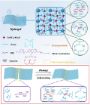




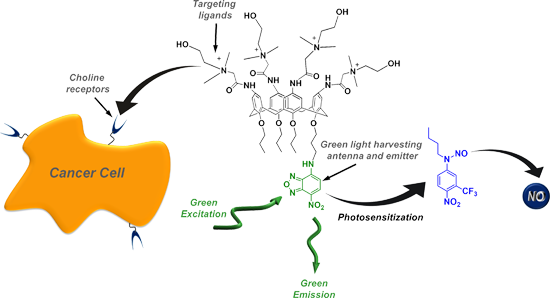
A calix[4]arene-based supramolecular nanoassembly targeting cancer cells and triggering the release of nitric oxide with green light
Beilstein J. Nanotechnol. 2025, 16, 1003–1013, doi:10.3762/bjnano.16.75
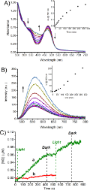
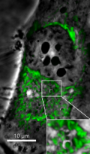
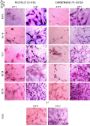
- shown in Figure 2C,D, no fluorescence was detected in HuDe cells, while in MCF7 cells we observed an evident, intense diffuse fluorescence at the cytoplasmatic level. The uptake only in tumor cells suggests the nanoassembly of 1 as a potential new agent for selective tumor cell imaging and nanocarrier


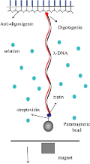
Time-resolved probing of laser-induced nanostructuring processes in liquids
Beilstein J. Nanotechnol. 2025, 16, 968–1002, doi:10.3762/bjnano.16.74
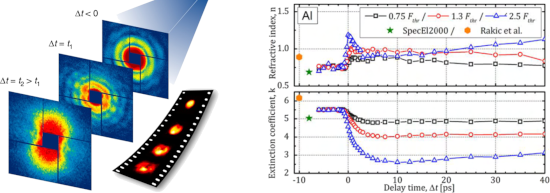
- . Ultrafast time-resolved probing approaches are key to revealing the transient states and pathways that govern material transformation in LSPC. Keywords: electron diffraction; laser processing in liquids; optical imaging; optical spectroscopy; pump–probe; single objects; time-resolved probing; X-ray
- -particle imaging” describes the processes initiated by laser-excitation of an individual NP probed by X-ray scattering up to delay times of a few tens of picoseconds. The second chapter “Structural dynamics in liquids” reports on the application of ultrafast time-resolved electron scattering to investigate
- many setups designed for NP generation by laser ablation in liquid, is probed with optical methods from the picosecond time domain up to the final state in the millisecond domain. Ultrafast light–matter interaction directly observed via single-pulse, single-particle imaging The interaction of intense


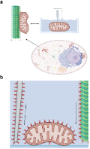
Shape, membrane morphology, and morphodynamic response of metabolically active human mitochondria revealed by scanning ion conductance microscopy
Beilstein J. Nanotechnol. 2025, 16, 951–967, doi:10.3762/bjnano.16.73
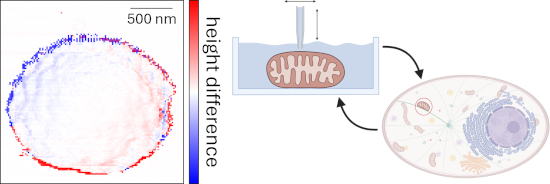
- –sample interaction, often leading to an underestimation of mitochondrial apparent height due to applied cantilever pressure [22][25]. Similarly, scanning electron microscopy (SEM) offers high-resolution imaging but requires mitochondria to be chemically fixed, stained, and sectioned, which precludes the
- significant advance in imaging metabolically active organelles in their native environment with nanometer-scale resolution. The outer mitochondrial membrane appears largely “featureless” and smooth in these measurements. No detectable signatures of porins or other integral membrane proteins, which are present
- trace the nanopipette must have a higher aspect ratio. The assumption that similarly long (hundreds of nanometers) and rigid surface structures could transiently act as a “tip” during imaging (an essential condition for convolution artifacts) is not plausible, particularly when imaging soft biological



Tendency in tip polarity changes in non-contact atomic force microscopy imaging on a fluorite surface
Beilstein J. Nanotechnol. 2025, 16, 944–950, doi:10.3762/bjnano.16.72
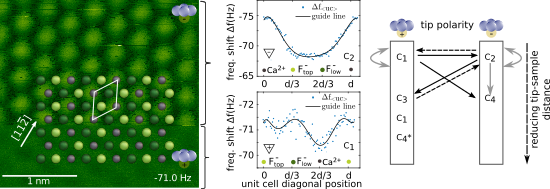
- Bob Kyeyune Philipp Rahe Michael Reichling Institut für Physik, Universität Osnabrück, Barbarastraße 7, 49076 Osnabrück, Germany 10.3762/bjnano.16.72 Abstract We investigate the impact of tip changes on atomic-scale non-contact atomic force microscopy (NC-AFM) contrast formation when imaging a
- -preserving and polarity-changing tip changes can be identified unambiguously. From analyzing a large set of images, we find that the vast majority of tip changes tend to result in negative tip termination. This analysis delivers hints for tip configurations suitable for stable imaging of CaF2(111) surfaces
- . Keywords: atomic resolution imaging; calcium fluoride surface; interaction force; non-contact atomic force microscopy (NC-AFM); tip change; Introduction Non-contact atomic force microscopy (NC-AFM) [1] is a surface science tool that has been used to atomically resolve surfaces of semiconductor and


Structural and magnetic properties of microwave-synthesized reduced graphene oxide/VO2/Fe2O3 nanocomposite
Beilstein J. Nanotechnol. 2025, 16, 921–932, doi:10.3762/bjnano.16.70
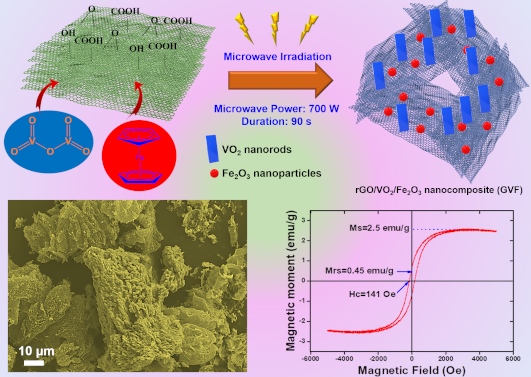
- increased, which would result in a higher concentration of α-Fe2O3 nanoparticles. These composites could be applied in many areas of biomedicine, including contrast agents for MR imaging, cancer theragnostics, and tissue engineering. Conclusion In conclusion, a ternary NC consisting of α-Fe2O3, VO2, and rGO



Focused ion beam-induced platinum deposition with a low-temperature cesium ion source
Beilstein J. Nanotechnol. 2025, 16, 910–920, doi:10.3762/bjnano.16.69
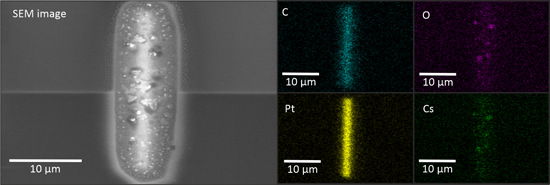
- -cooled ion source (LoTIS) has been developed and characterized [13][14]. Like the Rb+ source, the Cs+ LoTIS has also been incorporated in a standard Ga FIB column. Loeber et al. have shown several advantages of the cold Cs+ FIB in imaging [15] and milling [16] applications over standard Ga+ FIBs
- acceleration voltages of 5, 8, and 16 kV. Deposition rates Deposition rates of Ga+ and Cs+ FIBID-Pt were measured using the dimensions of the cross sections determined via FIB cut and SEM imaging. The deposition rates of Pt on Si (shown in Figure 4) increase with increasing ion current density. This applies to


Characterization of ion track-etched conical nanopores in thermal and PECVD SiO2 using small angle X-ray scattering
Beilstein J. Nanotechnol. 2025, 16, 899–909, doi:10.3762/bjnano.16.68
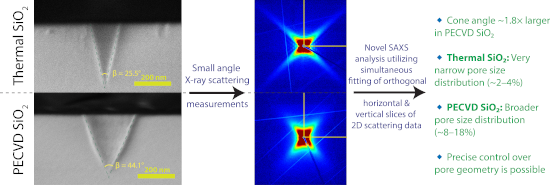
- values result from challenges in precisely defining nanopore boundaries due to charging effects during SEM imaging (see Figure 1). To address this, four cross-sectional measurements were taken across each pore and averaged. The standard deviation of these measurements provides the reported uncertainty
- note that, unless otherwise noted, the nanopore radius or size mentioned throughout this work refers specifically to the radius of the cone base. To overcome the limited sampling of pores in SEM imaging, we complemented the microscopy analysis with small-angle X-ray scattering, which provides
- images do not provide robust statistical information and are prone to measurement errors. Cross-sectional SEM imaging provides limited statistical reliability as the probability of cleaving directly through a nanopore’s central axis is extremely low. This sampling bias introduces significant


Synthesis and magnetic transitions of rare-earth-free Fe–Mn–Ni–Si-based compositionally complex alloys at bulk and nanoscale
Beilstein J. Nanotechnol. 2025, 16, 823–836, doi:10.3762/bjnano.16.62
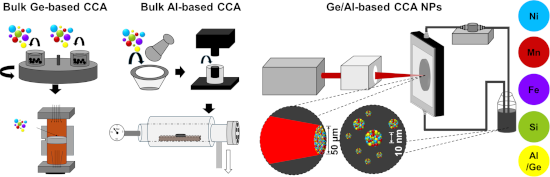
- ), University of Duisburg-Essen, Lotharstr. 1, 47057 Duisburg, Germany GROC·UJI, Institute of New Imaging Technologies, Universitat Jaume I, Av. De Vicent Sos Baynat s/n, 12071 Castellón, Spain 10.3762/bjnano.16.62 Abstract Magnetic phase transitions at the Curie temperature are essential for applications like
- composition. This can be attributed to Mn’s lower ionization potential (7.34 eV) compared to Ge (7.90 eV). Furthermore, HRTEM imaging (Figure S3a, Supporting Information File 1) reveals the formation of a ≈2.5 nm thick oxide shell surrounding the NPs. A line scan analysis (Figure S3b, Supporting Information
- CCAs NPs. Supporting Information Supporting Information File 40: Additional experimental data. Acknowledgements We thank Tobias Bochmann for his help with the SEM imaging and EDX mapping of the Ge- and Al-based CCA targets. We also thank Dr. Alex Aubert for his help performing SPS at Functional


Supramolecular hydration structure of graphene-based hydrogels: density functional theory, green chemistry and interface application
Beilstein J. Nanotechnol. 2025, 16, 806–822, doi:10.3762/bjnano.16.61
- instrument (Jasco). Ultraviolet–visible absorption spectroscopy (UV–vis) and light transmittance spectroscopy were recorded using a V-670 spectrophotometer (Jasco). Microscopic texture and imaging were observed by a stereo zoom microscope (Optika SZM). Agar diffusion assays were used for testing
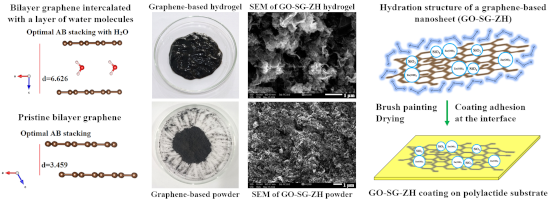
- nanosheets agglomerated and stacked together to form big particles (size of hundreds of micrometers, Figure 3e). The GO-SG-ZH particles had low porosity or small spacing between graphene-based nanosheets (Figure 3f). Besides, the GO-SG-ZH hydrogel was spread on a carbon tape and dehydrated for SEM imaging


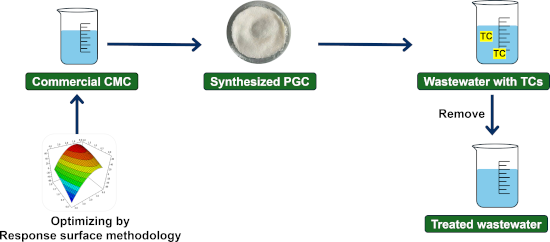
Synthesis of a multicomponent cellulose-based adsorbent for tetracycline removal from aquaculture water
Beilstein J. Nanotechnol. 2025, 16, 728–739, doi:10.3762/bjnano.16.56
- the lateral bonding effect of GA and PVA, as well as the dissolution of cellulose by Zn2+. The rough, wrinkled surface and cracks are likely due to the focused high-energy electron beam during the FE-SEM imaging process [22]. Larger agglomerates, possibly ZnSO4 residues, are also apparent, which


Efficiency of single-pulse laser fragmentation of organic nutraceutical dispersions in a circular jet flow-through reactor
Beilstein J. Nanotechnol. 2025, 16, 711–727, doi:10.3762/bjnano.16.55
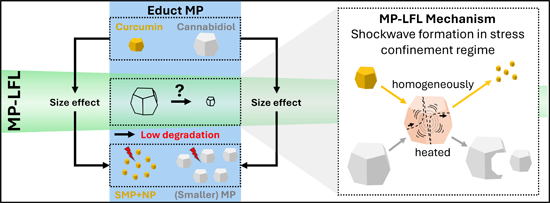
- of the laser fluence and more precise PPV adjustment, allowing for the use of significantly higher concentrations (because of the low liquid layer thickness) [81]. Also, to gain deeper insights into the fragmentation mechanisms of organic MPs, pump–probe microscopy imaging, as already performed for


Nanostructured materials characterized by scanning photoelectron spectromicroscopy
Beilstein J. Nanotechnol. 2025, 16, 700–710, doi:10.3762/bjnano.16.54
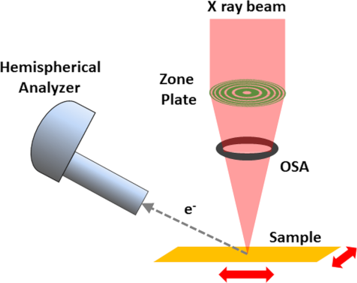
- decades, many characterization tools used to investigate chemical, electronic, or structural properties of materials have been developed or upgraded to match the requirements imposed by nanotechnology. Imaging capabilities covering from meso- to atomic scales, spatially resolved spectroscopies with
- four decades, several important upgrades have spread the original ability of XPS of chemical analysis to include, for instance, band mapping through angle resolved measurements (ARPES), spin detection, and imaging or spectromicroscopy at a nanoscale spatial resolution [9][10]. It is worth noting that
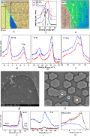
- several improvements have been developed at synchrotron light facilities where unique properties of X-ray radiation can be found. Scanning photoelectron microscopy (SPEM) combines XPS analysis with lateral resolution; chemical imaging as well as XPS spectroscopy at nanoscale sized areas can be performed


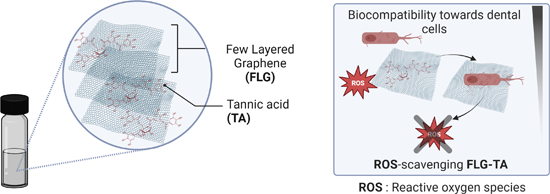
Colloidal few layered graphene–tannic acid preserves the biocompatibility of periodontal ligament cells
Beilstein J. Nanotechnol. 2025, 16, 664–677, doi:10.3762/bjnano.16.51
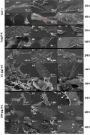
- was used for imaging, using excitation/emission wavelengths of 485/530 nm. DMSO-treated cells served as a control group. All procedures were carried out in darkness to prevent light exposure. The ImageJ software was used to analyze fluorescence intensity in microscopy images. Results are expressed as




Nanoscale capacitance spectroscopy based on multifrequency electrostatic force microscopy
Beilstein J. Nanotechnol. 2025, 16, 637–651, doi:10.3762/bjnano.16.49

- its performance with established techniques through capacitance imaging of a model microcapacitor system and a perfluoroalkyl-alkane F(CF2)14(CH2)20H (F14H20) sample. Theory Multifrequency electrostatic force microscopy The electrostatic force FES between tip and sample can be understood in terms of
- of the long-range interactions from tip cone and cantilever in the C′ signal. Thus, the overall impact of the local surface dielectric properties under the tip apex is reduced as compared to the impact of the dielectric properties probed by tip cone and cantilever (see Figure 3). Imaging C′ versus C
- ″ To demonstrate the capabilities of MFH-EFM as an imaging method, we performed experiments on self-assembled nanostructures consisting of the amphiphilic molecule F14H20 (Figure 7). F14H20 exhibits a strong dipole moment of 3.1 D oriented along the chains consisting of fluorinated and hydrogenated




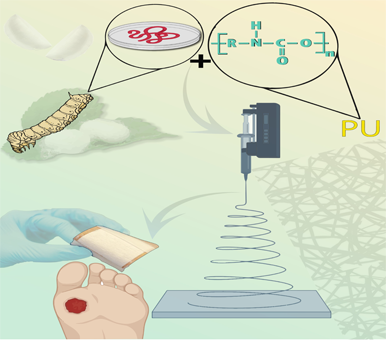
Polyurethane/silk fibroin-based electrospun membranes for wound healing and skin substitute applications
Beilstein J. Nanotechnol. 2025, 16, 591–612, doi:10.3762/bjnano.16.46
- efficiency. In imaging and histological tests, the SF/CS/nHA-BMSC scaffold combined with CGF significantly improved bone repair compared to the control groups [89]. Safdari et al. incorporated ceftazimide (STZ) to develop antibiotic-loaded SF/gelatin nanofibers through electrospinning for wound dressing



Nanomaterials in targeting amyloid-β oligomers: current advances and future directions for Alzheimer's disease diagnosis and therapy
Beilstein J. Nanotechnol. 2025, 16, 561–580, doi:10.3762/bjnano.16.44
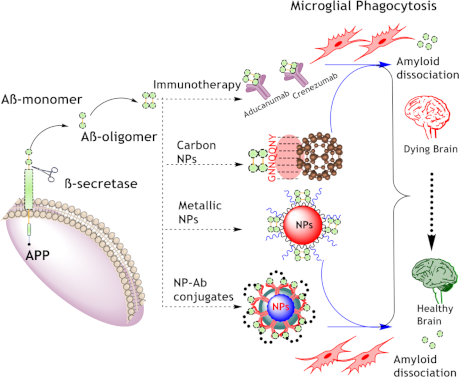
- of AD by targeting AβOs is crucial for improving outcomes. Current imaging methods, such as computed tomography (CT)/positron emission tomography (PET) with FDA-approved 18F-radiotracers (e.g., Amyvid™ and Tauvid™), detect plaques and tau tangles but not AβOs [13]. There is an urgent need for agents
- biosensors for early diagnosis and improving the sensitivity of AβO detection. In imaging, nanoparticles (NPs) can help to visualize localized protein accumulation, complementing existing diagnostic methods. Materials such as carbon-based NMs (e.g., graphene oxide) and metal NPs (e.g., gold and silver
- ) enhance imaging sensitivity because of their distinct electrical or photoluminescent properties. For treatment, NPs can serve as drug carriers, improving delivery across the BBB and reducing side effects. Their large surface area allows for controlled drug release and targeted therapy, enhancing treatment


Functionalized gold nanoflowers on carbon screen-printed electrodes: an electrochemical platform for biosensing hemagglutinin protein of influenza A H1N1 virus
Beilstein J. Nanotechnol. 2025, 16, 540–550, doi:10.3762/bjnano.16.42
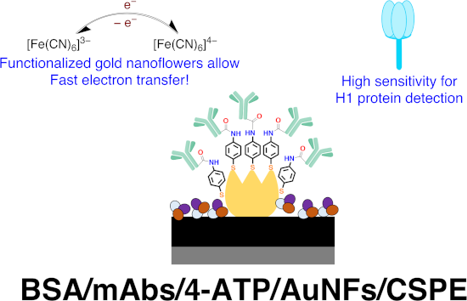
- . DPV measurements were performed with equilibration of 5 s, scanning potential from 0.3 to −0.3 V (vs Ag/AgCl), Estep = 0.01 V, Epulse = 0.086 V, and tpulse = 4 s at a scan rate of 100 mV/s. SEM analysis of AuNFs Prior to SEM imaging, the electrode samples were sputtered with a layer of gold/palladium


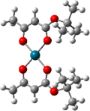
Electron beam-based direct writing of nanostructures using a palladium β-ketoesterate complex
Beilstein J. Nanotechnol. 2025, 16, 530–539, doi:10.3762/bjnano.16.41
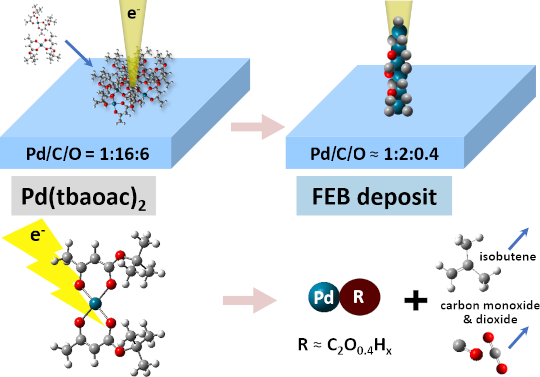
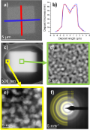
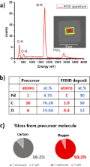
- 0.35 nA. The operating pressure was 1.5 × 10⁻⁵ mbar. Results and Discussion The square deposit, fabricated on the native-oxide Si(100) substrate using a spiral inward scanning strategy, was analyzed to assess its morphology and structure. Secondary electron detection in SEM imaging reveals the
- prepared on an ultrathin carbon support film spanning a lacey carbon membrane (Figure 2c). The deposit appears smeared because of drift caused by charging effects during the deposition process. High-resolution STEM imaging (Figure 2d,e) revealed a granular nanostructure with nanograins of around 2 nm in


Synthetic-polymer-assisted antisense oligonucleotide delivery: targeted approaches for precision disease treatment
Beilstein J. Nanotechnol. 2025, 16, 435–463, doi:10.3762/bjnano.16.34


Biomimetics and bioinspired surfaces: from nature to theory and applications
Beilstein J. Nanotechnol. 2025, 16, 418–421, doi:10.3762/bjnano.16.32

- , substrate compliance, and overall pad geometry. The attachment system of a second stick insect species was structurally investigated by Thomas et al. [4]. This article employed a range of imaging techniques to elucidate the ultrastructure and material composition of the two attachment pad types of this

Size control of nanoparticles synthesized by pulsed laser ablation in liquids using donut-shaped beams
Beilstein J. Nanotechnol. 2025, 16, 407–417, doi:10.3762/bjnano.16.31
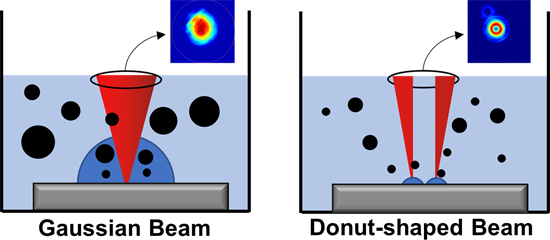
- GROC·UJI, Institute of New Imaging Technologies, Universitat Jaume I, Av. de Vicent Sos Baynat, s/n, 12071 Castellón, Spain 10.3762/bjnano.16.31 Abstract The potential to modify the size distribution of nanoparticles synthesized by pulsed laser ablation in liquids is demonstrated using a donut-shaped
- the donut-shaped laser beam. We performed time-resolved shadowgraph imaging of the laser-induced cavitation bubble, revealing a toroidal structure that overruns the ring-shaped ablation site, compared to the quasi-hemispherical bubble covering the ablation spot produced by the Gaussian beam. Based on


ReactorAFM/STM – dynamic reactions on surfaces at elevated temperature and atmospheric pressure
Beilstein J. Nanotechnol. 2025, 16, 397–406, doi:10.3762/bjnano.16.30
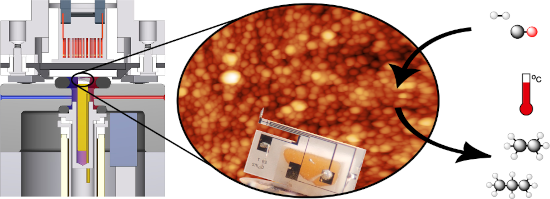
- structure of materials under reaction conditions. We demonstrate this by imaging a Pd(100) single crystal at 450 K with combined AFM/STM. The surface is compared under ultrahigh vacuum and under 0.5 bar O2 pressure showing a notable increase in RMS current, which we attribute to oxidation. Also, we study


Engineered PEG–PCL nanoparticles enable sensitive and selective detection of sodium dodecyl sulfate: a qualitative and quantitative analysis
Beilstein J. Nanotechnol. 2025, 16, 385–396, doi:10.3762/bjnano.16.29
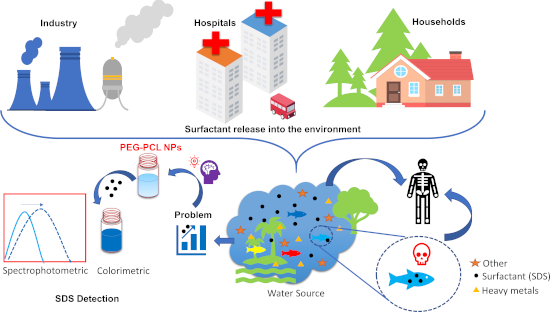
- SDS concentration of 0.1% to 0.00625% for 30 min showed its toxicity in terms of loss of focus, lens transparency, significant increase in lens wet weight, and axial length. Confocal imaging confirmed concentration-dependent mitochondrial loss in the ocular lens [8]. Human exposure to SDS via air was
- delivery, targeting, sensing, and imaging [23]. Also, there are a wide variety of nanoparticles available for desired applications. In the case of detection of contaminants or sensing applications, carbon and metal nanoparticles are mostly preferable [24]. Despite their use, these nanoparticles possess
- nanoparticles is a step ahead of the reported studies. Polymer nanoparticles prepared from PEG–PCL are widely used for drug delivery, tumour targeting, and imaging [28]. To our knowledge, there is no report regarding using PEG–PCL nanoparticles (PEG–PCL NPs) as a contaminant detection system. Accordingly, we


Pulsed laser in liquid grafting of gold nanoparticle–carbon support composites
Beilstein J. Nanotechnol. 2025, 16, 349–361, doi:10.3762/bjnano.16.26
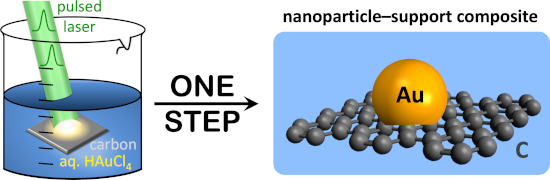
- , rapid, scalable, acid-free process to make carbon fiber paper hydrophilic without destroying the carbon network, as other carbon fiber paper oxidation methods do [22], evident from scanning electron microscopy (SEM) imaging (Figure 2A). Hydrophilicity was achieved by graphitic edge carbon oxygenation