Search results
Search for "light" in Full Text gives 1539 result(s) in Beilstein Journal of Nanotechnology. Showing first 200.
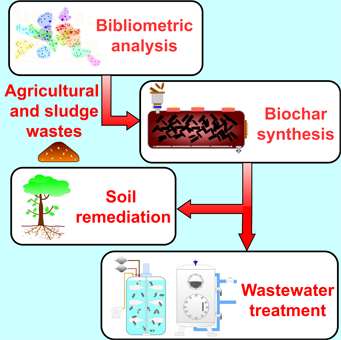
The role of biochar in combating microplastic pollution: a bibliometric analysis in environmental contexts
Beilstein J. Nanotechnol. 2025, 16, 1401–1416, doi:10.3762/bjnano.16.102
- MPs, underscoring the role of treatment facilities as pathways for MP release into aquatic environments [11]. The ecological and human health risks associated with MPs necessitate urgent mitigation strategies. In Yan’an, China, MP pollution loading indices ranged from 1.00 to 2.48, indicating light



Synthesis and antibacterial properties of nanosilver-modified cellulose triacetate membranes for seawater desalination
Beilstein J. Nanotechnol. 2025, 16, 1380–1391, doi:10.3762/bjnano.16.100
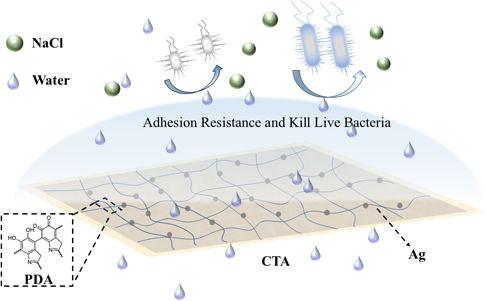
- ) membrane for water desalination. The TiO2-modified membrane demonstrated significant antibacterial activity against Escherichia coli. Under UV light, the survival ratio of bacterial cells reduced to 5% within 4 h; the membrane was completely sterilized within 5 h. This effect is attributed to the
- solution immediately triggered the polymerization of dopamine monomers, accompanied by a color change from light brown to deep brown or black after 24 h, as illustrated in Supporting Information File 1, Figure S2. In this process, the protons generated from the oxidation process are consumed, shifting the
- approximately 78.5 mm2 pieces, which were disinfected with ultraviolet light for 30 min. A lawn of the experimental strain was prepared on NB medium (0.3 wt % beef extract, 0.1 wt % yeast extract, 0.5 wt % peptone, 1% sucrose, and 0.5 wt % NaCl), with an original concentration of 1 × 10⁶ CFU·mL−1 through


Enhancing the therapeutical potential of metalloantibiotics using nano-based delivery systems
Beilstein J. Nanotechnol. 2025, 16, 1350–1366, doi:10.3762/bjnano.16.98
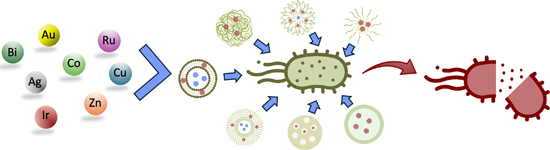
- by dynamic light scattering. The antibacterial activity of these nanoparticles was evaluated against Gram-positive and Gram-negative bacterial strains (S. aureus, S. epidermidis, E. coli, and P. aeruginosa) and compared to the free complex 18. While neither free drug 18 nor the encapsulated
- higher light absorption, and greater photoemission output, resulting in enhanced bactericidal activity against S. aureus (Figure 7). The Ir-complex liposomes interact efficiently with 450 nm LED light, leading to ROS generation and subsequent bacterial inactivation at the site of an infected chronic skin


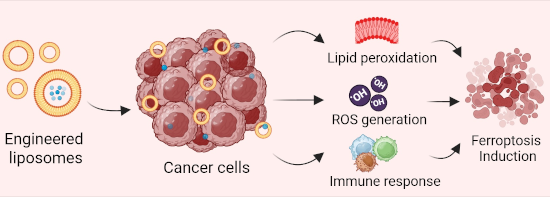
Ferroptosis induction by engineered liposomes for enhanced tumor therapy
Beilstein J. Nanotechnol. 2025, 16, 1325–1349, doi:10.3762/bjnano.16.97
- light scattering (DLS) is commonly used to determine liposome size and size distribution. Transmission electron microscopy (TEM) and atomic force microscopy (AFM) can be used to image liposome morphology and determine lamellarity. Zeta potential measurements assess the surface charge of liposomes, which
- a crucial parameter that influences their biodistribution, cellular uptake, and drug release. DLS is a widely used technique to determine the size distribution of liposomes in solution [110][125]. DLS measures the fluctuations in light intensity generated by the Brownian motion of liposome particles
- liposomes is preserved [110]. The surface charge of liposomes, often expressed as zeta potential, is an important parameter that influences their stability and interaction with biological systems. Electrophoretic light scattering is often used to measure the zeta potential of liposomes [110][125]. Cryo-TEM


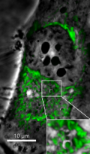
Deep-learning recognition and tracking of individual nanotubes in low-contrast microscopy videos
Beilstein J. Nanotechnol. 2025, 16, 1316–1324, doi:10.3762/bjnano.16.96
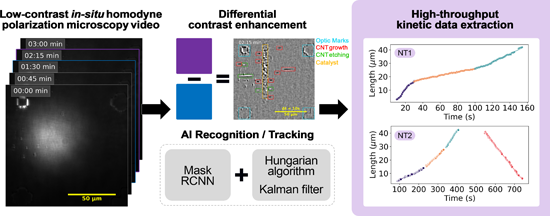
- 400–2000 nm) provided white light excitation across the visible spectrum. Two crossed polarizers were employed, with a polarizer and analyzer used to enhance the scattered field from the nanotubes relative to the stronger reflected field from the substrate. A low-pass optical filter with a cutoff


Wavelength-dependent correlation of LIPSS periodicity and laser penetration depth in stainless steel
Beilstein J. Nanotechnol. 2025, 16, 1302–1315, doi:10.3762/bjnano.16.95
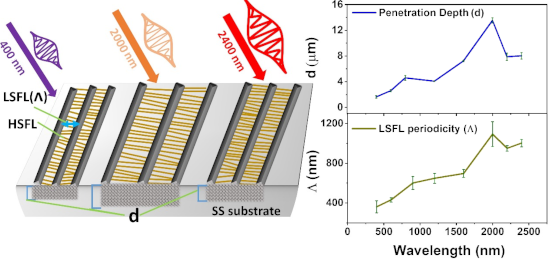
- density coherently oscillates, coupled to both media. Usually, LIPSS formation is a multipulse phenomenon, as pulse after pulse create a different roughness on the surface or feedback mechanism to form certain SPP modes. The interference of incoming light with scattering from the SPP modes can lead to the
- how metal surfaces respond to incident wavelengths [53][54]. This work advances our comprehension of LIPSS structures and their applications, shedding new light on the interplay between incident wavelengths and surface interactions. The paper concludes by emphasizing the importance of optical
- properties, laser parameters, and material characteristics in determining penetration depth, thereby contributing to the broader understanding of light–material interactions. Materials and Methods Materials A double-sided polished stainless steel surface (SS304) with a thickness of 100 µm was utilized




Enhancing the photoelectrochemical performance of BiOI-derived BiVO4 films by controlled-intensity current electrodeposition
Beilstein J. Nanotechnol. 2025, 16, 1289–1301, doi:10.3762/bjnano.16.94
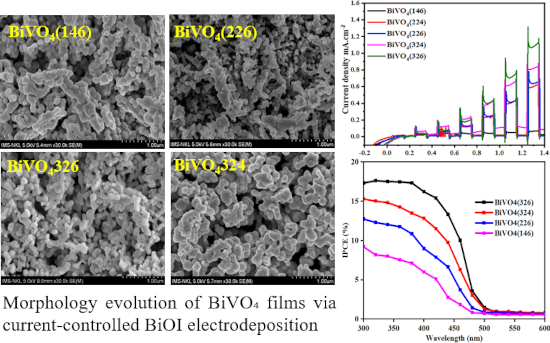
- limited by material challenges, including insufficient light absorption, high electron–hole recombination rates, and poor stability under operating conditions [5][6]. Among various semiconductor materials, bismuth vanadate (BiVO4) has attracted considerable interest due to its strong visible light
- xenon lamp was 300 W (PLS-SXE 300C, 100 mW·cm−2) equipped with an AM1.5G filter to simulate solar light conditions. Linear sweep voltammetry (LSV) measurements were performed by scanning the potential from −0.6 to 1.2 V (vs Ag/AgCl), at a scan rate of 0.05 V·s−1. In the LSV test, the light source
- illuminated the sample from the back of the FTO glass. Under AM1.5G illumination, electrochemical impedance spectroscopy (EIS) measurements were performed at an open-circuit voltage, covering a frequency spectrum from 1 Hz to 10 kHz. Mott–Schottky curves were recorded at a frequency of 1 kHz in a dark light



Acrocomia aculeata oil-loaded nanoemulsion: development, anti-inflammatory properties, and cytotoxicity evaluation
Beilstein J. Nanotechnol. 2025, 16, 1277–1288, doi:10.3762/bjnano.16.93
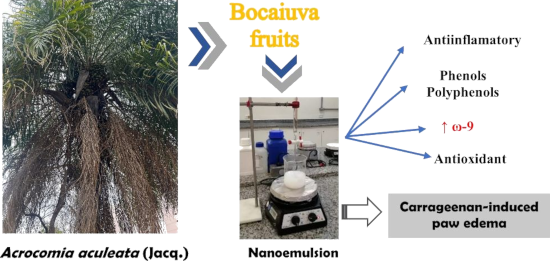
- , maintaining consistent zeta potential and droplet size parameters over a 180-day storage period at 25 ± 2 °C. Dynamic light scattering analysis revealed a mean nanodroplet size (by intensity) of 173.6 ± 0.70 nm (Figure 2A). The nanoemulsion, composed of 0.28 parts of Span 80® and 0.72 parts of Tween 80
- the smallest droplet size was selected as the (HLBr) to emulsify bocaiúva oil [63]. Droplet size and zeta potential Droplet size and polydispersity index (PDI) were measured by dynamic light scattering (DLS) with a Zetasizer Nano-ZS instrument (Malvern, UK). Zeta potential was determined by
- electrophoretic light scattering with a Zetasizer Nano-ZS instrument (Malvern, UK). AANE was diluted with Milli-Q water (1:25, v/v). All measurements were performed in triplicate, and results were presented as the mean ± standard deviation [42]. Shelf stability The selected AANE was transferred to an amber vial


Better together: biomimetic nanomedicines for high performance tumor therapy
Beilstein J. Nanotechnol. 2025, 16, 1246–1276, doi:10.3762/bjnano.16.92
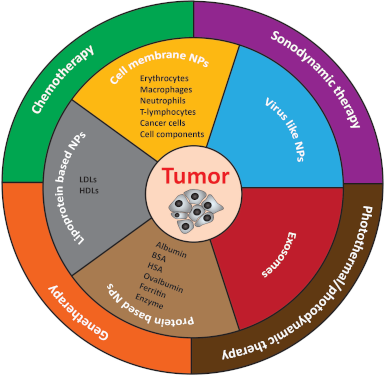
- Photothermal therapy (PTT), a new class of cancer treatment that uses heat absorbed by light-absorbing materials, is a non-invasive method with certain advantages, including reduced toxicity and strong anti-tumor efficacy [163][164][165]. The working principle of PTT is based on the conversion of absorbed
- light energy into heat, resulting in photoablation, which leads to cell damage and death [166]. Overall, PTT presents great potential in improving recovery time and better outcomes in cancer treatment [163][167]. To enhance the therapeutic efficiency of PTT, biomimetic NPs have been developed by
- camouflaging the PTT particles with different cell membranes to allow them to be used in cancer diagnosis and treatment. The biomimetic PTT NPs diffuse into tumor tissues and are engulfed by the cancer cells; then light is applied to heat up the tissue by using PTT, destroying cancer cells. Previously, RBC






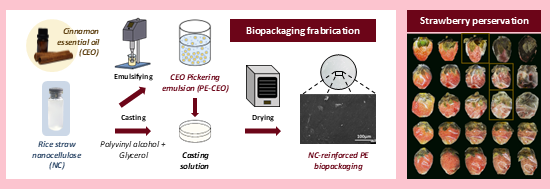
Functional bio-packaging enhanced with nanocellulose from rice straw and cinnamon essential oil Pickering emulsion for fruit preservation
Beilstein J. Nanotechnol. 2025, 16, 1234–1245, doi:10.3762/bjnano.16.91
- UV rays while partially limiting visible light transmission (Figure 4d). This makes rCBP ideal for preserving light-sensitive products such as fruits and vegetables, protecting them from photodegradation and extending their shelf life [24]. This effect can be attributed to the presence of
- were grown in tryptic soy broth and standardized to a concentration of approximately 1.5 × 10⁸ CFU·mL−1 (McFarland 0.5). Prior to analysis, the test films (BP, rBP, and rCBP) were sterilized under UV light for 5 min using a 30 W UVC lamp at a distance of 15 cm. Semicircle biopackaging samples (roughly



Investigation of the solubility of protoporphyrin IX in aqueous and hydroalcoholic solvent systems
Beilstein J. Nanotechnol. 2025, 16, 1209–1215, doi:10.3762/bjnano.16.89
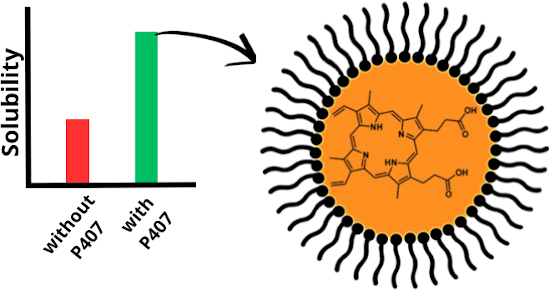
- Michelly de Sa Matsuoka Giovanna Carla Cadini Ruiz Marcos Luciano Bruschi Jessica Bassi da Silva Department of Pharmacy, State University of Maringa, Maringa, PR, Brazil 10.3762/bjnano.16.89 Abstract Photodynamic therapy (PDT) is a non-invasive treatment involving a photosensitizer (PS), light
- suitable light source, and molecular oxygen, generating reactive oxygen species that induce cellular damage [3][4]. Among the PSs used in PDT, protoporphyrin IX (PpIX) stands out as a natural precursor of hemoglobin and porphyrins, exhibiting low toxicity in its monomeric form [5]. When exposed to light
- its bioavailability and light absorption capacity will be increased [5]. To overcome this problem, the development of drug delivery systems, such as poloxamer-based ones, has played an important role on the delivery of dyes for PDT [8][9][10]. Poloxamers are triblock copolymers with thermosensitive


Chitosan nanocomposite containing rotenoids: an alternative bioinsecticidal approach for the management of Aedes aegypti
Beilstein J. Nanotechnol. 2025, 16, 1197–1208, doi:10.3762/bjnano.16.88
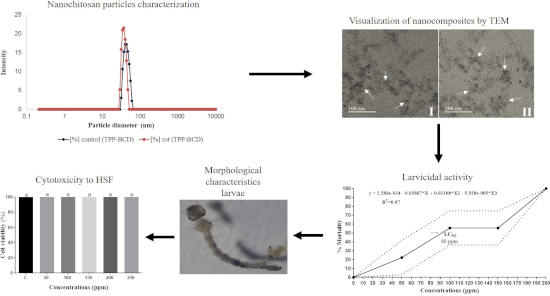
- and UV light exposure, as widely documented in the literature [29]. The analysis of third-instar Ae. aegypti larvae exposed to the nanocomposite CS/TPP–β-CD–rot (Figure 6) revealed notable dose-dependent morphological alterations. From 50 ppm onwards, the appearance of abnormal excretion in the anal
- , controls), while the other corresponded to nanocomposites containing rotenoids (CS/TPP rot and CS/TPP–β-CD rot). Size, polydispersity, and zeta potential The average size (in nm) and PDI of the nanoparticles were measured using dynamic light scattering (DLS) on the Litesizer DLS 500 instrument (Anton Paar



Electronic and optical properties of chloropicrin adsorbed ZnS nanotubes: first principle analysis
Beilstein J. Nanotechnol. 2025, 16, 1184–1196, doi:10.3762/bjnano.16.87
- for applications ranging from ultraviolet light-emitting diodes and injection lasers to flat-panel displays and sensors [15][16][17][18][19]. ZnS, a promising transition metal chalcogenide with a wide bandgap of approximately 3.7 eV, has shown remarkable potential in gas sensing applications
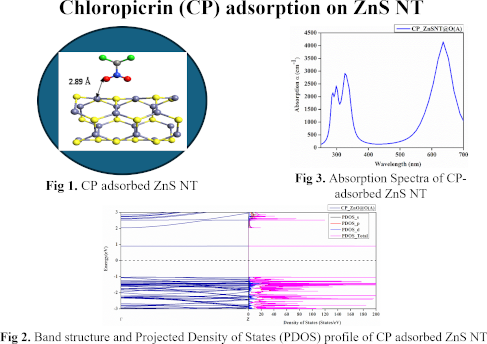
- optical properties of the ZnS NT without and with molecular adsorption, we calculated the absorption coefficient (α) and optical conductivity σ, which can be obtained by the following formulas [21]: where ω is the angular frequency of light, ε1 and ε2 are real and imaginary parts of the complex
- permittivity, n is the refractive index of the materials, and c is the speed of light. The fundamental part of the optical conductivity is related to light absorption, while the imaginary part is associated with the dispersion. Results and Discussion Structural analysis The optimized geometry of the armchair


Mechanical stability of individual bacterial cells under different osmotic pressure conditions: a nanoindentation study of Pseudomonas aeruginosa
Beilstein J. Nanotechnol. 2025, 16, 1171–1183, doi:10.3762/bjnano.16.86
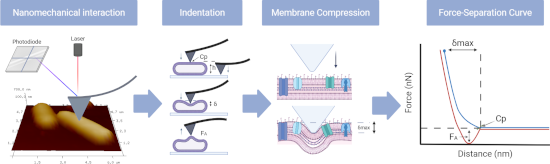
- . Using forward light scattering experiments, Çetiner et al. reported that the time required for PA to reach an equilibrium state after osmolyte release when exposed to drastic osmotic downshocks was about 150 ms [14]. In our experiments, PA was tested in different conditions after the solution was


Crystalline and amorphous structure selectivity of ignoble high-entropy alloy nanoparticles during laser ablation in organic liquids is set by pulse duration
Beilstein J. Nanotechnol. 2025, 16, 1141–1159, doi:10.3762/bjnano.16.84




Deep learning for enhancement of low-resolution and noisy scanning probe microscopy images
Beilstein J. Nanotechnol. 2025, 16, 1129–1140, doi:10.3762/bjnano.16.83
- ), marked with the white square in the full image. The light blue scale bar in the top-left image corresponds to 0.9 and 0.23 μm on full image and detail, respectively. The red arrows highlight the AFM artifacts, that is, “streaks” in the GT image that may be attenuated in the traditional bilinear method
- pixels for low and high resolution, respectively) is displayed along with a corresponding zoom (20 × 20 and 80 × 80 pixels for low and high resolution, respectively) below it (Detail), marked with the white square in the full image. The light blue scale bar in the top-left image corresponds to 0.9 and
- ensure that the survey takers could zoom-in to properly assess the results. The left most image is the ground truth image, and the images labeled 1, 2, and 3 are the shuffled outputs of the algorithms used (bicubic interpolation, RCAN, and RDN). The light blue scale bar on left image corresponds to 0.9


Towards a quantitative theory for transmission X-ray microscopy
Beilstein J. Nanotechnol. 2025, 16, 1113–1128, doi:10.3762/bjnano.16.82
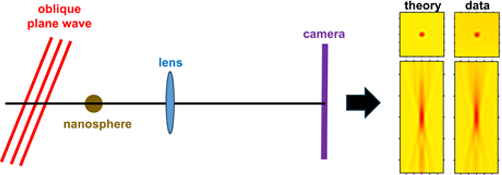
- , including that imaging is incoherent and that only the absorption component β of the sample’s refractive index needs to be considered. The latter assumption means that light rays traversing the sample follow Beer’s law of absorption, and so we refer to this model as the incoherent Beer’s law (inc-BL) model
- the parabolic wave equation to propagate light through a sample that was defined by its 3D distribution of complex refractive indices, thereby accounting for both the absorption and phase properties of the sample. We refer to this model as the partially coherent, parabolic-wave-equation (pc-PWE) model
- . In the current study, we continue this effort toward further development of 3D models for TXMs. First, we introduce Mie theory as an alternate approach for light propagation through the sample. Mie theory provides an exact solution to Maxwell’s equations but limited to spheres of known refractive



Influence of ion beam current on the structural, optical, and mechanical properties of TiO2 coatings: ion beam-assisted vs conventional electron beam evaporation
Beilstein J. Nanotechnol. 2025, 16, 1097–1112, doi:10.3762/bjnano.16.81
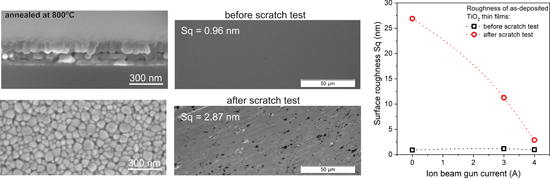
- showed that the annealed film was composed of big, elongated grains with a length from 160 to 350 nm (Figure 3a). It is worth noting that the coatings had a milky color. This was probably the result of the size of grains, which could lead to a significant scattering of light. In contrast, the use of the
- light transmission spectra (Figure 4), all as-deposited coatings had high transparency, ranging from 77% to 83%. The average transparency of the thin films in the visible wavelength range was calculated taking into account the integral of the transmission coefficient in the wavelength range of 380 to
- 750 nm. The light transmission level for TiO2 films deposited by the EBE method was 82.5%, at average, while for films prepared with Iibg of 3 A and 4 A, the transparency was 82.9% and 76.8%, respectively (Figure 4d). For a coating deposited using the conventional EBE method, annealing resulted in a




Fabrication of metal complex phthalocyanine and porphyrin nanoparticle aqueous colloids by pulsed laser fragmentation in liquid and their potential application to a photosensitizer for photodynamic therapy
Beilstein J. Nanotechnol. 2025, 16, 1088–1096, doi:10.3762/bjnano.16.80
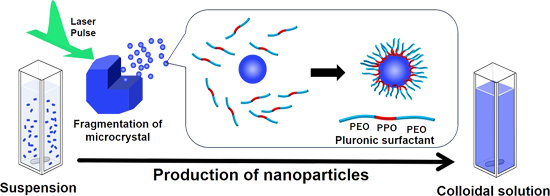
- fragmentation in liquids; reactive oxygen species generation; Introduction Porphyrins and phthalocyanines (Pcs), exhibiting intense absorption in the visible to near-infrared (NIR) regions, are well studied as photosensitizers in photodynamic therapy (PDT) [1]. Especially, Pcs absorb strongly light in the
- within the nanoparticles. The hydrodynamic diameter of the colloidal dispersion was examined by dynamic light scattering (DLS) measurements, and the Z-average value was 96 nm (see Figure S2, Supporting Information File 1). The fabricated nanoparticles remained stably dispersed over a period of one month
- least no organic compounds with absorption in the visible and NIR regions were formed as degradation products. Furthermore, since phthalocyanines and porphyrins are molecules with excellent light and heat resistance, molecular degradation was considered negligible in this study. To evaluate the


Single-layer graphene oxide film grown on α-Al2O3(0001) for use as an adsorbent
Beilstein J. Nanotechnol. 2025, 16, 1082–1087, doi:10.3762/bjnano.16.79
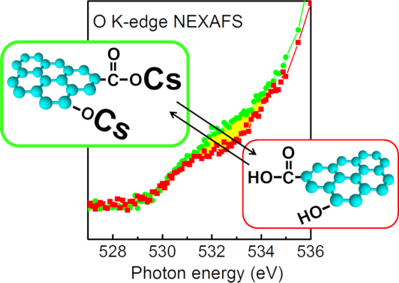
- to 70 wt %, from the XPS analysis based on the peak intensity ratio between C 1s and Cs 3d. This value is considerably higher than that of existing adsorbents, including zeolite (189 mg·g−1) [32][33][34]. GO is comprised of light elements, which results in a significantly high calculated adsorption


Piezoelectricity of hexagonal boron nitrides improves bone tissue generation as tested on osteoblasts
Beilstein J. Nanotechnol. 2025, 16, 1068–1081, doi:10.3762/bjnano.16.78
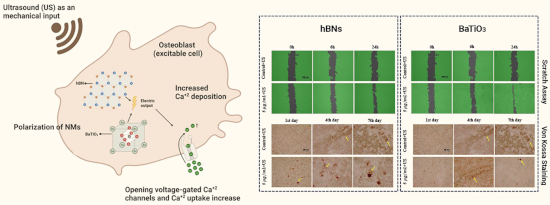
- -Vis-NIR) measured optical properties across the 200–800 nm range, while dynamic light scattering (DLS, Malvern Panalytical) provided data on hydrodynamic size and zeta potential after dispersing 1 mg of material in 1 mL of deionized water and sonicating for 30 min. Finally, piezoresponse force
- inverted light microscope to observe the scratch closure (cellular migration). These images were analyzed using the Wound Healing Image Analysis Platform (Wimasis) and the ImageJ software, and the percent scratch closure was calculated. Von Kossa staining assay To estimate the influence of NMs and US
- NMs, 5% silver nitrate solution was added to each well and exposed to UV light for 50 min. Afterward, the cells were washed with diH2O three times, and 5% sodium thiosulfate solution was added to each well to stop the reaction. After 3 min, the cells were rinsed under running tap water for 1 min and


Soft materials nanoarchitectonics: liquid crystals, polymers, gels, biomaterials, and others
Beilstein J. Nanotechnol. 2025, 16, 1025–1067, doi:10.3762/bjnano.16.77
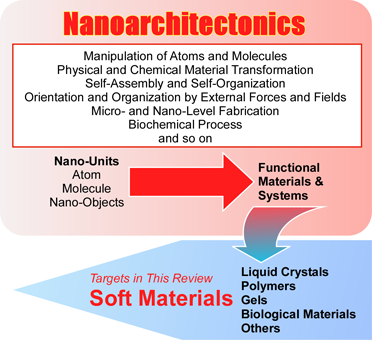
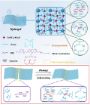
- also illustrate the potential applications, including organic semiconductor devices, electrochemical catalysts, thin-film sensors, solar energy generation, plastic crystal electrolytes, microactuators, smart light-responsive materials, self-repairing materials, enzyme cascade sensors, healing materials
- electronic devices, including thin-film field-effect transistors, light-emitting diodes and solar cells, represents a promising avenue of research. Four liquid crystal compounds were synthesized by Seki et al., incorporating phenyl terthiophene-extended π-conjugation and chiral, branched alkoxy chains
- is advantageous in terms of functionality, as it enables the generation of multiple types of information simultaneously without the need for direct contact. When linearly polarized light is applied, the excitation of condensed molecules can be directional. The orientation of molecules can be induced






A calix[4]arene-based supramolecular nanoassembly targeting cancer cells and triggering the release of nitric oxide with green light
Beilstein J. Nanotechnol. 2025, 16, 1003–1013, doi:10.3762/bjnano.16.75
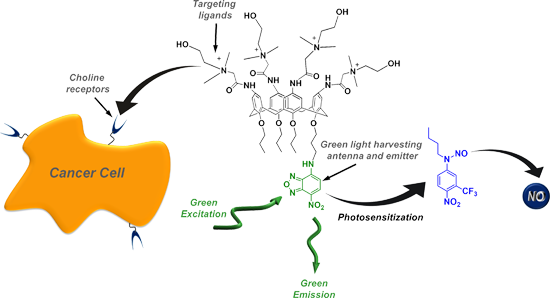
- cancer cells that overexpress the choline transporters, and it can be visualized thanks to the fluorescent tag. The fluorogenic unit also acts as a green light harvesting center, making the nanoassembly a photo-nanoreactor able to encapsulate a hydrophobic nitric oxide (NO) photodonor, otherwise
- activatable with blue light, and encouraging the NO release with the more biocompatible green light probably by an intra-cage photoinduced electron transfer. Keywords: calixarenes; cell targeting; fluorescence; light; nitric oxide; Introduction Calix[n]arenes are a family of polyphenolic macrocycles
- ][27][28][29][30][31][32][33][34][35][36]. The strict dependence of the NO effects on site and doses [37] has made NO generation accurately controlled by light stimuli through suitable NO photodonors (NOPDs) a hot topic in the emerging area of photopharmacology [38][39]. Many molecular systems


Time-resolved probing of laser-induced nanostructuring processes in liquids
Beilstein J. Nanotechnol. 2025, 16, 968–1002, doi:10.3762/bjnano.16.74
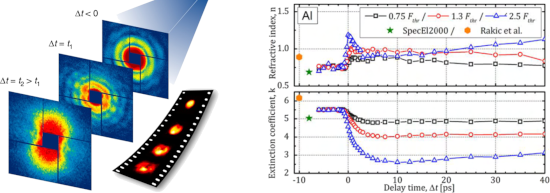
- , we describe structural pathways for particle generation, fragmentation, and energy coupling to the liquid environment to establish a mechanistic knowledge of fundamental and applied processes. The first chapter entitled “Ultrafast light–matter interaction directly observed via single-pulse, single
- many setups designed for NP generation by laser ablation in liquid, is probed with optical methods from the picosecond time domain up to the final state in the millisecond domain. Ultrafast light–matter interaction directly observed via single-pulse, single-particle imaging The interaction of intense
- in aqueous solutions via laser pulse exposures [1][59], demonstrating practical applications and underscoring the need for deeper insights into non-equilibrium light–matter interactions. Experimental approaches to uncover the underlying reaction kinetics of such complex interactions have been diverse


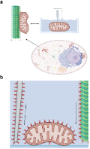
Shape, membrane morphology, and morphodynamic response of metabolically active human mitochondria revealed by scanning ion conductance microscopy
Beilstein J. Nanotechnol. 2025, 16, 951–967, doi:10.3762/bjnano.16.73
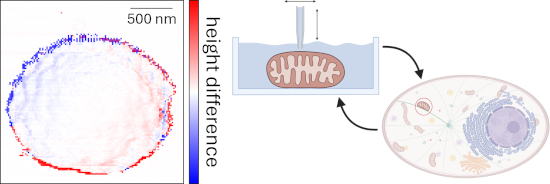
- Eric Lieberwirth Anja Schaeper Regina Lange Ingo Barke Simone Baltrusch Sylvia Speller Institute of Physics, University of Rostock, 18059 Rostock, Germany Department of Life, Light and Matter, University of Rostock, 18059 Rostock, Germany Institute of Medical Biochemistry and Molecular Biology
- specific proteins of the outer mitochondrial membrane, may shed light on the mechanisms underlying this phenomenon. Experimental Cell culture, isolation protocol, and viability measurements HeLa cells [54][55] (CCL™), obtained from ATTC, were cultured and harvested in Dulbecco’s modified eagle medium (DMEM
- ) Collaborative Research Centre (CRC) 1477 “Light-Matter Interactions at Interfaces”, project number 441234705 and the CRC 1270/2 “Electrically Active Implants”, project number 299150580.