Search results
Search for "metal oxide" in Full Text gives 288 result(s) in Beilstein Journal of Nanotechnology. Showing first 200.
Direct observation of the Si(110)-(16×2) surface reconstruction by atomic force microscopy
Beilstein J. Nanotechnol. 2020, 11, 1750–1756, doi:10.3762/bjnano.11.157
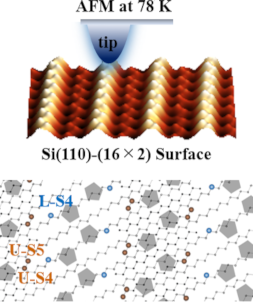
- high-performance metal–oxide–semiconductor field-effect transistors (p-MOSFETs) [1][2] because the hole mobility of Si(110) is twice that of the other Si planes [3]. For surface science research, Si(110) has been used as a template substrate for self-assembled nanowires [4][5][6], nanomeshes [7], and



Oxidation of Au/Ag films by oxygen plasma: phase separation and generation of nanoporosity
Beilstein J. Nanotechnol. 2020, 11, 1608–1614, doi:10.3762/bjnano.11.143
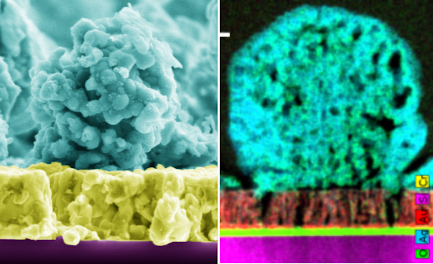
- film can be explained by the Kirkendall effect [24]. More precisely, as silver diffuses out of the alloy film, vacancies are injected into the metal/oxide interface and migrate within the fast-diffusing medium (represented here by the metal alloy in Figure 8c). As the oxidation process evolves


Cu2O nanoparticles for the degradation of methyl parathion
Beilstein J. Nanotechnol. 2020, 11, 1546–1555, doi:10.3762/bjnano.11.137
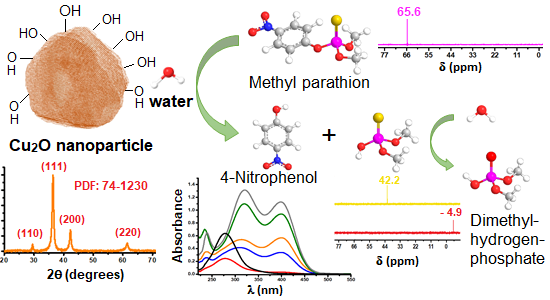
- alkaline in aqueous medium. Thus, Cu2O is a basic metal oxide. Similarly, as the NP size decreases the surface-to-volume ratio increases. A higher surface area implies a higher amount of hydroxy groups [47][48] and, hence, a higher basicity. MP degradation can be further extended to different metal oxides


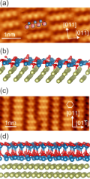
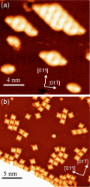
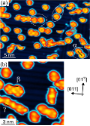
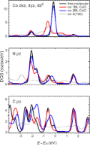
Adsorption and self-assembly of porphyrins on ultrathin CoO films on Ir(100)
Beilstein J. Nanotechnol. 2020, 11, 1516–1524, doi:10.3762/bjnano.11.134
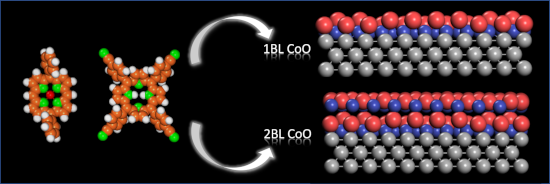
- investigation of the structure and binding of porphyrins on semiconducting and, notably, metal oxide surfaces remains scarce [3][4][5][6][7][8][9][10][11][12][13]. We chose here to investigate two different porphyrins on thin films of cobalt(II) oxide (CoO). Cobalt(II) oxide not only is a semi-conducting oxide




Antimicrobial metal-based nanoparticles: a review on their synthesis, types and antimicrobial action
Beilstein J. Nanotechnol. 2020, 11, 1450–1469, doi:10.3762/bjnano.11.129

- agents. Although the most studied nanoparticles with antimicrobial properties are metallic or metal-oxide nanoparticles, other types of nanoparticles, such as superparamagnetic iron-oxide nanoparticles and silica-releasing systems also exhibit antimicrobial properties. Finally, since the quantification
- -based NPs have demonstrated antimicrobial activity over the last years. Several metal and metal oxide NPs, such as silver, copper, zinc oxide, titanium oxide, copper oxide, and nickel oxide NPs, are known to display antimicrobial activity [15][16][17] that depends on their composition, surface
- particle sizes, are listed in Table 2. The atomic layer deposition method is employed to grow metal oxide and metallic three-dimensional nanostructures using porous alumina membranes [41], electrostatically spun nanofibers [39][40] or electrosprayed spherical particles [38] as templates. As Figure 1 shows


Influence of the magnetic nanoparticle coating on the magnetic relaxation time
Beilstein J. Nanotechnol. 2020, 11, 1207–1216, doi:10.3762/bjnano.11.105
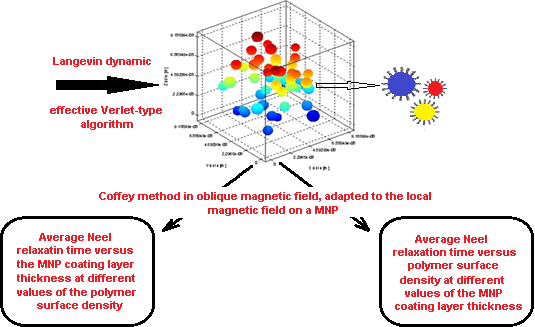
- sol–gel process, yielding metal-oxide nanoparticles dispersed in a mesoporous matrix. [5]. Other methods used for synthesising these nanoparticles include modifications of the sol–gel method. These methods involve supercritical conditions, such as ethyl alcohol and alkaline co-precipitation, and an


Photothermally active nanoparticles as a promising tool for eliminating bacteria and biofilms
Beilstein J. Nanotechnol. 2020, 11, 1134–1146, doi:10.3762/bjnano.11.98
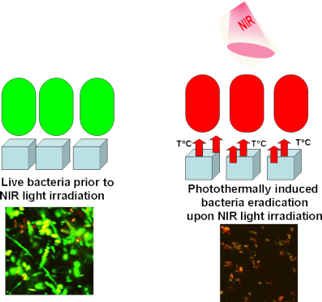
- materials, nanoscale metal chalcogenides (Cu2−xE, E = S, Se, Te), transition metal dichalcogenide nanostructures (e.g., WS2, MoS2), metal-oxide nanoparticles (e.g., WO3), and nanoscale coordination compounds (e.g., Prussian blue nanoparticles) [33][36][37][38]. The photothermal properties of these


Gram-scale synthesis of splat-shaped Ag–TiO2 nanocomposites for enhanced antimicrobial properties
Beilstein J. Nanotechnol. 2020, 11, 1119–1125, doi:10.3762/bjnano.11.96

- multidrug-resistant bacterial strains. In this regard, metal-oxide-based antibacterial nanomaterials have received potential research interest due to the efficient prevention of microorganism growth. In this study, splat-shaped Ag–TiO2 nanocomposites (NCs) were synthesized on the gram scale and the enhanced
- . Particularly, metal and metal-oxide-based disinfectants containing inorganic nanoparticles (NPs) have been broadly used since they simultaneously reduce the toxicity risk related to the organic materials and control the bacterial resistance against antibiotics [8]. Among the various types of nanomaterials


Microwave-induced electric discharges on metal particles for the synthesis of inorganic nanomaterials under solvent-free conditions
Beilstein J. Nanotechnol. 2020, 11, 1019–1025, doi:10.3762/bjnano.11.86
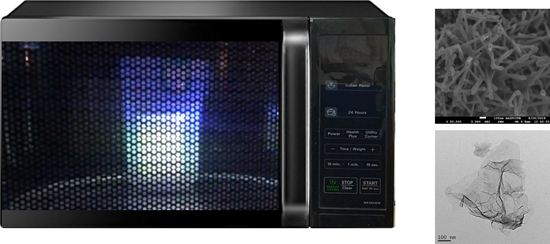
- growth promoter. Typically, a mixture of activated metal (100 mg), sulfur powder (25 mg) and g-C3N4 (50 mg) were added to a Teflon beaker and irradiated with microwaves. It is important to note that in the absence of carbon (graphite/g-C3N4), the arc synthesis yielded a mixture of metal and metal oxide


Atomic layer deposition for efficient oxygen evolution reaction at Pt/Ir catalyst layers
Beilstein J. Nanotechnol. 2020, 11, 952–959, doi:10.3762/bjnano.11.79
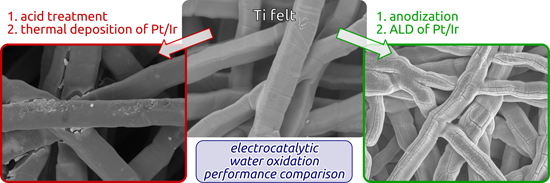
- this, a Pt/Ir mixture can be deposited along the TiO2 tube walls by atomic layer deposition (ALD). Energy-dispersive X-ray analysis confirms the presence of all elements expected (Figure 3d). The metallic nature of the ALD deposits, the lack of any segregation between Pt and Ir, and the metal oxide


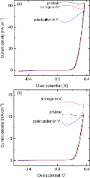
Effect of Ag loading position on the photocatalytic performance of TiO2 nanocolumn arrays
Beilstein J. Nanotechnol. 2020, 11, 717–728, doi:10.3762/bjnano.11.59
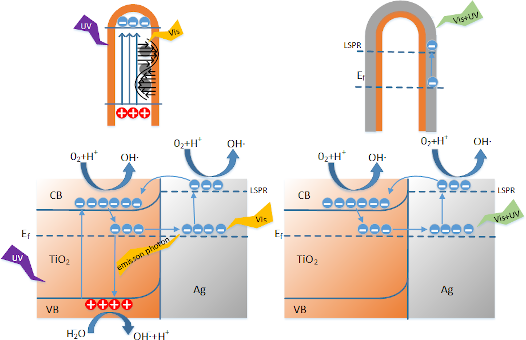
- surface active sites [11][12]. In addition, TiO2 combined with noble metal (e.g., Au, Ag, Pt), nanostructured to form a metal–oxide structure, has been shown to greatly improve the catalytic efficiency of the material [13]. When excited by light, noble metal nanoparticles can exhibit surface plasmon


Exfoliation in a low boiling point solvent and electrochemical applications of MoO3
Beilstein J. Nanotechnol. 2020, 11, 662–670, doi:10.3762/bjnano.11.52
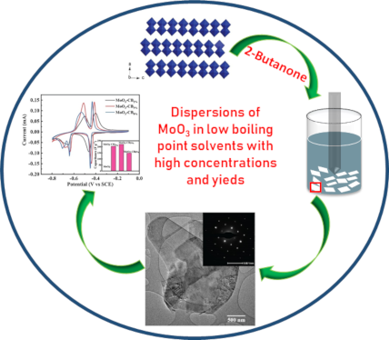
- Matangi Sricharan Bikesh Gupta Sreejesh Moolayadukkam H. S. S. Ramakrishna Matte Energy Materials Laboratory, Centre for Nano and Soft Matter Sciences, Jalahalli, Bengaluru 560013, India 10.3762/bjnano.11.52 Abstract MoO3 is a versatile two-dimensional transition metal oxide having applications



Preparation, characterization and photocatalytic performance of heterostructured CuO–ZnO-loaded composite nanofiber membranes
Beilstein J. Nanotechnol. 2020, 11, 631–650, doi:10.3762/bjnano.11.50
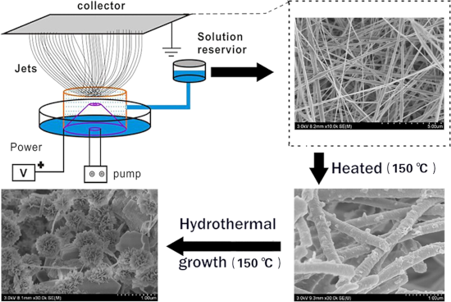
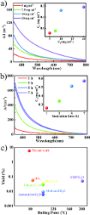
- , photocatalytic purification might become the main means for the treatment of water and air pollutants [4]. Photocatalytic reactions on metal oxide semiconductors can degrade many pollutants and are, thus, of great interest [5]. Photogenerated charge carriers formed through bandgap excitation can reduce or
- using cathodic co-electrodeposition and observed their photocatalytic performance. Fierro et al. [25] synthesized CuO–ZnO composite catalysts by temperature-programmed reduction and applied them in photocatalytic degradation. Nanocomposites loaded with metal oxide semiconductors have excellent optical
- characteristics, such as high surface area, good thermal stability, and excellent mechanical properties [32][33]. CNFs loaded with metal oxide nanoparticles have attracted a great deal of attention regarding the photocatalytic purification of water. He et al. [34] fabricated porous graphene/TiO2 CNFs by














High dynamic resistance elements based on a Josephson junction array
Beilstein J. Nanotechnol. 2020, 11, 417–420, doi:10.3762/bjnano.11.32
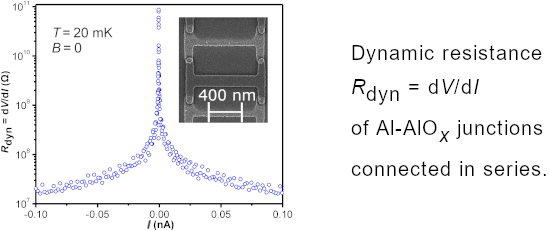
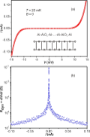
- is compared to values of ≈100 MW for conventional semiconductor complementary metal–oxide-semiconductor (CMOS) technology. In addition to heat dissipation, another issue is the speed of processing. It has been shown that the operational frequency of superconducting logic can be at least 100 times

Nanosecond resistive switching in Ag/AgI/PtIr nanojunctions
Beilstein J. Nanotechnol. 2020, 11, 92–100, doi:10.3762/bjnano.11.9
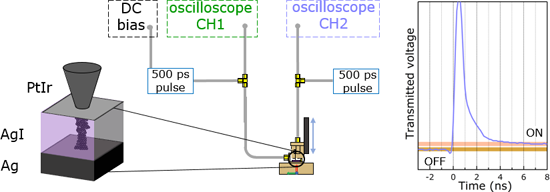
- ; nanosecond operation; resistive switching; silver iodide (AgI); Introduction The half a century long increase of the computational capacity of von Neumann architectures built on ever-shrinking complementary metal-oxide semiconductor (CMOS)-based hardware units is facing its technological, economical and
- tasks of information processing. As an example, large crossbar arrays of transition-metal-oxide-based filamentary RRAM devices operated in the metallic conductance regime of 102–104Ω have been successfully utilized recently to perform various linear operations relying on hardware-implemented vector



Synthesis of amorphous and graphitized porous nitrogen-doped carbon spheres as oxygen reduction reaction catalysts
Beilstein J. Nanotechnol. 2020, 11, 1–15, doi:10.3762/bjnano.11.1

- similar conducting carbon core as investigated in the present study, and their performance as ORR catalysts [34][35]. For these systems, which turned out to be promising ORR catalysts, we found that nitriding the metal-oxide shell concomitantly results in drastic structural changes and nitriding of the





Synthesis and acetone sensing properties of ZnFe2O4/rGO gas sensors
Beilstein J. Nanotechnol. 2019, 10, 2516–2526, doi:10.3762/bjnano.10.242
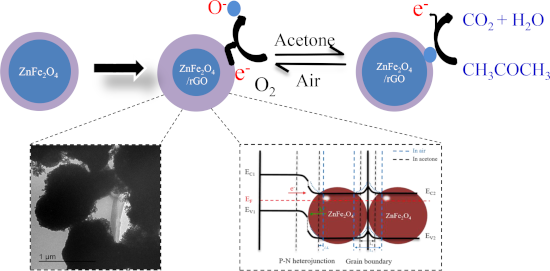
- concentration. Due to their excellent properties and cost efficiency, gas sensors based on metal oxide semiconductors, such as ZnO [5], SnO2 [6], WO3 [7], TiO2 [8], Er-SnO2 [9], Au-In2O3 [10], GO-WO3 [11] and Ni-SnO2/G [12] have been widely studied until now. However, their sensing properties regarding low
- amounts of acetone still need to be enhanced. As a dual metal oxide, AB2O4 spinel materials received much attention in the field of gas sensing [13][14]. With a unique spinel structure and a narrow bandgap width (≈1.94 eV), zinc ferrite (ZnFe2O4) has remarkable properties and shows good potential in the




Deterministic placement of ultra-bright near-infrared color centers in arrays of silicon carbide micropillars
Beilstein J. Nanotechnol. 2019, 10, 2383–2395, doi:10.3762/bjnano.10.229
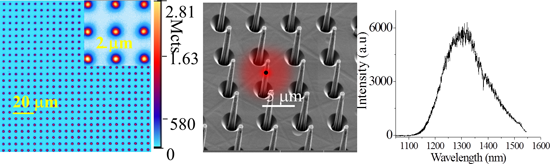
- platform for the integration of these quantum systems in large-scale complementary metal-oxide semiconductor (CMOS)-compatible wafers. Also, SiC is suitable for nanofabrication [18][19], and can be controlled through its electronic and piezoelectric properties. Further, it has great potentials for


Multiwalled carbon nanotube based aromatic volatile organic compound sensor: sensitivity enhancement through 1-hexadecanethiol functionalisation
Beilstein J. Nanotechnol. 2019, 10, 2364–2373, doi:10.3762/bjnano.10.227
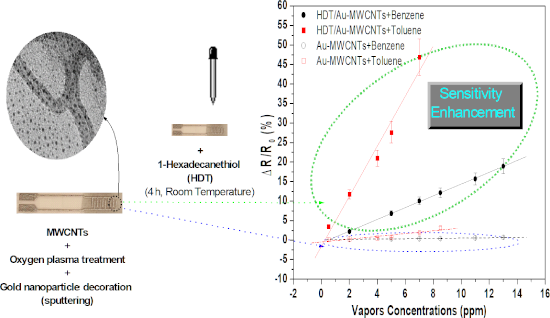
- they are strong covalent (chemisorption) or weak (physisorption), highly impact the sensor performance, that is, the sensitivity, response and recovery time, and detection range. Unlike metal-oxide-based gas sensors, CNT-based sensors operate at room temperature (low activation energy) and can



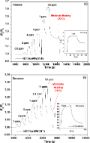



Targeted therapeutic effect against the breast cancer cell line MCF-7 with a CuFe2O4/silica/cisplatin nanocomposite formulation
Beilstein J. Nanotechnol. 2019, 10, 2217–2228, doi:10.3762/bjnano.10.214
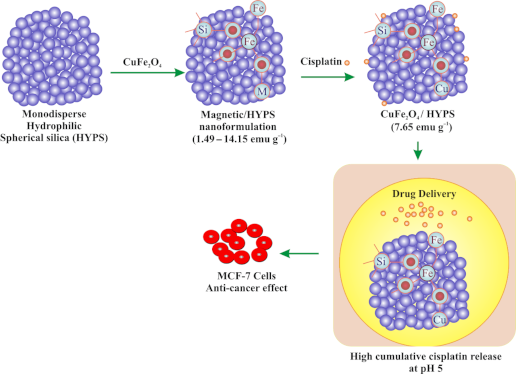
- layers in the mixed metal oxide spinel composite. CuFe2O4 composite formation with activated carbon was reported using the co-precipitation technique [12][13]. Herein, we have prepared a nanocomposite comprised of CuFe2O4 and monodispersed spherical hydrophilic silica (HYPS) particles (Scheme 1) for
- consistent with the TEM analysis. For the copper ferrite nanoparticles, a homogeneous mixed metal oxide formation occurs as a major proportion coexisting with Cu nanoclusters (Supporting Information File 1, Figure S1). The magnetic properties of CuFe2O4/HYPS nanocomposites were measured using VSM (Figure 5


Nitrogen-vacancy centers in diamond for nanoscale magnetic resonance imaging applications
Beilstein J. Nanotechnol. 2019, 10, 2128–2151, doi:10.3762/bjnano.10.207


Facile synthesis of carbon nanotube-supported NiO//Fe2O3 for all-solid-state supercapacitors
Beilstein J. Nanotechnol. 2019, 10, 1923–1932, doi:10.3762/bjnano.10.188
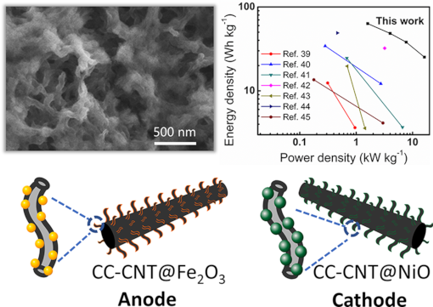
- carbon cloth–carbon nanotube@metal oxide (CC-CNT@MO) three-dimensional structures combine the high specific capacitance and rich redox sites of metal oxides with the large specific area and high electrical conductivity of carbon nanotubes. The prepared CC-CNT@Fe2O3 anode reaches a high capacity of 226
- Fe2O3 on a carbon cloth–carbon nanotubes (CC-CNT) substrate with NaBH4 as reductant and ferric chloride as the reactant. NaBH4 is an active reducing agent with which most metal chlorides can be reduced to metal [22][23][24] and then be oxidized in air to form CNT@metal oxide composites. We also adapted
- at 1.6 kW·kg−1 was obtained. Besides, the ASC exhibits excellent cycling stability with capacitance retention of 83% after 5000 cycles. All these results demonstrate that our method is promising for constructing CNT-based metal oxide composites for high-performance supercapacitors. Results and


TiO2/GO-coated functional separator to suppress polysulfide migration in lithium–sulfur batteries
Beilstein J. Nanotechnol. 2019, 10, 1726–1736, doi:10.3762/bjnano.10.168
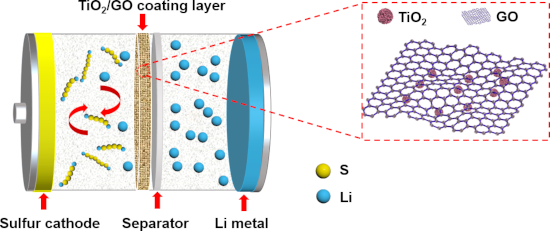
- . Hence, the carbon/metal-oxide hybrid interlayer combines the advantages of carbon and metal oxides and exhibits superior performance over monolithic materials. Recently, the inclusion of V2O5/CNT [29], MoO3@CNT [30], TiO2@CNF [31], TiO2/graphene [32] interlayers has been shown to suppress the shuttle
- potential of the TiO2/GO functional interlayer in next-generation Li/S batteries and presents a novel approach to prepare metal oxide based hybrid coatings for energy storage applications. Experimental Preparation of TiO2/GO composite Ti10Al90 alloy ribbons were fabricated by refining pure Al (99.9 wt


Novel hollow titanium dioxide nanospheres with antimicrobial activity against resistant bacteria
Beilstein J. Nanotechnol. 2019, 10, 1716–1725, doi:10.3762/bjnano.10.167
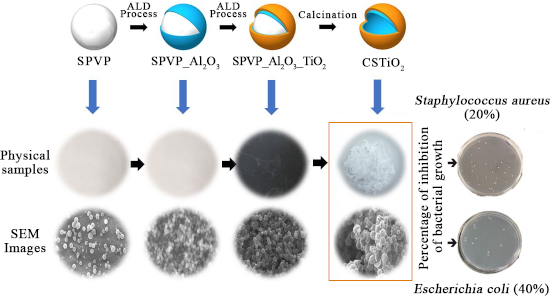
- -positive and Gram-negative bacteria [2]. In recent years, metal and metal oxide NPs, such as silver, gold, titanium and zinc oxide NPs, have been extensively studied due to their interesting antimicrobial character [3][4][5]. Titanium dioxide (TiO2) NPs have also attracted significant attention due to
- inactivation of microorganisms due to its strong oxidizing power by free radical generation, such as hydroxyl and superoxide anion radicals [11][12]. Metal oxide NPs have been commonly synthesized by chemical and physical methods, which can produce a high size variability, defects and agglomeration and can
- solution and the type of polymer. On the other hand, ALD is a novel metal oxide deposition process with excellent thickness control due to its low temperature processing and separated superficial reactions between precursor materials. Precursors are pulsed one by one over a substrate in the chamber and


Layered double hydroxide/sepiolite hybrid nanoarchitectures for the controlled release of herbicides
Beilstein J. Nanotechnol. 2019, 10, 1679–1690, doi:10.3762/bjnano.10.163
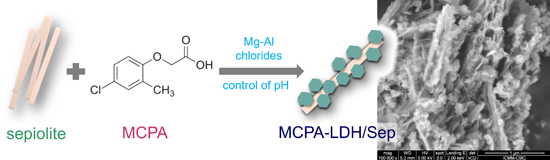
- removal of pollutants from water, for instance dyes [31] and, As(III) and As(V) species [34]. Moreover, they could be used as precursors for supported metal-oxide nanoparticles that could be of interest in catalysis [31]. MgAl-LDH/sepiolite nanoarchitectures have been also satisfactorily tested as