


Search results
Search for "migration" in Full Text gives 209 result(s) in Beilstein Journal of Nanotechnology. Showing first 200.
Structure and electrochemical performance of electrospun-ordered porous carbon/graphene composite nanofibers
Beilstein J. Nanotechnol. 2020, 11, 1280–1290, doi:10.3762/bjnano.11.112
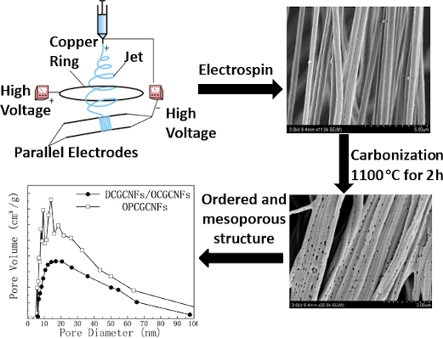
- in improving the capacitive properties of a given electrode. According to the diffusion kinetics of ions in solution, the high specific surface area and high porosity of the electrode material allow for a quick ion adsorption on the electrode surface, thereby improving the migration rate of ions and


Revealing the local crystallinity of single silicon core–shell nanowires using tip-enhanced Raman spectroscopy
Beilstein J. Nanotechnol. 2020, 11, 1147–1156, doi:10.3762/bjnano.11.99
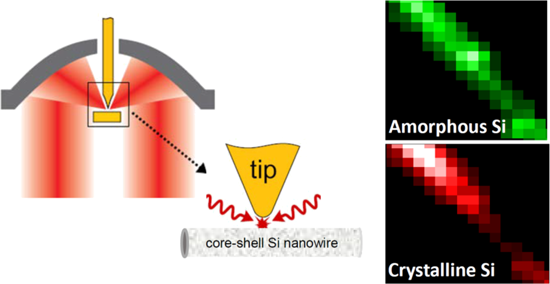
- grains with different orientation. Furthermore, catalyst migration along the SiNW backbone was observed in some cases (Figure 1c). Although the SiNWs grown by the VLS mechanism possess are crystalline, the silicon shells deposited onto the nanowires by thermal CVD (here using a temperature of 520 °C) can


Applications of superparamagnetic iron oxide nanoparticles in drug and therapeutic delivery, and biotechnological advancements
Beilstein J. Nanotechnol. 2020, 11, 1092–1109, doi:10.3762/bjnano.11.94


Comparison of fresh and aged lithium iron phosphate cathodes using a tailored electrochemical strain microscopy technique
Beilstein J. Nanotechnol. 2020, 11, 583–596, doi:10.3762/bjnano.11.46
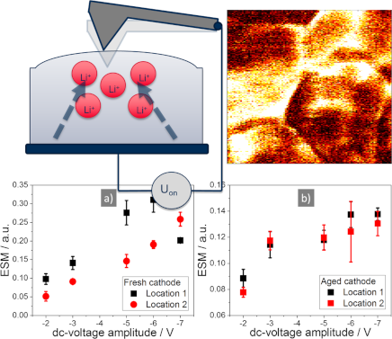
- signal can be found in Supporting Information File 1. Since the variation of the ESM signal is governed by migration and diffusion processes, it can be used to fit relaxation functions and extract the characteristic time constant τ. Diffusion processes are often fitted using an exponential decay function
- increase or decrease of the ionic concentration in the probed volume due to the electric field. During accumulation of Li-ions with the dc-voltage pulse, due to the electric field driven migration, the ESM signal increases. Afterwards, when the dc-voltage is turned off, the ESM signal decreases due to the
- the assumed decrease of the electrochemical activity, suggested by the reduction of the ESM signal intensity. In former studies of LFP degradation, the main effect observed was iron dissolution and Fe2+ migration to the anode and redeposition. Fe particles on the anode play a decisive role in

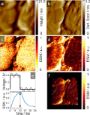


Examination of the relationship between viscoelastic properties and the invasion of ovarian cancer cells by atomic force microscopy
Beilstein J. Nanotechnol. 2020, 11, 568–582, doi:10.3762/bjnano.11.45
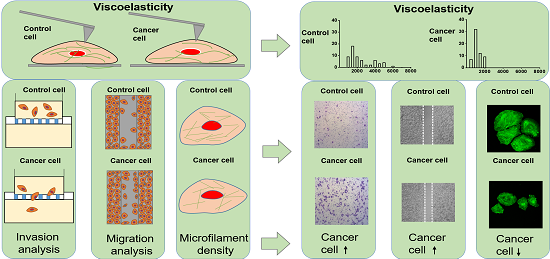
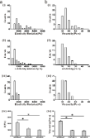
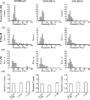
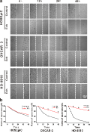
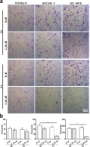
- the level of living single cells. Elasticity and viscosity of the ovarian cancer cells OVCAR-3 and HO-8910 are significantly lower than those of the human ovarian surface epithelial cell (HOSEpiC) control. Further examination found a dramatic increase of migration/invasion and an obvious decease of
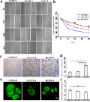
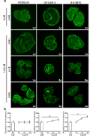
- ), while no obvious change was found in HOSEpiC cells after Ech treatment. Interestingly, Ech seemed to have no effect on the viscosity of the cells. Ech significantly inhibited the migration/invasion and significantly increased the microfilament density in OVCAR-3 and HO-8910 cells, which was
- light on the biomechanical changes for early diagnosis of tumor transformation and progression at single-cell level. Keywords: atomic force microscopy (AFM); cancer invasion; cancer migration; ovarian cancer cells; viscoelasticity; Introduction Ovarian cancer is a lethal gynecological malignancy with


Multilayer capsules made of weak polyelectrolytes: a review on the preparation, functionalization and applications in drug delivery
Beilstein J. Nanotechnol. 2020, 11, 508–532, doi:10.3762/bjnano.11.41
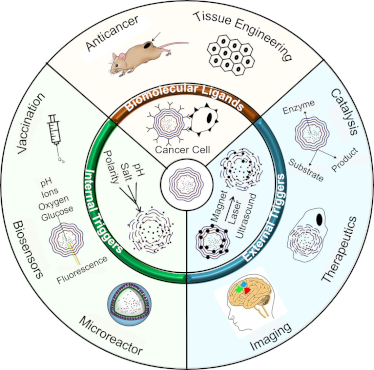
- CNTs ruptured upon laser light irradiation [115]. The introduction of graphene oxide (GO) nanosheets with PDDA as multilayers caused the migration and rearrangement of chains compared to PDDA/PAA multilayers [116]. The PDDA/GO multilayers showed improved resistance to damage and maintained a defect



Synthesis and enhanced photocatalytic performance of 0D/2D CuO/tourmaline composite photocatalysts
Beilstein J. Nanotechnol. 2020, 11, 407–416, doi:10.3762/bjnano.11.31
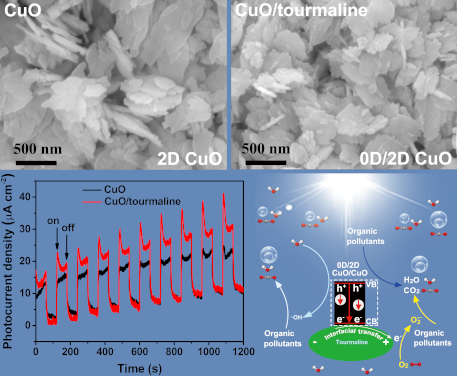
- proven to be effective for enhancing the photocatalytic activity due to the decrease in the distance for the separation and migration of charge carriers [19] and the introduction of nanoparticles [20]. Tourmaline is a type of natural polar mineral, and its general formula can be written as XY3Z6(T6O18


DFT calculations of the structure and stability of copper clusters on MoS2
Beilstein J. Nanotechnol. 2020, 11, 391–406, doi:10.3762/bjnano.11.30
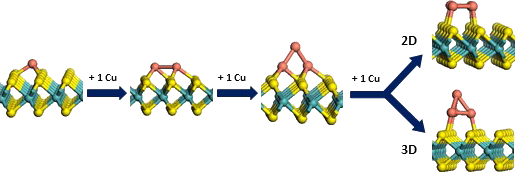
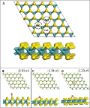
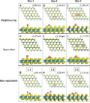
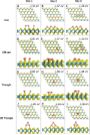
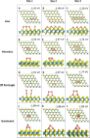
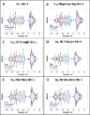
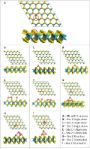
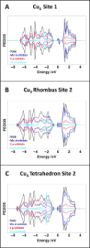
- adsorption sites, which lie between 2.38 and 2.49 Å, which is close to the Mo–S distance of 2.42 Å in bare MoS2. Some distortion was observed for the 3D Cu clusters (see Figure 6F,G in particular), which is caused by the migration of one or more Cu atoms towards the vacancy site. The computed Bader charges
Brome mosaic virus-like particles as siRNA nanocarriers for biomedical purposes
Beilstein J. Nanotechnol. 2020, 11, 372–382, doi:10.3762/bjnano.11.28
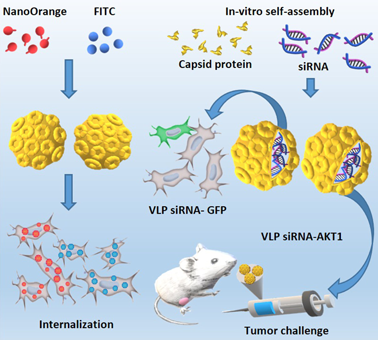
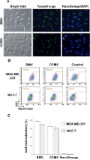
- (Figure 4C), corroborating the cargo release from BMV VLP inside tumor cells and gene silencing. BMV VLPs as siAkt1 nanocarriers The anti-cancer siRNA Akt1 (siAkt1) was also encapsidated in BVM-VLPs (Figure 4B). Akt1 is a kinase involved in the processes of cell proliferation, migration and transformation


Poly(1-vinylimidazole) polyplexes as novel therapeutic gene carriers for lung cancer therapy
Beilstein J. Nanotechnol. 2020, 11, 354–369, doi:10.3762/bjnano.11.26
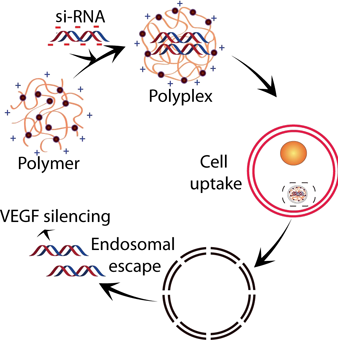
- carrier. The present work aims to synthesize poly(1-vinylimidazole) for the delivery of anti-VEGF siRNA to lung cancer cells and explore for the first time the effect of VEGF silencing on differential expression of genes and on cell viability, migration and chemosensitization. Experimental Materials PVI
- λex of 550 nm and λem of 570 nm were purchased from Eurofins Genomics, USA. Scrambled siRNA (sense 5′-ACG-UGA-CAC-GUU-CGG-AGA-A55-3′, antisense: 5′-UUC-UCC-GAA-CGU-GUC-ACG-U55-3′) procured from Eurogentech, USA was used for comparison in the study. Migration transwell inserts (8 µm) pore size were
- polyplex) containing a final concentration of 100 nM siRNA and incubated for specified periods of time. The cells were imaged using an inverted microscope to observe the effect of the treatment on the tubular network. Migration analysis Wound healing assay: To evaluate the gene silencing effect of the


Using gold nanoparticles to detect single-nucleotide polymorphisms: toward liquid biopsy
Beilstein J. Nanotechnol. 2020, 11, 263–284, doi:10.3762/bjnano.11.20
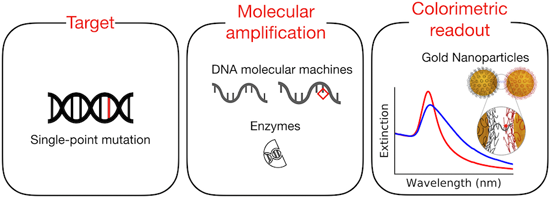
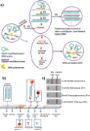
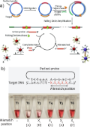
- hybridization of the invading strand with original strands, followed by a progressive branch migration of the invading domain to finally displace the protector ssDNA. The process is energetically favored since the reverse reaction is slower by several orders of magnitude. When the protector strand possesses a




Recent progress in perovskite solar cells: the perovskite layer
Beilstein J. Nanotechnol. 2020, 11, 51–60, doi:10.3762/bjnano.11.5

- organic cation, M2+ is a divalent metal, and X− is a halide anion [57]. The overall 2D structure is stabilized via van der Waals interactions. Importantly, the 2D perovskite structure can also be considered as a multiple-quantum-well structure, which obviously suppresses the ion migration that is evident


Atomic force acoustic microscopy reveals the influence of substrate stiffness and topography on cell behavior
Beilstein J. Nanotechnol. 2019, 10, 2329–2337, doi:10.3762/bjnano.10.223
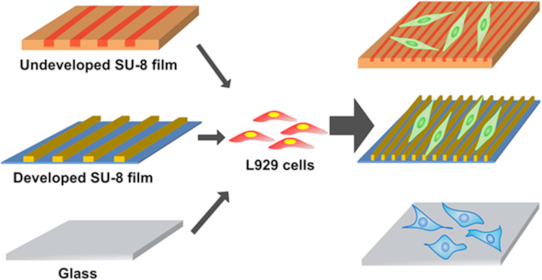
- engineering [1][2] as they affect many cell functions such as cell migration [3][4], attachment, proliferation [5][6] and differentiation [7][8]. Substrate stiffness and topography are two of the most important ECM physical parameters in regulating cell functions [9]. A previous study shows that cells
- acoustic images depict more details of the real nanostructures at higher contrast and lower noise. Influences of substrate stiffness on L929 cell morphology and migration After substrate fabrication, we cultured L929 cells on the undeveloped SU-8 films of different stiffness and on a reference glass


Improved adsorption and degradation performance by S-doping of (001)-TiO2
Beilstein J. Nanotechnol. 2019, 10, 2116–2127, doi:10.3762/bjnano.10.206
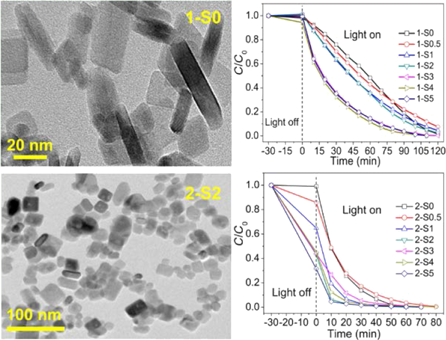
- study on C/F-codoped (001)-TiO2 concluded that C/F atoms preferentially replaced O atoms on the (001) face, resulting in a surface conduction layer that could promote the migration of photo-generated carriers [19]. N/P-codoping of (001)-TiO2 resulted in a reduction of the band gap from 3.20 to 2.48 eV




TiO2/GO-coated functional separator to suppress polysulfide migration in lithium–sulfur batteries
Beilstein J. Nanotechnol. 2019, 10, 1726–1736, doi:10.3762/bjnano.10.168
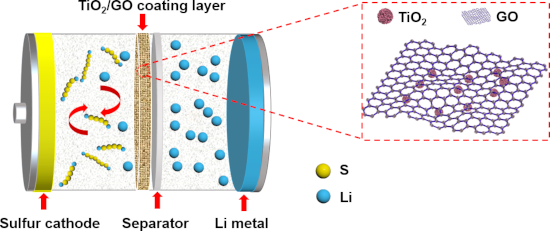
- but suffer from poor cyclic performance due to the dissolution of intermediate polysulfides. Herein, a lightweight nanoporous TiO2 and graphene oxide (GO) composite is prepared and utilized as an interlayer between a Li anode and a sulfur cathode to suppress the polysulfide migration and improve the
- and GO sheets exhibit excellent adhesion, which ensures efficient electron transfer from the GO sheet to nanoporous TiO2. The use of TiO2/GO composites as an interlayer can greatly suppress the migration of polysulfides due to their physical and chemical interactions with dissolved polysulfides
- redox peaks with the increase in the current rate. However, the peak separation at a high current rate of 3 C still exhibits pronounced peaks. The excellent rate capability of the Li/S batteries with the TiO2/GO coated separator suggests that the migration of polysulfides has been effectively restrained


Direct observation of oxygen-vacancy formation and structural changes in Bi2WO6 nanoflakes induced by electron irradiation
Beilstein J. Nanotechnol. 2019, 10, 1434–1442, doi:10.3762/bjnano.10.141
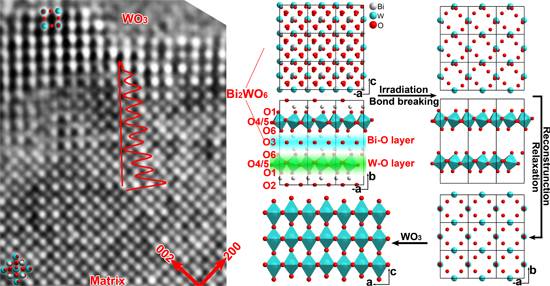
- numerous surface active sites that facilitate the migration of ions. Therefore, upon electron-beam irradiation, Bi–O bonds will first break under the influence of the induced electric field. The resultant Bi cations migrate towards the periphery of the irradiation region to form a ca. 4 nm amorphous layer


BiOCl/TiO2/diatomite composites with enhanced visible-light photocatalytic activity for the degradation of rhodamine B
Beilstein J. Nanotechnol. 2019, 10, 1412–1422, doi:10.3762/bjnano.10.139
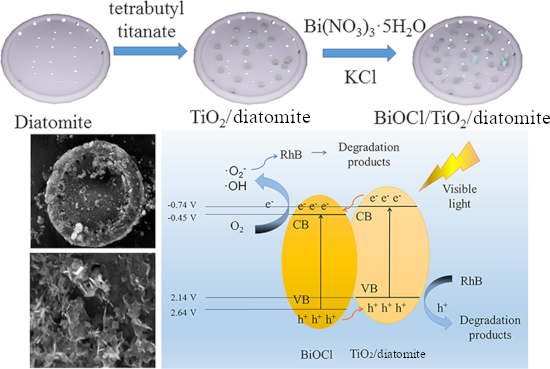
- mainly from the quick migration of photoelectrons from the conduction band of TiO2/diatomite to the surface of BiOCl, which promotes the separation effect and reduces the recombination rate of the photoelectron–hole pair. Due to the excellent catalytic performance, the BTD composite shows great potential
- good cyclic ability and stability. Photocatalytic mechanism analysis In order to reveal the photocatalytic mechanism, we observe the optical, photochemical and electrochemical properties to study the energy band structure and carrier migration pathway of BTD. Figure 8a presents the UV–vis diffuse
- TiO2/diatomite: Therefore, the positions of the valence band (VB) for BiOCl and TiO2/diatomite are 2.64 V and 2.14 V, respectively. The photocatalytic activity is determined not only by the band structure but also by the carrier transport efficiency [47]. In order to study the carrier migration


Construction of a 0D/1D composite based on Au nanoparticles/CuBi2O4 microrods for efficient visible-light-driven photocatalytic activity
Beilstein J. Nanotechnol. 2019, 10, 1360–1367, doi:10.3762/bjnano.10.134
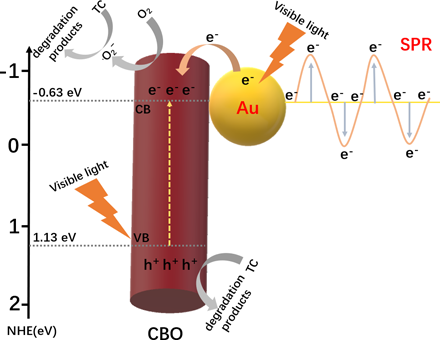
- facilitates the generation of more effective photo-induced charges and accelerates the migration speed of electrons, resulting in a lower recombination rate of photogenerated carriers [40][41][42][43]. Figure 7b shows that a smaller high-frequency semicircle was obtained with 2.5 wt % Au/CBO than with
- pristine CBO, certifying the faster electron migration in 2.5 wt % Au/CBO. In order to investigate the photocatalytic degradation mechanism of TC over the 0D/1D Au/CBO composite photocatalyst, the main radical species were detected through quenching experiments. Isopropanol (IPA), disodium


Multicomponent bionanocomposites based on clay nanoarchitectures for electrochemical devices
Beilstein J. Nanotechnol. 2019, 10, 1303–1315, doi:10.3762/bjnano.10.129
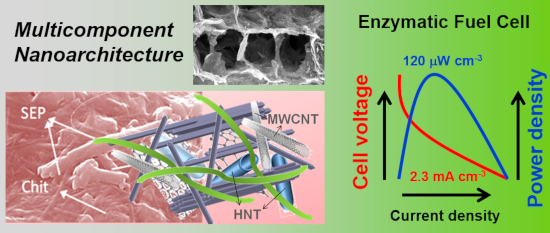
- cathode surface. The presence of the acidic medium, in fact, can favour the proton migration from the anode to the cathode surface leading to an increase of the half-cell potential [70]. The power output of the EBC was different for the two pH values. Compared to pH 7 the cell working at pH 5.5 exhibits



Imaging the surface potential at the steps on the rutile TiO2(110) surface by Kelvin probe force microscopy
Beilstein J. Nanotechnol. 2019, 10, 1228–1236, doi:10.3762/bjnano.10.122
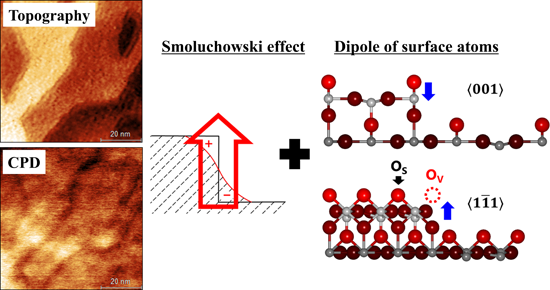
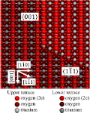
- to the step is localized closely to the top of the valence band compared to a more distant oxygen atom, resulting in decrease of oxygen vacancy formation energy and consequent vacancy migration towards the step. This geometry produces a massive positive charge pinned around a vacancy, see Figure 5c
![[Graphic 16]](/bjnano/content/inline/2190-4286-10-122-i16.svg?max-width=637&scale=1.18182) and
and ![[Graphic 17]](/bjnano/content/inline/2190-4286-10-122-i17.svg?max-width=637&scale=1.18182) .
.
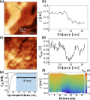

![[Graphic 38]](/bjnano/content/inline/2190-4286-10-122-i38.svg?max-width=637&scale=1.18182) and
and ![[Graphic 39]](/bjnano/content/inline/2190-4286-10-122-i39.svg?max-width=637&scale=1.18182) steps. (a) Topographic image...
steps. (a) Topographic image...


![[Graphic 72]](/bjnano/content/inline/2190-4286-10-122-i72.svg?max-width=637&scale=1.18182) , b)
, b) ![[Graphic 73]](/bjnano/content/inline/2190-4286-10-122-i73.svg?max-width=637&scale=1.18182) , c) reduced
, c) reduced ![[Graphic 74]](/bjnano/content/inline/2190-4286-10-122-i74.svg?max-width=637&scale=1.18182) , and d)
, and d) ![[Graphic 75]](/bjnano/content/inline/2190-4286-10-122-i75.svg?max-width=637&scale=1.18182) steps. B...
steps. B...
In situ AFM visualization of Li–O2 battery discharge products during redox cycling in an atmospherically controlled sample cell
Beilstein J. Nanotechnol. 2019, 10, 930–940, doi:10.3762/bjnano.10.94
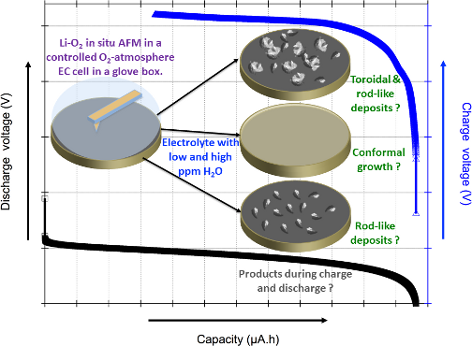
- Warburg impedance declines after introducing oxygen, indicating an increase in the migration resistance, while the diameter of the semicircle remains almost unchanged after oxygenation, suggesting a stable interfacial resistance in the cell. The increasing impedance right after the Warburg region observed


Synthesis of novel C-doped g-C3N4 nanosheets coupled with CdIn2S4 for enhanced photocatalytic hydrogen evolution
Beilstein J. Nanotechnol. 2019, 10, 912–921, doi:10.3762/bjnano.10.92
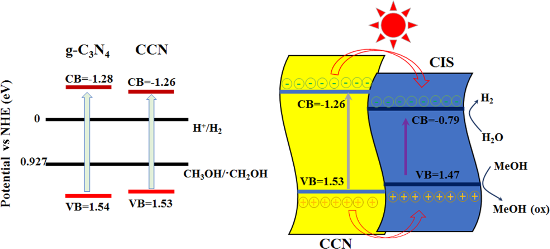
- photocatalytic performance of CdIn2S4 alone is barely satisfactory, mainly due to the low separation and migration efficiency of photogenerated charge carriers. The construction of a heterojunction by combination with semiconductor materials is expected to be a strategy to improve the separation of
- this, a transient photocurrent response measurement is employed to evaluate the charge migration and separation efficiency of the as-obtained photocatalysts. Transient photocurrents of g-C3N4, CCN and CISCCN3 are studied during the on–off cycles with intermittent exposure of visible-light excitation
- composite photocatalyts with enhanced visible-light absorption and highly efficient charge migration and separation. Experimental Sample preparation Self-doped carbon/g-C3N4 structures were prepared according to the literature [32]. In detail, 1 g of melamine powder was first dispersed in 300 mL of


Trapping polysulfide on two-dimensional molybdenum disulfide for Li–S batteries through phase selection with optimized binding
Beilstein J. Nanotechnol. 2019, 10, 774–780, doi:10.3762/bjnano.10.77
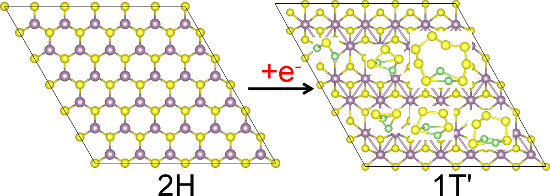
- for Li2Sx absorbed on a 1T'-MoS2 monolayer are shown in Figure 4. In contrast to the case of Li2Sx absorbed on the 2H-MoS2 monolayer, the charge redistribution is more apparent, indicating the strong trapping ability for Li2Sx. For both 2H-MoS2 and 1T'-MoS2 monolayers, there is no charge migration


The effect of translation on the binding energy for transition-metal porphyrines adsorbed on Ag(111) surface
Beilstein J. Nanotechnol. 2019, 10, 706–717, doi:10.3762/bjnano.10.70
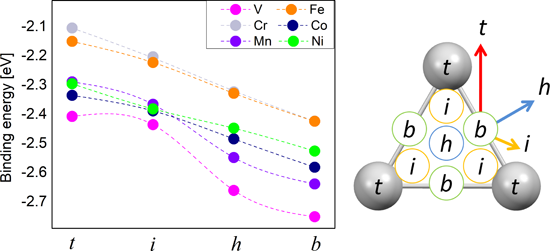
- -assembled structures at room temperature. An energy barrier around 0.03 eV would allow for free migration of the molecules on the surface at room temperature. We see that for all TMPP–Ag(111) systems the smallest barrier between two points is slightly smaller than 0.1 eV. This is the energy difference
- prefactor in the Boltzmann distribution law, even at a sub-monolayer coverage a large number of molecules are mobile on the surface. Also, following the same argumentation we can say that the direction of migration is not restricted from bridge to hollow positions. While the energy barrier along the bridge
- ”, “i” “h” and “b”. Indeed, we expect the self-assembly process to be driven by the opposing trends of assuming the energetically most favorable configuration and intermolecular repulsion. In addition, migration on the surface occurs through passing from one of the four positions investigated by us (or


![[Graphic 1]](/bjnano/content/inline/2190-4286-10-70-i1.svg?max-width=637&scale=1.18182) , for all systems and relative molecule–surface positions. Right: symm...
, for all systems and relative molecule–surface positions. Right: symm...


![[Graphic 7]](/bjnano/content/inline/2190-4286-10-70-i7.svg?max-width=637&scale=1.18182) for selected TMPP systems (M = V, Mn, Co; red: positive values, blue: negative value...
for selected TMPP systems (M = V, Mn, Co; red: positive values, blue: negative value...
Outstanding chain-extension effect and high UV resistance of polybutylene succinate containing amino-acid-modified layered double hydroxides
Beilstein J. Nanotechnol. 2019, 10, 684–695, doi:10.3762/bjnano.10.68
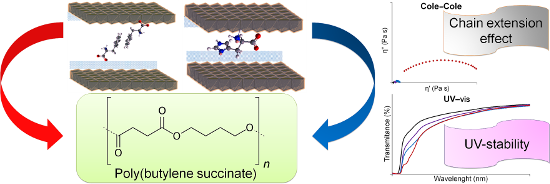
- they may come in contact with the nutrient product. It is of great importance to avoid the migration of such chemical additives. Today inorganic containers are thought to play the dual role of embedding a specific agent to avoid its ingress into a polymer as well as providing the complementary





