Search results
Search for "nanoparticles" in Full Text gives 1300 result(s) in Beilstein Journal of Nanotechnology. Showing first 200.
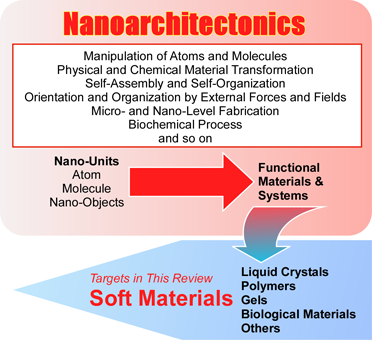
Soft materials nanoarchitectonics: liquid crystals, polymers, gels, biomaterials, and others
Beilstein J. Nanotechnol. 2025, 16, 1025–1067, doi:10.3762/bjnano.16.77
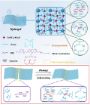
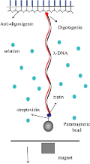
- system reverts to its original state. It was demonstrated that the gold nanorods are capable of significant lateral diffusion, exhibiting a considerable distance of movement. Hybrid materials comprising anisotropic nanoparticles and polymer brushes were designed and subjected to dynamic control
- . Consequently, rod-shaped gold nanoparticles have been the subject of considerable interest with regard to their potential use in optical antennas, sensitive biosensors, and medical applications. This is due to their strong plasmonic absorption in the visible–near infrared region, which is caused by electronic






Time-resolved probing of laser-induced nanostructuring processes in liquids
Beilstein J. Nanotechnol. 2025, 16, 968–1002, doi:10.3762/bjnano.16.74
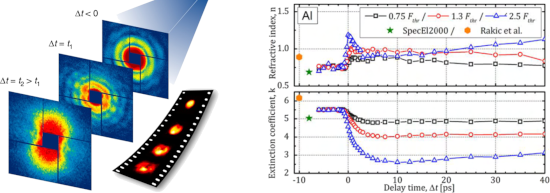
- scattering; Review Introduction Laser synthesis and processing of materials with emphasis on structure formation on the nanoscale offers a multitude of pathways to desired structure-related functions [1]. In green processes, nanostructures and nanoparticles (NPs) can be produced that serve applications in


Synthesis of biowaste-derived carbon-dot-mediated silver nanoparticles and the evaluation of electrochemical properties for supercapacitor electrodes
Beilstein J. Nanotechnol. 2025, 16, 933–943, doi:10.3762/bjnano.16.71
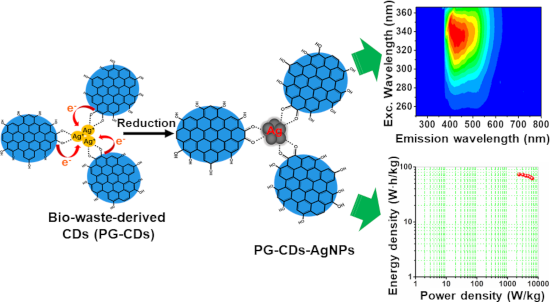
- of Korea 10.3762/bjnano.16.71 Abstract Herein, biowaste- (from Pongammia pinnata leaves) derived carbon dots (CDs) have been utilized as a mediator for the production of silver nanoparticles (PG-CDs-AgNPs) as a superior supercapacitor electrode. The methodology presented here is inexpensive and
- electrodes for energy storing. Keywords: asymmetric supercapacitor; carbon dots; fluorescence emission; green approach; silver nanoparticles; Introduction The extensive usage of fossil fuels is a result from the rising demand for energy. However, the use of fossil fuels is not sufficient to attend the
- synthesized cost-effective carbon-dot- (CD) mediated silver nanoparticles (AgNPs) for supercapacitor electrodes. AgNPs have garnered substantial interest due to their capacity to effectively facilitate biological, optical, chemical, electrical, and industrial applications [13][14]. AgNPs are widely utilized


Structural and magnetic properties of microwave-synthesized reduced graphene oxide/VO2/Fe2O3 nanocomposite
Beilstein J. Nanotechnol. 2025, 16, 921–932, doi:10.3762/bjnano.16.70
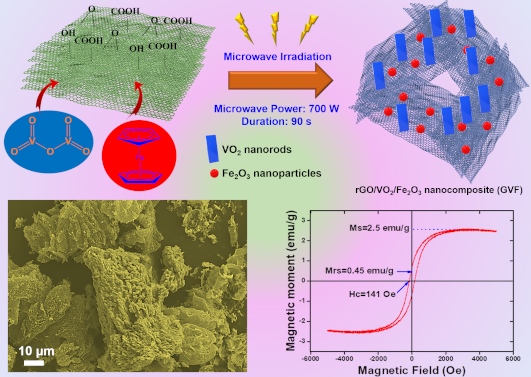
- Fe2O3 nanoparticles and VO2 nanorods on the 2D rGO surface. Notably, the ternary composite displayed good magnetic properties for its potential biomedical applications. Overall, this work explores an efficient and cost-effective synthetic approach for developing graphene-based magnetic nanocomposites
- to these approaches due to lesser time consumption and the lack of sophisticated instrumentation. In this aspect, Kumar et al. demonstrated a facile MW-assisted synthetic route for the perforation and decoration of Pd nanoparticles (NPs) on rGO sheets [10]. The resultant NC displayed its potential
- ]. The presence of magnetic behavior in GVF further promotes the occurrence of iron oxide nanoparticles. Moreover, the low magnetic moment of GVF compared to that of native α-Fe2O3 nanoparticles (mostly synthesized through the Fe-based aqueous salt) could account for the low levels of α-Fe2O3 formed



Heat-induced transformation of nickel-coated polycrystalline diamond film studied in situ by XPS and NEXAFS
Beilstein J. Nanotechnol. 2025, 16, 887–898, doi:10.3762/bjnano.16.67
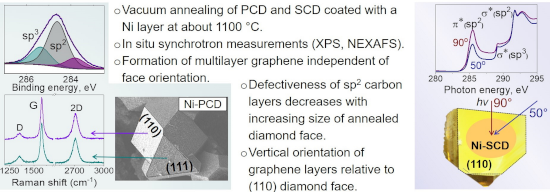
- process occurring at the interface between diamond and Ni nanoparticles was revealed using high-resolution transmission electron microscopy (HRTEM) [19][24]. During annealing, Ni nanoparticles etch the diamond surface, resulting in the formation of a narrow interdiffusion zone. The carbon atoms released
- contrast, the Ni nanoparticles penetrate beneath the (110) and (100) surfaces, creating pits that were partially filled with graphite covalently bonded to the etched diamond surface. From prior works, it can be seen that the Ni-assisted graphitization of diamond has been studied on either SCDs, which have
- (100) and (110) faces are etched simply, while the (111) face is flattened during the process. We assume that small nickel nanoparticles formed above the (110) faces are embedded in the diamond, while their agglomerates remain on the (111) faces, appearing as large particles enclosed in carbon shells


Insights into the electronic and atomic structures of cerium oxide-based ultrathin films and nanostructures using high-brilliance light sources
Beilstein J. Nanotechnol. 2025, 16, 860–871, doi:10.3762/bjnano.16.65

- hybridization occurring at the interface between cerium oxide and metals, either as substrates [23], as supported nanoparticles (NPs) [26][27] or as dopants [28]. The insight provided by such studies is highly relevant, since cerium oxide is often combined with metals in various applications. For example, it
- minimum of the inelastic mean free path. A study by Simon et al. on porous Pt-doped cerium oxide films prepared by direct liquid injection chemical vapor deposition, comparing conventional and synchrotron-radiation based XPS, has demonstrated that the Pt atoms are uniformly dispersed in the nanoparticles
- under UHV conditions. Such instruments, installed at synchrotron radiation facilities and applied to ceria-based model systems have given an important contribution to understanding the surface chemistry of specific reactions. Coexisting Pt and ceria nanoparticles supported on TiO2(110) were found to


Synchrotron X-ray photoelectron spectroscopy study of sodium adsorption on vertically arranged MoS2 layers coated with pyrolytic carbon
Beilstein J. Nanotechnol. 2025, 16, 847–859, doi:10.3762/bjnano.16.64
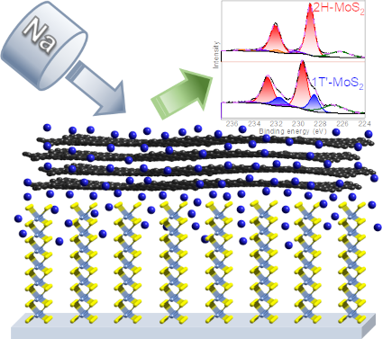
- . The scanning electron microscopy (SEM) images of the surface of raw MoS2 film, hydrogen-annealed film, and PyC film are compared in Figure 1b,c,e. The raw MoS2 film covers the entire area of the substrate and contains polysulfide nanoparticles on the surface (Figure 1b). These nanoparticles are absent
- surface correspond to Pt nanoparticles, the presence of which is confirmed by energy-dispersive X-ray (EDX) spectroscopy (Supporting Information File 1, Figure S1). These nanoparticles have a uniform size and are densely distributed on the sample surface, in contrast to the polysulfide particles of


Synthesis and magnetic transitions of rare-earth-free Fe–Mn–Ni–Si-based compositionally complex alloys at bulk and nanoscale
Beilstein J. Nanotechnol. 2025, 16, 823–836, doi:10.3762/bjnano.16.62
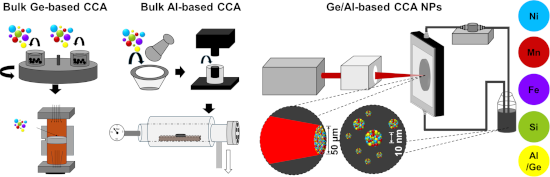
- comprehensive synthesis approach for rare-earth-free compositionally complex alloys (CCAs) with magnetic phase transitions, spanning from bulk materials to nanoparticles. Specifically, we investigate Mn22.3Fe22.2Ni22.2Ge16.65Si16.65 (Ge-based CCA) and Mn0.5Fe0.5NiSi0.93Al0.07 (Al-based CCA). The bulk materials
- are prepared by ball milling and spark plasma sintering or powder pressing and sintering. Nanoparticles (NPs) from the bulk materials are synthesized by pulsed laser ablation in liquid. Magnetization measurements confirm a ferromagnetic-to-paramagnetic phase transition in bulk alloys, with Tc = 179 K
- indicate that the Al-based CCA is a promising, cost-effective alternative to Ge-based CCA at nanoscale, providing an economically viable and cost-effective alternative for nanoscale-based applications. Keywords: compositionally complex alloys; magnetic phase transition; nanoparticles; pulsed laser


Supramolecular hydration structure of graphene-based hydrogels: density functional theory, green chemistry and interface application
Beilstein J. Nanotechnol. 2025, 16, 806–822, doi:10.3762/bjnano.16.61
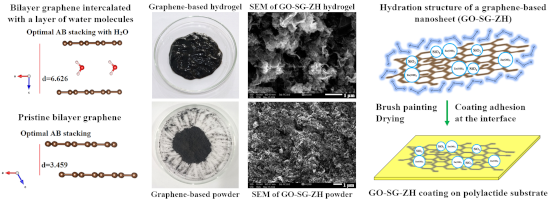
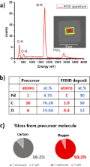
- , bandgap energy, and formation energy of the molecular system of bilayer graphene intercalated with a water layer. In the experimental aspect, green chemistry methods were applied for synthesizing GO nanosheets, rice-husk-derived silica gel (SG), nanosilica–zinc hydroxide nanoparticles (SG-ZH), and
- circular economy [18][19][20][21]. Especially, GO nanosheets decorated with SG-ZH nanoparticles have hydrophilic surfaces to retain hydration layers in the hydrogel structure of the GO-SG-ZH nanocomposite. Hydration layers in the GO-SG-ZH hydrogel also function as lubricants at the nanomaterials interfaces
- nanosheets, SG nanoparticles, and ZH nanostructures are attractive to water molecules to form hydration shells on the surfaces. In addition to hydration layers, the three-dimensional assembly of graphene-based nanosheets provides high porosity as water reservoirs which supply water to intersheet spacings


Morphology and properties of pyrite nanoparticles obtained by pulsed laser ablation in liquid and thin films for photodetection
Beilstein J. Nanotechnol. 2025, 16, 785–805, doi:10.3762/bjnano.16.60
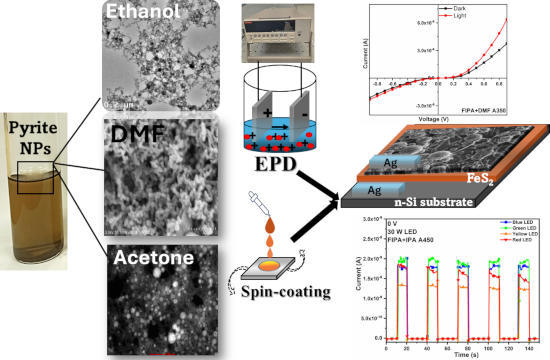
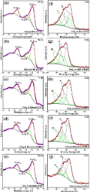
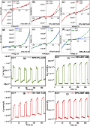
- disulfide (FeS2)) nanoparticles (NPs) of different morphologies using pulsed laser ablation in liquid (PLAL) in different organic solvents. The impact of the solvent on the morphological, compositional, and optical properties of the synthesized NPs is investigated by techniques such as transmission electron
- prepared by PLAL. Keywords: electrophoretic deposition; pulsed laser ablation in liquid; pyrite nanoparticles; self-powered photodetector; spin coating; Introduction Pyrite (FeS2) is one of the earth-abundant and nontoxic semiconductors possessing a promising role in optoelectronic applications. FeS2 has
- synthesize pyrite nanoparticles in various solvents, including isopropyl alcohol (IPA), dimethyl formamide (DMF), ethanol, methanol, and acetone, using a 532 nm wavelength output from a Nd:YAG laser. Pulsed laser ablation in liquid has been demonstrated as a reliable alternative to conventional chemical






Changes of structural, magnetic and spectroscopic properties of microencapsulated iron sucrose nanoparticles in saline
Beilstein J. Nanotechnol. 2025, 16, 762–784, doi:10.3762/bjnano.16.59
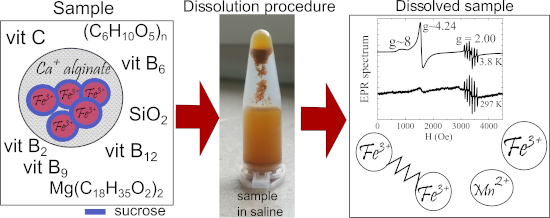
- changes upon dissolution in saline were tested. For the undissolved sample, calcium alginate microcapsules with irregular shapes were registered via scanning electron microscopy, inside which core–shell nanoparticles were identified by transmission electron microscopy micrographs. Magnetic studies (DC and
- completely dissolved sample. Keywords: calcium alginate; dissolution; iron oxyhydroxide nanoparticles; magnetic properties; saline; spectroscopy; Introduction Hematinic are substances such as iron, vitamin B12, and folic acid that are essential in the production of blood [1]. Iron deficiency drugs, which
- belong to the hematinic category, are a broad class of medical products in which varied iron agents are used, very often in the form of core–shell nanoparticles, where iron ions (in the structure of iron oxide mineral) are concentrated in the core, and the shell is generally composed of carbohydrates





Serum heat inactivation diminishes ApoE-mediated uptake of D-Lin-MC3-DMA lipid nanoparticles
Beilstein J. Nanotechnol. 2025, 16, 740–748, doi:10.3762/bjnano.16.57
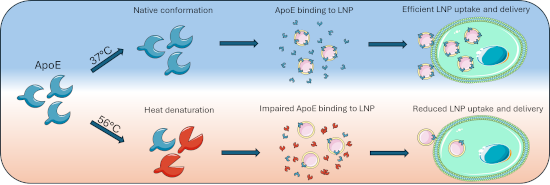
- Demian van Straten Luuk van de Schepop Rowan Frunt Pieter Vader Raymond M. Schiffelers CDL Research, University Medical Center Utrecht, Utrecht, The Netherlands 10.3762/bjnano.16.57 Abstract Nanoparticles play a crucial role in drug delivery research. The protein corona that develops on the
- surface of nanoparticles after administration has garnered substantial attention due to the significant effects it has on their performance. Lipid nanoparticles (LNPs) depend on protein corona formation to mediate their targeting. Such protein–nanoparticle interactions are often initially studied using in
- inherent limitations of different classes of therapeutics, ranging from small molecule drugs, to biologicals such as proteins and nucleic acids. Nanoparticles can enhance the solubility and stability of their payload, prolong its circulation time, and improve its biodistribution to increase their safety


Synthesis of a multicomponent cellulose-based adsorbent for tetracycline removal from aquaculture water
Beilstein J. Nanotechnol. 2025, 16, 728–739, doi:10.3762/bjnano.16.56
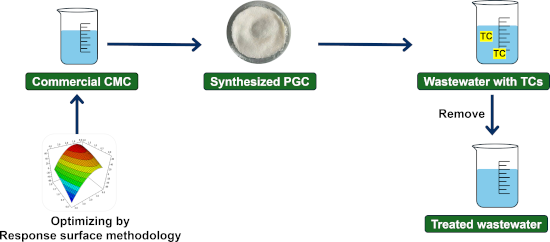
- significant morphological changes compared to pristine CMC (Figure 2a–c). Specifically, the PGC surface exhibits numerous, uniformly distributed spherical nanoparticles (≈200 nm in diameter), attributed to ZnO nanoparticles. The initial tubular structure of CMC is converted into a film-like structure owing to


Efficiency of single-pulse laser fragmentation of organic nutraceutical dispersions in a circular jet flow-through reactor
Beilstein J. Nanotechnol. 2025, 16, 711–727, doi:10.3762/bjnano.16.55
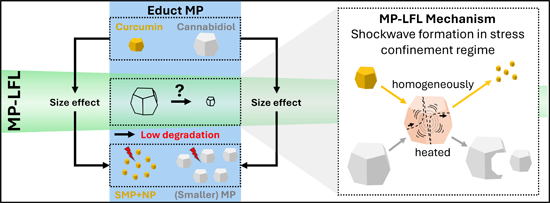
- yield of submicrometer particles and nanoparticles was quantified using UV–vis extinction spectroscopy, scanning electron microscopy, and analytical centrifugation, while high-performance liquid chromatography determined degradation. We found improved fragmentation efficiency at lower mass
- ), and laser melting (LML) in liquids are aimed at synthesizing nanoparticles (NPs) from bulk targets (LAL), by downsizing (LFL), or by increasing/reshaping (LML) particle dispersions [1]. On the other hand, pulsed laser defect engineering in liquids (PUDEL) processes involve targeted post-treatment of
- ) nanoparticles [60]. On the other hand, it has been shown that optical breakdown and the production of ROS are hampered at high nanoparticle concentrations [60], which may be responsible for the low degradation by LFL-generated radicals at high particle mass concentrations. Furthermore, it has to be considered


Nanostructured materials characterized by scanning photoelectron spectromicroscopy
Beilstein J. Nanotechnol. 2025, 16, 700–710, doi:10.3762/bjnano.16.54
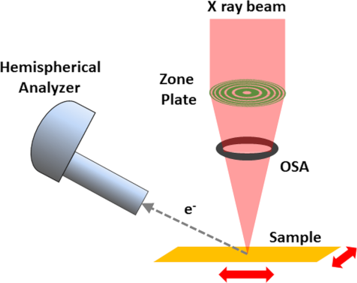
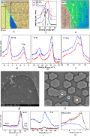
- composition and the surface potential across InP nanowire p–n junctions for individual nanowire devices. InP nanowires were grown on InP(111) substrates by vapor–liquid–solid growth using nanoimprint lithography for generating catalytic Au nanoparticles in a metal–organic vapor phase epitaxy (MOVPE) reactor


Aprepitant-loaded solid lipid nanoparticles: a novel approach to enhance oral bioavailability
Beilstein J. Nanotechnol. 2025, 16, 652–663, doi:10.3762/bjnano.16.50
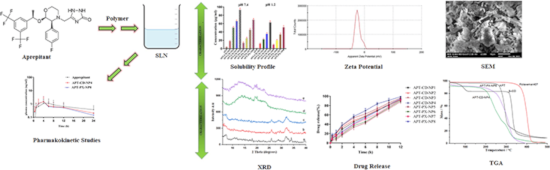
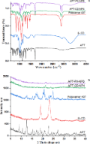
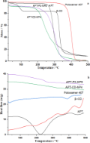
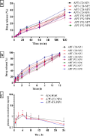
- , Robert Stevenson Road, Edinburgh, EH9 3FB, United Kingdom 10.3762/bjnano.16.50 Abstract Objectives of the present study are the development of aprepitant (APT)-loaded solid lipid nanoparticles (SLNs) using the polymers poloxamer 407 and β-cyclodextrin for enhanced solubility and their pharmacokinetic
- . Therefore, the optimal SLN formulation APT-CD-NP4 is a promising tool for oral administration with sustained release to improve the bioavailability of the BCS class-IV drug APT. Keywords: aprepitant; β-cyclodextrin; pharmacokinetic study; poloxamer; solid lipid nanoparticles; Introduction Cancer is a
- class-IV drug [10]. Low solubility and poor dissolution of BCS class-IV drugs can be improved by using techniques such as incorporating the drug or prodrug into lipid or polymeric formulations, using solid lipid nanoparticles (SLNs), applying surfactants, adjusting the pH value, reducing particle size



Polyurethane/silk fibroin-based electrospun membranes for wound healing and skin substitute applications
Beilstein J. Nanotechnol. 2025, 16, 591–612, doi:10.3762/bjnano.16.46
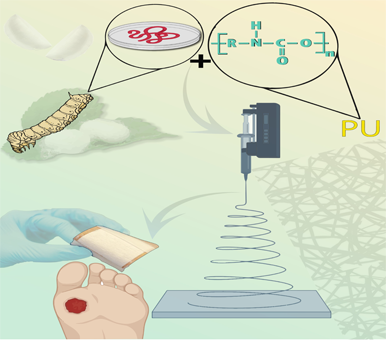
- biodegradable PU has been utilized to develop 3D printing materials with regulated bioactivity for cartilage tissue engineering [148]. The printing ink contains a water-based dispersion of synthetic biodegradable PU nanoparticles, hyaluronan, and bioactive substances. The ink was used at low temperatures to
- neuronal development and embryonic stem cell culturing [161]. For biological applications, electrospun PU nanofibers including antibacterial substances such as silver nanoparticles, 4-vinylpyridine, or streptomycin sulfate were also created. These researches combined the use of wound dressings with the
- therapeutic treatment [167]. These materials are embedded with responsive elements like nanoparticles that capture light in the near-infrared (NIR) or visible range and transform it to energy or heat to elicit specific responses. Such materials can, upon light exposure, release therapeutic payloads in the



Nanomaterials in targeting amyloid-β oligomers: current advances and future directions for Alzheimer's disease diagnosis and therapy
Beilstein J. Nanotechnol. 2025, 16, 561–580, doi:10.3762/bjnano.16.44
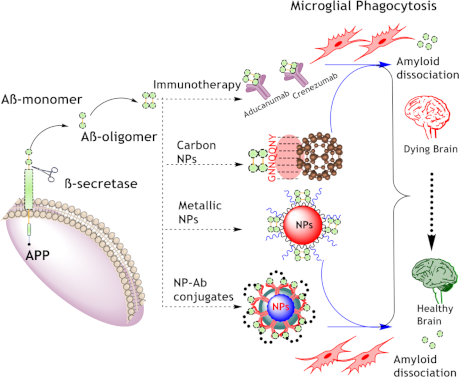
- to intermediates of the oligomerization process. Evidence from in vivo studies indicate that NMs hold promise for ameliorating AD symptoms. Additionally, the review explores the different interaction mechanisms through which nanoparticles exhibit their inhibitory effects on AβOs, providing insights
- biosensors for early diagnosis and improving the sensitivity of AβO detection. In imaging, nanoparticles (NPs) can help to visualize localized protein accumulation, complementing existing diagnostic methods. Materials such as carbon-based NMs (e.g., graphene oxide) and metal NPs (e.g., gold and silver
- electrochemical detection of AβOs via a nanobiosensor consisting of gold nanoparticles (AuNPs) embedded in a conductive polymeric matrix. For this, the surface of the AuNPs was further modified with PrPc, which acted as the biorecognition element for the specific detection of AβOs in ex vivo real samples, viz


Retrieval of B1 phase from high-pressure B2 phase for CdO nanoparticles by electronic excitations in CdxZn1−xO composite thin films
Beilstein J. Nanotechnol. 2025, 16, 551–560, doi:10.3762/bjnano.16.43

- Abstract This study investigates the recovery of the B1 phase from the high-pressure B2 phase, at atmospheric pressure, in cadmium oxide (CdO) nanoparticles incorporated within sol–gel synthesized CdxZn1−xO (x = 0.40) composite thin films. The recovery process is investigated using electronic excitations
- as an effective tool. Exposure to 120 MeV silver ion irradiation results in the complete amorphization of the B2 phase in CdO nanoparticles, while the crystalline hexagonal wurtzite phase of zinc oxide (ZnO) remains intact. In contrast, 80 MeV oxygen ion irradiation preserves the B2 phase and
- facilitates the reemergence of the B1 phase. The partial damage caused by electronic energy loss during oxygen ion irradiation in the willemite Zn2SiO4 phase is identified as a trigger for the B1 to B2 phase transformation in CdO nanoparticles, enabling the recovery of the B1 phase. The diminishing local


Functionalized gold nanoflowers on carbon screen-printed electrodes: an electrochemical platform for biosensing hemagglutinin protein of influenza A H1N1 virus
Beilstein J. Nanotechnol. 2025, 16, 540–550, doi:10.3762/bjnano.16.42
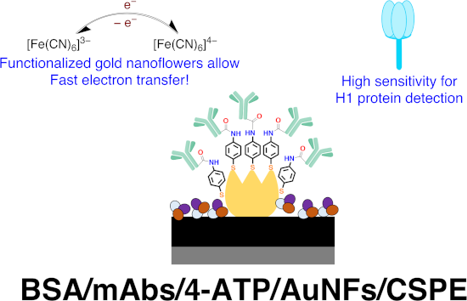
- transducer system of our biosensor is based on low-cost carbon screen printed electrodes (CSPEs) modified with functionalized gold nanoflowers (AuNFs). The complex morphology and surface functionalization of the nanoparticles with 4-aminothiophenol (4-ATP) significantly increased the surface area and the
- protein at clinically relevant concentrations. Scanning electron microscopy Scanning electron microscopy (SEM) analysis was explored to characterize the surface of the electrodes after electrodeposition of gold nanoparticles (Figure 2). Because of the high conductivity of gold, a difference in contrast is
- observed when comparing the surface of the commercial CSPE (Figure 2A) to that of the AuNFs/CSPE (Figure 2B). The gold nanoparticles are evenly distributed across the surface of the electrode (Figure 2C). The deposited nanoparticles show a flower-like morphology with an average size of 139 nm and a


Electron beam-based direct writing of nanostructures using a palladium β-ketoesterate complex
Beilstein J. Nanotechnol. 2025, 16, 530–539, doi:10.3762/bjnano.16.41
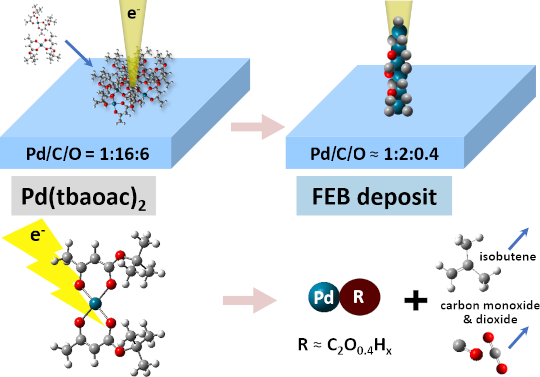
- applications [32][33][34], palladium is an important metal as it is the optimal material to make metallic contacts with CNTs [35]. Palladium nanoparticles are also being explored for biomedical applications and sensors [36]. Therefore, Pd nanoprinting via FEBID could emerge as a key technique for creating


N2+-implantation-induced tailoring of structural, morphological, optical, and electrical characteristics of sputtered molybdenum thin films
Beilstein J. Nanotechnol. 2025, 16, 495–509, doi:10.3762/bjnano.16.38
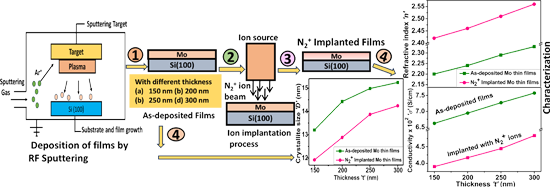
- production of Mo nanoparticles and the subsequent increase in surface plasmon resonance or interband transitions. As-deposited molybdenum thin films deposited at room temperature typically exhibit a smooth surface and crystalline structure. The absorbance of molybdenum thin films increases with increasing
- film thickness and peaks between 300 and 700 nm, corresponding to the localized surface plasmon resonance (LSPR) of molybdenum nanoparticles [45][46]. The formation of defects through ion irradiation increased the scattering of light and absorption within the film, resulting in enhanced overall
- absorbance of Mo thin films. The blue shift of the LSPR band to a shorter wavelength (i.e., 260–340 nm) after nitrogen ion implantation can be attributed to modifications in the size, shape, and density of molybdenum nanoparticles [47]. The absorbance bands are more pronounced after nitrogen implantation


Effect of additives on the synthesis efficiency of nanoparticles by laser-induced reduction
Beilstein J. Nanotechnol. 2025, 16, 464–472, doi:10.3762/bjnano.16.35
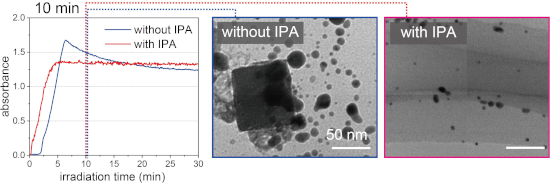
- Rikuto Kuroda Takahiro Nakamura Hideki Ina Shuhei Shibata illuminus Inc., 307 Wako Riken Incubation Plaza, 2–3–13, Minami, Wako, Saitama, 351–0104, Japan 10.3762/bjnano.16.35 Abstract Laser-induced reduction in liquid (LRL) is a physicochemical technique for synthesizing nanoparticles by
- irradiating a solution containing metal ions with a high-intensity laser. It is simple and environmentally friendly, as it does not require reducing agents or high-temperature, high-pressure environments. In this method, nanoparticles are synthesized by reducing metal ions with short-lived radical species
- produced by the breakdown of solvent molecules in a high-intensity reaction field near the focus of the laser. This unique reaction has the characteristic of being able to synthesize non-equilibrium solid–solution alloy nanoparticles. On the other hand, it is necessary to improve the synthesis efficiency


Synthetic-polymer-assisted antisense oligonucleotide delivery: targeted approaches for precision disease treatment
Beilstein J. Nanotechnol. 2025, 16, 435–463, doi:10.3762/bjnano.16.34

- optimise ASO-based therapeutics for more precise and effective disease treatments. Keywords: antisense oligonucleotides; enhanced delivery; gene transfection; intracellular uptake; locked nucleic acid (LNA); nanoparticles; peptide nucleic acid (PNA); personalised therapy; phosphorodiamidate morpholino
- ) (εPLL) (≈4.2 kDa) as a cationic polymer to enhance the delivery of single-strand phosphorothioate backbone ASOs (ASO-GAPDH, ASO-PHD2, and ASO-Luci) through the formation of green nanoparticles (GNPs) with natural polyphenols such as epigallocatechin gallate [65]. The authors demonstrated that εPLL
- played a crucial role in the successful coating of these nanoparticles, significantly increasing their zeta potential and improving cellular uptake. Moreover, εPLL-coated GNPs were found to provide robust protection for the ASOs against nuclease degradation, maintaining over 78% of the oligonucleotides


Quantification of lead through rod-shaped silver-doped zinc oxide nanoparticles using an electrochemical approach
Beilstein J. Nanotechnol. 2025, 16, 422–434, doi:10.3762/bjnano.16.33
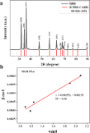
- , India Department of Physics, Punjab Engineering College (Deemed to be University), Chandigarh, 160012, India 10.3762/bjnano.16.33 Abstract Special features of zinc oxide nanoparticles have drawn a lot of interest due to their wide bandgap, high surface area, photocatalytic activity, antimicrobial
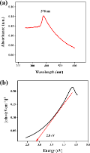
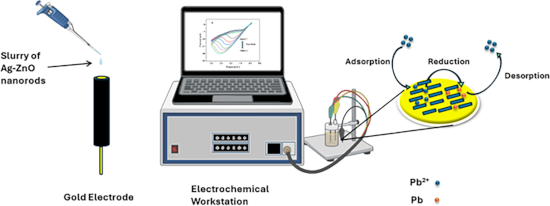
- activity, and semiconductor properties. By doping ZnO nanoparticles with transition metals, we can alter their electrical, optical, and magnetic properties by introducing new electronic states into the band structure. Herein, Ag is added to ZnO nanostructures to improve their optical properties to detect
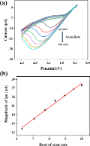
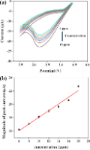
- sensitivity toward lead. The lead chemical sensor that was developed had a detection limit of 3 ppm with a sensitivity of 16 µA·ppm−1·cm−2. The recorded reaction time of lead sensor was less than two seconds. Keywords: electrochemical methods; chemical sensor; doping; lead; nanoparticles; ZnO nanorods