


Search results
Search for "phase" in Full Text gives 1624 result(s) in Beilstein Journal of Nanotechnology. Showing first 200.
Nanotechnology-based approaches for the removal of microplastics from wastewater: a comprehensive review
Beilstein J. Nanotechnol. 2025, 16, 1607–1632, doi:10.3762/bjnano.16.114
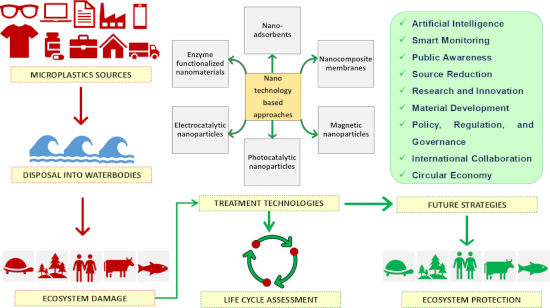
- pollutants adsorbed on its surface. In Fenton and Fenton-like processes, hydroxyl (•OH) radicals are formed when hydrogen peroxide reacts with a metallic active phase, such as Fe2+, facilitating the oxidation and breakdown of contaminants [58]. Table 2 depicts the advantages and limitations of various


Few-photon microwave fields for superconducting transmon-based qudit control
Beilstein J. Nanotechnol. 2025, 16, 1580–1591, doi:10.3762/bjnano.16.112
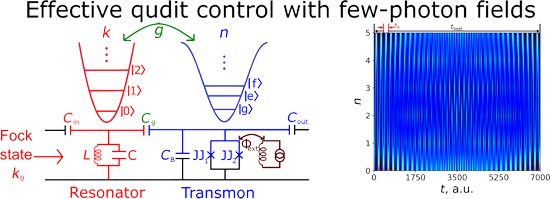
- ) and the phase on the JJ/(interferometer) are quantized as follows: where charge energy EC = e2/2CB and Josephson energy EJ = (Φ0Ic)/2π are used (Ic is the critical current flowing through the Josephson junction). The Hamiltonian for the transmon part of our system can be written in the following form
- obtained in Equation 5 indicates that the nonlinearity of the transmon is similar to the type of Kerr phase modulation , with . Thus, the Hamiltonian in Equation 4 can be rewritten as follows: Note that, for such a system, the operator is found to be independent on time (being an integral of motion). This
- means that this nonlinearity itself leads only to phase modulation without changing the excitation statistics. In our case, the dynamics of the excitations of a Josephson nanosystem (transmon) under the action of a nonclassical electromagnetic field is studied. The interaction of the photonic and


Photocatalytic degradation of ofloxacin in water assisted by TiO2 nanowires on carbon cloth: contributions of H2O2 addition and substrate absorbability
Beilstein J. Nanotechnol. 2025, 16, 1567–1579, doi:10.3762/bjnano.16.111
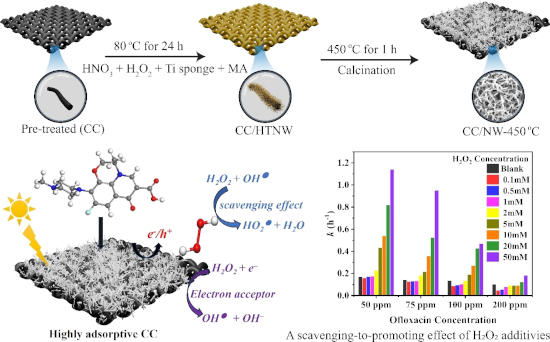
- -first-order kinetic model, as determined by Equation 3: The concentration of OFL was assessed using high-performance liquid chromatography with a C18 column maintained at 30 °C. The UV–vis detector was calibrated to a wavelength of 292 nm. The mobile phase consisted of a 15:85 ratio of methanol to 0.8
- seen for the CC/HTNW, which corresponds to hydrogen titanate H2Ti5O11·3H2O (JCPDS card no. 44-0130). The TiO2 nanowires are predominantly in the anatase phase, as indicated by characteristic anatase peaks, such as the (101), (004), (200), and (105) reflections at 2θ = 25.3°, 37.8°, 48.0°, and 54.0
- °, respectively (JCPDS card no. 21-1272). The Raman spectra in Figure 2b are in accordance with the XRD analysis in phase composition. The CC/NW-450 °C spectrum displays prominent peaks at 146, 195, 287, 395, 516, and 637 cm−1, corresponding to the Eg, A1g, B1g, B1g, (A1g + B1g), and Eg modes of the anatase phase


Transient electronics for sustainability: Emerging technologies and future directions
Beilstein J. Nanotechnol. 2025, 16, 1545–1556, doi:10.3762/bjnano.16.109

- rehabilitation [10][11], and orthopedic healing [12], where device functionality is required only for a defined recovery period. In such cases, transient electronic devices offer distinct advantages over conventional implants by providing essential sensing or therapeutic functions during the acute phase and
- wireless, fully bioresorbable electrical stimulator designed to promote nerve regeneration during the initial phase of neural injury treatment and subsequently undergo complete degradation [7] (Figure 1b), battery-free and bioresorbable pacemakers designed for on-demand cardiac rhythm management during the
- but also of electrical and mechanical performance. For instance, Mg-3Zn, which suffers from phase separation in bulk form, can be synthesized as a uniform alloy in thin films, offering improved corrosion resistance [61]. Moreover, bioresorbable amorphous metal (metallic glass) films have demonstrated


Influence of laser beam profile on morphology and optical properties of silicon nanoparticles formed by laser ablation in liquid
Beilstein J. Nanotechnol. 2025, 16, 1533–1544, doi:10.3762/bjnano.16.108
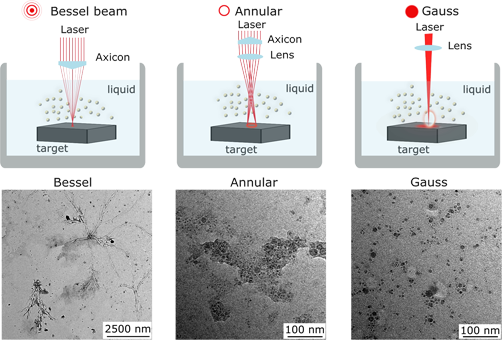
- Abstract In this study, silicon nanoparticles (NPs) were produced by pulsed laser ablation in a liquid, aiming to investigate the influence of a laser beam profile on the properties of the resultant NPs. Morphology, inner structure, and phase composition of the formed NPs were characterized by means of
- peak fluence in the central lobe can be calculated as [31][32]: where Ein is the incident Gaussian pulse energy (80 mJ per pulse) and ω0 is e−2 radius of the incident Gaussian beam (3 mm). Following these calculations, the fluence was calculated to be 84.9 J·cm−2. Morphology, phase composition, and
- , phase composition, and lattice parameters of the formed Si nanostructures were determined from HRTEM images by fast Fourier transformation (FFT). The morphology of the produced nanoparticles was also evaluated using scanning electron microscopy (SEM) with a SUPRA 55WDS microscope (Carl Zeiss, Germany


Dendrimer-modified carbon nanotubes for the removal and recovery of heavy metal ions from water
Beilstein J. Nanotechnol. 2025, 16, 1522–1532, doi:10.3762/bjnano.16.107

- patterns were recorded on a Shimadzu 6100 X-ray diffractometer in a 2θ range of 10–80°, providing insights into the crystalline structure and phase composition of the CNTs before and after modification. UV–vis spectroscopy was used to monitor adsorption of metal ions by the interaction of dendrimerized


Laser processing in liquids: insights into nanocolloid generation and thin film integration for energy, photonic, and sensing applications
Beilstein J. Nanotechnol. 2025, 16, 1428–1498, doi:10.3762/bjnano.16.104
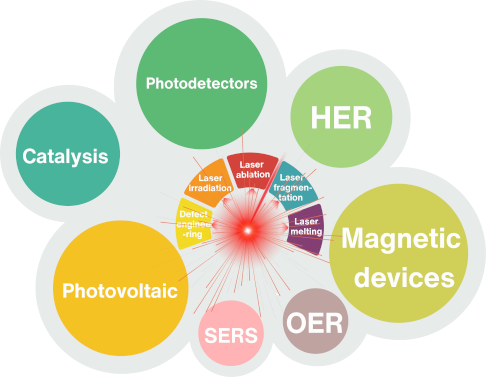
- comprehensive understanding of the process flow, from the laser-induced ejection of material into the gas phase, through its processing and movement in the plume, to its eventual deposition onto a substrate. Figure 1 shows key developments in thin film synthesis and laser-based processing from 1909 to 2025
- traditional LAL, including milder reaction conditions, greater flexibility in size and phase control, and significantly higher productivity, making it more suitable for industrial-scale applications [42]. Additionally, selective pulsed heating in PLIL is distinct from conventional heating as it is both
- surrounding solvent, owing to the efficient light absorption capability of the NPs and their limited thermal transfer to the solvent. [35][63][72][73][74]. LIL also leads to phase transitions and morphological changes (Figure 7a–d) depending on the laser fluence and irradiation time [42]. Schematic






Photochemical synthesis of silver nanoprisms via green LED irradiation and evaluation of SERS activity
Beilstein J. Nanotechnol. 2025, 16, 1417–1427, doi:10.3762/bjnano.16.103
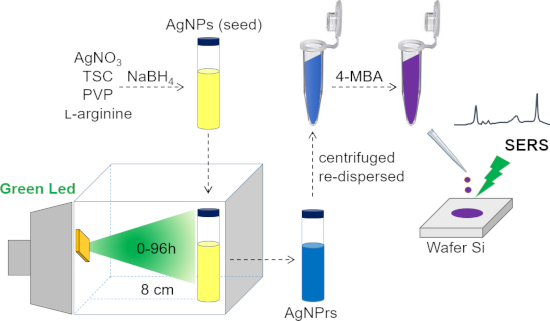
- , violet, green, and blue. This makes AgNPrs highly suitable for optical sensing applications [2]. The formation mechanism of AgNPrs in solution typically proceeds through three stages, namely, nucleation, seeding, and crystallization, with the crystallization phase being the slowest and rate-determining


Ferroptosis induction by engineered liposomes for enhanced tumor therapy
Beilstein J. Nanotechnol. 2025, 16, 1325–1349, doi:10.3762/bjnano.16.97
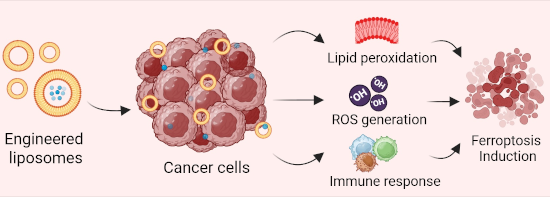
- efficiency (EE). These techniques can be categorized into conventional approaches such as thin film hydration, reverse phase evaporation, solvent injection, detergent removal, and newer innovations. Also, modern techniques are further developments or adaptations of conventional approaches. These methods
- . Other characterization techniques include nuclear magnetic resonance (NMR) spectroscopy to study membrane fluidity and phase transitions, fluorescence spectroscopy for investigating drug–liposome interactions, and capillary electrophoresis to analyze liposome–drug interactions and drug release [110][121
- and 31P NMR are used to evaluate the lamellarity of liposomes, which refers to the number of bilayers of lipids in the vesicles [122]. 31P NMR provides information on membrane fluidity and phase transitions, while cryo-TEM allows for direct observation of the number of lipid bilayers [110]. X-ray


Deep-learning recognition and tracking of individual nanotubes in low-contrast microscopy videos
Beilstein J. Nanotechnol. 2025, 16, 1316–1324, doi:10.3762/bjnano.16.96
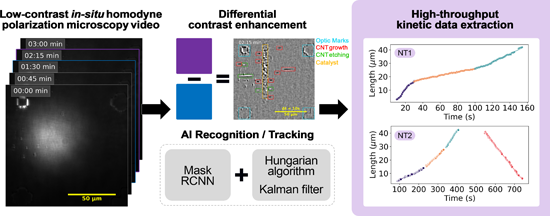
- and carrier gas. Oxygen and water sensors monitored gas-phase contaminants at the outlet line. In situ microscopy Nanotube growth was imaged in situ using a custom-built optical setup for homodyne polarization microscopy. A supercontinuum source (Fianium SC-400-4, 2 ps pulses, 40 MHz, spectral range


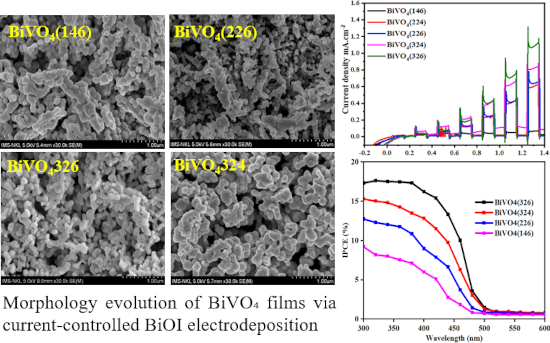
Enhancing the photoelectrochemical performance of BiOI-derived BiVO4 films by controlled-intensity current electrodeposition
Beilstein J. Nanotechnol. 2025, 16, 1289–1301, doi:10.3762/bjnano.16.94
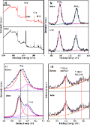
- ), corresponding to Bi3+ in the monoclinic phase of BiVO4 [36][37]. The V 2p region (Figure 7d) exhibits peaks at 516.2 eV (V 2p3/2) and 524.1 eV (V 2p1/2), indicating the presence of V5+ species associated with the VO43− tetrahedra [38][39]. The Bi 4f and V 2p spectra remained unchanged after testing, confirming



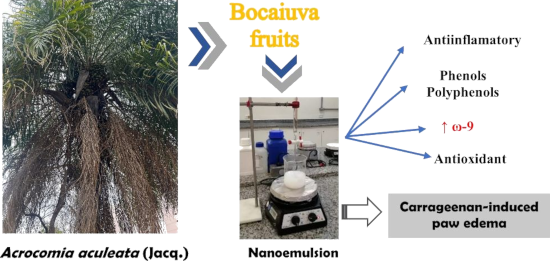
Acrocomia aculeata oil-loaded nanoemulsion: development, anti-inflammatory properties, and cytotoxicity evaluation
Beilstein J. Nanotechnol. 2025, 16, 1277–1288, doi:10.3762/bjnano.16.93
- ]. Moreover, the surfactants exhibit temperature-responsive behavior, reorganizing at higher temperatures to stabilize finer dispersions. The concurrent decline in oil phase viscosity with increasing temperature also improves emulsification efficiency by promoting shear-induced droplet breakup, particularly
- under mechanical agitation [48]. Nevertheless, while these conditions favor the formation of smaller nanodroplets, temperatures above 60 °C may compromise emulsion stability, potentially triggering phase separation or degradation of labile components. This highlights the necessity for stringent
- nanoemulsion After confirmation of the nonhemolytic effect of the nanoemulsion, the anti-inflammatory effect was evaluated. In inflammatory processes, therapeutic interventions aim primarily to attenuate the productive phase of inflammation, particularly by inhibiting leukocyte infiltration at the injury site


Better together: biomimetic nanomedicines for high performance tumor therapy
Beilstein J. Nanotechnol. 2025, 16, 1246–1276, doi:10.3762/bjnano.16.92






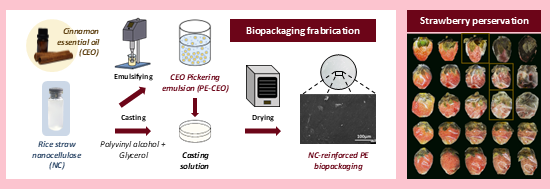
Functional bio-packaging enhanced with nanocellulose from rice straw and cinnamon essential oil Pickering emulsion for fruit preservation
Beilstein J. Nanotechnol. 2025, 16, 1234–1245, doi:10.3762/bjnano.16.91
- visibly lower. This may be related to the disruption of the crystalline structure of PVA after encapsulation of essential oil. For rBP and rCBP, which also contains NC, a small rise in the XRD signal can be seen at around 18°, which may be from the (110) plane of the Iβ cellulose crystalline phase [32
- mobility [43]. When CEO content exceeds 8%, WVP slightly increases to 5.27 × 10⁻¹² g·m−1·s−1·Pa−1, likely due to structural heterogeneity and phase separation within the polymer matrix [45]. These findings suggest that an optimal PE-CEO concentration exists to balance water resistance and mechanical
- (cinnamaldehyde and eugenol) [33][52]. The release of CEO from the films was studied over time (Figure 5a). The release pattern had two phases, namely, a fast initial release of 42% within the first 100 min, followed by a slower phase up to 300 min. The fast release happened because some CEO was near the surface



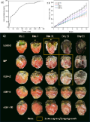
Hydrogels and nanogels: effectiveness in dermal applications
Beilstein J. Nanotechnol. 2025, 16, 1216–1233, doi:10.3762/bjnano.16.90
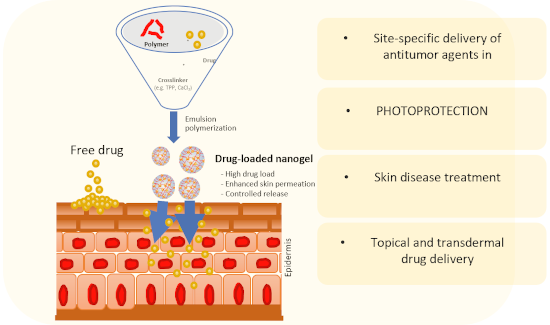
- become attractive due to their high biocompatibility and long circulating time in the blood, as well as low cytotoxicity [73]. They can be prepared by various methods, including phase inversion [73], copolymerization [110][111], and double chemical cross-linking reaction [51]. Cellulose derivatives, such


Investigation of the solubility of protoporphyrin IX in aqueous and hydroalcoholic solvent systems
Beilstein J. Nanotechnol. 2025, 16, 1209–1215, doi:10.3762/bjnano.16.89
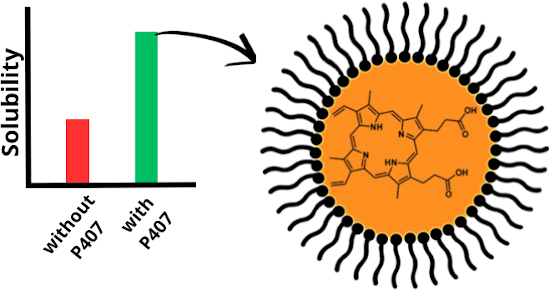
- lag time parameter in the model reflects the initial phase of micelle formation and the subsequent accommodation of PpIX into the micellar core, which precedes the diffusion-driven dissolution process [23]. Among the systems evaluated, water + P407 and EtOH77 + P407 exhibited the highest correlation
- ), indicated a Fickian diffusion mechanism occuring after the initial phase of micelle formation and subsequent accommodation of PpIX within the micellar core of the P407-based systems. These results reinforce the structural stability and controlled-release potential of the micellar formulations, particularly


Chitosan nanocomposite containing rotenoids: an alternative bioinsecticidal approach for the management of Aedes aegypti
Beilstein J. Nanotechnol. 2025, 16, 1197–1208, doi:10.3762/bjnano.16.88
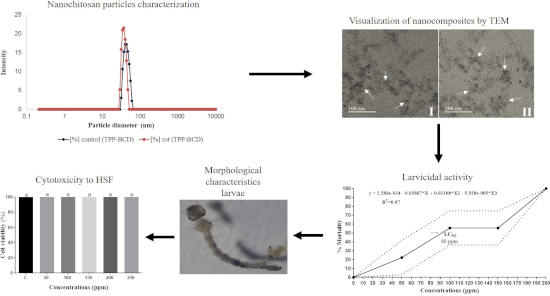
- the literature that larvicidal bioassays are effective tests for identifying new insecticides against this vector mosquito, as the larval stage is the longest and most vulnerable immature phase of the insect. In addition, this species is synanthropic, which means that it is adapted to live close to
- chromatographic conditions. An NST C18 column (250 mm × 4.6 mm; 5 μm) was used as the stationary phase, while the mobile phase consisted of solution A (50% MeOH) and solution B (100% MeOH) as eluents. For each concentration, two HPLC runs were performed, and the average peak areas obtained were used to construct



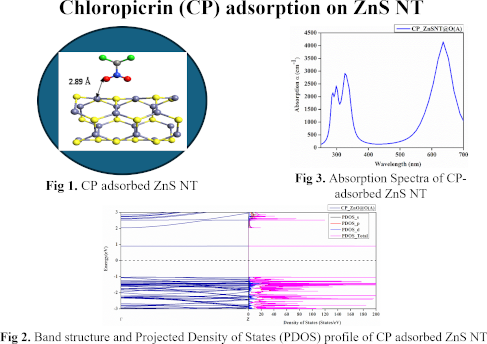
Electronic and optical properties of chloropicrin adsorbed ZnS nanotubes: first principle analysis
Beilstein J. Nanotechnol. 2025, 16, 1184–1196, doi:10.3762/bjnano.16.87
- humidity sensing performance compared to that of ZnO/ZnS nanorod arrays and ZnO nanorod arrays, with enhanced response, faster recovery, good linearity, and reliable reproducibility across a wide range of relative humidity conditions at room temperature. Giri et al. [48] demonstrated that phase-selective


Mechanical stability of individual bacterial cells under different osmotic pressure conditions: a nanoindentation study of Pseudomonas aeruginosa
Beilstein J. Nanotechnol. 2025, 16, 1171–1183, doi:10.3762/bjnano.16.86
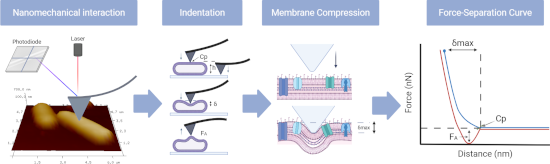
- by the internal turgor pressure [56]. As depicted in the force curves for the case of hypotonic solution, the combination of a high curvature with shorter δmax strongly indicates a higher membrane tension as a result of osmolyte release in the final equilibrium phase by the MS channels, which is
- potential cell lysis are prevented by the rapid reaction of MS channels to low osmolarities, which also decreases membrane tension. Decompression of exceeding internal pressures within PA is then reduced, and obtained values for kPA and Pt represent the equilibration phase of PA which counteracts exceeding


Transfer function of an asymmetric superconducting Gauss neuron
Beilstein J. Nanotechnol. 2025, 16, 1160–1170, doi:10.3762/bjnano.16.85
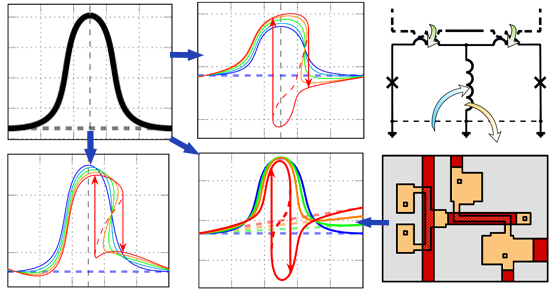
- Neuron For clarity and systematic exposition, let us first consider the case of a symmetric Gauss neuron [8][12][14]. The equations of state consist of Kirchhoff’s law in the node O (Equation 1) and two phase balance equations in the partial loops of the neuron: Here, φA,B is the phase difference across
- positive directions of currents (indicated by arrows in Figure 1) and the directions of loop traversal (counterclockwise and clockwise for the left and right loops, respectively) are chosen according to [14]. The phase balance equation for the full input loop, consisting of both input arms, is obtained by
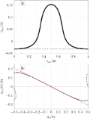
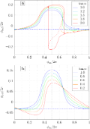
- output signal and the mean phase φ+ according to Equation 13. The TF (Equation 12–Equation 14) is obviously periodic with respect to ϕin. Within the first period, the TF of the Gauss neuron represents a symmetric bell-shaped curve that “rests” on a horizontal line (Figure 2a). The symmetry of the TF



Crystalline and amorphous structure selectivity of ignoble high-entropy alloy nanoparticles during laser ablation in organic liquids is set by pulse duration
Beilstein J. Nanotechnol. 2025, 16, 1141–1159, doi:10.3762/bjnano.16.84
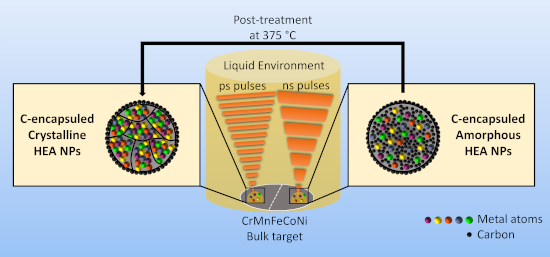
- nanomaterials, usually consisting of single-phase solid solutions made of five or more elements, forming relatively simple face-centered cubic [6][7][8] (fcc) or body-centered cubic [9][10] (bcc) crystal structures, stabilized by the configurational part of Gibbs-free energy. It is worth noting that high
- HEA NPs could also be synthesized by inert gas condensation as stated very recently by Zhou et al. [31]. However, none of these aforementioned synthesis techniques give access to colloidal HEA NPs but to structures bound to an often very specific support material or limited to gas phase conditions. An
- g/h. Both the bulk target and the NPs showed a crystalline fcc phase with a lattice parameter of 3.58 Å and a solid solution structure. Löffler et al. investigated the very same element system enriched with Mn, again made by ps-LAL in ethanol. They reported particle mean diameters below 10 nm and a




Deep learning for enhancement of low-resolution and noisy scanning probe microscopy images
Beilstein J. Nanotechnol. 2025, 16, 1129–1140, doi:10.3762/bjnano.16.83
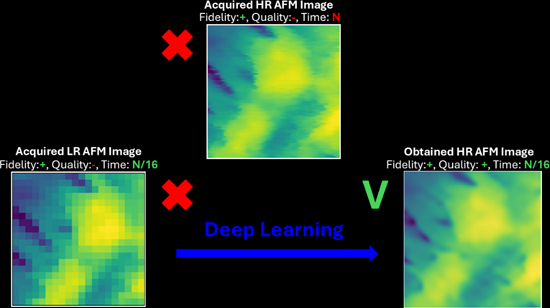
- units of nanometers. The values of the low-resolution images were normalized to be in the range between zero and one using min–max normalization and expanded equally across RGB color channels as part of the image preprocessing phase for the SR deep learning models. To prepare the normalized low


Towards a quantitative theory for transmission X-ray microscopy
Beilstein J. Nanotechnol. 2025, 16, 1113–1128, doi:10.3762/bjnano.16.82
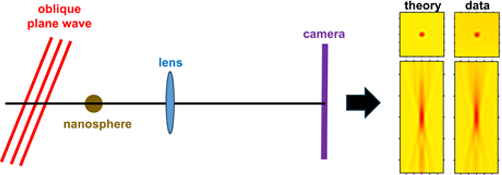
- that this model produces good qualitative agreement with our 3D measurements of 60 nm gold nanospheres, but only if both β and δ for the complex refractive index n = 1 – δ + iβ of gold are included in the model. This shows that both absorption and phase properties of the specimen influence the acquired
- the parabolic wave equation to propagate light through a sample that was defined by its 3D distribution of complex refractive indices, thereby accounting for both the absorption and phase properties of the sample. We refer to this model as the partially coherent, parabolic-wave-equation (pc-PWE) model
- when the magnitude of the complex refractive index n is close to one [27]. These two requirements ensure that light rays pass through the sphere without significant deflection or reflection, subject only to the accumulated phase change. We confirm the validity of the anomalous diffraction approximation



Influence of ion beam current on the structural, optical, and mechanical properties of TiO2 coatings: ion beam-assisted vs conventional electron beam evaporation
Beilstein J. Nanotechnol. 2025, 16, 1097–1112, doi:10.3762/bjnano.16.81
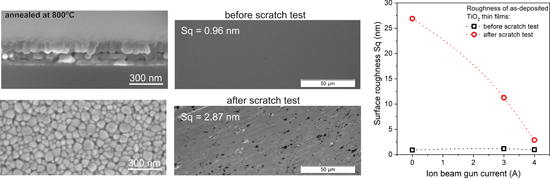
- ) coatings deposited using electron beam evaporation (EBE) and ion beam-assisted deposition (IBAD) are presented. Post-process annealing at 800 °C was also conducted to examine its impact on the properties of the prepared coatings. After annealing at 800 °C, a transition from amorphous to the anatase phase
- , brookite, anatase, or rutile [16][17][18][19][20]. The rutile phase is the most stable structure of TiO2, while anatase is a metastable phase. Recently, the anatase phase of TiO2 has been particularly used in the production of solar cells and optical coatings. According to [17][18], titanium dioxide in the
- anatase phase, compared to other phases, is particularly favorable for electrochromic applications due to its efficient ion transport and relatively open configuration of octahedral units. These two phases of titanium dioxide differ significantly in their properties in terms of electronic applications [21




Piezoelectricity of hexagonal boron nitrides improves bone tissue generation as tested on osteoblasts
Beilstein J. Nanotechnol. 2025, 16, 1068–1081, doi:10.3762/bjnano.16.78
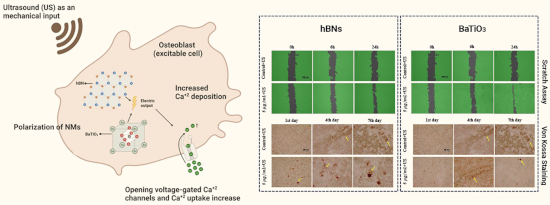
- phases exhibit ferroelectric properties, except for the cubic crystalline phase [23]. The size and crystal structure of BaTiO3 can vary based on the synthesis method. Notably, BaTiO3 holds promise as a bone-like graft and as a nano–bio interface, thanks to its excellent cytocompatibility and its positive
- amplitude and PRFM phase images of hBNs. The amplitude image presents the strength of hBNs piezoelectric response, which was recorded as 2 mV. This acquired amplitude response measures the effective piezoelectric coefficient, which can be correlated with the polarization magnitude. The observed PRFM
- applied electric field, the acquired phase signals determine the polarization direction of hBNs [49]. The direction and angle of polarization of piezoelectric hBNs were recorded by phase contrast measurement, and it was found to be 300°. This high value indicates that hBNs gave spontaneous responses as





