Search results
Search for "surface charge" in Full Text gives 250 result(s) in Beilstein Journal of Nanotechnology. Showing first 200.
LED-light-activated photocatalytic performance of metal-free carbon-modified hexagonal boron nitride towards degradation of methylene blue and phenol
Beilstein J. Nanotechnol. 2022, 13, 1380–1392, doi:10.3762/bjnano.13.114
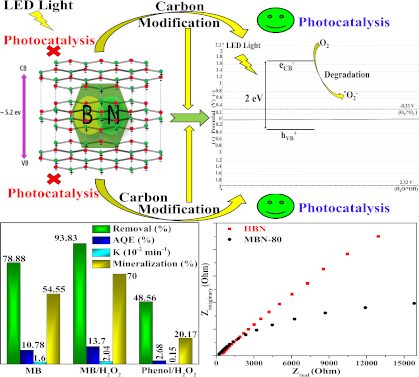
- a Shimadzu TOC-L CSH analyser. The surface area and pore characteristics were characterized by a Micromeritics (3FLEX 3500) gas sorption analyser. The surface charge was analysed through a Zeta-Meter 4.0 (Zeta-Meter, Inc, USA). The electron paramagnetic resonance (EPR) experiments were performed by
- charge is an important parameter which governs the adsorption of the pollutant moiety over the photocatalyst. Thus, it becomes very important to study the variation of surface charge of the MBN-80. The variation of surface charge over MBN-80 in terms of pH value and isoelectric point of the solution was
- attributed to the unpaired electrons. The MBN-80 sample shows the highest EPR spin intensity, meaning greater concentration of unpaired electrons along with higher electron delocalization which are highly favourable towards enhanced separation and generation of charge carriers [26][27]. Additionally, surface


Application of nanoarchitectonics in moist-electric generation
Beilstein J. Nanotechnol. 2022, 13, 1185–1200, doi:10.3762/bjnano.13.99
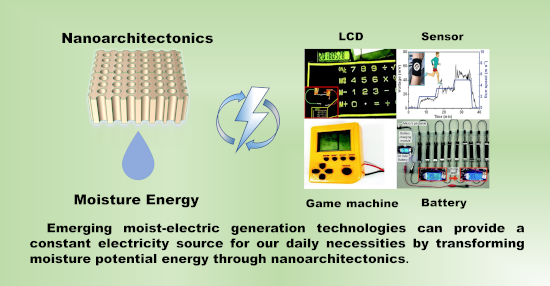
- occurs when a liquid is in contact with a solid with a surface charge. This interaction is mainly dominated by the electric double layer (EDL), which consists of a layer of ions (Stern layer) that is tightly adsorbed to the charged surface and a layer of counter ions (diffusion layer) that is attracted
- 4.0. (b, c) Cross-sectional SEM images of a Ni–Al LDH film. Figure 4b and 4c were adapted from [52]. This article was published in Nano Energy, vol. 70, by J. Tian; Y. Zang; J. Sun; J. Qu; F. Gao; G. Liang, “Surface charge density-dependent performance of Ni–Al layered double hydroxide-based flexible


Green synthesis of zinc oxide nanoparticles toward highly efficient photocatalysis and antibacterial application
Beilstein J. Nanotechnol. 2022, 13, 1108–1119, doi:10.3762/bjnano.13.94
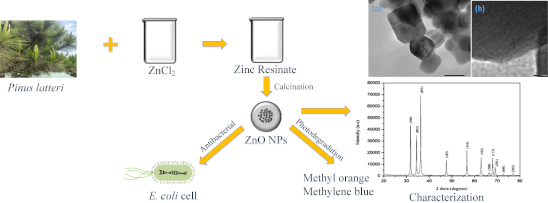
- (Figure 6b). The bandgap energy of synthesized ZnO was 3.15 eV, which is close to the bandgap value of 3.2 eV of ZnO shown in a previous report [33]. The zeta potential value displays the surface charge and stability of ZnO NPs. In this study, the zeta potential of ZnO NPs was −19 mV (Figure 7




Bioselectivity of silk protein-based materials and their bio-inspired applications
Beilstein J. Nanotechnol. 2022, 13, 902–921, doi:10.3762/bjnano.13.81
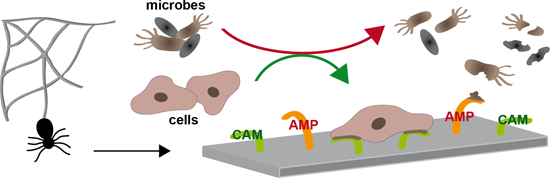
- not allow good and sufficient cell attachment necessary for tissue engineering applications. However, several independent studies showed that the materials made of the positively charged eADF4(κ16) variant enabled partial cell adhesion due to the positive surface charge derived from lysine residues in
- the primary amino acid sequence [150][162][163]. Since cells expose many negatively charged molecules on their cellular surface, charge modification is often used to guide cellular interaction [164][165][166]. In the example of the recombinant 4RepCT spider silk, several charged amino acid residues in


Gelatin nanoparticles with tunable mechanical properties: effect of crosslinking time and loading
Beilstein J. Nanotechnol. 2022, 13, 778–787, doi:10.3762/bjnano.13.68
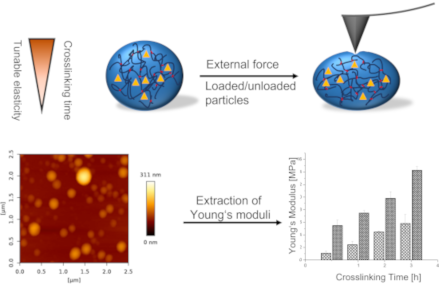
- optimal treatment. Therefore, the characteristics of nanoparticles regarding mechanical properties, size, surface charge, surface composition, and degradation and drug release mechanisms must be considered during formulation development [1]. Except for the mechanical properties, the research activities do
- macromolecules, such as proteins [12] and peptides [13], or in the field of gene delivery [14]. The surface charge of gelatin nanoparticles at physiological pH can be easily influenced by the choice of gelatin type [15]. Crosslinking of gelatin nanoparticles is still inevitable to obtain particles that are
- polydispersity index (PdI) from 0.075 to 0.115, indicating a narrow size distribution. Crosslinking for 15 min did not result in stable particles with uniform colloidal properties. The surface charge of gelatin nanoparticles is clearly pH-dependent. At a pH value of 7.5 ± 0.1, the zeta potential values ranged


Stimuli-responsive polypeptide nanogels for trypsin inhibition
Beilstein J. Nanotechnol. 2022, 13, 538–548, doi:10.3762/bjnano.13.45
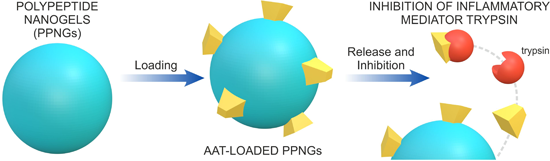
- varied from 0.233 to 0.258 at 25 °C and from 0.233 to 0.289 at 37 °C within the tested pH range from 4 to 7.4. Therefore, we assumed that the dependence of DH of Nα-Lys-NG nanogel on the pH could be significantly distorted. The surface charge analysis showed that Nα-Lys-NG nanogel was more anionic in


The effect of metal surface nanomorphology on the output performance of a TENG
Beilstein J. Nanotechnol. 2022, 13, 298–312, doi:10.3762/bjnano.13.25
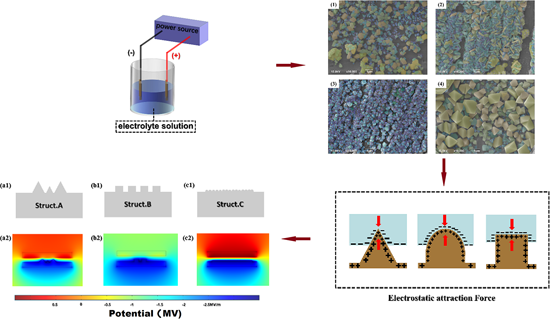
- charge density [35][36][37], (2) reduction of the impact of the external environment on TENGs [38][39], (3) enhancement of the surface charge density, including active charge pumping and intercalation of a charge trap layer [40][41], and (4) increase of the number of TENG units [42][43]. In order to
- improve the surface charge density in the contact electrification process, it is necessary to expand the effective contact surface area by surface engineering of micro-/nanoscale structures [44][45][46]. There are various processes for the surface engineering of polymers with micro-/nanoscale structures
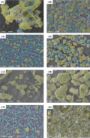
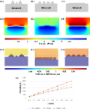
- sizes on the energy harvesting efficiency of the TENG were studied. The enhancement effect of different surface charge density distributions on the output performance of the nanostructured metal TENGs is explained. Experimental Materials and characterization In this study, 1 M sulfuric acid, copper




Relationship between corrosion and nanoscale friction on a metallic glass
Beilstein J. Nanotechnol. 2022, 13, 236–244, doi:10.3762/bjnano.13.18
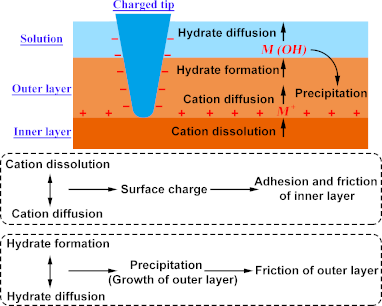
- anodic polarization results in a net positive surface charge [36][37], caused by the accumulation of the dissolved metal cations on the inner layer and strengthens the adhesion of the negatively charged silicon AFM tip [38][39]. Figure 5d depicts schematically this charge buildup at the surface of the
- reveals a stable surface charge with different periods of immersion time. We conclude that there is an equilibrium between the production of metal cations by dissolution and diffusion of the ions into the solution, which entails the constant surface charge. In other words, during immersion in phosphate
- buffer, the ion transfer is limited by the dissolution rate. Anodic polarization in phosphate buffer with its stronger metal ion dissolution leads to an accumulation of cations on the surface and, thus, to a higher surface charge. In NaCl solution, adhesion increases with immersion time, indicating an


Engineered titania nanomaterials in advanced clinical applications
Beilstein J. Nanotechnol. 2022, 13, 201–218, doi:10.3762/bjnano.13.15
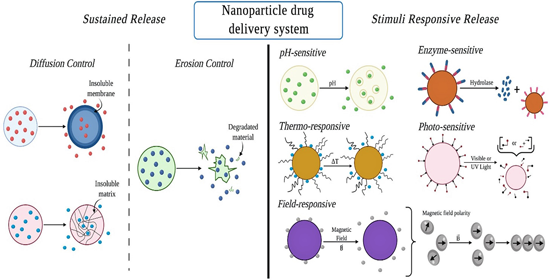
- found that nps smaller than 100 nm produce more ROS due to their higher surface area [29]. Properties of nps such as surface charge density and zeta potential are influential in determining their reactivity, agglomeration properties, interaction with cells, stability in complex media, and adsorption of
- prevention of agglomeration [102]. Titania nanostructures are capable of loading molecules of various sizes, charges, and solubilities. The immobilization of drugs and their release profile is affected by the size and surface charge distribution of the drug molecule. It has been stated that for the long-term


Theranostic potential of self-luminescent branched polyethyleneimine-coated superparamagnetic iron oxide nanoparticles
Beilstein J. Nanotechnol. 2022, 13, 82–95, doi:10.3762/bjnano.13.6
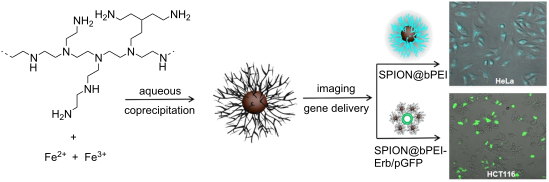
- and a positive surface charge. The former is very important for the pharmacokinetics of nanoparticles and needed for long blood circulation time, especially when a molecular targeting is aimed [36][37][38]. The latter is essential for the highly popular gene therapy, especially in the treatment of




Biocompatibility and cytotoxicity in vitro of surface-functionalized drug-loaded spinel ferrite nanoparticles
Beilstein J. Nanotechnol. 2021, 12, 1339–1364, doi:10.3762/bjnano.12.99
- electrophoresis. All samples moved towards the positive potential due to the negatively charged PMA coating (Figure 2d). The colloidal stability (i.e., hydrodynamic size, surface charge, and polydispersity index, PDI) of NPs was assessed using dynamic light scattering (DLS). All NPs (PMA-coated, and drug-attached
- ) dispersed in deionized water, sodium borate buffer (SBB) pH 9.0, phosphate buffer saline (PBS) pH 7.4, and DMEM were used for zeta potential measurements. The purpose of using buffers (i.e., SBB, PBS) was to get indirect surface charge information. Deionized water was used to check the influence of
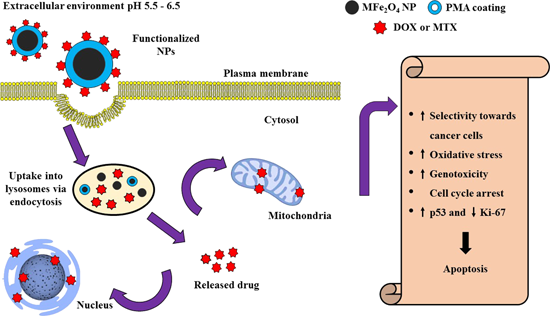
- drug molecules and NPs were acid labile in nature, resulting in the detachment of the drug from NPs under acidic conditions (pH. 5.5) [32]. The drug release became slower and sustained after that. Acidic conditions change the surface charge density which causes deionization of amide bonds, resulting in





Identifying diverse metal oxide nanomaterials with lethal effects on embryonic zebrafish using machine learning
Beilstein J. Nanotechnol. 2021, 12, 1297–1325, doi:10.3762/bjnano.12.97
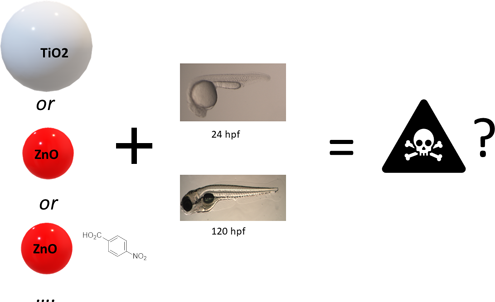
- representing different qualitative characteristic values for core shape, surface charge and purity [31], or the presence/absence of surface functional groups as important. Also, for example, elevated significance could be assigned to variables such as the Pauling metal atom electronegativity and the average
- variability in biological effects [28][29][31]. It is possible that our results regarding the limited significance of surface characteristics may be skewed by the manner in which surface chemical composition was represented using descriptors and the incomplete availability of surface charge information. (See
- for modelling of the 120 hpf excess lethality data could reflect biological significance arising from the nature of any surface coatings, rather than the presence or absence of any organic coating having general significance. Second, qualitative surface charge information, including “unknown” status


A review on slip boundary conditions at the nanoscale: recent development and applications
Beilstein J. Nanotechnol. 2021, 12, 1237–1251, doi:10.3762/bjnano.12.91
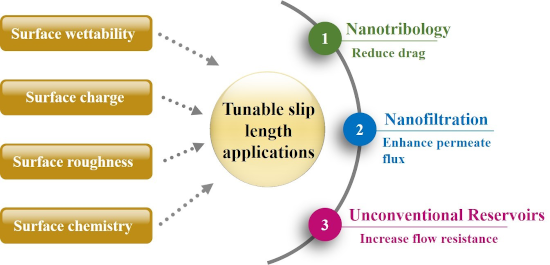
- this conclusion was drawn based on an ideal Lennard–Jones fluid. Its applicability on other Newtonian fluids with properties such as polarity and even on non-Newtonian fluids should be further validated. 2.2 Surface charge effects Investigating electrokinetics phenomena, including electro-osmosis
- applied electric field. Due to the surface charge on the solid surface, an electrical double layer (EDL), which is comprised of oppositely charged ions, naturally forms within the liquid in the vicinity of the solid surface. As shown in Figure 5, the EDL consists of an immobile Stern layer and a mobile
- experience a slippage [80]. In addition, the hydrodynamic slippage at the solid–liquid interface can in turn largely enhance the electro-osmotic velocity, which increases the urgency for a deep research on the liquid slippage phenomena in electrokinetics. Owing to the direct influence of surface charge


Morphology-driven gas sensing by fabricated fractals: A review
Beilstein J. Nanotechnol. 2021, 12, 1187–1208, doi:10.3762/bjnano.12.88
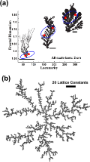
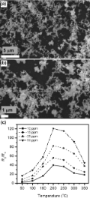
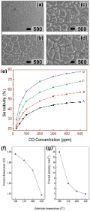
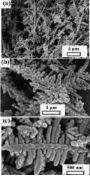
- material upon interaction with target gas analytes arise due to changes in, for instance, energy bands, surface charge, and work function caused by temperature, grain size, crystal plane energies, and doping [87][90][91]. Thus, there is no single sensing mechanism that explains all SMO gas sensors. The










pH-driven enhancement of anti-tubercular drug loading on iron oxide nanoparticles for drug delivery in macrophages
Beilstein J. Nanotechnol. 2021, 12, 1127–1139, doi:10.3762/bjnano.12.84
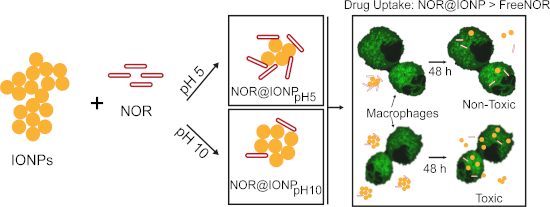
- 1). The NOR@IONPs also carry a surface charge and neutral pH. Thus indicating that these particles indeed have an improved stability, possibly due to the coating of drug. NOR@IONPpH5 also appear to have a higher drug loading. It was noted that both NOR@IONPpH5 and NOR@IONPpH10 had 2–3 nm larger
- identical treatment conditions (Figure 6a). The increased uptake could be due to active engulfment of nanoparticles by macrophages, due to their larger size (20–120 nm size range) and surface charge (+29 mV or −16.5 mV) [46], which results in simultaneous internalization of larger amounts of drug. Figure 6b



Modification of a SERS-active Ag surface to promote adsorption of charged analytes: effect of Cu2+ ions
Beilstein J. Nanotechnol. 2021, 12, 902–912, doi:10.3762/bjnano.12.67
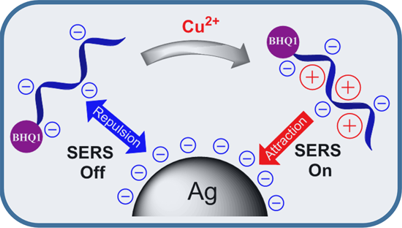
- charged hydrophilic thiols (sodium 2-mercaptoethyl sulfonate, mercaptopropionic acid, 2-mercaptoethanol, 2-(dimethylamino)ethanethiol hydrochloride, and thiocholine) to vary the surface charge of the SERS substrate. We used two oppositely charged porphyrins, cationic copper(II) tetrakis(4-N-methylpyridyl
- the surface charge of the substrate, which tends to be negative. Using the data obtained and our model SERS system, we analyzed the modification of the Ag surface by different reagents (lithium chloride, polyethylenimine, polyhexamethylene guanidine, and multicharged metal ions). Finally, all those
- suggest that some negatively charged centers are still present at the NP surfaces after thiocholine modification, such as, for example, adsorbed chloride thiocholine counter ions, which contribute to the resulting surface charge. The experimental data obtained support previous reports about the great


Comprehensive review on ultrasound-responsive theranostic nanomaterials: mechanisms, structures and medical applications
Beilstein J. Nanotechnol. 2021, 12, 808–862, doi:10.3762/bjnano.12.64


Recent progress in actuation technologies of micro/nanorobots
Beilstein J. Nanotechnol. 2021, 12, 756–765, doi:10.3762/bjnano.12.59
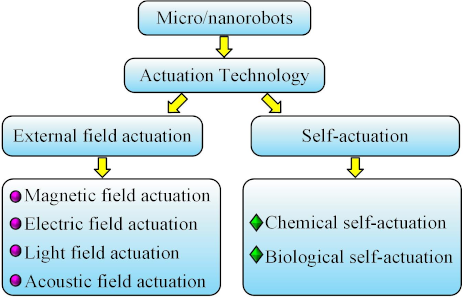
- conductive materials into a micro/nanorobot and then adjusting the surface charge of the robot or the electrochemical reaction on the interface through electric fields can also yield actuation. Zhang et al. [29] proposed an interdigital microelectrode system. When an AC electric field is applied, metal


Fate and transformation of silver nanoparticles in different biological conditions
Beilstein J. Nanotechnol. 2021, 12, 665–679, doi:10.3762/bjnano.12.53
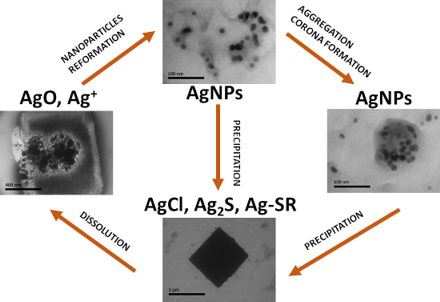
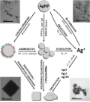
- medical products may be related to human exposure and safety as AgNPs may undergo complex transformations in biological media [6]. It is well known that AgNP physicochemical characteristics, such as size, shape, surface charge, surface functionalization, or core composition determine their interactions
- such conditions, the repulsive electrostatic forces between particles with the same surface charge are weakened, leading to aggregation upon collision [10]. The AgNPs with bulky coatings are less sensitive to this, since their stabilisation is steric and not electrostatic [14]. The dissolution of AgNPs
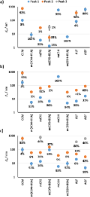
- AgNPs in artificial biological media In order to gain more coherent insight into the transformation of different AgNPs in biological media, we examined changes in their size, surface charge, and dissolution in simpler media (i.e., CCM, m(CCM+BSA), mCYS, m(CYS+BSA), mGSH, m(GSH+BSA), ALF, and AGF, see




The preparation temperature influences the physicochemical nature and activity of nanoceria
Beilstein J. Nanotechnol. 2021, 12, 525–540, doi:10.3762/bjnano.12.43
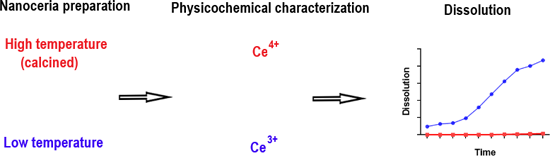
- , compared to 6.5 to 13.2 nm for the as-prepared nanoceria. After 75 days of dissolution, the surface charge was −9 mV, compared to the as-prepared nanoceria surface charge of −40 mV, suggesting the loss of the citrate coating. RAW 264.7 cell exposure to the as-prepared solvothermally synthesized nanoceria
- the exposure to partially dissolved nanoceria may be due to the increased surface content of Ce3+ providing antioxidant potential. After dialysis in water, the partially dissolved nanoceria rapidly precipitates from the dispersion, presumably due to the loss of surface citrate and reduced surface
- charge. The particles do not pass through a 0.2 micrometer MWCO filter, suggesting that they were quite large, which may have affected cell uptake. The results illustrate an effect of nanoceria dissolution on its biological identity. Nanoceria reactivity Nanoceria reactivity increased as the content of




Simulation of gas sensing with a triboelectric nanogenerator
Beilstein J. Nanotechnol. 2021, 12, 507–516, doi:10.3762/bjnano.12.41
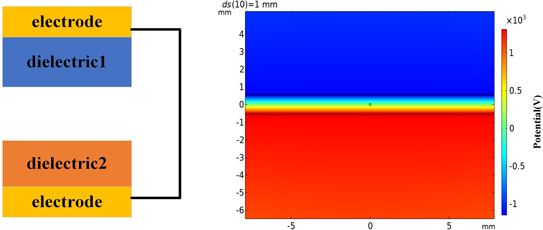
- area. Further, in order to eliminate the inevitable topological change during the actual movement of the TENG, an air gap was established in COMSOL to construct the two-dimensional model of the TENG. Based on the assumption that the surface charge density of the triboelectric nanogenerator is constant
- materials approach or move away from each other, other substances, such as water vapor, carbon dioxide, and other gases, can pass through the gap. We present a simulation with water vapor under ideal conditions, that is, the surface charge density may be changed during the experiment. A simplified two
- triboelectric materials is helpful for distinguishing different gases. It is noted that water or humidity can degrade the surface charge density of the electrification surfaces in an actual experiment. We will carry out further investigations in the future. Conclusion Simulations of three differently shaped



A review on nanostructured silver as a basic ingredient in medicine: physicochemical parameters and characterization
Beilstein J. Nanotechnol. 2021, 12, 440–461, doi:10.3762/bjnano.12.36
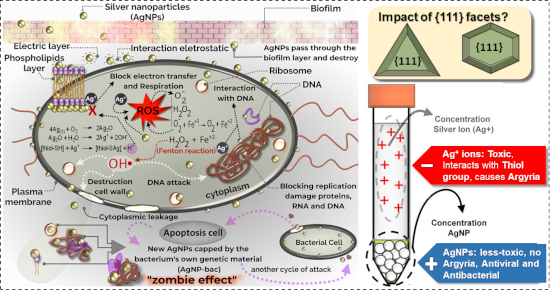
- aggregation, physicochemical or biological synthesis methods used, chemical nature of the coating, surface charge, and free Ag+ content. The quality control of AgNPs is necessary to guarantee their suitability for the intended use, reproducibility, efficacy, and low toxicity [146]. Another important point is


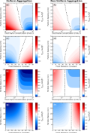
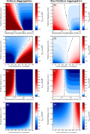
Colloidal particle aggregation: mechanism of assembly studied via constructal theory modeling
Beilstein J. Nanotechnol. 2021, 12, 413–423, doi:10.3762/bjnano.12.33
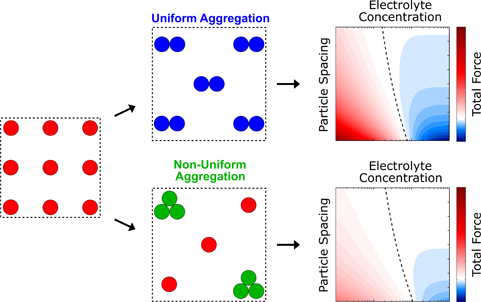
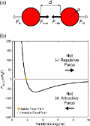
- , as well as the particle size, spacing, and surface charge. As a result, these system parameters can be tuned in order to control the balance between the DLVO forces. Tunability, or the ability to direct the movement and assembly of particles into higher-order structures, is important for a wide
- electrolyte ions arrange near the surface of the particles to form an electric double layer, thus screening the surface charge. The characteristic length or “thickness” of this double layer (which is a function of the ion concentration, I) is known as the Debye length, λD, while the surface charge is


Doxorubicin-loaded gold nanorods: a multifunctional chemo-photothermal nanoplatform for cancer management
Beilstein J. Nanotechnol. 2021, 12, 295–303, doi:10.3762/bjnano.12.24
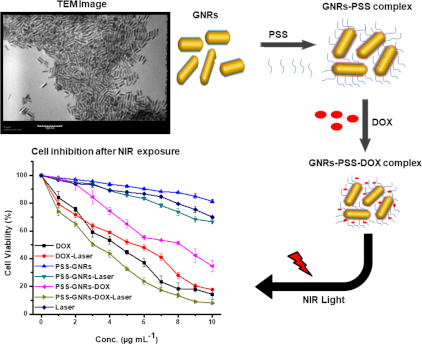
- their surface with PSS. The LSPR peak of the PSS-coated GNRs was slightly redshifted to 783 nm (Figure 1c). The shift of the LSPR peak after PSS coating is due to the side-by-side assembly of the PSS-GNRs [27]. The surface charge of the GNRs changed from strongly positive (+42 mV, due to CTAB presence
- concentration of 10 µg/mL and were stirred overnight in the dark at room temperature. Excess drug was removed by centrifugation at 12,000g for 10 min and the pellet was re-dispersed in 2 mL deionized water. UV–vis spectra of DOX-loaded GNRs were scanned at a wavelength range of 400–1100 nm. The surface charge


Differences in surface chemistry of iron oxide nanoparticles result in different routes of internalization
Beilstein J. Nanotechnol. 2021, 12, 270–281, doi:10.3762/bjnano.12.22
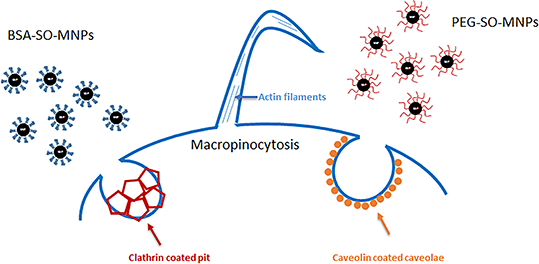
- carrier, are the most frequently used materials for biomedical applications [17][18][19][20]. The impact of the surface chemistry on the mechanism of nanoparticle uptake has not been sufficiently clarified yet. MNPs with comparable basic physicochemical characteristics (e.g., particle size, surface charge
- surface charge), cell membrane properties (fluidity, type of receptors, and receptor density), and cell type [30][31][32]. For biomedical applications, the optimal size of nanocarriers is in the range of 95–200 nm because of the higher accumulation rate in tumors [33][34]. Spherical nanoparticles (NPs) in