Search results
Search for "surface properties" in Full Text gives 226 result(s) in Beilstein Journal of Nanotechnology. Showing first 200.
Investigation of electron-induced cross-linking of self-assembled monolayers by scanning tunneling microscopy
Beilstein J. Nanotechnol. 2022, 13, 462–471, doi:10.3762/bjnano.13.39
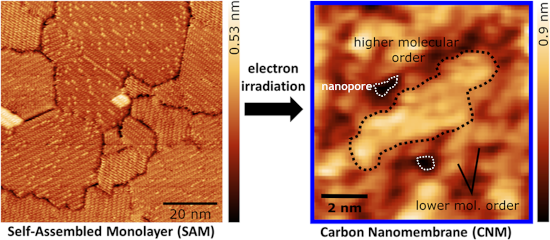
- tailor surface properties [13][14][15][16][17][18][19][20]. These monolayers can be modified with lithographic tools, such as scanning probes [21], UV light, X-rays, ions, or electron beams [22][23][24]. A particularly versatile nanofabrication scheme utilizes electron irradiation of aromatic SAMs to


Investigation of a memory effect in a Au/(Ti–Cu)Ox-gradient thin film/TiAlV structure
Beilstein J. Nanotechnol. 2022, 13, 265–273, doi:10.3762/bjnano.13.21
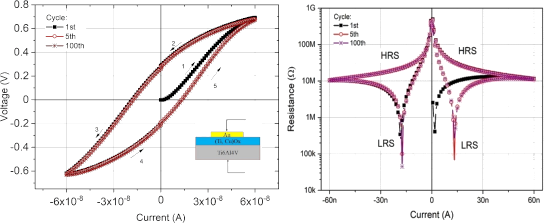
- of the current-to-voltage measurements. On the basis of the performed investigations, we suggest that the conducting filament switching is the most probable mechanism. This is supported by investigations of structure and surface properties using X-ray methods, UV photoelectron spectroscopy, and cross
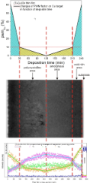
- transitions using the Tauc method. Structure and elemental composition Surface properties The oxidation state of copper on the surface of (Ti0.48Cu0.52)Ox thin film was analyzed with the XPS Cu 2p core level spectrum (Figure 6). The Cu 2p core level has split spin–orbit components with ΔBE of 19.8 eV and an



Engineered titania nanomaterials in advanced clinical applications
Beilstein J. Nanotechnol. 2022, 13, 201–218, doi:10.3762/bjnano.13.15
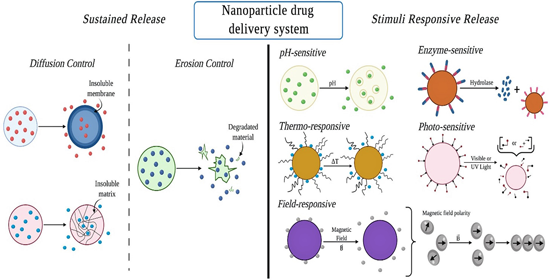
- corona alters the surface properties and transforms the physical, chemical, and biological characteristics of the nanomaterial. The types and amounts of adsorbed proteins are influenced by certain physiochemical qualities of the nanomaterial, such as the size, shape, charge as well as topography


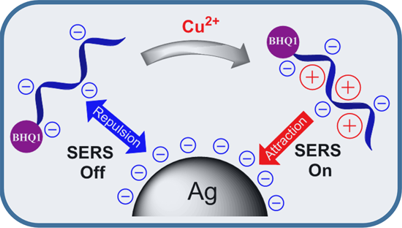
Modification of a SERS-active Ag surface to promote adsorption of charged analytes: effect of Cu2+ ions
Beilstein J. Nanotechnol. 2021, 12, 902–912, doi:10.3762/bjnano.12.67
- the NPs are sticking out of the polymer layer. The adhesion image proves that the surface properties of the immobilized Ag NPs strongly differ from those on the glass substrate and that the polymer does not cover them. Weak citrate interaction with the Ag surface enables one to treat the NPs with
- with the Ag surface, we used a set of organic thiols with the same linker length but differently charged hydrophilic functional groups. Thiol functionality guarantees a strong binding to the surface and a sufficiently dense molecule packing to make the surface properties determined by the introduced


The role of convolutional neural networks in scanning probe microscopy: a review
Beilstein J. Nanotechnol. 2021, 12, 878–901, doi:10.3762/bjnano.12.66
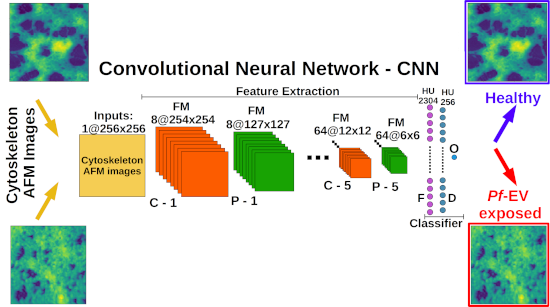
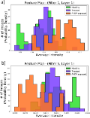
- using that association to categorize, identify, and isolate subsets of the data. Scanning probe microscopy measures multimodal surface properties, combining morphology with electronic, mechanical, and other characteristics. In this review, we focus on a subset of deep learning algorithms, that is
- acquired using an enhanced scanning technique termed “ringing mode”, which simultaneously gives mappings of other surface properties together with topography [133]. In this case, it was found that whereas topography was a poor criterion for separating the two populations, adhesion was much better







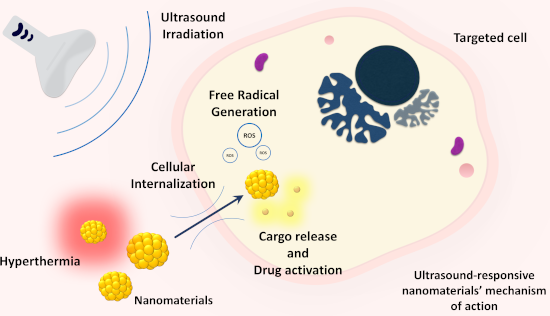
Comprehensive review on ultrasound-responsive theranostic nanomaterials: mechanisms, structures and medical applications
Beilstein J. Nanotechnol. 2021, 12, 808–862, doi:10.3762/bjnano.12.64


Reconstruction of a 2D layer of KBr on Ir(111) and electromechanical alteration by graphene
Beilstein J. Nanotechnol. 2021, 12, 432–439, doi:10.3762/bjnano.12.35
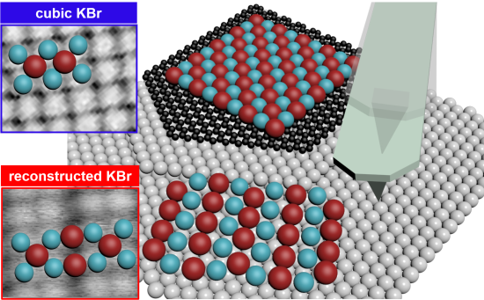
- surface structure (e.g., cubic or stripe-like) and, with this, also to a strong change in physical surface properties, such as the work function. The in-depth understanding of such processes might allow us to tune and build up more complex 2D layered systems and adapt them to a specific application


Differences in surface chemistry of iron oxide nanoparticles result in different routes of internalization
Beilstein J. Nanotechnol. 2021, 12, 270–281, doi:10.3762/bjnano.12.22
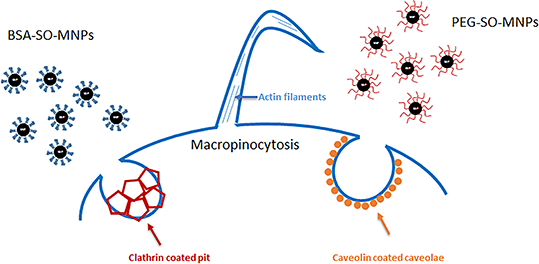
- functionalization to increase their accumulation in the tumor mass [3]. Numerous coating moieties have been employed to modify the surface properties of MNPs [16]. Among them, polyethylene glycol (PEG), a non-degradable polyether of the monomer ethylene glycol, and bovine serum albumin (BSA), a versatile protein



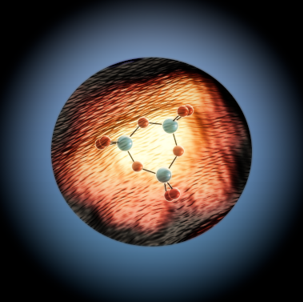
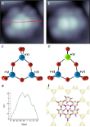
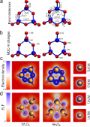
TiOx/Pt3Ti(111) surface-directed formation of electronically responsive supramolecular assemblies of tungsten oxide clusters
Beilstein J. Nanotechnol. 2021, 12, 203–212, doi:10.3762/bjnano.12.16
- and 900 K. It should be remarked that, although the height information in STM images is always a convolution of electronic and topographic surface properties, their origin in this case is expected to be strongly dominated by the surface morphology. This is due to the formation of compact oxide island



ZnO and MXenes as electrode materials for supercapacitor devices
Beilstein J. Nanotechnol. 2021, 12, 49–57, doi:10.3762/bjnano.12.4
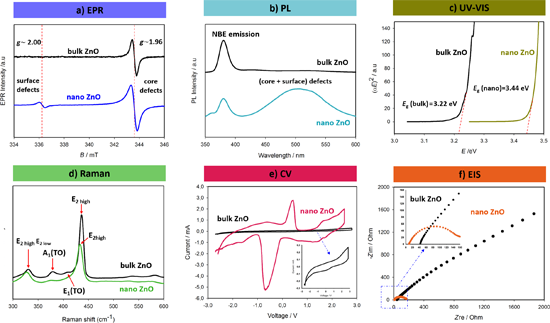
- accommodation of cations between the 2D MXene layers [38]. MXenes with a 2D lamellar structure also have good electric conductivity, hydrophilic surface properties, and they can intercalate different cations between their layers. There is still great room for further research on MXene-related energy storage
Unravelling the interfacial interaction in mesoporous SiO2@nickel phyllosilicate/TiO2 core–shell nanostructures for photocatalytic activity
Beilstein J. Nanotechnol. 2020, 11, 1834–1846, doi:10.3762/bjnano.11.165
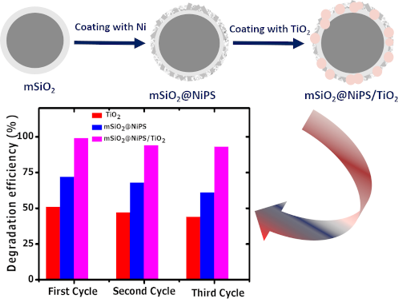
- brookite phases, the anatase phase has been extensively used for photocatalysis owing to its enhanced surface properties [7][8][9][10]. In a typical photocatalytic process, photons of energy greater than the bandgap energy of TiO2 excite electrons to the conduction band leaving holes in the valence band


PTCDA adsorption on CaF2 thin films
Beilstein J. Nanotechnol. 2020, 11, 1615–1622, doi:10.3762/bjnano.11.144
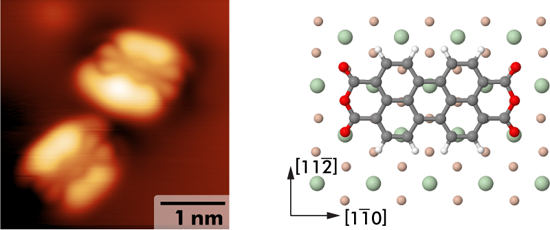
- material (cleanliness 99.9%, Alfa Aesar, Kandel, Germany) was deposited from an e-beam evaporator (type EFM3T, Focus GmbH, Huenstetten, Germany) on silicon samples held at about 600 °C by direct-current heating. Further details on the sample preparation and CaF2/Si(111) surface properties can be found in


Extracting viscoelastic material parameters using an atomic force microscope and static force spectroscopy
Beilstein J. Nanotechnol. 2020, 11, 922–937, doi:10.3762/bjnano.11.77
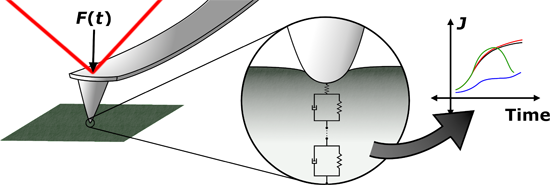
- broader description of the surface properties. The mechanical responses can be averaged to both reduce computational overhead during fitting and give a prediction that is less sensitive to inhomogeneities. However, care must be taken to avoid issues that can arise when each dataset is taken at slightly


Measurement of electrostatic tip–sample interactions by time-domain Kelvin probe force microscopy
Beilstein J. Nanotechnol. 2020, 11, 911–921, doi:10.3762/bjnano.11.76
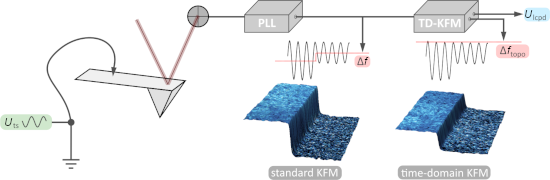
- reported yet. Furthermore, our method automatically determines the estimated error signals and the signal correlation coefficients. The error signals of the sample properties contain an evaluation of the accuracy at each position, which depends on the present surface properties due to the nonlinearity of
- ). After approaching the surface, the input signals Δf and Uts of the estimator and the reconstructed surface properties and were observed on an external oscilloscope. The controller could be stabilized by adjusting the values of the transition noise matrix QK. After the output signals of the estimator


Key for crossing the BBB with nanoparticles: the rational design
Beilstein J. Nanotechnol. 2020, 11, 866–883, doi:10.3762/bjnano.11.72
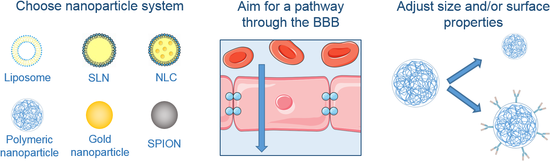
- factors needs to be taken into account when developing a carrier system for this purpose. Depending on the chosen pathway to cross the BBB, nanoparticle material, size and surface properties such as functionalization and charge should be tailored to fit the specific route of BBB crossing. Keywords: gold
- dalargin [49]. Thus, it was proposed that the binding of doxorubicin led to an alteration of the nanoparticle surface properties that allowed ApoE and B to be bound. It was then concluded that the BBB permeation ability of nanoparticles was not only dependent of the surfactant coating but also of the
- suggestion from Kreuter et al. that the core of the nanoparticles could influence the surface properties of the nanoparticles and therefore their ability to bind with apolipoproteins in the blood [54]. PS80 coating was also successful for PLA-b-PEG nanoparticles [58] but failed for PLA nanoparticles [59


Identification of physicochemical properties that modulate nanoparticle aggregation in blood
Beilstein J. Nanotechnol. 2020, 11, 550–567, doi:10.3762/bjnano.11.44
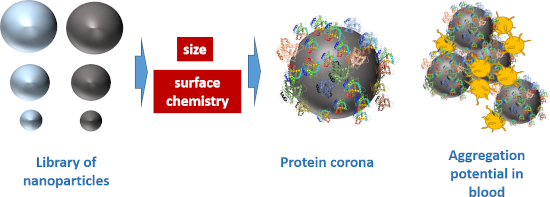
- –protein interaction may lead to bridging among particles, thus promoting agglomeration [23]. In the present study, a set of six silica and carbon NPs of known size and morphology was used to evaluate the effect of the size and surface properties on the protein corona composition, platelet activation and
- composition between the two materials has some similarities when incubated at 10% plasma; however, it becomes highly specific to the NP surface properties at higher concentrations as confirmed by the significant difference in the corona composition. In particular, at 10% of plasma, both NPs preferentially
- aggregation. However, in this case the effect is not due to the interaction with integrin, but it is a non-specific process due to the tendency of fibrinogen to form fibrils similar to fibrin. This tendency is a consequence of the specific fibrinogen arrangement onto surfaces, modulated by the surface




Multilayer capsules made of weak polyelectrolytes: a review on the preparation, functionalization and applications in drug delivery
Beilstein J. Nanotechnol. 2020, 11, 508–532, doi:10.3762/bjnano.11.41
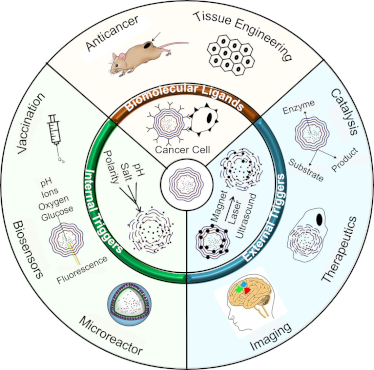
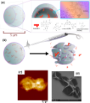
- of the capsules and contamination issues during the core dissolution processes. Thus, despite the lower EE and drug absorption in the capsule wall rather than in the interior, pH and salt based approaches are the most widely used in weak PE systems. Functionalization The surface properties of the
- capsule determine its permeability, which in turn influences the release profile. In order to alter the surface properties, the PE multilayer capsules can be functionalized with various organic and inorganic materials that would lead to a new way for different biological applications. These include metal



Current measurements in the intermittent-contact mode of atomic force microscopy using the Fourier method: a feasibility analysis
Beilstein J. Nanotechnol. 2020, 11, 453–465, doi:10.3762/bjnano.11.37
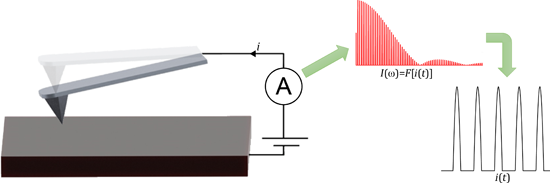
- surface properties, such as topography, viscoelasticity, electrical potential and conductivity. Some of these properties are measured using contact methods (static contact or intermittent contact), while others are measured using noncontact methods. Some properties can be measured using different


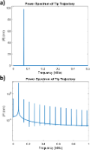


Atomic-resolution imaging of rutile TiO2(110)-(1 × 2) reconstructed surface by non-contact atomic force microscopy
Beilstein J. Nanotechnol. 2020, 11, 443–449, doi:10.3762/bjnano.11.35
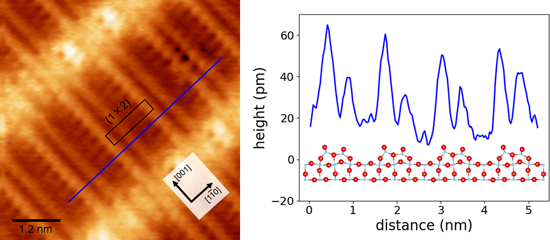
- microscopy (STM) [10][11][12], transmission electron microscopy [13][14], and density functional theory (DFT) [15][16][17][18][19]. These studies have determined many surface properties such as structure, local defects, and adsorption sites. The (1 × 1) surface transforms to the (1 × 2) surface by oxygen


Synthesis and enhanced photocatalytic performance of 0D/2D CuO/tourmaline composite photocatalysts
Beilstein J. Nanotechnol. 2020, 11, 407–416, doi:10.3762/bjnano.11.31
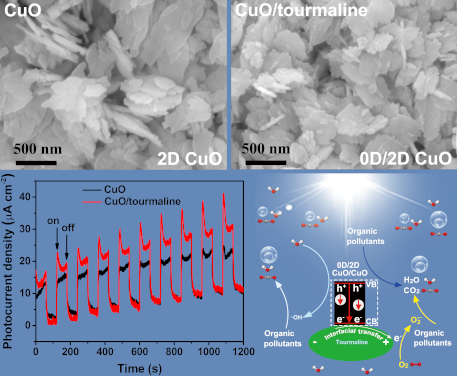
- ) spectra were analyzed using an A300 spectrometer (Bruker, Germany) with DMPO as a free radical scavenger under visible light irradiation (λ = 420 nm) for 20 min. The surface properties were characterized via an ASAP 2020 instrument (Micromeritics, USA). The zeta potential was measured with a ZETASIZER


Interactions at the cell membrane and pathways of internalization of nano-sized materials for nanomedicine
Beilstein J. Nanotechnol. 2020, 11, 338–353, doi:10.3762/bjnano.11.25
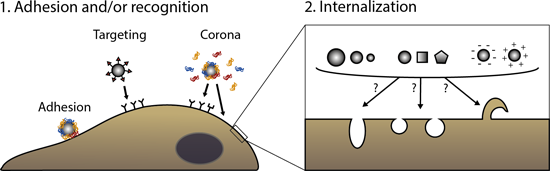
- ability, but also particle size, stability, and overall surface properties [36]. Recent guidelines have started to highlight the importance of testing nanomedicines in the presence of relevant biological media in order to take corona effects into account [41]. Several strategies have been developed to try


Phase inversion-based nanoemulsions of medium chain triglyceride as potential drug delivery system for parenteral applications
Beilstein J. Nanotechnol. 2020, 11, 213–224, doi:10.3762/bjnano.11.16
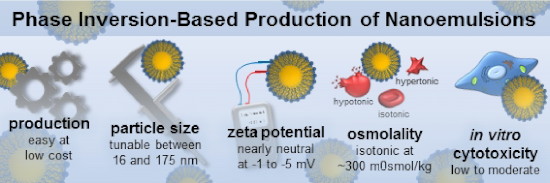
- Kolliphor HS 15. The experimental results indicate, that nanoemulsions with particles of small and tunable size can be easily formed without homogenization by thermal cycling. Keywords: cellular toxicity; isotonicity; nanoemulsion; phase inversion; solvent free; surface properties; Introduction Nanoscaled
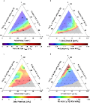
- surfactant show different effects on the final product. For example, these factors influence the feasibility of forming stable nanostructures, they affect the phase inversion zone, the in vitro cellular toxicity and the above mentioned particle and surface properties [3][4][12]. There are marketed drug




Size effects of graphene nanoplatelets on the properties of high-density polyethylene nanocomposites: morphological, thermal, electrical, and mechanical characterization
Beilstein J. Nanotechnol. 2020, 11, 167–179, doi:10.3762/bjnano.11.14
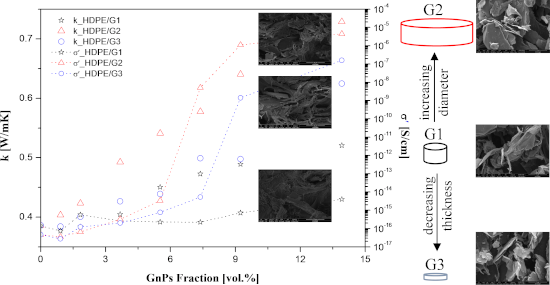
- cooling. Characterization X-ray photoelectron spectroscopy (K-alpha X-ray photoelectron spectrometer (XPS) system, Thermo Fisher Scientific) analysis was used to characterize the surface properties of the GnPs. The GnP and nanocomposite morphologies were investigated by SEM (XL 30S FEG electron microscope



Molecular architectonics of DNA for functional nanoarchitectures
Beilstein J. Nanotechnol. 2020, 11, 124–140, doi:10.3762/bjnano.11.11
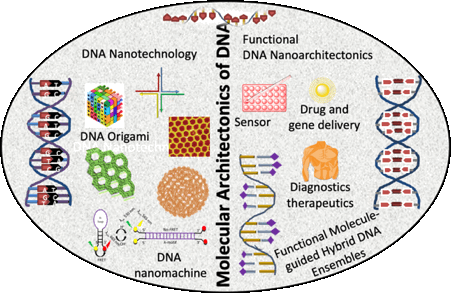
- affect the spectroscopic behavior and the solution properties of the dye. DNA–metal nanoparticle architectures Interactions of DNA with nanoparticles are an attractive area for the fabrication of functional DNA nanoarchitectures [96]. The surface properties of the nanoparticles are greatly influenced by


Bombesin receptor-targeted liposomes for enhanced delivery to lung cancer cells
Beilstein J. Nanotechnol. 2019, 10, 2553–2562, doi:10.3762/bjnano.10.246
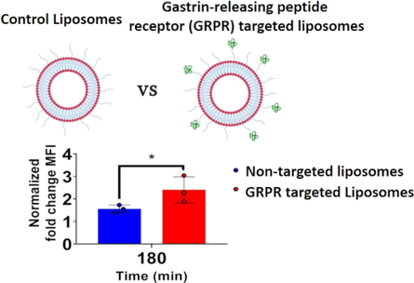
- polydisperse proteins of different sizes [27]. Indeed, the surface properties of various nanoparticles have been shown to change dramatically in the presence of plasma or serum [28] with the establishment of an adsorbed protein corona around the nanoparticle. It is now widely accepted that the particle protein