Search results
Search for "titanium" in Full Text gives 304 result(s) in Beilstein Journal of Nanotechnology. Showing first 200.
An overview of microneedle applications, materials, and fabrication methods
Beilstein J. Nanotechnol. 2021, 12, 1034–1046, doi:10.3762/bjnano.12.77
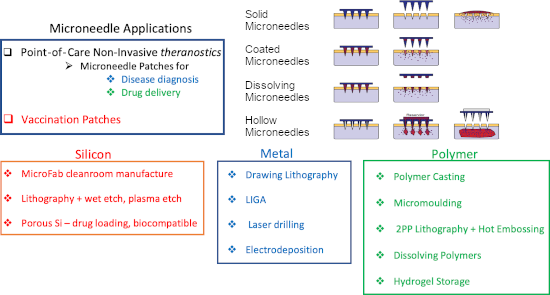
- and sizes for a wide range of applications. Metals such as titanium [61][62], stainless steel [58][63][64], silicon [65][66][67], ceramics [68][69], biodegradable polymers such as polylactic acid (PLA) [70], PLGA [71], and polyglycolic acid (PGA) [72], and non-degradable polymers such as
- (COP) material using this method [5]. Fabrication and use of metal microneedles In addition to silicon and polymers, microneedles are also fabricated from metals including nickel, titanium, stainless steel, and palladium. Metals provide good mechanical properties and biocompatibility for microneedle
- inflammatory responses of biological tissues, for example to titanium and even stainless steel, present problems. From the manufacturing perspective, the fabrication of metal microneedles has complexities like electroplating and lift-off which are undesirable for mass production. Moreover, electroplating does


Comprehensive review on ultrasound-responsive theranostic nanomaterials: mechanisms, structures and medical applications
Beilstein J. Nanotechnol. 2021, 12, 808–862, doi:10.3762/bjnano.12.64
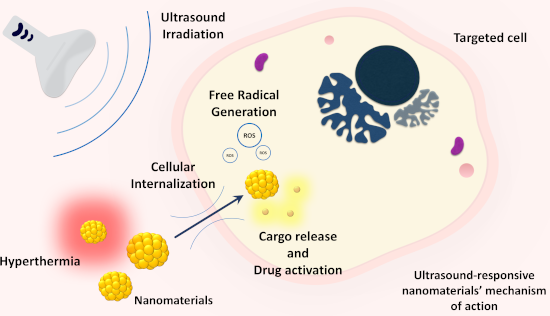
- , dendrimers, and capsules), lipid-based carriers (including liposomes and solid lipid NP), and non-polymer-based structures (including nanomachines, gold NPs, titanium, carbon, and silica nanostructures) along with some other novel NPs which can trigger drug release after US activation. A discussion on these
- ]. Titanium-based NPs have been investigated for sonodynamic therapy [149][154]. You et al. produced hydrophilized titanium dioxide NPs (HTiO2) and demonstrated its cytotoxic potential and ROS generation under US treatment. Results showed a 29.7-fold increase in 1O2 concentration in the treated sample


Recent progress in magnetic applications for micro- and nanorobots
Beilstein J. Nanotechnol. 2021, 12, 744–755, doi:10.3762/bjnano.12.58
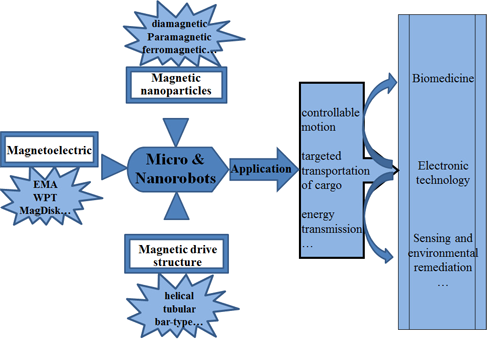
- make this MNR magnetic and biocompatible, they applied nickel and titanium as coating. Because of its special microhelix structure, the robot could be flexibly controlled already by a weak external magnetic field. Under certain environmental conditions (e.g., in a complex microfluidic channel network
- in the fluid under the influence of the rotating magnetic field. Higher viscosity fluids made the helix-like shaped MNRs swim faster. In order to further promote the functionalization of biomolecules, a layer of titanium was deposited on the outside, which not only served as a protective layer, but
- 3, Copyright © 2018); permission conveyed through Copyright Clearance Center, Inc. This content is not subject to CC BY 4.0. (a) A spiral swimmer with 2PP (also called artificial bacterial flagella (ABF)) and (b) coating the swimmers with nickel and titanium to make it magnetic and biocompatible. (a


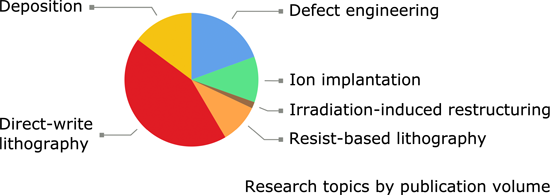
A review of defect engineering, ion implantation, and nanofabrication using the helium ion microscope
Beilstein J. Nanotechnol. 2021, 12, 633–664, doi:10.3762/bjnano.12.52


Interface interaction of transition metal phthalocyanines with strontium titanate (100)
Beilstein J. Nanotechnol. 2021, 12, 485–496, doi:10.3762/bjnano.12.39
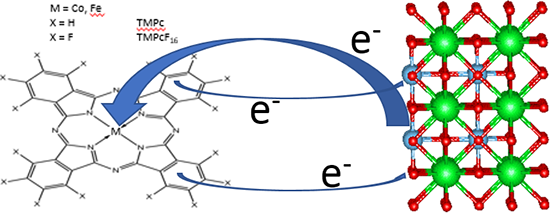
- cells, field-effect transistors (FETs), and sensors [1][2]. Possibly, one of the most extensively studied oxide material in this context is rutile titanium dioxide [3]. However, also interfaces between SrTiO3 (STO) and organic molecules are studied increasingly using both experimental [4][5] and


The nanomorphology of cell surfaces of adhered osteoblasts
Beilstein J. Nanotechnol. 2021, 12, 242–256, doi:10.3762/bjnano.12.20
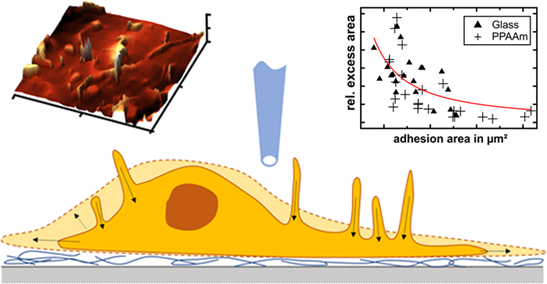
- surfaces, such as titanium and polyallylamine [3][4][5], gelatin–nanogold [6], polyelectrolytes and arginylglycylaspartic acid peptides [7], or extracellular matrix proteins [5][8][9]. Especially on the nonphysiological surfaces of permanent implants, the settling of cells and the swift formation of large
- , such as measured for PPAAm on titanium, has been figured out to increase the spreading speed [4][45]; our tentative observation of larger maximal adhesion areas on PPAAm than on glass substrates is compatible with these earlier findings. Our results are not compatible with [46], where ruffles have been
- osteoblastic cell line (MG-63) that were fixed after 3 h of adhesion on titanium and afterwards critical point dried, the ruffles remain clearer to see (Figure 8). There are two issues regarding the contrast discrepancy between SEM and SICM that cannot be fully excluded to play a role. By means of critical


TiOx/Pt3Ti(111) surface-directed formation of electronically responsive supramolecular assemblies of tungsten oxide clusters
Beilstein J. Nanotechnol. 2021, 12, 203–212, doi:10.3762/bjnano.12.16

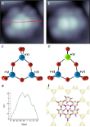
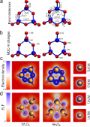
- Dresden-Rossendorf, Department of Reactive Transport, Institute of Resource Ecology, Permoserstraße 15, 04318 Leipzig, Germany 10.3762/bjnano.12.16 Abstract Highly ordered titanium oxide films grown on a Pt3Ti(111) alloy surface were utilized for the controlled immobilization and tip-induced electric
- observed. The findings boost progress toward template-directed nucleation, growth, networking, and charge state manipulation of functional molecular nanostructures on surfaces using operando techniques. Keywords: atom manipulation; scanning tunneling microscopy; supramolecular self-assemblies; titanium
- titanium oxide layers grown on a Pt3Ti(111) surface. The given case study with the nanoscopic W3O9 clusters as the main components of tungsten trioxide vapor, which have been evidenced by mass spectrometric studies [9][10], showcases remarkable TiOx/Pt3Ti(111)-directed reactivity of W3O9 to hierarchical



A review on the biological effects of nanomaterials on silkworm (Bombyx mori)
Beilstein J. Nanotechnol. 2021, 12, 190–202, doi:10.3762/bjnano.12.15
- to generate more reactive oxygen species (ROS) and to induce oxidative stress could be a reason for their antibacterial activity against R. solanacearum in tobacco plants [23]. Aside from MgO NPs, other nanomaterials, including titanium dioxide (TiO2 NPs), zinc oxide (ZnO NPs), copper oxide (CuO NPs
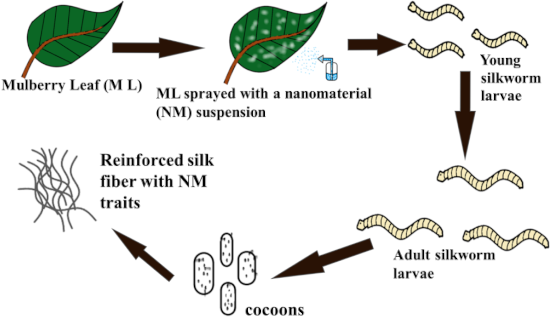
- ][158]. Improving the luster and the quality of silkworm silk is imperative and studies are being carried out in this direction. Feeding silkworms with nanomaterials, such as carbon nanotubes (CNTs), titanium dioxide, copper, and graphene has been reported to improve the mechanical properties and


A review on the green and sustainable synthesis of silver nanoparticles and one-dimensional silver nanostructures
Beilstein J. Nanotechnol. 2021, 12, 102–136, doi:10.3762/bjnano.12.9
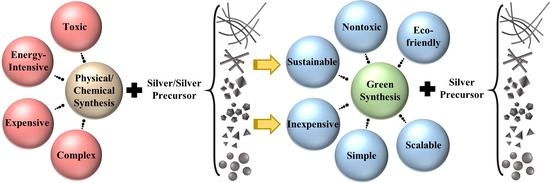
- either composed of an inert metal, such as titanium, or any metal of interest of which the nanoparticles will be produced, for instance, silver for the synthesis of AgNPs [129][131]. In the case of titanium electrodes, AgNO3 is used as the precursor, an electric discharge takes place between cathode and


ZnO and MXenes as electrode materials for supercapacitor devices
Beilstein J. Nanotechnol. 2021, 12, 49–57, doi:10.3762/bjnano.12.4
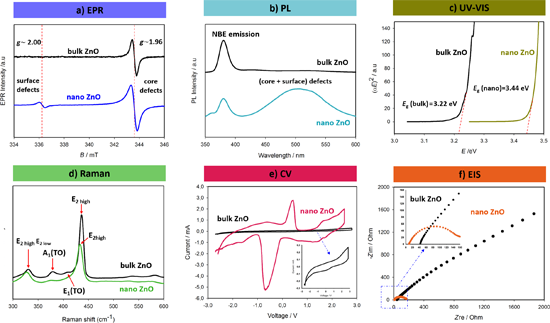
- density of 1.04 × 10⁻² Wh·cm−3 [29]. Lin et al. synthesized titanium carbide Ti3C2 through exfoliation of the ternary carbide Ti3AlC2 and used it as electrode material in a supercapacitor. A maximum capacitance of 117 F·g−1 was reported in this research with high cycle stability and good capacitance

Atomic layer deposited films of Al2O3 on fluorine-doped tin oxide electrodes: stability and barrier properties
Beilstein J. Nanotechnol. 2021, 12, 24–34, doi:10.3762/bjnano.12.2
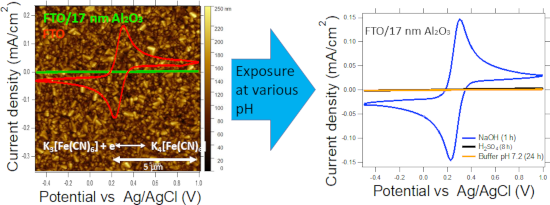
- of electrified interfaces is particularly challenging, because electron or hole transport through the coating must be maintained. Previously, ALD and other coating techniques have been shown to protect a semiconducting hematite electrode against corrosion and photocorrosion by using titanium dioxide


Unravelling the interfacial interaction in mesoporous SiO2@nickel phyllosilicate/TiO2 core–shell nanostructures for photocatalytic activity
Beilstein J. Nanotechnol. 2020, 11, 1834–1846, doi:10.3762/bjnano.11.165
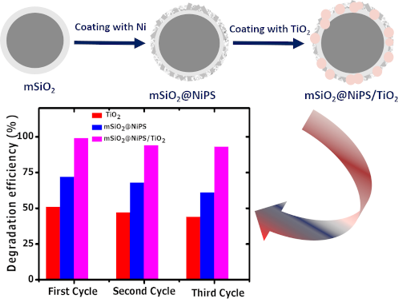
- inertness, low cost, and non-toxicity, titanium dioxide (TiO2) has been widely used as a photocatalyst in the degradation of dyes in textile industries as well as in water-treatment systems [5][6]. There are three different phases of TiO2, namely anatase, rutile, and brookite. Compared to the rutile and


Self-standing heterostructured NiCx-NiFe-NC/biochar as a highly efficient cathode for lithium–oxygen batteries
Beilstein J. Nanotechnol. 2020, 11, 1809–1821, doi:10.3762/bjnano.11.163
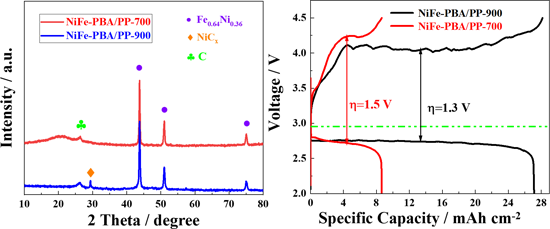
- [26]. For instance, molybdenum/tungsten carbide with a well-defined nanostructure was synthesized via a hydrothermal method, and the obtained metal carbide catalyst yielded a high capacity in lithium–oxygen batteries [15]. Also, titanium carbide was synthesized by Bruce et al. as cathode material for






Antimicrobial metal-based nanoparticles: a review on their synthesis, types and antimicrobial action
Beilstein J. Nanotechnol. 2020, 11, 1450–1469, doi:10.3762/bjnano.11.129
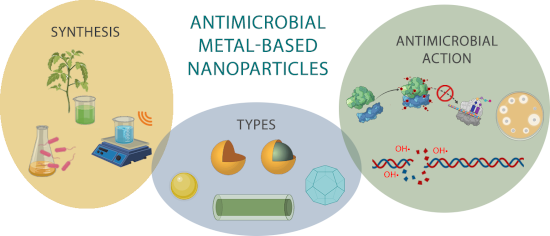
- -based NPs have demonstrated antimicrobial activity over the last years. Several metal and metal oxide NPs, such as silver, copper, zinc oxide, titanium oxide, copper oxide, and nickel oxide NPs, are known to display antimicrobial activity [15][16][17] that depends on their composition, surface
- , Lopez de Dicastillo et al. (2018, 2019) have recently developed hollow titanium dioxide nanotubes and nanospheres through the deposition of tetrakis(dimethylamide) titanium and water, as precursors, on polymeric structures obtained via electrospinning. The resulting hollow nanotubes and nanospheres had
- nanomaterials which have also presented relevant antimicrobial properties against several pathogenic microorganisms. Zinc oxide, titanium dioxide, copper oxide, and nickel oxide are the most typical metal-oxide NPs with potential antibacterial, antifungal and antiviral activities [127][128]. These oxides have


Analysis of catalyst surface wetting: the early stage of epitaxial germanium nanowire growth
Beilstein J. Nanotechnol. 2020, 11, 1371–1380, doi:10.3762/bjnano.11.121
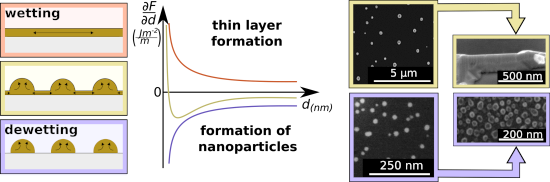
- beneficial when intentionally used (e.g., to create strongly localized heat sources [7][8]), but it can also be disruptive (e.g., when ultrathin copper layers collapse on titanium nitride, damaging electronic devices [9][10]). However, in thin film applications these phenomena are rarely attributed to the


An atomic force microscope integrated with a helium ion microscope for correlative nanoscale characterization
Beilstein J. Nanotechnol. 2020, 11, 1272–1279, doi:10.3762/bjnano.11.111

- seamlessly between the pole piece and the sample. The assembly is made from grade-5 titanium (Ti-6Al-4V) and the three axes of motion are actuated by stack-piezo actuators, offering an achievable scan range of 30 × 30 × 12 µm. The reported AFM uses a self-sensing readout for measuring cantilever deflection


High permittivity, breakdown strength, and energy storage density of polythiophene-encapsulated BaTiO3 nanoparticles
Beilstein J. Nanotechnol. 2020, 11, 1190–1197, doi:10.3762/bjnano.11.103
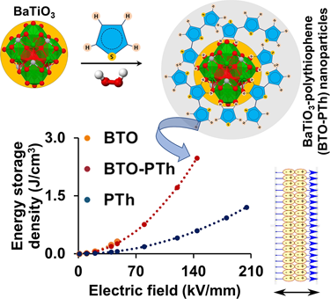
- storage density. We believe BTO-PTh nanoparticles are a promising material and this design is a noteworthy strategy for future research and advanced microelectronic and energy storage applications. Experimental Barium hydroxide octahydrate (Ba(OH)2·8H2O, ≥98%, Sigma-Aldrich) and fine-grained titanium




Gram-scale synthesis of splat-shaped Ag–TiO2 nanocomposites for enhanced antimicrobial properties
Beilstein J. Nanotechnol. 2020, 11, 1119–1125, doi:10.3762/bjnano.11.96
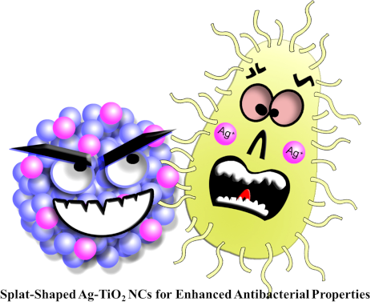
- . The improvement in the antibacterial activity was attributed to the synergistic effect of the hybrid nature of TiO2 nanoparticles in the presence of Ag. Keywords: antimicrobial properties; biomaterials; nanocomposites; silver nanoparticles; titanium dioxide; Introduction The rapid industrial
- , silver (Ag), zinc oxide (ZnO), copper oxide (CuO), iron oxide (Fe3O4) and titanium oxide (TiO2) are well recognized options due to their outstanding antibacterial properties. These nanoparticles have antibacterial activity due to the production of reactive oxygen species (ROS) [9][10][11]; more
- activity of the as-prepared nanocomposites was investigated against Gram-positive S. aureus and Gram-negative E. coli. Experimental Synthesis of the Ag–TiO2 nanocomposite A hydrothermal method was used to prepare the Ag–TiO2 nanocomposite on a gram-scale. 1.25 mol/L of a 16.0 mL titanium sulfate solution


Straightforward synthesis of gold nanoparticles by adding water to an engineered small dendrimer
Beilstein J. Nanotechnol. 2020, 11, 1110–1118, doi:10.3762/bjnano.11.95
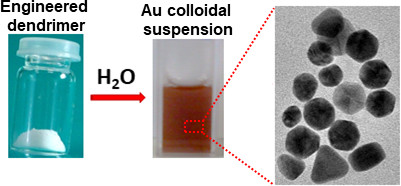
- ], platinum [31], ruthenium (in the presence of a reducer) [32], titanium oxo-clusters [33][34] and even from crystals of Au55 gold clusters [35][36]. In most cases, the oxidation state of the metal precursor was either zero (Pd0, Pt0, Au0) or four (TiIVO2 clusters) and no change in the oxidation state


Atomic layer deposition for efficient oxygen evolution reaction at Pt/Ir catalyst layers
Beilstein J. Nanotechnol. 2020, 11, 952–959, doi:10.3762/bjnano.11.79
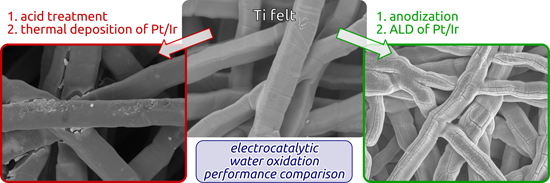
- different types are not possible. The goal of the present paper is to provide such a direct comparison between two very distinct preparation methods of bimetallic Pt/Ir electrocatalysts. For both catalyst types, we will consider one electrode substrate (titanium felt) [15], one electrolyte (0.5 M H2SO4 at
- consider here two distinct catalyst preparation methods. As a standard method used in the engineering context, we perform an acid etch of the titanium fibers (to generate surface roughness and thereby increase the specific surface area), followed by dip-coating of a noble metal salt precursor solution on
- . Finally, the samples were calcinated at 450 °C to generate the metallic catalyst. Figure 1 presents the SEM and EDX characterization of the titanium felts obtained by this method. Figure 1a presents the untreated felt, the titanium fibers of which are clearly visible. Figure 1b shows the felt after acid


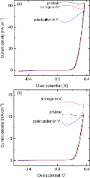
Adsorption behavior of tin phthalocyanine onto the (110) face of rutile TiO2
Beilstein J. Nanotechnol. 2020, 11, 821–828, doi:10.3762/bjnano.11.67

- tunneling microscopy (STM); tin phthalocyanine (SnPc); titanium dioxide (TiO2); Introduction Phthalocyanines (Pcs) are aromatic molecules that can form metal complexes with a variety of elements, which can be used to tune molecular properties, such as position or shape of adsorption bands. Therefore, Pcs
- stability. Since metal oxides are commonly used as support for the growth of molecular layers in many technological solutions, it is not surprising that Pcs on titanium dioxide faces have been widely studied. Most studies of phthalocyanine adsorption on rutile (110) and (011) faces consider flat Pcs (CoPc
- [6], CuPc [7][8][9][10], ZnPc [11], FePc [12] and H2Pc [13]), while their nonplanar counterparts such as SnPc have been rarely probed [14]. Spectroscopy studies or density functional theory (DFT) calculations of molecular species adsorbed onto titanium dioxide can be an arduous task, especially for


Effect of Ag loading position on the photocatalytic performance of TiO2 nanocolumn arrays
Beilstein J. Nanotechnol. 2020, 11, 717–728, doi:10.3762/bjnano.11.59
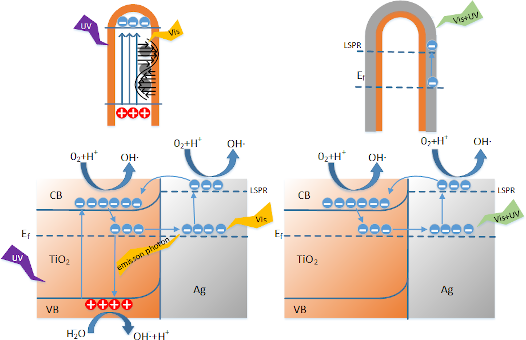
- Since 1972, when Shimada and Honda discovered the photocatalysis of titanium dioxide (TiO2) under ultraviolet light, research in this field has continued to grow [1]. Recently, TiO2 has been utilized in the fields of photocatalytic water decomposition [2], photocatalytic organic degradation [3], and


A novel dry-blending method to reduce the coefficient of thermal expansion of polymer templates for OTFT electrodes
Beilstein J. Nanotechnol. 2020, 11, 671–677, doi:10.3762/bjnano.11.53
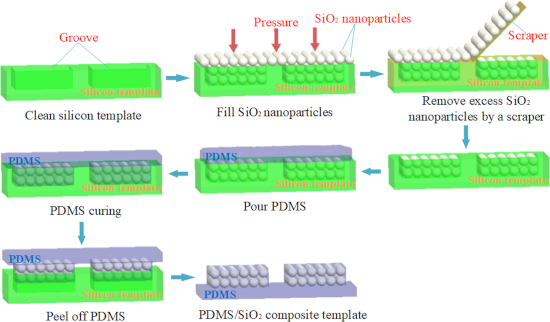
- . González-Benito et al. [11] used high-energy ball cryomilling to uniformly disperse 5 wt % of titanium dioxide (TiO2) nanoparticles with a size of 65 nm within poly(ethylene-co-vinyl acetate) (EVA) to subsequently obtain a film of the composite with lower CTE by hot pressing. Ren et al. [12] first prepared


Atomic-resolution imaging of rutile TiO2(110)-(1 × 2) reconstructed surface by non-contact atomic force microscopy
Beilstein J. Nanotechnol. 2020, 11, 443–449, doi:10.3762/bjnano.11.35
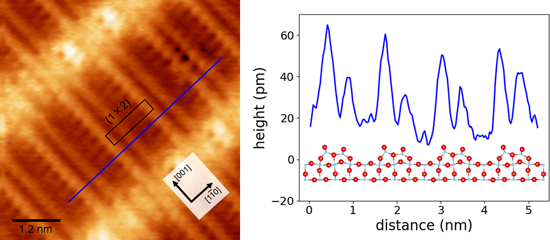
- force microscopy; (1 × 2) reconstruction; rutile; surface structure; titanium dioxide (TiO2); Introduction Titanium dioxide (TiO2) is a well-known photocatalyst and has been studied for applications in water splitting and the coating of materials [1]. To optimize the photocatalytic function, it is


High-performance asymmetric supercapacitor made of NiMoO4 nanorods@Co3O4 on a cellulose-based carbon aerogel
Beilstein J. Nanotechnol. 2020, 11, 240–251, doi:10.3762/bjnano.11.18
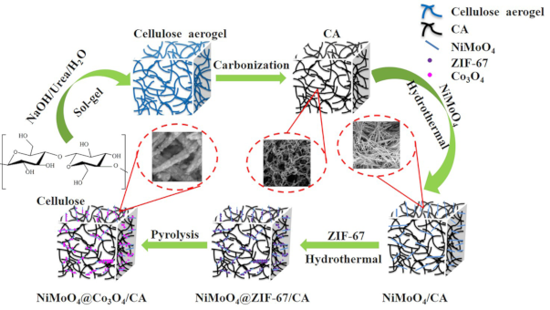
- but also provide 3D pathways for fast electrolyte ion diffusion and electron transport. To date, Ni foam [27], copper grid [28] and titanium mesh [29] have been mostly selected as collectors, whereas the high cost of these materials limited their practical application. Carbon aerogel (CA) has been