Search results
Search for "ultrasonic" in Full Text gives 265 result(s) in Beilstein Journal of Nanotechnology. Showing first 200.
Design and characterization of polymeric microneedles containing extracts of Brazilian green propolis
Beilstein J. Nanotechnol. 2022, 13, 503–516, doi:10.3762/bjnano.13.42
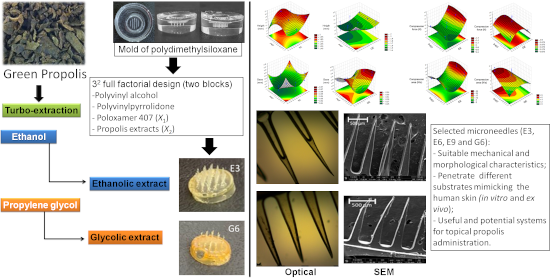
- , which was easy to handle. However, there was intense formation of air bubbles. In order to reduce the bubbles in the final mold, the flask containing the mixture was placed in an ultrasonic bath and, subsequently, in a vacuum desiccator, until all bubbles were removed. With the mixture being completely


Ethosomal (−)-epigallocatechin-3-gallate as a novel approach to enhance antioxidant, anti-collagenase and anti-elastase effects
Beilstein J. Nanotechnol. 2022, 13, 491–502, doi:10.3762/bjnano.13.41
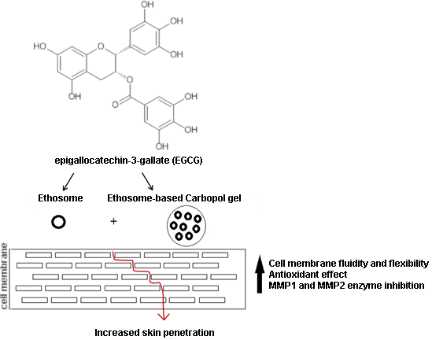
- min followed by sonication using an ultrasonic bath (Wise Clean, Korea, 210 W, 40 kHz), at 40% sonication strength, and three cycles of 30 min to obtain monodisperse vesicles and to enhance encapsulation efficiency [44][45]. Then, ETHs were collected by centrifugation at 10.000 rpm for 30 min. For the



Electrostatic pull-in application in flexible devices: A review
Beilstein J. Nanotechnol. 2022, 13, 390–403, doi:10.3762/bjnano.13.32
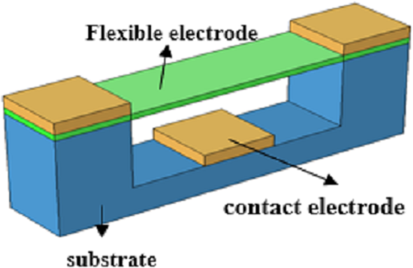
- switch, thus reducing the need for external excitation. Ultrasonic transducers based on capacitive switch structures are widely used in medical imaging, underwater tests, and obstacle detection. Saadatmand and Kook [97] conducted a theoretical analysis on electrostatically driven ultrasonic transducers
- reduce the demand for voltage of electrostatic switches, but would introduce additional manufacturing cost. Rutsch et al. [98] combined piezoelectric materials with NEM switches to prepare ultrasonic transducers, as shown in Figure 12. The structure retained piezoelectric bending and a DC voltage could
- be used to adjust the resonant frequency of the electrostatic switch to expand the bandwidth of the ultrasonic transducer. İkizoğlu et al. [99] combined a piezoelectric energy harvester with a cantilever beam switch for RF systems. Under vibrations, the piezoelectric material produces charges that


Enhancement of the piezoelectric coefficient in PVDF-TrFe/CoFe2O4 nanocomposites through DC magnetic poling
Beilstein J. Nanotechnol. 2021, 12, 1262–1270, doi:10.3762/bjnano.12.93
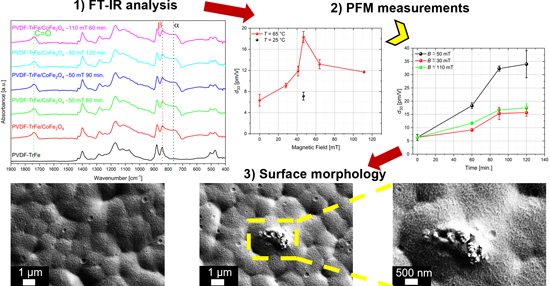
- -Aldrich, ≥99%) with a concentration of 1 wt % and tip-sonicated using an ultrasonic processor in pulsed mode for 20 min at 70% of the power amplitude. Subsequently, the CoFe2O4 suspension was added to a PVDF-TrFE solution (Piezotech FC Ink L, 7 wt %) at the desired ratio. The mixture was bath-sonicated


Use of nanosystems to improve the anticancer effects of curcumin
Beilstein J. Nanotechnol. 2021, 12, 1047–1062, doi:10.3762/bjnano.12.78
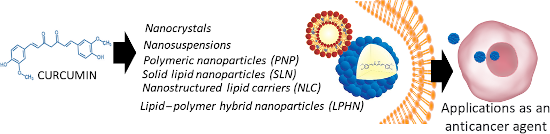
- disadvantages, such as the need for additional instrumentation to generate electromagnetic or ultrasonic waves, which may increase their cost and/or complexity. Curcumin (CUR) or diferuloylmethane is a phenolic compound extracted from turmeric (Curcuma longa) rhizomes. It is safe for human consumption [13] and


Revealing the formation mechanism and band gap tuning of Sb2S3 nanoparticles
Beilstein J. Nanotechnol. 2021, 12, 1021–1033, doi:10.3762/bjnano.12.76
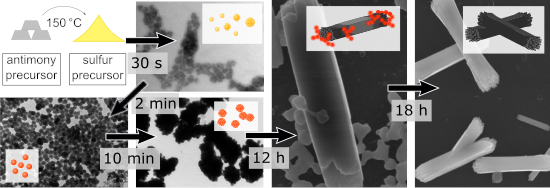
- water. The nanoparticles were redispersed using an ultrasonic bath (Sonorex RK512H (860 W, 35 kHz) from Bandelin). A controlled heating rate and temperature in the reaction vessel was achieved by a temperature controller (LTR 3500, Juchheim Solingen). Injections into the reaction vessel were performed
- precursor, an S-OlAm solution, was produced by dissolving 1.5 mmol elemental sulfur in 6 mL OlAm via sonification in an ultrasonic bath for 10 min. Afterward, 25 mL paraffin oil was added. The solution was heated to 150 °C with a heating rate of 3.3 K/min under magnetic stirring (800 rpm). Second, an Sb(III


A Au/CuNiCoS4/p-Si photodiode: electrical and morphological characterization
Beilstein J. Nanotechnol. 2021, 12, 984–994, doi:10.3762/bjnano.12.74
- the Al/CuNiCoS4/p-Si device A p-type Si(100) wafer was used as substrate and as semiconductor material for the Au/CuNiCoS4/p-Si photodiode. First, the wafer was cut to 2 cm2 pieces, and acetone and propanol were used to clean the pieces in an ultrasonic cleaner. Then, the pieces were immersed in HF

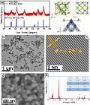


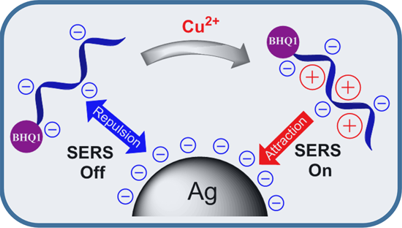
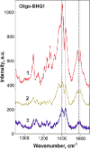
Modification of a SERS-active Ag surface to promote adsorption of charged analytes: effect of Cu2+ ions
Beilstein J. Nanotechnol. 2021, 12, 902–912, doi:10.3762/bjnano.12.67
- round bottom flask and stirred until complete dissolution. Then, 640 µL of 4 mg/mL silver nitrate solution were added under vigorous stirring and kept for 4 h in the ultrasonic bath. The resulting silver nanoparticle solution was dialyzed against 2.5 mM sodium citrate and stored at 4 °С. Glass and


Comprehensive review on ultrasound-responsive theranostic nanomaterials: mechanisms, structures and medical applications
Beilstein J. Nanotechnol. 2021, 12, 808–862, doi:10.3762/bjnano.12.64
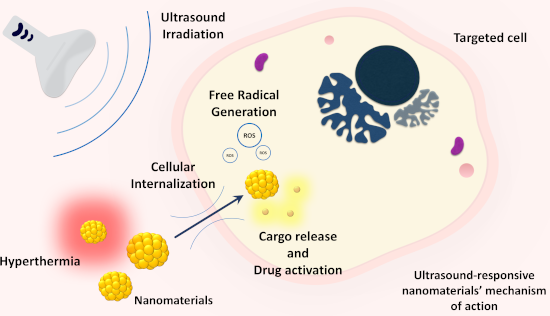
- ]. Early reports in the field of ultrasonic drug delivery demonstrated that the application of US energy alone could facilitate intracellular delivery of molecules by altering membrane integrity or interfering with the endocytosis process; however, this could also be harmful to the cells under some
- clinical applications, which have been discussed in several papers [23][37][38][39][40][41][42]. US-enhanced drug delivery has several important advantages since it is noninvasive, can be precisely focused and controlled, and can penetrate deep into the body [24]. In addition, ultrasonic waves have some
- between ultrasonic waves and the surrounding tissue result in different mechanical, chemical, and thermal effects, which in turn lead to different biological effects. It is notable that the studies in favor of the endocytosis pathway often used only modest US intensity. In contrast, the studies claiming


9.1% efficient zinc oxide/silicon solar cells on a 50 μm thick Si absorber
Beilstein J. Nanotechnol. 2021, 12, 766–774, doi:10.3762/bjnano.12.60
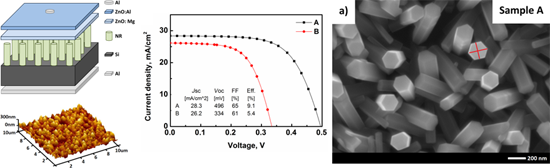
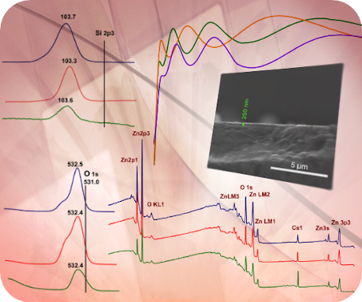
- deionized water. The cleaning process removed impurities from the silicon surface (e.g., fat, powders, and dust). The cleaning process was carried out in an ultrasonic cleaner for 5 min for each of the chemicals. Then, the samples were dried in a stream of nitrogen. Following this stage, aluminium was


Recent progress in actuation technologies of micro/nanorobots
Beilstein J. Nanotechnol. 2021, 12, 756–765, doi:10.3762/bjnano.12.59
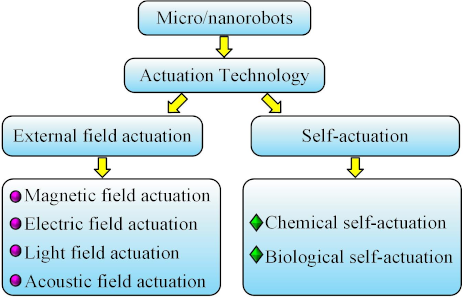
- frequency higher than the upper limit of human hearing. The ultrasonic bubble gathering effect generated by external ultrasonic fields or the pressure difference generated by the asymmetric structure of a robot body in an ultrasonic field can enable the robot to move. Wang et al. [34] developed metal rod
- -shaped micro/nanorobots in batches by template electrodeposition. Under the action of the ultrasonic field, the robots could achieve velocities up to 200 μm/s. Research has shown that standing ultrasonic waves in the megahertz frequency range can suspend, advance, rotate, arrange, and assemble metal
- microelectrodes in water and solutions of high ionic strength. When the ultrasonic frequency is tuned to generate a vertical standing wave, the metal rod is suspended in the midpoint plane of a cylindrical cell. A rapid axial movement of 200 μm/s of the metal microprobe at the resonance frequency was observed


High-yield synthesis of silver nanowires for transparent conducting PET films
Beilstein J. Nanotechnol. 2021, 12, 624–632, doi:10.3762/bjnano.12.51
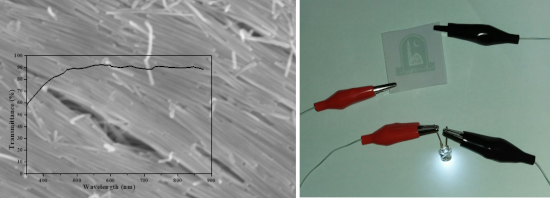
- , template reduction (hard and soft templates), and ultrasonic reduction methods [17][18][19][20][21][22]. Lithographic and hard template methods are used to prepare silver nanowires with well-defined dimensions but both methods produce polycrystalline silver nanowires with rough surface, triggering


Impact of GaAs(100) surface preparation on EQE of AZO/Al2O3/p-GaAs photovoltaic structures
Beilstein J. Nanotechnol. 2021, 12, 578–592, doi:10.3762/bjnano.12.48
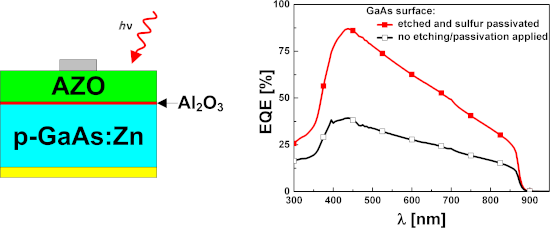
- (DIW, 18.2 MΩ·cm at 25 °C). The surface of the samples was prepared in five main stages. The stage 1 (initial cleaning in an ultrasonic cleaner, USC) was performed at approx. 30 °C (acetone/3 min, DIW/1 min, isopropanol/3 min, DIW/1 min), while stages 3 and 4 were conducted at room temperature (RT




Structural and optical characteristics determined by the sputtering deposition conditions of oxide thin films
Beilstein J. Nanotechnol. 2021, 12, 354–365, doi:10.3762/bjnano.12.29
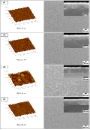
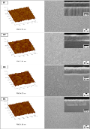
- , respectively), in order to precisely control and regulate the flow of gases into the deposition chamber. Quartz (fused silica, NEGS2) slides with dimensions of 2 cm × 2 cm × 0.1 cm were used as substrates. Initially, all substrates were cleaned in an ultrasonic bath to ensure good reproducibility of the


Differences in surface chemistry of iron oxide nanoparticles result in different routes of internalization
Beilstein J. Nanotechnol. 2021, 12, 270–281, doi:10.3762/bjnano.12.22
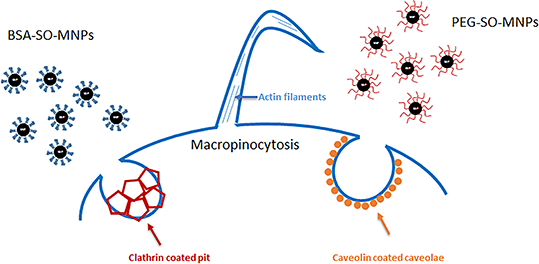
- to MNPs in the presence or absence of inhibitors as described above. After the treatment, the number of cells was calculated, cells were harvested and digested using HNO3 (500 μL) in an ultrasonic bath at 85 °C for 2 h. The digests were then diluted with 2% HNO3 in deionized water. The instrumental


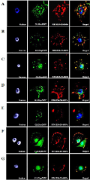

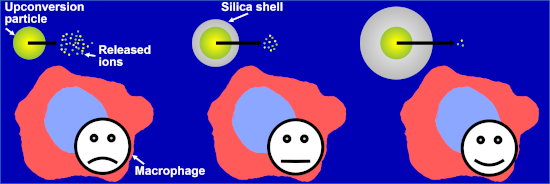
Effect of different silica coatings on the toxicity of upconversion nanoparticles on RAW 264.7 macrophage cells
Beilstein J. Nanotechnol. 2021, 12, 35–48, doi:10.3762/bjnano.12.3
- reaction vessels were cleaned with hydrofluoric acid (8 vol %) and repeatedly rinsed with water. The nanoparticles were redispersed using an ultrasonic bath operating at 860 W, 35 kHz (Sonorex RK512H, Bandelin). Ultrapure water (filter size = 0.22 μm, R = 18.2 MΩ·cm, Millipore) was used for all synthesis
- 33.3 mL of cyclohexane was used. After sonicating for 10 min, 3.736 mL of Igepal CO-520 was added. After a brief mixing using an ultrasonic bath, 0.331 mL of ammonia water was added, and the dispersion was sonicated again for 20 min. Subsequently, 0.331 mL of TEOS was added and the whole mixture was


PEG/PEI-functionalized single-walled carbon nanotubes as delivery carriers for doxorubicin: synthesis, characterization, and in vitro evaluation
Beilstein J. Nanotechnol. 2020, 11, 1728–1741, doi:10.3762/bjnano.11.155
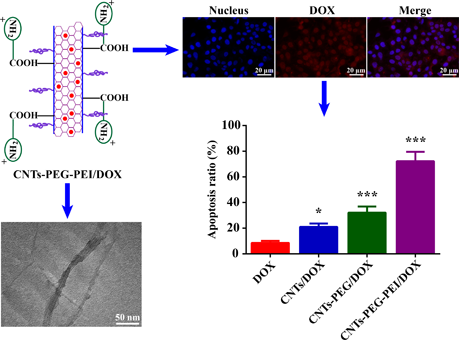
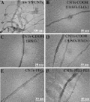
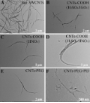
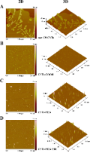
- PEG and polyethylenimine (PEI), which contains amino groups, were synthesized (CNTs-PEG-PEI). The length of the SWCNTs was first shortened by ultrasonic scission in different strong acid solutions for improving the dispersion in water. Afterwards, PEG and PEI were grafted onto the CNTs. This




Piezoelectric sensor based on graphene-doped PVDF nanofibers for sign language translation
Beilstein J. Nanotechnol. 2020, 11, 1655–1662, doi:10.3762/bjnano.11.148
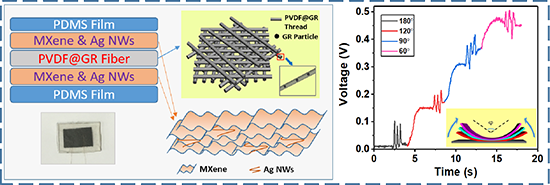
- concentrated in the bent part of the material, and the potential is generated on the opposite side of the device. Electrospinning is used to manufacture GR-doped PVDF fibers. The overall process is shown in Figure 2a. Firstly, GR is dispersed in dimethylformamide (DMF). After ultrasonic treatment, PVDF powder


Structure and electrochemical performance of electrospun-ordered porous carbon/graphene composite nanofibers
Beilstein J. Nanotechnol. 2020, 11, 1280–1290, doi:10.3762/bjnano.11.112
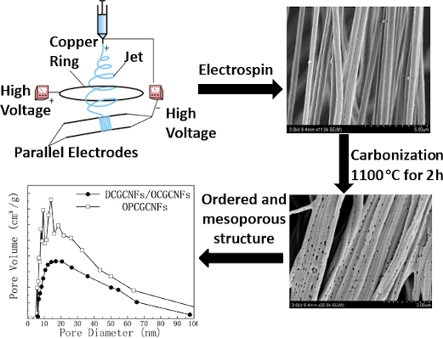
- stirred at room temperature for 2 h until a homogeneous solution was obtained. Then 0.5 wt % of graphene was added to the PAN/DMF solution, which was submitted to ultrasonic vibration for 30 min until graphene was well-dispersed in the solution. Finally, DIW was added to the graphene/PAN/DMF solution upon


A few-layer graphene/chlorin e6 hybrid nanomaterial and its application in photodynamic therapy against Candida albicans
Beilstein J. Nanotechnol. 2020, 11, 1054–1061, doi:10.3762/bjnano.11.90
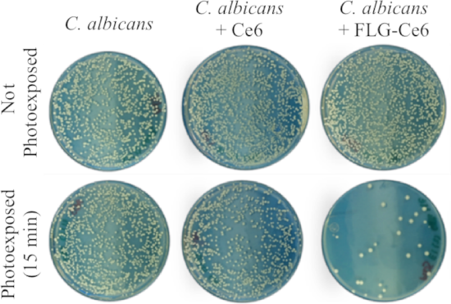
- Bay Carbon, Inc., respectively. 1 mg of graphite and 2 mL of a solution of Ce6/methanol at 1 mg/mL was added to 8 mL of deionized water. The sample was sonicated for 45 min using a Branson 2510 ultrasonic bath with a frequency of 40 kHz and power of 130 W, then centrifuged at 500 rpm for 90 min. The


Band tail state related photoluminescence and photoresponse of ZnMgO solid solution nanostructured films
Beilstein J. Nanotechnol. 2020, 11, 899–910, doi:10.3762/bjnano.11.75
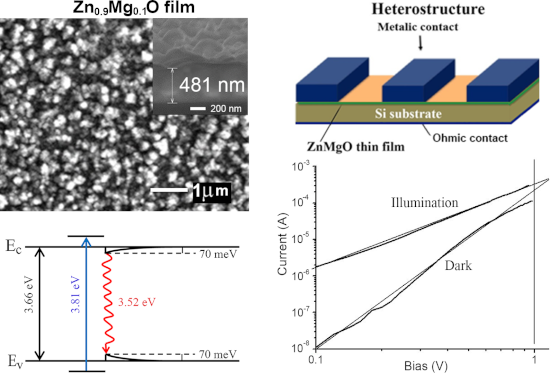
- ultrasonic bath for 30 min at a temperature of 50–60 °C. Spin coating was performed at room temperature on glass or (100) on p-Si substrates in multiple coating cycles at a rotational speed of 2000 rpm with the rotation taking 20 s followed by drying the coated layer at 150 °C for 10 min. After the
- were mixed in an ultrasonic bath in various proportions to produce ZnMgO films with Mg content from 5% to 40%. A distance of 18 cm was experimentally chosen between the sprayer and the heated substrate in view of producing a uniform coverage of the film on the substrate. The solution was injected into

Quantitative determination of the interaction potential between two surfaces using frequency-modulated atomic force microscopy
Beilstein J. Nanotechnol. 2020, 11, 729–739, doi:10.3762/bjnano.11.60
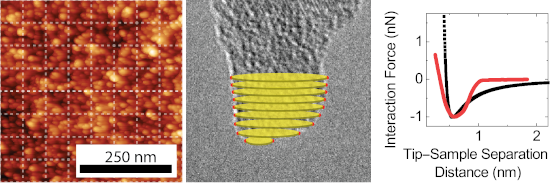
- parameters for the particular material system. Experimental details All experiments were conducted in a RHK 750 UHV-AFM system operated under ultrahigh vacuum (UHV) conditions (1 × 10⁻¹⁰ Torr) and at room temperature. Single-crystal diamond(100) samples (EDP Corporation) were cleaned in an ultrasonic bath


Stochastic excitation for high-resolution atomic force acoustic microscopy imaging: a system theory approach
Beilstein J. Nanotechnol. 2020, 11, 703–716, doi:10.3762/bjnano.11.58
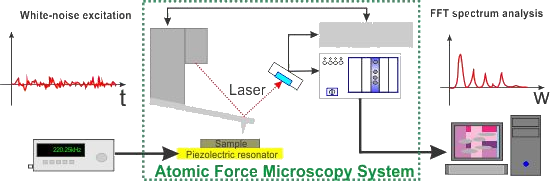
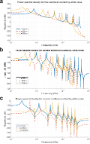
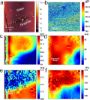
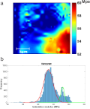
- resonance frequencies are often labeled as acoustic or ultrasonic methods due to the frequency range of the vibrations involved (from 100 kHz to 3 MHz) [1][9][12]. Among them are ultrasonic force microscopy (UFM) [13], heterodyne force microscopy [14], ultrasonic atomic force microscopy (UAFM), atomic force



A novel dry-blending method to reduce the coefficient of thermal expansion of polymer templates for OTFT electrodes
Beilstein J. Nanotechnol. 2020, 11, 671–677, doi:10.3762/bjnano.11.53
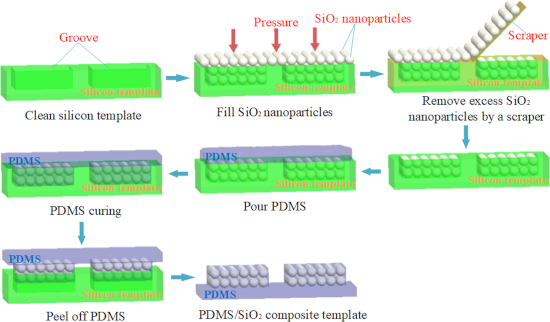
- composite template were investigated with a TMA as shown in Figure 4. For comparison, PDMS/SiO2 composite templates with a nanoparticle content of 0 wt %, 10 wt %, 15 wt %, and 20 wt %, respectively, were prepared via wet blending of SiO2 nanoparticles and PDMS using ultrasonic technology. Their curves are


Exfoliation in a low boiling point solvent and electrochemical applications of MoO3
Beilstein J. Nanotechnol. 2020, 11, 662–670, doi:10.3762/bjnano.11.52
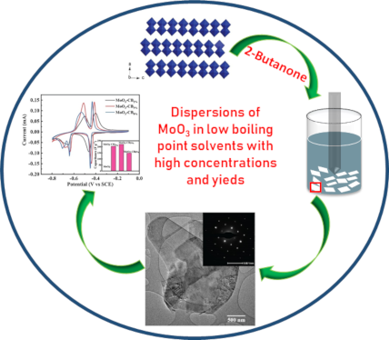
- either by ultrasonic vibrations or shearing in a liquid medium that facilitates the exfoliation. To influence the energies relevant for the exfoliation in aqueous media, additives such as surfactants and polymers are used [8]. However, their removal is quite tedious and the remnants are detrimental for