Search results
Search for "ultrasound" in Full Text gives 125 result(s) in Beilstein Journal of Nanotechnology.
Enhancement of X-ray emission from nanocolloidal gold suspensions under double-pulse excitation
Beilstein J. Nanotechnol. 2018, 9, 2609–2617, doi:10.3762/bjnano.9.242
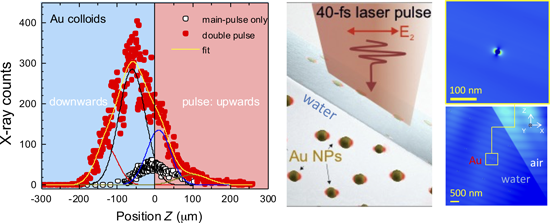
- that the appropriate size for the highest X-ray intensity is 40–50 nm. For ultrasound generation under fs-laser excitation [34][49], gold nanorod particles with more efficient surface plasmon resonance effects [50] were also used. Further enhancements of X-ray intensities are expected under double


Friction reduction through biologically inspired scale-like laser surface textures
Beilstein J. Nanotechnol. 2018, 9, 2561–2572, doi:10.3762/bjnano.9.238
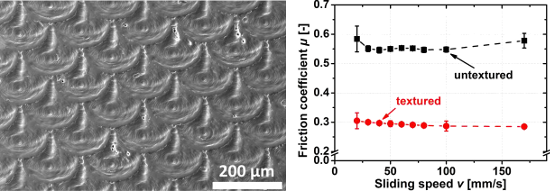
- with a Fischerscope microhardness tester (Helmut Fischer GmbH, Sindelfingen, Germany), revealed a local hardness at the scale edges of approximately 1500 to 1700 HV0.1. Each pellet was cleaned with isopropanol for five minutes in an ultrasound bath before and after laser surface texturing. Electron


Nanocellulose: Recent advances and its prospects in environmental remediation
Beilstein J. Nanotechnol. 2018, 9, 2479–2498, doi:10.3762/bjnano.9.232
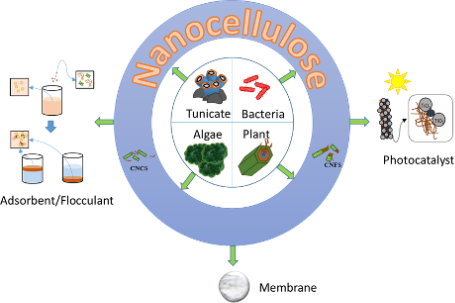
- xylanase as enzymes before ultrasound treatment for the nanofibrillation of cellulose derived from Kraft pulp. “Accessory enzymes” such as LPMO and xylanase were used to boost the hydrolytic performance of cellulose cocktails while endoglucanase facilitated the refining and fibrillation of cellulose


Synthesis of a MnO2/Fe3O4/diatomite nanocomposite as an efficient heterogeneous Fenton-like catalyst for methylene blue degradation
Beilstein J. Nanotechnol. 2018, 9, 1940–1950, doi:10.3762/bjnano.9.185
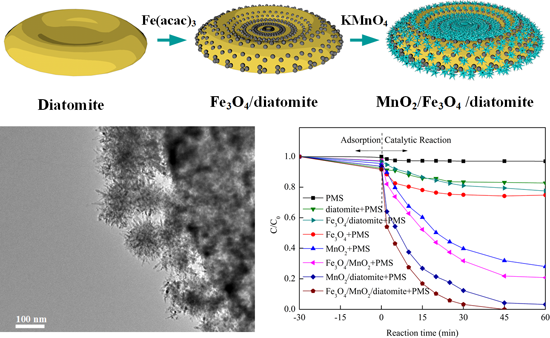
- for 30 min with subsequent ultrasound dispersion for 5 min, followed by dissolving 0.35 g KMnO4 into the mixture. The resulting mixture was transferred into a 100 mL autoclave and kept at 160 °C for 12 h under slight stirring. Finally, the MnO2/Fe3O4/diatomite nanocomposite was obtained after washing


SO2 gas adsorption on carbon nanomaterials: a comparative study
Beilstein J. Nanotechnol. 2018, 9, 1782–1792, doi:10.3762/bjnano.9.169
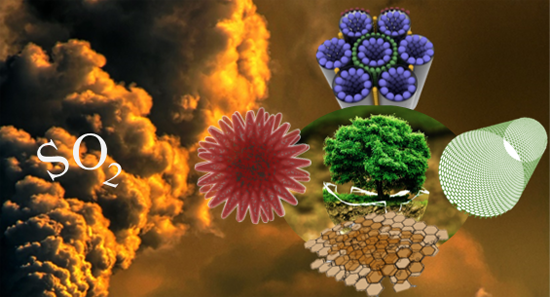
- R1 Extra was obtained from Norit N.V., Holland, and the detailed properties have been described in [45][54]. GO was prepared by oxidizing graphite followed by exfoliation using a combination of ultrasound sonication followed by freeze–thaw cycles, described in detail in [12]. Graphite was purchased


Understanding the performance and mechanism of Mg-containing oxides as support catalysts in the thermal dry reforming of methane
Beilstein J. Nanotechnol. 2018, 9, 1162–1183, doi:10.3762/bjnano.9.108
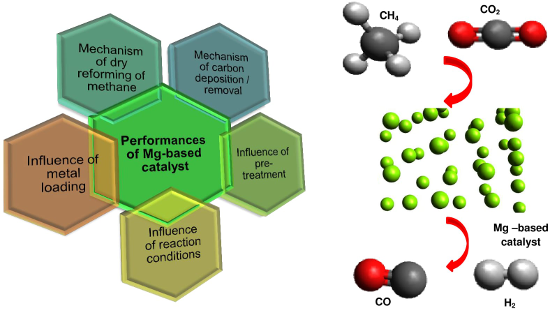
- in DRM. Application of MgO as a co-support Abdollahifar et al. [49] investigated catalyst performance by applying the ultrasound-assisted impregnation (sonochemistry) method in the synthesis of a Ni/Al2O3–MgO catalyst for a DRM reaction. The measured surface area for the Ni/Al2O3–MgO catalyst was






Optimisation of purification techniques for the preparation of large-volume aqueous solar nanoparticle inks for organic photovoltaics
Beilstein J. Nanotechnol. 2018, 9, 649–659, doi:10.3762/bjnano.9.60
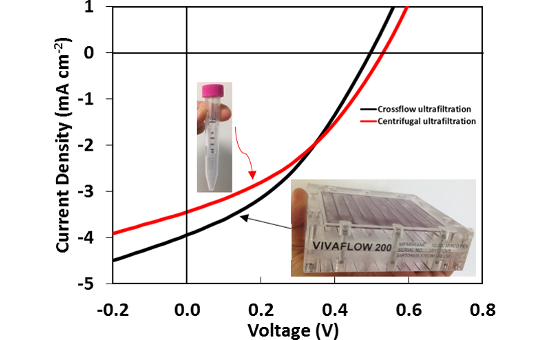
- supplied by Vivaproducts and Sartorius, respectively, each equipped with a poly(ethersulfone) (PES) membrane with a cut-off at 10 kDa (MWCO). A Hielscher ultrasound type UIP1000hdT (1000 W, 20 kHz) with a 22 mm diameter sonotrode was used to prepare the mini-emulsion for large-volume nanoparticle inks


Anchoring Fe3O4 nanoparticles in a reduced graphene oxide aerogel matrix via polydopamine coating
Beilstein J. Nanotechnol. 2018, 9, 591–601, doi:10.3762/bjnano.9.55
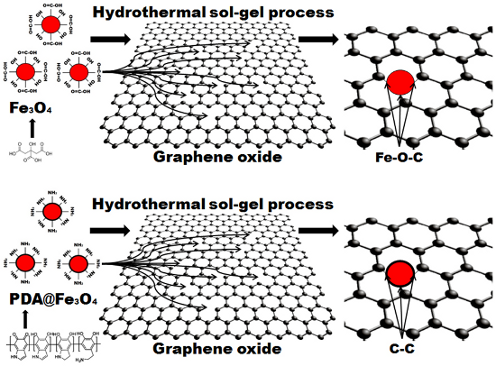
- of ultrasound dispersed GO (2 mg/mL), GO (2 mg/mL) with Fe3O4 (1 mg/mL) and GO (2 mg/mL) with PDA@Fe3O4 (1 mg/mL) were prepared in 10 mL glass beakers. Then 60 μL of ethylenediamine were added as a reduction agent to each beaker. Next, the beakers were placed in a Teflon-metal covered autoclave and


Engineering of oriented carbon nanotubes in composite materials
Beilstein J. Nanotechnol. 2018, 9, 415–435, doi:10.3762/bjnano.9.41
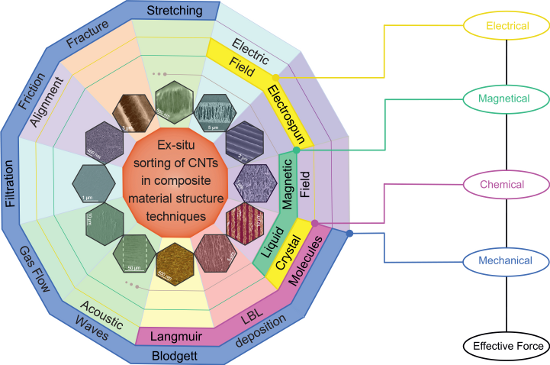
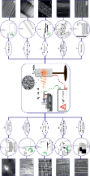
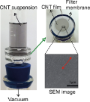
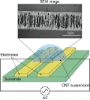
- field emitters [6][27][28][31][33][37][38][39]. In recent research, fracture and stretching processes have jointly been used to align CNTs in a controlled manner [40]. In this process, functionalized CNTs were initially well-dispersed in water using ultrasound and then were sprayed on a nylon membrane








Humidity-dependent wound sealing in succulent leaves of Delosperma cooperi – An adaptation to seasonal drought stress
Beilstein J. Nanotechnol. 2018, 9, 175–186, doi:10.3762/bjnano.9.20
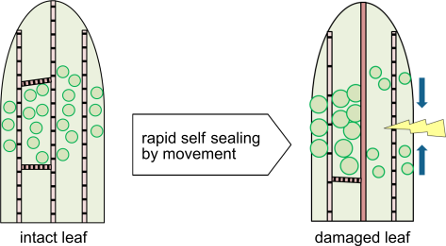
- tests, epidermis samples and strands of vascular bundles were sprayed with finely dispersed water vapour from an ultrasound nebuliser. The images were taken with an Olympus SZX9 dissecting microscope via a Color View II digital camera (Soft Imaging Systems GmbH, Münster, Germany) and the software cell D


Atomic layer deposition and properties of ZrO2/Fe2O3 thin films
Beilstein J. Nanotechnol. 2018, 9, 119–128, doi:10.3762/bjnano.9.14
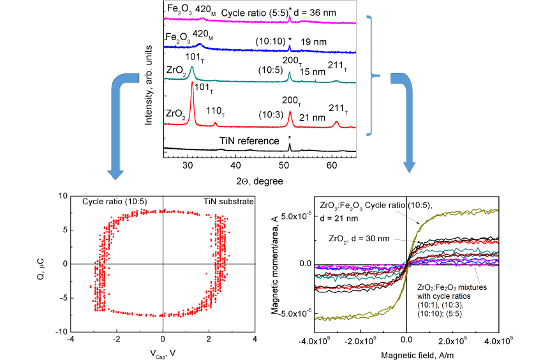
- rinsed in a mixture of H2SO4/H2O2 5:2 and heated on a hot plate at 80 °C. After that, the Si(100) was cleaned with distilled water in an ultrasound container. The next step was to clean the samples with a 7% solution of HF and again clean with distilled water under ultrasound. During the time after


Identifying the nature of surface chemical modification for directed self-assembly of block copolymers
Beilstein J. Nanotechnol. 2017, 8, 1972–1981, doi:10.3762/bjnano.8.198
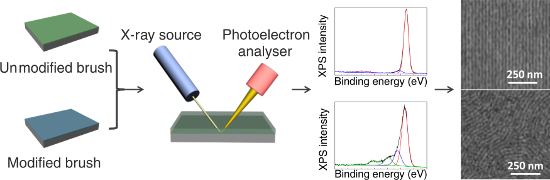
- top of the activated silicon substrate and it is annealed. Then, the non-grafted brush layer is rinsed away by dipping the sample into toluene for 5 min in an ultrasound bath. Consequently, the EBL is performed on an 80 nm thick PMMA resist and after the development, the sample is briefly exposed to


Optical techniques for cervical neoplasia detection
Beilstein J. Nanotechnol. 2017, 8, 1844–1862, doi:10.3762/bjnano.8.186
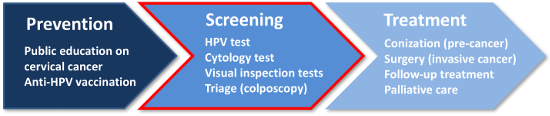

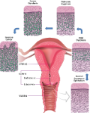


Methionine-mediated synthesis of magnetic nanoparticles and functionalization with gold quantum dots for theranostic applications
Beilstein J. Nanotechnol. 2017, 8, 1734–1741, doi:10.3762/bjnano.8.174
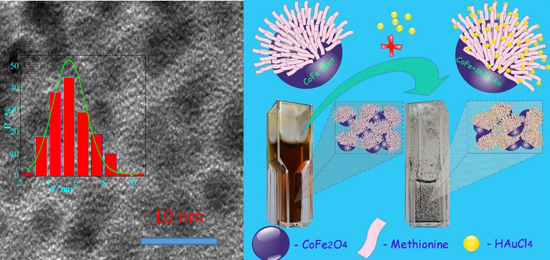
- chemical reduction of HAuCl4. Briefly, 3.5 mL of NP solution was diluted to 5 mL under ultrasonic agitation for 10 min and 2.0 mL of HAuCl4 (10 mmol·L−1) was introduced into the reaction medium under ultrasound agitation. The solution was alkalized to the required pH value by addition of 2.0 mol·L−1 NaOH


Miniemulsion copolymerization of (meth)acrylates in the presence of functionalized multiwalled carbon nanotubes for reinforced coating applications
Beilstein J. Nanotechnol. 2017, 8, 1328–1337, doi:10.3762/bjnano.8.134
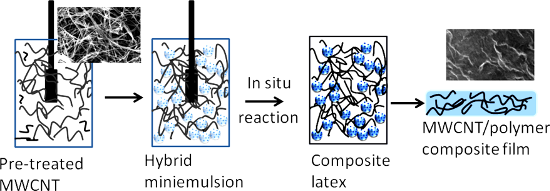
- pretreated by sonication in air, after which they were dispersed in water in presence of PVP. The procedure for sonication in air was as follow: 0.35 g of MWCNTs were placed into a 50 mL beaker that had a magnetic stirrer. An ultrasound tip (Branson 450 instrument, Danbury, CT) was introduced into the beaker
- (keeping a separation between the ultrasound tip and magnetic stirrer of approximately 2 cm and 1 cm separation between the tip and the MWCNTs) and the beaker was sealed. Afterwards, ultrasound was applied for 1.5 h at 70% of power output and 50% duty cycle under magnetic stirring (200 rpm). In addition to


Relationships between chemical structure, mechanical properties and materials processing in nanopatterned organosilicate fins
Beilstein J. Nanotechnol. 2017, 8, 863–871, doi:10.3762/bjnano.8.88
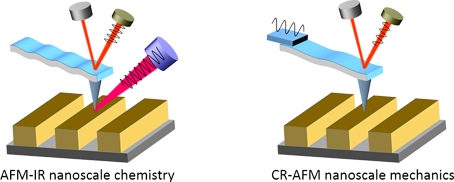
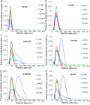
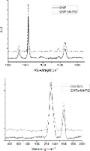
- tip–sample contact mechanically vibrated at ultrasound frequencies in CR-AFM (d). (a) Transmission FTIR and AFM-IR spectra of the symmetric SiC–H3 deformation mode from a nanoporous organosilicate unpatterned film and patterned fins (widths of 500 nm, 90 nm, and 20 nm), respectively. (b) CR-AFM



α-((4-Cyanobenzoyl)oxy)-ω-methyl poly(ethylene glycol): a new stabilizer for silver nanoparticles
Beilstein J. Nanotechnol. 2017, 8, 627–635, doi:10.3762/bjnano.8.67
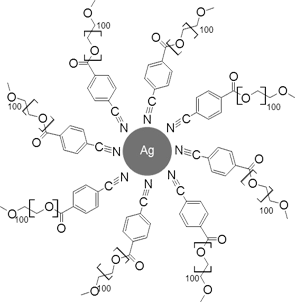
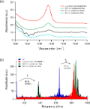
- diluted and dispersed in an ultrasonic bath for 15 min. Afterwards a drop of the diluted and ultrasound-treated sample was deposited on a carbon film coated 200 mesh copper TEM grid (Electron Microscopy Sciences) and allowed to dry. A 200 kV JEOL 2100 transmission electron microscope equipped with an


Nanostructured carbon materials decorated with organophosphorus moieties: synthesis and application
Beilstein J. Nanotechnol. 2017, 8, 485–493, doi:10.3762/bjnano.8.52
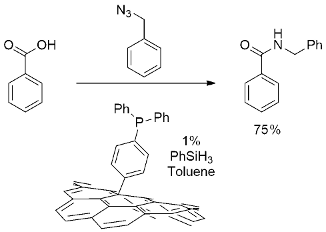
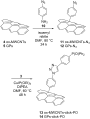
- dispersion. Subsequently, substrates 4 and 5 were reacted with the azido derivative 2 (Scheme 2). The mixture of the reagents in dichlorobenzene was kept in the ultrasound bath for 25 min, to obtain a homogeneous dispersion, and subsequently stirred at 165 °C for four days [10][31][32]. Again CNTs derivative
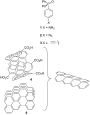
- DMF. The mixture was kept in an ultrasound bath for 10 min, under inert atmosphere, and 19.3 mg (0.165 mmol) of isopentyl nitrite were added. The mixture was stirred at 80 °C under nitrogen for 16 h. The dispersion was diluted a 1:1 solution of isopropanol/diisopropyl ether and centrifuged for 15 min
- DMF. The mixture was kept in an ultrasound bath for 30 min, under inert atmosphere, then 19.3 mg (0.165 mmol) of isopentyl nitrite were added. The mixture was stirred at 80 °C under nitrogen for 16 h. The dispersion was diluted with isopropanol and centrifuged for 15 min at 1400 rcf. The supernatant





Template-controlled piezoactivity of ZnO thin films grown via a bioinspired approach
Beilstein J. Nanotechnol. 2017, 8, 296–303, doi:10.3762/bjnano.8.32
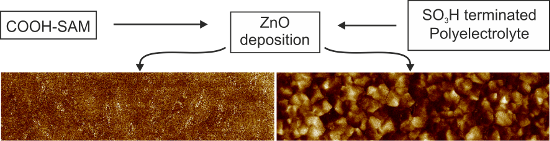
- acetone/ethanol 1:1 for 10 min in an ultrasonic bath. Afterwards, they were treated for 10 min in an O2-plasma with 30 W, followed by another cleaning in Milli-Q water in ultrasound (10 min). In-between the different steps, the wafers were dried with N2. Carboxylate-SAMs were prepared according to


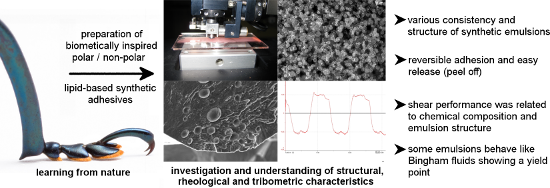
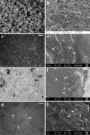
Structural and tribometric characterization of biomimetically inspired synthetic "insect adhesives"
Beilstein J. Nanotechnol. 2017, 8, 45–63, doi:10.3762/bjnano.8.6


From iron coordination compounds to metal oxide nanoparticles
Beilstein J. Nanotechnol. 2016, 7, 2074–2087, doi:10.3762/bjnano.7.198
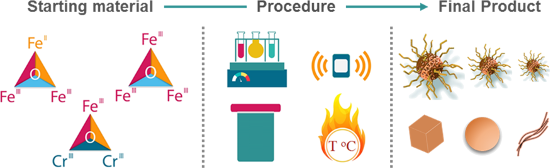
- as ultrasound and microwaves can also be used. In this work we employed all of these procedures for the conversion of original precursors into proper oxide nanoparticles. The working conditions were identified in which nanoparticles with certain composition, size and shape could be obtained. Thermal
- subjected to irradiation with ultrasound (Supporting Information File 1, Figure S22). The procedures for samples NPU1–NPU2 differ only in the ultrasonic irradiation time (5 min for NPU1 and 30 min for NPU2). In addition, sample NPU2 was also subsequently subjected to thermal treatment at 400 °C to track


Organoclay hybrid materials as precursors of porous ZnO/silica-clay heterostructures for photocatalytic applications
Beilstein J. Nanotechnol. 2016, 7, 1971–1982, doi:10.3762/bjnano.7.188
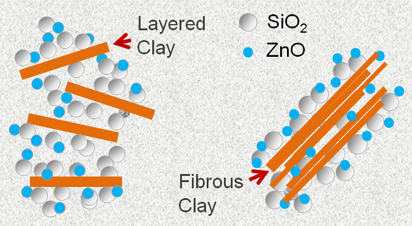
- ultrasound irradiation to the silica–organoclay hybrid heterostructures dispersed in 2-propanol, and finally, the resulting solids were calcinated to eliminate the organic matter and to produce ZnO nanoparticles (NP) homogeneously assembled to the clay–SiO2 framework. In the case of montmorillonite the
- heterostructures were then prepared from this SiO2-organoclay dispersed in 2-propanol (5% w/w), to which are slowly added ZnO NP also dispersed in 2-propanol to reach a molar ratio of 0.5:1 ZnO/SiO2-organoclay. This suspension is homogenized by ultrasound irradiation (SONICS Vibracell 750 W, 20 kHz) for 20 min in





Antitumor magnetic hyperthermia induced by RGD-functionalized Fe3O4 nanoparticles, in an experimental model of colorectal liver metastases
Beilstein J. Nanotechnol. 2016, 7, 1532–1542, doi:10.3762/bjnano.7.147
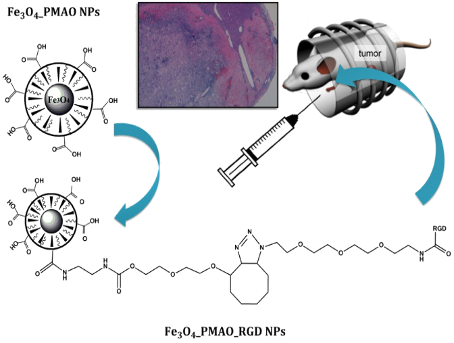
- induction The experimental studies to evaluate the capacity of the magnetic nanoparticles to induce hyperthermia were carried out in 16 rats bearing hepatic implants of colon adenocarcinoma. The development of the liver implants and their volumes were controlled and quantified by ultrasound. The suspensions


Viability and proliferation of endothelial cells upon exposure to GaN nanoparticles
Beilstein J. Nanotechnol. 2016, 7, 1330–1337, doi:10.3762/bjnano.7.124
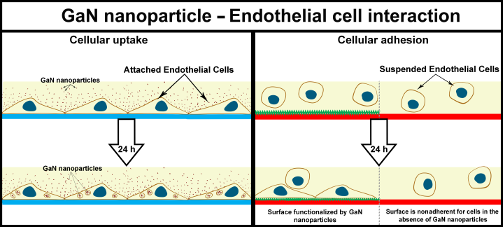
- good candidate material due to its chemical inertness and, in particular, its piezoelectric properties, which opens the possibility of it being able to transmit an electrical signal to cells. This might be used to activate cells receptors through simple external activation (e.g., via an ultrasound
- functionalized surfaces of implants or prosthesis could be easily modulated from the exterior (e.g., with an ultrasound field), making surfaces either more or less attractive for desired types. Experimental Preparation of GaN nanoparticles Thin layers of GaN were grown on ZnO nanoparticles by hydride vapor phase



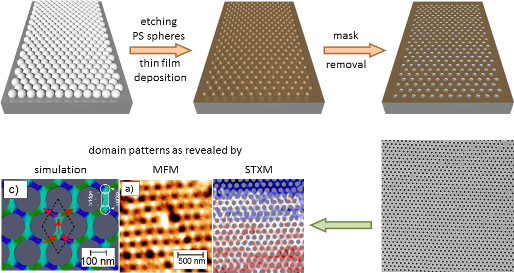
Magnetic switching of nanoscale antidot lattices
Beilstein J. Nanotechnol. 2016, 7, 733–750, doi:10.3762/bjnano.7.65