


Search results
Search for "CVD" in Full Text gives 215 result(s) in Beilstein Journal of Nanotechnology. Showing first 200.
Interface conditions of roughness-induced superoleophilic and superoleophobic surfaces immersed in hexadecane and ethylene glycol
Beilstein J. Nanotechnol. 2017, 8, 2504–2514, doi:10.3762/bjnano.8.250
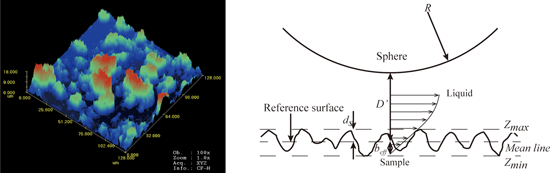
- function layer (thickness ca. 20 nm) by chemical vapor deposition (CVD), one drop (about 0.1 mL) of methyltrichlorosilane (methylsilane, Sigma Aldrich) was placed next to the samples under sealing and left for 10 h. To prepare the superoleophobic surface, the same materials and processes as for





Dissociative electron attachment to coordination complexes of chromium: chromium(0) hexacarbonyl and benzene-chromium(0) tricarbonyl
Beilstein J. Nanotechnol. 2017, 8, 2257–2263, doi:10.3762/bjnano.8.225
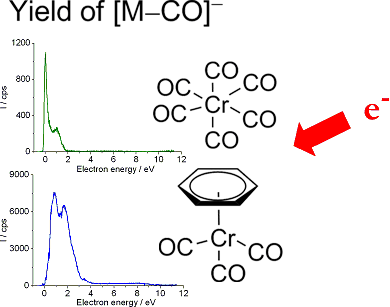
- [1][2][3]. However, they also play an important role in nanotechnology. In fact, a number of organometallic complexes, originally designed for chemical vapor deposition (CVD) purposes, have also been recognized as promising precursors for focused electron beam induced deposition (FEBID), a process to
Vapor-based polymers: from films to nanostructures
Beilstein J. Nanotechnol. 2017, 8, 2219–2220, doi:10.3762/bjnano.8.221

- applications. In this context, the versatility of poly(chloro-p-xylylene) in the application of flexible organic electronics is presented in a review article by Marszalek et al. [9]. The absence of small molecule compounds or solvents in CVD films mitigates the risk of potential leakage of hazardous residues
A systematic study of the controlled generation of crystalline iron oxide nanoparticles on graphene using a chemical etching process
Beilstein J. Nanotechnol. 2017, 8, 2017–2025, doi:10.3762/bjnano.8.202
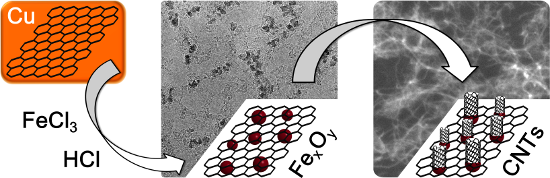
- Peter Krauss Jorg Engstler Jorg J. Schneider Fachbereich Chemie, Eduard-Zintl-Institut für Anorganische und Physikalische Chemie, Technische Universität Darmstadt, Alarich-Weiss Str. 12, 64287 Darmstadt, Germany 10.3762/bjnano.8.202 Abstract Chemical vapor deposition (CVD) of carbon precursors
- employing a metal catalyst is a well-established method for synthesizing high-quality single-layer graphene. Yet the main challenge of the CVD process is the required transfer of a graphene layer from the substrate surface onto a chosen target substrate. This process is delicate and can severely degrade the
- on graphene are active in the catalytic growth of carbon nanotubes when employing a water-assisted CVD process. Keywords: carbon nanotubes; chemical vapor deposition; graphene; iron oxide; nanoparticles; Introduction Graphene was first described by Boehm and coworkers in the early 1960s [1][2][3][4


Bi-layer sandwich film for antibacterial catheters
Beilstein J. Nanotechnol. 2017, 8, 1982–2001, doi:10.3762/bjnano.8.199
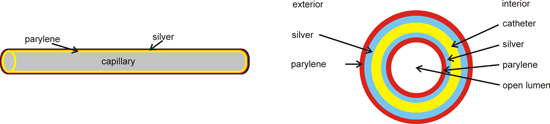
- , irrespective of whether the catheter is utilized as urethral balloon catheter or as ureteral stent. Due to the high aspect ratio of the catheters (20 to 30 cm in length at with a small lumen of maximal 1 or 3 mm), the only technique to achieve a double-sided coating is chemical vapor deposition (CVD). A
- coating, because it forms the very stable complex [Ag(NH3)2]+, which dissolves a possible precipitate of AgCl [19]. 3. Among the various deposition techniques, chemical vapor deposition (CVD) is known for its outstanding conformal coatings, in particular on three-dimensional substrates. Because the
- in the uriniferous system is different from oral ingestion or intravenous injections. 5. Among the thousands of possible organic materials, just a few remain fulfilling the requirements of biocompatibility and of the FDA regulations. For the CVD deposition we chose poly(p-xylylene) N, PPX-N or


Process-specific mechanisms of vertically oriented graphene growth in plasmas
Beilstein J. Nanotechnol. 2017, 8, 1658–1670, doi:10.3762/bjnano.8.166
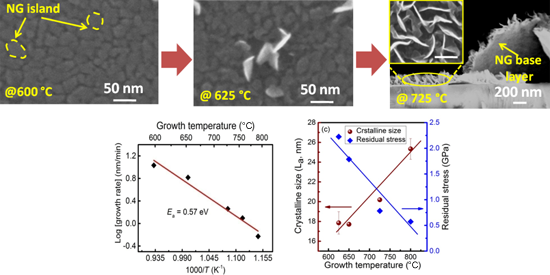
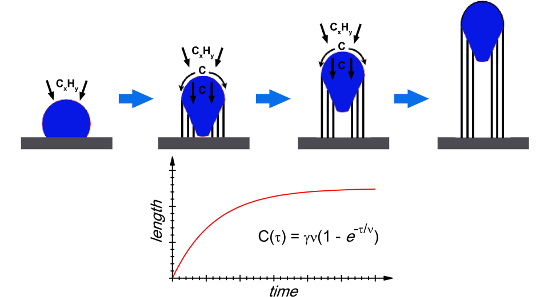
- morphology from planar to vertical networks by altering the growth temperature while maintaining the same sp3 content. According to the above results, the growth mechanism of VGNs, shows as schematic in Figure 4, can be explained as follows: The ECR-CVD creates highly energetic plasma species (e.g., CxHy, C2
- resistance of 0.98 kΩ/sq is observed for the VGNs grown at 800 °C. The lowest sheet resistance of 0.6 kΩ/sq is obtained for the film grown at a distance of 10 cm from the plasma source, which is lower than that of CVD-grown planar graphene with eight layers (0.77 kΩ/sq) [64]. Grain boundary and edge defects


Parylene C as a versatile dielectric material for organic field-effect transistors
Beilstein J. Nanotechnol. 2017, 8, 1532–1545, doi:10.3762/bjnano.8.155
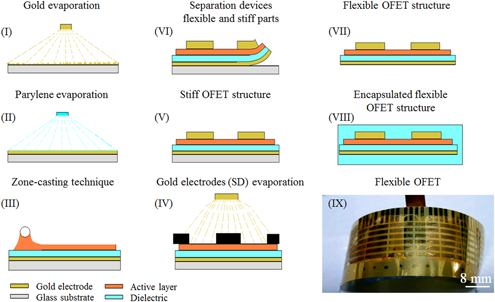
- under the commercial name of parylenes, is unique in many ways. It is a synthetic path for polymer formation, at the same time it belongs to the category of chemical vapor deposition (CVD) and, as such, it yields products in a form of conformal solid films depositing at any surface exposed. As a CVD
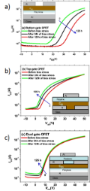
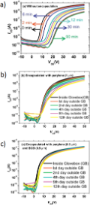
- C by CVD method does not disturb the semiconductor surface, and second, the charge-trapping effect caused by oxygen and water is much less pronounced when Parylene C is working as a protecting layer of the semiconductor film. An example of this advantage is given in the abovementioned work with C60




Adsorption and electronic properties of pentacene on thin dielectric decoupling layers
Beilstein J. Nanotechnol. 2017, 8, 1388–1395, doi:10.3762/bjnano.8.140
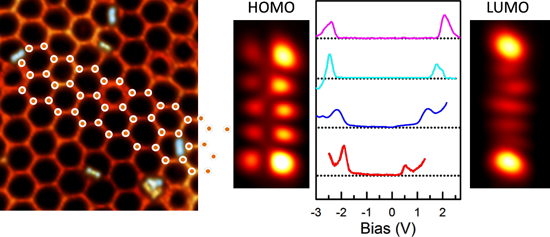
- at 1073 K for 5 min. A h-BN layer was grown by chemical vapor deposition (CVD) by heating the Rh(111) sample to 1073 K and exposing it to 110 L of borazine ((HBNH)3) gas. h-BN grows in a self-terminating growth process [22] on the (111) surface of the crystal. The KCl layers on various metal surfaces


Micro- and nano-surface structures based on vapor-deposited polymers
Beilstein J. Nanotechnol. 2017, 8, 1366–1374, doi:10.3762/bjnano.8.138
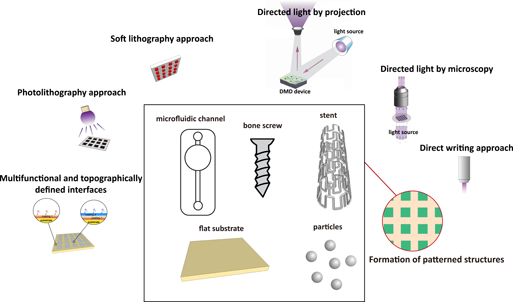
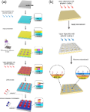
- technologies for vapor-based coatings largely depend on adaptation from these lithographical approaches (Figure 1). A DNA array was fabricated in a photolithographical liftoff process on a vapor-deposited (chemical vapor deposition, CVD) poly-p-xylylene surface, and the resulting array surface showed excellent
- for the pattern formation of polyethylene glycol (PEG)-like polymer derivatives to guide fibroblast attachment [21]. A photodefinable polymer of poly(4-benzoyl-p-xylylene-co-p-xylylene) was synthesized by CVD, and a combined soft lithographical and UV light process was performed to create the
- surfaces. For example, surface patterns were created on a CVD-deposited pentafluorophenol ester-functionalized poly-p-xylylene coating by μCP with the use of a PDMS elastomeric stamp, and line patterns of functional biotin molecules were formed with stability up to seven days at room temperature. In the


Oxidative chemical vapor deposition of polyaniline thin films
Beilstein J. Nanotechnol. 2017, 8, 1266–1276, doi:10.3762/bjnano.8.128
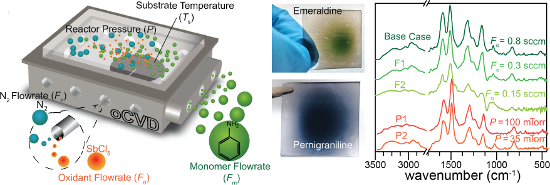
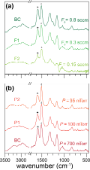
- advantageous route for depositing conducting polymer thin films without the need of a solvent or a conductive substrate, which naturally makes the process amenable in a wide range of applications [17][21]. Other methods such as plasma-enhanced CVD (PECVD) have previously been used to make conformal and uniform




Preparation of thick silica coatings on carbon fibers with fine-structured silica nanotubes induced by a self-assembly process
Beilstein J. Nanotechnol. 2017, 8, 1145–1155, doi:10.3762/bjnano.8.116
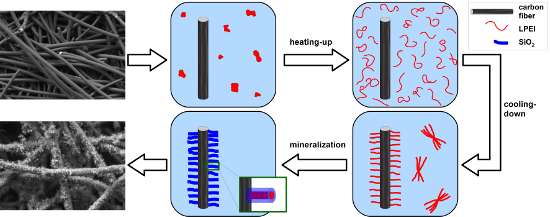
- study is the deposition of nanostructured silica onto the surface of carbon fibers. Among other techniques of covering the carbon fiber surface with a silicon dioxide layer (or other ceramic coatings), the most common ones are chemical vapor deposition (CVD) [4], liquid phase impregnation [5] and sol
- –gel techniques [6]. Even though the CVD method leads typically to a uniform and dense surface coating, low deposition rates can make this process time-consuming and expensive. The sol–gel method is advantageous owing to the low processing temperature, inexpensive and commercially available precursors


Growth, structure and stability of sputter-deposited MoS2 thin films
Beilstein J. Nanotechnol. 2017, 8, 1115–1126, doi:10.3762/bjnano.8.113
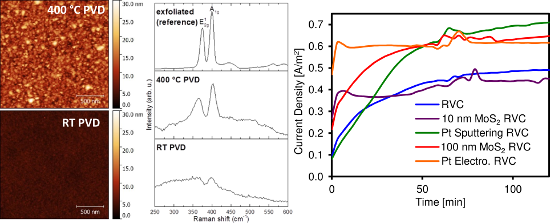
- [11], tremendous progress on MoS2 growth by chemical vapour deposition (CVD) type synthesis has recently been made [20][22][23][24][25][26]. An alternative fabrication route with industrial scalability and potentially offering MoS2 deposition on a variety of substrates is physical vapour deposition
- conduction behaviour could be related to both chemical composition and structure and will be discussed in the following. First, Mo/S stoichiometry variations in the MoS2 film could contribute to unexpected variations in electrical transport. For instance, for transistor devices based on CVD MoS2 monolayers


The integration of graphene into microelectronic devices
Beilstein J. Nanotechnol. 2017, 8, 1056–1064, doi:10.3762/bjnano.8.107
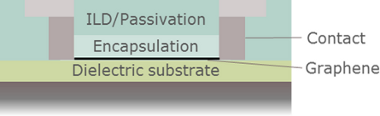
- , epitaxy on silicon carbide or chemical vapor deposition (CVD) on catalytic metals [5]. Besides meeting the requirements of film quality and cost, the scalability to 200 or 300 mm wafer sizes is crucial for being suitable for industrial production. Currently, the highest-quality graphene synthesis method
- that fulfills these constraints is graphene CVD on copper substrates [4][6]. However, for building electronic devices graphene typically has to be placed on an insulating substrate. Hence the graphene films have to be transferred from their growth substrate to the device substrate. In the past several
- methods have been proposed [7], which can be grouped into the following categories. 1.1 Ex situ transfer The CVD growth substrate can either be a copper foil, which is most commonly used, or a Cu film deposited by physical vapor deposition (PVD) on a silicon wafer substrate with a diffusion barrier


Study of the correlation between sensing performance and surface morphology of inkjet-printed aqueous graphene-based chemiresistors for NO2 detection
Beilstein J. Nanotechnol. 2017, 8, 1023–1031, doi:10.3762/bjnano.8.103
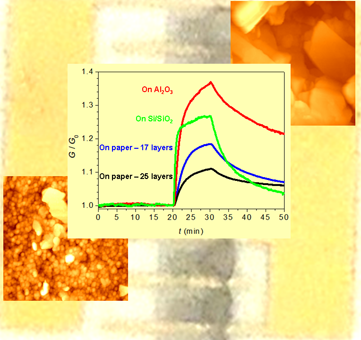
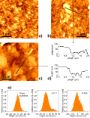
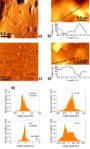
- printing a LPE graphene suspension dispersed in a water/isopropanol (H2O/IPA) mixture as sensing ink onto paper substrates. Analogous paper-based graphene sensors, relying on different fabrication processes, such as CVD (chemical vapour deposition) grown transferred graphene [13] or inkjet-printed GO


CVD transfer-free graphene for sensing applications
Beilstein J. Nanotechnol. 2017, 8, 1015–1022, doi:10.3762/bjnano.8.102
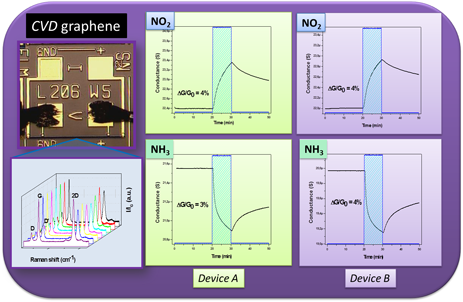
- surface area. A study on graphene that was synthetized by means of a novel transfer-free fabrication approach and is employed as sensing material is herein presented. Multilayer graphene was deposited by chemical vapour deposition (CVD) mediated by CMOS-compatible Mo. The utilized technique takes
- number of publications dedicated to graphene-based sensors [2]. The gas sensor devices presented in literature are mostly based on pristine graphene, graphene oxide (GO) and reduced graphene oxide (rGO). Many approaches for the fabrication of such materials, including CVD, mechanical, chemical and
- of conductometric devices in which multilayer graphene films have been directly synthesized on insulating SiO2 substrates by means of a transfer-free CVD method mediated by Mo. The pre-patterning of the Mo layer allows the graphene to be shaped in the desired form by means of standard lithography


Needs and challenges for assessing the environmental impacts of engineered nanomaterials (ENMs)
Beilstein J. Nanotechnol. 2017, 8, 989–1014, doi:10.3762/bjnano.8.101
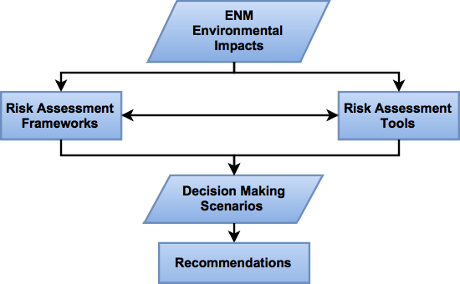
- assessment of carbon nanotubes (CNTs) reported by Eckelman et al. [38]. This latter study compared the environmental impacts (in freshwater) of chemical releases resulting from the manufacture (e.g., arc ablation, chemical vapor deposition (CVD), and high-pressure carbon monoxide (HiPco)) for a hypothetical

Vapor-phase-synthesized fluoroacrylate polymer thin films: thermal stability and structural properties
Beilstein J. Nanotechnol. 2017, 8, 933–942, doi:10.3762/bjnano.8.95
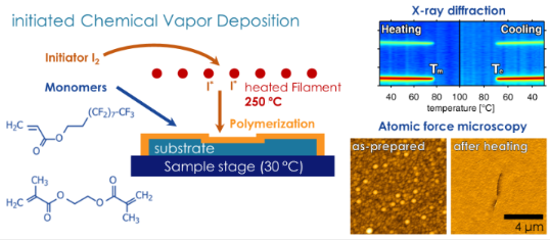
- deposition techniques (e.g., plasma-enhanced CVD). Therefore, depending on the application and on the desired polymer properties, one can choose to work in conditions that drive crystallinity and hydrophobicity or thermally stable surface properties instead. Molecular structure of the monomers PFDA and EGDMA


High photocatalytic activity of Fe2O3/TiO2 nanocomposites prepared by photodeposition for degradation of 2,4-dichlorophenoxyacetic acid
Beilstein J. Nanotechnol. 2017, 8, 915–926, doi:10.3762/bjnano.8.93
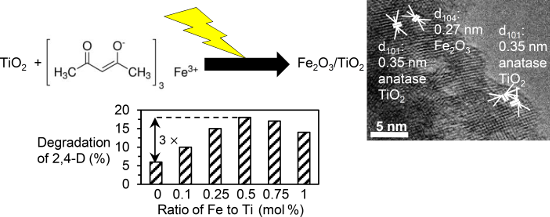
- ], plasma enhanced-chemical vapor deposition (PE-CVD) and radio frequency (RF) sputtering approach [12], and plasma enhanced-chemical vapor deposition and atomic layer deposition (ALD) followed by thermal treatment [13]. Among these preparation methods, impregnation is a commonly used approach for the


Investigation of growth dynamics of carbon nanotubes
Beilstein J. Nanotechnol. 2017, 8, 826–856, doi:10.3762/bjnano.8.85
- developing the methods of their efficient synthesis. During last years, significant progress was made in this field. The arc-discharge, laser ablation and chemical vapor deposition (CVD) methods were optimized for the synthesis of SWCNTs in a high yield [5][6]. Synthesis parameters can be varied in a broad
- summarized. Finally, the growth properties of inner tubes inside SWCNTs filled with fullerene and organometallic molecules are considered. Synthesis of carbon nanotubes The SWCNTs can be synthesized by the arc-discharge, laser ablation and chemical vapour deposition (CVD) techniques. A detailed overview of
- described in detail in [18]. Growth mechanism of carbon nanotubes Although the synthesis of nanotubes with controlled properties can be performed in the CVD process, the growth mechanism of nanotubes is not completely understood and is still debated. Nanotube growth in the CVD process Vapor-liquid-solid and


3D Nanoprinting via laser-assisted electron beam induced deposition: growth kinetics, enhanced purity, and electrical resistivity
Beilstein J. Nanotechnol. 2017, 8, 801–812, doi:10.3762/bjnano.8.83
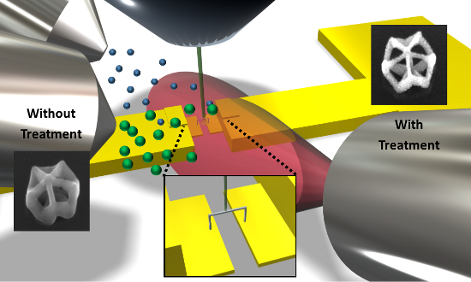
- sufficient to initiate carbon removal without inducing significant thermal drift and/or laser chemical vapor deposition (CVD). Laser pulses are delivered to the sample with an optical working distance of 9 mm using a multi-mode 100 µm diameter fiber optic cable housed within a stainless steel shaft with
- situation at elevated temperatures. MeCpPt(IV)Me3 was originally developed for use as a thermal chemical vapor deposition (CVD) precursor [75]; the thermal decomposition temperature on the order of 120 °C in the presence of H2 results in pure Pt films. Thus, with LAEBID we leverage the pulsed thermal energy


Vapor deposition routes to conformal polymer thin films
Beilstein J. Nanotechnol. 2017, 8, 723–735, doi:10.3762/bjnano.8.76
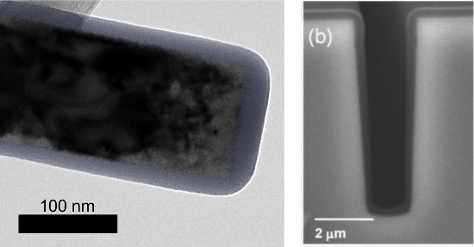
- , USA 10.3762/bjnano.8.76 Abstract Vapor phase syntheses, including parylene chemical vapor deposition (CVD) and initiated CVD, enable the deposition of conformal polymer thin films to benefit a diverse array of applications. This short review for nanotechnologists, including those new to vapor
- coats the substrate geometry (Figure 1c) [1]. Several chemical vapor deposition (CVD) techniques result in highly conformal polymer films. For instance, emerging techniques such as molecular layer deposition (MLD) and oxidative CVD (oCVD) form conformal metalucone and step-growth polymer films [10][11
- -studied, conformal polymer CVD techniques: parylene CVD and initiated CVD (iCVD), with both deriving from free radical polymerization mechanisms. The four parts of this review will address reaction mechanisms of the aforementioned techniques, necessary deposition conditions for conformal film growth


Synthesis of graphene–transition metal oxide hybrid nanoparticles and their application in various fields
Beilstein J. Nanotechnol. 2017, 8, 688–714, doi:10.3762/bjnano.8.74
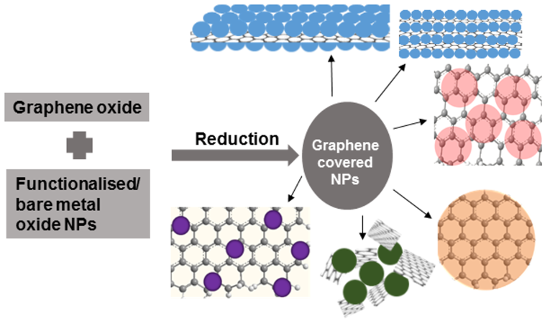
- graphene from graphite by micromechanical cleavage [1]. Later, graphene was prepared in bulk from graphite utilising various approaches, including micromechanical exfoliation of pyrolytic graphite [31][32][33] (the scotch tape method), epitaxial growth [34], chemical vapour deposition (CVD) [35][36], and
- (Figure 1). Bottom-up growth of graphene includes micromechanical exfoliation of bulk graphite. The processes included in the bottom-up synthesis of graphene are CVD [39][40], arc discharge [41], and epitaxial growth [42]. Using CVD, graphene and few-layer graphene have been grown on catalytic metal
- surfaces from carbon containing gasses. In terms of production, the CVD method is used for the production of graphene with a large area with low defect concentration, but in small quantities. Reina et al. have prepared 1- to 12-layer graphene having continuous films with up to ≈20 µm in lateral size by






Ion beam profiling from the interaction with a freestanding 2D layer
Beilstein J. Nanotechnol. 2017, 8, 682–687, doi:10.3762/bjnano.8.73
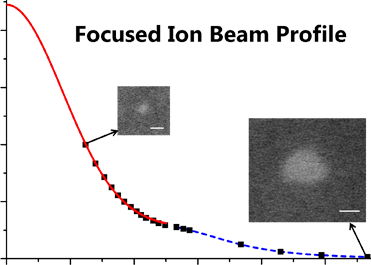
- vapor deposition (CVD) according to a previously developed method [19]. This method is optimized for maximal grain connectivity resulting in uniform graphene films. Then, graphene was transferred to silicon/silicon-nitride frames with openings of a few micrometers in diameter. A PMMA-based graphene
- Graphene was grown using CVD on an Alfa Aesar 46986 Cu foil. Before the growth the foil is cleaned by Ar ion beam milling for 10 min at 250 mA and 600 V. Then, it is reduction-annealed in a H2/Ar gas flow (5 sccm/5 sccm) at 1000 °C for 60 min. The growth of graphene is initiated by introducing a CH4 gas


Gas sensing properties of MWCNT layers electrochemically decorated with Au and Pd nanoparticles
Beilstein J. Nanotechnol. 2017, 8, 592–603, doi:10.3762/bjnano.8.64
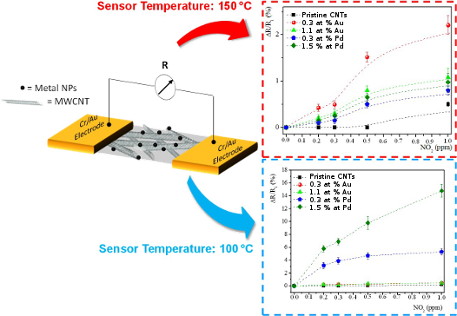
- MWCNTs, for gas sensing applications. Experimental Preparation of metal-decorated MWCNT-based chemiresistors MWCNT networked films were grown by chemical vapor deposition (CVD) directly onto the surface of an alumina substrate that was previously coated with a cobalt (Co) sputtered catalytic layer (≈6 nm
- decoration, in both cases. Oxygen is commonly present in MWCNTs synthesized by the CVD process and is mainly derived from the oxygen adsorbed on the surface, as well as from carbon oxidation events. In both hybrid systems, the atomic percentage of oxygen further increased at the MWCNT surface after metal


Graphene functionalised by laser-ablated V2O5 for a highly sensitive NH3 sensor
Beilstein J. Nanotechnol. 2017, 8, 571–578, doi:10.3762/bjnano.8.61
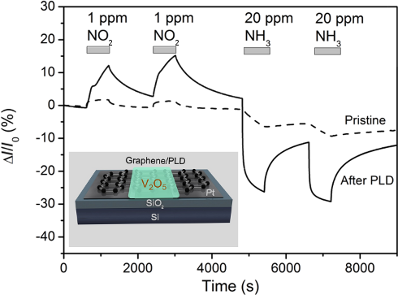
- material. The response of graphene-based sensors can be radically improved by introducing defects in graphene using, for example, metal or metal oxide nanoparticles. We have functionalised CVD grown, single-layer graphene by applying pulsed laser deposition (PLD) of V2O5 which resulted in a thin V2O5 layer
- monolayer per laser pulse are the advantages worth mentioning. The method of PLD has recently been applied to improve the nitrogen dioxide (NO2) sensing properties of chemical vapour deposition (CVD) grown, single-layer graphene in our previous work, using ZrO2 and Ag for functionalisation [14]. In the
- present work, we demonstrate functionalisation of single-layer CVD graphene with a few layers of laser deposited V2O5. The amount and chemical state of vanadium oxide on graphene was characterized by X-ray photoelectron spectroscopy and X-ray fluorescence. The impact of the PLD process on graphene defect





