


Search results
Search for "Co" in Full Text gives 1218 result(s) in Beilstein Journal of Nanotechnology. Showing first 200.
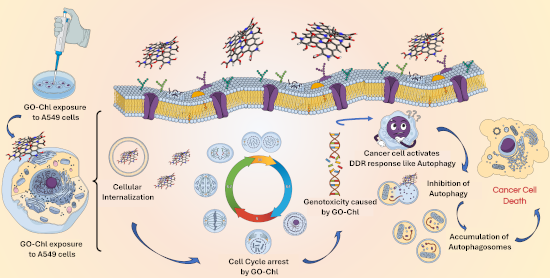
Graphene oxide–chloroquine conjugate induces DNA damage in A549 lung cancer cells through autophagy modulation
Beilstein J. Nanotechnol. 2025, 16, 316–332, doi:10.3762/bjnano.16.24
- exposure to starch-capped silver nanoparticles (AgNPs) [11]. Gemcitabine-encapsulated poly(lactic-co-glycolic acid) (PLGA) nanoparticles have been shown to enhance cell death in chemoresistant PANC1 cells, human pancreatic epithelial carcinoma cells [12]. Also, TiO2 nanoparticles can sensitize A549 cells
- plasmids (Gene Insert: MAP1LC3B; kind gift from Dr. Soumya Sinha Roy, CSIR - IGIB, India) were employed to evaluate the quantitative formation of autophagic puncta upon GO–Chl exposure [35]. Briefly, A549 cells were plated onto 4-well chamber slides and transiently co-transfected with the mammalian GFP-LC3



Enhancing mechanical properties of chitosan/PVA electrospun nanofibers: a comprehensive review
Beilstein J. Nanotechnol. 2025, 16, 286–307, doi:10.3762/bjnano.16.22

- out through methods such as blend electrospinning, sequential electrospinning, co-electrospinning, and emulsion electrospinning. Blend electrospinning Blend electrospinning refers to the electrospinning of a single solution or mixture containing more than one material or polymer, which makes up one
- related to compatibility of the materials and solvents during preparation as well as the interaction between the fiber jets during the electrospinning process. However, the entire procedure can become more time- and labor-consuming as more steps are required. Co-electrospinning Co-electrospinning refers
- also be used to incorporate nanoparticles into the nanofiber structures through simultaneous electrospinning and electrospraying [88]. In co-electrospinning, the interaction between charged jets for nozzles that are positioned close to one another may cause jet repulsion for nozzles of the same


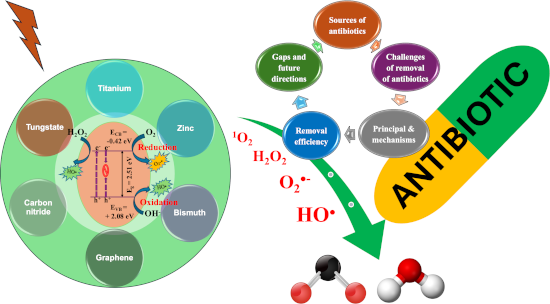
Emerging strategies in the sustainable removal of antibiotics using semiconductor-based photocatalysts
Beilstein J. Nanotechnol. 2025, 16, 264–285, doi:10.3762/bjnano.16.21
- parts per billion (ppb) or parts per trillion (ppt) range. Detecting and eliminating them at such low concentrations poses a significant challenge [42]. Additionally, antibiotics may be co-present with a mixture of other pollutants in certain instances, complicating the isolation and targeted removal of
- (antibiotics + HO• and/or O2•− → CO2 + H2O). Mechanisms of metal, nonmetal, or co-doped photocatalysts The large bandgap and high electron–hole recombination rate of traditional and single semiconductor photocatalysts limit their effectiveness under visible light, which hinders their practical application. To
- improve the photocatalytic efficiency, several dopants, such as transition metals (Fe, Cu, Mn, Zn, Ni, Co, Cr, Ru, and Ag) or nonmetals (C, N, S, and F) have been introduced into the semiconductor material. Metal and nonmetal dopants have the ability to construct an impurity energy level located below the



Radiosensitizing properties of dual-functionalized carbon nanostructures loaded with temozolomide
Beilstein J. Nanotechnol. 2025, 16, 229–251, doi:10.3762/bjnano.16.18
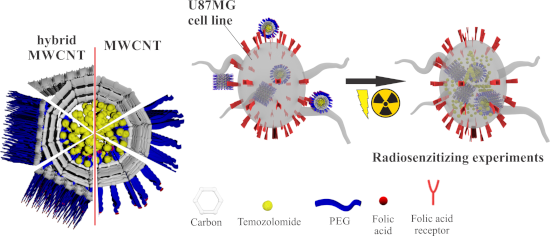
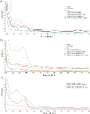
- the elimination of the functional groups with oxygen, i.e., H2O, CO2, and CO) and an additional 5% weight loss at 800 °C (42% weight loss in total). In the TGA diagram of covalently PEGylated MWCNTs-G (Figure 6b,d), a weight loss of 23% at 400 °C was observed, while at 800 °C, 39% of the weight




Recent advances in photothermal nanomaterials for ophthalmic applications
Beilstein J. Nanotechnol. 2025, 16, 195–215, doi:10.3762/bjnano.16.16
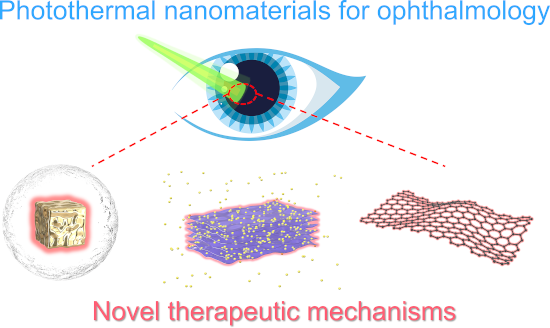
- reach the retina (the size of the ICG NPs should be greater than 100 nm). Therefore, in subsequent studies, two types of ICG NPs were synthesized using lipids and poly (lactic-co-glycolic acid) (PLGA) [53]. Size, surface charge, and ICG concentration of the NPs were modulated by varying the synthesis


A review of metal-organic frameworks and polymers in mixed matrix membranes for CO2 capture
Beilstein J. Nanotechnol. 2025, 16, 155–186, doi:10.3762/bjnano.16.14
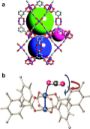
- , Taylor et al. [51] conducted experiments using Co(BDP), a MOF that undergoes structural changes when exposed to both pure CO2 at 3.6 bar and a 50/50 mixture of CO2/CH4 at 7.2 bar. Under these conditions, the one-dimensional channels of the framework expanded to create an aperture ideally suited to adsorb
- CO2 and exclude CH4, as depicted in Figure 2b. Above 15 bar pressure, Co(BDP) undergoes expansion to phases with larger pores capable of admitting CH4 molecules [59]. However, favorable enthalpic CO2 uptake was found to drive the continued exclusion of CH4 [51]. In adsorption experiments with 50/50
- , Co, and Zn), have been employed as effective CO2 adsorbents [44]. The M-MOF-74 series, featuring one-dimensional hexagonal channels with OMSs at the secondary building units (SBUs), has become one of the most extensively studied sets of MOFs for CO2 capture. These MOFs have one of the highest




Nanocarriers and macrophage interaction: from a potential hurdle to an alternative therapeutic strategy
Beilstein J. Nanotechnol. 2025, 16, 97–118, doi:10.3762/bjnano.16.10
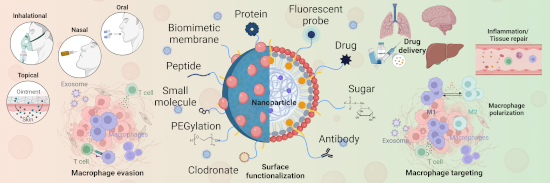
- phenotype. For example, the co-delivery of a STAT6 inhibitor and IKKβ siRNA successfully repolarized M2-like TAMs into M1-like macrophages, enhancing antitumor immunity while minimizing immune side effects [74]. To improve targeting specificity, micellar nanodrugs with pH-sheddable PEG coronas have been
- co-deliver miRNAs and small-molecule drugs to macrophages, successfully reprogramming TAMs in cancer models to favor antitumor immunity [78][79]. Recent breakthroughs in mRNA delivery technologies, exemplified by the success of the Moderna and Pfizer-BioNTech COVID-19 vaccines, provide a clear
- liver fibrosis and HCC [92][93]. NCs co-loaded with clodronate and nintedanib have reduced fibrosis by depleting or inhibiting KCs, thus decreasing pro-fibrogenic activity [46]. These targeted approaches enhance precision, minimize off-target effects, and improve treatment efficacy. Scavenger receptors


Modeling and simulation of carbon-nanocomposite-based gas sensors
Beilstein J. Nanotechnol. 2025, 16, 90–96, doi:10.3762/bjnano.16.9
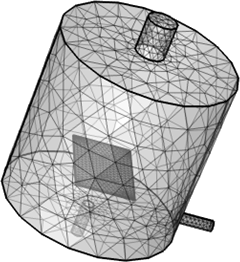
- using the nanocomposite materials which in turn enhances the sensitivity of the gas sensors. Keywords: CO gas; COMSOL Multiphysics; gas sensor; surface coverage; SWCNT/PEDOT:PSS; Introduction The field of nanotechnology has brought significant advancements in various scientific and engineering
- carbon monoxide (CO), an odorless, colorless, and highly toxic gas pose a serious health threat to humans. Carbon monoxide poisoning can result from incomplete burning of materials that contain carbon and produce CO. Enclosed spaces or poorly ventilated areas may accumulate CO. Symptoms of CO poisoning
- range from mild headaches and light headedness to sudden death or permanent brain damage. In houses as well as workplaces, it is important to ensure the constant monitoring of enclosed areas for carbon monoxide presence because of the severe risks to human health. Traditional CO sensors, although



Theoretical study of the electronic and optical properties of a composite formed by the zeolite NaA and a magnetite cluster
Beilstein J. Nanotechnol. 2025, 16, 44–53, doi:10.3762/bjnano.16.5
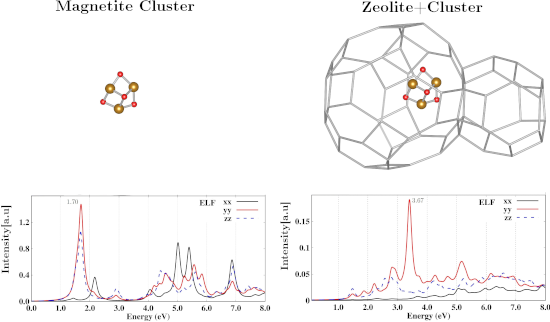
- nanoparticles, sodium Linde A Type (LTA) zeolite, also known as NaA zeolite, stands out for its remarkable capacity and selectivity to capture various types of metals commonly found as contaminants in drinking water. These metals include Ca, K, Mg, Mn, Co, Zn, Cu, Pb, Cd, Cs, and Sr [42][43][44][45][46




Precursor sticking coefficient determination from indented deposits fabricated by electron beam induced deposition
Beilstein J. Nanotechnol. 2025, 16, 35–43, doi:10.3762/bjnano.16.4

- estimate or initial guess in calculations or even simulations dedicated to FEBID for precursors such as WF6 [9], Me3CpPtMe [10][11][12][13][14][15], HCo3Fe(CO)12, and Nb(NMe2)3(N-t-Bu) [12], as well as tetraethyl orthosilicate (TEOS) [16]. The sticking coefficient has been determined only in the work of
- Fowlkes and Rack [6] where a value of 0.025 was reported for W(CO)6. In this work, a stationary pulsed beam was used to study the adsorption/desorption dynamics. A fit of the results to the continuum model was performed with an estimated value for the energy-integrated dissociation cross section in order
- obtained for the wider deposit shown in Figure 5c,d. The sticking coefficient values obtained for the Cr(C6H6)2 precursor are noticeably lower than the one reported for the W(CO)6 precursor (0.025), although the precursor flux and dissociated precursor molecule fragment volume are comparable. However, the


Biomimetic nanocarriers: integrating natural functions for advanced therapeutic applications
Beilstein J. Nanotechnol. 2024, 15, 1619–1626, doi:10.3762/bjnano.15.127

- the production of nature-inspired synthetics as demonstrated in Figure 2B [22][23][24][25][26]. Indeed, the co-incubation of nanoparticles with cellular components creates an environment conducive to the absorption of proteins by the nanoparticles, thereby facilitating the connection of these
- is linked to dementia and neuronal loss [70]. Focusing on BBB compatibility, lipid-based nanoparticles demonstrate high potential in facilitating drug delivery. Macrophage membrane-coated liposomes co-modified with the RVG29 peptide and triphenylphosphine cation have shown improved targeting of brain


Natural nanofibers embedded in the seed mucilage envelope: composite hydrogels with specific adhesive and frictional properties
Beilstein J. Nanotechnol. 2024, 15, 1603–1618, doi:10.3762/bjnano.15.126
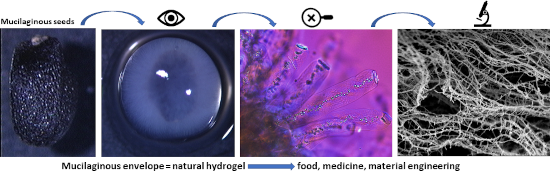
- GmbH & Co. KG, Bühl, Germany). The maximal adhesion (Fmax) of the mucilage ranged from 2.03 to 6.22 N [29]. We also tested adhesion of Plantago ovata husk (a seed coat covering the seed, built of mucilaginous cells), which reached 37.4 N; the corresponding control samples of UHU glue reached 30.4 N [29


Liver-targeting iron oxide nanoparticles and their complexes with plant extracts for biocompatibility
Beilstein J. Nanotechnol. 2024, 15, 1593–1602, doi:10.3762/bjnano.15.125
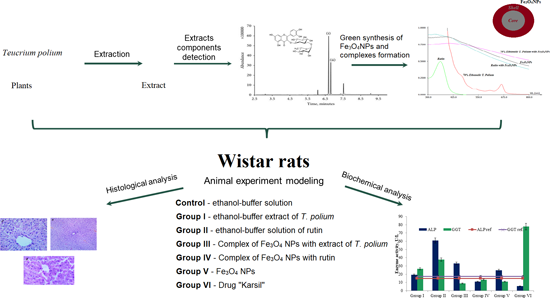
- each group, see Experimental section, “Animal experiment model”). However, co-administration of T. polium extract and Fe3O4 NPs (group III), as well as of rutin and Fe3O4 NPs (group IV), resulted in increased ALT activity relative to normal values (up to 10.6 ± 0.7 U/L) by 2.1 and 3.3 times
- of the NPs, their dose, and the application [18]. Thus, based on ALT/AST activity values, it can be concluded that Fe3O4 NPs do not exhibit pronounced toxic effects on the livers of healthy Wistar rats; however, when co-administered with 70% ethanol extract of T. polium and rutin, changes occur in


Ultrablack color in velvet ant cuticle
Beilstein J. Nanotechnol. 2024, 15, 1554–1565, doi:10.3762/bjnano.15.122

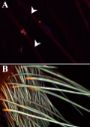
- purity, water-free, Carl Roth GmbH & Co. KG, Karlsruhe, Germany) and covered with a glass slip. Following the method described in [10], we documented the samples using a Zeiss LSM 700 confocal laser scanning microscope (Carl Zeiss Microscopy GmbH, Jena, Germany). Four stable solid-state lasers emitting



The round-robin approach applied to nanoinformatics: consensus prediction of nanomaterials zeta potential
Beilstein J. Nanotechnol. 2024, 15, 1536–1553, doi:10.3762/bjnano.15.121
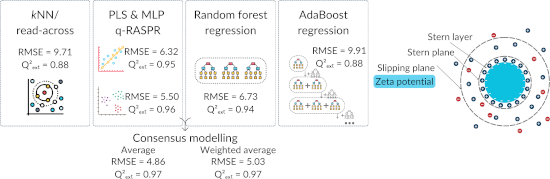
- sought that nanoinformatics models comply with a set of predefined criteria, often supplemented by statistical methods recommended by the Organisation for Economic Co-operation and Development (OECD) [22] and the European Chemicals Agency (ECHA) [23]. In addition, there is a growing effort from various


Integrating high-performance computing, machine learning, data management workflows, and infrastructures for multiscale simulations and nanomaterials technologies
Beilstein J. Nanotechnol. 2024, 15, 1498–1521, doi:10.3762/bjnano.15.119
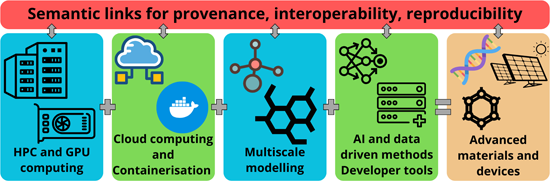


Polymer lipid hybrid nanoparticles for phytochemical delivery: challenges, progress, and future prospects
Beilstein J. Nanotechnol. 2024, 15, 1473–1497, doi:10.3762/bjnano.15.118
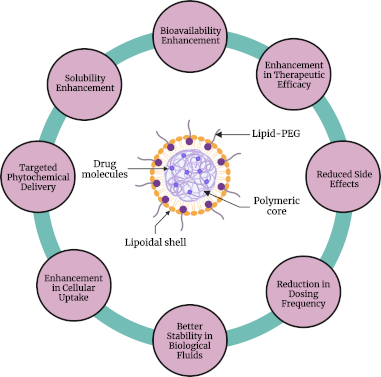
- polyethylene glycol (PEG), poly(lactic-co-glycolic acid) (PLGA), polycaprolactone (PCL), and chitosan (CHS), provides structural integrity, controlled release properties, and protection against premature degradation [14][15]. This hybrid structure improves the encapsulation efficiency of phytochemicals/drugs
- therapeutic effectiveness [17][18]. Additionally, PLHNPs possess the capability to encapsulate and co-deliver two drugs with distinct physicochemical characteristics to a targeted site and show synergistic therapeutic efficacy. In PLHNPs, the lipophilic drugs are encapsulated within the polymeric core, while
- in cancer therapy. This targeted delivery can increase the therapeutic efficacy of drugs while reducing side effects by minimizing off-target effects [61][62]. For instance, Garg et al. fabricated fucose ligand-decorated PLHNPs for the co-delivery of methotrexate and aceclofenac to achieve targeted


Effect of radiation-induced vacancy saturation on the first-order phase transformation in nanoparticles: insights from a model
Beilstein J. Nanotechnol. 2024, 15, 1453–1472, doi:10.3762/bjnano.15.117

- , respectively. (As we know, most elements of the periodic table are metals.) Among the metals undergoing polymorphic transformations are Fe, Co, V, W, Ti, Tl, Zr, Sr, Mn, Al, Ga, Sc, Ba, Li, Na, and K. Therefore, it is important to examine a comprehensive range of quantities, including thermodynamic parameters


Ion-induced surface reactions and deposition from Pt(CO)2Cl2 and Pt(CO)2Br2
Beilstein J. Nanotechnol. 2024, 15, 1427–1439, doi:10.3762/bjnano.15.115

- 10.3762/bjnano.15.115 Abstract Ion beam-induced deposition (IBID) using Pt(CO)2Cl2 and Pt(CO)2Br2 as precursors has been studied with ultrahigh-vacuum (UHV) surface science techniques to provide insights into the elementary reaction steps involved in deposition, complemented by analysis of deposits formed
- under steady-state conditions. X-ray photoelectron spectroscopy (XPS) and mass spectrometry data from monolayer thick films of Pt(CO)2Cl2 and Pt(CO)2Br2 exposed to 3 keV Ar+, He+, and H2+ ions indicate that deposition is initiated by the desorption of both CO ligands, a process ascribed to momentum
- elementary reaction steps is invariant, although the rates of CO desorption and subsequent physical sputtering were greatest for the heaviest (Ar+) ions. The ability of IBID to produce pure Pt films was confirmed by AES and XPS analysis of thin film deposits created by Ar+/Pt(CO)2Cl2, demonstrating the



Nanotechnological approaches for efficient N2B delivery: from small-molecule drugs to biopharmaceuticals
Beilstein J. Nanotechnol. 2024, 15, 1400–1414, doi:10.3762/bjnano.15.113
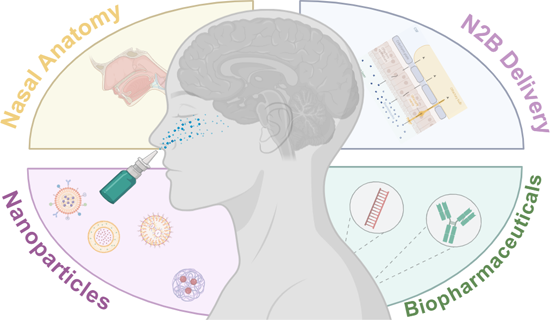
- [77]. In addition to biopolymers, synthetic biodegradable and biocompatible polymers such as poly(lactic acid) (PLA) and poly(lactic-co-glycolic acid) (PLGA), which are approved by the US Food and Drug Administration (FDA) for human administration [78] are relevant options. Extensive testing has been
- oligomeric chitosan for the co-delivery of alpha-cyano-4-hydroxycinnamic acid and the monoclonal antibody cetuximab to the brain for glioblastoma therapy. The cetuximab conjugation on the NP surface improved the cytotoxicity profile, and a chicken chorioallantoic membrane assay showed enhanced antiangiogenic


Hymenoptera and biomimetic surfaces: insights and innovations
Beilstein J. Nanotechnol. 2024, 15, 1333–1352, doi:10.3762/bjnano.15.107
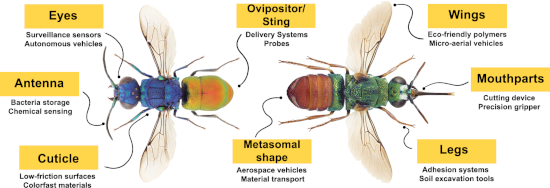
- the result of co-evolution of these traits with ecological requirements [56][92][93][94]. Furthermore, they are essentially in both intra- and interspecific communications [95][96][97]. These antennal sensors have inspired the development of devices for the detection of volatile compounds, which have




Interaction of graphene oxide with tannic acid: computational modeling and toxicity mitigation in C. elegans
Beilstein J. Nanotechnol. 2024, 15, 1297–1311, doi:10.3762/bjnano.15.105
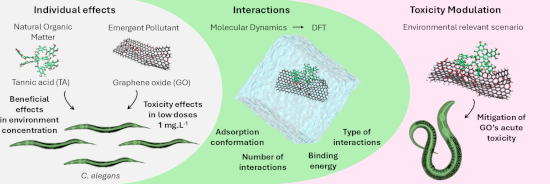
- biosynthesis protein COQ7 [51][53][54][55]. The co-exposure of GO with antioxidant molecules, such as ʟ-cysteine and ascorbate, can mitigate the oxidative effects of the material and minimize GO’s toxicity [35][53]. Moreover, GO also shows important neuronal effects; for example, it influences protein–protein
- tannic acid on the GO toxicity in a co-exposition system. The survival rates of C. elegans at GO concentrations ranging from 0.0001 to 10 mg·L−1 were analyzed in the presence of 1 and 10 mg·L−1 of TA. Figure 6 shows the survival rates of C. elegans after exposition to only GO and to GO in the presence of


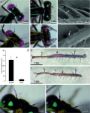
Functional morphology of cleaning devices in the damselfly Ischnura elegans (Odonata, Coenagrionidae)
Beilstein J. Nanotechnol. 2024, 15, 1260–1272, doi:10.3762/bjnano.15.102

- conventional lab freezer (ca. −20 °C) for 10 min. The foretibiae were cut from males and females by a scalpel. The specimens were washed in 70% ethanol and then immersed in glycerine (≥99.5%, Carl Roth GmbH & Co. KG, Karlsruhe, Germany). After fixing the specimens in glycerine between a glass slide and a cover
- slip (Carl Roth GmbH & Co. KG, Karlsruhe, Germany) for ca. 2 h, we visualized them with the CLSM (Zeiss LSM 700, Carl Zeiss Microscopy, Jena, Germany). The CLSM was equipped with four lasers (laser lines: 405, 488, 555, and 639 nm) to excite the sample fluorescence subsequently. Four emission filters


Realizing active targeting in cancer nanomedicine with ultrasmall nanoparticles
Beilstein J. Nanotechnol. 2024, 15, 1208–1226, doi:10.3762/bjnano.15.98
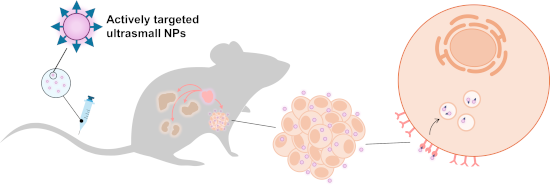
- 9.3% ID/g at 4 and 24 h p.i., respectively. The importance of active targeting was demonstrated by co-injecting an excess of a high-affinity peptide agonist, resulting in approximately 50% blocking of tumor uptake. Tumor-bearing mice treated with targeted and radiolabeled C’ dots showed prolonged
- Nanocluster Enhanced Radiotherapy of Prostate Cancer”, Small, with permission from John Wiley and Sons. Copyright © 2019 WILEY-VCH Verlag GmbH & Co. KGaA, Weinheim. Germany. This content is not subject to CC BY 4.0. PET images detecting CCR2 in a mouse TNBC model using 64Cu-AuNCs-ECL1i. (A, B) Assessment of
- et al., “Chemokine Receptor 2 Targeted Gold Nanocluster Imaging Triple Negative Breast Cancer with Positron Emission Tomography”, Particle & Particle Systems Characterization, with permission from John Wiley and Sons. Copyright © 2021 WILEY-VCH Verlag GmbH & Co. KGaA, Weinheim. Germany. This content


AI-assisted models to predict chemotherapy drugs modified with C60 fullerene derivatives
Beilstein J. Nanotechnol. 2024, 15, 1170–1188, doi:10.3762/bjnano.15.95
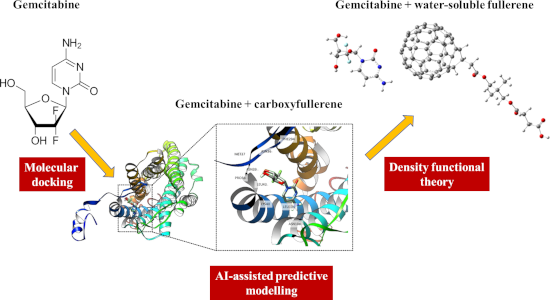
- ][17]. This G-protein is targeted because studies show a possible positive effect on inhibiting the metastasis of cervical cancer cells [18]. However, more clinical and preclinical studies on CXCR7 and its co-player CXCR4 are required since alterations have been detected in diseases such as cancer





