


Search results
Search for "assembly" in Full Text gives 575 result(s) in Beilstein Journal of Nanotechnology. Showing first 200.
Correction: Coordination-assembled myricetin nanoarchitectonics for sustainably scavenging free radicals
Beilstein J. Nanotechnol. 2022, 13, 570–571, doi:10.3762/bjnano.13.48

- , Beijing, P. R. China School of Chemical Engineering, University of Chinese Academy of Sciences, Beijing, P. R. China 10.3762/bjnano.13.48 Keywords: antioxidant; co-assembly; glutathione; myricetin; nanoarchitectonics; Correction 1: In the abbreviation of the radical cation "ABTS+", the dot indicating
Influence of thickness and morphology of MoS2 on the performance of counter electrodes in dye-sensitized solar cells
Beilstein J. Nanotechnol. 2022, 13, 528–537, doi:10.3762/bjnano.13.44
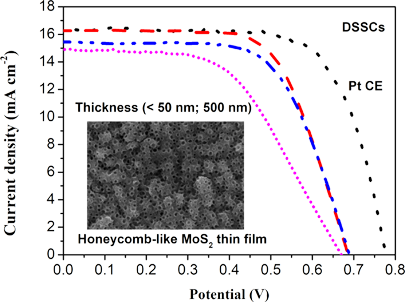
- electrodes were dipped in N719 dye (0.3 M N719 in the mixture DMSO/EtOH, v/v = 1:9) for 12 h to obtain the photoanodes. For cell assembly, the DSSCs were fabricated in a nitrogen atmosphere using a glove box. Typically, the photoanode and the MoS2-based CE were sealed together by a hot-melt Surlyn film using


Zinc oxide nanostructures for fluorescence and Raman signal enhancement: a review
Beilstein J. Nanotechnol. 2022, 13, 472–490, doi:10.3762/bjnano.13.40
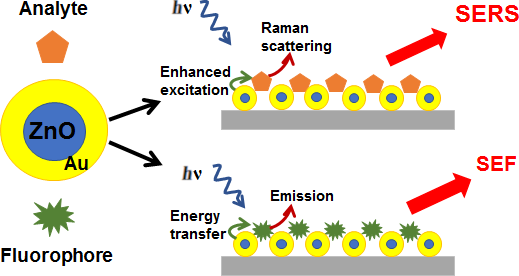
- on the tips of the nanorods by photodeposition or galvanic reduction [47][48]. Another facile method included layer-by-layer self-assembly deposition of chemically synthesized Au NPs, ZnO, and analyte molecules and resulted in dispersedly distributed ZnO particles onto a Au NP monolayer surface [49
- fluorescence emission of fluorophores emitting at different wavelengths, chemical inertness to the environmen, and simple assembly and fabrication. Moreover, the ZnO nanoplatforms can be covalently modified to host specific protein molecules of interest only and to present increased detection specificity of




Investigation of electron-induced cross-linking of self-assembled monolayers by scanning tunneling microscopy
Beilstein J. Nanotechnol. 2022, 13, 462–471, doi:10.3762/bjnano.13.39
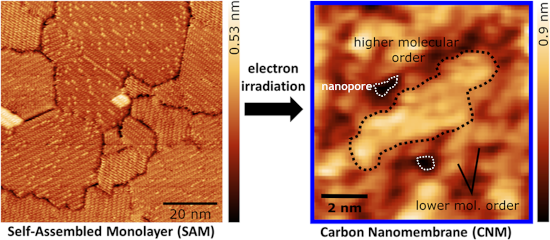
- general concept of self-assembly allows for the preparation of SAMs from the liquid or gas phase. Highly ordered TPT SAMs spontaneously form on Au(111) due to the formation of bonds between sulfur and gold atoms, which is accompanied by van der Waals interactions between the aromatic rings. The TPT SAMs
- in a less dense but more ordered structure over a large area with very few defects. During the self-assembly process, gold adatoms are ejected from the surface layer due to the relaxation of the herringbone reconstruction [68]. Several gold adatom islands, which would build up if the density of


Electrostatic pull-in application in flexible devices: A review
Beilstein J. Nanotechnol. 2022, 13, 390–403, doi:10.3762/bjnano.13.32
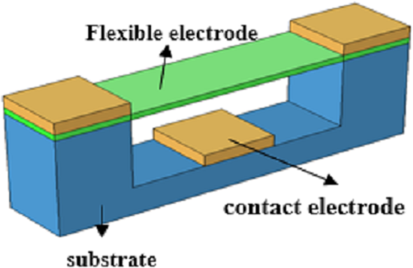
- Teng Cai Yuming Fang Yingli Fang Ruozhou Li Ying Yu Mingyang Huang College of Electronic and Optical Engineering & College of Microelectronics, Nanjing University of Posts and Telecommunications, Nanjing, China National and Local Joint Engineering Laboratory of RF Integration and Micro-Assembly
- acknowledged: the Open research fund of the National and Local Joint Engineering Laboratory of RF Integration and Micro-Assembly Technology (KFJJ20180201) and Postgraduate Research & Practice Innovation Program of Jiangsu Province (SJCX21_0273).


Micro- and nanotechnology in biomedical engineering for cartilage tissue regeneration in osteoarthritis
Beilstein J. Nanotechnol. 2022, 13, 363–389, doi:10.3762/bjnano.13.31
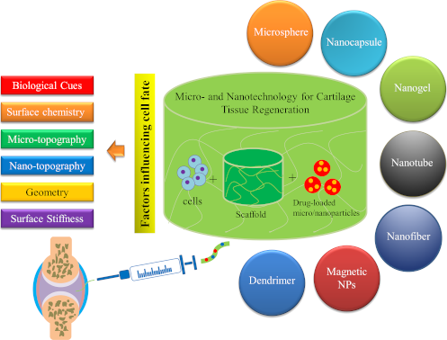
- different characteristics and kinds of behavior of compounds on submicrometer and nanometer scales and resulted in the development of new methods such as electrospinning, self-assembly, phase separation, nano-imprinting, and photolithography for the generation of new biomaterials with improved properties
- candidates for biomedical applications (Table 1). Collagen fibril and fibrous proteins are naturally occurring nanofibers whose fiber diameters range between 50 and 150 nm, depending on tissue type and function. Various techniques to fabricate nanofibers include 3D printing, molecular self-assembly


Alcohol-perturbed self-assembly of the tobacco mosaic virus coat protein
Beilstein J. Nanotechnol. 2022, 13, 355–362, doi:10.3762/bjnano.13.30
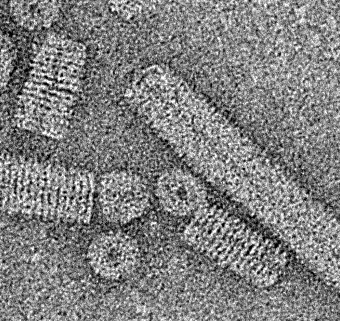
- Ismael Abu-Baker Amy Szuchmacher Blum Department of Chemistry, McGill University, Montréal, Québec, Canada 10.3762/bjnano.13.30 Abstract The self-assembly of the tobacco mosaic virus coat protein is significantly altered in alcohol–water mixtures. Alcohol cosolvents stabilize the disk aggregate
- alcohol having the strongest effect and methanol the weakest. We discuss several effects that may contribute to preventing the protein–protein interactions between disks that are necessary to form helical rods. Keywords: alcohol; hydrophobic effect; protein assembly; self-assembly; tobacco mosaic virus
- electron microscopy (TEM) by the strong transverse striations visible in stacked disks but not helical rods [20][23]. Like many VLPs, helical rod assembly follows a cooperative assembly model, which leads to a bimodal distribution of long rods and small particles (disks and short stacked disks), with few


Coordination-assembled myricetin nanoarchitectonics for sustainably scavenging free radicals
Beilstein J. Nanotechnol. 2022, 13, 284–291, doi:10.3762/bjnano.13.23
- offers a new design to harness stable, sustainable antioxidant nanoparticles with high loading capacity, high bioavailability, and good biocompatibility as antioxidants. Keywords: antioxidant; co-assembly; glutathione; myricetin; nanoarchitectonics; Introduction Oxidative stress, caused by an imbalance
- , cysteine, and glutamic acid. The cysteine residue plays a pivotal role in protecting the body from oxidation damage; however, GSH is easily metabolized by enzymes [23]. In this work, we employed a facile co-assembly strategy to design hybrid nanoparticles as antioxidants [24][25][26][27][28][29][30][31
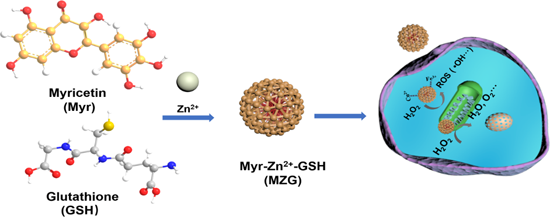
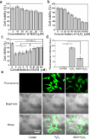
- interaction (Myr/GSH = 1:2) [32][33][34]. The nanoparticles were formed by coordination self-assembly of Zn2+, Myr, and GSH (Figure 1a). They were expected to show good antioxidant activity to protect cells from the ROS-induced damage (Figure 1b). The transmission electron microscopy (TEM) image in Figure 2a


Systematic studies into uniform synthetic protein nanoparticles
Beilstein J. Nanotechnol. 2022, 13, 274–283, doi:10.3762/bjnano.13.22
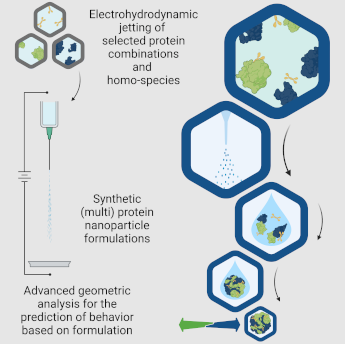
- ]. Nanoparticles made of proteins [6] hold significant promise in this respect and different methods have been adopted to fabricate protein-based nanoparticles including nab technology [1], desolvation methods [2], and self-assembly [3]. The protein human albumin is a natural carrier of endogenous hydrophobic
- protein structure (sometimes fully denaturing the protein) and to cause subsequent precipitation of protein aggregates [18]. Self-assembly strategies also provide access to a variety of structurally diverse [19] protein nanoparticles. With the advent of in silico design and subsequent production of de
- novo protein nanoparticle systems, the number of specific protein building blocks that can be designed for self-assembly strategies has increased in recent years. If a protein system can successfully be designed, these synthetic proteins allow for tunable functionality and/or stability profiles [19


Impact of device design on the electronic and optoelectronic properties of integrated Ru-terpyridine complexes
Beilstein J. Nanotechnol. 2022, 13, 219–229, doi:10.3762/bjnano.13.16
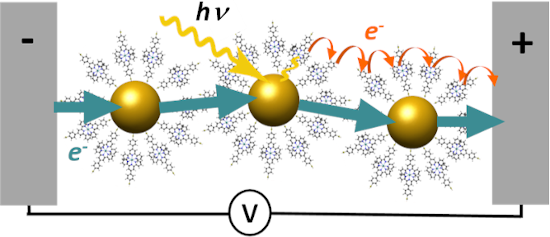
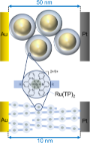
- lithography according to the recently developed routine that enables the assembly of the molecular building blocks on solid surfaces at room-temperature under mild conditions and, thus, represents an on-chip preparation method [19]. In parallel, the first steps of the consecutive wire growth on Au substrates
- were monitored by XPS measurements. The step-by-step formation of the Ru(TP)2-complex wires was conducted starting with the assembly of MPTP on Au substrates, corresponding to samples (i) (Figure 1). Then the substrates were incubated in a Ru-PF6 solution, leading to the formation of the Ru-MPTP half


A comprehensive review on electrospun nanohybrid membranes for wastewater treatment
Beilstein J. Nanotechnol. 2022, 13, 137–159, doi:10.3762/bjnano.13.10
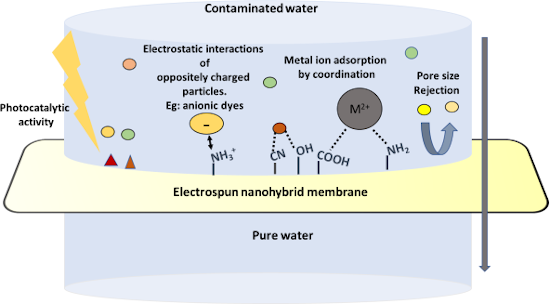
- surface area of the electrospun membranes offers more adsorption sites [54]. Wang et al. developed a highly porous PAN membrane, which was widely tuned by layer-by-layer assembly, which filtered PS microspheres at a lower pressure of 0.6 psi while the pressure required using conventional MF is 10 psi [55




A photonic crystal material for the online detection of nonpolar hydrocarbon vapors
Beilstein J. Nanotechnol. 2022, 13, 127–136, doi:10.3762/bjnano.13.9
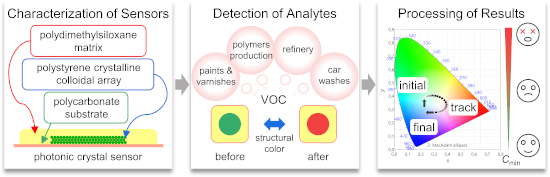
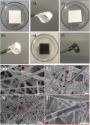
- ; this parameter is well determined by the first derivative of the curves from Figure 4b. This feature allows one to distinguish qualitatively the analytes. This behavior can be explained by the rapid dissolution of the necks (“bridges”) between neighboring particles that occur during CCA assembly and


Sputtering onto liquids: a critical review
Beilstein J. Nanotechnol. 2022, 13, 10–53, doi:10.3762/bjnano.13.2
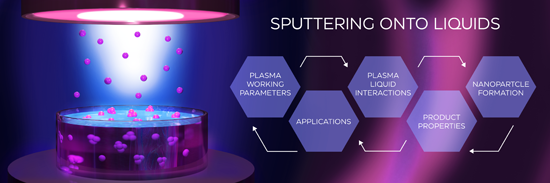
- production starts from bulk materials that leach out systematically, leading to the generation of NPs. The starting material can be reduced in size using either a physical or a chemical route. On the other hand, the “bottom-up” approach, or self-assembly, refers to building up a structure atom-by-atom or






Topographic signatures and manipulations of Fe atoms, CO molecules and NaCl islands on superconducting Pb(111)
Beilstein J. Nanotechnol. 2022, 13, 1–9, doi:10.3762/bjnano.13.1
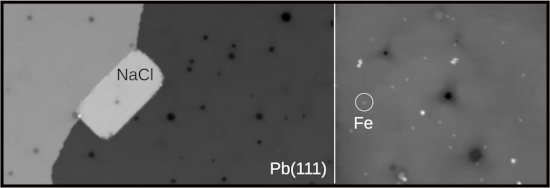
- by one with an STM tip in an one-dimensional fashion on an s-wave superconductor [10], this strategy has been primarily postponed in favor of self-assembly processes on Pb(110) surfaces [13][14][15][36]. Only recently, the successful manipulation of tens of Fe atoms has been reported on


Heating ability of elongated magnetic nanoparticles
Beilstein J. Nanotechnol. 2021, 12, 1404–1412, doi:10.3762/bjnano.12.104
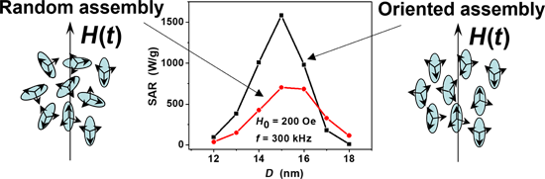
- .12.104 Abstract Low-frequency hysteresis loops and specific absorption rate (SAR) of various assemblies of elongated spheroidal magnetite nanoparticles have been calculated for a range of particle semiaxis ratios a/b = 1.0–3.0. The SAR of a dilute randomly oriented assembly of magnetite nanoparticles in
- sizes. However, the orientation of a dilute assembly of elongated nanoparticles in a magnetic field leads to an almost twofold increase in SAR at the same frequency and amplitude of the alternating magnetic field, the range of optimal particle diameters remaining unchanged. The effect of the magneto
- -dipole interaction on the SAR of a dilute assembly of oriented clusters of elongated magnetite nanoparticles has also been investigated depending on the volume fraction of nanoparticles in a cluster. It has been found that the SAR of the assembly of oriented clusters decreases by approximately an order


Self-assembly of amino acids toward functional biomaterials
Beilstein J. Nanotechnol. 2021, 12, 1140–1150, doi:10.3762/bjnano.12.85
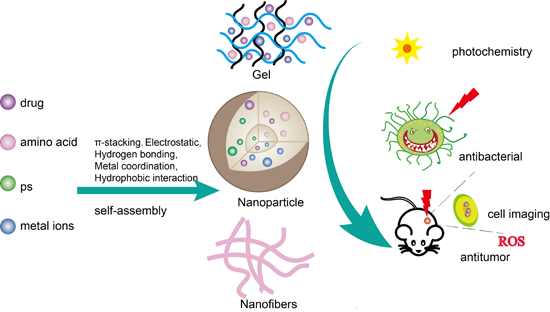
- . However, the self-assembly of proteins and peptides has disadvantages, such as difficulty in obtaining high quantities of materials, high cost, polydispersity, and purification limitations. The difficulties in using proteins and peptides as functional materials make it more complicate to arrange assembled
- nanostructures at both microscopic and macroscopic scales. Amino acids, as the smallest constituent of proteins and the smallest constituent in the bottom-up approach, are the smallest building blocks that can be self-assembled. The self-assembly of single amino acids has the advantages of low synthesis cost
- acids. Most of the review articles about self-assembly focus on large molecules, such as peptides and proteins. The preparation of complicated materials by self-assembly of amino acids has not yet been evaluated. Therefore, it is of great significance to systematically summarize the literature of amino

Revealing the formation mechanism and band gap tuning of Sb2S3 nanoparticles
Beilstein J. Nanotechnol. 2021, 12, 1021–1033, doi:10.3762/bjnano.12.76
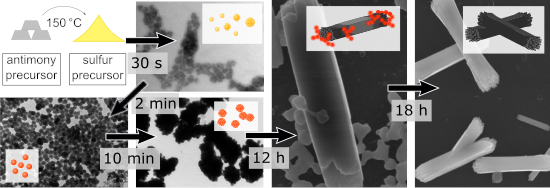
- to the expected stoichiometric ratio of Sb2S3. The reason for this possibly lies in the formation of an oxygen- or carbon-containing intermediate during the seeding process. Afterward, the type I nanoparticles aggregated into larger amorphous nanoparticles (type II) in a second hierarchical assembly
- 0 to the type I nanoparticles in addition to the one occurring from the type I to the type II nanoparticles. Thus, there was a double hierarchical assembly and subsequent merging process of the amorphous nanoparticles. It was not possible to isolate visible nanoparticles immediately after injection
- found in high-temperature seeding processes from other metalloorganic syntheses [36]. A changing chemical composition could also be a reason for the nanoparticles to undergo a second hierarchical assembly. A similar behavior was found by Liu et al., who synthesized cobalt particles with a cobalt


Progress and innovation of nanostructured sulfur cathodes and metal-free anodes for room-temperature Na–S batteries
Beilstein J. Nanotechnol. 2021, 12, 995–1020, doi:10.3762/bjnano.12.75
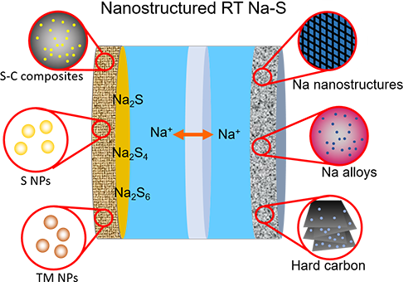
- physical and chemical impregnation, mechanical mixing and self-assembly. Straightforward approaches are sulfur melt and vapor impregnation of suitable matrices. These routes require heating to temperatures above the melting (115 °C) and boiling (446 °C) point of sulfur, respectively. While the former
- carbon black and other amorphous carbons. While Na+ does not insert in graphite in contrast to Li+, hard carbon can store considerable amounts of sodium in the range of 300 mAh·g−1 (Figure 10D) [82]. For their use in sodium batteries hard carbon materials can be pre-sodiated prior to the cell assembly




Molecular assemblies on surfaces: towards physical and electronic decoupling of organic molecules
Beilstein J. Nanotechnol. 2021, 12, 950–956, doi:10.3762/bjnano.12.71
- layer; molecular self-assembly; scanning probe microscopy; surface science; Over the past two decades, organic molecules adsorbed on atomically defined metal surfaces have been intensively studied to obtain an in-depth understanding of their self-assembly behavior, on-surface reactivity, as well as
- space. Molecular adsorption and self-assembly are significantly altered compared to metals due to an often weak interaction between organics and bulk insulators. In contrast to face-on adsorption on metals, a tilted and edge-on adsorption becomes possible for planar aromatic molecules on bulk insulators
- molecules, offering unique opportunities for the bottom-up assembly of novel carbon-based materials using on-surface chemistry [48][49]. However, the significantly reduced catalytic activity on non-metallic substrates requires exploring alternative reaction mechanisms beyond thermal activation, for example
Self-assembly of Eucalyptus gunnii wax tubules and pure ß-diketone on HOPG and glass
Beilstein J. Nanotechnol. 2021, 12, 939–949, doi:10.3762/bjnano.12.70
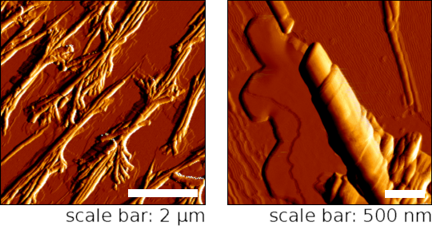
- that ß-diketone tubules are formed by self-assembly and confirmed that ß-diketone is the shape-determining component for this type of tubules. Keywords: ß-diketone tubules; eucalyptus; plant wax; recrystallization; self-assembly; Introduction The plant cuticle, which is the largest biological
- morphologies are formed by a self-assembly process. On artificial surfaces, waxes recrystallize in three-dimensional structures with similar morphology and related properties as on plant surfaces [14]. Additionally, recrystallization of isolated wax components revealed that usually the main compounds determine
- AFM images of real-time investigation of wax recrystallization on HOPG were captured 10 to 13 min after the evaporation of the solvent. The AFM examination of wax self-assembly on HOPG showed platelets (Figure 3) as seen in SEM analysis. In AFM micrographs, two types of platelets with varying sizes




The role of convolutional neural networks in scanning probe microscopy: a review
Beilstein J. Nanotechnol. 2021, 12, 878–901, doi:10.3762/bjnano.12.66








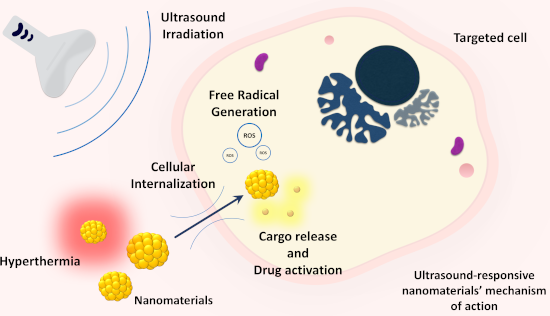
Comprehensive review on ultrasound-responsive theranostic nanomaterials: mechanisms, structures and medical applications
Beilstein J. Nanotechnol. 2021, 12, 808–862, doi:10.3762/bjnano.12.64


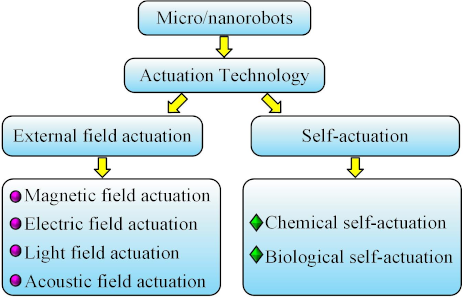
Recent progress in actuation technologies of micro/nanorobots
Beilstein J. Nanotechnol. 2021, 12, 756–765, doi:10.3762/bjnano.12.59
- electromagnetic fields in the application of micro/nanorobots, used finite element methods to simulate the magnetic field generated by a coil assembly in order to actuate micro/nanorobots more effectively. At the same time, a three-dimensional magnetic simulation was carried out to reveal the magnitude of the


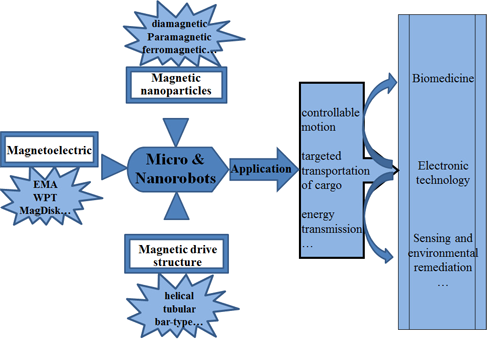
Recent progress in magnetic applications for micro- and nanorobots
Beilstein J. Nanotechnol. 2021, 12, 744–755, doi:10.3762/bjnano.12.58
- magnetic fields, the interaction between paramagnetic nanoparticles might lead to the formation of chain structures [36]. Although external magnetic fields can be used to effectively gather and transport paramagnetic nanoparticles, they tend to form aggregations. Therefore, assembly and disassembly
- paramagnetic nanoparticle chains. They used a predefined dynamic magnetic field that could controllably spread and fragment the particle chains. This is an effective strategy that shows that the assembly and disassembly process is reversible. Swarms of MNR paramagnetic nanoparticles moved together in the form


Physical constraints lead to parallel evolution of micro- and nanostructures of animal adhesive pads: a review
Beilstein J. Nanotechnol. 2021, 12, 725–743, doi:10.3762/bjnano.12.57
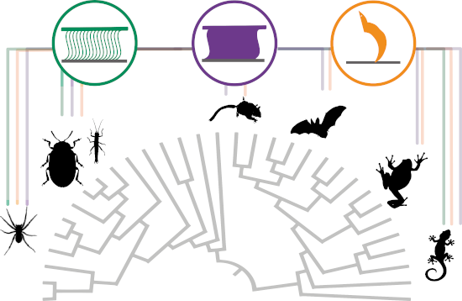
- in the AMS is high and different AMS types coexist in the same groups, the adaptation to the corresponding natural surfaces probably took place in a comparatively short period of time [163]. Using a mathematical model, the potential of self-assembly of the structures observed in the AMS of phasmids





