


Search results
Search for "current" in Full Text gives 1463 result(s) in Beilstein Journal of Nanotechnology. Showing first 200.
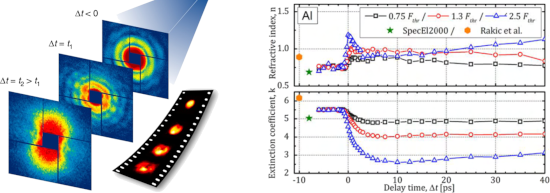
Time-resolved probing of laser-induced nanostructuring processes in liquids
Beilstein J. Nanotechnol. 2025, 16, 968–1002, doi:10.3762/bjnano.16.74


Shape, membrane morphology, and morphodynamic response of metabolically active human mitochondria revealed by scanning ion conductance microscopy
Beilstein J. Nanotechnol. 2025, 16, 951–967, doi:10.3762/bjnano.16.73
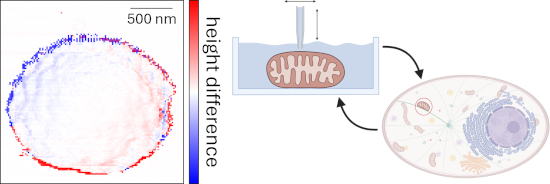
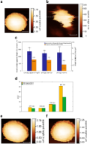
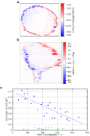
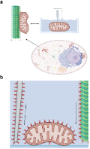
- nanopipette with a sub-micrometer aperture, which is brought near the sample surface via piezo actuators in an electrolyte bath. A voltage applied between two Ag/AgCl electrodes, one in the pipette and the other in the bath, generates an ion current. If the pipette approaches the sample, the ionic current
- drops sharply due to reduction of ion cross section. This decrease triggers the feedback system to stop the approach at a predefined setpoint current, effectively determining the z-position of the sample at that location. By scanning the sample pixel-by-pixel in hopping mode, a three-dimensional
- cation layer on their surfaces, which is responsible for ionic conductivity in physiological media (Figure 8b). Microtubules align along direct current electric field lines and can be vibrationally excited at megahertz frequencies by electric dipole antennas [46]. Other relevant properties include



Synthesis of biowaste-derived carbon-dot-mediated silver nanoparticles and the evaluation of electrochemical properties for supercapacitor electrodes
Beilstein J. Nanotechnol. 2025, 16, 933–943, doi:10.3762/bjnano.16.71
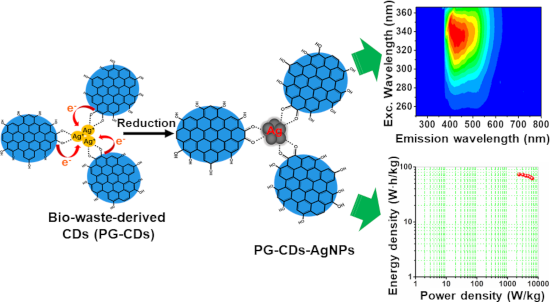
- /kg at 1.5 A/g. Even at a high current density of 4 A/g, the ASC device reached a specific capacitance of 175 F/g, reinforcing its capability. The method described here provides a straightforward green approach towards biowaste-derived CD-mediated synthesis of AgNPs to produce efficient supercapacitor
- graph that as the scan rates are increased, the current densities rise owing to the quicker diffusion kinetics on the electrode surface [37]. A lower scan rate means that the entire voltammogram takes longer to complete than a high scan rate. At low scan rates, diffusion layers extend further from the
- electrode surface, resulting in reduced electrode flux compared to that of higher scan rates. This occurs because current densities are influenced by the rate of scanning [37]. The higher current density at 200 mV/s suggests that, at this specific scan rate, the ion transport rate and the reactions for the


Structural and magnetic properties of microwave-synthesized reduced graphene oxide/VO2/Fe2O3 nanocomposite
Beilstein J. Nanotechnol. 2025, 16, 921–932, doi:10.3762/bjnano.16.70
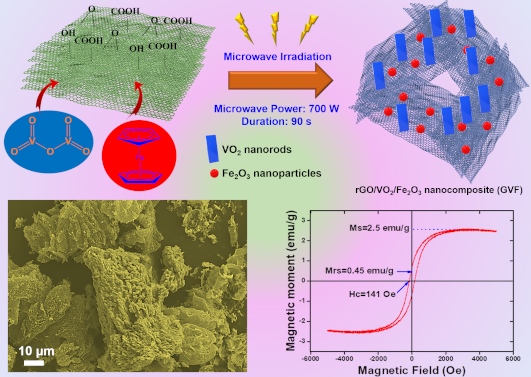
- gained considerable research attention. In this context, the current work demonstrates a facile rGO-supported solid-state MW synthetic route for fabricating a ternary nanocomposite of VO2, Fe2O3, and rGO. Here, the MW irradiation for 90 s was found to be suitable for the reduction and exfoliation of
- applications. Inspired by previous research findings, the current article aims to produce a ternary NC based on rGO, VO2, and Fe2O3 using ultrafast MW irradiation. The applied MW irradiation of only 90 s was found to be beneficial for reducing as well as exfoliating graphite oxide to form rGO. At the same time
- conducted inside the MW oven at room temperature. Furthermore, most of the reported works are based on synthesizing Fe2O3 from Fe-based aqueous salt in liquid phases. In contrast, the current work demonstrates the formation of Fe2O3 from a Fe-based organometallic compound, ferrocene. Herein, the graphite



Focused ion beam-induced platinum deposition with a low-temperature cesium ion source
Beilstein J. Nanotechnol. 2025, 16, 910–920, doi:10.3762/bjnano.16.69
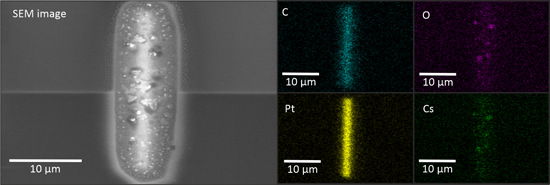
- currents. Deposition rate, material composition, and electrical resistivity were examined and compared with layers deposited at comparable settings with a standard gallium (Ga) FIB. The deposition rate is found to depend linearly on the current density. The rate is comparable for Cs+ and Ga+ under similar
- exact order, however, of which mechanism contributes how much to the deposition, for example, for cesium (Cs) ions, is beyond the scope of this paper since FIBID is rather complex and depends on a variety of parameters. Besides beam parameters such as acceleration voltage, beam current, ion dose, dwell
- , ion currents from 16 to 285 pA were used, so the current densities were between 0.9 and 14.2 pA·μm−2. The overall deposition time was kept constant at 2:30 min, and the ion dose was changed from 128 to 2138 pC·μm−2. The ions were accelerated with voltages of 2, 5, 8, and 16 kV, while the measured ion


Heat-induced transformation of nickel-coated polycrystalline diamond film studied in situ by XPS and NEXAFS
Beilstein J. Nanotechnol. 2025, 16, 887–898, doi:10.3762/bjnano.16.67
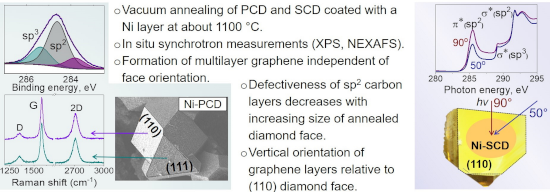
- and 3 nm for AEY. The TEY spectra were recorded by measuring the leakage current with a Keithley ammeter. The experimental data were normalized to the ring current and photon flux measured using a clean gold crystal. In the AEY spectra, emitted Auger electrons were measured using a PHOIBOS 150


Synchrotron X-ray photoelectron spectroscopy study of sodium adsorption on vertically arranged MoS2 layers coated with pyrolytic carbon
Beilstein J. Nanotechnol. 2025, 16, 847–859, doi:10.3762/bjnano.16.64
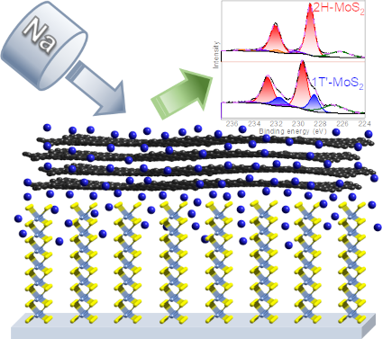
- deposition. Initially, a Pt layer of 21 nm was electrodeposited at 5 keV and 1 nA. After that, a thick Pt cap layer was ion-plated at 30 keV and 250 pA. Then, the FIB was operated at an ion accelerating voltage of 30 keV and ion current of 20 nA to cut the sample. Finally, the section was finely polished at
- an ion current of 250 pA to obtain a smooth surface. The image was acquired using a TESCAN AMBER (TESCAN Ltd., Brno, Czech Republic) microscope at an accelerating voltage of 5 kV in secondary electron mode. Raman spectra were recorded using a LabRAM HR Evolution spectrometer (Horiba, Kyoto, Japan
- measuring leakage current in total electron yield mode. The experimental data were normalized to the ring current and a photon flux measured using a clean gold crystal. The XPS spectra were measured at synchrotron radiation of 830 and 470 eV. After the XPS and NEXAFS measurements were completed, the samples


Facile one-step radio frequency magnetron sputtering of Ni/NiO on stainless steel for an efficient electrode for hydrogen evolution reaction
Beilstein J. Nanotechnol. 2025, 16, 837–846, doi:10.3762/bjnano.16.63
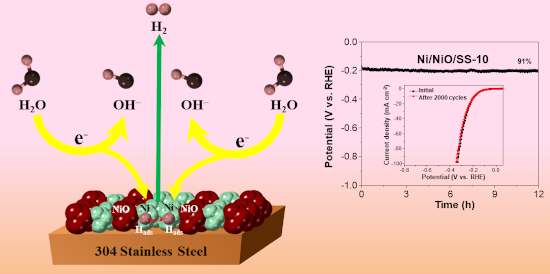
- efficiency. The evaluation of catalytic activities revealed that the optimal sample of Ni/NiO/SS-10 displayed a higher HER performance than bare SS. To produce H2 at a current density of 10 mA·cm−2, this electrode required a low overpotential of 184 mV and demonstrated remarkable durability over 12 h of
- accompanied by toxic solvents and gases, influencing the environment and people’s health. One of the most significant current discussions in water electrolysis is finding green methods to prepare high-efficiency electrocatalysts. Thus, vacuum physical techniques have gained considerable attention in
- provides better HER efficacy than other as-synthesized catalysts. To reach a cathodic current density of 10 mA·cm−2, SS, Ni/NiO/SS-5, Ni/NiO/SS-10 Ni/NiO/SS-15, and Ni/NiO/SS-20 electrodes needed overpotentials of 431, 247, 184, 326, and 382 mV vs RHE, respectively. A smaller overpotential implies a


Synthesis and magnetic transitions of rare-earth-free Fe–Mn–Ni–Si-based compositionally complex alloys at bulk and nanoscale
Beilstein J. Nanotechnol. 2025, 16, 823–836, doi:10.3762/bjnano.16.62
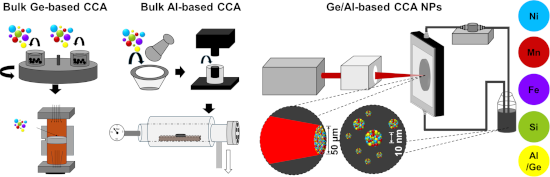
- [50]. In the current work, we aim to develop NPs of bulk rare-earth-free MnTX-based CCAs via PLAL. We start with bulk Ge-based CCA synthesized by high energy ball milling (HEBM) followed by spark plasma sintering (SPS), and an Al-based CCA obtained by powder pressing and sintering. Our goal is not
- information, indicating the coexistence of BCC and FCC phases. This differs from the work by Law et al. [25] where the alloy synthesized by arc melting resulted in a single-phase HCP structure at room temperature. The BCC phase, predominant in the current work, may not appear in alloys processed by arc


Morphology and properties of pyrite nanoparticles obtained by pulsed laser ablation in liquid and thin films for photodetection
Beilstein J. Nanotechnol. 2025, 16, 785–805, doi:10.3762/bjnano.16.60
- Akshana Parameswaran Sreekala Bindu Krishnan Rene Fabian Cienfuegos Pelaes David Avellaneda Avellaneda Josue Amilcar Aguilar-Martinez Sadasivan Shaji Facultad de Ingeniería Mecánica y Eléctrica, Universidad Autónoma de Nuevo León, San Nicolás de los Garza, Nuevo León, 66455, México Current
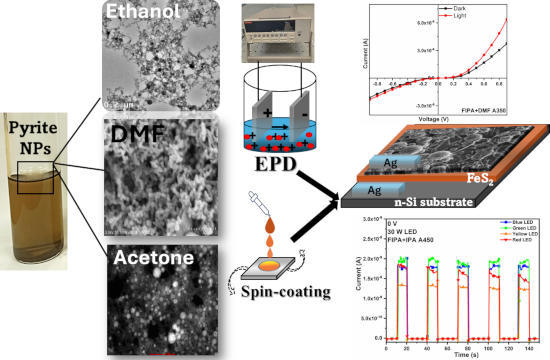
- parallel to one another and immersed in 12.5 mL FeS2 nanocolloid (FIPA) kept at room temperature during EPD. A potential difference of 400 V (constant voltage, with current of approximately 2 mA) was applied after optimization of EPD conditions. The deposition was carried out for 1 h. The positive
- analysis. A dual-beam UV–vis–NIR spectrophotometer was used to analyze the optical characteristics of the nanocolloids (Jasco V770). A Keithley 6487 picoammeter/voltage source was used to record the electrical properties of the films. The current–voltage (I–V) curves for the photodiodes were measured both






Changes of structural, magnetic and spectroscopic properties of microencapsulated iron sucrose nanoparticles in saline
Beilstein J. Nanotechnol. 2025, 16, 762–784, doi:10.3762/bjnano.16.59
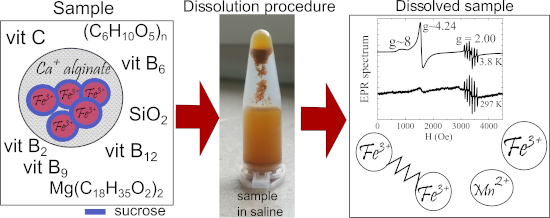
- obtained [17][18], the investigation of AB-Fortis iron seems to be relevant. In this context, the AB-Fortis iron was selected as the main object of research (as the experimental sample) and an in-depth analysis of its physical properties, which in the current state of knowledge still remain undefined, is





Efficiency of single-pulse laser fragmentation of organic nutraceutical dispersions in a circular jet flow-through reactor
Beilstein J. Nanotechnol. 2025, 16, 711–727, doi:10.3762/bjnano.16.55
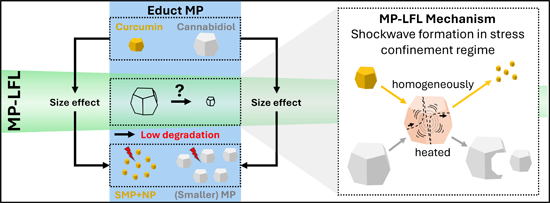
- nutraceuticals aiming at solubility enhancements. However, current discontinuously operated fragmentation setups suffer from chemical degradation by multipulse laser excitation at high fluence and do not allow for systematic studies of the fragmentation mechanisms. In this work, continuous-flow microparticle


Nanostructured materials characterized by scanning photoelectron spectromicroscopy
Beilstein J. Nanotechnol. 2025, 16, 700–710, doi:10.3762/bjnano.16.54
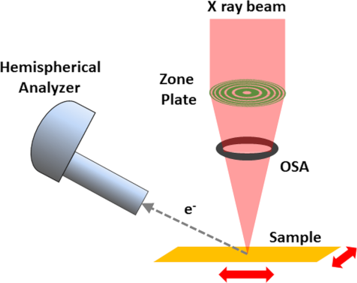
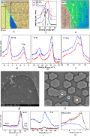
- current and future applications. Due to their nature resulting in diffused heterogeneous structures (chemical and electronic composition typically organized in phases or building blocks) characterizing these materials needs state of the art technologies which combine nanometer spatial resolution
- surface/bulk effects. In the last example, the results of a SPEM investigation of self-organized NiO microcavity arrays exhibiting dimensions in the micrometric range concludes this overview of nanostructured materials characterized by SPEM. After describing the current state of the art of SPEM


The impact of tris(pentafluorophenyl)borane hole transport layer doping on interfacial charge extraction and recombination
Beilstein J. Nanotechnol. 2025, 16, 678–689, doi:10.3762/bjnano.16.52
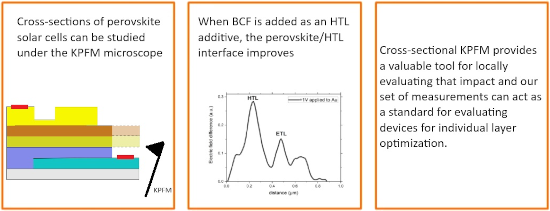
- ability of a solar cell to generate electrical current effectively. Particularly, the relative capability of the two interfaces to properly extract and block charges is critical, since issues such as energetic misalignment, trap states, and interfacial recombination may lead to an uneven extraction and
- of each batch. A slow scan rate of 60 mV/s was used for the current density–voltage (J–V) curves so as the ion distribution within the cell is under quasi-equilibrium [39]. We notice that BCF had a beneficial effect on both spiro-OMeTAD and PTAA in terms of photovoltaic parameters. Whilst the
- positive effect on short-circuit current (Jsc) and open-circuit voltage (Voc) is marginal, the increase on the fill factor (FF) is more substantial, and is reflected on the elevated average power conversion efficiencies (PCE) of the batches. The average increased efficiency observed in the cells of batches


Colloidal few layered graphene–tannic acid preserves the biocompatibility of periodontal ligament cells
Beilstein J. Nanotechnol. 2025, 16, 664–677, doi:10.3762/bjnano.16.51
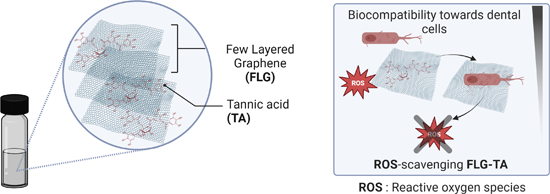
- focused on the adsorption mechanisms [15][16]. To date, no studies have explored how FLG–TA affects the biocompatibility of dental cells. The current research provides new insights into the biocompatibility of FLG–TA with PDL cells. We make the assumption that the cytotoxicity of TA present on the surface
- absolute ethanol. Finally, samples were dehydrated with hexamethylenedisilazane for 15 min and air-dried in a fume hood for 24 h and coated with a gold–palladium alloy using a Hummer JR sputtering device (Technics, CA, USA), creating a 12.5 nm thick gold layer (50 s at 20 mA sputter current). SEM




Nanoscale capacitance spectroscopy based on multifrequency electrostatic force microscopy
Beilstein J. Nanotechnol. 2025, 16, 637–651, doi:10.3762/bjnano.16.49

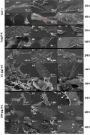
- -frequency equipment with coaxial signal connections will be required. Our analytical simulations of the distance-dependent tip–sample capacitance showed that current models are not able to fully simulate the experimental data. Thus, to enable quantitative measurements of the tip–sample capacitance, further




Focused ion and electron beams for synthesis and characterization of nanomaterials
Beilstein J. Nanotechnol. 2025, 16, 613–616, doi:10.3762/bjnano.16.47

- ion beam interactions [15]. In addition, the extension of the continuum model has proven useful in predicting the outcomes of ion beam milling processes in multilayered systems, as demonstrated in the case of the Si/SiO2/Pt system [16]. To identify the current state of the technology and routes

Polyurethane/silk fibroin-based electrospun membranes for wound healing and skin substitute applications
Beilstein J. Nanotechnol. 2025, 16, 591–612, doi:10.3762/bjnano.16.46



Nanomaterials in targeting amyloid-β oligomers: current advances and future directions for Alzheimer's disease diagnosis and therapy
Beilstein J. Nanotechnol. 2025, 16, 561–580, doi:10.3762/bjnano.16.44
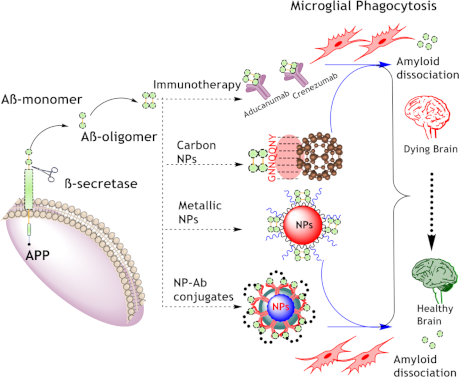
- into their potential for clinical application. This comprehensive overview highlights the current advancements in NM-based therapies for AD and outlines future research directions aimed at optimizing these innovative treatments. Keywords: Alzheimer’s disease; amyloid; amyloid-β oligomers; detection
- of AD by targeting AβOs is crucial for improving outcomes. Current imaging methods, such as computed tomography (CT)/positron emission tomography (PET) with FDA-approved 18F-radiotracers (e.g., Amyvid™ and Tauvid™), detect plaques and tau tangles but not AβOs [13]. There is an urgent need for agents


Functionalized gold nanoflowers on carbon screen-printed electrodes: an electrochemical platform for biosensing hemagglutinin protein of influenza A H1N1 virus
Beilstein J. Nanotechnol. 2025, 16, 540–550, doi:10.3762/bjnano.16.42
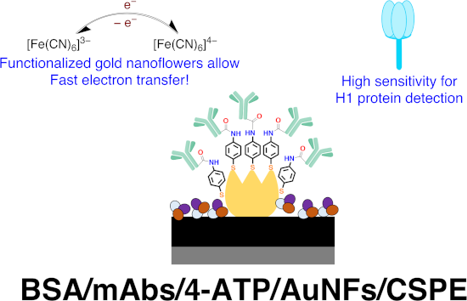
- current across the electrode as a function of H1 concentration. This was performed on a series of samples of artificial saliva containing H1 protein in a clinically relevant concentration range. In these experiments, the biosensor showed a limit of detection of 19 pg/mL. Finally, the biosensor platform
- improved; the challenge is to create portable devices that overcome drawbacks related to long incubation times, unsatisfactory limits of detection, low stability, and short shelf life of the biosensor. To address the current challenges, in this study, we built an electrochemical biosensor to detect and
- based on electrodeposition of gold nanoflowers increased the current response of the electrode because of the larger electroactive surface area compared to a CSPE (Figure 3). The CV analysis of the AuNFs/CSPE showed a peak-to-peak separation of 0.37 V. This value is smaller than in the commercial CSPE


Electron beam-based direct writing of nanostructures using a palladium β-ketoesterate complex
Beilstein J. Nanotechnol. 2025, 16, 530–539, doi:10.3762/bjnano.16.41
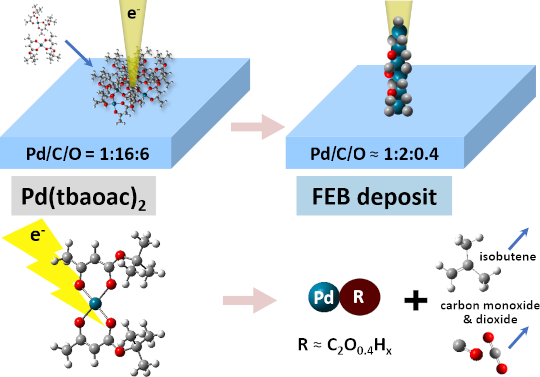
- duration. A 20 keV electron beam was used with a probe current of 0.7 nA, as measured on a Faraday cup using a Keithley picoamperemeter. This corresponds to a current of 0.5 nA on the native-oxide Si(100) substrate, with the remaining 0.2 nA attributed to BSEs and SEs emitted from the substrate. The
- SEM microscope with the same temperatures and GIS positions as those employed for FEB depositions on native-oxide silicon substrates. A square area of 0.97 × 0.97 µm2 was deposited at 20 keV electron energy, with a dwell time of 500 ns and a point-to-pitch of 9.5 nm. The stage current was measured to
- ). Interestingly, a fivefold increase in electron flux from 4 × 10³ to 2 × 10⁴ electrons·nm−2·s−1 (i.e., a current increase from 0.7 to 4.7 nA) in our experiments did not influence the composition within the EDX measurement error of about 5 atom %. However, a 4.5-fold increase in the growth rate was observed from


N2+-implantation-induced tailoring of structural, morphological, optical, and electrical characteristics of sputtered molybdenum thin films
Beilstein J. Nanotechnol. 2025, 16, 495–509, doi:10.3762/bjnano.16.38
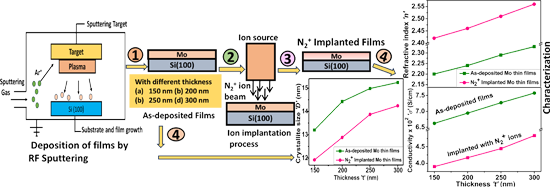
- implanted with 1 × 10¹⁷ N2+·cm−2 at 30 keV using a current density of 4 µA·cm−2. Surface morphology and structural, optical, and electrical properties of the as-deposited and implanted Mo thin films have been systematically investigated. The crystallinity of Mo thin films is enhanced with increasing
- resistivity of Mo thin films makes them desirable for integrated circuits, where they contribute to the efficient flow of electrical current [3]. Furthermore, their optical properties make them well suited for a use as a protective coating in energy storage and electronic devices [4][5]. Mo films deposited on
- . Some films with different thicknesses were implanted with 1 × 10¹⁷ N2+·cm−2 at 30 keV using a current density of 4 µA·cm−2. This study illustrates the effects of nitrogen ion implantation and film thickness on the structural, optical, and electrical properties of thin molybdenum films. Experimental In


Performance optimization of a microwave-coupled plasma-based ultralow-energy ECR ion source for silicon nanostructuring
Beilstein J. Nanotechnol. 2025, 16, 484–494, doi:10.3762/bjnano.16.37

- extraction composed of molybdenum. The study systematically examines the dependence of ion beam current on critical parameters, such as gas pressure, magnetron power, extraction voltage, and ion energies. The Gaussian nature of the beam profile is scrutinized and elucidated within the context of grid
- extraction-based ion sources. Plasma physics principles are employed to interpret the observed variations in the beam current with various parameters. The optimized beam current is used to investigate the inert ion-induced nanopatterning of silicon surfaces, at various ion fluences and incidence angles. The
- the transformative impact of nanopatterning through low-energy inert ions. Keywords: optimization of ion current; surface topography; TEM; ultralow-energy ECR-based ion source; UV–vis spectroscopy; Introduction Ion sources serve as fundamental components in numerous scientific and industrial


Impact of adsorbate–substrate interaction on nanostructured thin films growth during low-pressure condensation
Beilstein J. Nanotechnol. 2025, 16, 473–483, doi:10.3762/bjnano.16.36

- in the adsorbate concentration on the current layer by the term Rt = kt(x2 − x1). The free energy ℱ in Equation 3 for the first adsorptive layer has the form [31][32]: The first term on the right-hand side of Equation 5 is responsible for the entropic non-interactive part, f0(x1) = x1ln(x1) + (1 − x1


Effect of additives on the synthesis efficiency of nanoparticles by laser-induced reduction
Beilstein J. Nanotechnol. 2025, 16, 464–472, doi:10.3762/bjnano.16.35
- synthesize 160 mg/h of Au nanoparticles in the current system. It was also shown that non-equilibrium solid–solution alloy nanoparticles could be synthesized even when a radical scavenger was added. Furthermore, the addition of a radical scavenger also made it possible to synthesize base metal nanoparticles
- the formation of alloy nanoparticles in an equilibrium state. On the other hand, since LRL can form non-equilibrium alloy nanoparticles, it has the potential to provide alloy nanoparticles with properties that have not been yet possible to be obtained. The synthesis efficiency of the current system
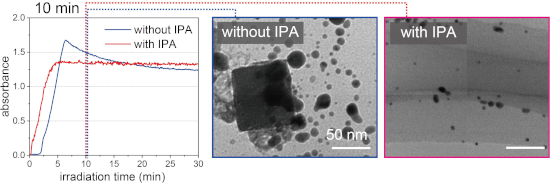
- efficiency of Au nanoparticle synthesis using LRL by about five times. By applying these results to the current synthesis system (20 mg/h), the synthesis efficiency can reach 100 mg/h. We also investigated the optimal concentration of IPA as a radical scavenger. Figure 3 shows the reaction finishing time of





