Search results
Search for "cytotoxicity" in Full Text gives 227 result(s) in Beilstein Journal of Nanotechnology. Showing first 200.
Comprehensive review on ultrasound-responsive theranostic nanomaterials: mechanisms, structures and medical applications
Beilstein J. Nanotechnol. 2021, 12, 808–862, doi:10.3762/bjnano.12.64
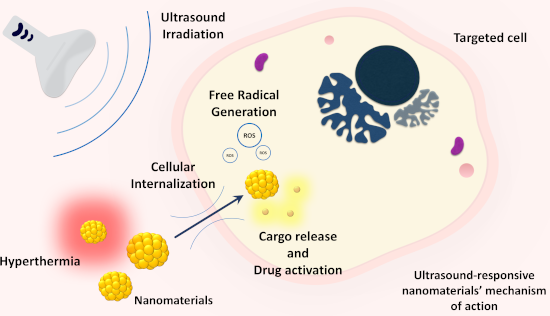
- ), are great candidates for ADV because they have low cytotoxicity and low solubility in aqueous media. In the last decade, ADV has been employed for vessel occlusion therapy, drug delivery, HIFU, tissue lesion formation, and molecular imaging [128][129]. Previous studies showed that a combination of two


A review on nanostructured silver as a basic ingredient in medicine: physicochemical parameters and characterization
Beilstein J. Nanotechnol. 2021, 12, 440–461, doi:10.3762/bjnano.12.36
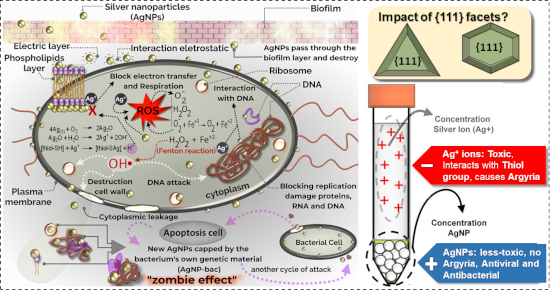
- inhibit virus replication by binding to and regulating cellular and viral proteins and RNAs [114]. Studies indicate that AgNPs did not affect cellular viability, according to mitochondrial cytotoxicity tests, or plasma membrane integrity. Interestingly, they exhibited potent ability to activate
- Castillo et al. verified the interaction between AgNPs and macrophages and they saw that these NPs remained intact, with no evidence of AgNPs dissolution or cytotoxicity. Once inside the cells, and after 24 h of exposure, the nanoparticles remained at approximately the same size they were before incubation


The impact of molecular tumor profiling on the design strategies for targeting myeloid leukemia and EGFR/CD44-positive solid tumors
Beilstein J. Nanotechnol. 2021, 12, 375–401, doi:10.3762/bjnano.12.31
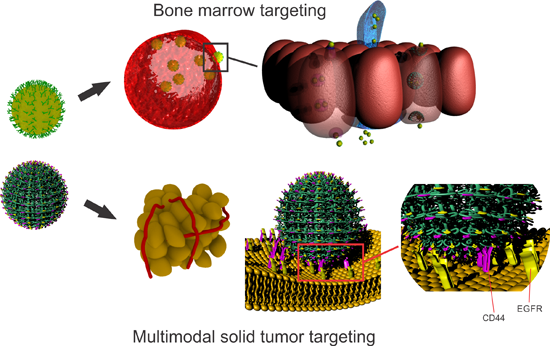
- authors noticed that the cytotoxicity of folate-functionalized liposomes was greater in FR positive cell lines and that the effect could be blocked through the addition of 1 mM folic acid. Additionally, the authors revealed that the functionalized carriers increased the median survival of the mouse
- of action, mAbs against EGFR competitively inhibit ligands, promote receptor internalization, and prolong downregulation induction. Antibody-dependent cell-mediated cytotoxicity and, to a lesser extent, complement-mediated cytotoxicity are the mechanisms of the therapeutic action of mAbs [71]. Used


Doxorubicin-loaded gold nanorods: a multifunctional chemo-photothermal nanoplatform for cancer management
Beilstein J. Nanotechnol. 2021, 12, 295–303, doi:10.3762/bjnano.12.24
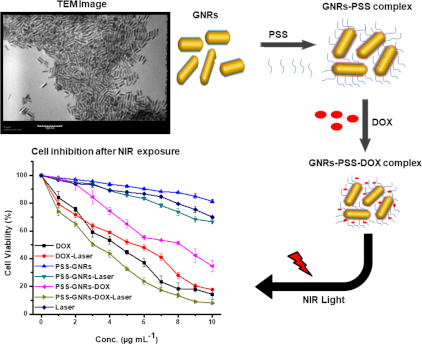
- be obtained by utilizing external stimuli, such as pH value, light, or ultrasound, to deliver the anti-cancerous drug into tumor tissue with spatial and temporal control [14]. Photothermal therapy (PTT) is an emerging minimally invasive cancer therapy. It can efficiently induce cytotoxicity by
- treatments. Regardless of the various beneficial properties, GNRs have limitations in clinical applications due to the cytotoxicity of the surfactant cetyltrimethylammonium bromide (CTAB), which acts as a template in the synthesis process of GNRs [17]. Different polymers can be used to coat GNRs to enhance
- concentrations (0.5–2 µg/mL) and higher cytotoxicity compared to free DOX was observed. However, no significant difference was reported at a higher concentration of 5 µg/mL. 68.5% and 62.4% of cells was killed by the DOX@PSS-Au NR conjugate and free DOX, respectively. To achieve significant cytotoxicity with the


Characterization, bio-uptake and toxicity of polymer-coated silver nanoparticles and their interaction with human peripheral blood mononuclear cells
Beilstein J. Nanotechnol. 2021, 12, 282–294, doi:10.3762/bjnano.12.23
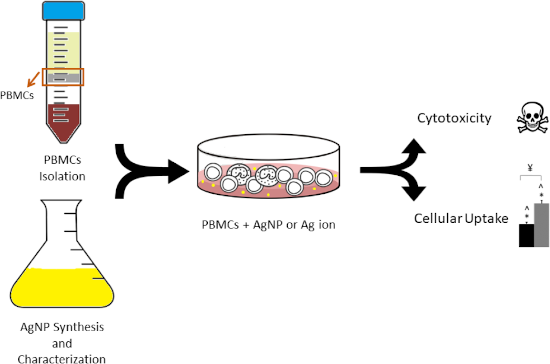
- . Cytotoxicity, using LDH and MTS assays and based on exposure concentrations was not significantly different when comparing NPs and Ag ions. Based on differential uptake, AgNPs were more toxic after normalizing toxicity to the amount of cellular Ag uptake. Our data highlights the importance of correct synthesis
- anti-inflammatory cytokines. Despite the increased usage of and the likely increased exposure to AgNPs, there is a lack of quantitative analysis of bio-uptake and potential cytotoxicity in PBMCs after exposure to well-characterized AgNPs. A number of studies have investigated the bioavailability and
- cytotoxicity of AgNPs using different cell lines and rodent models [7][21][22][23]. However, some of these cell lines are resistant to toxicity effects that may be induced by AgNPs [24]. Furthermore, there are only a few studies on the bio-uptake and exposure of AgNPs in human PBMCs [25][26][27][28][29][30][31



Differences in surface chemistry of iron oxide nanoparticles result in different routes of internalization
Beilstein J. Nanotechnol. 2021, 12, 270–281, doi:10.3762/bjnano.12.22
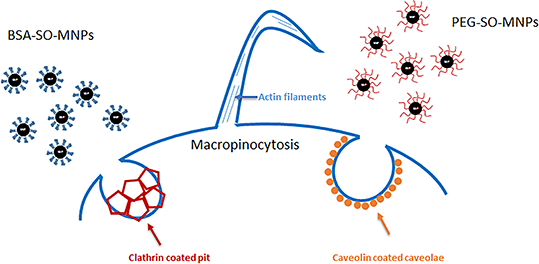
- surface-modified MNPs was 2 mM. RITC-BSA-SO-MNPS were diluted in a phenol-free medium to avoid interference. MTT assay The cytotoxicity of MNPs and endocytic inhibitors in A549 cells was assessed by the 3-(4,5-dimethylthiazol-2-yl)-2,5-diphenyltetrazolium bromide (MTT) assay following the protocol by
- -buffered saline (PBS). Basic physicochemical properties of surface-modified magnetite nanoparticles. Inhibitors of endocytosis and cytoskeleton dynamics. Supporting Information Supporting Information File 52: Expression of clathrin and caveolin, cytotoxicity of MNPs and endocytic inhibitors, time-lap



A review on the biological effects of nanomaterials on silkworm (Bombyx mori)
Beilstein J. Nanotechnol. 2021, 12, 190–202, doi:10.3762/bjnano.12.15
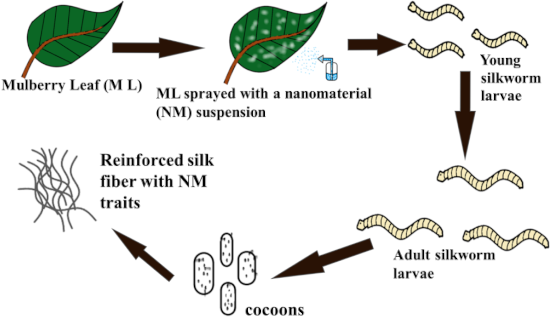
- in order to deal with foreign cells. Quantum dots have unique optical properties that are used in biological imaging [147][148][149][150]. They are also known for their size-dependent cytotoxicity [151][152]. Silkworms were subjected to doses of 32 mM of CdTe QDs, 1 µg/µL of citric acid–nitrogen


Effect of different silica coatings on the toxicity of upconversion nanoparticles on RAW 264.7 macrophage cells
Beilstein J. Nanotechnol. 2021, 12, 35–48, doi:10.3762/bjnano.12.3
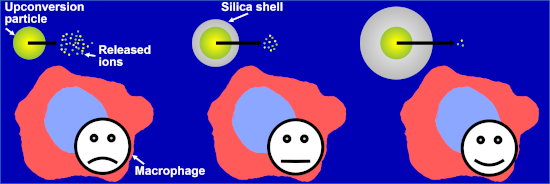
- effect is less significant for negatively charged particles. Cell cycle analyses with amino-functionalized particles also confirm that thicker silica shells reduce cytotoxicity. Thus, growing silica shells to a sufficient thickness is a simple approach to minimize the cytotoxicity of UCNPs. Keywords
- : cytotoxicity; ion release; RAW 264.7 macrophage cell line; silica coating; upconversion nanoparticles; Introduction Upconversion nanoparticles (UCNPs) convert excitation radiation with long wavelengths to a short-wavelength emission. Since biological molecules do not have an upconversion mechanism, imaging
- ], or when ions forming lanthanide salts with a low solubility (such as phosphates) are present [10][20][24], which is relevant for their application in physiological solutions. The cytotoxicity of F− ions is in the range of a few millimoles per liter [25][26]. The release of F− ions can induce


PEG/PEI-functionalized single-walled carbon nanotubes as delivery carriers for doxorubicin: synthesis, characterization, and in vitro evaluation
Beilstein J. Nanotechnol. 2020, 11, 1728–1741, doi:10.3762/bjnano.11.155
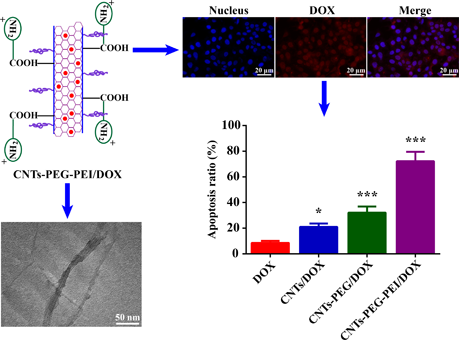
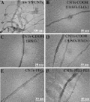
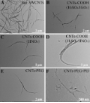
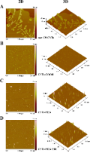
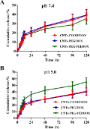
- evaluated in terms of drug loading, in vitro release, cytotoxicity towards MCF-7 cells and cellular uptake. The results showed that all CNT carriers had a high drug loading capacity. In comparison with CNTs-COOH and CNTs-PEG, CNTs-PEG-PEI showed a more rapid drug release under acidic conditions and a higher
- efficaciously traverse biological barriers [11][12][13]. Despite a series of advantages, the practical application of CNTs has been restricted by a number of drawbacks, such as high hydrophobicity and rapid aggregation in aqueous media, which are associated with cytotoxicity and other harmful cellular effects
- The in vitro cytotoxicity of different blank nanomaterials and DOX-loaded samples toward MCF-7 cells was assessed by using the MTT assay. In brief, cells were seeded into 96-well plates at a density of 5 × 10⁴ cells per well and attached for 48 h. Then the culture medium was removed, and cells were




Cardiomyocyte uptake mechanism of a hydroxyapatite nanoparticle mediated gene delivery system
Beilstein J. Nanotechnol. 2020, 11, 1685–1692, doi:10.3762/bjnano.11.150
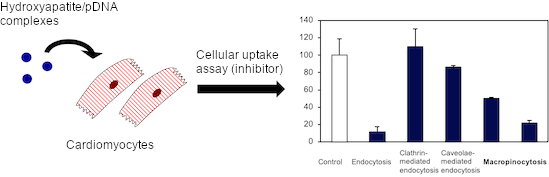
- vector for transfecting cardiomyocyte-derived HL-1 cells. HAp exhibited particles on the nanoscale and with a low cytotoxicity in HL-1 cells. The transfection assay performed with several endocytosis inhibitors suggested that the HAp/pDNA complexes were internalized by HL-1 cells through macropinocytosis
- approximately 1.3 wt % [24]. Cytotoxicity assay Dose-dependent cytotoxicity of HAp/pDNA complexes on HL-1 cells was investigated in the concentration range of 0.1–10 µg/mL. The 3-(4,5-dimethylhiazol-2-yl)-2,5-diphenyl-2H-tetrazolium bromide (MTT) assay was used to assess cytotoxicity. No differences in cell
- viability were observed among the three concentrations of HAp/pDNA complexes used at 24 and 72 h (Figure 2). The results suggested that HAp exhibits little cytotoxicity within the concentration range used in this study. Transfection efficiency To test the gene transfection potential of the HAp nanoparticle


Photothermally active nanoparticles as a promising tool for eliminating bacteria and biofilms
Beilstein J. Nanotechnol. 2020, 11, 1134–1146, doi:10.3762/bjnano.11.98
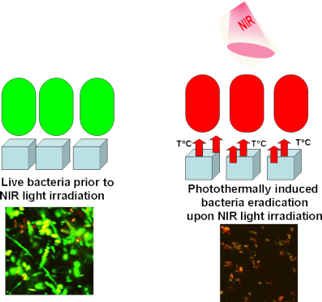
- microorganisms with limited cytotoxicity. In another recent publication, the photothermal effect of phospholipid-coated gold nanorods loaded into a poloxamer 407 hydrogel resulted in ≈4.5–5 log cycle reduction in the viable counts of a P. aeruginosa biofilm in comparison to the control sample [55]. The authors
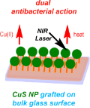
- magnetic recyclability and low cytotoxicity. It was shown that even at low concentration (25 ppm) the nanoparticles could kill 100% of the E. coli (107 CFU mL−1) within 10 min upon NIR irradiation at 808 nm and 2 W/cm2 laser intensity. The possibility to exploit the biocompatible and FDA-approved Prussian
- cytotoxicity make the CuS nanoparticles a feasible alternative to the widely used gold nanoparticles for photothermally induced bacteria ablation [33][79]. Interestingly, the early publications on CuS nanoparticles focused only on the antibacterial effect of the released Cu2+ ions but no mention was made in


Gram-scale synthesis of splat-shaped Ag–TiO2 nanocomposites for enhanced antimicrobial properties
Beilstein J. Nanotechnol. 2020, 11, 1119–1125, doi:10.3762/bjnano.11.96
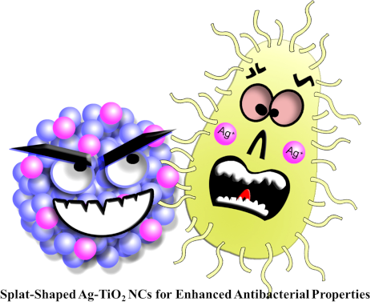
- specifically, Ag NPs have been widely used in many fields, such as dental filling, wound dressing, water treatment and textile fabrics [12][13]. However, issues have been raised concerning Ag-associated genotoxicity and cytotoxicity in human cells [14]. To solve these toxicity problems, nanocomposite materials
- spectroscopy (FTIR, Nicolet IS50) was used to measure the infrared spectra. To detect the absorption profile of the prepared samples, the UV–vis spectroscopy technique was used. In vitro cytotoxicity The Cell Counting Kit-8 (CCK-8) was purchased from Beyotime Biotechnology (Shanghai, China). Human colon
- adenocarcinoma CaCo-2 cells were used to investigate the cytotoxicity of the Ag–TiO2 nanocomposites using the CCK-8 assays. The NCs were dissolved in Dulbecco's Modified Eagle Medium (DMEM) at various concentrations (0, 8, 16, 32, 64 and 128 µg/mL). The cells were seeded at a density of 104 cells per well in 96


Applications of superparamagnetic iron oxide nanoparticles in drug and therapeutic delivery, and biotechnological advancements
Beilstein J. Nanotechnol. 2020, 11, 1092–1109, doi:10.3762/bjnano.11.94
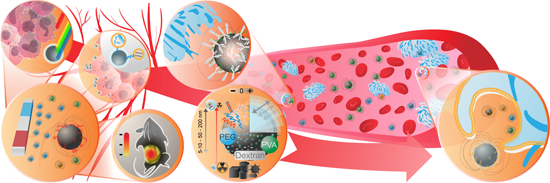
- contact with a living cell, the lipids will be stripped from the particle, leaving the bare nanoparticle in direct contact with the biological material, thus, inducing cytotoxicity. Some surfactants may not be biocompatible because they can disturb the lipid and protein metabolism [78]. In order to use
- commonly used for SPION coating, yielding good nanoparticle stability and no cytotoxicity. It is currently the preferred coating for MRI nanoparticles [54][76][84]. Depending on the type of emulsifier used, the coating can be hydrophilic or hydrophobic, but it is common to use hydrophilic polymers, such as
- HeLa cells up to 400 µg/mL, but the coating enhanced the effect of the hyperthermia water-bath treatment [45]. This effect of biocompatibility at 37 °C and cytotoxicity at 42 °C, even at micromolar concentrations, was noted already earlier by other groups [89][90]. Recently, in a study of SPION


Uniform Fe3O4/Gd2O3-DHCA nanocubes for dual-mode magnetic resonance imaging
Beilstein J. Nanotechnol. 2020, 11, 1000–1009, doi:10.3762/bjnano.11.84
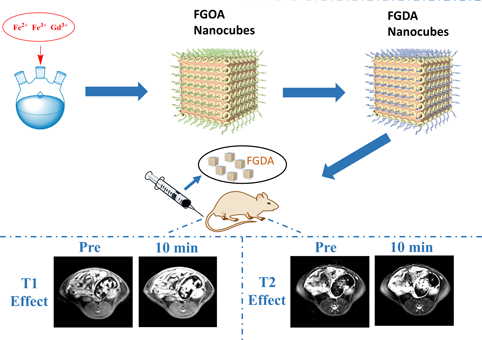
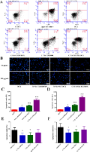
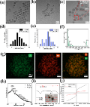
- significantly increase the MRI contrast when compared to pure Gd2O3 nanoparticles or to Fe3O4 nanocubes and therefore can be used as a sensitive T1–T2 dual-mode contrast agent in MRI. Cytotoxicity of FGDA nanocubes In order to use the FGDA nanocubes as a contrast agent for in vivo MRI it is imperative to first
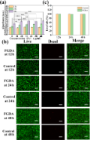
- test their cytotoxicity in vitro [33]. In this work, the CCK-8 assay was performed to measure the viability of L929 cells upon exposure to FGDA nanocubes. Figure 4a indicates that at 12 h after treatment there were no differences in cell viability between the control and groups treated with different
- slightly higher than that measured for the control groups (P < 0.01). In order to further test the cytotoxicity of FGDA nanocubes, live–dead staining was performed. The results showed that there was no difference in cellular morphology or viability between the control and treated groups (Figure 4b,c). In



Key for crossing the BBB with nanoparticles: the rational design
Beilstein J. Nanotechnol. 2020, 11, 866–883, doi:10.3762/bjnano.11.72
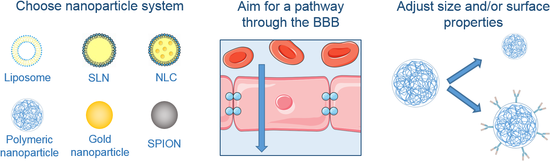
- system was able to cross the BBB and to accumulate in glioma cells, thus improving the cytotoxicity effect of doxorubicin. To cross the BBB and to target glioma cells, liposomes have also been conjugated with cell-penetrating peptides. For example, in a study by Liu et al., a novel dual receptor
- biocompatible lipids, thus leading to low cytotoxicity [155]. Furthermore, SLNs can be prepared using a cost-effective high-pressure homogenization method. This method avoids the use of organic solvents and can be used at large scale, making SLNs interesting for the pharmaceutical industry [156]. Interestingly


Luminescent gold nanoclusters for bioimaging applications
Beilstein J. Nanotechnol. 2020, 11, 533–546, doi:10.3762/bjnano.11.42
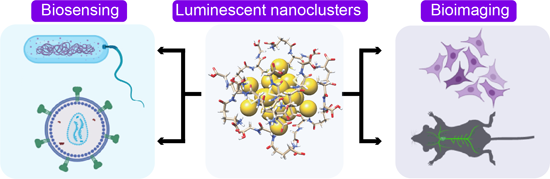
- biochemical processes [14][15][16][17]. The large molecular mass of GFP might affect the folding process of tagged proteins, or a possible aggregation may lead to cytotoxicity. Beyond molecular and biomolecular luminescent materials, colloidal luminescent nanomaterials have gained attention in recent years
- of colors covering ultraviolet to near-infrared (NIR). Furthermore, SCQDs offer better sensitivity, stability against photobleaching, and a narrow spectral bandwidth compared to conventional organic dyes. However, due to their cytotoxicity, the tendency to undergo aggregation inside the cells, and
- easy oxidation, the extensive use in bioimaging remained a challenge. Therefore, efforts have been made to prepare silicon quantum dots (SQDs) [28]. SQDs exhibit relatively low cytotoxicity and better biocompatibility compared to SCQDs. Moreover, SQDs show broad absorption spectra, higher


Multilayer capsules made of weak polyelectrolytes: a review on the preparation, functionalization and applications in drug delivery
Beilstein J. Nanotechnol. 2020, 11, 508–532, doi:10.3762/bjnano.11.41
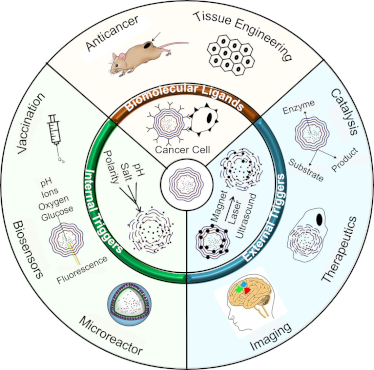
- changing the integrity or permeability. Magnetic NPs have shown greater cytotoxicity in comparison with microcapsules containing an equivalent amount of magnetite [79]. The first and foremost way of incorporating NPs into the shell is either by the adsorption of NPs over the sacrificial template or using



Nanoparticles based on the zwitterionic pillar[5]arene and Ag+: synthesis, self-assembly and cytotoxicity in the human lung cancer cell line A549
Beilstein J. Nanotechnol. 2020, 11, 421–431, doi:10.3762/bjnano.11.33
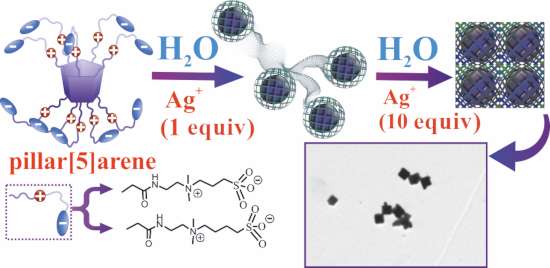
- and 2D biomedical coatings. Keywords: cytotoxicity; macrocyclic receptors; nanoparticles; pillar[5]arene; self-assembly; silver; Introduction The first use of silver (Ag) as a medicine dates back to Hippocrates, who used it as an antibacterial agent for the treatment of ulcers [1]. Over the past
- of macrocycle 3 complexes with the indicated anions was not detected by UV–vis, NMR spectroscopy, which indicates the absence of their interfering effect. Cytotoxicity of synthesized macrocycles and associates of macrocycle/Ag+ It was previously shown that water-soluble pillar[5]arenes did not have a
- pronounced toxic effect in the range of studied concentrations of 10–500 μg/mL [44][45][46]. In order to study the cytotoxic properties of the obtained 3/Ag+ nanoparticles, we evaluated the cytotoxicity of the synthesized water-soluble pillar[5]arenes 3 and 4. The results indicate that macrocycles 3 and 4




Brome mosaic virus-like particles as siRNA nanocarriers for biomedical purposes
Beilstein J. Nanotechnol. 2020, 11, 372–382, doi:10.3762/bjnano.11.28
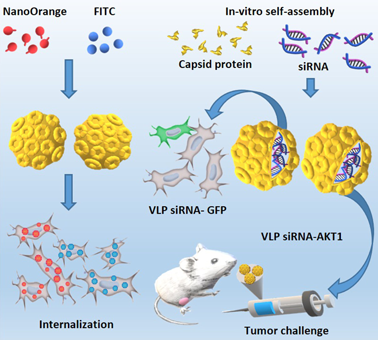
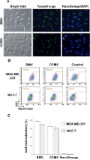
- surface is not a limiting factor for the cell internalization of BMV and CCMV. Thus, it seems possible that the capsid internalization could be carried out by macropinocytosis, a process independent of vimentin. Biocompatibility of CCMV and BMV A possible virus cytotoxicity was evaluated. BMV and CCMV
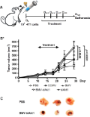
- carry and deliver siRNA into tumor cells has been demonstrated. Cell internalization of the plant viruses, BMV and CCMV, showed no cytotoxicity, making the viruses excellent and biocompatible nanocarrier candidates for targeted molecular anti-cancer therapies. BMV-based nanocarriers showed better
- cell death and PBS as a control medium for 24 h. The Viability/Cytotoxicity Assay Kit (Biotum) was used to assess the amount of live and dead cells. Briefly, cells were trypsinized and labeled with calcein and ethidium homodimer III (EthD-III) to recognize live and dead cells, respectively. Cells were


Poly(1-vinylimidazole) polyplexes as novel therapeutic gene carriers for lung cancer therapy
Beilstein J. Nanotechnol. 2020, 11, 354–369, doi:10.3762/bjnano.11.26
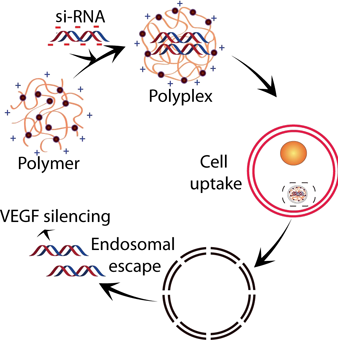
- attempted to investigate the DNA complexation efficiency of poly(4-vinylimidazole) polymers that also possesses low cytotoxicity and good endosomal escape properties [20]. To our knowledge, only few proof-of-concept studies have been carried out to explore the potential of PVI as a cyto-compatible gene
- reader (Epoch i2, Biotek, USA). For assessing the effect of VEGF silencing on the cytotoxicity of 5-FU, the cells were initially treated with the polyplex or with free siRNA at a siRNA concentration of 100 nM for 4 h. The medium was then replaced with fresh medium to which 400 μM of 5-FU was added and
- for proliferation and metastasis of lung cancer cells as evidenced by the microarray analysis. Also, VEGF silencing resulted in enhanced cytotoxicity of the chemotherapeutic agent 5-fluorouracil suggesting the promise of this strategy to be employed as an adjuvant therapy against lung cancer. The


Phase inversion-based nanoemulsions of medium chain triglyceride as potential drug delivery system for parenteral applications
Beilstein J. Nanotechnol. 2020, 11, 213–224, doi:10.3762/bjnano.11.16
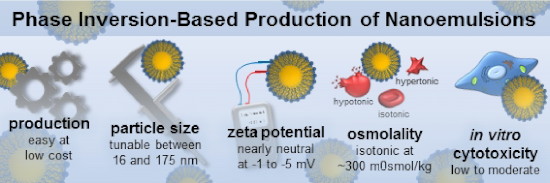
- distributions depending on their lipid:surfactant ratio. Using a nonionic surfactant resulted in an uncharged surface of the emulsion droplets. The nanoemulsion with small particles of 25 nm in diameter showed an slightly increased cytotoxicity in comparison to the barely toxic nanoemulsions with particles of




Rational design of block copolymer self-assemblies in photodynamic therapy
Beilstein J. Nanotechnol. 2020, 11, 180–212, doi:10.3762/bjnano.11.15
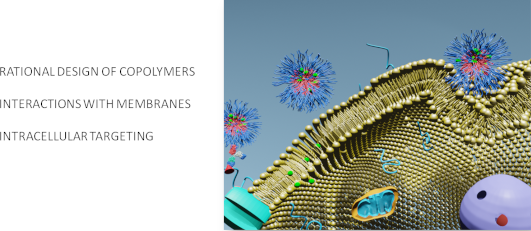
- led to increased cytotoxicity upon light activation [121]. Very recently, Zhang et al. have exploited the highly selective interaction between avidin and biotin to specifically target cells over-expressing the biotin receptor [115]. High-performance nanoassemblies The current trends for polymer vector






Internalization mechanisms of cell-penetrating peptides
Beilstein J. Nanotechnol. 2020, 11, 101–123, doi:10.3762/bjnano.11.10
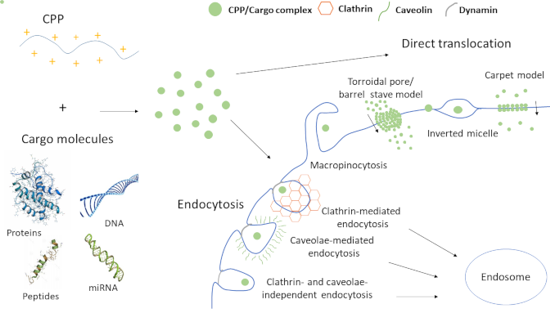
- membranes of different cell types, while showing low cytotoxicity and no immunological response [6]. This class of peptides was first introduced in the late 1980s, with the discovery of the TAT peptide, encoded by the human immunodeficiency virus type 1 (HIV-1) by Frankel et al. [9], who showed that the TAT


The different ways to chitosan/hyaluronic acid nanoparticles: templated vs direct complexation. Influence of particle preparation on morphology, cell uptake and silencing efficiency
Beilstein J. Nanotechnol. 2019, 10, 2594–2608, doi:10.3762/bjnano.10.250
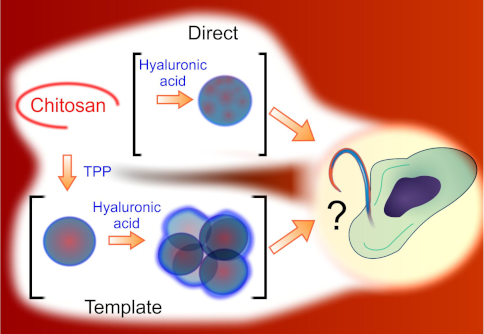
- solutions for cellular experiments were prepared by the addition of a given volume of double-concentrated full growth medium to an equal volume of double-concentrated nanoparticle dispersion (water). Cytotoxicity experiments. HCT-116 (20,000 cells/cm2) and RAW 264.7 (30,000 cells/cm2) were seeded in 48-well
- targeting therapies has already been reported [22][34][35]. It is worth mentioning that HCT-116 apparently shows a lower CD44 expression (see Supporting Information File 1, Section SI5), but this does not imply a lower CD44 endocytic activity. The cytotoxicity of the nanoparticles was assessed using the MTS



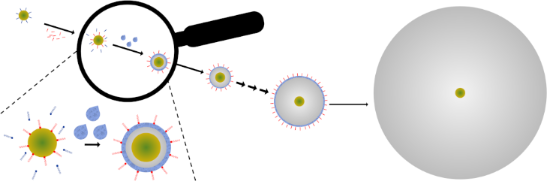
Coating of upconversion nanoparticles with silica nanoshells of 5–250 nm thickness
Beilstein J. Nanotechnol. 2019, 10, 2410–2421, doi:10.3762/bjnano.10.231
- narrow emission bands in the ultraviolet/visible/NIR upon excitation in the NIR range where light absorption and scattering from biological tissues is minimal as well as long fluorescence lifetimes in the microsecond range that are insensitive to oxygen, a high chemical stability and a low cytotoxicity
- , is the coating of their surface with silica shells [22][23]. Additionally, optically transparent silica shells have many other advantages such as chemical inertness, high thermal stability, low cytotoxicity, high biocompatibility and tunable porosity [22][23][24]. An important parameter for all