Search results
Search for "drug delivery systems" in Full Text gives 142 result(s) in Beilstein Journal of Nanotechnology.
Targeting strategies for improving the efficacy of nanomedicine in oncology
Beilstein J. Nanotechnol. 2019, 10, 168–181, doi:10.3762/bjnano.10.16
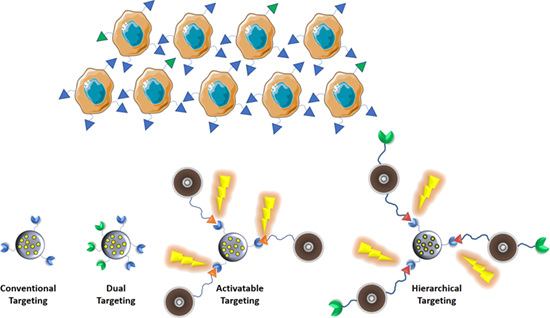
- between the motives yield the desired interaction with the receptor and allow for strongest interactions compared to nonspecific interactions (Figure 8). Conclusion The last few decades have witnessed the emergence of nanomedicine in the oncological field. The use of nanoparticles as drug delivery systems


Cytotoxicity of doxorubicin-conjugated poly[N-(2-hydroxypropyl)methacrylamide]-modified γ-Fe2O3 nanoparticles towards human tumor cells
Beilstein J. Nanotechnol. 2018, 9, 2533–2545, doi:10.3762/bjnano.9.236
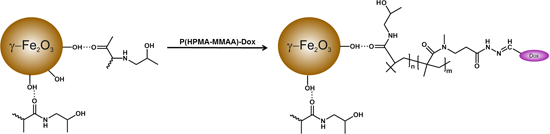
- from MRI contrast agents to drug-delivery systems, local heat sources in magnetic hyperthermia therapy of tumors, magnetically assisted transfection of cells, and magnetic field-assisted separation techniques. Let us to note that MRI is already widely used in human medicine and several iron-oxide-based


Enhanced antineoplastic/therapeutic efficacy using 5-fluorouracil-loaded calcium phosphate nanoparticles
Beilstein J. Nanotechnol. 2018, 9, 2499–2515, doi:10.3762/bjnano.9.233
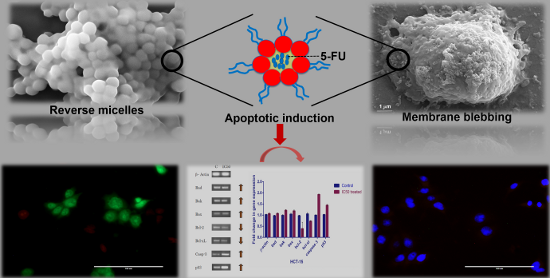
- /bjnano.9.233 Abstract In the past few decades, the successful theranostic application of nanomaterials in drug delivery systems has significantly improved the antineoplastic potency of conventional anticancer therapy. Several mechanistic advantages of nanomaterials, such as enhanced permeability


Effect of electrospinning process variables on the size of polymer fibers and bead-on-string structures established with a 23 factorial design
Beilstein J. Nanotechnol. 2018, 9, 2466–2478, doi:10.3762/bjnano.9.231
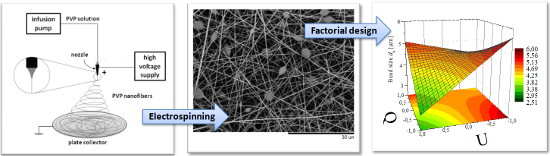
- among others as: coatings with hydrophobic properties [19], membranes for fog harvesting [20], drug delivery systems with encapsulated therapeutic substances [21]. Therefore, it is fully justified to dedicate a study to the analysis of conditions in which the beads can be optimally obtained. Although a


Nanoconjugates of a calixresorcinarene derivative with methoxy poly(ethylene glycol) fragments for drug encapsulation
Beilstein J. Nanotechnol. 2018, 9, 2057–2070, doi:10.3762/bjnano.9.195
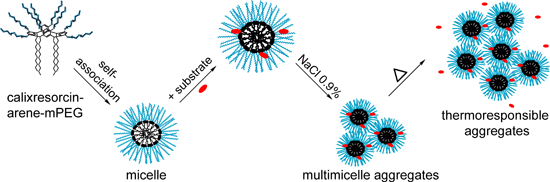
- use as a supramolecular drug-delivery system. Keywords: calixresorcinarene; drug encapsulation; hemotoxicity; methoxy poly(ethylene glycol); temperature-controlled release; Introduction One of the acute problems of modern medicinal therapy is the development of novel drug-delivery systems with low


Biomimetic and biodegradable cellulose acetate scaffolds loaded with dexamethasone for bone implants
Beilstein J. Nanotechnol. 2018, 9, 1986–1994, doi:10.3762/bjnano.9.189
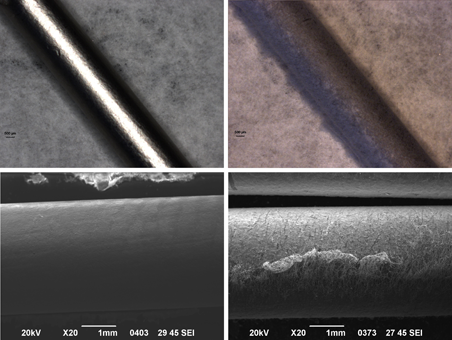
- nanoscale, which is the size of the majority of biological molecules [1]. In nanomedicine, new drug-delivery systems can be designed to obtain, combined with state-of-the-art implantation technology, implants with therapeutic agents that are released at the site of implantation. The aforementioned systems


A visible-light-controlled platform for prolonged drug release based on Ag-doped TiO2 nanotubes with a hydrophobic layer
Beilstein J. Nanotechnol. 2018, 9, 1793–1801, doi:10.3762/bjnano.9.170
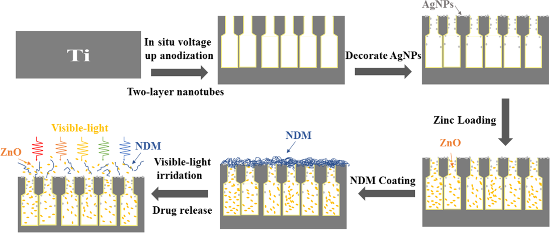
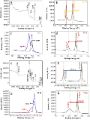
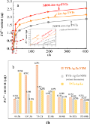
- their well-defined geometry, stable structure [1], high surface-to-volume ratio, highly hydrophilic wetting characteristic [2][3], and remarkable photocatalysis properties [4]. However, the traditional drug delivery systems still exhibit many obvious drawbacks such as low drug solubility, uncontrolled





Preparation and morphology-dependent wettability of porous alumina membranes
Beilstein J. Nanotechnol. 2018, 9, 1423–1436, doi:10.3762/bjnano.9.135
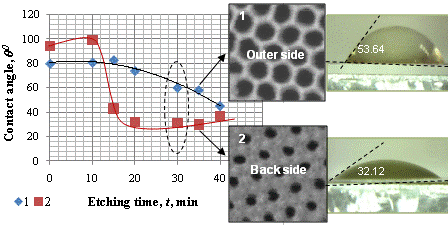
- biotechnological and medical development. Some applications include the separation of organic macromolecules and proteins (bio-filtration), their use in biosensor devices and capsule drug delivery systems, use for coating implants, and as a matrix for the formation of biocompatible tissues [19][20][21][22


Atomic-level characterization and cilostazol affinity of poly(lactic acid) nanoparticles conjugated with differentially charged hydrophilic molecules
Beilstein J. Nanotechnol. 2018, 9, 1328–1338, doi:10.3762/bjnano.9.126
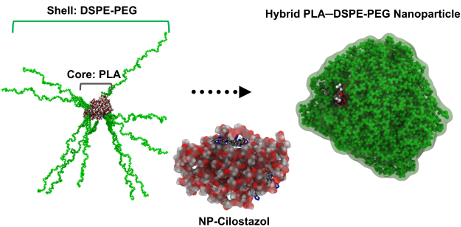
- suggest that the combination of molecular dynamics ReaxFF simulations and blind docking techniques can be used as an explorative tool prior to experiments, which is useful for rational design of new drug delivery systems. Keywords: drug delivery; PEGylated nanoparticle; PLA; polymeric nanoparticle
- ; reactive force field; Introduction In recent years, the use of drug delivery systems based on polymeric nanoparticles (NPs) has generated innovative therapeutic strategies for infection and immune diseases, as well as cancer therapy [1][2][3]. Polymeric NPs have shown significant advantages compared with
- explorative tool or as a complementary approach to experiments, which is useful for the rational design of new drug delivery systems. In future work, this approximation will be correlated with maximum drug loading determined experimentally and the protective role of differentially charged PEG for drug release


BN/Ag hybrid nanomaterials with petal-like surfaces as catalysts and antibacterial agents
Beilstein J. Nanotechnol. 2018, 9, 250–261, doi:10.3762/bjnano.9.27
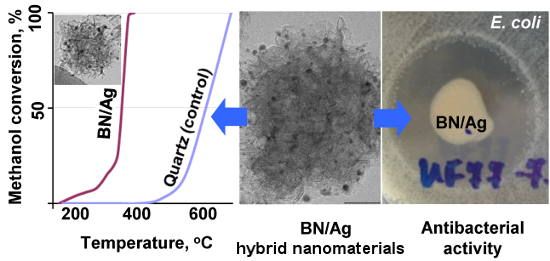
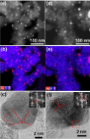
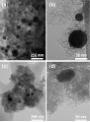
- utilized toward the development of cutting-edge hybrid nanostructures. For example, BN/noble metal (Pt, Au, Ag) hybrid nanomaterials are envisaged to be the promising components of highly active catalysts, drug delivery systems, molecular probe sensors, surface enhanced Raman spectroscopy techniques, and





Liquid-crystalline nanoarchitectures for tissue engineering
Beilstein J. Nanotechnol. 2018, 9, 205–215, doi:10.3762/bjnano.9.22
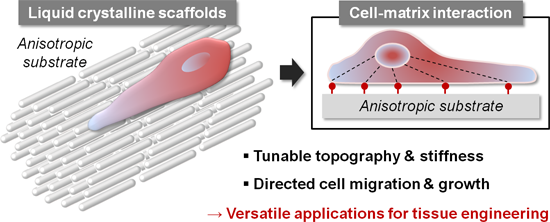
- striving for decades to invent biocompatible LC nanostructures for biomedical applications [6][7]. These works cover medical imaging and spectroscopy instruments [8][9], diagnostic biosensors [10], microlens devices [11], soft actuators [12][13], and drug delivery systems [14][15]. On the other hand, LCs
- [36] and drug delivery systems [37]. For tissue regeneration, the mostly studied biomaterials are collagen and chitin, which are, respectively, protein-based and glucose-based biopolymers [38][39]. When denatured, collagen and chitin can be transformed into gelatin and chitosan, respectively, which
- morphology control, which can be further extended to directed cell differentiation. Moreover, the tissue-mimectic characteristics of LC biomaterials can be exploited for fabricating artificial organs-on-a-chip and bioinspired drug delivery systems. The tunable optical response of biological LC materials is


Development of polycationic amphiphilic cyclodextrin nanoparticles for anticancer drug delivery
Beilstein J. Nanotechnol. 2017, 8, 1457–1468, doi:10.3762/bjnano.8.145
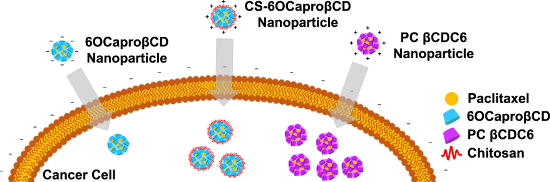
- during chemotherapy. Amphiphilic cyclodextrins are favored oligosaccharides as drug delivery systems for anticancer drugs, having the ability to spontaneously form nanoparticles without surfactant or co-solvents. In the past few years, polycationic, amphiphilic cyclodextrins were introduced as effective
- derivatives provide suitable nanometer-sized drug delivery systems for safe and efficient intravenous paclitaxel delivery for chemotherapy. In the light of these studies, it can be said that amphiphilic cyclodextrin nanoparticles of different surface charge can be considered as a promising alternative for
- several factors that influence the particle size, particle distribution, surface charge, homogeneity and shape of nanometer-sized drug delivery systems. These factors have a subsequent influence on the biodistribution and the fate of the nanomedicine in the body [27]. In this case, the formulation


Cationic PEGylated polycaprolactone nanoparticles carrying post-operation docetaxel for glioma treatment
Beilstein J. Nanotechnol. 2017, 8, 1446–1456, doi:10.3762/bjnano.8.144
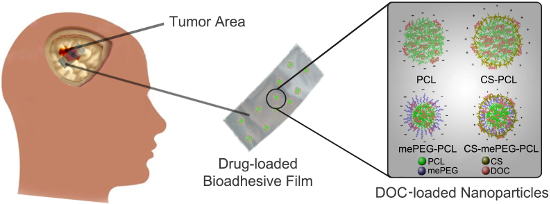
- Background: Brain tumors are the most common tumors among adolescents. Although some chemotherapeutics are known to be effective against brain tumors based on cell culture studies, the same effect is not observed in clinical trials. For this reason, the development of drug delivery systems is important to
- [4][5][6][7][8][9]. It is possible to bypass the BBB and reach the tumor site directly with implantable drug delivery systems such as Gliadel®, which is the chemotherapeutic drug carmustine-loaded wafer implant. These drug delivery systems can be implanted after surgical removal of the tumor
- agents to the tumor site, while avoiding possible side effects. The development of novel drug delivery systems with reduced side effects is an important breakthrough and nanoparticles are promising in this field as they enable localized drug delivery to target sites and enhanced cellular uptake




Carbon nanomaterials sensitize prostate cancer cells to docetaxel and mitomycin C via induction of apoptosis and inhibition of proliferation
Beilstein J. Nanotechnol. 2017, 8, 1307–1317, doi:10.3762/bjnano.8.132
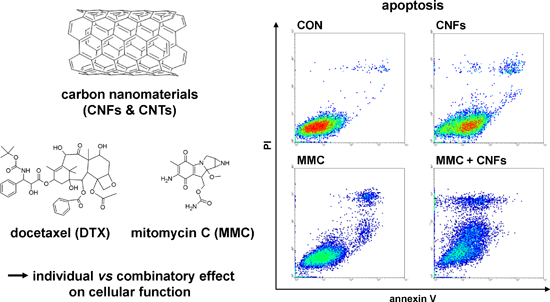
- complex drug delivery systems at the tumor site would minimize systemic resorption and deleterious effects to healthy tissues. Carbon nanomaterials such as CNFs and CNTs represent a much investigated option for such biomedical applications. In addition to facilitate a passive targeting, various studies
- chemoresistant cells to conventional chemotherapeutics and thus make them more prone to the cytotoxic drug effects [17][28]. One limiting factor for the application of carbon nanomaterials as drug delivery systems are their toxicity owing to their small size and structural resemblance to asbestos [33][42]. In
- ][44]. Consequently, a local application of nanomaterial-based drug delivery systems directly to the tumor site would limit their systemic resorption and thus adverse effects to other organs. Conclusion In this study we could demonstrate that the anti-proliferative and pro-apoptotic effects of two


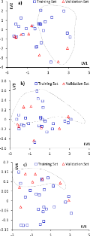
Modeling adsorption of brominated, chlorinated and mixed bromo/chloro-dibenzo-p-dioxins on C60 fullerene using Nano-QSPR
Beilstein J. Nanotechnol. 2017, 8, 752–761, doi:10.3762/bjnano.8.78
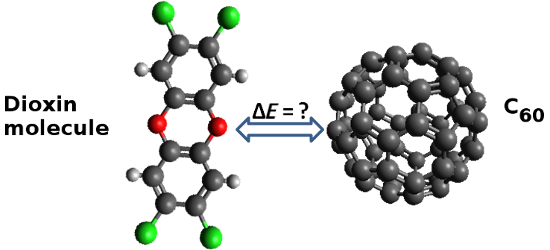
- applications, including sorbents, cancer therapeutics, drug delivery systems, computer sensors, etc. [16][17][18][19]. With the further development of nanotechnology, C60 will be produced and used in large amounts. Over time, fullerene structures will be found in the environment more often and in higher



Dispersion of single-wall carbon nanotubes with supramolecular Congo red – properties of the complexes and mechanism of the interaction
Beilstein J. Nanotechnol. 2017, 8, 636–648, doi:10.3762/bjnano.8.68
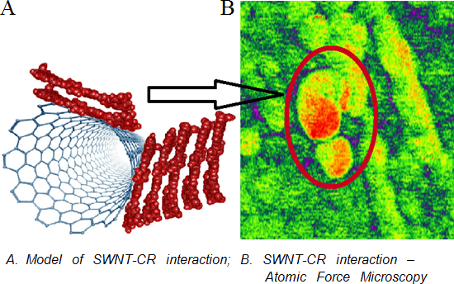
- ]. Functionalization also allows for the attachment of biologically active molecules – e.g., drugs, nucleic acids, antibodies or ligands for cell-surface receptors. This is especially important for targeted drug delivery systems based on CNT [13][15][18][19][20][21]. Noncovalent functionalization of CNTs is usually
- nanotubes (SWNTs) are currently intensely studied as promising drug delivery systems for cancer therapies due to such their properties as: the ability to penetrate cell membrane [16][17], high drug capacity [8][9], selective retention in the tumour [21], reduced toxic effects of the drug [5][20]. The major
- therapy. The aim of our studies is to explain whether CR-functionalized SWNTs could be used as drug delivery systems. Molecular dynamics study of SWNT–CR interactions has already been published [39]. These authors studied several combinations of parameters in order to assess how the SWNT diameter and CR


Nanoscale isoindigo-carriers: self-assembly and tunable properties
Beilstein J. Nanotechnol. 2017, 8, 313–324, doi:10.3762/bjnano.8.34
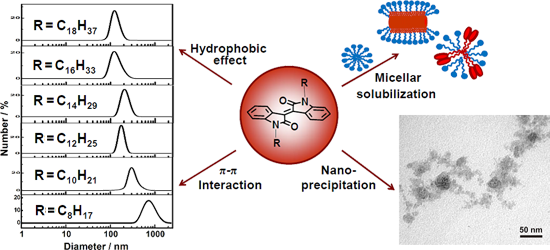
- micellar structures of different types in micellar anionic surfactant solutions (sodium dodecyl sulfate) was determined. These findings are of practical importance and are of potential interest for the design of drug delivery systems and new nanomaterials. Keywords: drug delivery systems; dyes; isoindigo
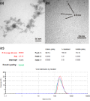
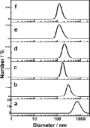
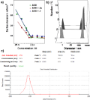
- types of mixed surfactant–isoindigo derivative assemblies. The data obtained are expected to contribute to the development of nanodevices with interesting optical properties and pharmacological applications as drug delivery systems. Experimental Materials 1-Phenylazo-2-naphthol (Sudan I, Acros Organics




Chitosan-based nanoparticles for improved anticancer efficacy and bioavailability of mifepristone
Beilstein J. Nanotechnol. 2016, 7, 1861–1870, doi:10.3762/bjnano.7.178
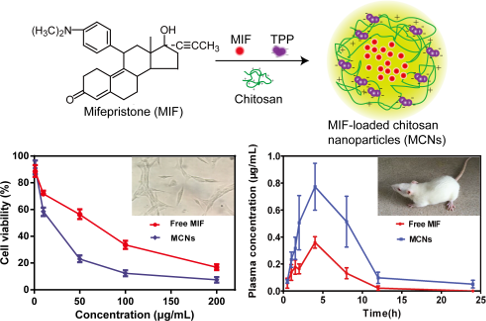
- gelation technique (Figure 1). This technique has been widely used to prepare CNs as drug delivery systems for a variety of drugs, including either hydrophobic drugs or hydrophilic protein drugs [22][24]. Because of the strong hydrophobicity of MIF, it is hard to load MIF into blank CNs after the ionic


Influence of hydrothermal synthesis parameters on the properties of hydroxyapatite nanoparticles
Beilstein J. Nanotechnol. 2016, 7, 1586–1601, doi:10.3762/bjnano.7.153
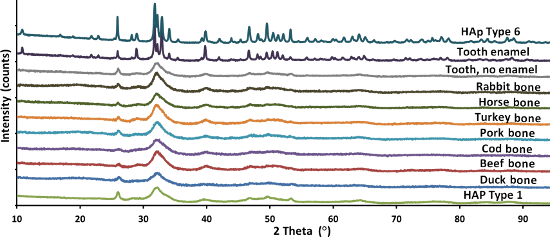
- and investors. Hydroxyapatite is characterized by its biocompatibility and osteoconductivity. The material has been commonly and successfully used in regenerative medicine and in drug delivery systems [3][4]. Nanostructured hydroxyapatite particles can be applied as building blocks for damaged enamel


Tight junction between endothelial cells: the interaction between nanoparticles and blood vessels
Beilstein J. Nanotechnol. 2016, 7, 675–684, doi:10.3762/bjnano.7.60
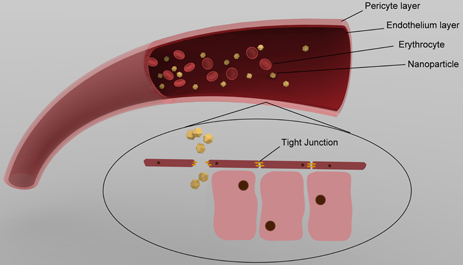
- easily find them in, e.g., cosmetics [1], food additives [2], industrial process [3] and, especially, in medical therapy [4] and diagnostics [5]. In light of medical therapy, NPs have shown their extraordinary potential in cancer chemotherapeutics [6] and drug delivery systems [7], which successfully

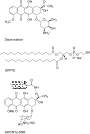
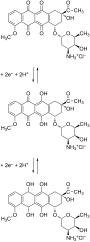
Comparison of the interactions of daunorubicin in a free form and attached to single-walled carbon nanotubes with model lipid membranes
Beilstein J. Nanotechnol. 2016, 7, 524–532, doi:10.3762/bjnano.7.46
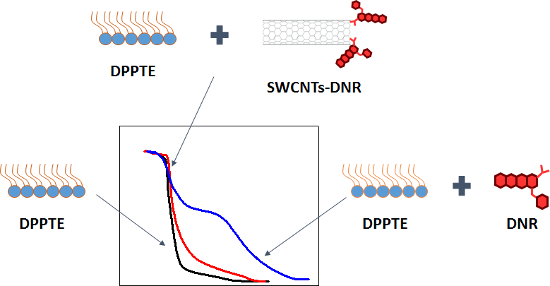
- -induced heart failure, which is mainly associated with the process of the reactive oxygen species formation as well as the formation of hydroxyl radicals by free iron cations in the Fenton reaction [4]. Therefore, numerous studies focus on the application of different drug delivery systems (DDS) to
- transport daunorubicin to cancer cells [5]. Drug delivery systems are aimed at providing enhanced transport of therapeutic agents directly to the targeted organs and tissues, which enables the elimination or significant decrease in the side effects of a drug. One of the most common type of drug nanocarriers
- -stranded DNA or RNA sequences showing high specificity and affinity to their targets, which were employed as molecular targeting agents for targeted drug transport. Carbon nanotubes (CNTs) are among the promising drug delivery systems. They attract scientists’ attention due to their properties such as




Surface coating affects behavior of metallic nanoparticles in a biological environment
Beilstein J. Nanotechnol. 2016, 7, 246–262, doi:10.3762/bjnano.7.23
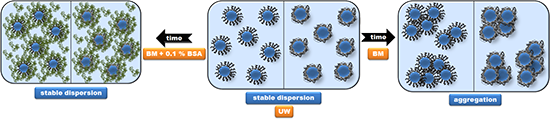
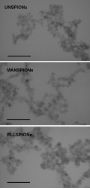
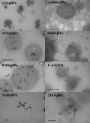
- delivery systems [4]. The biomedical applications of AgNPs and SPIONs imply uptake into the body, which consequently leads to interactions with protein-containing biological fluids [5][6]. Therefore, it is of increasing interest to systematically collect detailed information on their physicochemical
- great interest for application in a variety of other commercial products, such as mobile phones, textiles, food storage containers, refrigerators, and cosmetics [1][2]. SPIONs are exploited in numerous in vitro and in vivo biomedical applications, but the most important is their use in imaging and drug




pH-Triggered release from surface-modified poly(lactic-co-glycolic acid) nanoparticles
Beilstein J. Nanotechnol. 2015, 6, 2504–2512, doi:10.3762/bjnano.6.260
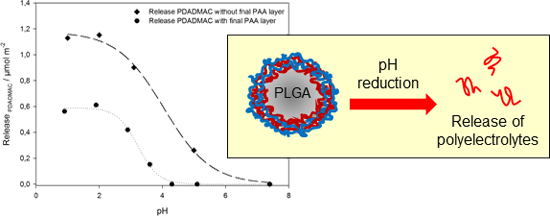
- use of nanoparticles as drug delivery systems has been intensively investigated and important progress has been made within the past decades, establishing reliable methods for particle preparation and characterization. Formation of nanostructures based on different materials, such as metals [1
- ], mineral compounds [2], proteins [3], and a large variety of polymers [4] is widely used in numerous scientific fields. The assembly of biocompatible nanoparticle preparation deserves special attention, if the aim is to apply these nanoparticles as drug delivery systems in vivo. A commonly used polymer


Silica-coated upconversion lanthanide nanoparticles: The effect of crystal design on morphology, structure and optical properties
Beilstein J. Nanotechnol. 2015, 6, 2290–2299, doi:10.3762/bjnano.6.235
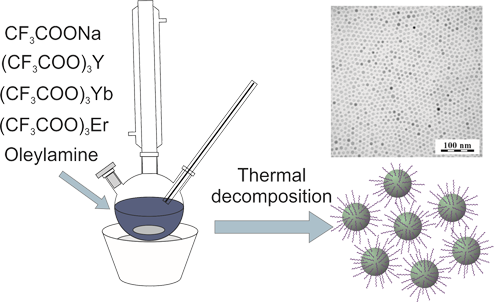
- widespread applications as drug delivery systems in the diagnosis and treatment of various diseases [1][2]. Recently, upconversion nanoparticles have shown promise as optical materials [3] and a number of reviews [4][5][6] have described their applications in drug and gene delivery [7], cell labeling and






Electroviscous effect on fluid drag in a microchannel with large zeta potential
Beilstein J. Nanotechnol. 2015, 6, 2207–2216, doi:10.3762/bjnano.6.226
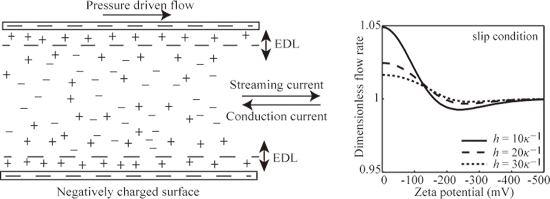
- -mechanical systems (MEMS/NEMS) have been realized and widely used. As a significant branch of MEMS/NEMS, micro/nanofluidic systems incorporating micro/nano pumps, valves, mixers, and channels have wide applications, such as micro heat exchangers, drug delivery systems, and lab-on-a-chip bioanalysis [1][2