Search results
Search for "immobilization" in Full Text gives 127 result(s) in Beilstein Journal of Nanotechnology.
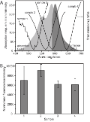
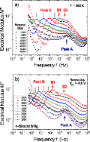
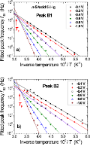
Entropy effects in the collective dynamic behavior of alkyl monolayers tethered to Si(111)
Beilstein J. Nanotechnol. 2015, 6, 583–594, doi:10.3762/bjnano.6.60
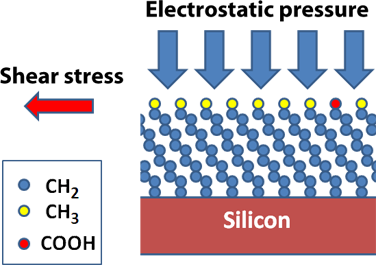
- analysis indicates better short-range order (along with weaker motional constraints) for gauche defects as compared with end-group dipoles. Experimental Covalent immobilization of mixed alkyl/acid OML Covalent OML grafting was performed on hydrogen-terminated Si(111):H surfaces using linear alkene




Silica micro/nanospheres for theranostics: from bimodal MRI and fluorescent imaging probes to cancer therapy
Beilstein J. Nanotechnol. 2015, 6, 546–558, doi:10.3762/bjnano.6.57
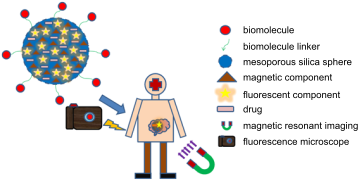
- /g, respectively, whereas that of ferrofluid magnetic NPs was found to be 65 emu/g. The immobilization of streptavidin on the silica surface was confirmed by protein assay study on biotinylated goat anti-human IgG. Also, Choi et al. [34] reported the synthesis of magnetic and fluorescent inorganic


Functionalization of α-synuclein fibrils
Beilstein J. Nanotechnol. 2015, 6, 124–133, doi:10.3762/bjnano.6.12
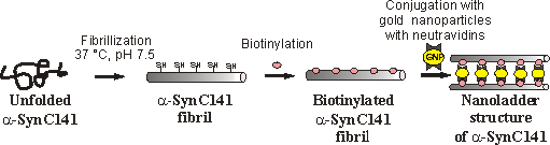
- devices [21][22]. Amyloids, including α-Syn, show stability against harsh physical, chemical, and biochemical conditions. Such extraordinary properties make them attractive nanomaterials for a variety of applications [23][24], including the development of a scaffold for enzyme immobilization [25][26], for
- extremely stable physical and chemical properties, amyloid fibrils can be successfully modified using a variety of modification agents. The fibrils of α-Syn and other proteins or peptides were successfully utilized as biotemplates for the enzyme immobilization [25][26] or for the production of nanowires [30
- immobilization was allowed to proceed for 5 to 20 min, at 23 °C at a relative humidity of about 45%. The density of fibrillar structures on mica was increased or decreased by the immobilization time or the dilution rate. After adsorption, the surfaces were rinsed with distilled water, dried and visualized using


Synthesis of boron nitride nanotubes and their applications
Beilstein J. Nanotechnol. 2015, 6, 84–102, doi:10.3762/bjnano.6.9
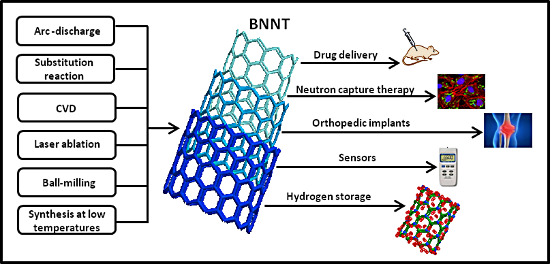
- -hydroxysuccinimide ester (PAHE) was used to obtain more efficient immobilization. Because the PAHE has aromatic pyrenyl groups in its structure, a strong π–π interaction between the BNNT surface and PAHE is expected. When PAHE was used, a denser ferritin immobilization was observed [13]. A computational




Mammalian cell growth on gold nanoparticle-decorated substrates is influenced by the nanoparticle coating
Beilstein J. Nanotechnol. 2014, 5, 2479–2488, doi:10.3762/bjnano.5.257
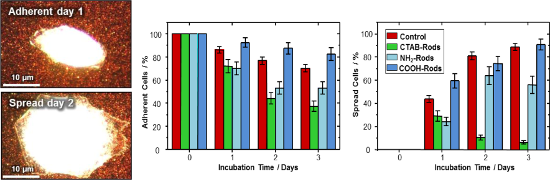
- reduction in adherence by 30% as compared to the untreated control results from the cell growth on the NH2–PEG nanorod-decorated substrate, whereas immobilization of COOH–PEG nanorods does not have an influence. Proliferation The increase in the spreading area of an adherent cell is interpreted as a sign of
- uptake of basolaterally applied particles, since MDCK II cells exhibit caveolae on the basolateral side [17]. However, the immobilization of the particles on the substrate could not be overcome by the cell (see discussion above). Hence, we conclude that there is no significant basolateral nanoparticle


Inorganic Janus particles for biomedical applications
Beilstein J. Nanotechnol. 2014, 5, 2346–2362, doi:10.3762/bjnano.5.244
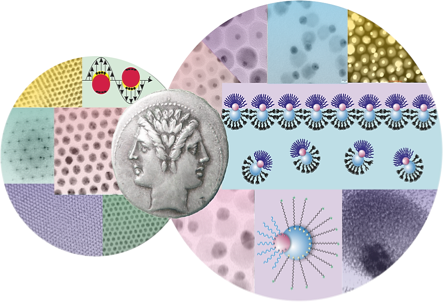
- huge research effort was put onto the design of Janus structures starting with the first Janus particles in the early 1980s by Veyssié and co-workers [23]. Their approach to “Janus pearls” was the deposition and immobilization of particles to a surface and subsequent functionalization of the exposed
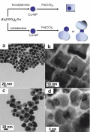
- dots starting with a CdSe core. Adapted with permission from [13]. Copyright 2005 American Chemical Society. Summary of synthetic routes towards organic Janus particles. (a) Directed functionalization after immobilization, (b) ellipsoidal complex core coacervate micelle with an inter-polyelectrolyte






Liquid-phase exfoliated graphene: functionalization, characterization, and applications
Beilstein J. Nanotechnol. 2014, 5, 2328–2338, doi:10.3762/bjnano.5.242
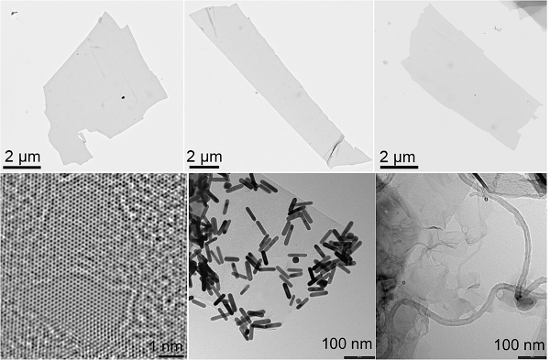
- the interplay of electrostatic forces and π-electron clouds on graphene. The proximity of the Ru4POM to the graphene surface in the arylation reaction leads to a tight immobilization. Imaging on graphene Finally, the optical properties of graphene for the high contrast imaging of the two previously




Sequence-dependent electrical response of ssDNA-decorated carbon nanotube, field-effect transistors to dopamine
Beilstein J. Nanotechnol. 2014, 5, 2113–2121, doi:10.3762/bjnano.5.220
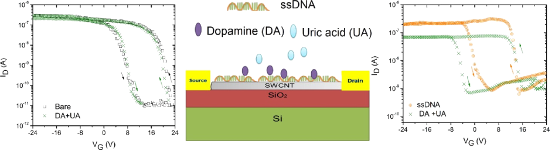
- surface. The presence of multiple bases allows the design of sequences to achieve affinity to different biological/chemical molecules [13]. Thus, ssDNA decoration on SWCNTs achieves the two-fold goal of surface functionalization and receptor immobilization as it renders the CNT surface responsive and acts
- , respectively. ssDNA immobilization SWCNTs from a single CVD growth run were used to avoid device variability. Eight ssDNA sequences (G22, A22, C22, T22, (GT)22, (GA)22, (AC)22, and (CT)22) of the same sequence length, dopamine 3-hydroxytyramine, and uric acid were purchased from Sigma-Aldrich, Singapore
- ssDNA immobilization, a 5 µL drop of 10 µM ssDNA was pipetted onto the devices and incubated in a 100% humid environment for about 1 h, and then the drop was removed by blowing nitrogen gas. Thereafter, 5 µL of 1 µM of either DA, or UA, or DA–UA solution mixture (1:1), was pipetted onto the devices


Effect of channel length on the electrical response of carbon nanotube field-effect transistors to deoxyribonucleic acid hybridization
Beilstein J. Nanotechnol. 2014, 5, 2081–2091, doi:10.3762/bjnano.5.217
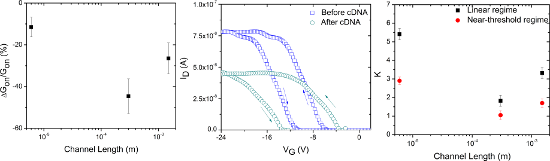
- -functionalized SWCNT-based FETs showed a 5–10% reduction in ID in the on state and a negative shift in the Vfth by about −3 V after probe DNA immobilization. This is perceived to be the result of electron doping by negatively charged probe DNA. After addition of EA and Tween 20, a slight reduction in the on


Electrostatic interplay: The interaction triangle of polyamines, silicic acid, and phosphate studied through turbidity measurements, silicomolybdic acid test, and 29Si NMR spectroscopy
Beilstein J. Nanotechnol. 2014, 5, 2026–2035, doi:10.3762/bjnano.5.211
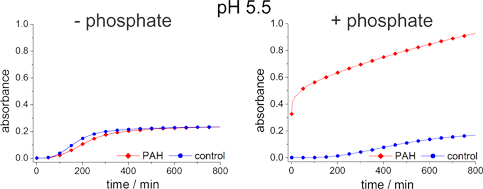
- are broadened due to an increasing degree of immobilization. That means the condensation reaction is more advanced in the acidic solution whereas the basic solution mainly consists of Q0 and Q1 species. It should be noted that these two species are rapidly interconverting. The sum of Q0 and Q1
- oligomers/silica nanoparticles below the pKa of PAH. The resulting immobilization of higher silicic acid oligomers could indeed be observed by 29Si NMR spectroscopy previously [23]. The soluble silica (mono- and disilicic acid) is almost completely polycondensed into insoluble species (higher silica


Magnesium batteries: Current state of the art, issues and future perspectives
Beilstein J. Nanotechnol. 2014, 5, 1291–1311, doi:10.3762/bjnano.5.143
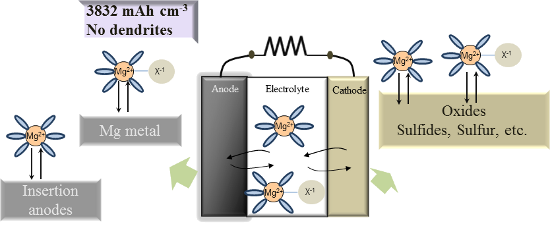
- conduction at values in the order of 10−3 mS cm−1 occurred only at temperatures exceeding 500 °C. A review of the developments related to both strategies, with focus on those that demonstrated viable electrolytes is presented below. 2.2.1 Organic solid/semi solid electrolytes: The immobilization of magnesium


Controlling mechanical properties of bio-inspired hydrogels by modulating nano-scale, inter-polymeric junctions
Beilstein J. Nanotechnol. 2014, 5, 887–894, doi:10.3762/bjnano.5.101
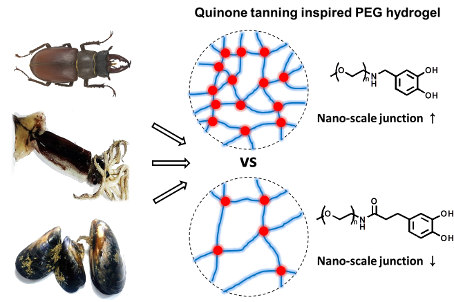
- -immobilization [15], facilitating cell adhesion [16], attenuating in vivo toxicity [17], initiating bio-mineralization [18], graphene nano-composites [19], and bio-inspired adhesives [20][21]. In addition to the interface science and engineering, methods to prepare bulk materials such as poly(ethylene glycol



One pot synthesis of silver nanoparticles using a cyclodextrin containing polymer as reductant and stabilizer
Beilstein J. Nanotechnol. 2014, 5, 380–385, doi:10.3762/bjnano.5.44
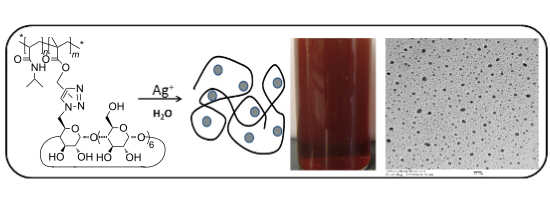
- immobilization of polymer 1 on the metal nanoparticle 2 surface due to coordination of silver with the nitrogen atoms of the NIPAM residue respectively hydroxy group of the CD function in 1 [25]. This adsorption suppresses the volume phase transition at higher temperatures [15]. Furthermore the thermoresponsive


A catechol biosensor based on electrospun carbon nanofibers
Beilstein J. Nanotechnol. 2014, 5, 346–354, doi:10.3762/bjnano.5.39
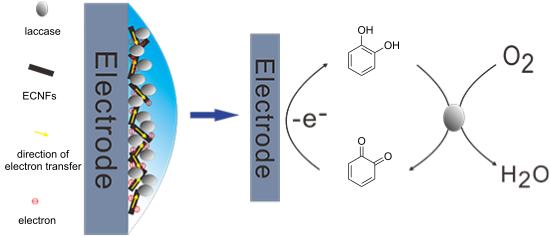
- and ECNFs and showed that the immobilization process had little influence on the activity of laccase. Direct electrochemistry and electrocatalysis of the laccase–Nafion–ECNFs/GCE Figure 4 presents the cyclic voltammograms of the laccase–Nafion–ECNFs/GCE in acetate buffer (pH 4.0) with scan rates from
- immobilized laccase To investigate the effect of the immobilization process on the laccase activity we, respectively, studied the free and immobilized laccase activity according to the reported method [43]. The activity of laccase was determined by the UV spectrophotometer at 420 nm using ABTS as the


Constant-distance mode SECM as a tool to visualize local electrocatalytic activity of oxygen reduction catalysts
Beilstein J. Nanotechnol. 2014, 5, 141–151, doi:10.3762/bjnano.5.14
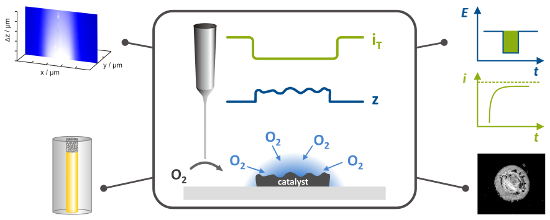
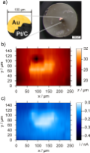
- ). Furthermore, recessed microelectrodes fabricated by etching inlayed Au disk microelectrodes are demonstrated as a flexible platform for immobilization of catalyst powders for cd-mode SECM experiments. The microcavities (also referred to as micropores) have already demonstrated their applicability for integral
- overcome these drawbacks, an alternative sample preparation protocol based on the utilization of recessed microelectrodes as flexible platform for catalyst immobilization was applied for cd-mode SECM imaging. Microcavities as flexible platform for sample preparation in constant-distance mode SECM The
- recessed electrodes have already been reported [33][34] and a further miniaturization of the modified surface area is therefore possible. Furthermore, immobilization of the catalyst powder within the cavity of the recessed microelectrode allows for avoiding any binder additive such as, e.g., Nafion that is




Evolution of microstructure and related optical properties of ZnO grown by atomic layer deposition
Beilstein J. Nanotechnol. 2013, 4, 690–698, doi:10.3762/bjnano.4.78
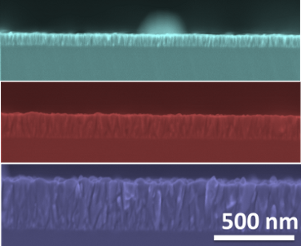
- films and improves the immobilization of selected kinds of bio-molecules, thus increasing the suitability for biosensor applications. Experimental Synthesis of ZnO thin films by ALD Diethyl zinc (DEZ) (Zn(CH2CH3)2, 95% purity, CAS: 557-20-0) purchased from Sterm Chemical, a p-type silicon(100) wafer


Selective surface modification of lithographic silicon oxide nanostructures by organofunctional silanes
Beilstein J. Nanotechnol. 2013, 4, 218–226, doi:10.3762/bjnano.4.22
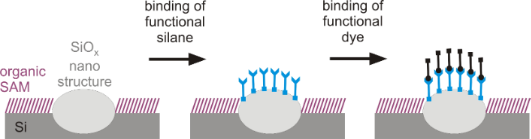
- addition to the silane tail group. This functional head group can react with other molecules resulting in an immobilization of the desired material on the structure with the silane molecule as linker. The binding of diverse silanes to silicon oxide surfaces has been the subject of several investigations


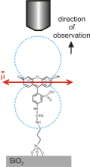
![[Graphic 2]](/bjnano/content/inline/2190-4286-4-22-i2.png?max-width=637&scale=1.18182) (red arrow) of FITC bound to a SiO2 surface.
(red arrow) of FITC bound to a SiO2 surface.
Controlled deposition and combing of DNA across lithographically defined patterns on silicon
Beilstein J. Nanotechnol. 2013, 4, 72–76, doi:10.3762/bjnano.4.8
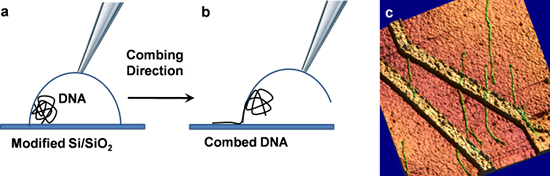
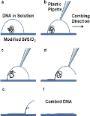
- well. Stretching of DNA across nano-electrodes has been previously achieved by methods such as electric field immobilization [19][20]; yet no report has been published on the immobilization of DNA on electrodes by molecular combing. We also successfully applied this combing technique to achieve


Paper modified with ZnO nanorods – antimicrobial studies
Beilstein J. Nanotechnol. 2012, 3, 684–691, doi:10.3762/bjnano.3.78
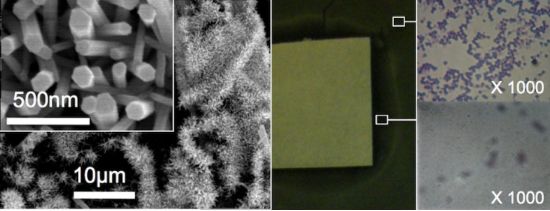
- of organic dyes using similar paper embedded with ZnO nanorods [21]. In this work we report the antimicrobial activities of paper functionalized by in situ growth of ZnO nanorods through a hydrothermal process. Results and Discussion Studies on the photocatalytic immobilization of E. coli and S
- environment leading to the rupture of the bacterial cell wall [23]. S. aureus, being a Gram-positive bacterium, has a thicker cell wall [24], and consequently its immobilization by using the ZnO-coated antimicrobial paper is comparatively lower than that of E. coli. The highest antimicrobial activity was
- demonstrating the immobilization properties of ZnO-nanorod-loaded paper samples. In Figure 4a the activity obtained was on a plain paper sample, albeit under the condition that 100 µL of the suspension of the microbial cells was spread on nutrient agar and the square paper samples. We did not observe a marked


The oriented and patterned growth of fluorescent metal–organic frameworks onto functionalized surfaces
Beilstein J. Nanotechnol. 2012, 3, 570–578, doi:10.3762/bjnano.3.66
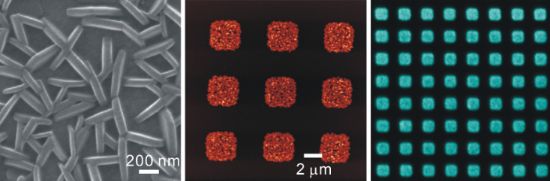
- )] MOF. Conclusion Fluorescent, porous materials, the photoluminescent properties of which are sensitive to certain molecular guests, are promising sensor materials. Nevertheless, their application typically requires some kind of directed immobilization, either regarding their crystallographic





FTIR nanobiosensors for Escherichia coli detection
Beilstein J. Nanotechnol. 2012, 3, 485–492, doi:10.3762/bjnano.3.55
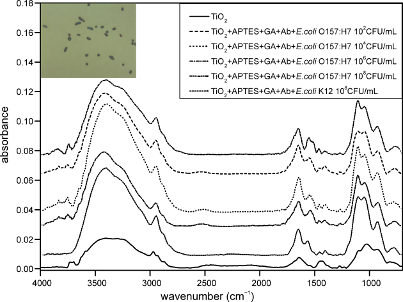
- dried in air. The following functionalization of TiO2–APTES films with GA was obtained by immersing the films in GA 50% (v/v) in water for 24 h, washing with water and EtOH and drying at room temperature. Different experiments were realized, providing the immobilization of antibodies directly on titania
- by using a silicon substrate. Atomic force microscopy (AFM) measurements were taken on titania films with an Asylum Research 3-D AFM in contact mode. An olympus BX-51 optical microscope with a 100× objective was used to collect microscopic images of films after pathogen immobilization. Results and
- reproducibility, and can interact with biological molecules due to the formation of coordinated linkages between titania films, organic crosslinkers and amino or carboxyl groups of the antibodies or bacteria. In the present work the immobilization of bacteria was studied directly on titania films, on titania


Macromolecular shape and interactions in layer-by-layer assemblies within cylindrical nanopores
Beilstein J. Nanotechnol. 2012, 3, 475–484, doi:10.3762/bjnano.3.54
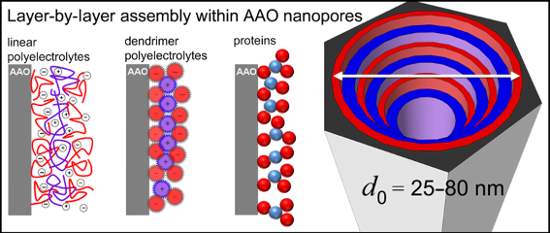
- solution by immobilization onto a glass slide and sealed by using epoxy adhesive. The pore diameter of the resulting AAO membranes was widened to the desired diameter by etching in H3PO4 (5 vol %). Au evaporation Au and Cr were evaporated on a Bal-Tec MCS610 evaporator equipped with a Bal-Tec QSG100 quartz




Ceria/silicon carbide core–shell materials prepared by miniemulsion technique
Beilstein J. Nanotechnol. 2011, 2, 638–644, doi:10.3762/bjnano.2.67
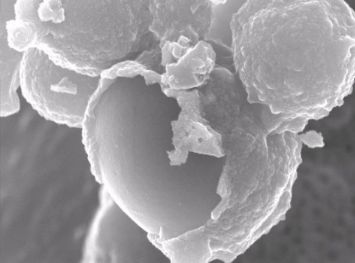
- /CeO2 has a smaller amount of active material (1.5 wt % Ce) than SiC/CeO2 (4 wt %), it shows a higher activity, which can be explained by the more efficient immobilization of the cerium nitrate on the acrylic acid modified surface of the PCS spheres during functionalization. The specific surface area of


Distinction of nucleobases – a tip-enhanced Raman approach
Beilstein J. Nanotechnol. 2011, 2, 628–637, doi:10.3762/bjnano.2.66
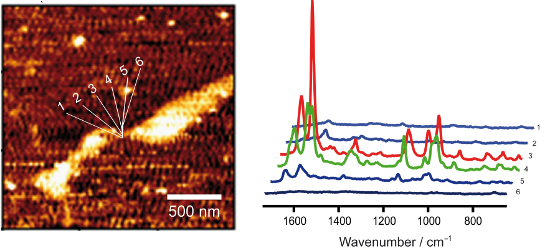
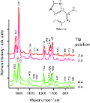
- positioned at thermodynamically “unfavoured” sites, giving rise to a slightly different appearance of the spectra, in particular when chemical interactions between the tip and the SERS/TERS probe take place. Assuming an optimal immobilization, the phosphate backbone is fixed to the substrate and the bases
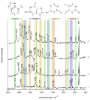
- immobilization of the homopolymer on the gold surface through the phosphate backbone. This finding, however, somewhat contradicts the idea of a flat orientation of the ring with respect to the gold substrate, and no explanation can be given at the moment. An assignment of the measured spectra is provided in
- can be related to specific nucleobase patterns underneath the tip. Among the 26 collected spectra, five show nucleobase ring breathing modes and no contributions from phosphate or ribose, indicating an immobilization of the DNA strand on the mica substrate through the phosphate backbone. The adenine



Towards multiple readout application of plasmonic arrays
Beilstein J. Nanotechnol. 2011, 2, 501–508, doi:10.3762/bjnano.2.54
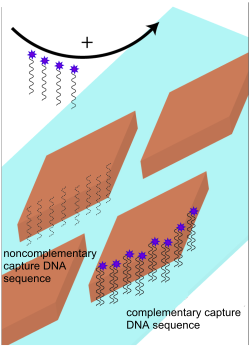
- patterned gold surfaces were produced. The gold surfaces were characterized by means of SEM and optical far-field transmission measurements (Lambda-950 Perkin Elmer). Sample preparation (DNA immobilization). The regularly patterned gold nanorhomb arrays were treated with oxygen plasma under gentle
- saline (PBS). To deposit small volumes (here: 4 nL) of the capture DNA solution, a Nano-Plotter NP 2.0 (GeSiM mbH, Großerkmannsdorf, Germany) was used. After the drops dried up, the complete immobilization of the capture DNA strand was ensured by an UV linking process [37] (5 min at 254 nm). Finally, the