Search results
Search for "morphology" in Full Text gives 1296 result(s) in Beilstein Journal of Nanotechnology. Showing first 200.
Efficiency of single-pulse laser fragmentation of organic nutraceutical dispersions in a circular jet flow-through reactor
Beilstein J. Nanotechnol. 2025, 16, 711–727, doi:10.3762/bjnano.16.55
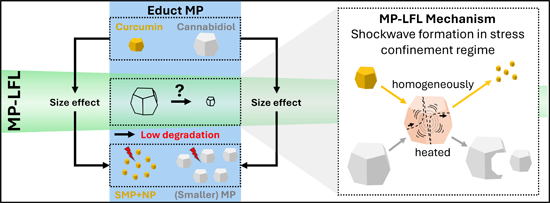
- influencing the particle size or morphology [9], working at comparably low laser fluences (PUDEL < LML < LAL ≤ LFL). Recently, the pulsed laser extraction of organic matter in liquid (LEL), in the mild fluence regime of PUDEL, has been demonstrated to be much faster and more efficient than state-of-the-art


Nanostructured materials characterized by scanning photoelectron spectromicroscopy
Beilstein J. Nanotechnol. 2025, 16, 700–710, doi:10.3762/bjnano.16.54
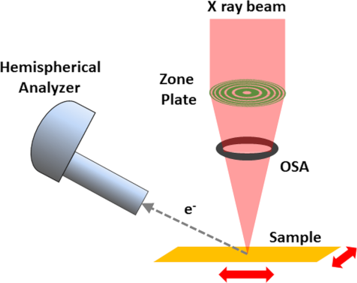
- beamline at Elettra is capable of in situ and operando analysis regardless of sample morphology. The review presents three different case studies illustrating the capabilities of SPEM in the investigation of catalytic materials in different conditions and processes. Keywords: nanostructured materials
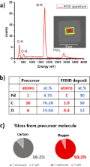
- providing fine chemical and electronic analysis of samples regardless of their morphology, which often limits the capabilities of other microscopy techniques [11]. This work reports three examples of SPEM experiments focused on the characterization of nanostructured materials. Measurements were performed at
- Ni3+ to reach charge neutrality. Additionally, NiO exhibits a wide bandgap, which also prompts considerable research interest. The properties of NiO are highly dependent on the synthesis method, owing to the variable dimensionality, morphology, crystalline orientation, and defect structure [44


High-temperature epitaxial growth of tantalum nitride thin films on MgO: structural evolution and potential for SQUID applications
Beilstein J. Nanotechnol. 2025, 16, 690–699, doi:10.3762/bjnano.16.53
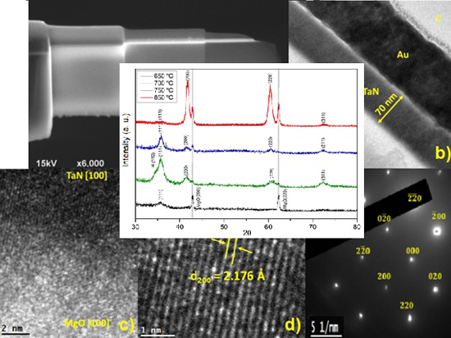
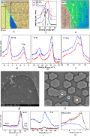
- , atomic force microscopy, and transmission electron microscopy analyses revealed that the TaN films exhibit excellent crystallinity and smooth surface morphology, when deposited at optimal temperatures of 750 and 850 °C. The films exhibit superconducting transition temperatures (Tc) ranging from 5.0 to
- . Atomic force microscopy (AFM, XE-70 Park Systems) in contact mode was used to study the surface morphology of the films. The synthesis protocol used in this study was modified from the work reported by Quintanar-Zamora et al. [15] by varying the substrate temperature and the nitrogen pressure. Results
- potential of thin TaN films for integration into advanced superconducting applications. AFM analysis confirmed the smooth surface morphology of the films, suggesting that the deposition parameters significantly influence both the structural and superconducting properties of the TaN thin films, but not the


The impact of tris(pentafluorophenyl)borane hole transport layer doping on interfacial charge extraction and recombination
Beilstein J. Nanotechnol. 2025, 16, 678–689, doi:10.3762/bjnano.16.52
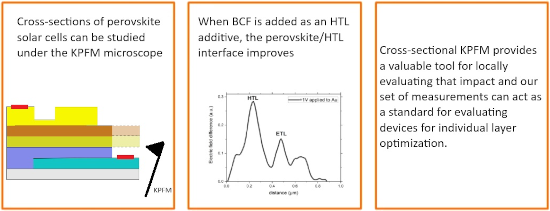
- ], thus leading to an improved morphology and uniformity of the resulting layer. However, its unfavorable long-term impact on stability indicates that new doping strategies might be required in the future [35][36]. For this, there have been efforts for finding cheap hydrophobic acidic substances with good


Colloidal few layered graphene–tannic acid preserves the biocompatibility of periodontal ligament cells
Beilstein J. Nanotechnol. 2025, 16, 664–677, doi:10.3762/bjnano.16.51
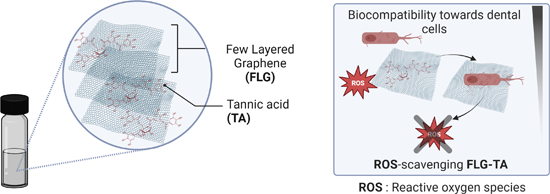
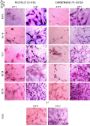
- with FLG–TA concentrations ranging from 1 to 200 µg·mL−1. Cellular morphology was examined using scanning electron microscopy (SEM, Figure 5), with untreated cells as controls. The occupancy index (OI) of FLG–TA in cell populations and the lateral dimensions of FLG–TA particles on cell membranes were
- the percentage reduction in ROS levels compared to the control group. Cell morphology To assess potential changes in cell morphology induced by FLG–TA, scanning electron microscopy (SEM) was performed on treated and untreated cells after 24 and 48 h of direct contact. Cells were cultured on 12 mm




Aprepitant-loaded solid lipid nanoparticles: a novel approach to enhance oral bioavailability
Beilstein J. Nanotechnol. 2025, 16, 652–663, doi:10.3762/bjnano.16.50
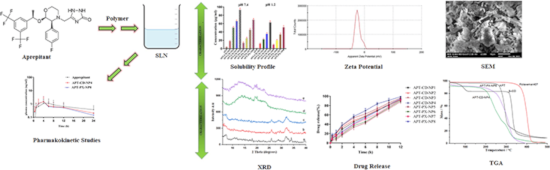
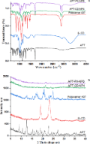
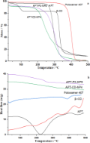
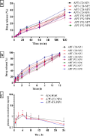
- were 121.1 nm, −18.8 mV, and 96.75%, respectively. SEM analysis confirmed the smooth surface morphology of SLN formulations. FTIR, DSC, SEM, and XRD suggested that there was no physical interaction between APT and the polymers. Moreover, β-CD-based formulation showed better in vitro release behavior



A formulation containing Cymbopogon flexuosus essential oil: improvement of biochemical parameters and oxidative stress in diabetic rats
Beilstein J. Nanotechnol. 2025, 16, 617–636, doi:10.3762/bjnano.16.48
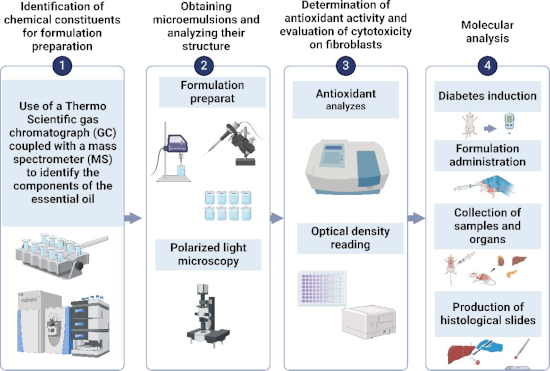
- University of Sergipe, São Cristóvão 49100-000, Sergipe, Brazil Department of Biology, Federal University of Sergipe, São Cristóvão 49100-000, Sergipe, Brazil Department of Physiology, Federal University of Sergipe, São Cristóvão 49100-000, Sergipe, Brazil Department of Morphology, Federal University of




Polyurethane/silk fibroin-based electrospun membranes for wound healing and skin substitute applications
Beilstein J. Nanotechnol. 2025, 16, 591–612, doi:10.3762/bjnano.16.46
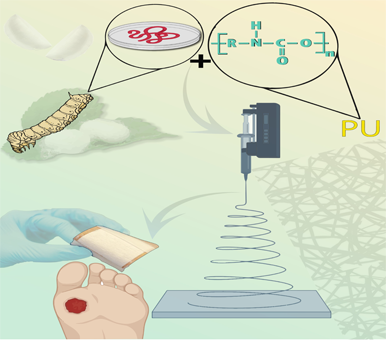
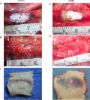
- versatile and provides the best control over fiber morphology and structure [10]. Electrospinning is a straightforward and adaptable technique that can be used to directly spin polymeric solutions into nanofibers that are at least 100 times thinner than fibers created using more conventional techniques [11
- through a capillary, and a high voltage is applied to charge the solution’s particles, which produces an attractive force [54]. When the solution’s surface tension is overcome at a critical voltage, a jet shoots out of the capillary’s tip toward a grounded collector (Figure 2A) [55]. The morphology of
- were comparable to those made of sericin in their ability to promote cell attachment, physiological morphology, and growth. These findings support the idea that fibroin extracted with sericin is a suitable matrix for cell and tissue growth [98]. Silk implants with slower degradation rates or those



Feasibility analysis of carbon nanofiber synthesis and morphology control using a LPG premixed flame
Beilstein J. Nanotechnol. 2025, 16, 581–590, doi:10.3762/bjnano.16.45
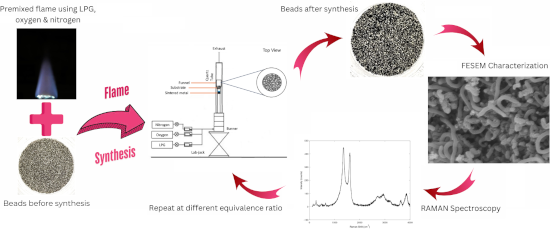
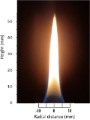
- varying equivalence ratios. The effects of flame equivalence ratio on the CNF morphology and crystallinity are then analyzed systematically. In the present study, a diffusion flame was used to check the stability of the flame at different flow rates, followed by establishing a premixed flat flame of LPG
- configurations, fuel types, and catalytic materials can be employed to produce desired growth and morphology. Flames potentially enable the synthesis of carbon nanomaterials in large quantities at significantly lower cost than that of other methods currently available [8]. In some applications, CNFs can be of
- deposition with nickel as the catalyst and hydrogen as the plasma source. SEM and TEM characterization showed vertically aligned CNFs. This method highlights the impact of plasma conditions and gas ratios on CNF morphology and alignment [12]. An experiment by Li et al. showed CNT growth at decomposition



Functionalized gold nanoflowers on carbon screen-printed electrodes: an electrochemical platform for biosensing hemagglutinin protein of influenza A H1N1 virus
Beilstein J. Nanotechnol. 2025, 16, 540–550, doi:10.3762/bjnano.16.42
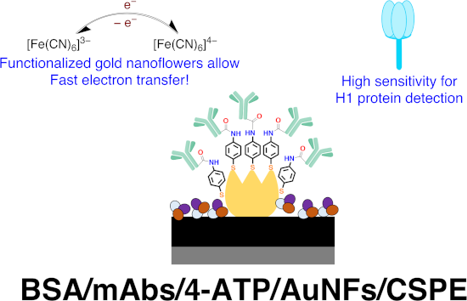
- transducer system of our biosensor is based on low-cost carbon screen printed electrodes (CSPEs) modified with functionalized gold nanoflowers (AuNFs). The complex morphology and surface functionalization of the nanoparticles with 4-aminothiophenol (4-ATP) significantly increased the surface area and the
- observed when comparing the surface of the commercial CSPE (Figure 2A) to that of the AuNFs/CSPE (Figure 2B). The gold nanoparticles are evenly distributed across the surface of the electrode (Figure 2C). The deposited nanoparticles show a flower-like morphology with an average size of 139 nm and a
- standard deviation of 44 nm, which suggests size polydispersity (Figure 2D). The flower-like morphology of the nanostructures provides small Au domains across the electrode surface. The shape of these domains confers them with larger surface area than other types of nanostructures with plain geometric


Electron beam-based direct writing of nanostructures using a palladium β-ketoesterate complex
Beilstein J. Nanotechnol. 2025, 16, 530–539, doi:10.3762/bjnano.16.41
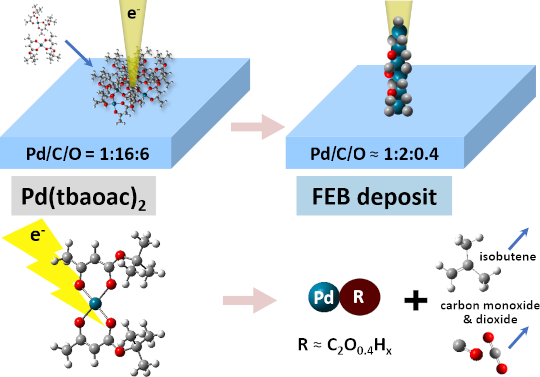
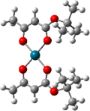
- effective dwell time with a 600 nm FWHM of the electron beam), and 2000 cycles. For deposit morphology observation, a high-resolution Hitachi S4800 FESEM was used. The chemical composition of the deposits was confirmed through energy-dispersive X-ray spectroscopy (EDX) using a silicon drift detector from
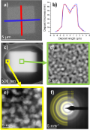
- 0.35 nA. The operating pressure was 1.5 × 10⁻⁵ mbar. Results and Discussion The square deposit, fabricated on the native-oxide Si(100) substrate using a spiral inward scanning strategy, was analyzed to assess its morphology and structure. Secondary electron detection in SEM imaging reveals the


Zeolite materials with Ni and Co: synthesis and catalytic potential in the selective hydrogenation of citral
Beilstein J. Nanotechnol. 2025, 16, 520–529, doi:10.3762/bjnano.16.40
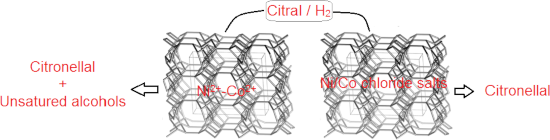
- -type zeolites through their main diffraction peaks indicated on the ZSA graph. Other minor phases such as quartz are also present. The SEM image shows a variety of crisscross crystals, which have the morphology expected for the zeolite types evidenced by XRD [16][17]. Very elongated crystals with
- acicular to fibrous characteristics, associated with mordenite, can be observed. Additionally, clinoptilolite–heulandite crystals with slats and tabular morphology are present. The amounts of clinoptilolite–heulandite and mordenite crystals displayed in the SEM image correspond to the intensity order of
- Andrés deposit. Some HEU crystals are indicated by a, b, and c, where a and b exhibit tabular characteristics while c has slat morphology. Mordenite crystals, marked by d, e, and f, show acicular to fibrous shapes. Elemental composition determined by X-ray fluorescence of the materials obtained by IE and


N2+-implantation-induced tailoring of structural, morphological, optical, and electrical characteristics of sputtered molybdenum thin films
Beilstein J. Nanotechnol. 2025, 16, 495–509, doi:10.3762/bjnano.16.38
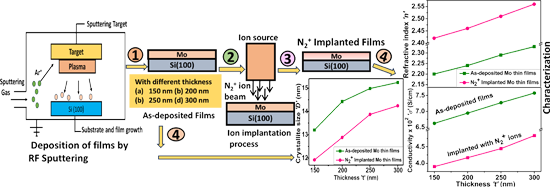
- implanted with 1 × 10¹⁷ N2+·cm−2 at 30 keV using a current density of 4 µA·cm−2. Surface morphology and structural, optical, and electrical properties of the as-deposited and implanted Mo thin films have been systematically investigated. The crystallinity of Mo thin films is enhanced with increasing
- material characteristics. Ion implantation is one of the most attractive techniques because it introduces considerable changes in the surface morphology and composition of the films [13][14]. The uses of implanted Mo thin films cover a broad range of applications including microelectronics and
- range of applications [23][24][25][26][27][28]. Kim et al. [23] examined the impact of a 3 × 10¹⁷ N2+·cm−2 ion fluence on the structural characteristics, surface morphology, and thermal stability of Mo thin films. The internal stress of these films transitioned from strongly compressive to weakly


Performance optimization of a microwave-coupled plasma-based ultralow-energy ECR ion source for silicon nanostructuring
Beilstein J. Nanotechnol. 2025, 16, 484–494, doi:10.3762/bjnano.16.37

- software. Figure 5 presents the surface morphology of the Si surface after Ar-ion bombardment at different incidence angles. The arrow on the right-hand side indicates the direction of the ion beam concerning the surface normal. The irradiation of the silicon surface at an angle of 55° leads to no changes
- in surface morphology (Figure 5a). However, at an ion incidence angle of 58°, changes in surface morphology begin to appear, although no prominent ripple structure is observed (Figure 5b). In contrast, the bombardment of the Si surface for 1 h at an angle of 60° leads to the formation of a well
- no reaction between the inert Ar ions and the Si atoms, ensuring the absence of a chemical aspect of pattern formation. However, the native silicon oxide layer is partially sputtered. This is also a key factor in generating surface instabilities. The surface morphology largely varies due to different


Impact of adsorbate–substrate interaction on nanostructured thin films growth during low-pressure condensation
Beilstein J. Nanotechnol. 2025, 16, 473–483, doi:10.3762/bjnano.16.36

- increase in its coverage and the formation of a smaller number of adsorbate islands of larger size. At elevated adsorption rates, an increase in adsorbate–substrate interactions results in the transformation of the surface morphology and the formation of percolating adsorbate structures. Deposition onto
- multicomponent substrates leads to the formation of a stationary surface morphology with an elevated number of adsorbate islands of smaller size, compared to one-component substrates. This study provides a deep insight into the peculiarities of nanostructured thin films’ growth in low-pressure systems with
- ], sensors [5], and catalysts [6][7][8]. Nanostructured thin films grown via low-pressure deposition methods have garnered significant attention because of their diverse applications in electronics, optics, catalysis, and sensors [9]. The ability to precisely control properties such as morphology


Synthetic-polymer-assisted antisense oligonucleotide delivery: targeted approaches for precision disease treatment
Beilstein J. Nanotechnol. 2025, 16, 435–463, doi:10.3762/bjnano.16.34


Biomimetics and bioinspired surfaces: from nature to theory and applications
Beilstein J. Nanotechnol. 2025, 16, 418–421, doi:10.3762/bjnano.16.32

- Rhainer Guillermo Ferreira Thies H. Buscher Manuela Rebora Poramate Manoonpong Zhendong Dai Stanislav N. Gorb Lestes Lab, Federal University of Triângulo Mineiro, Uberaba, Minas Gerais, Brazil Department of Functional Morphology and Biomechanics, Kiel University, Am Botanischen Garten 1–9, 24098
- Mechanics and Control for Aerospace Structures, College of Mechanical and Electrical Engineering, Nanjing University of Aeronautics and Astronautics, Nanjing, China 10.3762/bjnano.16.32 Keywords: adhesives; bioengineering; biomimetics; drag reduction; functional morphology; insects; medical coatings

Size control of nanoparticles synthesized by pulsed laser ablation in liquids using donut-shaped beams
Beilstein J. Nanotechnol. 2025, 16, 407–417, doi:10.3762/bjnano.16.31
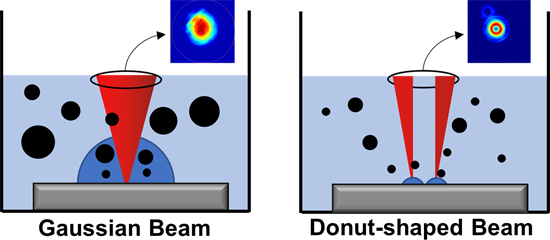
- plasma temperature and pressure distribution differ from the plasma in a Gaussian beam. These significant differences in pressure and temperature distribution can play a role in the formation of bubbles with different morphology and different expansion/collapsing rates. Recent simulations of plasma
- top-view setup was applied to observe the bubble morphology evolution on a transparent yttrium aluminum garnet (YAG) target. The YAG crystal has a low thermal conductivity and a high laser-ablation threshold, minimizing the influence of the ablation products on cavitation bubble dynamics and, thus
- the morphology and size of the NPs synthesized by PLAL, the colloidal samples were drop-cast on a silicon wafer and dried for microscopic analysis. All NPs were characterized using scanning electron microscopy (SEM, Quanta 400 FEG, FEI Company, USA and TESCAN MIRA3 LMH, Brno, Czech Republic). The


ReactorAFM/STM – dynamic reactions on surfaces at elevated temperature and atmospheric pressure
Beilstein J. Nanotechnol. 2025, 16, 397–406, doi:10.3762/bjnano.16.30
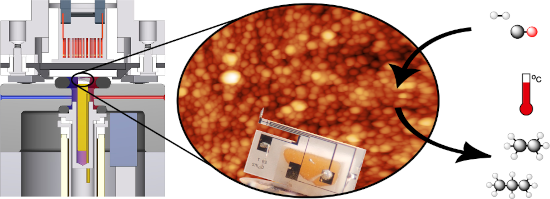
- AFM; model catalysts; nc-AFM; operando catalysis; qPlus tuning fork sensor; Introduction Operando catalysis is the field of research that monitors the structure, composition, and morphology of a catalyst while simultaneously investigating its activity, reactivity, and selectivity under industrially
- separate quadrupole mass spectrometer (QMS) at the exhaust of the reactor chamber is equipped with its own turbo pump allowing for a direct correlation between surface morphology and catalytic properties by measuring the gases that leave the reactor. AFM/STM reactor The main objective in the design of the


Engineered PEG–PCL nanoparticles enable sensitive and selective detection of sodium dodecyl sulfate: a qualitative and quantitative analysis
Beilstein J. Nanotechnol. 2025, 16, 385–396, doi:10.3762/bjnano.16.29
- . Polystyrene latex absorption coefficient and refractive index were used to measure synthesized nanoparticles, prefilled in the software with values of 0.01 and 1.59, respectively. All measurements were performed at 25 °C. The surface morphology of PEG–PCL nanoparticles was analyzed using scanning electron
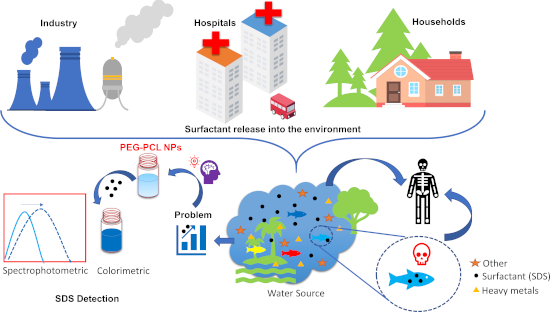
- delivery and biosensing. Further insights into the size and morphology of the PEG–PCL NPs were obtained through electron microscopy. Scanning electron microscopy was used to examine the surface structure and to conduct a quantitative size distribution analysis. The SEM images (Figure 2c) revealed that the
- PEG–PCL NPs have smooth and homogenous surfaces with small pore sizes. The nanoparticles demonstrated high uniformity and were predominantly quasi-spherical in shape, with an average size of 53.7 ± 10 nm. This quasi-spherical morphology is advantageous for many applications, as it provides a high


Development of a mucoadhesive drug delivery system and its interaction with gastric cells
Beilstein J. Nanotechnol. 2025, 16, 371–384, doi:10.3762/bjnano.16.28

- the drugs within the mucus microenvironment of the stomach and, thus, may lead to elevated local activity or absorption of the therapeutic agents from the mucosa. Results and Discussion Morphology of nanoparticles After the synthesis of alginate (Alg) and Eudragit-coated alginate (EudAlg
- nanoparticles Morphology of nanoparticles The morphological characterization of nanoparticles was done via scanning electron microscopy (SEM, Zeiss, GeminiSEM500) and scanning transmission electron microscopy (STEM, Ziess, GeminiSEM500). For SEM analysis, nanoparticles were air-dried on SEM stabs and coated


Pulsed laser in liquid grafting of gold nanoparticle–carbon support composites
Beilstein J. Nanotechnol. 2025, 16, 349–361, doi:10.3762/bjnano.16.26
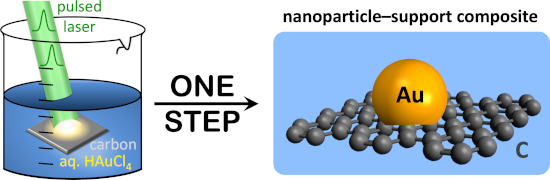
- scattering by the carbon fibers. The pulsed laser-grafted gold nanoparticles exhibited cauliflower morphology with approximately 200 nm diameter and no detectable carbonaceous shells (Figure 2B and cf. X-ray photoelectron spectroscopy (XPS) data below). Assembly of gold nanoparticles by nanosecond laser
- ) peak maxima of laser-grafted gold nanoparticles were 1.8 or 1.7 times higher than that of analogous conventionally prepared gold nanoparticles, respectively, indicating nonequilibrium faceting, consistent with the observed cauliflower morphology. The (220) and (222) peak heights did not change as a


Tailoring of physical properties of RF-sputtered ZnTe films: role of substrate temperature
Beilstein J. Nanotechnol. 2025, 16, 333–348, doi:10.3762/bjnano.16.25
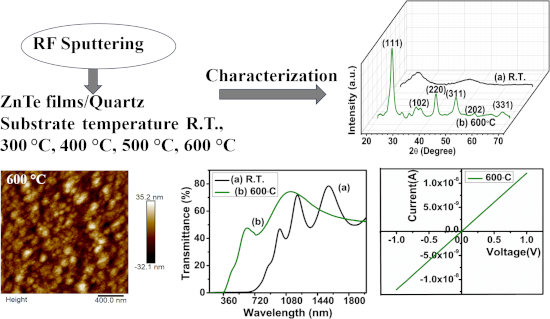
- the optical bandgap of the films can be tuned from 1.47 ± 0.02 eV to 3.11 ± 0.14 eV. The surface morphology of the films studied using atomic force microscopy reveals that there is uniform grain growth on the surface. Various morphological parameters such as roughness, particle size, particle density
- resistivity of the films depends on the structure, grain boundary defects, and surface morphology of the films. These properties can be altered by varying the deposition method as well as the deposition parameters. In literature, there are several reports of zinc telluride films deposited using various
- ][18][19][20][21][22][23] which show that chemical composition and morphology of the substrate affect the properties of grown films. Therefore, a suitable substrate needs to selected before the deposition of films. The thermal expansion coefficient of substrate and the lattice mismatch between film and




Graphene oxide–chloroquine conjugate induces DNA damage in A549 lung cancer cells through autophagy modulation
Beilstein J. Nanotechnol. 2025, 16, 316–332, doi:10.3762/bjnano.16.24
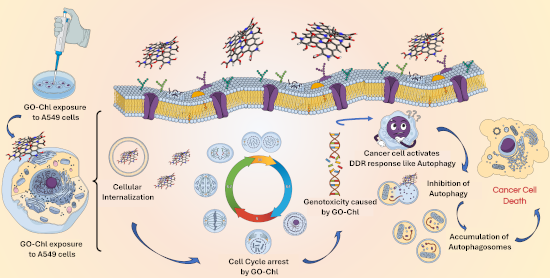
- -via reflex spectrometer, Tokyo, Japan) with a 514 nm Nd:Yag laser as the excitation source. The optical properties were measured employing a UV–vis spectrophotometer (Cary 5000 UV-VIS-NIR, Agilent, CA, USA) in the 200–800 nm range. The morphology of GO nanosheets was analyzed employing a high
- ][51]. Further, the morphology and topography of GO nanosheets were analyzed employing atomic force microscopy. Supporting Information File 1, Figure S2 reveals the appearance of few layered interlocked GO nanosheets, and the topographical analysis reveals the thickness in the range of 0.6 to 1.06 nm



Fabrication and evaluation of BerNPs regarding the growth and development of Streptococcus mutans
Beilstein J. Nanotechnol. 2025, 16, 308–315, doi:10.3762/bjnano.16.23
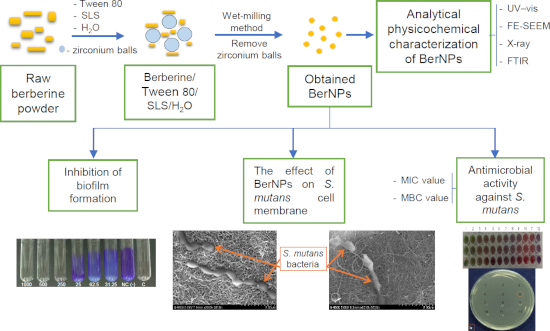
- . The effect of BerNPs on S. mutans cell membranes FE-SEM analysis revealed that, under normal culture conditions, S. mutans displayed typical streptococcal morphology, characterized by spherical shapes arranged in chains or pairs. The cell surface appeared smooth, uniformly colored, and free of
- wrinkles (Figure 4A). However, after exposure to BerNPs, significant alterations in bacterial cell morphology were observed (Figure 4B). The cell membrane was severely compromised, exhibiting wrinkled and disrupted borders, leading to membrane rupture. This damage caused the release of intracellular