Search results
Search for "nickel" in Full Text gives 186 result(s) in Beilstein Journal of Nanotechnology.
Cr(VI) remediation from aqueous environment through modified-TiO2-mediated photocatalytic reduction
Beilstein J. Nanotechnol. 2018, 9, 1448–1470, doi:10.3762/bjnano.9.137
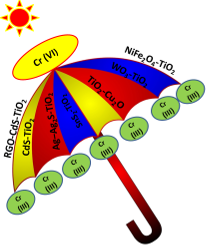
- simultaneous formation of molecular oxygen and hydroxyl radicals at the CoO surface [169]. NiO is a p-type semiconductor, which can conveniently be combined with different photocatalysts and the composite photocatalysts exhibit higher activity [170][171][172]. The introduction of nickel oxide into the TiO2


Understanding the performance and mechanism of Mg-containing oxides as support catalysts in the thermal dry reforming of methane
Beilstein J. Nanotechnol. 2018, 9, 1162–1183, doi:10.3762/bjnano.9.108
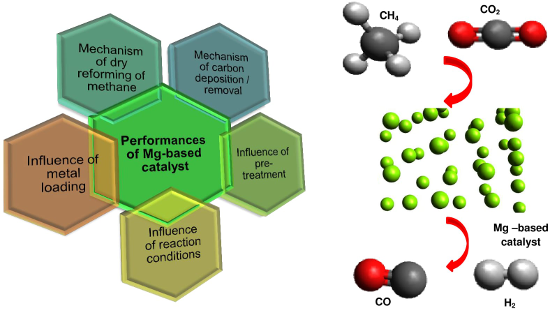
- synthesis showed a better order of MgO-coated sample in the mesostructure of SBA-15, a larger BET surface area, and formed more basic sites compared to the conventional impregnation method. The authors further impregnated the basic sites with nickel metal and tested it in DRM. The MgO-coated Ni/SBA-15
- . However, the addition of Mg caused the reduction of the RWGS reaction; thus, a high H2 production was obtained. Yan et al. [121] investigated the effects of the addition of MgO on the Ni catalyst in the DRM. In their investigation, a good dispersion of nickel oxide and MgO promoter was reported over a γ
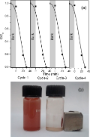
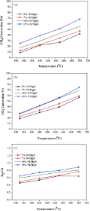
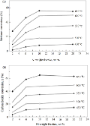
- support and the formation of solid solution, thus inhibiting carbon deposition. Figure 11 shows the stability of the DRM reaction on the Ni/MgO catalysts with various nickel loadings at 700 °C. Lin et al. [109] inspected the effect of Ni loading (2–20 wt %) on the Ni/MgO (111) catalyst prepared via the






Review on nanoparticles and nanostructured materials: history, sources, toxicity and regulations
Beilstein J. Nanotechnol. 2018, 9, 1050–1074, doi:10.3762/bjnano.9.98



Bioinspired self-healing materials: lessons from nature
Beilstein J. Nanotechnol. 2018, 9, 907–935, doi:10.3762/bjnano.9.85








Heavy-metal detectors based on modified ferrite nanoparticles
Beilstein J. Nanotechnol. 2018, 9, 762–770, doi:10.3762/bjnano.9.69
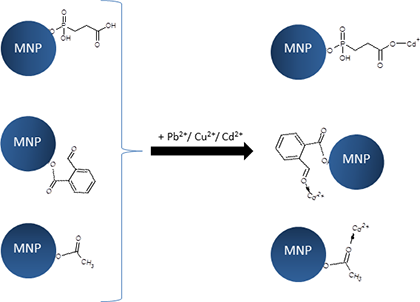
- Abstract In this work, we analyze artificial heavy-metal solutions with ferrite nanoparticles. Measurements of adsorption effectiveness of different kinds of particles, pure magnetite or magnetite doped with calcium, cobalt, manganese, or nickel ions, were carried out. A dependence of the adsorption
- , for example such as linker concentration, heavy ions concentration, pH value, or inorganic core composition, and such studies are in progress and will be a subject of subsequent papers. Conclusion Ferrite nanoparticles doped with calcium, cobalt, nickel, or manganese show differences in ion adsorption


Anchoring of a dye precursor on NiO(001) studied by non-contact atomic force microscopy
Beilstein J. Nanotechnol. 2018, 9, 242–249, doi:10.3762/bjnano.9.26
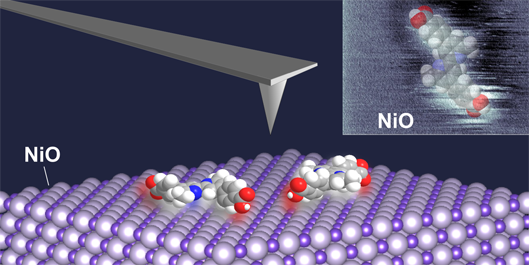
- that they are lying flat on the surface in a trans-conformation. Within the limits of our Kelvin probe microscopy setup a charge transfer from NiO to the molecular layer of 0.3 electrons per molecules was observed only in the areas where the molecules are closed packed. Keywords: metal oxide; nickel
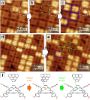
- blue in the Figure) on top of the nickel atoms. However, even at low coverage, single molecules are less regularly observed than molecular clusters. Indeed, as shown in Figure 4a by the arrows, DCPDMbpy appears frequently to aggregate in windmill-shaped clusters. A preferential orientation along the



Dry adhesives from carbon nanofibers grown in an open ethanol flame
Beilstein J. Nanotechnol. 2017, 8, 2719–2728, doi:10.3762/bjnano.8.271
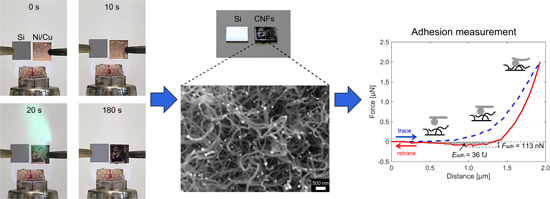
- properties that make them the material of choice for many applications [2]. In general, 1D-CNs grow via catalytic centers, typically transition metals such as iron, cobalt or nickel, in the constant presence of a carbon source at temperatures ranging from several hundred up to over thousand degrees Celsius
- range of the utilized type of magnet (<80 °C). In contrast to previous studies, we used NiCl2·6H2O as catalyst with a 60 nm thick copper layer on a silicon wafer. Interestingly, this allows us to run the growth procedure without the usual reduction step in which hydrogen reduces the nickel catalyst into
- its pure state before growth [35]. Based on our observations, we conclude that the 60 nm copper layer on the Si substrate plays an important role for the reduction of the nickel catalysts because experiments with nickel on pure Si or SiO2 substrates without copper show no or diminishing CNF growth


One-step chemical vapor deposition synthesis and supercapacitor performance of nitrogen-doped porous carbon–carbon nanotube hybrids
Beilstein J. Nanotechnol. 2017, 8, 2669–2679, doi:10.3762/bjnano.8.267
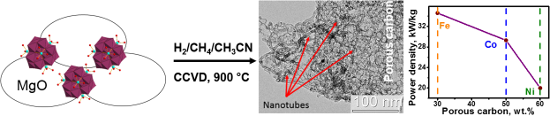
- nickel hydroxide in hydrogen atmosphere [15]. The hybrid showed improved cycling stability in lithium–sulfur batteries as compared to the electrode made from porous carbon only. Cai et al. have synthesized N-doped hierarchical porous carbon–CNT hybrids using a melamine-formaldehyde resin, Fe/Co catalyst
- synthesized using Ni/Mo, Co/Mo, and Fe/Mo catalysts are 0.9, 1.5, and 2.3 atom %, respectively. The obtained concentrations correlate with nitrogen solubility in liquid nickel and binary nickel-containing alloys [30]. The XPS N 1s spectra of the three hybrid materials are compared in Figure 5a. The spectra


Synthesis of [{AgO2CCH2OMe(PPh3)}n] and theoretical study of its use in focused electron beam induced deposition
Beilstein J. Nanotechnol. 2017, 8, 2615–2624, doi:10.3762/bjnano.8.262
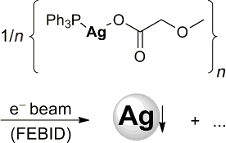
- similar to that of metal carbonyls [1]. For example, referring to results of our investigations, the Mulliken atomic charge of the silver atom is 0.27, which is smaller than 1.30 or 0.69 of iron or nickel atoms, consisting of the most prominent carbonyls used as precursors for FEBID [19]. In any case, the


Fabrication of CeO2–MOx (M = Cu, Co, Ni) composite yolk–shell nanospheres with enhanced catalytic properties for CO oxidation
Beilstein J. Nanotechnol. 2017, 8, 2425–2437, doi:10.3762/bjnano.8.241
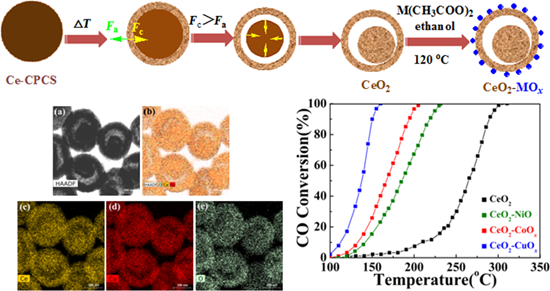
- nanostructures for a broad range of technical applications. Experimental Materials Cerium(III) nitrate hexahydrate (Ce(NO3)3·6H2O), concentrated nitric acid (HNO3, 68%), diethylene glycol (DEG), acetone, copper(II) acetate monohydrate (Cu(CH3COO)2·H2O), nickel(II) acetate tetrahydrate (Ni(CH3COO)2·4H2O), cobalt





Electronic structure, transport, and collective effects in molecular layered systems
Beilstein J. Nanotechnol. 2017, 8, 2094–2105, doi:10.3762/bjnano.8.209
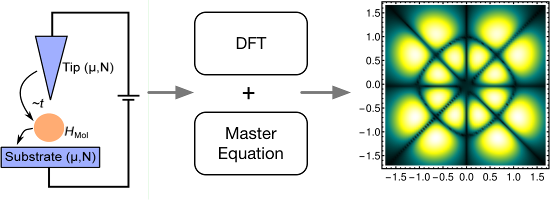
- calculations with parallel and antiparallel magnetization of the Ni leads. The very strong interaction with the ignoble Ni surface leads, however, to a complete loss of the molecular properties of the organic material. For this reason, we introduce a single layer of graphene between the nickel surfaces and the


![[Graphic 29]](/bjnano/content/inline/2190-4286-8-209-i41.png?max-width=637&scale=1.18182) between the occupations nA and nB of the two checkerboard sublattices for a) asy...
between the occupations nA and nB of the two checkerboard sublattices for a) asy...

![[Graphic 30]](/bjnano/content/inline/2190-4286-8-209-i42.png?max-width=637&scale=1.18182) per site for a) asymmetric tunneling, Γtop/Γbottom = 0.5, and b) symmetric tunneli...
per site for a) asymmetric tunneling, Γtop/Γbottom = 0.5, and b) symmetric tunneli...
Systematic control of α-Fe2O3 crystal growth direction for improved electrochemical performance of lithium-ion battery anodes
Beilstein J. Nanotechnol. 2017, 8, 2032–2044, doi:10.3762/bjnano.8.204
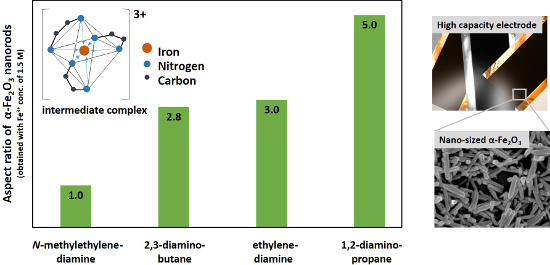
- -methylethylenediamine (95%, Sigma-Aldrich) instead of 1,2-diaminopropane. X-ray diffraction (XRD) analysis was performed on a Shimadzu XRD-6000 diffractometer operating at 40 kV and 40 mA using Cu Kα radiation (λ = 0.154 nm) with a copper target and a nickel filter. The surface morphology and microstructure of the


A systematic study of the controlled generation of crystalline iron oxide nanoparticles on graphene using a chemical etching process
Beilstein J. Nanotechnol. 2017, 8, 2017–2025, doi:10.3762/bjnano.8.202
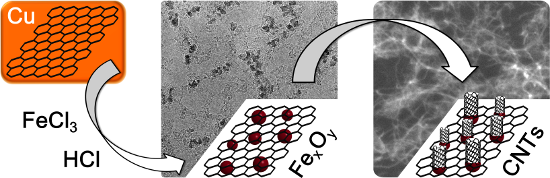
- -supported graphene transfer laborious and time consuming [35][36][37]. The standard catalyst and growth substrate used to synthesize graphene by chemical vapor deposition is copper due its effective decomposition of hydrocarbons and its low carbon solubility as compared to the use of nickel as a substrate


(Metallo)porphyrins for potential materials science applications
Beilstein J. Nanotechnol. 2017, 8, 1786–1800, doi:10.3762/bjnano.8.180
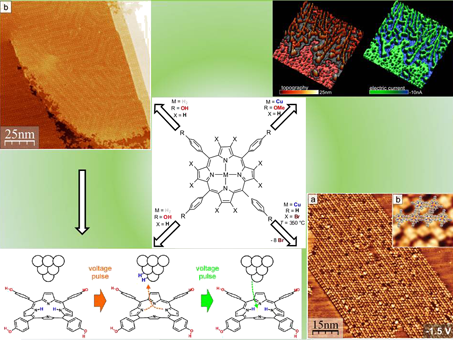
- rate 5 Å/min, temperature 325 °C) on a 30 nm thick nickel bottom electrode on top of a Si(100)/SiO2 wafer (Figure 2). Here, Ni substrates were selected for the growth of CuTPP(OMe)4 in order to investigate a system that may possess valuable possibilities for future device applications, in which the






Near-infrared-responsive, superparamagnetic Au@Co nanochains
Beilstein J. Nanotechnol. 2017, 8, 1680–1687, doi:10.3762/bjnano.8.168
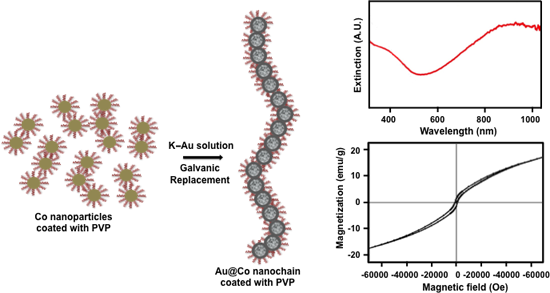
- the hollow nanostructure. As noted above, PVP is widely used as a colloidal stabilizer to inhibit the aggregation of metal nanoparticles such as gold [49][50][51][52], silver [53][54], platinum [55][56][57], palladium [46][57][58][59], nickel [60][61], and cobalt [62][63]. To verify this hypothesis in
- formation of the chain structure; indeed, there have been some reports describing the formation of gold and nickel nanochains using PVP as a colloidal stabilizer [60][64][65]. Furthermore, in our experiments, we noted that the presence of the magnetic stirrer was also critical for the formation of the


Deposition of exchange-coupled dinickel complexes on gold substrates utilizing ambidentate mercapto-carboxylato ligands
Beilstein J. Nanotechnol. 2017, 8, 1375–1387, doi:10.3762/bjnano.8.139
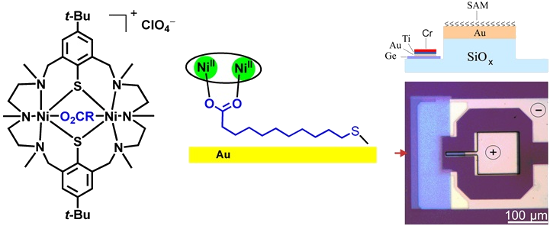
- and g values were kept identical for the two nickel atoms. By taking into account the zero-field splitting and temperature-independent paramagnetism (TIP), reasonable fits of the experimental data were possible, yielding J = +23 cm−1 (g = 2.20, D = 2.59 cm−1) for 7 and J = +25 cm−1 (g = 2.25, D = 3.21
- -structural correlation has recently been reported for related dinuclear nickel complexes of the type [Ni2LMe2H4(μ-L’)]+, where L’ = F−, Cl−, Br−, OH−, and N3−) [58]. The J-values were found to depend primarily on the bridging Ni–S–Ni and Ni–L’–Ni angles. The findings made for the carboxylato-bridged
- compounds are in good agreement with the reported trend. Chemisorption of complexes 6–8 on gold surfaces In view of the results obtained with the complexes 2 and 3, the deposition of the nickel complexes 6–8 on flat gold surfaces was examined. The deposition experiments were carried out in solution


Fabrication of hierarchically porous TiO2 nanofibers by microemulsion electrospinning and their application as anode material for lithium-ion batteries
Beilstein J. Nanotechnol. 2017, 8, 1297–1306, doi:10.3762/bjnano.8.131
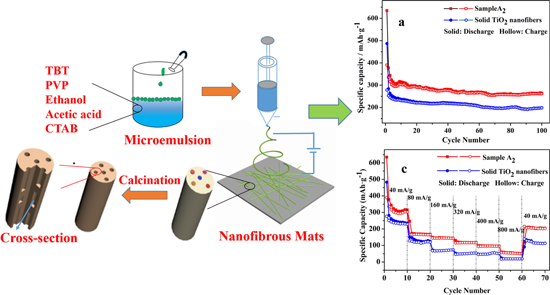
- . Subsequently, the paste was coated uniformly on the nickel net and then dried in a vacuum oven at 60 °C for 12 h. Prior to cell assembly, the electrodes were cut into circular disks with a diameter of 16 mm. The testing cells employed Celgard 2300 membrane as separator, lithium foil as both reference and




Metal oxide nanostructures: preparation, characterization and functional applications as chemical sensors
Beilstein J. Nanotechnol. 2017, 8, 1205–1217, doi:10.3762/bjnano.8.122
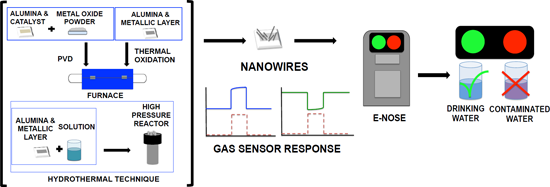
- NO2. At lower temperatures (100 °C), NiO devices are too resistive to be measured in our test chamber. NiO has hardly been studied as a material for chemical sensors. Hence, there are only few reports about a tentative NO2 sensing mechanism. Zhang et. al. [24] pointed out that nickel vacancies could
- oxides of nickel, tungsten, niobium, zinc and tin. The structures were directly deposited on functional substrates using various techniques and procedures. We have demonstrated that a direct integration with all the three presented deposition techniques is possible, which is an essential feature to
- using an ultrasonic cleaner for 15 min to remove dust and impurities from the substrates. Substrates were dried with pure compressed air. The following techniques were used to grow different metal oxide nanostructures. Evaporation–condensation technique: NiO, SnO2, ZnO The growth of nickel oxide (NiO


Atomic structure of Mg-based metallic glass investigated with neutron diffraction, reverse Monte Carlo modeling and electron microscopy
Beilstein J. Nanotechnol. 2017, 8, 1174–1182, doi:10.3762/bjnano.8.119
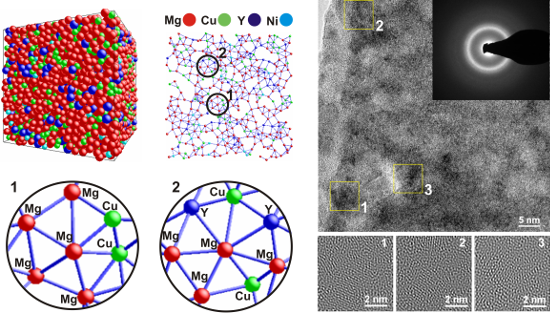
- Mg65Cu20Y10Ni5 ribbon exhibits a higher onset crystallization temperature and higher ΔTx parameter. The addition of nickel can improve the thermal stability of Mg-based metallic glasses. Moreover, the determination of the crystallization temperature is helpful to prepare nanocrystalline samples by heat treatment




The integration of graphene into microelectronic devices
Beilstein J. Nanotechnol. 2017, 8, 1056–1064, doi:10.3762/bjnano.8.107
- carbon in nickel at high temperatures and removing the metal after the deposition process. Here carbon is introduced into Ni by deposition of C/Ni sandwich layers or by ion implantation [28] or dissolution of carbon into nickel in a plasma-enhanced CVD process [29]. Upon heating up to about 1000 °C
- carbon dissolves in Ni with a substantial solubility and during cooling down it segregates to the Ni–substrate interface where it precipitates as graphene. After etching off the nickel, the graphene film is exposed. The complete process sequence is shown in Figure 2 [29]. By choosing the appropriate
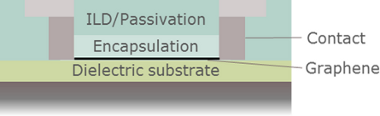
- dielectric/nickel stack on graphene as a function of the graphene device area. The 200 nm thick Ni film was introduced as a layer to provoke delamination through tensile stress. The existence of a distinctive device area threshold for delamination can clearly be seen. This indicates that delamination effects


Investigation of growth dynamics of carbon nanotubes
Beilstein J. Nanotechnol. 2017, 8, 826–856, doi:10.3762/bjnano.8.85
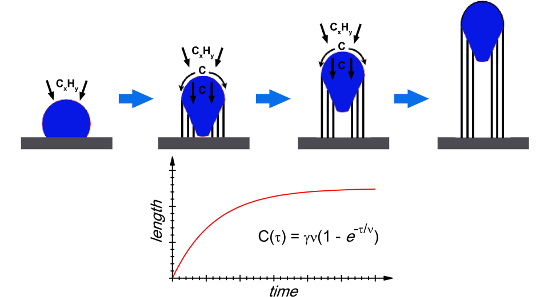
- of carbon nanofibers on nickel nanoparticles and suggested the growth mechanism involving the surface diffusion. They observed the movement of atoms on the surface of the crystalline nickel cluster and change of its shape during the growth process. It was concluded that the surface transport of
- metal, ΔHfusion is the latent heat of fusion, ρs and ρl are the densities of solid and liquid metal, respectively, σsl is the solid–liquid interfacial energy and σl is the surface energy of the liquid [50][51]. Figure 2 demonstrates the melting temperature of iron, nickel, gold and silver particles as a
- nanotubes. Figure 4a–d shows the changes in Gibbs free energy for the reaction between Ni and different carbon precursors (CO, CH4, C2H4 and C2H2). According to these data, nickel carbide forms under a broad range of temperatures for the reaction with C2H4 and C2H2 (Figure 4a,b), while temperatures higher


Synthesis of graphene–transition metal oxide hybrid nanoparticles and their application in various fields
Beilstein J. Nanotechnol. 2017, 8, 688–714, doi:10.3762/bjnano.8.74
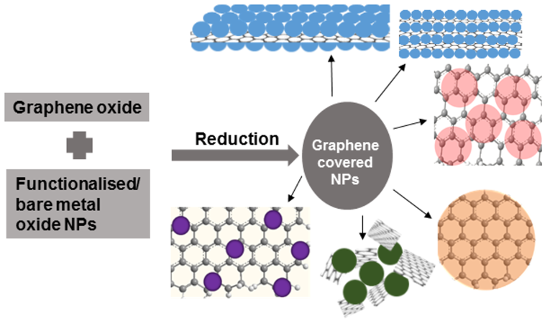
- for GO reduction [193]. This hybrid shows higher catalytic activity than Co(OH)2 for phenol degradation and it takes only 10 min for 100% phenol removal. Nickel oxide (NiO)–graphene hybrids NiO, a p-type wide band gap semiconductor is extensively used as catalyst, battery cathode, electrochemical






Formation and shape-control of hierarchical cobalt nanostructures using quaternary ammonium salts in aqueous media
Beilstein J. Nanotechnol. 2017, 8, 494–505, doi:10.3762/bjnano.8.53
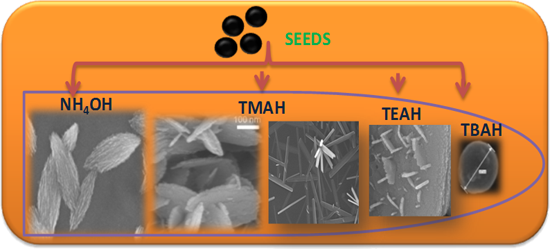
- is not observed in other ferromagnetic materials such as nickel and iron. Synthesizing anisotropic and hierarchical nanostructures of cobalt is an effective strategy for tuning its electronic, magnetic and crystal properties. The interest in these nanostructures lies in comprehending the physical and


Annealing-induced recovery of indents in thin Au(Fe) bilayer films
Beilstein J. Nanotechnol. 2016, 7, 2088–2099, doi:10.3762/bjnano.7.199
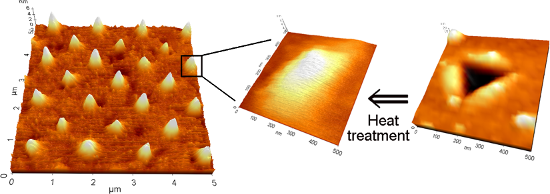
- microstructural changes and phase transformations induced by nanoindentation and annealing in Ni [1] and Ag thin films [2] on Si substrates. They revealed that the distortion of the crystalline structure induced by indentation enhances the diffusivity of metal atoms and prompts the formation of nickel and silver
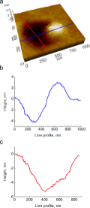
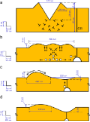
- indented region and the microstructural changes caused by annealing remained poorly understood. Annealing-induced shape recovery of indents produced by nanoindentation is well-documented for thin nickel–titanium films; yet, in this case the recovery is related to diffusionless martensite–austenite





Fundamental properties of high-quality carbon nanofoam: from low to high density
Beilstein J. Nanotechnol. 2016, 7, 2065–2073, doi:10.3762/bjnano.7.197
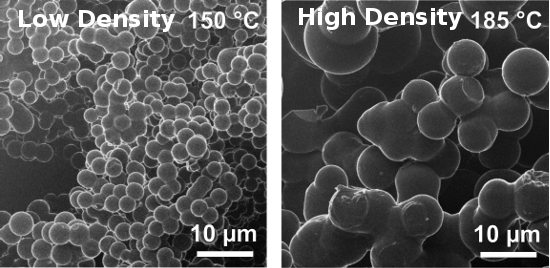
- various chemical elements have been investigated. In particular, foams from transition metals and noble metals have attracted attention, and interesting applications have been developed. Nickel nanofoam has been used for glucose sensing [1] and also been suggested for high-performance supercapacitor