


Search results
Search for "oxides" in Full Text gives 467 result(s) in Beilstein Journal of Nanotechnology. Showing first 200.
Engineered titania nanomaterials in advanced clinical applications
Beilstein J. Nanotechnol. 2022, 13, 201–218, doi:10.3762/bjnano.13.15
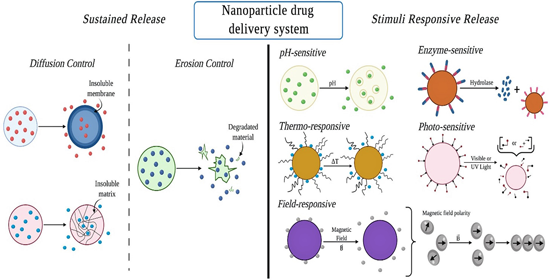
- systems for theranostic purposes. Titanium dioxide (titanium(IV) oxide/titania/TiO2) has garnered considerable attention as one of the most extensively studied metal oxides in clinical applications. Owing to the unique properties of titania, such as photocatalytic activity, excellent biocompatibility
- that they can circulate freely through the circulatory system and can penetrate tissues. Recently, TiO2 has received substantial recognition as one of the most extensively studied inorganic metal oxides in clinical research due to its unique nanosized features, intrinsic properties, biocompatibility
- many years, titania has been employed as a colorant in food, cosmetics, and sunscreen. Moreover, Ti-containing metal alloys have been widely utilized in medical fields, because the have a higher biocompatibility than other vastly explored metal oxides such as silica, manganese oxide, and iron oxide


Thermal oxidation process on Si(113)-(3 × 2) investigated using high-temperature scanning tunneling microscopy
Beilstein J. Nanotechnol. 2022, 13, 172–181, doi:10.3762/bjnano.13.12
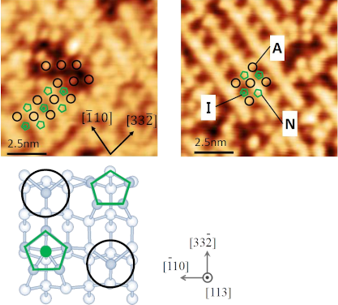
- understand thermal oxidation on silicon surfaces as well as metal-induced oxidation and silicidation [2]. Nevertheless, dynamic processes in oxidation have been studied scarcely so far, especially for high-index silicon surfaces. The study of the oxides grown on high-index silicon surfaces is of great
- formed at site (a) is expanded preferentially along the direction, as indicated by the solid arrows, and merges with the oxides initially formed at sites (b) and (c), as shown by circles (b’) and (c’). The empty arrow (d) shows a bright protrusion formed at the edge of the oxide. The empty arrow (e
- corresponding to the oxides was observed. Temperature–pressure growth mode diagram Figure 6a and Figure 6b show temperature–pressure growth mode diagrams of thermal oxidation on Si(113) and Si(111), respectively. Characterization of this region as a transition region in which both oxidation and etching occur is




A comprehensive review on electrospun nanohybrid membranes for wastewater treatment
Beilstein J. Nanotechnol. 2022, 13, 137–159, doi:10.3762/bjnano.13.10
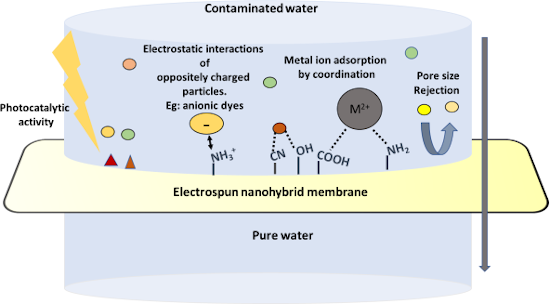
- 5.5 [63]. Utilizing the synergistic effect of the oxidation of manganese dioxide and strong adsorption of iron oxides to As5+, Aliahmadipoor et al. developed a novel electrospun nanohybrid membrane incorporating inorganic Fe–Mn binary oxide nanoparticles into PVDF for the decontamination of As5+. A
- membranes due to the high surface area for particle adsorption. The hybridization of the electrospun membranes with additives improved the properties compared to pristine polymer membranes. GO, Fe2O3 and other metal oxides, HNTs, activated carbons, and zeolite are some of the frequently used additives for
- polymer membranes. The hydrophilicity of the membranes notably inhibits membrane fouling due to oils and other hydrophobic matter. For example, GO is highly hydrophilic and will impart hydrophilicity to the ENH membrane. Blending of iron oxides into ENH membranes will impart magnetic properties, which





Tin dioxide nanomaterial-based photocatalysts for nitrogen oxide oxidation: a review
Beilstein J. Nanotechnol. 2022, 13, 96–113, doi:10.3762/bjnano.13.7
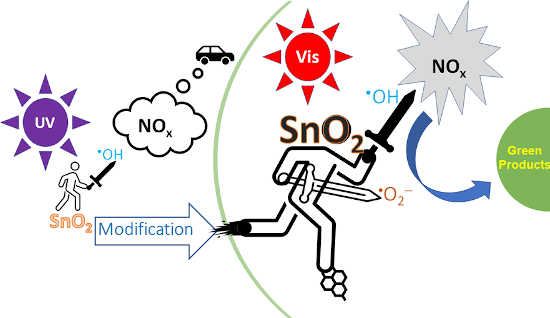
- the COVID-19 pandemic in the past year. WHO also reported that the emissions of nitrogen oxides in the early 1980s over the world were estimated at approximately 150 × 1012 g/year while the concentration of nitrogen dioxide outdoor can achieve up to 940 µg/m3 (0.5 ppm) for 30 min and 400 µg/m3 (0.21
- ppm) for 60 min [2]. Nitrogen oxides (NOx, including NO and NO2) are poisonous and highly reactive gases. Nitrogen dioxide (NO2) is associated with respiratory diseases and mortality. NOx is formed when fuel is burnt at high temperatures and emitted by automobiles, trucks, and various non-road
- predominantly point defects, that is, defects associated with one lattice point, such as cation or oxygen ion vacancies. OVs determine the physical and chemical properties of metal oxides. Figure 4a shows the natural crystal structure of SnO2 synthesized by vapor transport [48]. The (110) plane of rutile SnO2


Sputtering onto liquids: a critical review
Beilstein J. Nanotechnol. 2022, 13, 10–53, doi:10.3762/bjnano.13.2

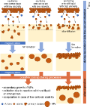
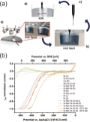
- properties to fit the targeted application in fields such as mechanics, optics, electronics, and biomaterials. Various types of coatings can be produced, from pure metals to metal oxides, nitrides, carbides, oxynitrides to metal alloys, or chemically more complex combinations such as high-entropy alloys [24
- by a plasma generated in a mixture of argon with a molecular gas, by using dedicated mass flow controllers (MFC). Oxygen, nitrogen, methane, or hydrogen sulfide can be added to deposit metal oxides, nitrides, carbides, or sulfides, respectively. One example of such tailoring of the film chemistry is
- alloy, see Figure 3b), and/or the implementation of reactive sputtering by adding a molecular gas (e.g., N2, O2 and CH4) allow for depositing a very large catalog of materials ranging from pure metals and alloys to metal oxides, nitrides, and other compounds. (ii) The product of pressure times target






Identifying diverse metal oxide nanomaterials with lethal effects on embryonic zebrafish using machine learning
Beilstein J. Nanotechnol. 2021, 12, 1297–1325, doi:10.3762/bjnano.12.97
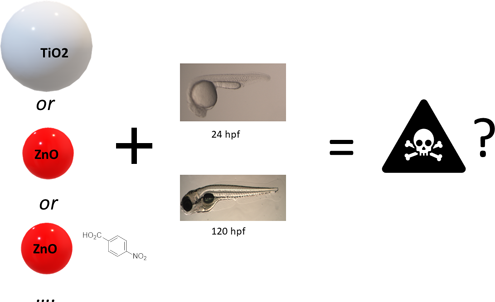
- correlate well with the electronegativity of the cation, such that a descriptor based upon the metal atom electronegativity may reflect catalytic activity due to ions release via dissolution, leading to toxicity via generation of reactive oxygen species (ROS) [60]. However, metal oxides may also result in
- be successfully identified. Interestingly, it was found that comparable results could be obtained using a model based upon a single, simple descriptor: the Pauling electronegativity of the metal atom. This descriptor has previously been used to model cytotoxicity of metal oxides [55][59], and other
- is purely related to this simple descriptor providing limited information about the composition of the metal oxide core. Numerous studies have shown that a variety of intrinsic and extrinsic characteristics may influence the level of hazard associated with ENMs in general [65] and for metal oxides


Plasmon-enhanced photoluminescence from TiO2 and TeO2 thin films doped by Eu3+ for optoelectronic applications
Beilstein J. Nanotechnol. 2021, 12, 1271–1278, doi:10.3762/bjnano.12.94
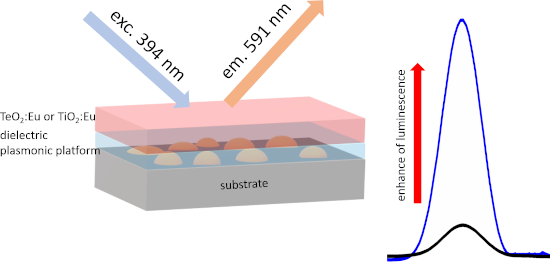
- investigated by SEM and TEM, while the composition of oxides film was analyzed by XPS. Luminescence properties were studied on the basis of excitation and emission spectra. The experiments show that the additional dielectric layer enhances the luminescence intensity. Such structures could be potential


The effect of cobalt on morphology, structure, and ORR activity of electrospun carbon fibre mats in aqueous alkaline environments
Beilstein J. Nanotechnol. 2021, 12, 1173–1186, doi:10.3762/bjnano.12.87
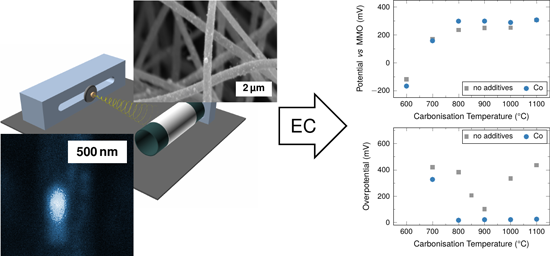
- metallic cobalt but rather cobalt oxides or hydroxides. The fraction of these species strongly depends on the carbonisation temperature; in the samples carbonised at 600 °C, only a species fitting to the Co(OH)2 reference spectra is found on the surface of the fibres. After carbonising at higher
- particle surface is completely reduced and only re-oxidised upon contact with air. From an application point of view, this oxide/hydroxide layer may even prove beneficial, as both cobalt [16] and its oxides [29] have been shown to enhance the ORR in alkaline media. Carbon matrix structure The XRD
- nitrogen at 398.7 eV, pyrrolic nitrogen at 400.3 eV, graphitic nitrogen at 401.2 eV, and pyridinic N-oxides at 402.8 eV [41]. The most important types discussed in the context of the catalytic activity towards the oxygen reduction reaction are pyridinic and graphitic nitrogen [41][42][43][44]. The spectra


pH-driven enhancement of anti-tubercular drug loading on iron oxide nanoparticles for drug delivery in macrophages
Beilstein J. Nanotechnol. 2021, 12, 1127–1139, doi:10.3762/bjnano.12.84
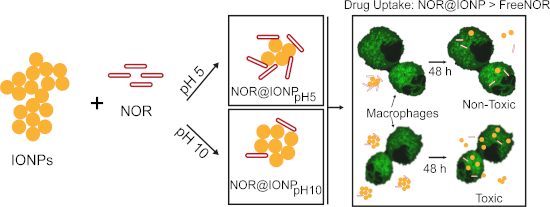
- profile from NOR@IONPpH10 resembled that of free NOR where the release was rapid over the first 4–6 h and saturated out there after (Figure 5b, inset). The release of NOR from metal oxides, NiO, is found to follow first order rate kinetics thus we too fitted out drug release plots to a first order model



Assessment of the optical and electrical properties of light-emitting diodes containing carbon-based nanostructures and plasmonic nanoparticles: a review
Beilstein J. Nanotechnol. 2021, 12, 1078–1092, doi:10.3762/bjnano.12.80
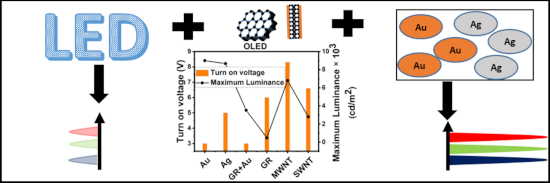
- a large scale. For this purpose, transparent conducting oxides (TCO), such as thin films of In2O3, SnO2, ZnO, and their mixtures have been extensively studied [30][31][32][33][34]. The most widely studied TCO is indium tin oxide (ITO), which possesses good physical properties, such as high optical
- graphene oxide is required based on the device configuration. Shi et al. obtained similar results with an excellent luminance of 53000 cd/m2, demonstrating its explicit applicability in flexible OLED [64]. Combinations of graphene oxide with polymers and metal oxides have also been evaluated. Lin et al
- a uniform thin film. Some of the commonly used polymers and metal oxides for ETL are PBD, PBD-PMMA, BND, ZnO, SnO2, and TiO2 [69][70][71]. Improvements in the device performance have been reported, when using polymer–MWNT nanocomposite-based ETL. For example, Fournet et al. have investigated the


Progress and innovation of nanostructured sulfur cathodes and metal-free anodes for room-temperature Na–S batteries
Beilstein J. Nanotechnol. 2021, 12, 995–1020, doi:10.3762/bjnano.12.75
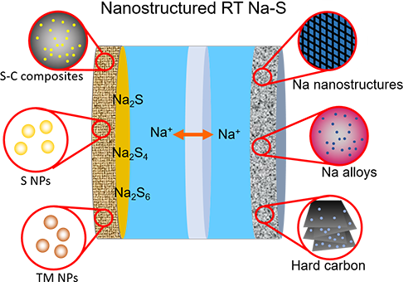
- the main focus. A large part of the patents protects certain elements of the battery electrodes (Table 3). Some of the patents protect the production of specific materials for application as electrode, including the production and/or use of different types of nanoparticles, such as oxides and





Molecular assemblies on surfaces: towards physical and electronic decoupling of organic molecules
Beilstein J. Nanotechnol. 2021, 12, 950–956, doi:10.3762/bjnano.12.71

- . Among others, ultrathin dielectric layers of either alkali halides (e.g., NaCl [17]) or metal oxides (e.g., MgO [18], Al2O3 [19], and CuO [20]), or nitrides (CuN [21]) have been shown to be beneficial for successfully reducing or even completely switching off the unwanted interaction between the metal
- . To a lesser extent, metal oxides have also been used, for which defects and charging often pose additional challenges [44][45][46]. On electronically insulating surfaces, non-contact atomic force microscopy (AFM) is the method of choice to study molecular assemblies and individual molecules in real
Nanoporous and nonporous conjugated donor–acceptor polymer semiconductors for photocatalytic hydrogen production
Beilstein J. Nanotechnol. 2021, 12, 607–623, doi:10.3762/bjnano.12.50
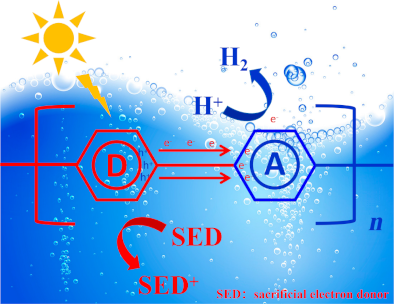
- are primarily inorganic materials, such as metal oxides and sulfides [5]. Inorganic photocatalysts, however, have some inherent drawbacks. Harsh synthetic conditions, such as high pressure and temperature, are required [5]. Moreover, many reported inorganic photocatalysts contain heavy metal elements




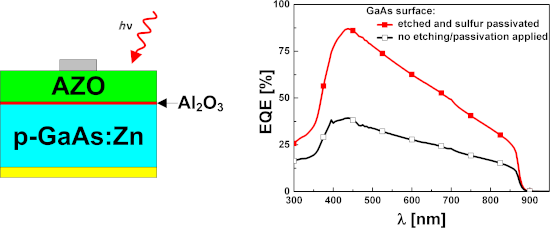
Impact of GaAs(100) surface preparation on EQE of AZO/Al2O3/p-GaAs photovoltaic structures
Beilstein J. Nanotechnol. 2021, 12, 578–592, doi:10.3762/bjnano.12.48
- arsenide is a known and intensively studied phenomenon in semiconductor industry [4]. The air exposure of GaAs surface results in an immediate appearance of different oxides of various compositions (e.g., AsO, As2O, As2O3, GaO, Ga2O, Ga2O3, GaAsO3, and GaAsO4) as well as of elemental arsenic [5][6][7]. The
- presence of an amorphous film of native oxides gives rise to midgap surface states in GaAs [8] which results in Fermi-level pinning [9]. Due to a high surface-related recombination velocity, a decrease in the photoluminescence (PL) of the semiconductor is also observed [7]. These phenomena have strong and
- aqueous solutions are used with the addition of an oxidizer – usually hydrogen peroxide (H2O2). Such an etchant is able to turn GaAs into oxide and dissolve the created oxides “at the same time”. The popular etchants are H2SO4/H2O2/H2O, NH4OH/H2O2/H2O, and citric acid (CA)-based etchants – CA/H2O2/H2O [17




Influence of electrospray deposition on C60 molecular assemblies
Beilstein J. Nanotechnol. 2021, 12, 552–558, doi:10.3762/bjnano.12.45
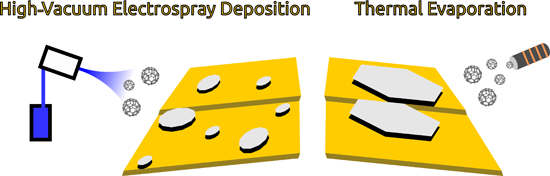
- materials, ranging from metal surfaces [5][6][7][8][9][10][11][12][13], over metal oxides [14] and insulating substrates [15] to graphene monolayers on metals [16]. In HV-ESD-based devices, a solution containing the molecules reaches an emitter located in front of the entrance capillary, as shown in Figure


Interface interaction of transition metal phthalocyanines with strontium titanate (100)
Beilstein J. Nanotechnol. 2021, 12, 485–496, doi:10.3762/bjnano.12.39
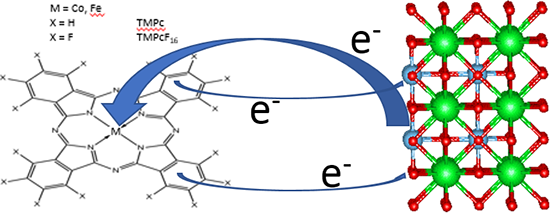
- at interfaces; strontium titanate; transition metal phthalocyanines; Introduction Interfaces between organic semiconductors and oxides are of increasing fundamental interest. Such interfaces determine key properties of a broad variety of electronic devices. Common examples are dye-sensitized solar


Solution combustion synthesis of a nanometer-scale Co3O4 anode material for Li-ion batteries
Beilstein J. Nanotechnol. 2021, 12, 424–431, doi:10.3762/bjnano.12.34
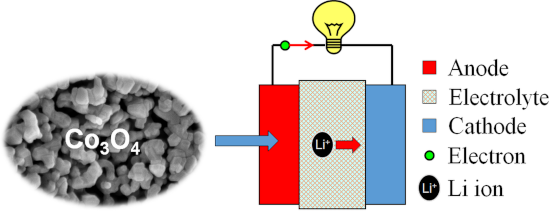
- potential next-generation anodes. Among them, transition metal oxides (TMOs) have attracted particular attention because their capacities are significantly greater than those of carbonaceous electrode materials. Also, most of the TMOs are relatively inexpensive and easily accessible due to their high
- the formation of composite materials consisting of Co3O4 and different materials, including carbon-based materials, such as graphene [7][8], carbon nanotubes [9], carbon coatings [10], dictyophora indusiata-derived carbon [11], or other transition metal oxides [12]. This approach usually leads to a


Structural and optical characteristics determined by the sputtering deposition conditions of oxide thin films
Beilstein J. Nanotechnol. 2021, 12, 354–365, doi:10.3762/bjnano.12.29
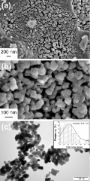
- others. Among the important applications of these oxides are materials with dielectric properties used in the fabrication of metasurface structures, transparent conductive oxides and buffer layers used in solar cells, and materials used in sensor technology [6][8][17][18][19][20][21]. Materials with
- properties. Transparent oxides are an attractive class of plasmonic materials which are under intense study for their integration into low-loss metamaterial structures and a series of applications in transformation optics, sensors, and imaging. Here we used oxide thin films and studied their optical


Nickel nanoparticle-decorated reduced graphene oxide/WO3 nanocomposite – a promising candidate for gas sensing
Beilstein J. Nanotechnol. 2021, 12, 343–353, doi:10.3762/bjnano.12.28
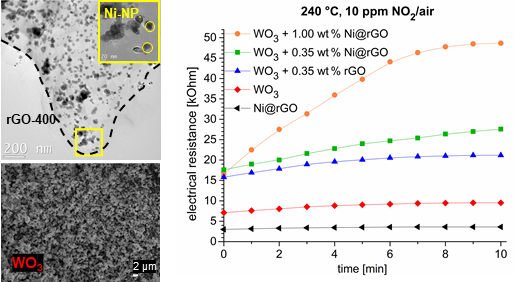
- gas sensitivity of semiconductor oxide compositions with graphene. The reasons for the increase in the response and decrease in the operating temperature of metal oxides combined with non-oxidized graphene are synergetic effects between graphene and metal oxides as a result of chemical bonds between
- composite create a hierarchical nanostructure and facilitate the diffusion of NO2 molecules, increasing the contacts and enhancing the chemisorption of the gas. rGO has large specific area and more active sites. Gas sensors of n-type semiconductors based on oxides exhibit resistance changes induced by


TiOx/Pt3Ti(111) surface-directed formation of electronically responsive supramolecular assemblies of tungsten oxide clusters
Beilstein J. Nanotechnol. 2021, 12, 203–212, doi:10.3762/bjnano.12.16
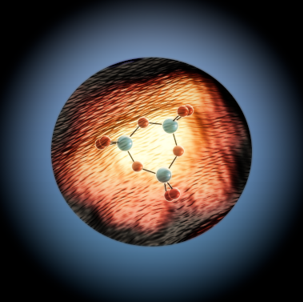
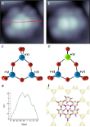
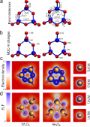
- result of thermal evaporation of WO3 powder on the complex TiOx/Pt3Ti(111) surfaces under ultra-high vacuum conditions. The physisorbed tritungsten nano-oxides were found as isolated single units located on the metallic attraction points or as supramolecular self-assemblies with a W3O9-capped hexagonal
- rectangular symmetry of titanium oxides. Therefore, the TiO layer is forced to adopt the hexagonal symmetry of the substrate. Note that the formation of the oxide z’- and w’-TiOx phases is not only limited to the growth on the Pt3Ti(111) surface shown herein. Sedona et al. [24][25][26] demonstrated, in many



A review on the green and sustainable synthesis of silver nanoparticles and one-dimensional silver nanostructures
Beilstein J. Nanotechnol. 2021, 12, 102–136, doi:10.3762/bjnano.12.9
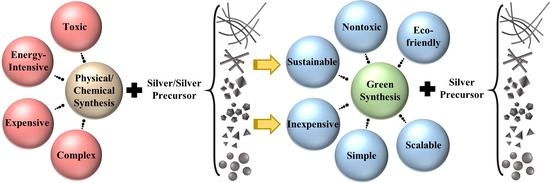
- sol–gel method is one of the most common techniques to synthesize AgNPs. The sol–gel process is considered to be a multifaceted approach for the synthesis of nanoparticles in various forms – especially complex compounds – such as metal-complex oxides, inorganic nanocomposites, and chalcogenides [144


ZnO and MXenes as electrode materials for supercapacitor devices
Beilstein J. Nanotechnol. 2021, 12, 49–57, doi:10.3762/bjnano.12.4
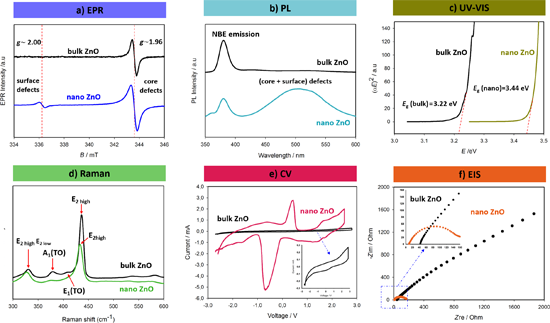
- , recently developed metal oxides, specifically nanostructured ZnO, and MXenes with their defect structures, size effects, as well as optical and electronic properties have been presented as electrode material in supercapacitor devices. The discussion of MXenes along with ZnO, although different in chemistry
- oxides are more complicated than those of carbon materials because there are many peaks for each mode. The most prominent peak in Raman spectra of ZnO is E2(high) for ZnO crystals. Once the size of the ZnO crystallites is below 50 nm, broadening, softening, and a significant shift is observed for this
- capacity and high energy density so that in the near future supercapacitors might work together with batteries as an integrated energy storage system. Metal oxides, MXenes, and perovskites are the most promising electrode materials for this end. However, the specific capacitance values of those electrodes
Atomic layer deposited films of Al2O3 on fluorine-doped tin oxide electrodes: stability and barrier properties
Beilstein J. Nanotechnol. 2021, 12, 24–34, doi:10.3762/bjnano.12.2
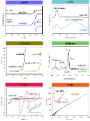
- , disintegration of metallic structural elements into oxides is a process that leads to ultimate loss of these structural elements if they are not properly protected. Turning iron and steel into rust is quantitatively the largest loss factor for structures, vehicles, and machinery worldwide. In some cases, oxides
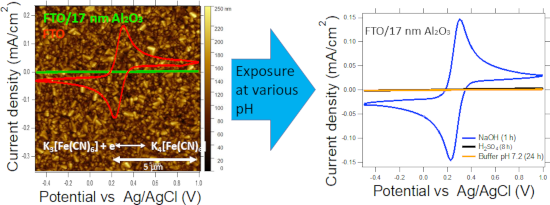
- better the blocking. This approach has been used previously [18][19][20] for testing semiconducting nonporous blocking layers of oxides (TiO2 or SnO2) deposited onto FTO. In this way, direct electron transfer between the redox couple in the electrolyte solution and the conducting substrate (i.e., FTO


Free and partially encapsulated manganese ferrite nanoparticles in multiwall carbon nanotubes
Beilstein J. Nanotechnol. 2020, 11, 1891–1904, doi:10.3762/bjnano.11.170
- values was estimated to be equal to ±0.1 eV. Due to the charging effect of the oxides, electron flooding was carried out for charge compensation. A helium lamp with 21.2 eV (He I) excitation energy was used for ultraviolet photoemission spectroscopy (UPS, Omicron Nanotechnology). A −5 V sample bias was




Unravelling the interfacial interaction in mesoporous SiO2@nickel phyllosilicate/TiO2 core–shell nanostructures for photocatalytic activity
Beilstein J. Nanotechnol. 2020, 11, 1834–1846, doi:10.3762/bjnano.11.165
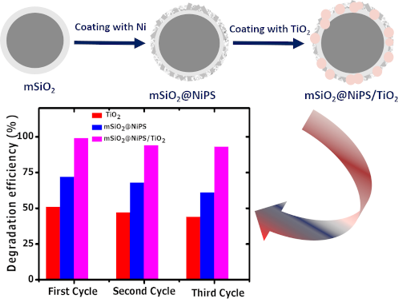
- metal oxides, such as ZrO2 [16] and SiO2 [17], influence the morphology and surface features of the resulting binary metal oxide semiconductors. Moreover, these binary metal oxide semiconductors act as charge-transfer catalysts and significantly reduce the electron–hole recombination [18][19]. Another
- separation between the Ni 2p3/2 primary line and the satellite of less than 6 eV, which is smaller than that of nickel oxides [60][61]. The data for the mSiO2@NiPS/TiO2 suggest a decrease in binding energies (Ni 2p1/2 at 872.6 eV and Ni 2p3/2 at 853 eV), possibly indicative of an interaction with TiO2 and





