Search results
Search for "phase" in Full Text gives 1624 result(s) in Beilstein Journal of Nanotechnology. Showing first 200.
Soft materials nanoarchitectonics: liquid crystals, polymers, gels, biomaterials, and others
Beilstein J. Nanotechnol. 2025, 16, 1025–1067, doi:10.3762/bjnano.16.77
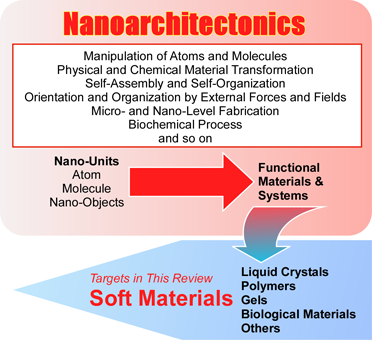
- crystal nanoarchitectonics Liquid crystals are an attractive form of soft materials, characterized by a combination of moderate fluidity and orientation [223][224][225]. They exhibit a high degree of diversity with regard to both the type of phase and the size of the regular structures. Furthermore, they
- . The ability to control the assembly structures of these molecules is crucial for the development of a range of functional materials. It is frequently observed that discotic liquid crystal molecules assume a columnar phase as a consequence of π–π stacking between the π-conjugated discotic cores. The
- dispersed on water and formed floating domains at the air–water interface in the absence of applied pressure. The aggregates were constituted by small molecular units, with their alkyl chains oriented towards the air phase. Upon compression, the domains merged to form a coherent monolayer. The monolayer was






Multifunctional properties of bio-poly(butylene succinate) reinforced with multiwalled carbon nanotubes
Beilstein J. Nanotechnol. 2025, 16, 1014–1024, doi:10.3762/bjnano.16.76
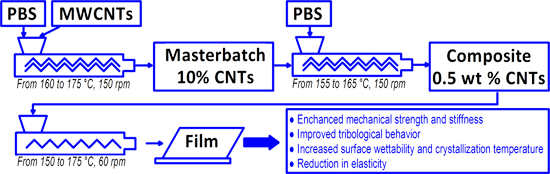
- examine the microstructure of the samples and the distribution of the dispersed phase. The microstructure of original CNTs and pellets of PBS and PBS/CNTs nanocomposites was analyzed using the secondary electron (SE) detector at an accelerating voltage of 10 kV. Cross-sectional samples for SEM analysis



Time-resolved probing of laser-induced nanostructuring processes in liquids
Beilstein J. Nanotechnol. 2025, 16, 968–1002, doi:10.3762/bjnano.16.74
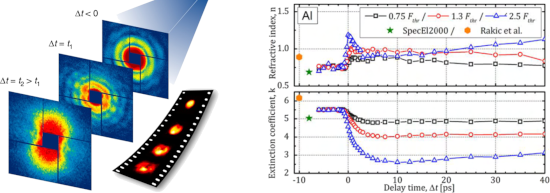
- of ablation, fragmentation or colloidal fusion may look macroscopically different in each application, the underlying fundamental mechanisms are always the same cascade of laser interaction with matter, non-thermal or thermal energy deposition, phase transitions, and the subsequent structure
- formation via direct and near-field forces [24][25][26][27]. Furthermore, the application of TTM is hampered by the relatively high uncertainty of material parameters such as the temperature- or field-dependent interaction cross section or the non-linear heat capacities [28][29][30][31]. Heat flow and phase
- ) simulations [36][37] are widely used to predict phase transitions or structure formation on the nanoscale [38][39], but ultimately also require interfacing the simulations with other models, such as TTM [40][41] or large-scale hydrodynamics [42][43][44][45]. This integration approach leads to computationally


Shape, membrane morphology, and morphodynamic response of metabolically active human mitochondria revealed by scanning ion conductance microscopy
Beilstein J. Nanotechnol. 2025, 16, 951–967, doi:10.3762/bjnano.16.73
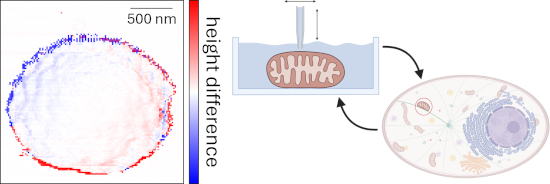
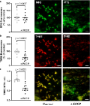
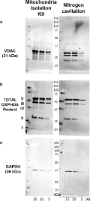
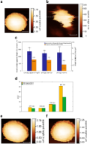
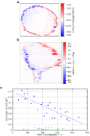
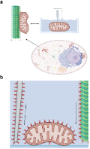
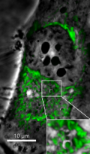
- (visualised by phase contrast, grey) in particular with the endoplasmic reticulum in the vicinity of the cell nucleus (as shown in the inset). Scale bar: 10 μm. Supporting Information Further information to mitochondrial morphodynamics and the measurement setup; Supporting information provides further



Synthesis of biowaste-derived carbon-dot-mediated silver nanoparticles and the evaluation of electrochemical properties for supercapacitor electrodes
Beilstein J. Nanotechnol. 2025, 16, 933–943, doi:10.3762/bjnano.16.71
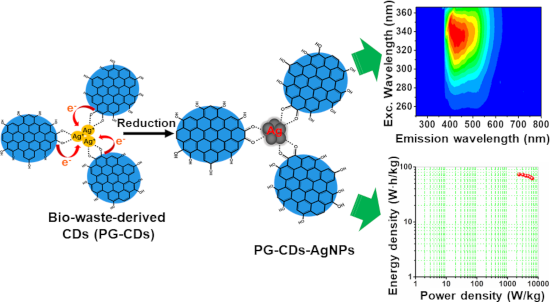
- phase composition could be classified according to the face-centered cubic structure of silver. The XRD spectrum showed that the formed PG-CDs-AgNPs were nanocrystals, as confirmed by the peaks at 2θ ≈ 28.20°, 32.66°, 38.61°, 46.60°, and 57.86°. These Bragg diffraction peaks are equivalent to the (110
- ), (111), (121), (200), and (311) planes, which can be seen in the face-centered cubic structure of silver [28][29]. The XRD analysis of the PG-CDs-AgNPs produced via PG-CDs mediated reduction resembles the crystalline phase as referenced by (JCPDS File No. 84-0713) data [30]. Furthermore, the XPS


Structural and magnetic properties of microwave-synthesized reduced graphene oxide/VO2/Fe2O3 nanocomposite
Beilstein J. Nanotechnol. 2025, 16, 921–932, doi:10.3762/bjnano.16.70
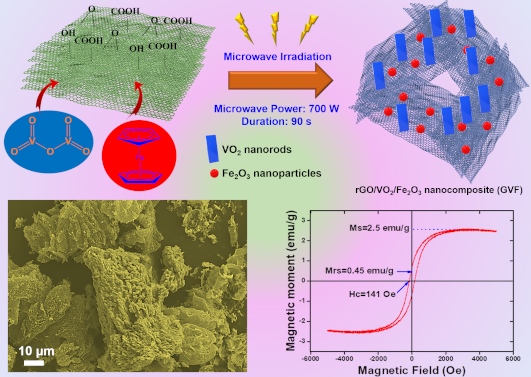
- ternary NCs of graphene materials, several conventional approaches, such as sol–gel, hydrothermal/solvothermal, calcination/thermal annealing, chemical vapor deposition, liquid-phase exfoliation, and freeze-drying have been reported. However, the MW-assisted synthetic approaches are found to be superior
- irradiation [16]. In the next step, 200 mg of the graphite oxide was MW irradiated at 700 W for 90 s in a MW oven. It is important to note that the MW process happened in the solid phase. The reduction and exfoliation of graphite oxide to form the rGO occurred through the removal of oxygen functionalities in
- phase change of this metal oxide is generally implemented through a few approaches, including annealing, sol–gel process, hydrothermal process, vapor transport method. However, such approaches are time consuming [26][27][28]. In this context, the ultrafast reduction of V2O5 to VO2 through the MW route



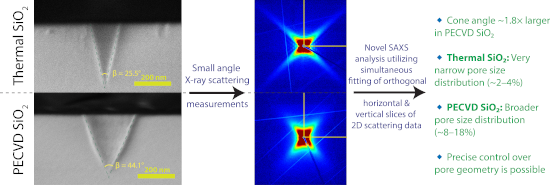
Characterization of ion track-etched conical nanopores in thermal and PECVD SiO2 using small angle X-ray scattering
Beilstein J. Nanotechnol. 2025, 16, 899–909, doi:10.3762/bjnano.16.68
- , Darmstadt (Germany) in the frame of FAIR Phase-0. This work used the ACT node of the NCRIS-enabled Australian National Fabrication Facility (ANFF-ACT). Funding The authors acknowledge financial support from the Australian Research Council (ARC) under the ARC Discovery Project Scheme.


Heat-induced transformation of nickel-coated polycrystalline diamond film studied in situ by XPS and NEXAFS
Beilstein J. Nanotechnol. 2025, 16, 887–898, doi:10.3762/bjnano.16.67
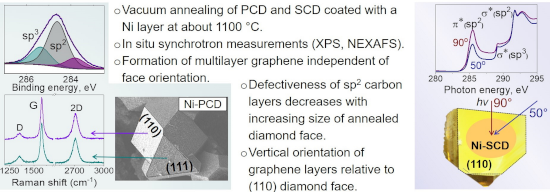
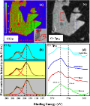
- Ni-coated NCD films, a disordered carbon was found to form on the nickel surface, which then partially transformed into a graphitic phase at higher temperatures [23]. Moreover, the spectra of the annealed Ni-PCD film demonstrate an additional peak at a low binding energy of 283.3 eV corresponding to


Ar+ implantation-induced tailoring of RF-sputtered ZnO films: structural, morphological, and optical properties
Beilstein J. Nanotechnol. 2025, 16, 872–886, doi:10.3762/bjnano.16.66
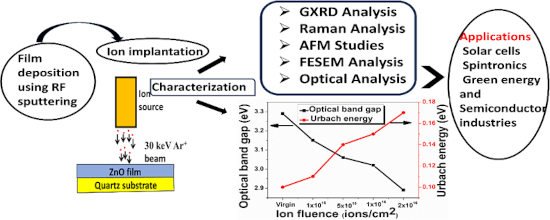
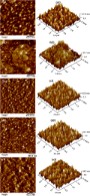
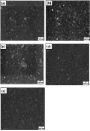
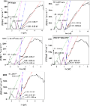
- phonon symmetry in ZnO films implanted at lower ion beam energies. Zhiguang et al. [16] have observed the appearance of a longitudinal phonon mode in 80 keV nitrogen ion-implanted ZnO films at different fluences. Kennedy et al. [17] have reported enhancement in the disordered phase and an A1 (LO) mode in






Insights into the electronic and atomic structures of cerium oxide-based ultrathin films and nanostructures using high-brilliance light sources
Beilstein J. Nanotechnol. 2025, 16, 860–871, doi:10.3762/bjnano.16.65

- associated to the formation of a Ce–Pt alloyed interfacial phase exhibiting a (2 × 2) periodicity [47]. The influence of the substrate on the stability and reactivity of supported ceria nanoislands has also been investigated by Ce M5 XANES in the case of Au(111) [48]. A loss of redox activity accompanied by
- in selected areas with sub-micrometer spatial resolution [55]. In addition, the morphology of zirconia–ceria mixed oxides supported on Rh(111) and the oxidation states of the two oxides, individually and in the mixed phase, were determined [39]. Studies at ambient pressure The identification of


Synchrotron X-ray photoelectron spectroscopy study of sodium adsorption on vertically arranged MoS2 layers coated with pyrolytic carbon
Beilstein J. Nanotechnol. 2025, 16, 847–859, doi:10.3762/bjnano.16.64
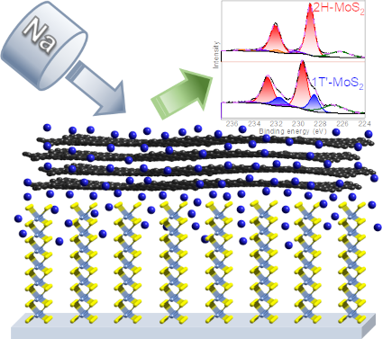
- spacing of 0.62 nm and weak van der Waals interactions between them. At a sodium ion intercalation potential of about 1.4 V vs Na/Na+, the thermodynamically preferred 2H-MoS2 phase transforms into the metastable 1T-MoS2 phase [3][4]. With further increase in the intercalated sodium concentration


Facile one-step radio frequency magnetron sputtering of Ni/NiO on stainless steel for an efficient electrode for hydrogen evolution reaction
Beilstein J. Nanotechnol. 2025, 16, 837–846, doi:10.3762/bjnano.16.63
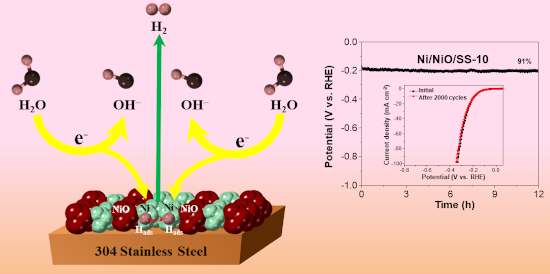
- . In this study, Ni/NiO nanolayers were prepared on stainless steel (SS) via a facile one-step radio frequency magnetron sputtering with various O2 flow rates. The O2 flow rate not only changed the crystal phase but also affected the morphology and atomic ratio of materials, leading to optimized HER
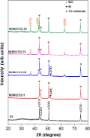
- potential regarding industrial application. Results and Discussion Crystal structure and phase of the as-synthesized electrodes were verified by X-ray diffraction (XRD) measurements with 2θ ranging from 20° to 80°. Figure 1 displays the XRD patterns of SS, Ni/NiO/SS-5, Ni/NiO/SS-10, Ni/NiO/SS-15, and Ni/NiO
- /SS-20 electrodes. Regarding the commercial 304 SS sample, the typical peaks at 43.64°, 50.68°, and 74.56° were indexed to the (111), (200), and (220) crystal planes of the cubic γ-Ni–Cr–Fe phase [27][28][29][30][31][32][33]. At a low O2 flow rate (5 sccm), a Ni metal phase appeared, visible by the


Synthesis and magnetic transitions of rare-earth-free Fe–Mn–Ni–Si-based compositionally complex alloys at bulk and nanoscale
Beilstein J. Nanotechnol. 2025, 16, 823–836, doi:10.3762/bjnano.16.62
- ), University of Duisburg-Essen, Lotharstr. 1, 47057 Duisburg, Germany GROC·UJI, Institute of New Imaging Technologies, Universitat Jaume I, Av. De Vicent Sos Baynat s/n, 12071 Castellón, Spain 10.3762/bjnano.16.62 Abstract Magnetic phase transitions at the Curie temperature are essential for applications like
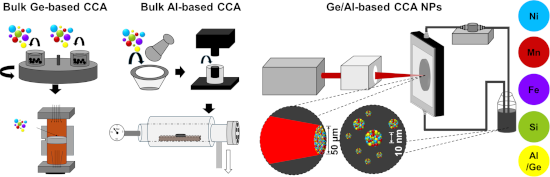
- comprehensive synthesis approach for rare-earth-free compositionally complex alloys (CCAs) with magnetic phase transitions, spanning from bulk materials to nanoparticles. Specifically, we investigate Mn22.3Fe22.2Ni22.2Ge16.65Si16.65 (Ge-based CCA) and Mn0.5Fe0.5NiSi0.93Al0.07 (Al-based CCA). The bulk materials
- are prepared by ball milling and spark plasma sintering or powder pressing and sintering. Nanoparticles (NPs) from the bulk materials are synthesized by pulsed laser ablation in liquid. Magnetization measurements confirm a ferromagnetic-to-paramagnetic phase transition in bulk alloys, with Tc = 179 K


Morphology and properties of pyrite nanoparticles obtained by pulsed laser ablation in liquid and thin films for photodetection
Beilstein J. Nanotechnol. 2025, 16, 785–805, doi:10.3762/bjnano.16.60
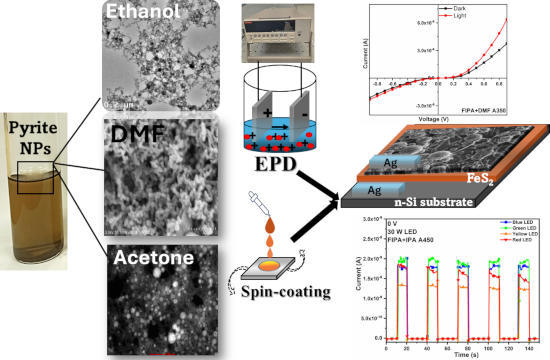
- synthesized by PLAL. FeS2 NPs were successfully synthesized in five different solvents, along with a minor phase of iron sulfide (FeS). Additionally, by combining electrophoretic deposition and spin-coating techniques, thin film photodiodes of FeS2 were fabricated on an n-type Si substrate utilizing the
- nanocolloids. The structural, morphological and electrical characterizations of the films are also presented. By sulfurization of the films, phase-pure pyrite thin films are obtained. The photodetection range was up to 785 nm photocurrent in the order of 10−6 to 10−4 A for different annealing conditions and a
- is that the productivity and morphology/size of the NPs generated can be regulated by carefully managing the input parameters [16]. Due to the challenges in obtaining phase-pure FeS2 by PLAL, this is a much less explored material despite its high potential. A strong reducible ferric ion and an






Changes of structural, magnetic and spectroscopic properties of microencapsulated iron sucrose nanoparticles in saline
Beilstein J. Nanotechnol. 2025, 16, 762–784, doi:10.3762/bjnano.16.59
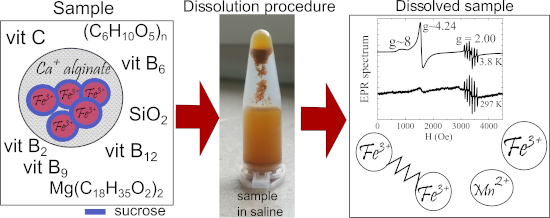
- compounds and SiO2 are the major phases, while the iron phase was recognized as iron oxyhydroxide (FeOOH) (most probably the α polymorph). The dissolution procedure had significant influence on structural and physical properties of the investigated compound, such as lowering of the blocking temperature with
- lattice fringes are easily visible. The interplanar distance measured from the fast Fourier transform (FFT) is about 2.54 Å, which is in good accordance with the (400) plane of the α-FeOOH and with the (311) plane of the Fe3O4 phase, but less likely with the (40−1) or (400) plane of the β-FeOOH. Therefore
- , the question of the iron phase present in the FS0 sample appears to be unresolved based on the TEM results; however, the presence of the iron oxyhydroxide is highly probable. The energy-dispersive X-ray spectroscopy (EDS) spectrum (Figure 3f) of the FS0 sample collected from the area visible in Figure





Thickness dependent oxidation in CrCl3: a scanning X-ray photoemission and Kelvin probe microscopies study
Beilstein J. Nanotechnol. 2025, 16, 749–761, doi:10.3762/bjnano.16.58
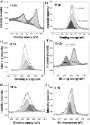
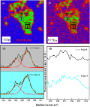
- inset of Figure 5a). In some recent works, the formation of a Cr–O–Cl surface phase [8][10] was characterized by the presence of a low-binding-energy component for Cl 2p at 198 eV (Figure 5b), albeit for a high degree of oxidation at high temperature in air, which we do not observe here, and a low
- emerges after the formation of the O–CrCl3 phase [8]. To confirm our analysis, we have continued the investigation of the Cr 2p3/2 and O 1s core level spectra in Figure 7 at different thicknesses on the ITO substrate as reported in Figure 2 with defocused beam and observed the appearance of the peak at
- the lower binding energy of Cr 2p for the thick region, while the O 1s spectra appear to be enhanced for the same region. These results can complement the study on cleaved samples [8], where the formation of a stable phase through oxygen in interstitial positions of the surface, which provided a redox





Serum heat inactivation diminishes ApoE-mediated uptake of D-Lin-MC3-DMA lipid nanoparticles
Beilstein J. Nanotechnol. 2025, 16, 740–748, doi:10.3762/bjnano.16.57
- to a flowrate of 4 mL/min and a flow rate ratio of 3:1 (aqueous to solvent phase) to mix the phases. For C12 LNPs, the flow rate ratio was set to 2:1 with a total flow rate of 9 mL/min. After mixing, the LNP suspensions were dialyzed against PBS overnight using a dialysis cassette (Thermo Scientific


Synthesis of a multicomponent cellulose-based adsorbent for tetracycline removal from aquaculture water
Beilstein J. Nanotechnol. 2025, 16, 728–739, doi:10.3762/bjnano.16.56
- particularly notable for their high target specificity. Although MIPs are effective, their synthesis requires exceptional precision and is time-intensive. Meanwhile, magnetic solid-phase extraction columns [15] have been explored for TC removal; however, they are impractical for processing large sample volumes
- mobile phase consisted of ACN and 0.1% FA, delivered at 0.25 mL·min−1. Factors influencing adsorption capacity Experiments were conducted to evaluate factors affecting the adsorption capacity of PGC and determine optimal conditions. The investigated factors included initial pH, initial concentration and


Efficiency of single-pulse laser fragmentation of organic nutraceutical dispersions in a circular jet flow-through reactor
Beilstein J. Nanotechnol. 2025, 16, 711–727, doi:10.3762/bjnano.16.55
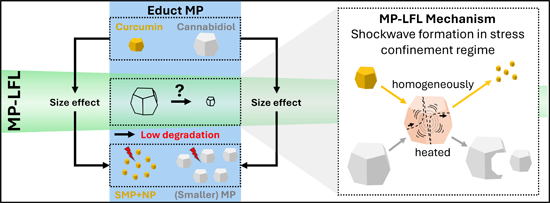
- phthalocyanines (VOPc and CuPc) in deionized water and other pure solvents but also influences the size and crystal phase via the chosen laser parameters [21][33]. Furthermore, spectroscopic analyses successfully demonstrated that an extinction enhancement occurs with increasing irradiation time and higher
- ultrashort picosecond laser pulses are used (calculated temperatures of the particle ensemble and individual particles are listed in Table S11, the phase diagram is depicted in Figure S16, Supporting Information File 1) [51][52]. For curcumin (and other organic materials), degradation already takes place in
- -403 degasser unit, SIL-40C XR autosampler, and SPD-M30A UV detector from Shimadzu Deutschland GmbH. A 100 mm Nucleosil-C18 column incl. precolumn from Macherey-Nagel GmbH & Co. KG with an inner diameter of 4 mm and particle sizes of 3 µm was used. For curcumin, the mobile phase consisted of a 1.36 g·L


Nanostructured materials characterized by scanning photoelectron spectromicroscopy
Beilstein J. Nanotechnol. 2025, 16, 700–710, doi:10.3762/bjnano.16.54
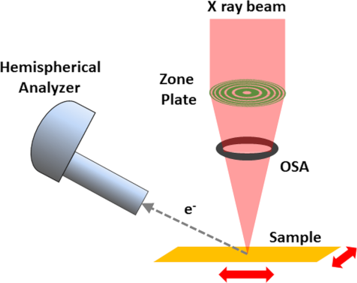
- the materials formed by similar building blocks, then having similar properties, are called phases from which another possible definition of these heterogeneous materials such as multi-phase materials comes [2][3][4]. Nanostructured materials are the playground for the advancement of some key
- footprint allows for the combination of different materials with dislocation-free interfaces and to form axial or radial heterostructures of varying material, doping, or crystal phase [17][18][19]. Nanowire heterostructures based on III–V semiconductors are especially promising for electronic
- composition and the surface potential across InP nanowire p–n junctions for individual nanowire devices. InP nanowires were grown on InP(111) substrates by vapor–liquid–solid growth using nanoimprint lithography for generating catalytic Au nanoparticles in a metal–organic vapor phase epitaxy (MOVPE) reactor


High-temperature epitaxial growth of tantalum nitride thin films on MgO: structural evolution and potential for SQUID applications
Beilstein J. Nanotechnol. 2025, 16, 690–699, doi:10.3762/bjnano.16.53
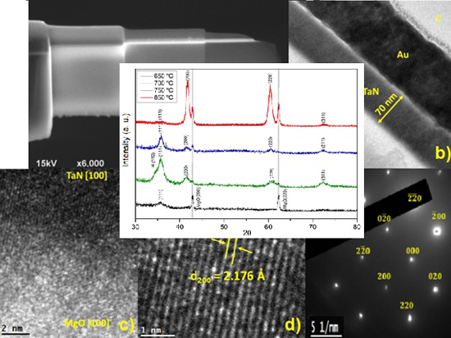
- diffusion barrier with potential application for microelectronics were fabricated [10][11]. In contrast, the stoichiometric mononitride TaN phase with face-centered cubic (FCC) structure exhibits superconductivity with a Tc of 8.15 K [12]; when the thin films were grown epitaxially on an FCC substrate, Tc
- that oxygen can occupy the N sites of the crystal without structural modifications [15]. These findings reinforce the potential of PLD as a viable method for fabricating high-quality TaN superconducting films with controlled stoichiometry and phase purity. The optimal combination of N2 pressure and
- diffraction database was used for the qualitative search–match phase identification. To determine the epitaxy of the films, TEM was carried out with a Jeol JEM 2100F. Finally, the resistivity, R, was measured as a function of the temperature T using the van der Pauw method in a DynaCool Quantum Design


The impact of tris(pentafluorophenyl)borane hole transport layer doping on interfacial charge extraction and recombination
Beilstein J. Nanotechnol. 2025, 16, 678–689, doi:10.3762/bjnano.16.52
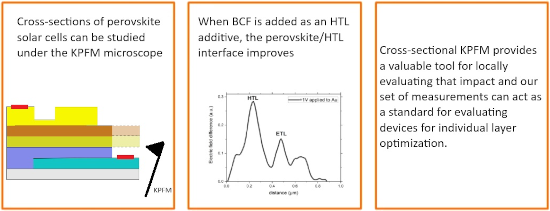
- ]. For PTAA, under illumination, a similar mechanism is proposed, whereby the oxidation of PTAA raises the conductivity of the polymer [33]. For both HTLs, the inclusion of tBP promotes a better distribution of the HTL on the perovskite, preventing organic semiconductor/LiTFSI phase segregation [34


Colloidal few layered graphene–tannic acid preserves the biocompatibility of periodontal ligament cells
Beilstein J. Nanotechnol. 2025, 16, 664–677, doi:10.3762/bjnano.16.51
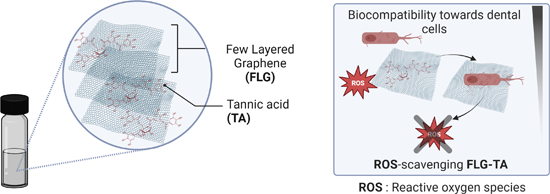
- determined by the presence of impurities in the graphene structure [9]. Among other GBMs, few-layer graphene (FLG), synthesized through liquid-phase exfoliation (LPE), has emerged as a particularly advantageous option [10][11]. LPE is highly regarded for its simplicity, scalability, and effectiveness in




Aprepitant-loaded solid lipid nanoparticles: a novel approach to enhance oral bioavailability
Beilstein J. Nanotechnol. 2025, 16, 652–663, doi:10.3762/bjnano.16.50
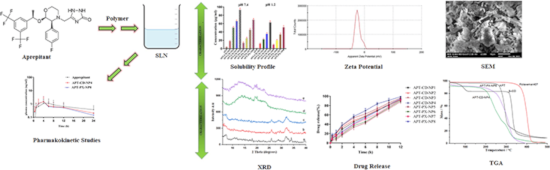
- patients in the delayed phase (days 2 to 5) in their first cycle of high-dose cisplatin [5]. Aprepitant (APT) is a selective antagonist of neurokinin-1 receptor that blocks the substance P emetic effect. NK-1 receptors occur in the gastrointestinal tract on vagal afferents and in the nucleus of the
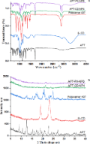
- solvents were stronger and minimized the formation of cracks. However, APT-loaded SLNs formulations in the aqueous phase appeared as nonspherical granules. FTIR studies FTIR spectroscopy was applied to estimate any interaction between APT and β-CD or poloxamer 407 in APT-CD-NP4 and APT-PX-NP8. Figure 4a
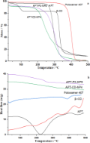
- (Figure 5b) were conducted to the study physical state of APT, β-CD, poloxamer 407, and APT-loaded SLNs formulations. APT exhibits an endothermic melting peak at 255 °C, which indicates a phase transition of APT. An endothermic peak of β-CD is seen at 100 °C, which is associated with the release of water



Nanoscale capacitance spectroscopy based on multifrequency electrostatic force microscopy
Beilstein J. Nanotechnol. 2025, 16, 637–651, doi:10.3762/bjnano.16.49

- importance of dielectric properties becomes even more pronounced. Many advanced materials exhibit nanoscale structural heterogeneity, where quantum confinement, phase composition, and interfacial effects cause significant deviations in dielectric behavior compared to bulk materials [12][13]. These nanoscale
- parts [93], leading to a strong nanoscale contrast in the dielectric signal. On the silicon substrate, F14H20 formed groups of spherical particles with a diameter of 40 ± 5 nm (Figure 7a) [94][95]. Simultaneously with the topography, we recorded the C″ amplitude and phase at electrical excitation
- (compare the insets in Figure 7b,c). Another effect that can be observed in the C′ phase images is that the individual contrast on the particles changes when going towards the center of the particle agglomerate (upper graph in Figure 7f). While there is only a very shallow contrast for the first two to