Search results
Search for "potential" in Full Text gives 1959 result(s) in Beilstein Journal of Nanotechnology. Showing first 200.
Multifunctional anionic nanoemulsion with linseed oil and lecithin: a preliminary approach for dry eye disease
Beilstein J. Nanotechnol. 2025, 16, 1711–1733, doi:10.3762/bjnano.16.120
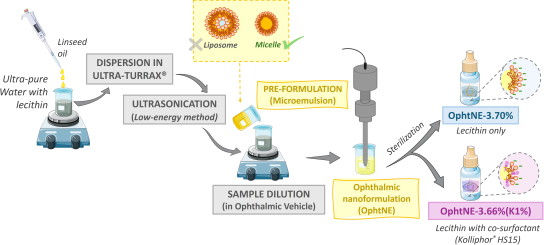
- , resulting in OphtNE-3.70% with a droplet diameter of 173 nm and a zeta potential of −44.7 mV. The addition of Kolliphor® HS15 in OphtNE-3.66%(K1%) initially reduced the droplet size to 70.8 nm and enhanced the antioxidant effect. Although the droplet size and polydispersity index increased after more than
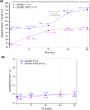
- >75% cell viability in L929 cells and ~10% 2,2-diphenyl-1-picrylhydrazyl (DPPH) antioxidant effect. These findings support the multifunctional potential (cytocompatibility and antioxidant) of sterile OphtNE-3.66%(K1%) for the treatment of DED, emphasizing the need for in vivo studies to ensure its
- investigated as potential drug delivery technologies [14][15]. However, our formulation is not a drug delivery system (DDS) since it lacks pharmacological agents. Instead, it is a functional nanoemulsion designed to mimic the tear film’s properties and provide antioxidant and osmoprotective benefits, aiming to



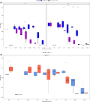
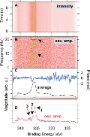
Ambient pressure XPS at MAX IV
Beilstein J. Nanotechnol. 2025, 16, 1677–1694, doi:10.3762/bjnano.16.118
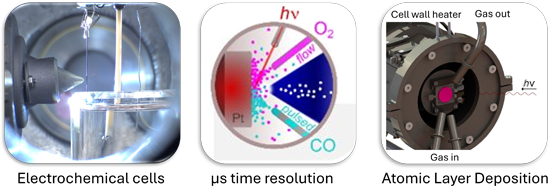
- technology for the future development of smaller and more power-efficient devices. One step in this development is the replacement of silicon, which cannot reach the development goals set by international technological roadmaps [61]. A potential replacement for silicon oxide is a high-k oxide material such
- material is to obtain a clean interface between the materials, which is critical for the proper function of the potential devices. In situ and operando APXPS has been utilized in many works to study the deposition of HfO2 on InAs to elucidate the chemical reactions that occur as those layers are grown in
- APXPS measurements at the vapor pressure of the electrolyte. This method is used mostly for corrosion studies. In the second case, the potential is held during the XPS analysis, and a thin electrolyte film (meniscus) is maintained at the interface of the working electrode (WE) during measurement. This





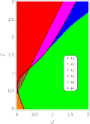
Energy spectrum and quantum phase transition of the coupled single spin and an infinitely coordinated Ising chain
Beilstein J. Nanotechnol. 2025, 16, 1668–1676, doi:10.3762/bjnano.16.117
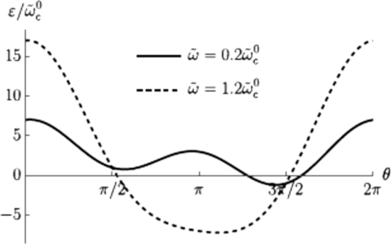
- one replaces by their eigenvalues in Equation 4. This is a Born–Oppenheimer approximation in which the chain is considered to be a fast subsystem relative to the single spin. In particular, the energy of the spin chain is a contribution to the potential energy of the single spin. Phase Transition in

![[Graphic 39]](/bjnano/content/inline/2190-4286-16-117-i63.svg?max-width=637&scale=1.18182)


![[Graphic 51]](/bjnano/content/inline/2190-4286-16-117-i75.svg?max-width=637&scale=1.18182)
Prospects of nanotechnology and natural products for cancer and immunotherapy
Beilstein J. Nanotechnol. 2025, 16, 1644–1667, doi:10.3762/bjnano.16.116
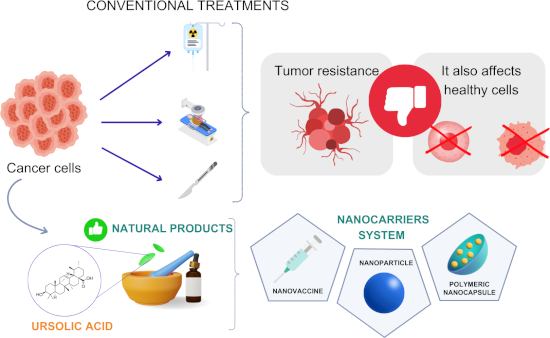
- agents. Consequently, the combination of natural products with nanotechnology holds significant therapeutic potential. Keywords: cancer; immunotherapy; nanotechnology; natural products; patent; review; Introduction Cancer is a disease characterized by the uncontrolled proliferation of abnormal cells
- traditional therapies. Advances in cancer nanotechnology include the development of smart nanocarriers capable of responding to internal stimuli (such as pH, redox potential, and enzymes) and external stimuli (such as magnetic fields, heat, or ultrasound), enabling precise and controlled drug release [16][17
- biological environments, potential immunogenicity, scalability of manufacturing processes, and the need for comprehensive long-term toxicity studies [20][21]. Overcoming biological barriers, such as penetration through the dense tumor extracellular matrix, also remains a major hurdle [19]. Nevertheless


Venom-loaded cationic-functionalized poly(lactic acid) nanoparticles for serum production against Tityus serrulatus scorpion
Beilstein J. Nanotechnol. 2025, 16, 1633–1643, doi:10.3762/bjnano.16.115
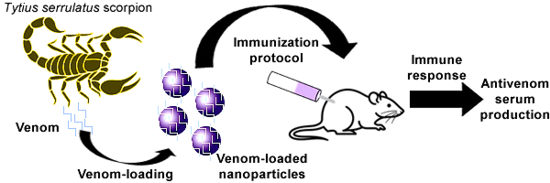
- polyethylenimine for loading peptides and proteins of T. serrulatus venom, and their use as a potential immunoadjuvant was evaluated. The protein loading efficiency of about 100% and the polyacrylamide gel electrophoresis assay confirmed the success of venom loading. Dynamic light scattering and zeta potential
- polymers such as poly(lactic acid) (PLA) has been investigated [13]. The nanoparticles produced using these synthetic polyesters show neutral or negative zeta potential, which limits the loading of negatively charged macromolecules such as proteins, polypeptides, or DNA [14][20]. The surface of
- polyethylenimine (PEI), to change the surface of nanoparticles to a positive potential, improving the interaction with negatively charged biomolecules, is one strategy successfully employed for gene delivery [20][23][24]. These cationic nanoparticles have an absent or weak electrostatic interaction with negatively


Nanotechnology-based approaches for the removal of microplastics from wastewater: a comprehensive review
Beilstein J. Nanotechnol. 2025, 16, 1607–1632, doi:10.3762/bjnano.16.114
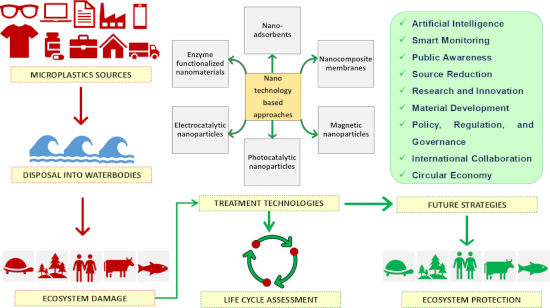
- .16.114 Abstract The increasing prevalence of microplastics (MPs) in aquatic environments has raised significant concerns due to their persistence, potential for bioaccumulation, and adverse effects on human and ecosystem health. Conventional wastewater treatment technologies are largely inadequate for
- hydrocarbons, heavy metals, and other toxic contaminants, increasing their potential risks to living ecosystems and organisms [9][10]. MPs have low density, variable sizes, high persistence, and non-biodegradable nature. These characteristics make their removal difficult, especially in aquatic environments [11
- explores the potential of nanotechnology in removing MP contamination from water and wastewater. Unlike conventional treatment methods, which are less effective in capturing nanoscale plastic pollutants, nanotechnology-based approaches offer precision, enhanced adsorption, and catalytic degradation


Bioinspired polypropylene-based functionally graded materials and metamaterials modeling the mistletoe–host interface
Beilstein J. Nanotechnol. 2025, 16, 1592–1606, doi:10.3762/bjnano.16.113
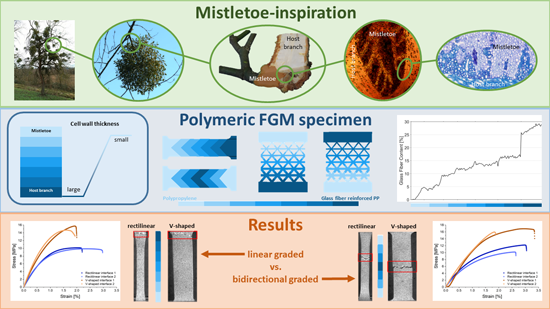
- Longevity and the efficient use of resources are playing an increasingly important role in the development and production of engineering materials systems. In order to fully exploit the longevity potential, the robustness and resilience of materials and material composites and their structuring are of
- demonstrated the potential for creating functionally graded structures using multimaterial 3D printing [18][19][20]. However, these methods mainly focus on structural gradients [21] and face significant challenges in part integrity due to the layer-by-layer fabrication process, which results in poor adhesion
- [23], with its diverse plant and animal systems having developed over millions of years during the course of evolution. As such, the kingdom Plantae offers a wide range of functional principles that can be used as a source of bioinspiration to increase longevity and damage control potential [1][4


Few-photon microwave fields for superconducting transmon-based qudit control
Beilstein J. Nanotechnol. 2025, 16, 1580–1591, doi:10.3762/bjnano.16.112
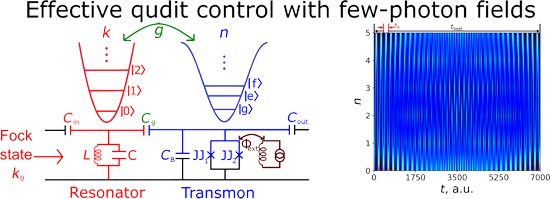
- at least to determine the exact number of photons in the resonator. Schematic representation of the model under discussion: A few-photon microwave field from a high-quality resonator (red) affects an artificial transmon-based atom (blue). The potential energies and energy spectra for harmonic


Photocatalytic degradation of ofloxacin in water assisted by TiO2 nanowires on carbon cloth: contributions of H2O2 addition and substrate absorbability
Beilstein J. Nanotechnol. 2025, 16, 1567–1579, doi:10.3762/bjnano.16.111
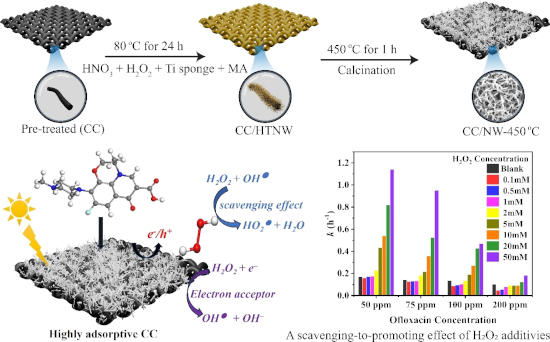
- amount, below which a negative effect is noted. This investigation demonstrates the potential of improving the photoactivity of one-dimensional TiO2 nanostructures by utilizing a highly adsorptive substrate, which can help mitigate the effects of hazardous materials in water. Keywords: carbon cloth
- and contamination of aquatic environments. Studies have reported OFL concentrations in surface waters ranging from 0.05 to 17.7 μg/L, posing a potential risk to aquatic organisms and disrupting ecosystem balance [4][5]. Therefore, OFL removal from water is an important issue in environmental science
- × 2 cm in size) was taken as working electrode, the Pt electrode as counter electrode (3 cm × 3 cm in size), and a saturated calomel electrode as reference electrode; the electrolyte is 0.5 mol/L aqueous Na2SO4 solution. No bias potential was applied for the photocurrent evaluations. Results and


Modeling magnetic properties of cobalt nanofilms used as a component of spin hybrid superconductor–ferromagnetic structures
Beilstein J. Nanotechnol. 2025, 16, 1557–1566, doi:10.3762/bjnano.16.110
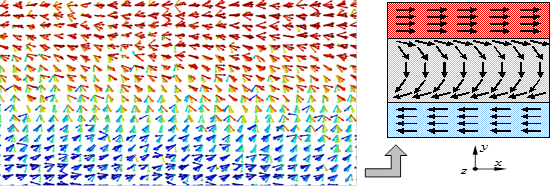
- : where UMEAM(r) is the force potential, the modified embedded atom method (MEAM) potential was used in this work; Hex(r) is the exchange interaction energy of spins; r = {r1,r2,…,rN} is the generalized variable showing the dependence on the whole set of radial vectors of atoms; κ,λ are viscous friction
- particle; and Tl and Ts are values of the thermodynamic and spin temperatures, respectively [26][27]. The potential of the modified embedded atom method [28][29] was based on the electron density functional theory. The magnitude of the potential UMEAM depends on the set of atomic positions, which makes the
- potential multi-body model: where Fi is the immersion function of each atom in the electron gas created by electrons of all other atoms of the system; ϕij(rij) is the pair potential function; rij = |rij| = |rj − rj| is the distance between two atoms with numbers i and j; and is the background electron


Transient electronics for sustainability: Emerging technologies and future directions
Beilstein J. Nanotechnol. 2025, 16, 1545–1556, doi:10.3762/bjnano.16.109

- stimulators, and drug delivery vehicles, as well as environmentally benign electronics for soil or aquatic disposal. Despite their potential, key challenges remain in expanding the material set for diverse functionalities, achieving high-density integration for advanced operations, and enabling precise
- van der Waals films via photonic sintering allows for the development of novel forms of transient electronic devices, thereby further broadening the scope of their potential applications [31]. The foundational principles of transient electronics rest on the deliberate selection and integration of
- , offering the potential to replace conventional high-performance silicon-based devices with transient alternatives. In aqueous environments, silicon undergoes degradation via well-defined mechanisms with the rate of dissolution being highly sensitive to external conditions [42][44]. Elevated temperatures


Influence of laser beam profile on morphology and optical properties of silicon nanoparticles formed by laser ablation in liquid
Beilstein J. Nanotechnol. 2025, 16, 1533–1544, doi:10.3762/bjnano.16.108
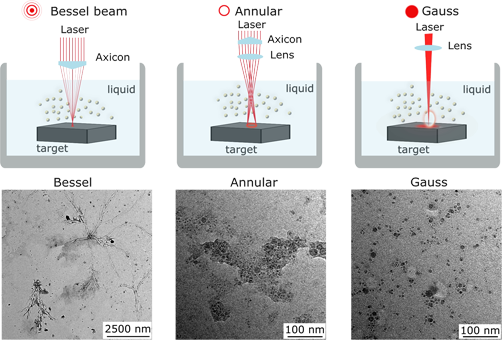
- of the synthesized products towards energy- and catalysis-related applications due to materials’ high surface area and prompt reaction kinetics. The potential benefits of the beam shape variation have recently initiated more active research on the ablative generation of NPs using spatially shaped
- potential wells and can result in confinement of plasma and CB propagation, CB oscillations, and the reflection of shockwaves [29]. The confinement and reflection effects are known to result in a plasma compression and, consequently, plasma temperature and electron density increase [35][36][37]. A reflected
- laser ablation with the Bessel beam profile. Another application of the nanofilaments prepared using Bessel beams can be the electrode material of Li-ion batteries. Experiments on the preliminary evaluation of the electrochemical properties of the prepared nanomaterials for their potential application


Dendrimer-modified carbon nanotubes for the removal and recovery of heavy metal ions from water
Beilstein J. Nanotechnol. 2025, 16, 1522–1532, doi:10.3762/bjnano.16.107

- biosynthesis, extraction processes, and organic reactions [43]. In this study, we focus on the pre-functionalization of CNTs via Diels–Alder reaction using DES as the sole catalytic system under sonication energy and subsequent growth of dendrimers. We further evaluate the potential of the CNTs in the removal
- efficiencies of 81.9 and 74.3% for Pb2+ and Cd2+ metal ions, respectively, affirming its potential use for practical applications. Based on kinetic studies, the adsorption process was best described by a pseudo-second order reaction, and the rate-limiting step was mainly chemisorption. Calculated value of
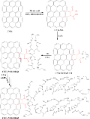


Cross-reactivities in conjugation reactions involving iron oxide nanoparticles
Beilstein J. Nanotechnol. 2025, 16, 1504–1521, doi:10.3762/bjnano.16.106
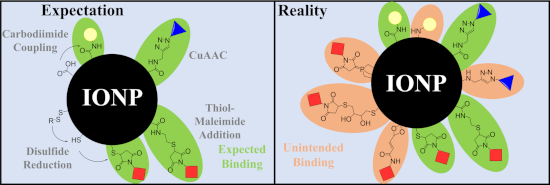
- ), followed by cleavage of the disulfide bonds with reducing agents to produce free thiols (GSH) for maleimide coupling [40][41]. In the field of IONP functionalization, commonly used coupling reagents are generally assumed to be orthogonal, and little focus is placed on their potential cross-reactivities. It
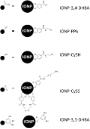
- a carboxylate–ammonium ionic bond. For our purposes, it is important to acknowledge the reactivity of the 3,4-DHBA ligands we are using and their potential oxidation products towards common functional groups. The reactivity of quinones towards amines and thiols is well established, although thiols
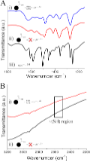
- Information File 1, Figure S4), shows that this complex is still present, but in smaller quantities. It is clear that the use of CySH as a linker is complicated by potential cross-reactivities with both its amine and thiol groups, which cannot be unambiguously resolved. The FTIR spectra indicate some







Nanomaterials for biomedical applications
Beilstein J. Nanotechnol. 2025, 16, 1499–1503, doi:10.3762/bjnano.16.105
- adverse effects and increasing the success rate of the delivery. Since nanomaterials can be tunable, the vast majority of health sectors are investigating their potential in a wide range of applications, such as targeted drug delivery, gene therapy, tissue regeneration, imaging, and diagnostic tools [2
- their controlled release. They are also being investigated as gene delivery agents since they can transport DNA or RNA, making them a potential candidate for therapies such as gene therapy and RNA-based vaccines [11]. Furthermore, carbon nanotubes have revealed promising results in targeted delivery
- support tissue growth over time. Although the potential is huge, it is still a challenge for researchers to ensure that engineered tissues remain safe, generate the proper immune responses, or are well-integrated into living bodies. However, the advancements so far demonstrate that nanomaterials may be
Laser processing in liquids: insights into nanocolloid generation and thin film integration for energy, photonic, and sensing applications
Beilstein J. Nanotechnol. 2025, 16, 1428–1498, doi:10.3762/bjnano.16.104
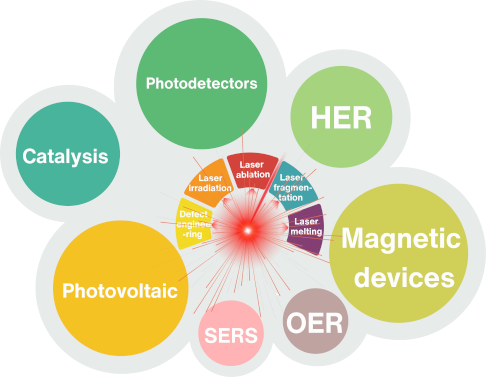
- [12]. The size, shape, and composition of these nanomaterials can be controlled by adjusting experimental parameters such as laser settings, liquid medium, and target material. Additionally, the preparation of doped and multicomponent semiconductor nanostructures could expand LAL’s potential in
- specific applications will be crucial for realizing the full potential of laser-based techniques and addressing challenges in LAL such as low productivity, high energy consumption, and wide size distribution. Additionally, advancing in situ characterization methods, such as time-resolved shadowgraphy [26
- potential in applications like catalysis. This technique has become a valuable addition to the toolbox of nanoparticle synthesis, offering enhanced precision and scalability for advanced materials and applications [6][29][30]. The synthesis of lead telluride (PbTe) NPs was successfully performed through






Photochemical synthesis of silver nanoprisms via green LED irradiation and evaluation of SERS activity
Beilstein J. Nanotechnol. 2025, 16, 1417–1427, doi:10.3762/bjnano.16.103
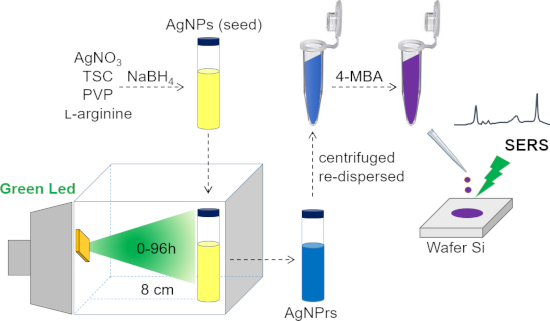
- applications. Keywords: light-emitting diodes (LEDs); photochemical synthesis; silver nanoprisms; surface-enhanced Raman scattering (SERS); trisodium citrate; Introduction Anisotropic silver nanoparticles (ASNPs) have attracted increasing attention from research groups worldwide due to their potential
- yield. The SERS performance of the synthesized AgNPrs, evaluated using 4-MBA as a probe molecule, demonstrated significantly enhanced Raman signals compared to the initial AgNPs seeds, highlighting their potential applicability in SERS-based sensors. Results and Discussion Synthesis of seeds The UV–vis
- , this method avoids excessive oxidative–reductive agents such as H2O2, thereby improving the structural integrity, stability, and potential applicability of the resulting AgNPrs. Formation mechanism of AgNPrs During the seed development process leading to the formation of AgNPrs, two critical components


The role of biochar in combating microplastic pollution: a bibliometric analysis in environmental contexts
Beilstein J. Nanotechnol. 2025, 16, 1401–1416, doi:10.3762/bjnano.16.102
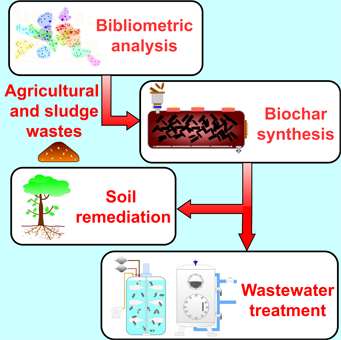
- wastewater [18][19][20][21]. Recent studies exploring the use of BC for MP remediation have yielded promising results, further emphasizing its potential for addressing environmental contamination. Recent evaluations of MP removal methods have classified biological, physicochemical, and biochar-based
- physicochemical properties, remediation efficiency, and environmental stability of MPs. Evaluating biochar’s potential for MP remediation in agricultural soils, focusing on improvements in soil properties, crop yield, gene expression, and microbial communities. Examining biochar’s adsorption mechanisms and MP
- and surface area, compared to other materials [37]. Biochar produced from carbon-, oxygen- and nitrogen-rich straw at low pyrolysis temperatures retains a large number of functional groups, which enhance charge transfer potential and adsorption stability through increased surface charge density



Parylene-coated platinum nanowire electrodes for biomolecular sensing applications
Beilstein J. Nanotechnol. 2025, 16, 1392–1400, doi:10.3762/bjnano.16.101
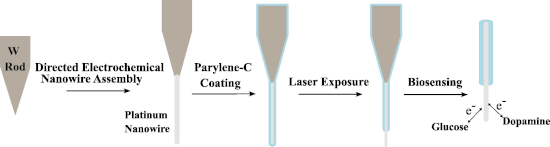
- detection of dopamine and glucose with differential potential voltammetry (DPV). The characteristic oxidation peak for dopamine is around 150 mV, where dopamine loses two electrons and hydrons to form dopamine quinone as shown in Scheme 1 [25]. For a clear view, only a few exemplary curves were used to show
- -square in the 0.3–10 mM concentration range was observed. Building on these results and prior studies, these novel nanowire electrodes hold strong potential for use as highly effective biological sensors. Methods Tungsten rod tapering The tungsten rod (0.254 mm (0.01 inch) diameter, A-M SYSTEMS) was
- 0.01 M for CuSO4 and H2SO4, respectively, and the scan rate was reduced to 25 mV/s for slower copper deposition. The CV test was accomplished by a DStat potentiostat [30][35]. Dopamine detection by differential potential voltammetry (DPV) The 10 mM dopamine solution was prepared by adding dopamine


Synthesis and antibacterial properties of nanosilver-modified cellulose triacetate membranes for seawater desalination
Beilstein J. Nanotechnol. 2025, 16, 1380–1391, doi:10.3762/bjnano.16.100
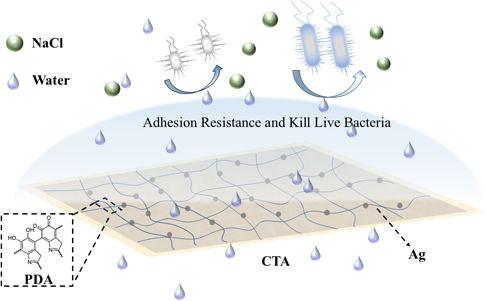
- , indicating the potential for repeated use and long-term application [21]. Zhao and Park’s group incorporated in situ synthesized silver-loaded graphene oxide (GO-Ag) nanoparticles into polyvinyl alcohol/chitosan (PVA/CS) electrospun nanofiber membranes to boost desalination performance. The PVA/CS/GO-Ag
- for antibacterial purposes are diverse and include metallic silver, silver salts, and composites of Ag with other materials. The integration of nanotechnology with Ag, particularly when incorporated into polymer membranes, has demonstrated significant potential for enhancing membrane performance. CTA
- potential presence of oxidizing agents in brackish water can lead to the breakdown of the PDA matrix. The cross-sectional SEM image shows that the PDA layer remains present on the surface of the Ag@PCTA membrane, with a relatively dense structure (Figure 4h). High-magnification views clearly depict the PDA


Automated collection and categorisation of STM images and STS spectra with and without machine learning
Beilstein J. Nanotechnol. 2025, 16, 1367–1379, doi:10.3762/bjnano.16.99
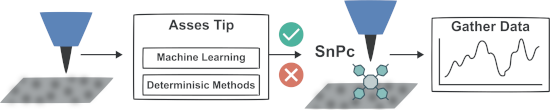
- switching occurring over specifically the SnUp molecules, spectra labelled SnUp had the potential to be unreliably labelled. Additionally, it was observed that these switches could occur at the start of the measurement in the initial setting of the bias, or during the bias sweep itself, meaning identifying





Enhancing the therapeutical potential of metalloantibiotics using nano-based delivery systems
Beilstein J. Nanotechnol. 2025, 16, 1350–1366, doi:10.3762/bjnano.16.98
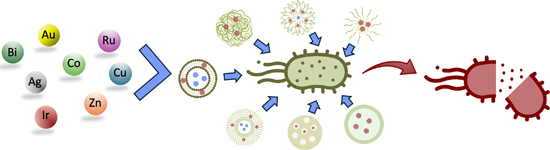
- application of metalloantibiotics is limited by their potential toxicity, instability, and lack of target specificity. Encapsulating metalloantibiotics in drug delivery systems, such as liposomes, nanoparticles, and polymeric carriers, could mitigate these challenges, enhancing their therapeutic index and
- .; Liu, G. Nanoscale 2025, 17, 5605–5628. doi:10.1039/D4NR04774E ]. This review explores the potential of encapsulated metalloantibiotics as a new frontier in antimicrobial therapy. We address the mechanisms by which drug delivery systems can stabilize and direct metalloantibiotics to their biological
- oxygen species, ROS), exchange or release of ligands, abolition of key enzyme activities, disruption of membrane function, and damage of the bacterial DNA [20]. Despite the obvious advantages of metal-based over purely organic drugs, there are several potential limitations that must be overcome for gold


Ferroptosis induction by engineered liposomes for enhanced tumor therapy
Beilstein J. Nanotechnol. 2025, 16, 1325–1349, doi:10.3762/bjnano.16.97
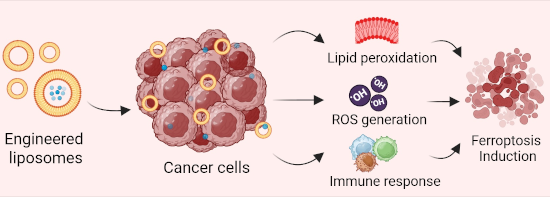
- Ferroptosis has shown potential therapeutic effects in tumor therapy as an iron-dependent programmed cell death. The induction of ferroptosis is based on lipid peroxidation, the accumulation of iron and reactive oxygen species, and the depletion of glutathione. Nowadays, various nanoparticles are reported for
- ][10]. The main advantage of ferroptosis lies in its cell death mechanism, which bypasses multidrug resistance and improves conventional chemotherapy, highlighting its remarkable therapeutic efficacy [8]. Ferroptosis treatment holds potential for addressing a range of conditions, including liver
- marked by an accumulation of PUFAs and a lack of reduced GSH, making these cells susceptible to ferroptosis [84]. Due to their vast therapeutic potential, ferroptosis inducers have attracted significant attention in cancer research. Additionally, different nanomaterials have been created to trigger


Wavelength-dependent correlation of LIPSS periodicity and laser penetration depth in stainless steel
Beilstein J. Nanotechnol. 2025, 16, 1302–1315, doi:10.3762/bjnano.16.95
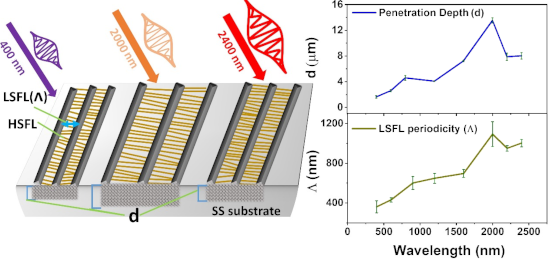
- our comprehension of laser–material interactions and hold potential implications for surface engineering and material science applications. Keywords: cross section of LIPSS; high spatial frequency LIPSS (HSFL); laser-induced periodic surface structures (LIPSS); low spatial frequency LIPSS (LSFL




Enhancing the photoelectrochemical performance of BiOI-derived BiVO4 films by controlled-intensity current electrodeposition
Beilstein J. Nanotechnol. 2025, 16, 1289–1301, doi:10.3762/bjnano.16.94
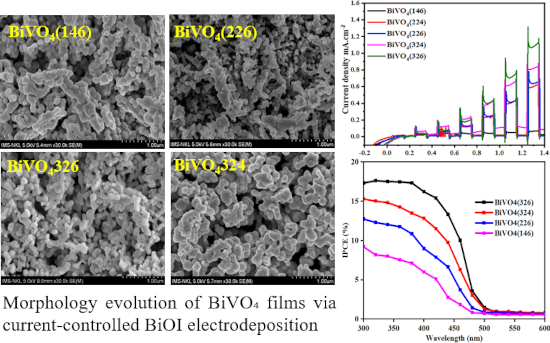
- converted into porous BiVO4 photoanodes. This approach yielded electrodes with enhanced PEC activity, achieving a photocurrent density of approximately 1.25 mA·cm−2 at 0.5 V vs RHE in neutral phosphate buffer under AM1.5G illumination. This study highlighted the potential of BiOI-derived BiVO4 as a template
- -guided route for improving water oxidation performance. However, the use of a constant-potential deposition technique presents limitations in controlling the film thickness, morphology, and uniformity, which are crucial for consistent BiVO4 performance after conversion. Variability in the BiOI film
- , which applied constant potential conditions, our method employs a variable current-controlled deposition strategy. This approach enables the fine-tuning of the nucleation and growth behavior of BiOI flakes, resulting in enhanced control over the thickness, grain structure, and uniformity, which are key