Search results
Search for "proteins" in Full Text gives 429 result(s) in Beilstein Journal of Nanotechnology. Showing first 200.
Quercetin- and caffeic acid-functionalized chitosan-capped colloidal silver nanoparticles: one-pot synthesis, characterization, and anticancer and antibacterial activities
Beilstein J. Nanotechnol. 2023, 14, 362–376, doi:10.3762/bjnano.14.31
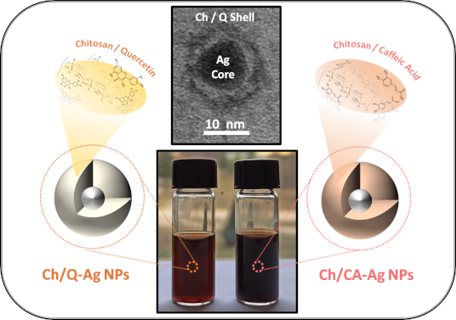
- medium [74]. Since NPs are exposed to various forces that affect their stability and size in such environments (containing electrolytes, proteins and lipids), they may tend to collapse and aggregate. Although no aggregation and turbidity were observed during the preparation stage with the naked eye and


The steep road to nonviral nanomedicines: Frequent challenges and culprits in designing nanoparticles for gene therapy
Beilstein J. Nanotechnol. 2023, 14, 351–361, doi:10.3762/bjnano.14.30
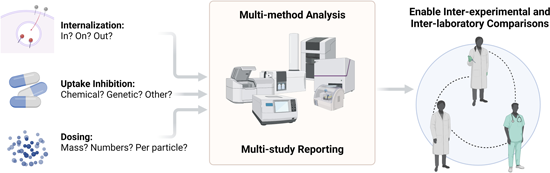
- are assessed with the use of fluorescent-labeling carriers and the expression of fluorescent proteins (e.g., enhanced green fluorescent protein). Both of which are typically assessed by widefield fluorescent microscopy/confocal microscopy (referred to as “imaging”) and/or flow cytometry (Table 1
- of proteins after transfection. Because organelles (e.g., endosomes) are not uniformly distributed throughout the cell, these 2D imaging methods are rarely accurate for quantification of either uptake or transfection. Nevertheless, they still have been the methods of choice during the last five years
- particular type of NP can be measured using pharmacological inhibitors or genetic approaches that knockdown/knockout or transiently block the expression of key proteins involved in endocytosis [30]. Then, changes in NP uptake can be quantified and attributed to the significance of that pathway. Unfortunately

Polymer nanoparticles from low-energy nanoemulsions for biomedical applications
Beilstein J. Nanotechnol. 2023, 14, 339–350, doi:10.3762/bjnano.14.29
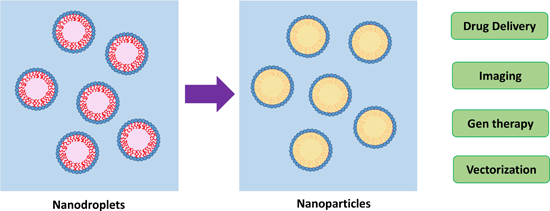
- , proteins, vaccines, and nucleotides [2]. In spite of biodegradability and biocompatibility, some studies have also demonstrated a certain concentration-dependent toxicologic profile including a mild inflammatory response after treatment with PLGA nanoparticles [49]. Some authors have suggested that the
- 5) with viabilities higher than 70% for HeLa cells are promising candidates for gene therapy (e.g., gene vaccines). Protein binding on PLGA nanoparticles prepared from nanoemulsions has also been studied [62]. After incubation with human serum, afamin was one of the specific proteins bound to PLGA




Overview of mechanism and consequences of endothelial leakiness caused by metal and polymeric nanoparticles
Beilstein J. Nanotechnol. 2023, 14, 329–338, doi:10.3762/bjnano.14.28
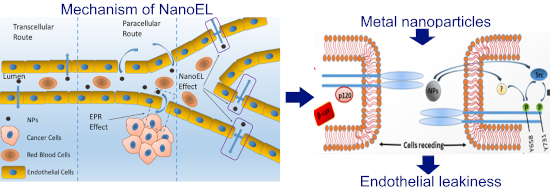
- determining vascular permeability are the intercellular junctions, which condition paracellular transport across the endothelium. There may be tight junctions between endothelial cells, mainly formed by occludin and claudin proteins. This type of connection is most characteristic of the central nervous system
- activation of mechanisms controlling the phosphorylation of proteins of intercellular junctions, which in turn opens the cell–cell junctions and creates gaps between the cells [13][17]. The use of appropriate vascular permeability stimulants can therefore be an effective solution in the treatment of diseases
- for the interaction with adherens junction proteins (e.g., VE-cadherin). The width of the endothelial gaps was ca. 22.5 nm [28]. Researchers observed that the interaction of the endothelium with NPs widens the existing gaps or induces new ones in the monolayer of vascular endothelial cells, thus


Bismuth-based nanostructured photocatalysts for the remediation of antibiotics and organic dyes
Beilstein J. Nanotechnol. 2023, 14, 291–321, doi:10.3762/bjnano.14.26
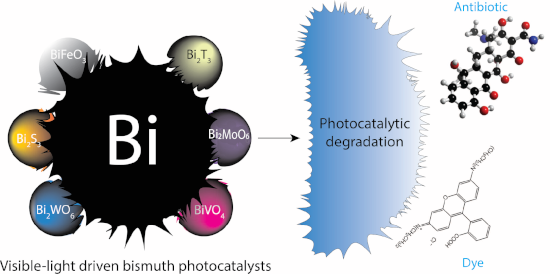
- the environment in low concentrations (micrograms per litre to nanograms per litre), are persistent and bioactive, potentially posing a threat to the food chain. Macrolides, fluoroquinolones, and tetracycline also have an impact on the synthesis of mitochondrial proteins and chloroplasts in plants [48


Biocatalytic synthesis and ordered self-assembly of silica nanoparticles via a silica-binding peptide
Beilstein J. Nanotechnol. 2023, 14, 280–290, doi:10.3762/bjnano.14.25
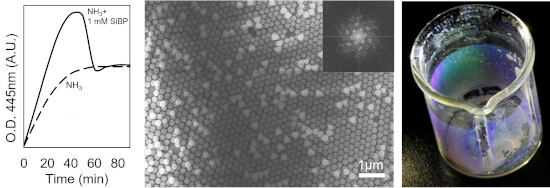
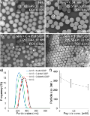
- and proteins, have been demonstrated to be useful in the synthesis and self-assembly of inorganic nanostructures. Herein, we describe a simple Stöber-based method wherein both the synthesis and the self-assembly of SiO2 nanoparticles can be facilitated by a silica-binding peptide (SiBP). We
- monodisperse nanoparticles and to modify the surface properties to fully exploit the advantages offered by self-assembly. Biomolecules, such as peptides and proteins, have been demonstrated to be useful in the synthesis and self-assembly of inorganic nanostructures [15][16]. Herein, we have investigated the
- behavior of biosilicification-related proteins (BSRPs), such as silicateins and silaffins. BSRPs facilitate the formation of inorganic silica structures in marine organisms [27][28]. It has been reported that isolated silicateins and silaffins or certain repeating motifs of these proteins can facilitate




Recent progress in cancer cell membrane-based nanoparticles for biomedical applications
Beilstein J. Nanotechnol. 2023, 14, 262–279, doi:10.3762/bjnano.14.24
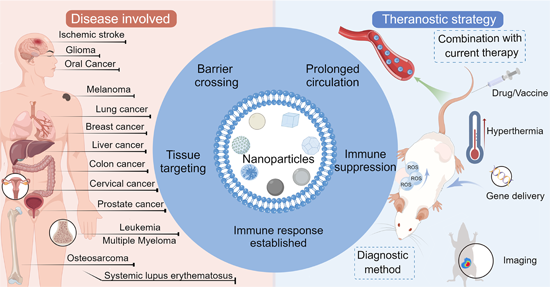
- system (RES) or the mononuclear phagocytosis system (MPS) [4]. The subsequent rapid clearance from blood circulation by the liver and kidneys results in insufficient drug accumulation in the target tissue [5]. In addition, NPs can interact with proteins to form a protein corona, which affects the
- bioimaging of tumors. Finally, the prospects and challenges for the clinical translation of cancer cell membrane-mimetic NPs are discussed. 2 The functions of the cancer cell membrane Different types of proteins present in the cancer cell membrane affect the properties of cancer cells and the way they
- interact with other cells. The biological effects of nanoformulations can be enhanced through the effective utilization of specific protein groups. A schematic diagram of surface proteins and functions of the cancer cell membrane is shown in Figure 2. 2.1 Homologous targeting Cancer cells usually exhibit


Nanotechnology – a robust tool for fighting the challenges of drug resistance in non-small cell lung cancer
Beilstein J. Nanotechnol. 2023, 14, 240–261, doi:10.3762/bjnano.14.23
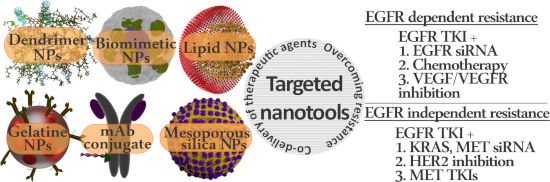
- growth factor inhibition in vitro, maintaining its biological efficacy in cells and xenograft models with different mutation statuses [70][72][73][74]. Further advances in the multimodal combination therapy approach KRAS proteins operate as guanosine diphosphate (GDP)/guanosine triphosphate (GTP


Antimicrobial and mechanical properties of functionalized textile by nanoarchitectured photoinduced Ag@polymer coating
Beilstein J. Nanotechnol. 2023, 14, 95–109, doi:10.3762/bjnano.14.11
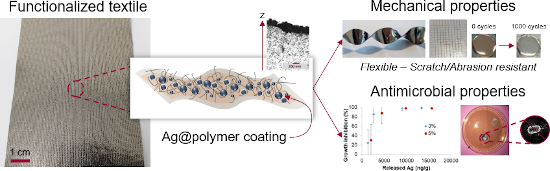
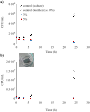
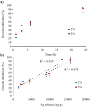
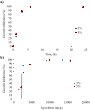
- the bacterial cell membrane [19][20], allowing its penetration inside the cytoplasm. This leads to the leakage of cellular components through the pores of the perforated cellular membrane. Once inside, the ions promote reactive oxygen species (ROS) generation, deactivate proteins, and block DNA



Gap-directed chemical lift-off lithographic nanoarchitectonics for arbitrary sub-micrometer patterning
Beilstein J. Nanotechnol. 2023, 14, 34–44, doi:10.3762/bjnano.14.4
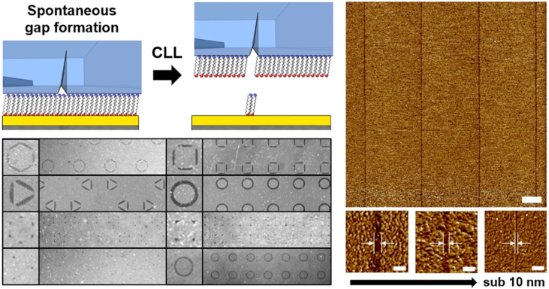
- perform, robust to operate, and inexpensive to conduct [6][7]. With diverse compatible ink choices ranging from simple organic molecules [6] to silicones [8], proteins [9][10], DNA [11], and living cells [12], microcontact-printing-correlated techniques have shown great potential in biochemical research


Rapid and sensitive detection of box turtles using an electrochemical DNA biosensor based on a gold/graphene nanocomposite
Beilstein J. Nanotechnol. 2022, 13, 1458–1472, doi:10.3762/bjnano.13.120
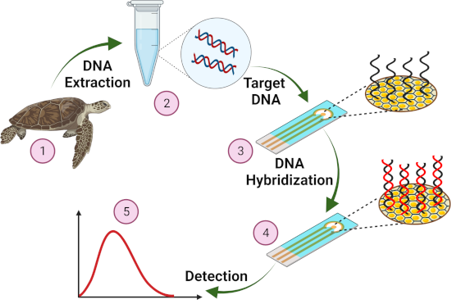
- over time [14][15]. However, molecular biology techniques such as protein- [16] and DNA-based [17] methods are commonly used. The structure of proteins in processed meat products is altered, reducing the accuracy of species identification in processed meals [18][19]. DNA-based technologies are thought



Orally administered docetaxel-loaded chitosan-decorated cationic PLGA nanoparticles for intestinal tumors: formulation, comprehensive in vitro characterization, and release kinetics
Beilstein J. Nanotechnol. 2022, 13, 1393–1407, doi:10.3762/bjnano.13.115
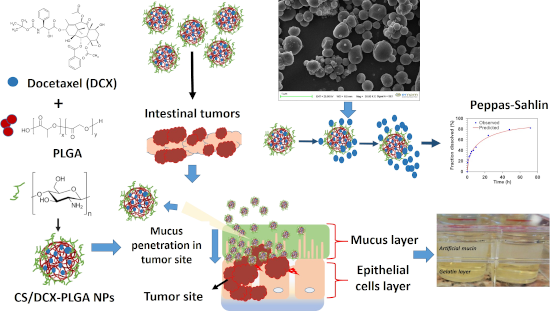
- frequently used in research especially in the development of nanoparticulate drug formulations [17][22][23][24]. Chitosan (CS) is a common biocompatible polymer used extensively in drug delivery applications as a vehicle for drugs, proteins, and nucleic acids. Also, it is used as a coating polymer in nano


Studies of probe tip materials by atomic force microscopy: a review
Beilstein J. Nanotechnol. 2022, 13, 1256–1267, doi:10.3762/bjnano.13.104
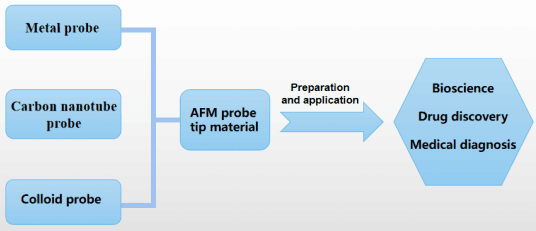
- methods can achieve enriched species. Sharpening methods can achieve enriched tip functionality. After preparation, metal nanoclusters have been widely used to detect metal ions, proteins, nucleic acids, and other substances, but few have been done to detect pesticides. Huang et al. [26] used metal
- understanding interactions in various domains to study adhesion phenomena, particle-surface interactions, mechanical properties, suspensions, liquid dynamics, and boundary slips. Colloidal gold probe Colloidal gold particles [48][49] have the advantage of stable adsorption of proteins without significant
- changes in the biological activity of proteins, so they are widely used as an immunolabeling probe in immunocytochemistry, and with the rapid development of molecular biology, colloidal gold labeling techniques are used as a means to perform precise localization of biological macromolecules such as cell
Design of surface nanostructures for chirality sensing based on quartz crystal microbalance
Beilstein J. Nanotechnol. 2022, 13, 1201–1219, doi:10.3762/bjnano.13.100
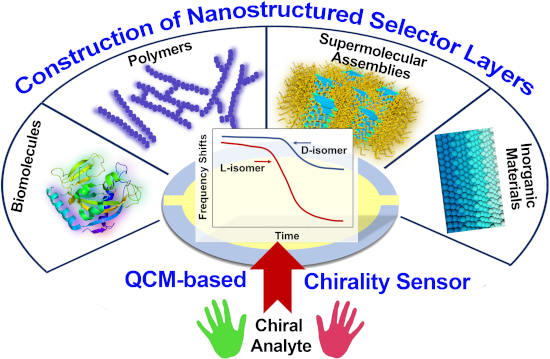
- ; chiral surface; chirality recognition; quartz crystal microbalance (QCM); sensing applications; surface architecture; Introduction Chirality is a prevalent phenomenon in nature. Many common biological macromolecules such as proteins, ribose, and cellulose are inherently chiral. Chiral molecules have two
- evaluated. The recognition mechanisms may also be studied by combining QCM with other techniques. Sensing layers by chiral biomolecules As chiral recognitions are fundamental phenomena in biology, biomolecules of amino acids, proteins, and nucleic acids are ideal chiral selectors. They have been extensively
- crucial role in various biological processes. Since its isopropyl side group may connect to the chiral center, Val may be an ideal model to study the influence of hydrophobic side groups on a possible chiral effect. Sun et al. investigated the chiral adsorption of different modulate proteins on ʟ(ᴅ)-Val


Application of nanoarchitectonics in moist-electric generation
Beilstein J. Nanotechnol. 2022, 13, 1185–1200, doi:10.3762/bjnano.13.99
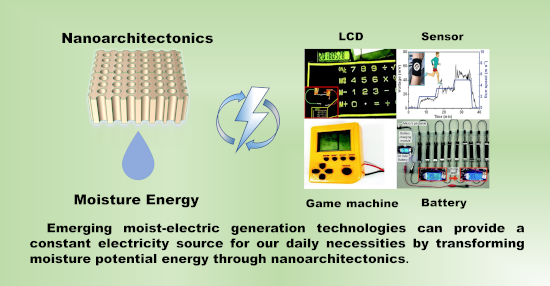
- available in MEGs, such as polymers, proteins, and natural fibers, poly(4-vinylphenol) (PVP) [75], polyvinyl alcohol (PVA) [76][77], fluorinated ethylene propylene (FEP) [21], and polyvinylidene difluoride (PVDF). These materials show good performance in the application of hydropower conversion. In addition


Microneedle-based ocular drug delivery systems – recent advances and challenges
Beilstein J. Nanotechnol. 2022, 13, 1167–1184, doi:10.3762/bjnano.13.98
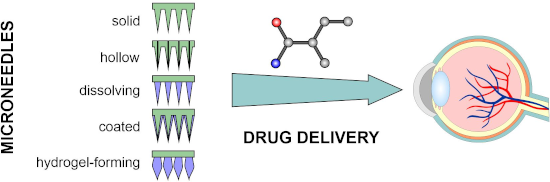
- suspension used for 5 min was almost five times less effective than the MNs [158]. Nanoparticle-loaded bilayer dissolving microneedle arrays for the sustained delivery of proteins to the posterior region of the eye were developed by Wu and co-workers (Figure 8). Ovalbumin, a model protein, was encapsulated


Green synthesis of zinc oxide nanoparticles toward highly efficient photocatalysis and antibacterial application
Beilstein J. Nanotechnol. 2022, 13, 1108–1119, doi:10.3762/bjnano.13.94
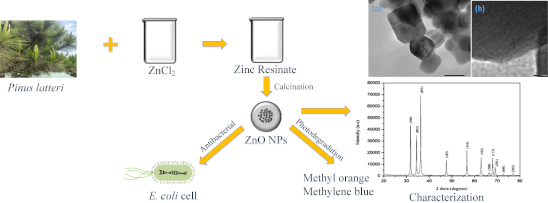
- , proteins, DNA, and amino acids [39][40][41]. The O2 causes biomembrane oxidation reactions, damaging tissues [42]. Furthermore, it is reasonable to explain that the additional toxicity that causes bacterial death is due to the fact that zinc solubilization releases Zn2+ ions which can infiltrate into




Recent advances in green carbon dots (2015–2022): synthesis, metal ion sensing, and biological applications
Beilstein J. Nanotechnol. 2022, 13, 1068–1107, doi:10.3762/bjnano.13.93
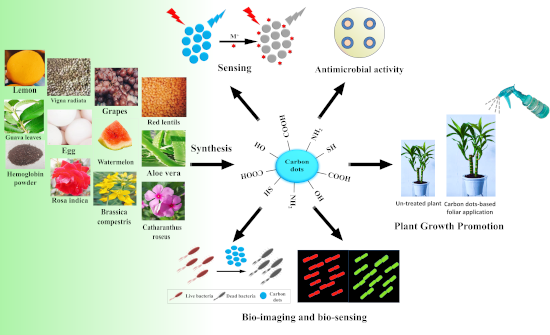
- core, whereas, green fluorescence may correspond to n–π* transitions of the edge states [48][49]. The “top-down” approach involves breaking down bulky carbonaceous materials, such as carbon fibers, carbohydrates, proteins, and carbon soot, through chemical or physical methods. The carbon containing
- proteins, which makes them a better option based on the fact that surface functionality of CDs can be achieved without adding extra substances for doping, modification and surface passivation [54]. A summary of CDs synthesized from carbon-rich plant extract without surface-passivating agents and their
- electrochemical properties. Lily bulbs as a green source to synthesize N,P-CDs via a facile, fast, and eco-friendly one-pot microwave-assisted method was reported by Gu et al. Lily bulbs rich in carbohydrates, proteins, lipids, and amino acids, can be easily used to prepare such CDs [108]. The microalgae




Biomimetic chitosan with biocomposite nanomaterials for bone tissue repair and regeneration
Beilstein J. Nanotechnol. 2022, 13, 1051–1067, doi:10.3762/bjnano.13.92
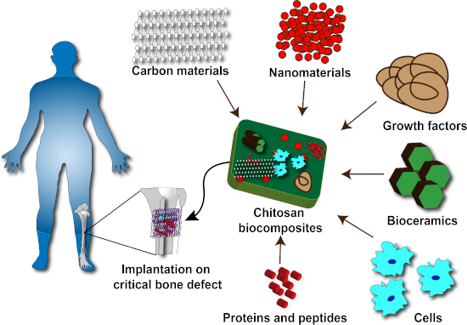
- between cortical and cancellous bones [31]. At the scale of 1 µm, collagen fibrils are surrounded by minerals [32] (Figure 1). Crystals, collagens, and non-collagen organic proteins are found at sub-nanoscale levels ranging from 1 to 10 nm [33]. It has been reported that 90% of the proteins identified
- inside the bone extracellular matrix is produced by bone-forming osteoblasts with a repeating amino acid sequence of [Gly(glycine)–X–Y]n, where X and Y may be proline and hydroxyproline. Collagen fibrils, composed of specific proteins, are usually responsible for mechanical strength. Furthermore
- express particular genes for the production of bone morphogenic proteins and wingless (Wnt) pathway elements. It has been revealed that runt-related transcription factors-2 (Runx2), osterix (Osx), and the distal-less homeobox 5 (Dlx5) are primarily responsible for osteoblast differentiation. Specifically
Interaction between honeybee mandibles and propolis
Beilstein J. Nanotechnol. 2022, 13, 958–974, doi:10.3762/bjnano.13.84
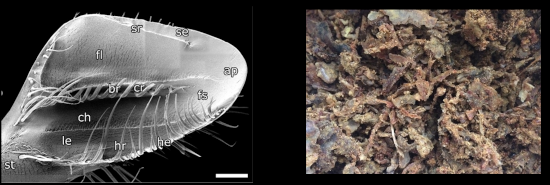
- mandibles is particularly strong due to bonding of long chitin chains and sclerotization (crosslinking of proteins in the cuticle) [6]. Foraging and handling of propolis Worker bees exhibit a division of labour based on age (polyethism) [9] in which duties such as brood rearing are usually performed by


Bioselectivity of silk protein-based materials and their bio-inspired applications
Beilstein J. Nanotechnol. 2022, 13, 902–921, doi:10.3762/bjnano.13.81
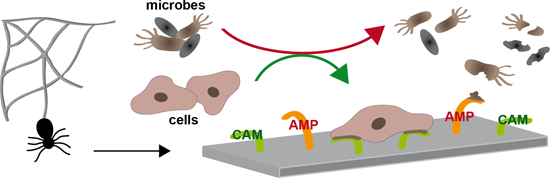
- -based materials are interesting candidates due to their natural origin, biological activity, and structural properties. Silk materials, in particular those made of spider silk proteins and their recombinant counterparts, are characterized by extraordinary properties including excellent biocompatibility
- on biological processes and surface interactions involved in the bioselective adhesion of mammalian cells and repellence of microbes on protein-based material surfaces. In addition, it highlights the importance of materials made of recombinant spider silk proteins, focussing on the progress regarding
- interactions plays a critical role in many biological processes including embryogenesis, development of neuronal tissue, hemostasis, immune response, and inflammation [9]. The adhesive interactions of cells between each other and with ECM proteins (often of specific molecular nature), have important key


DNA aptamer selection and construction of an aptasensor based on graphene FETs for Zika virus NS1 protein detection
Beilstein J. Nanotechnol. 2022, 13, 873–881, doi:10.3762/bjnano.13.78
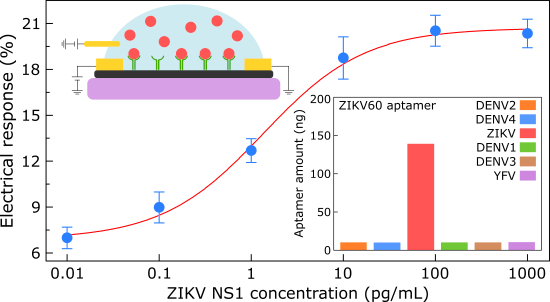
- ligands by exponential enrichment” (SELEX). In this study, we select an aptamer (termed ZIKV60) by capillary electrophoresis SELEX (CE-SELEX) to the Zika virus non-structural protein 1 (NS1) and counterselection against the NS1 proteins of DENV (serotypes 1, 2, 3, and 4) and YFV. The ZIKV60 dissociation
- in a sentinel monkey [3]. As with other Flaviviridae members, ZIKV has a single-stranded RNA genome and three structural proteins, namely capsid, pre-membrane, and envelope, building the capsid, and seven non-structural (NS) proteins, NS1, NS2A, NS2B, NS3, NS4A, NS4B, and NS5, involved in virus
- , high-affinity nucleic acid aptamers have been developed for a wide variety of targets, such as proteins, peptides, viruses, and bacteria [11][12]. Generally, nucleic acid aptamers are developed in vitro by a molecular evolution process based on iterative selection–amplification steps known as



Hierachical epicuticular wax coverage on leaves of Deschampsia antarctica as a possible adaptation to severe environmental conditions
Beilstein J. Nanotechnol. 2022, 13, 807–816, doi:10.3762/bjnano.13.71
- resistance of D. antarctica, which is achieved through different biochemical adaptations, such as the production of antifreeze proteins that are secreted into the apoplast [35], can be a good explanation why this plant species not only uses the avoidance strategy as C. quitensis does, but also grows in




Gelatin nanoparticles with tunable mechanical properties: effect of crosslinking time and loading
Beilstein J. Nanotechnol. 2022, 13, 778–787, doi:10.3762/bjnano.13.68
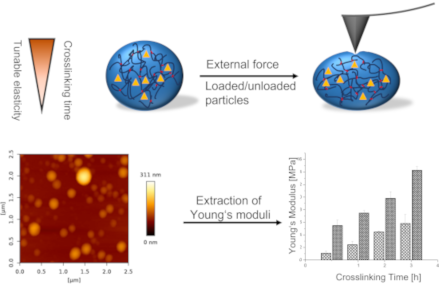
- macromolecules, such as proteins [12] and peptides [13], or in the field of gene delivery [14]. The surface charge of gelatin nanoparticles at physiological pH can be easily influenced by the choice of gelatin type [15]. Crosslinking of gelatin nanoparticles is still inevitable to obtain particles that are


Recent advances in nanoarchitectures of monocrystalline coordination polymers through confined assembly
Beilstein J. Nanotechnol. 2022, 13, 763–777, doi:10.3762/bjnano.13.67
- coordination polymers as envelopes for the bio-entities. On the basis of the sensitive coordination bonds, the stored bio-entities may be released from solution triggered by pH value or other factors. In 2015, Falcaro et al. demonstrated that monocrystalline ZIF-8 can take up proteins, enzymes, and DNA [104