


Search results
Search for "reduction" in Full Text gives 1294 result(s) in Beilstein Journal of Nanotechnology. Showing first 200.
Synthesis and magnetic transitions of rare-earth-free Fe–Mn–Ni–Si-based compositionally complex alloys at bulk and nanoscale
Beilstein J. Nanotechnol. 2025, 16, 823–836, doi:10.3762/bjnano.16.62
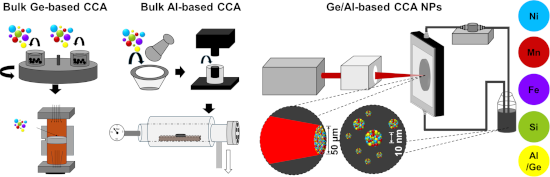
- segregation due to differences in precursor reduction temperatures [38]. Other techniques such as laser scanning ablation [39] and Joule heating [40] have also been employed to generate CCAs, but they often involve costly precursors and lengthy solvent screening processes. Among the various techniques
- , regardless of the target preparation technique. Additionally Gatsa et al. [49] provide a realistic perspective that the CCA NPs production using a multibeam PLAL approach can be scaled up to ca. 3 g·h−1. The CCA NPs produced by PLAL have shown a promising response as catalysts for oxygen reduction reactions
- , indicating that the thermal energy at room temperature is sufficient to overcome the magnetic anisotropy. The value of Ms (5 K, 9 T) for the bulk material (68.2 A·m2·kg−1) is much higher than that of the NPs (25.1 A·m2·kg−1). This reduction in Ms in the NPs can be attributed to the inhomogeneity of the NPs


Supramolecular hydration structure of graphene-based hydrogels: density functional theory, green chemistry and interface application
Beilstein J. Nanotechnol. 2025, 16, 806–822, doi:10.3762/bjnano.16.61
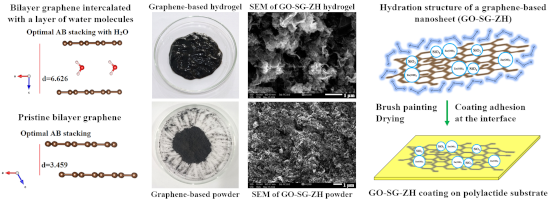
- calculations showed that a water layer in AB bilayer graphene enlarges the intersheet distance from 3.459 to 6.626 Å, and consequently leads to a reduction of 37.5% in intersheet binding energy of the van der Waals force. In our experiments, sustainable green chemistry approaches are used to synthesize


Morphology and properties of pyrite nanoparticles obtained by pulsed laser ablation in liquid and thin films for photodetection
Beilstein J. Nanotechnol. 2025, 16, 785–805, doi:10.3762/bjnano.16.60
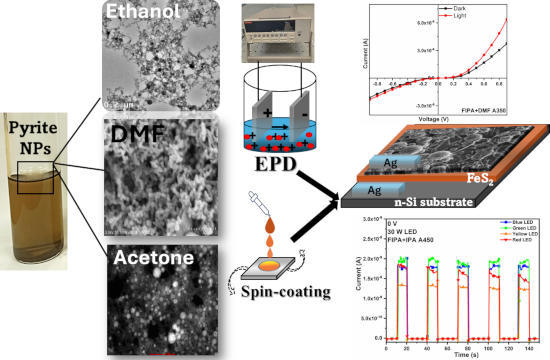
- reduction methods for the synthesis of NPs without the need for chemical reagents [12]. Laser ablation techniques are intrinsically efficient and require little manual labor and do not require extreme conditions, such as high vacuum, temperature, and pressure [13][14][15]. One of the many advantages of PLAL
- solution (IPA or DMF, the solvent used) is rapidly heated and causes the partial reduction of S1− (in S22−) to S2−. The ions in the high-temperature bubble might have reacted quickly to form FeS nanoparticles. Zhou et al. explains a similar mechanism while describing the formation of Cu1.4S from Cu(acac)2
- by laser ablation in liquid. In that case, the S2− ions formed from the decomposition of an organic solvent (DMSO), Cu2+ formed by breaking down of Cu(acac)2, and Cu+ (reduction of Cu2+ in ethanol) reacted to form Cu1.4S NPs [54]. For obtaining phase-pure FeS2 films, a sulfurization method was






Serum heat inactivation diminishes ApoE-mediated uptake of D-Lin-MC3-DMA lipid nanoparticles
Beilstein J. Nanotechnol. 2025, 16, 740–748, doi:10.3762/bjnano.16.57
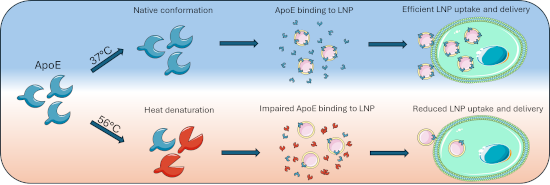
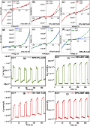
- . Subsequently, ApoE was probed with a fluorescent antibody (Figure 3C). LNPs incubated with recombinant ApoE3 at a concentration similar to that of human serum was used as a positive control. Heat inactivation resulted in an almost fourfold reduction of fluorescence compared to untreated human serum, suggesting


Synthesis of a multicomponent cellulose-based adsorbent for tetracycline removal from aquaculture water
Beilstein J. Nanotechnol. 2025, 16, 728–739, doi:10.3762/bjnano.16.56
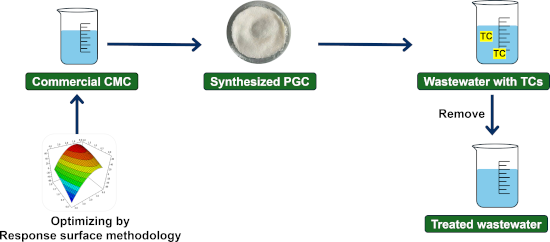
- approximately 0.1. A substantial decrease in X4 leads to a corresponding decline in the dependent variable Y, particularly in the X1‒X4 and X3‒X4 interactions. This effect arises because a reduction in X4 decreases water solubility and hinders the formation of a homogeneous cellulose mixture. Additionally


Efficiency of single-pulse laser fragmentation of organic nutraceutical dispersions in a circular jet flow-through reactor
Beilstein J. Nanotechnol. 2025, 16, 711–727, doi:10.3762/bjnano.16.55
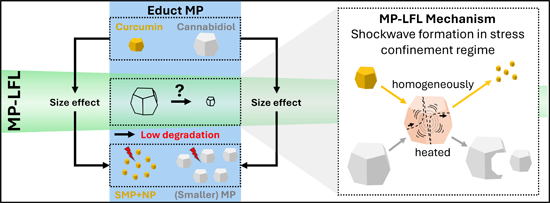
- understood. In the last two decades, the transfer of these laser-based processes to organic substances has been reported with a particular focus on particle size reduction by LFL [10][16][17]. One motivation behind the size reduction of organic particles like drugs or near-infrared absorbing dyes, which
- that a 36% increase in the specific extinction band could be achieved for vitamin C and up to 135% for capsaicin [35]. Further work demonstrated the successful laser-induced particle size reduction of curcumin, where the laser-generated NPs had particle sizes below 500 nm. These NPs also exhibited
- greater intracellular uptake and increased cytotoxicity on rat C6 glioma cells [36]. Laser-generated nanoscale cinnamon was also synthesized and showed enhanced antibacterial activity against Gram-negative and Gram-positive bacteria after particle size reduction compared to the unirradiated educt [37


The impact of tris(pentafluorophenyl)borane hole transport layer doping on interfacial charge extraction and recombination
Beilstein J. Nanotechnol. 2025, 16, 678–689, doi:10.3762/bjnano.16.52
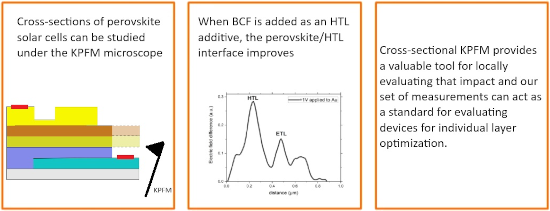
- ). This result is associated with improved charge transport properties and a reduction in the number of trap states at that interface. We propose that BCF, as a Lewis acid electron acceptor, efficiently coordinates with under-coordinated iodide defects and passivates them, increasing junction quality


Colloidal few layered graphene–tannic acid preserves the biocompatibility of periodontal ligament cells
Beilstein J. Nanotechnol. 2025, 16, 664–677, doi:10.3762/bjnano.16.51
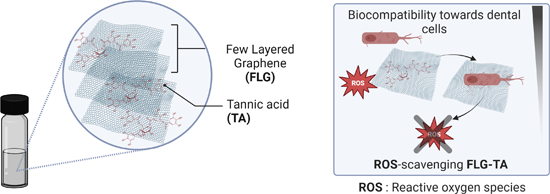
- partial antioxidant properties, creating an interface that reduces ROS and provides protection against oxidative stress for PDL cells (Figure 4). To investigate whether TA adsorption affects cell adhesion properties beyond ROS reduction, PDL cell growth was monitored at 24 and 48 h following treatment
- activity The Alamar Blue (AB) assay was used to quantify the metabolic activity of PDL cells in direct contact with FLG and TA solutions by detecting the oxidation–reduction rate of AB [46]. This assay has gained significant popularity as a common method for examining cytotoxic effects induced by various
- the percentage reduction in ROS levels compared to the control group. Cell morphology To assess potential changes in cell morphology induced by FLG–TA, scanning electron microscopy (SEM) was performed on treated and untreated cells after 24 and 48 h of direct contact. Cells were cultured on 12 mm




Aprepitant-loaded solid lipid nanoparticles: a novel approach to enhance oral bioavailability
Beilstein J. Nanotechnol. 2025, 16, 652–663, doi:10.3762/bjnano.16.50
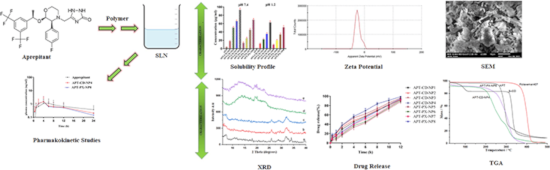
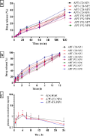
- formulations remained almost constant after redispersion, with only minor variations observed. APT-CD-NP1 showed a slight reduction from 204.9 ± 0.3 to 200.0 ± 0.1 nm, and the size of APT-PX-NP5 decreased from 257.6 ± 0.3 to 251.0 ± 0.7 nm. These small changes indicated efficient redispersion without
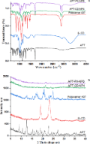
- −1 (C=O stretching). The peak at 1119 cm−1 slightly shifted to 1110 cm−1 in APT-loaded SLNs formulations (Figure 4a). The peaks at 2849 and 2921 cm−1 are attributed to C–H bonds of poloxamer 407 or β-CD. A reduction in intensity and shift of the polymer peaks indicates the interaction between APT and
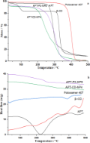
- exhibited less sharp peaks than APT because of a reduction of the polymer crystallinity. Also, the interaction of polymeric content with APT via hydrogen bonding converts the crystalline form of APT into an amorphous form [20]. TGA and DSC studies Thermogravimetric analysis showed that the thermal



Nanoscale capacitance spectroscopy based on multifrequency electrostatic force microscopy
Beilstein J. Nanotechnol. 2025, 16, 637–651, doi:10.3762/bjnano.16.49

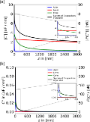
- frequencies and beyond. Our results show a significant reduction of signal background from long-range electrostatic interactions, resulting in highly localized measurements. Combined with refined tip–sample capacitance models, MFH-EFM will enhance the precision of quantitative studies on dielectric effects in
- frequency ωm ± 2ωmod. The latter one is independent of the local CPD, making it interesting for dielectric measurements. As the magnitude of this force component depends on C″, we can expect a superior lateral resolution through a reduction of long-range force contributions from tip cone and cantilever. As
- on the second term in Equation 10 (Figure 6, non-normalized data in Figures S9–S11, Supporting Information File 1). In comparison to the MFH-EFM data, the C′ frequency sweep looked very similar on the different structures. We think that this reduction in contrast is caused by the stronger influence




A formulation containing Cymbopogon flexuosus essential oil: improvement of biochemical parameters and oxidative stress in diabetic rats
Beilstein J. Nanotechnol. 2025, 16, 617–636, doi:10.3762/bjnano.16.48
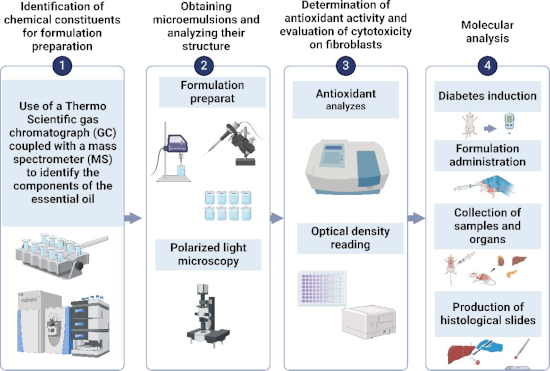
- surroundings, covering a wider spectrum of compounds [34]. Finally, FRAP evaluates the interaction of the compounds with a ferric complex (TPTZ-Fe3+), with hydrogen donation and reduction effects (TPTZ-Fe2+). Another point to be raised is the saturation of the system. In the DPPH test, the antioxidant activity
- microcapsules, showed a reduction in the antioxidant activity of the formulation when compared to the oil alone. However, the authors defend the idea that the high temperature used in the process altered the compounds in the oil and reduced the antioxidant activity. In the microemulsion formulation in this
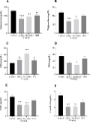
- = 452.78 mg/dL), induced by STZ, compared to supplemented animals. Treatment with the essential oil (EOCF = 234.71 mg/dL, p < 0.0001), the microemulsion (M7-EOCF = 283.75 mg/dL, p < 0.001), and metformin (MET = 300.86 mg/dL, p < 0.01) provided a significant reduction in glucose by, respectively, 48.16




Polyurethane/silk fibroin-based electrospun membranes for wound healing and skin substitute applications
Beilstein J. Nanotechnol. 2025, 16, 591–612, doi:10.3762/bjnano.16.46
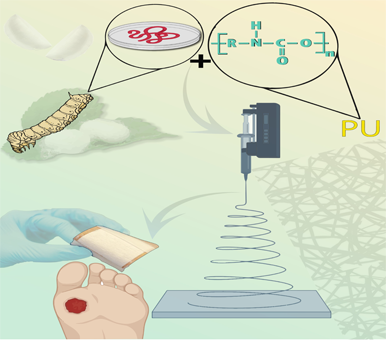
- showed that various proteases, such as protease K, collagenase, and α-chymotrypsin can degrade silk, resulting in a gradual reduction in material strength and weight over time [100]. In vivo, silk degradation is also affected by the β-sheet content; scaffolds that have a high concentration of β-sheets



Feasibility analysis of carbon nanofiber synthesis and morphology control using a LPG premixed flame
Beilstein J. Nanotechnol. 2025, 16, 581–590, doi:10.3762/bjnano.16.45
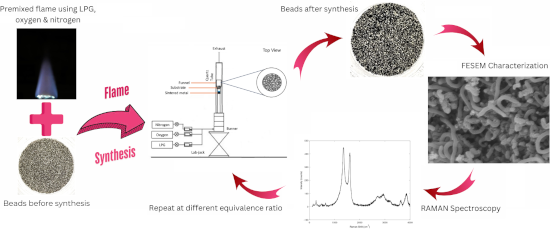
- beads. After saturation, the impregnated zirconia beads were dried at a temperature of 90 °C. Finally, a reduction process was carried out in a furnace at a temperature of 500 °C to transform the nickel nitrate into nickel oxide on the zirconia substrate. Experimental setup The setup of the premixed



Nanomaterials in targeting amyloid-β oligomers: current advances and future directions for Alzheimer's disease diagnosis and therapy
Beilstein J. Nanotechnol. 2025, 16, 561–580, doi:10.3762/bjnano.16.44
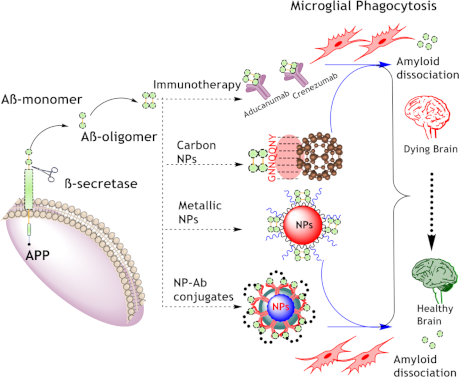
- ” curvilinear fibrils and recognized as a specific form of AβOs than other known antibodies such as aducanumab or gantenerumab. Furthermore, clinical observations have indicated that treatment with lecanemab is associated with a reduction in cognitive decline, underscoring its promise as a viable therapeutic
- , exhibiting the greatest reduction in Aβ1–42 peptide-induced cytotoxicity in Neuro-2a cell lines. Structural studies indicate that these palladium complexes interact with both the fibrillar (PDB: 2BEG) and monomeric (PDB: 1IYT) forms of the Aβ1–42 peptide. This interaction occurs through a variety of binding


Retrieval of B1 phase from high-pressure B2 phase for CdO nanoparticles by electronic excitations in CdxZn1−xO composite thin films
Beilstein J. Nanotechnol. 2025, 16, 551–560, doi:10.3762/bjnano.16.43

- peak corresponding to willemite Zn2SiO4 (space group R−3) is observed at 38.8°, previously identified as a contributing factor to the B2 phase transition [1]. In the case of the CZ900_113O sample, a reduction in the intensity of the B2 phase reflections is noted, accompanied by a subtle emergence of
- publication [1]. The prominent features a1 and a2 observed at 535 eV and 537 eV, respectively, in the O K edge spectrum of the CZ900_Pris sample correspond to electronic transitions from O 1s to hybridized Zn 4s and O 2p orbitals. In the CZ900_313O thin film, there is a significant reduction in the intensity
- of the B1 phase is the reduction of localized pressure exerted by Zn2SiO4 nanoparticles due to oxygen ion irradiation. This phase transition from B1 to B2 is reported to be irreversible under hydrostatic pressure [14] or localized pressure [1]. However, ion irradiation has emerged as an effective


Functionalized gold nanoflowers on carbon screen-printed electrodes: an electrochemical platform for biosensing hemagglutinin protein of influenza A H1N1 virus
Beilstein J. Nanotechnol. 2025, 16, 540–550, doi:10.3762/bjnano.16.42
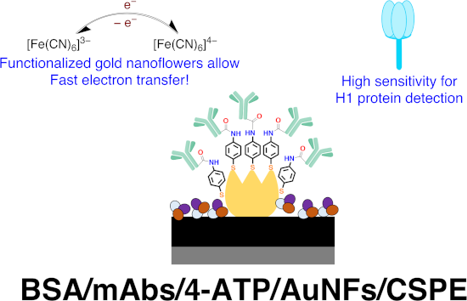
- the scan rate (Figure 6), suggesting that the reduction and oxidation of the complex [Fe(CN)6]3−/4− is a diffusion-controlled process. The performance of mouse monoclonal influenza A H1N1 hemagglutinin antibodies was tested using sandwich ELISA. They were selected as biorecognition element in our
- measurement employing the standard DPV experiment (n = 3), a decrease in current response of 3.1% was observed (Figure 8) in comparison to a measurement without the microfluidics system. This decrease was probably due to a slight reduction in the surface area of the working electrode once the biosensor was


Electron beam-based direct writing of nanostructures using a palladium β-ketoesterate complex
Beilstein J. Nanotechnol. 2025, 16, 530–539, doi:10.3762/bjnano.16.41
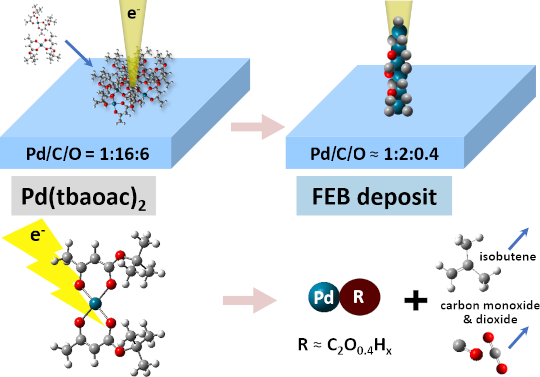
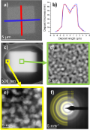
- diffusion process taking place. TEM analysis revealed metal nanograins embedded in a carbonaceous matrix. The deposits contained up to 30 atom % Pd, with a prominent reduction of about 90% of the 23 carbon atoms in the precursor. Using a continuum model, the calculated upper limit of the desorption rate
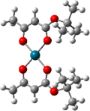
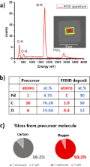
- could be broadly used for any FEBID deposits. In our case, the carbon contamination contributed 2–4 atom % carbon content in the FEB deposit. The [Pd(tbaoac)2] precursor exhibits the highest reduction in carbon content by FEBID compared to other precursors with large ligands, highlighting the importance
- precursors. The substrate and GIS temperatures (T) are indicated. Note the highest ligand removal efficiency for the β-ketoesterate complex [Pd(tbaoac)2]. The arrows represent the reduction of atoms in the pristine molecule with respect to the number of atoms in the FEBID deposit composition. RT stands for


Zeolite materials with Ni and Co: synthesis and catalytic potential in the selective hydrogenation of citral
Beilstein J. Nanotechnol. 2025, 16, 520–529, doi:10.3762/bjnano.16.40
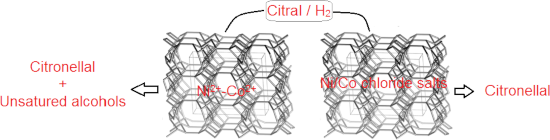
- and temperature-programmed reduction. The materials prepared by IE had negligible chloride content (0.02–0.07%), and their specific surface areas (138–146 m2/g) were greater than those of the materials obtained by Imp (54–67 m2/g). The bimetallic systems exhibited enhanced reducibility of the Co2+ and
- hydrogenation by leveraging controlled acidity to prevent overhydrogenation and optimize product yields [15]. Similarly, Co-modified zeolites have been effectively used in cinnamaldehyde hydrogenation, where the balance between acidity and metal dispersion facilitates the selective reduction of the carbonyl
- monometallic materials obtained from both treatments. Despite the previously mentioned observations, both types of materials (from IE and Imp) exhibit a reduction in Na, K, Ca, and Mg levels compared to ZSA, with this decrease being more pronounced in the materials obtained via IE. This suggests that in both


Water in nanoporous hexagonal boron nitride nanosheets: a first-principles study
Beilstein J. Nanotechnol. 2025, 16, 510–519, doi:10.3762/bjnano.16.39
- recent decades, technological advances such as membrane technology and energy recovery equipment have led to a considerable reduction in the energy required to desalinate seawater [2][3]. The proposal to use membranes that exhibit superior selectivity and high water flux has been a major focus for
- influences the mobility of water/ions through the membrane. Consequently, the transport rates of both ions and water decrease when passing through the highly polarized membrane. Additionally, the salt rejection in the polarized channel increases in proportion to the channel length, accompanied by a reduction
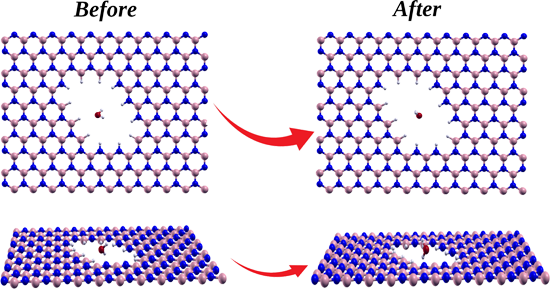
- typically observed at lower temperatures. The incorporation of B–H or B–OH moieties at the vertices of triangular pores results in a significant reduction in formation energies. The decrease in energy per atom ranges from −1.230 to −0.525 eV, depending on the chemical environment (B-rich or N-rich, defined




N2+-implantation-induced tailoring of structural, morphological, optical, and electrical characteristics of sputtered molybdenum thin films
Beilstein J. Nanotechnol. 2025, 16, 495–509, doi:10.3762/bjnano.16.38
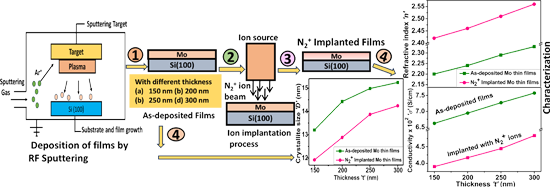
- -centered cubic Mo phase, as per JCPDS no. 01-088-2331 [29]. In Figure 2A, there is a notable reduction in peak intensity of the Mo film after N2+ implantation relative to the as-deposited Mo film. This reveals a significant alteration in structure due to the implantation process. Similarly, in Figure 2B–D
- thickness increased from 150 to 300 nm, signifying a reduction in interplanar spacing. The decrease in interplanar spacing is a direct consequence of the compressive force induced by nitrogen implantation. During the deposition process, Mo thin films exhibit different types of stress due to changes in
- pronounced (111) orientation. Crystallite size and texture coefficients of these Mo thin films significantly increase with the thickness of Mo thin films. Moreover, a significant reduction has been observed in both these parameters after nitrogen implantation compared to equivalently thick as-deposited films


Effect of additives on the synthesis efficiency of nanoparticles by laser-induced reduction
Beilstein J. Nanotechnol. 2025, 16, 464–472, doi:10.3762/bjnano.16.35
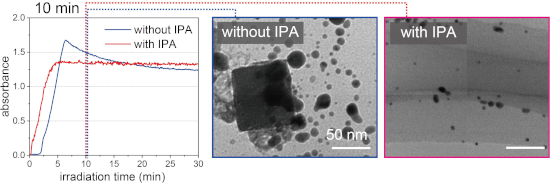
- Rikuto Kuroda Takahiro Nakamura Hideki Ina Shuhei Shibata illuminus Inc., 307 Wako Riken Incubation Plaza, 2–3–13, Minami, Wako, Saitama, 351–0104, Japan 10.3762/bjnano.16.35 Abstract Laser-induced reduction in liquid (LRL) is a physicochemical technique for synthesizing nanoparticles by
- applications. Keywords: laser-induced reduction; laser synthesis and processing of colloidal nanoparticles; production efficiency; Introduction Metal nanoparticles exhibit unique chemical, physical and optical properties that are not found in their bulk materials, and are used in a variety of fields
- including electrode materials [1], conductive pastes [2][3], catalysts [4][5], sensors [6][7][8], and drug delivery systems [9]. The chemical reduction [10] and the solvothermal methods [11][12] are well known for synthesizing nanoparticles in large quantities at low cost, but these methods require the use


Synthetic-polymer-assisted antisense oligonucleotide delivery: targeted approaches for precision disease treatment
Beilstein J. Nanotechnol. 2025, 16, 435–463, doi:10.3762/bjnano.16.34

- % inhibition by the ASO alone. Furthermore, the Gal–PLL conjugation facilitated higher liver-specific uptake, with a 52.1% concentration in the liver compared to 21.9% for ASOs alone. This targeted approach resulted in a significant reduction in HBV DNA levels in transgenic mice, with some achieving
- mRNA and activity, Jääskeläinen et al. demonstrated that linear PLLs with average molecular weights (Mn) of 4, 20, and 200 kDa exhibited no enhancement on PS-ODN activity [75]. Conversely, Marano et al. showed that a series of hybrid lipid–lysine dendrimer–ASO conjugates resulted in 40–60% reduction in
- 81.5% compared to 56.8% for dendrimers with fewer charges. This improved transfection efficiency correlated with a significant reduction in VEGF expression, with certain dendrimer/ODN-1 complexes maintaining VEGF inhibition for up to 48 h after transfection. Moreover, in vivo experiments using a rat


Quantification of lead through rod-shaped silver-doped zinc oxide nanoparticles using an electrochemical approach
Beilstein J. Nanotechnol. 2025, 16, 422–434, doi:10.3762/bjnano.16.33
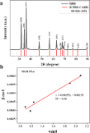
- the ZnO crystal lattice results in a decrement in the peak position values because Ag+ ion (12.2 nm) has a larger ionic size compared to that of the Zn2+ ion (7.4 nm). Consequently, the given data aligns with the decrease in the highest location of the point, indicating a reduction in the c-axis
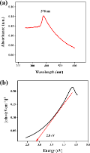
- ZnO frequently causes a reduction in the bandgap, leading to a shift toward longer wavelengths in the absorption spectra. The smaller bandgaps of the samples in optoelectronic devices provide a significant advantage [21]. Zeta potential of Ag@ZnO nanorods Surface properties of the synthesized Ag@ZnO
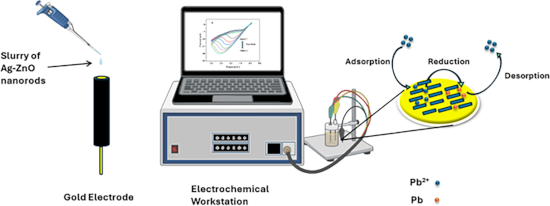
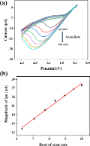
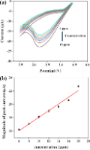
- ) lead at a 40 mV/s scan rate is shown in Figure 9. The obtained CV graph demonstrates that the gold electrode modified with Ag@ZnO NRs exhibits no response in the absence of lead (black line). However, when lead is introduced in moderate quantities, a significant reduction peak is distinctly observed in





Biomimetics and bioinspired surfaces: from nature to theory and applications
Beilstein J. Nanotechnol. 2025, 16, 418–421, doi:10.3762/bjnano.16.32

- Mechanics and Control for Aerospace Structures, College of Mechanical and Electrical Engineering, Nanjing University of Aeronautics and Astronautics, Nanjing, China 10.3762/bjnano.16.32 Keywords: adhesives; bioengineering; biomimetics; drag reduction; functional morphology; insects; medical coatings
- scaling on steel surfaces. Using silicone nanofilaments, they achieved 75.5% reduction of calcium carbonate deposition on treated steel samples. While many articles concentrated on using natural designs to inspire technological innovation (biology-push), others took an application-driven (technology-pull

Size control of nanoparticles synthesized by pulsed laser ablation in liquids using donut-shaped beams
Beilstein J. Nanotechnol. 2025, 16, 407–417, doi:10.3762/bjnano.16.31
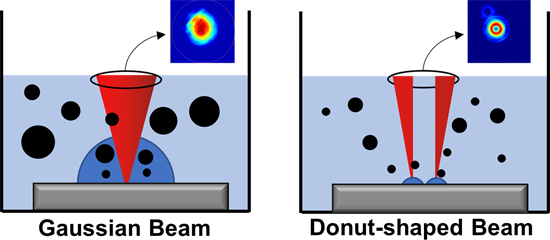
- laser beam. In experiments on pulsed laser ablation in water of gold, yttrium oxide, and high-entropy alloy targets with both Gaussian and donut-shaped beams, we observed a significant reduction in particle size, narrowing of the size distribution width, and an improvement in sphericity when utilizing
- phase transformation processes do not seem to have a major impact on the resulting sizes of NPs produced with donut-shaped pulses since the observed trends of size reduction and narrowing the distribution are similar to those for the other studied materials. The peak corresponding to the
- crystallographic plane (111) is very small but visible, whereas the other (200) and (220) peaks are not visible for the NPs. Laser irradiation plays a major role in the formation of HEA with strong (111) peak while minimizing (200) and (220) peaks [54]. The observed NP size-reduction trend for the donut-shaped





