Search results
Search for "room temperature" in Full Text gives 1452 result(s) in Beilstein Journal of Nanotechnology. Showing first 200.
Effect of additives on the synthesis efficiency of nanoparticles by laser-induced reduction
Beilstein J. Nanotechnol. 2025, 16, 464–472, doi:10.3762/bjnano.16.35
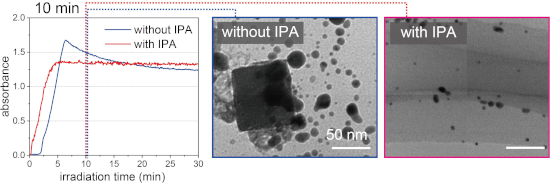
- agents and can form nano- and submicron particles at room temperature and atmospheric pressure, has attracted much attention as a simple and environmentally friendly particle synthesis technique. Laser-based particle synthesis methods can be roughly divided into two categories depending on whether the
- with a diameter of less than 10 nm was confirmed in all samples. Since materials with a more negative reduction potential than Y react with water and dissolve at room temperature, it is difficult to verify the formation of their nanoparticles in water as a solvent. However, in principle, it was shown


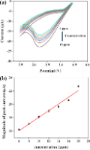
Quantification of lead through rod-shaped silver-doped zinc oxide nanoparticles using an electrochemical approach
Beilstein J. Nanotechnol. 2025, 16, 422–434, doi:10.3762/bjnano.16.33
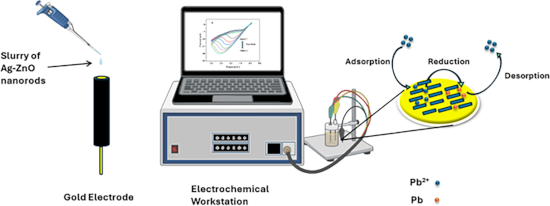
- . Raman spectroscopy of Ag@ZnO nanorods The influence of Ag doping in ZnO nanorods were investigated by Raman scattering. Raman scattering of Ag@ZnO NRs were recorded using a 532 nm laser at room temperature in the spectra range varying from 0 to 2000 cm−1. ZnO has four atoms in each primitive cell, which
- zinc nitrate hexahydrate solution. The resulting solution was stirred for approximately 10 min at room temperature. After the reaction time, a 1 M potassium hydroxide (KOH) solution was gradually added drop by drop. This step adjusted the pH of the mixture to 10. Then the mixture underwent further
- stirring for 2 h at room temperature. Once the stirring was complete, the deposited precipitate was formed. These precipitates were subjected to centrifugation and the pellet was collected; further washing was done multiple times using distilled water and ethanol. The obtained nanoparticles were oven-dried





ReactorAFM/STM – dynamic reactions on surfaces at elevated temperature and atmospheric pressure
Beilstein J. Nanotechnol. 2025, 16, 397–406, doi:10.3762/bjnano.16.30
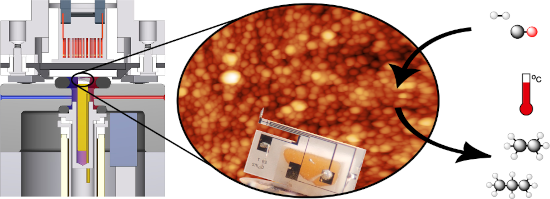
- parameters f0 = 38.38 ± 0.02 kHz, c = 0.018 ± 0.002 K−2, and T0 = 330 ± 10 K. The slope of the curve at a given temperature indicates the sensor’s sensitivity to temperature fluctuations. Near room temperature, where the slope is 0, it is relatively insensitive to temperature fluctuations, while at
- sputtering (3 μA, 1 kV, 30 min) at room temperature followed by annealing at 1000 K for 5 min. In Figure 5a,c, taken at 450 K under UHV conditions, we recognize steps in the vertical direction, which correspond to the Pd(100) steps. In the current signal image, the same steps are visible and defined more
- hydrocarbons CnH2n+2, with water as byproduct [24]. We have investigated the reaction on Co nanoparticles deposited on an Al2O3 support, grown on a NiAl(110) single crystal. The NiAl(110) surface has been prepared by repeated cycles of Ar-ion sputtering (3 μA, 1 kV, 30 min) at room temperature followed by


Engineered PEG–PCL nanoparticles enable sensitive and selective detection of sodium dodecyl sulfate: a qualitative and quantitative analysis
Beilstein J. Nanotechnol. 2025, 16, 385–396, doi:10.3762/bjnano.16.29
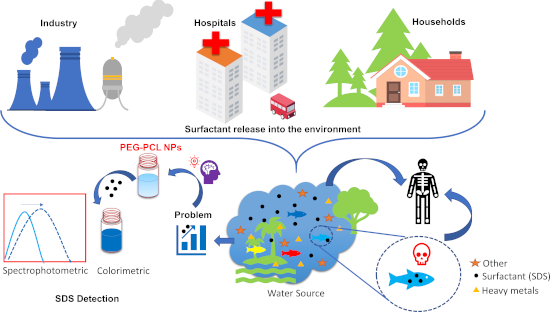
- polymerization, the resulting complexes were cooled down to room temperature, dissolved in DCM, and precipitated using an excess of cold diethyl ether. The precipitates were isolated by filtration using filter paper and dried under vacuum. The collected PEG–PCL NPs were then subjected to further characterization


Development of a mucoadhesive drug delivery system and its interaction with gastric cells
Beilstein J. Nanotechnol. 2025, 16, 371–384, doi:10.3762/bjnano.16.28

- mL) were dripped into Eudragit RS 100 suspension (2%, v/v, of Eudragit RS 30D, diluted with ddH2O) by using a syringe pump at a rate of 5 mL/h, and the dispersion was incubated on a magnetic stirrer (700 rpm, 10 min, room temperature). At the end of the incubation, coated NPs were centrifuged (10000g
- ) was added to the solution and incubated for another 30 min at room temperature. Finally, the absorbance of the solution was recorded at 550 nm in a UV spectrophotometer. To determine the mucoadhesion of the nanoparticles, EudAlg NPs was resuspended in mucin solution (final concentration 0.5 mg/mL, 2
- another glass vial, gelatin powder was dissolved in hot water (60 °C) to a final concentration of 10% (w/v), and 1 mL of prepared gelatin solution was hardened at room temperature in separate wells of a 24-well plate. The mucin solution (1 mL) was then placed on the hardened gelatin layer, and F-EudAlg


Pulsed laser in liquid grafting of gold nanoparticle–carbon support composites
Beilstein J. Nanotechnol. 2025, 16, 349–361, doi:10.3762/bjnano.16.26
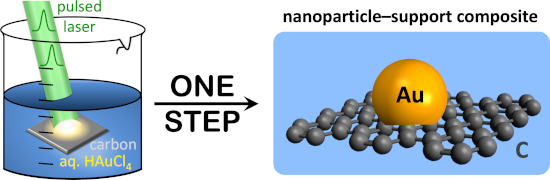
- resistivity of ≥17.5 MΩ·cm was obtained from a Thermo Scientific Barnstead Smart2Pure Pro UV/UF 15 LPH Water Purification System. The experiments were performed at room temperature and in ambient air. Glassware was cleaned with aqua regia, thoroughly rinsed with water, and dried before use. Data analysis and


Tailoring of physical properties of RF-sputtered ZnTe films: role of substrate temperature
Beilstein J. Nanotechnol. 2025, 16, 333–348, doi:10.3762/bjnano.16.25
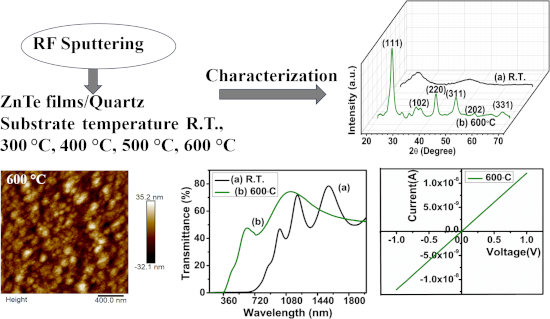
- Kafi Devi Usha Rani Arun Kumar Divya Gupta Sanjeev Aggarwal Ion Beam Centre, Department of Physics, Kurukshetra University, Kurukshetra-136119, India 10.3762/bjnano.16.25 Abstract In this study, zinc telluride (ZnTe) films were grown on quartz substrates at room temperature, 300 °C, 400 °C, 500
- °C, and 600 °C using RF sputtering. The thickness of the films has been found to decrease from 940 nm at room temperature to 200 nm at 600 °C with increasing substrate temperature. The structural investigation using grazing incidence angle X-ray diffraction revealed that films deposited at room
- II–VI semiconductor with a direct bandgap of 2.26 eV, which lies in the visible range of the electromagnetic spectrum. ZnTe is a p-type semiconductor because of zinc vacancies and has a low electron affinity of 3.53 eV at room temperature [5]. It exists in both zincblende and wurtzite structures




Graphene oxide–chloroquine conjugate induces DNA damage in A549 lung cancer cells through autophagy modulation
Beilstein J. Nanotechnol. 2025, 16, 316–332, doi:10.3762/bjnano.16.24
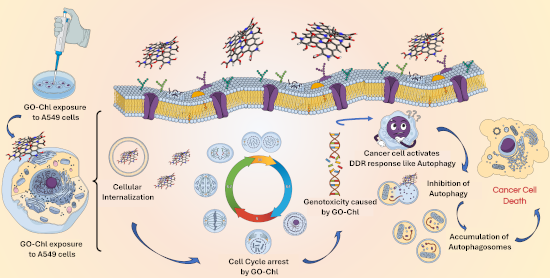
- mL of H2SO4 (98%) which intercalates between graphitic layers. Finely powdered KMnO4 (1.5 g) was slowly added (time span ≈30 min) to the reaction mixture under continuous stirring at 4 °C in an ice bath (0–5 °C). The reaction mixture was kept under vigorous stirring for 12 h at room temperature
- ) nanosheets was mixed with 15 mL of an aqueous solution of Chl diphosphate (250 μg/mL) under continuous stirring at room temperature in the dark for 24 h. The final GO–Chl nanoconjugate was collected by centrifugation at 9500 rpm for 15 min followed by freeze-drying. The supernatant was separated for
- buffer, post-fixed in 1% osmium tetraoxide for 4 h at 4 °C, and again washed with 0.1 M sodium cacodylate buffer. After that, cells were dehydrated using different percentages of acetone series (15–100%) and incubated with an AralditeR–DDSA mixture overnight at room temperature. The cell blocks were made



Fabrication and evaluation of BerNPs regarding the growth and development of Streptococcus mutans
Beilstein J. Nanotechnol. 2025, 16, 308–315, doi:10.3762/bjnano.16.23
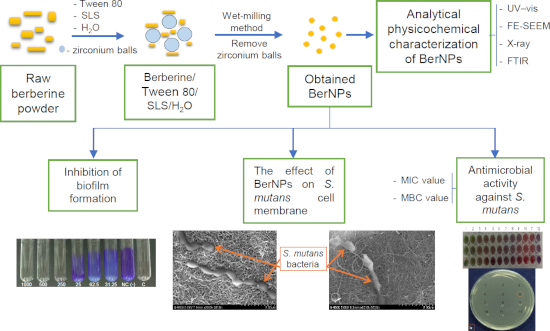
- concentration in BerNPs was determined based on a berberine powder standard curve (SIGMA HPLC standard) at a wavelength of 350 nm. FE-SEM (Hitachi S-4800, Japan) was employed to determine the form and particle size of BerNPs. A small sample was placed on a copper net (Sigma-Aldrich, USA), dried at room
- temperature, and analyzed at a voltage of 10 kV [24]. X-ray diffraction analysis was used to evaluate the crystalline structure of berberine and BerNPs. FTIR spectra were analyzed to identify typical functional groups and chemical bonds in raw berberine and BerNPs [28]. Determination of minimum inhibitory




Preferential enrichment and extraction of laser-synthesized nanoparticles in organic phases
Beilstein J. Nanotechnol. 2025, 16, 254–263, doi:10.3762/bjnano.16.20
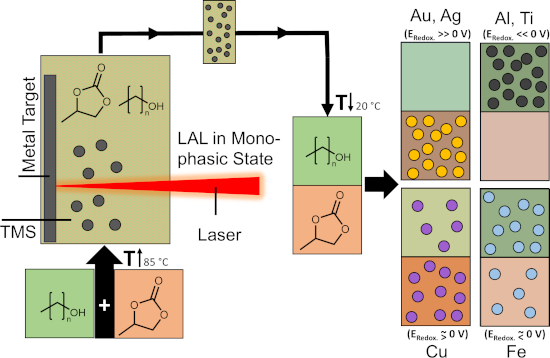
- with varying standard electrochemical reduction potential (Au, Ag, Cu, Fe, Al, and Ti) was performed in the TMS of 1-nonanol and propylene carbonate under monophasic state conditions (85 °C). The gained colloids were cooled to room temperature by disabling the heating plate as it was observed that
- File 1, Figure S3. The temperature of the batch vessel was set to 85 °C to induce a conversion to the monophasic TMS. Afterward, the target material was ablated for 10 min followed by storage of the batch vessel at room temperature for two hours to attain phase separation. A slow cooling rate was
- chosen to avoid precipitation of the nanoparticles at the phase boundaries. Heating cycles were performed in a 50 mL vessel, which was heated up to 85 °C with a temperature ramp of 5 °C/min and temperature was held for 15 min. For the cooling of the colloid to room temperature, the heating was turned off




Radiosensitizing properties of dual-functionalized carbon nanostructures loaded with temozolomide
Beilstein J. Nanotechnol. 2025, 16, 229–251, doi:10.3762/bjnano.16.18




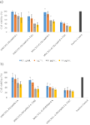
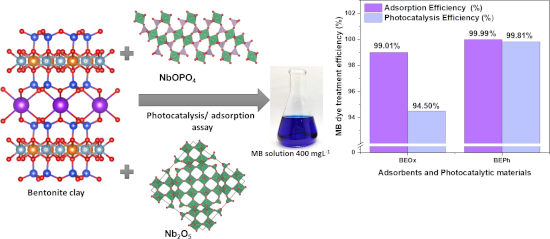
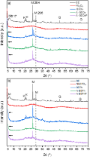
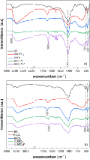
Clays enhanced with niobium: potential in wastewater treatment and reuse as pigment with antibacterial activity
Beilstein J. Nanotechnol. 2025, 16, 141–154, doi:10.3762/bjnano.16.13
- clay/Nb suspension was continuously stirred for 72 h at 65 °C. The color of the bentonite modified with niobium changes to light yellow (Figure 1b,c). Finally, after being cooled to room temperature, the suspensions were subjected to thermal treatment at 500 °C, with a heating rate of 5 °C/min. These



Comparison of organic and inorganic hole transport layers in double perovskite material-based solar cell
Beilstein J. Nanotechnol. 2025, 16, 119–127, doi:10.3762/bjnano.16.11
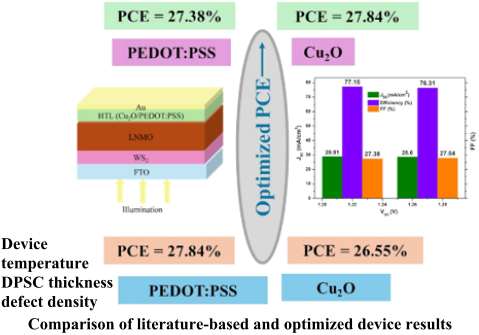
- proposed device setup, the temperature was varied from 280 to 360 K. With the increase in temperature above room temperature, the PCE decreased from 26.37% to 25.14% with PEDOT:PSS; but, surprisingly, an increase in PCE from 25.68% to 27.10% was observed in the case of Cu2O along with an increase in FF for


Modeling and simulation of carbon-nanocomposite-based gas sensors
Beilstein J. Nanotechnol. 2025, 16, 90–96, doi:10.3762/bjnano.16.9
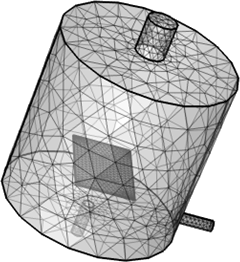
- composed of PEDOT:PSS/poly(p-anisidine) (PPA) to detect CO was investigated at room temperature. The gas-sensing characteristics of the developed sensors such as sensitivity, response, and recovery time were evaluated at room temperature for different CO concentrations [5]. Many research works on PEDOT:PSS



Characterization of ZnO nanoparticles synthesized using probiotic Lactiplantibacillus plantarum GP258
Beilstein J. Nanotechnol. 2025, 16, 78–89, doi:10.3762/bjnano.16.8
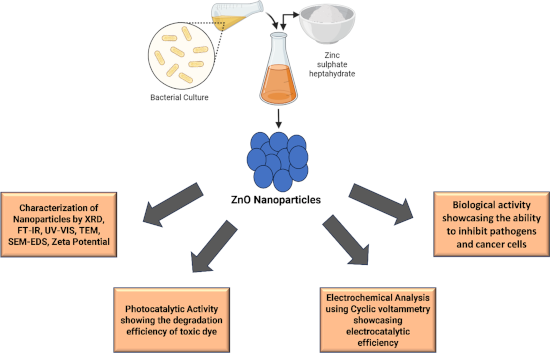
- ambient conditions with a bandgap and high exciton binding energy of 3.37 eV and −60 meV, respectively [10]. Because of this high exciton binding energy even at room temperature, the excitonic transitions have a broad range of applications such as in optics, gas detecting, piezoelectrics, and
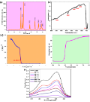
- (CV) and electrochemical impedance spectroscopy (EIS) were carried out at room temperature using a three-electrode cell with 0.1 M KCl electrolyte. The ZnO NP electrode was measured at scan rates from 10 to 50 mV/s. The measurements revealed reversibility and electrode load efficiency along with



Precursor sticking coefficient determination from indented deposits fabricated by electron beam induced deposition
Beilstein J. Nanotechnol. 2025, 16, 35–43, doi:10.3762/bjnano.16.4

- coefficient on temperature has already been observed for lighter organic molecules [17][19][20]. The values in these works are close to unity at room temperature and lower temperatures and go down to near zero only at substantially high temperatures (>1000 K). In contradistinction, the values obtained for Cr
- (C6H6)2 at room temperature are almost two orders of magnitude lower. Despite the fact that the investigations in these works have been performed for relatively light molecules (≈72 g/mole) compared to Cr(C6H6)2 (208 g/mole) or Me3CpPtMe (319 g/mole), these findings may shed light on the adsorption
- 60° with the identical positioning. The background pressure was 4 × 10⁻⁷ mbar and rose to 5 × 10⁻⁷ mbar for Cr(C6H6)2 and 6 × 10⁻⁶ mbar for Me3CpPtMe during deposition at room temperature. To prevent any mechanical or beam drift, a waiting time of 10 min was introduced right before the start of the


Bioinspired nanofilament coatings for scale reduction on steel
Beilstein J. Nanotechnol. 2025, 16, 25–34, doi:10.3762/bjnano.16.3

- desired pressure and temperature, the experiment ran for three hours. The experiment was ended by releasing the pressure. The vessel was then placed in an ice water bath to lower the temperature to room temperature. For the decompression/explosion test, the reaction chamber was cleaned by rinsing in
- to lower the temperature to room temperature. Scale experiments All samples were weighed and photographed prior to testing. The samples were then loaded onto the sample holder, and a solution of synthetic seawater and 3% oil was flushed through the sample holder to prime the samples for three minutes
- conducted for three hours at room temperature. After three hours, the suction line was switched to demineralized water and the samples were rinsed for three minutes to remove all loose particles. The sample holder with loaded samples was dried in an oven at 80 °C. The samples were weighed, and photos were


A nanocarrier containing carboxylic and histamine groups with dual action: acetylcholine hydrolysis and antidote atropine delivery
Beilstein J. Nanotechnol. 2025, 16, 11–24, doi:10.3762/bjnano.16.2

- reaction mixture was stirred at room temperature for 24 h. Following this, the precipitate was filtered and washed with a cold ethanol/water mixture (9/1), which was then dissolved in 15 mL of butanol. After adding 1.5 mL of concentrated hydrochloric acid and 5 mL of double-distilled water, the mixture was
- stirred at 90 °C for 4 h. The solution was then cooled to room temperature, and 30 mL of chloroform was added. After evaporating the solvent under reduced pressure, 30 mL of diethyl ether was introduced, and the mixture was sonicated for 30 min. The product was subsequently filtered and washed with
- , 10.74 g (77.6 mmol) of K2CO3 and 1.6 g (9.7 mmol) of KI were added. The mixture was stirred at room temperature, and a solution of ethyl bromoacetate (13 g, 77.8 mmol) in 100 mL of acetone was added dropwise. After addition, the mixture was stirred at 80 °C for 24 h, followed by the removal of the


Mechanistic insights into endosomal escape by sodium oleate-modified liposomes
Beilstein J. Nanotechnol. 2024, 15, 1667–1685, doi:10.3762/bjnano.15.131
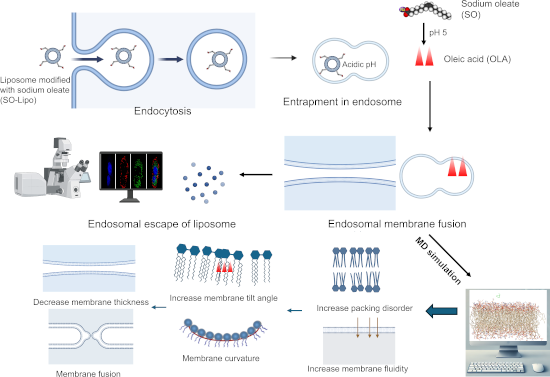
- solution (2:1 v/v), which was then systematically evaporated under nitrogen to form a thin lipid film. This film was rehydrated with HEPES buffer at pH 7.4, yielding multilamellar liposomes. Subsequent sonication in a bath sonicator for 5 min at room temperature facilitated the conversion to unilamellar




Attempts to preserve and visualize protein corona on the surface of biological nanoparticles in blood serum using photomodification
Beilstein J. Nanotechnol. 2024, 15, 1654–1666, doi:10.3762/bjnano.15.130

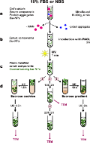
- remove protein aggregates (Figure 2a), as recommended earlier [36]: 10% FBS or NBS was sonicated for 4 min at 30 W, using a Sonorex Digitec DT-31 (Bandelin Electronic, Germany) and then centrifuged at 16000g for 4 min (Centrifuge 5415 R, Eppendorf, Germany, rotor F-45-24-11) at room temperature. The



Natural nanofibers embedded in the seed mucilage envelope: composite hydrogels with specific adhesive and frictional properties
Beilstein J. Nanotechnol. 2024, 15, 1603–1618, doi:10.3762/bjnano.15.126
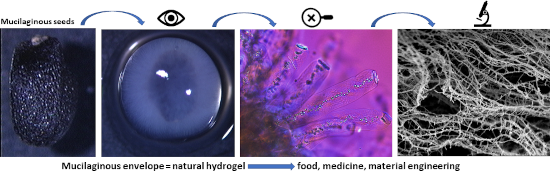
- dried at high temperatures requires, on average, only 33% of the force required to dislodge seeds dried in the refrigerator or at room temperature. It can be supposed that the high temperatures destroy the polysaccharide structure and other important chemical bonds responsible for the interaction


Facile synthesis of size-tunable L-carnosine-capped silver nanoparticles and their role in metal ion sensing and catalytic degradation of p-nitrophenol
Beilstein J. Nanotechnol. 2024, 15, 1576–1592, doi:10.3762/bjnano.15.124
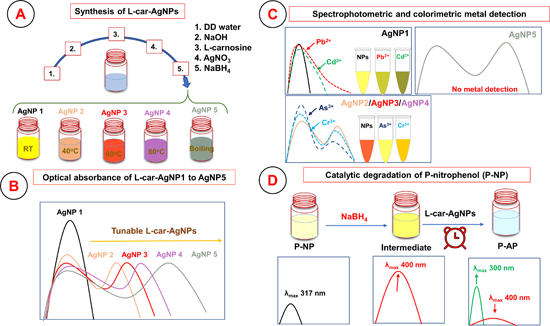
- -car-AgNP1 was synthesized at room temperature (RT = 25 °C), with the addition of 1 mL ʟ-carnosine (0.01 M) to 5 mL DD water followed by sequential additions of 100 μL NaOH (1 M), 1 mL AgNO3 (0.01 M), and 1 mL NaBH4 (0.001 M). The other samples, ʟ-car-AgNP2, ʟ-car-AgNP3, ʟ-car-AgNP4, and ʟ-car-AgNP5
- -chemical reduction approach. The precursor metal salt was reduced in the presence of the stabilizing or capping agent. Figure 1 shows a schematic representation of the ʟ-car-AgNP synthesis. The sample ʟ-car-AgNP1 was synthesized at room temperature by sequentially mixing water, NaOH, ʟ-carnosine, AgNO3




Green synthesis of silver nanoparticles derived from algae and their larvicidal properties to control Aedes aegypti
Beilstein J. Nanotechnol. 2024, 15, 1566–1575, doi:10.3762/bjnano.15.123
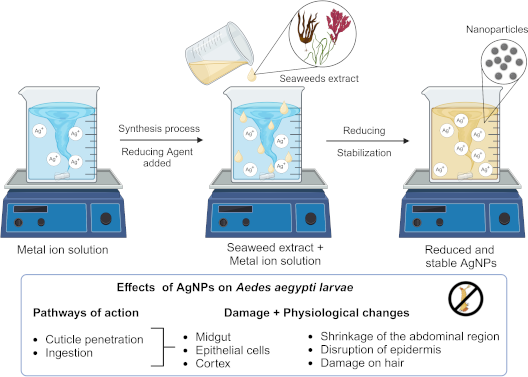
- /100 mL of purified water) by heating the mixture for 5 min and decanting for 1 h. After this process, the mixture was filtered and stored for 5 days at 15 °C. Finally, the filtered solution was treated with an aqueous solution of AgNO3 (1 mM) and incubated at room temperature. The chemical compounds
- ) under boiling for 5 min. The filtrate was treated with aqueous AgNO3 solution (1 mM; the ratio of aqueous solution to AgNO3 solution was not mentioned) and incubated at room temperature. Finally, a yellowish-brown solution was observed, indicating the formation of AgNPs. Chemical analysis of the AgNPs
- ethanol, concentrated in a rotary vacuum evaporator, and finally stored at refrigerator temperature. A hydroalcoholic extract was produced by adding 1 mL of S. natans extract to 99 mL of purified water and 0.5 mL of Triton®. This extract was treated with AgNO3 (100 mM; 99:1) and conditioned at room


Ultrablack color in velvet ant cuticle
Beilstein J. Nanotechnol. 2024, 15, 1554–1565, doi:10.3762/bjnano.15.122

- –2.00 hPa. For sample preparation, transversely sectioned T. bifurca specimens were fixed in Karnovsky fixative solution + 0.1% ruthenium red for 12 h. Following buffer washing, a post-fixative solution (osmium tetroxide + 0.1% ruthenium red) was applied at room temperature. After rinsing with alcohol



Electrochemical nanostructured CuBTC/FeBTC MOF composite sensor for enrofloxacin detection
Beilstein J. Nanotechnol. 2024, 15, 1522–1535, doi:10.3762/bjnano.15.120
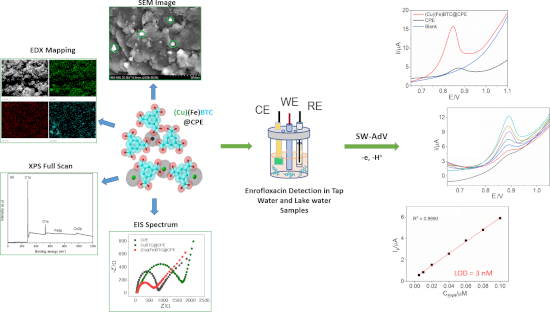
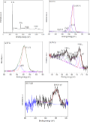
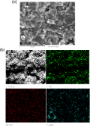
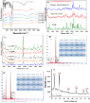
- room temperature (25 ± 1 °C). (a) XRD pattern and (b) N2 adsorption/desorption isotherms of the (Cu)(Fe)BTC sample. Full-scan (a) and high-resolution C 1s (b), O 1s (c), Fe 2p (d), and Cu 2p (e) XPS spectra of the (Cu)(Fe)BTC sample. TEM image of (Cu)(Fe)BTC sample. SEM images of (Cu)(Fe)BTC@CPE (a