Search results
Search for "scattering" in Full Text gives 892 result(s) in Beilstein Journal of Nanotechnology. Showing first 200.
Green synthesis of biomass-derived carbon quantum dots for photocatalytic degradation of methylene blue
Beilstein J. Nanotechnol. 2024, 15, 755–766, doi:10.3762/bjnano.15.63
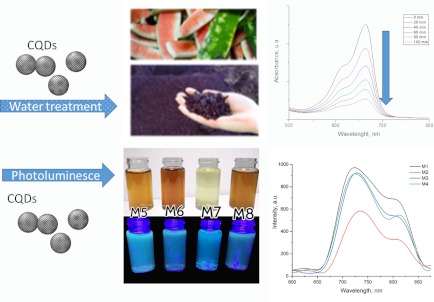
- 24 h, CQDs were successfully synthesized. A comprehensive characterization of the CQDs was performed using UV–visible spectroscopy, Fourier-transform infrared spectroscopy, dynamic light scattering, Raman spectroscopy, and luminescence spectroscopy, confirming their high quality. The photocatalytic
- catalytic activity in MB degradation, while those prepared with water as a solvent did not show significant catalytic activity. The samples were also characterized using UV–visible spectra, Fourier-transform infrared spectroscopy (FTIR), Raman spectroscopy, dynamic light scattering (DLS), and
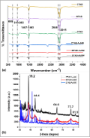
- (Figure 1a). Samples M1 and M5 exhibit a barely noticeable band between 250 and 300 nm, a typical peak was not observed for both samples probably due to the presence of some carbon impurity that hinder the detection of the π–π* transition around 270 nm. Dynamic light scattering Figure 2 shows the size


Effect of repeating hydrothermal growth processes and rapid thermal annealing on CuO thin film properties
Beilstein J. Nanotechnol. 2024, 15, 743–754, doi:10.3762/bjnano.15.62
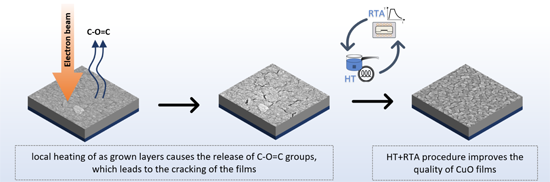
- –Lorentzian functional GL(30) was applied during the simulations. Raman scattering measurements were performed under ambient conditions and room temperature using a T64000 Horiba Jobin-Yvon spectrometer configured in a backscattering geometry with a 1800 gr/mm grating and a microscope objective of 100




Reduced subthreshold swing in a vertical tunnel FET using a low-work-function live metal strip and a low-k material at the drain
Beilstein J. Nanotechnol. 2024, 15, 713–718, doi:10.3762/bjnano.15.59
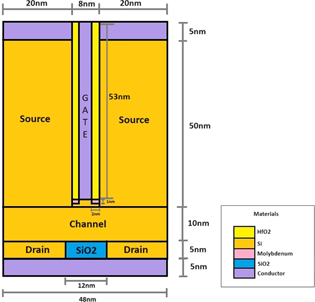
- proposed structure has been simulated with and without dielectric at the drain. The leakage current in presence of the dielectric is 1.40 × 10⁻¹⁷ A/μm, which is small compared to the value without dielectric, which is 5.47 × 10⁻¹⁴ A/μm. Low-k SiO2 reduces the scattering and the charge concentration in the


Elastic modulus of β-Ga2O3 nanowires measured by resonance and three-point bending techniques
Beilstein J. Nanotechnol. 2024, 15, 704–712, doi:10.3762/bjnano.15.58
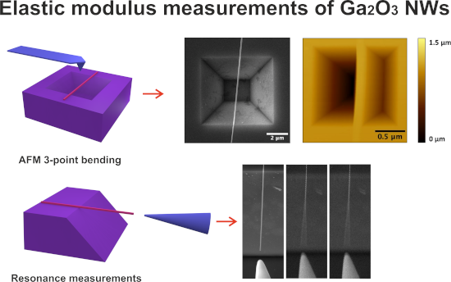
- Supporting Information File 1, exhibiting significant data scattering without clear dependence on the geometrical dimensions, similar to the results of the resonance technique. The mean value of the elastic modulus was calculated to be Etpb = 75.8 GPa, which is below the elastic modulus for bulk Ga2O3. While
- depends on the height of the NW in the third power, errors in measuring the height can cause significant scattering. Furthermore, few NWs exhibited a nonuniform height distribution. For example, the height of the specific NW was slightly above 20 nm at one end but increased to 80 nm at the other end (see
- reasons for the scattering of the measured elastic modulus values. Secondly, since the elastic modulus depends so intricately on the dimensions of the nanostructure (height is raised to the third power for three-point bending, width to the second power, and length to the fourth power for resonance


Gold nanomakura: nanoarchitectonics and their photothermal response in association with carrageenan hydrogels
Beilstein J. Nanotechnol. 2024, 15, 678–693, doi:10.3762/bjnano.15.56

- -known noble metal materials whose resonance occurs in both visible and infrared range of the electromagnetic spectrum, rendering pertinence in various disciplines such as surface-enhanced Raman scattering (SERS), optical sensors, fluorescence (SPR) sensor chips, deoxyribonucleic acid (DNA) sensors
- , electrochemical sensors, and photothermal therapy (PTT) [5]. These technologies are based on the principle of elastic scattering properties of metal nanoparticles and on the shift in the plasmon band, which is more prominent in the case of anisotropic nanoparticles in comparison to isotropic ones [6]. Several
- absorb NIR/IR wavelengths show efficient heat-generating capability. It is due to the strong absorption and scattering of light from visible to NIR/IR region that has brought radical advancement in the field of biomedical sciences. The manifestation of longitudinal surface plasmon resonance (LSPR) at the






Exfoliation of titanium nitride using a non-thermal plasma process
Beilstein J. Nanotechnol. 2024, 15, 631–637, doi:10.3762/bjnano.15.53
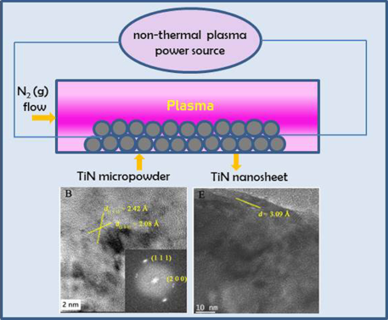
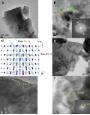
- higher transparency to the microscope beam is observed, indicating fewer scattering centers. When comparing Figure 3a and Figure 3d, it is clear that the initial compact 3D TiN blocks underwent a transformation and evolved into plate-like thin layers. The high-resolution image in Figure 3f shows a



Radiofrequency enhances drug release from responsive nanoflowers for hepatocellular carcinoma therapy
Beilstein J. Nanotechnol. 2024, 15, 569–579, doi:10.3762/bjnano.15.49
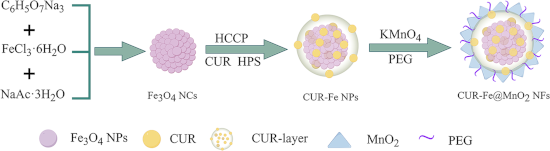
- diameters were 156 nm, 177 nm, and 199 nm, respectively (Figure 2e). The average size obtained from TEM was different from the sizes found by dynamic light scattering (DLS). The reason is that the TEM image depicts the size of the sample in the dry state, while the DLS method depicts the size of the


Cholesterol nanoarchaeosomes for alendronate targeted delivery as an anti-endothelial dysfunction agent
Beilstein J. Nanotechnol. 2024, 15, 517–534, doi:10.3762/bjnano.15.46
- Bligh and Dyer method [77] by a colorimetric phosphate microassay [75]. Size and ζ potential of nanovesicles were determined by dynamic light scattering and phase analysis light scattering, respectively, using a Zetasizer Nano ZS apparatus (Malvern Instruments Ltd, UK). To prepare RhPE-labeled



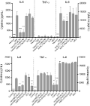


Electron-induced deposition using Fe(CO)4MA and Fe(CO)5 – effect of MA ligand and process conditions
Beilstein J. Nanotechnol. 2024, 15, 500–516, doi:10.3762/bjnano.15.45
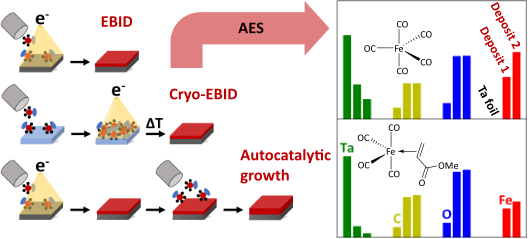
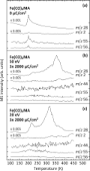
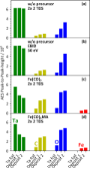
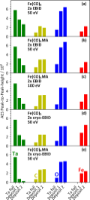
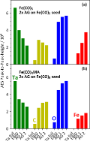
- ]. In these cases, though, the initial CO loss was more rapid, which was ascribed to the larger size of the molecules and consequently larger reactive scattering cross sections. Overall, the results summarized above show that there is room for further improvements to devise FEBID processes for

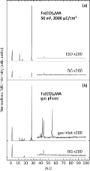
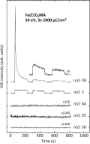


Aero-ZnS prepared by physical vapor transport on three-dimensional networks of sacrificial ZnO microtetrapods
Beilstein J. Nanotechnol. 2024, 15, 490–499, doi:10.3762/bjnano.15.44
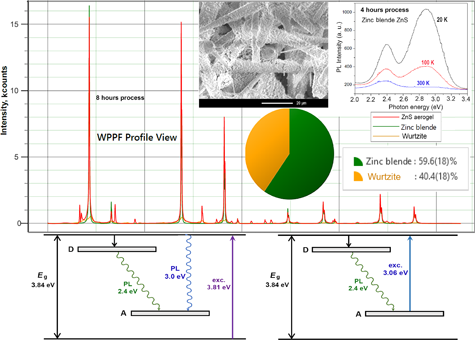
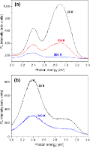
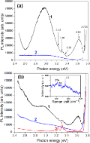
- measured at low temperature in the near-bandgap region, as shown in Figure 6. Apart from that, a narrow emission peak is observed at 3.726 eV. This peak is assigned to multiphonon resonant Raman scattering (RRS) in ZnS since the quantum energy difference between the excitation laser line (3.814 eV) and the
- peak position (3.726 eV) is nearly equal to the 2LO phonon energy in ZnS. The non-resonant Raman scattering measured with the excitation by the 785 nm laser line, shown in the inset of Figure 6b, clearly indicates the presence of a Raman scattering peak at 350 cm−1 (43 meV), which corresponds to the LO
- phonon energy in both the zinc blende and the wurtzite ZnS phases. Apart from that, Raman scattering peaks are observed at 275–280 and 220 cm−1, which are assigned to the TO and 2LA Raman scattering, respectively [33][34]. Therefore, the quantum energy of the PL excitation laser line of 325 nm (3.814 eV



Fabrication of nanocrystal forms of ᴅ-cycloserine and their application for transdermal and enteric drug delivery systems
Beilstein J. Nanotechnol. 2024, 15, 465–474, doi:10.3762/bjnano.15.42
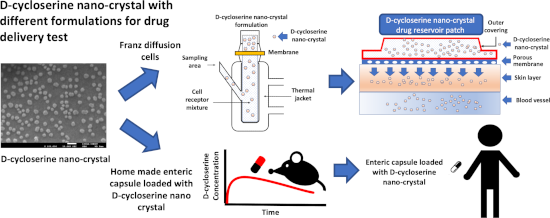
- nanocrystals were scanned in continuous mode from 5–40° (2θ) with a step size of 0.02° on a spinning stage at 40 kV and 40 mA with Cu Kα radiation. The incident beam path was equipped with a 0.2 mm divergence slit and a 0.02 mm air scattering screen. The diffracted beam was equipped with Ni-filter. The


Sidewall angle tuning in focused electron beam-induced processing
Beilstein J. Nanotechnol. 2024, 15, 447–456, doi:10.3762/bjnano.15.40
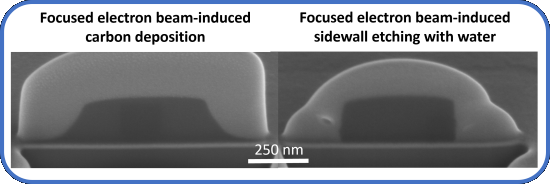
- diffusion rate of adsorbed contamination is known to be enhanced by the presence of water layers [21]. But since the relevant quantities are hard to measure, the diffusion rate has not been included in the model, nor have some other factors such as scattering, porosity, and secondary etch product reactions




Potential of a deep eutectic solvent in silver nanoparticle fabrication for antibiotic residue detection
Beilstein J. Nanotechnol. 2024, 15, 426–434, doi:10.3762/bjnano.15.38
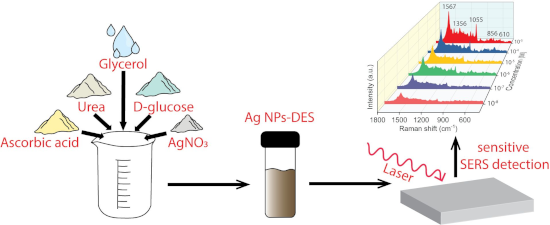
- Ag NPs-DES sample is used in a surface-enhanced Raman scattering (SERS) sensor. The two analytes for SERS quantitation are nitrofurantoin (NFT) and sulfadiazine (SDZ) whose residues can be traced down to 10−8 M. The highest enhancement factors (EFs) are competitive at 6.29 × 10⁷ and 1.69 × 10⁷ for
- synthesis of nanomaterials for biosensor substrate construction. Keywords: Ag NPs; antibiotic residue; deep eutectic solvents; potential; SERS; Introduction Surface-enhanced Raman scattering (SERS) is a ubiquitous technology for detecting and tracing substances, applied in various kinds of sensors. The
- located at 390 nm, which is suitable for SERS applications with 532 nm laser excitation. Besides, the shape of the UV–vis spectrum is in accordance with Mie scattering theory calculations, as reported in [39], proving the existence of Ag NPs in the solution. Moreover, the XRD pattern of the thin film


Classification and application of metal-based nanoantioxidants in medicine and healthcare
Beilstein J. Nanotechnol. 2024, 15, 396–415, doi:10.3762/bjnano.15.36
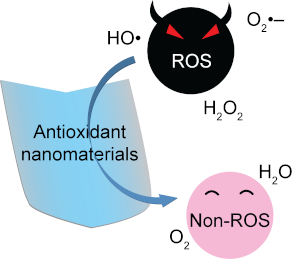
- reduction in infarction size, TNF-α levels, cardiac fibrosis, and improvement in cardiac systolic function. Gold nanorods serving as surface-enhanced Raman scattering probes have demonstrated sensitivity for the early detection of ICAM-1, a significant signal for screening atherosclerosis, particularly in


Comparative electron microscopy particle sizing of TiO2 pigments: sample preparation and measurement
Beilstein J. Nanotechnol. 2024, 15, 317–332, doi:10.3762/bjnano.15.29
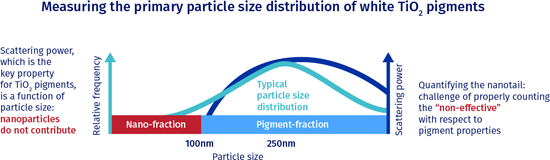
- presence of undispersed aggregates and agglomerates. The SSA and light scattering properties of the five samples were examined. To allow for a broader correlation of size parameters with SSA and CIELAB coordinates, an additional set of laboratory samples with a wider range of particle sizes was prepared
- and evaluated (see Experimental section). The EM MinFeret and EM ECD values according to measurement method M2 are given in Table 4, together with the SSA, the calculated specific surface area (c-SSA), and the CIELAB L*, a*, and b* coordinates showing the light scattering properties of each sample
- particle size distribution from dynamic light scattering measurements [20] was adapted to the results from the electron microscopy measurements. The SSA of all five samples was calculated from the measured particle size distributions according to three different models, based on MinFeret, ECD, and using


Determining by Raman spectroscopy the average thickness and N-layer-specific surface coverages of MoS2 thin films with domains much smaller than the laser spot size
Beilstein J. Nanotechnol. 2024, 15, 279–296, doi:10.3762/bjnano.15.26
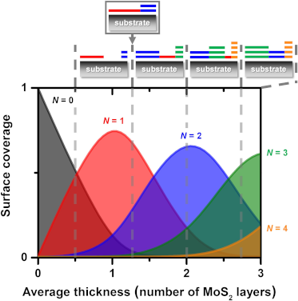
- new mode, named FA′1, appears on the high-frequency side of the A1g mode. The FA′1 mode is identified as Raman scattering from moiré phonons associated with the A′1 dispersion curve of 1L-MoS2. It is folded onto the zone center and, consequently, becomes Raman active [20]. Obviously, its frequency


Vinorelbine-loaded multifunctional magnetic nanoparticles as anticancer drug delivery systems: synthesis, characterization, and in vitro release study
Beilstein J. Nanotechnol. 2024, 15, 256–269, doi:10.3762/bjnano.15.24
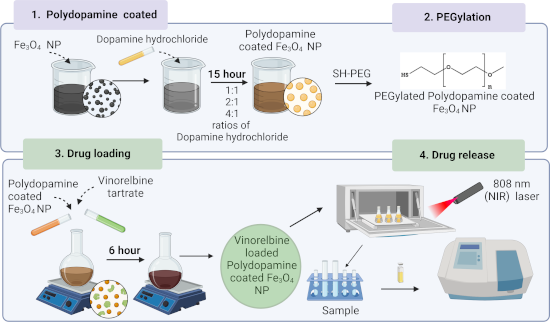
- laser-driven photothermal agent [25]. However, it is challenging to completely eradicate solid tumors using PTT alone because of light scattering and limited absorption in tumor tissues. For this purpose, various modifications have been employed for passive tumor targeting. PEGylation, which involves


Nanocarrier systems loaded with IR780, iron oxide nanoparticles and chlorambucil for cancer theragnostics
Beilstein J. Nanotechnol. 2024, 15, 180–189, doi:10.3762/bjnano.15.17
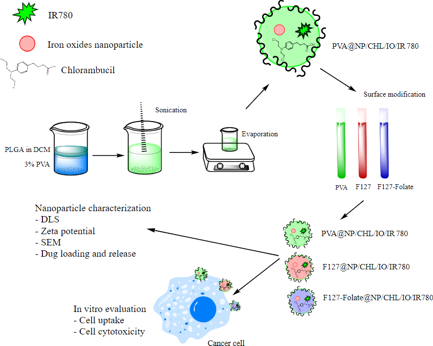
- cells. Hydrodynamic size and zeta potential Dynamic light scattering (DLS) and zeta potential spectra were obtained for three replicates on a nanoPartical Horiba SZ-100 (Japan) with the scattering angle of 90° to determine the size distribution and stability of the nanoparticles. The DLS measurements


In situ optical sub-wavelength thickness control of porous anodic aluminum oxide
Beilstein J. Nanotechnol. 2024, 15, 126–133, doi:10.3762/bjnano.15.12
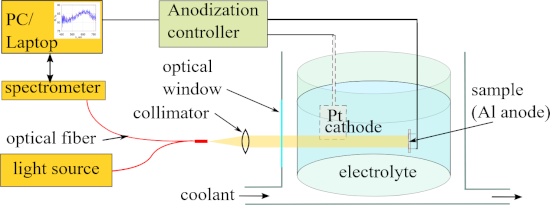
- alumina, has a much higher optical density, which is attributed to scattering by pores. Furthermore, the pore uniformity and ordering can contribute to optical scattering. Conclusion We have developed an interferometric system to enable real-time monitoring and control of the anodization process, ensuring


Assessing phytotoxicity and tolerance levels of ZnO nanoparticles on Raphanus sativus: implications for widespread adoptions
Beilstein J. Nanotechnol. 2024, 15, 115–125, doi:10.3762/bjnano.15.11

- light scattering (DLS), and scanning electron microscopy (SEM). The effect of ZnO NPs (70 nm) on R. sativus grown in coir was evaluated. The application of 1,000 mg/L of ZnO NPs resulted in a significant increase (p < 0.05) in soluble protein content, carbohydrates, chlorophyll a (Chl-a), chlorophyll b
- synthesized ZnO NPs were characterized via several techniques such as powder X-ray diffraction (PXRD), Fourier-transform infrared (FTIR) spectroscopy, solid-UV–vis spectroscopy, dynamic light scattering (DLS), and scanning electron microscopy (SEM). Then the potential phytotoxicity of the synthesized ZnO NPs
- could be linked to the agglomeration of nanoparticles caused by the rapid addition rate of NaOH during the synthesis process, as evidenced by the presence of agglomerated particles visible in the SEM images [33]. Further, the light scattering technique results are biased toward the larger particles in


Development and characterization of potential larvicidal nanoemulsions against Aedes aegypti
Beilstein J. Nanotechnol. 2024, 15, 104–114, doi:10.3762/bjnano.15.10
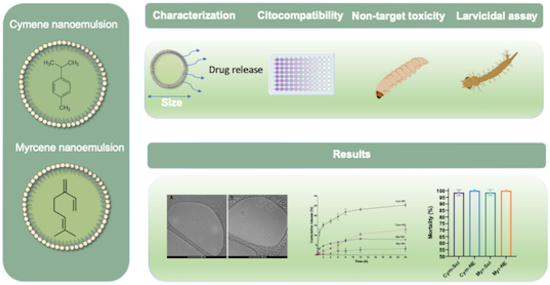
- , and 21 days after preparation. Signs of instability such as creaming, sedimentation, and phase separation were recorded, as well as physical aspects such as color, transparency, and fluidity. Dynamic light scattering analysis The average hydrodynamic diameter and polydispersity index (PdI) of the NEs
- were evaluated over a period of 60 days using dynamic light scattering, and the zeta potential was determined via electrophoretic mobility in a Zetasizer 3000 HSA (Malvern Instruments) device, using a 10 mW HeNe laser operated at 633 nm with a detection angle of incidence of 173° at 25 °C. Data


New application of bimetallic Ag/Pt nanoplates in a colorimetric biosensor for specific detection of E. coli in water
Beilstein J. Nanotechnol. 2024, 15, 95–103, doi:10.3762/bjnano.15.9
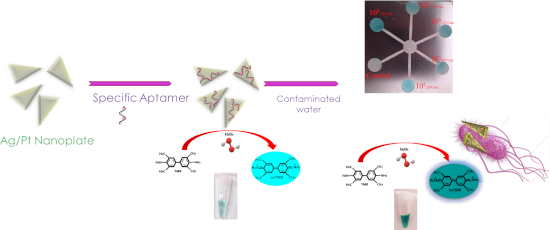
- lambda 25 UV–vis spectrometer was employed for UV–vis absorption measurement in the range of 200–800 nm. The morphology and shape of NPLs were studied using a field-emission scanning electron microscope (Supra 400VP, Zeiss, Oberkochen, Germany). Dynamic light scattering experiments were carried out at


Berberine-loaded polylactic acid nanofiber scaffold as a drug delivery system: The relationship between chemical characteristics, drug-release behavior, and antibacterial efficiency
Beilstein J. Nanotechnol. 2024, 15, 71–82, doi:10.3762/bjnano.15.7
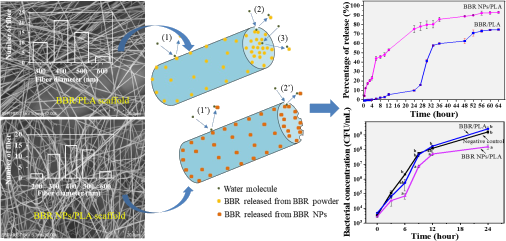
- after stretching the PLA solution during the electrospinning process displays only a broad scattering band, located at around 2θ = 21.3°, indicating an amorphous structure of PLA nanofibers. Due to the stretching and rapid solidification of the PLA solution during traveling from the needle to the


TEM sample preparation of lithographically patterned permalloy nanostructures on silicon nitride membranes
Beilstein J. Nanotechnol. 2024, 15, 1–12, doi:10.3762/bjnano.15.1
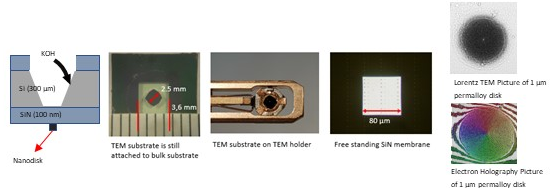
- membrane also allows for high-resolution patterning since there is less electron scattering during exposure [26]. The purpose of applying two layers of resist is to create a large undercut by using a bottom layer that is more sensitive than the top layer. This prevents the unwanted deposition of metal that


Fluorescent bioinspired albumin/polydopamine nanoparticles and their interactions with Escherichia coli cells
Beilstein J. Nanotechnol. 2023, 14, 1208–1224, doi:10.3762/bjnano.14.100
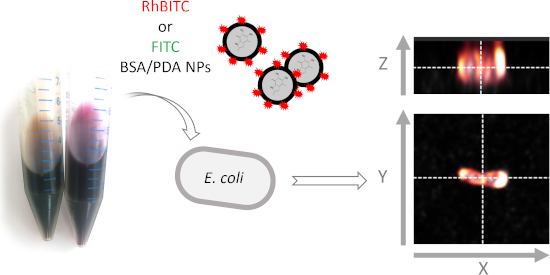
- measured by dynamic light scattering (DLS) using a Zetasizer Nano ZS from Malvern Panalytical (Malvern, UK). Measurements were performed while taking into account a refractive index of 1.73 − 0.02i for PDA (the imaginary part corresponds to the absorption coefficient) at a wavelength of 589 nm, that is