


Search results
Search for "solubility" in Full Text gives 354 result(s) in Beilstein Journal of Nanotechnology. Showing first 200.
Design and selection of peptides to block the SARS-CoV-2 receptor binding domain by molecular docking
Beilstein J. Nanotechnol. 2022, 13, 699–711, doi:10.3762/bjnano.13.62
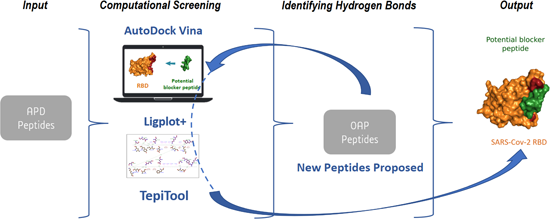
- , and their interaction with the RDB is discussed in the following section. Physicochemical parameters and peptide–RBD interaction Solubility, net charge, and size are important physical parameters that need to be considered in the design of novel drugs since these play a role in the distribution in the
- , and water solubility for peptides were determined by the on-line software INNOVAGEN’s peptide calculator (PEPCALC). Almost all OAPs are soluble in aqueous media, independently on their isoelectric point, due to the high ratio between hydrophilic and hydrophobic amino acid residues, except the peptides
- peptides) and faster design of peptides (41 peptides) based on the peptide binding site on the RBD, the number of hydrogen bonds, and the binding affinity. The peptide candidates have a nearly neutral charge at physiological pH and good solubility, which can benefit the diffusion of the molecules, allowing



Antibacterial activity of a berberine nanoformulation
Beilstein J. Nanotechnol. 2022, 13, 641–652, doi:10.3762/bjnano.13.56
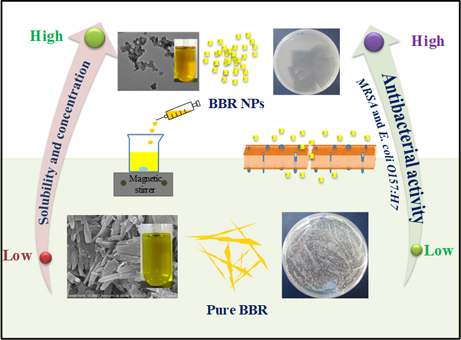
- the preparation of berberine (BBR) in nanoformulation to enhance its solubility and increase its antibacterial effectiveness against hospital-acquired infections. BBR nanoparticles (BBR NPs) were formed by antisolvent precipitation (ASP) using glycerol as a safe organic solvent. UV–vis absorption
- spectra demonstrated that the solubility of BBR NPs was greatly enhanced compared to that of pure BBR. Glycerol played a role as a stabilizer for BBR NPs through the formation of hydrogen bonds between glycerol and BBR NPs. The prepared BBR NPs have a narrow size distribution with an average diameter of
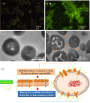
- bacterial cells and severely damaged the cell walls. Therefore, BBR NPs prepared by ASP appear to be a potential candidate for the treatment of bacterial pathogens. Keywords: antibacterial activity; antisolvent precipitation (ASP); berberine nanoparticles (BBR NPs); glycerol; solubility; Introduction



Influence of thickness and morphology of MoS2 on the performance of counter electrodes in dye-sensitized solar cells
Beilstein J. Nanotechnol. 2022, 13, 528–537, doi:10.3762/bjnano.13.44
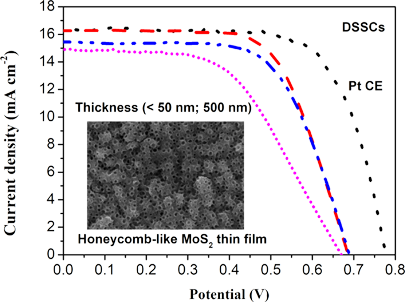
- similar to that of (NH4)2MoS4 reported by Falola and co-workers [28]. The formation of MoS42− ions in the mixture solution is detailed in Equations 1–4 [27][28][29][30]: It should be noted that (NH4)2MoS4 is poorly soluble in water. Hence, the in situ synthesis of MoS42− from (NH4)6Mo7O24 (high solubility


Ethosomal (−)-epigallocatechin-3-gallate as a novel approach to enhance antioxidant, anti-collagenase and anti-elastase effects
Beilstein J. Nanotechnol. 2022, 13, 491–502, doi:10.3762/bjnano.13.41
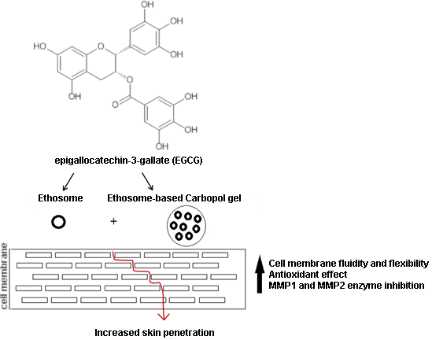
- effective due to its unstable structure and low solubility. In addition, toxicity may occur with an increasing dose [10]. Therefore, overcoming these problems with nanocarrier systems provides significant advantages to researchers. ETHs protect a given compound against environmental factors and also enhance



Zinc oxide nanostructures for fluorescence and Raman signal enhancement: a review
Beilstein J. Nanotechnol. 2022, 13, 472–490, doi:10.3762/bjnano.13.40
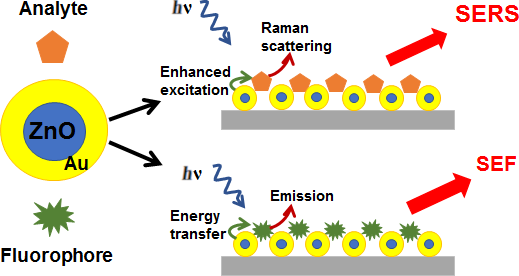
- polyols, such as high boiling point (up to 320 °C) and dielectric constant, the solubility of simple metal salt precursors, and coordinating properties for surface functionalization preventing agglomeration [27]. The ZnO NPs obtained from polyol synthesis showed excellent crystalline quality and




Interfacial nanoarchitectonics for ZIF-8 membranes with enhanced gas separation
Beilstein J. Nanotechnol. 2022, 13, 313–324, doi:10.3762/bjnano.13.26
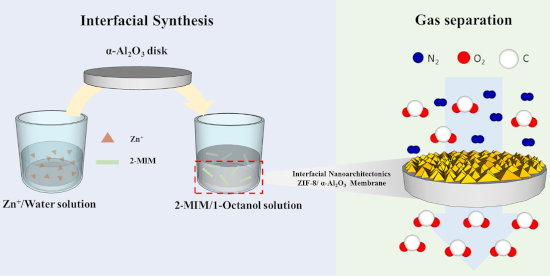
- reaction temperature led to higher crystallinity. A further increase of the reaction temperature to 120 °C caused a decrease of the separation factor to 1.77, which was due to the unstable liquid–liquid interface under boiling. In addition, the elevated temperature increased water/1-octanol solubility and


Coordination-assembled myricetin nanoarchitectonics for sustainably scavenging free radicals
Beilstein J. Nanotechnol. 2022, 13, 284–291, doi:10.3762/bjnano.13.23
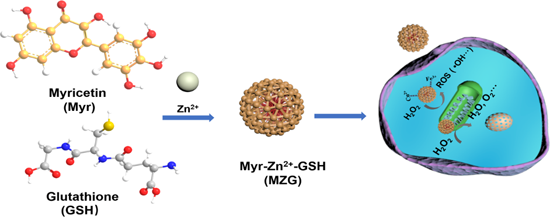
- , and allergens [17]. In spite of the tremendous potential, Myr possesses the same shortcomings as many hydrophobic small molecules, namely low bioavailability, poor water solubility and rapid degradation at pH > 6.8, which limits its clinical therapeutic potential [22]. GSH consists of glycine
- these groups coordinated to Zn2+. The co-assembly approach mitigates the poor water solubility of Myr and improves its bioavailability for further biomedical applications. The stability of the co-assembled nanoparticles is important for antioxidant application. The DLS profiles were used to evaluate the
- scavenge ROS, but also overcome the poor water solubility of Myr, the co-assembly was effective to enhance the bioavailability of both Myr and GSH, especially regarding a sustainable antioxidant efficacy. The stable radical scavenging activity of MZG was further assessed. As shown in Figure 3c, the radical


Systematic studies into uniform synthetic protein nanoparticles
Beilstein J. Nanotechnol. 2022, 13, 274–283, doi:10.3762/bjnano.13.22
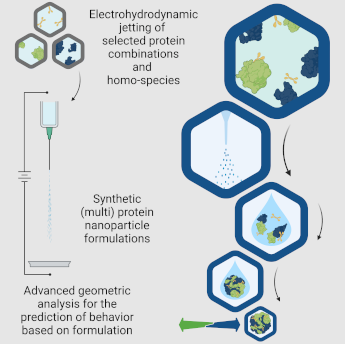
- water and ethanol with a 9:1 (v/v) ratio. The exception was insulin and mucin-based SPNPs. Because insulin has poor solubility at neutral pH, acetic acid at 10% (v/v) was added to the solvent mixture to ensure miscibility. Due to its high molecular weight, mucin was used at 2% (w/v). NHS-PEG-NHS


A comprehensive review on electrospun nanohybrid membranes for wastewater treatment
Beilstein J. Nanotechnol. 2022, 13, 137–159, doi:10.3762/bjnano.13.10
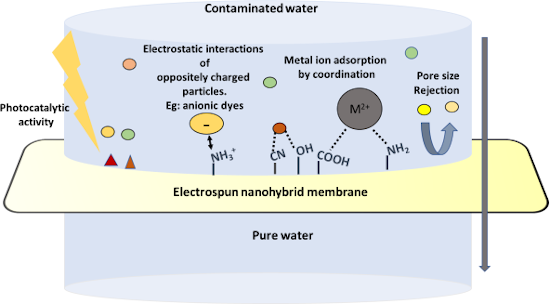
- solubility, solvent conductivity, vapor pressure or the volatility of the solvent, and the electrospinnability of the solvents are the foremost parameters to be considered. Lasprilla-Botero et al. reported that the same polymer yielded different fiber when different solvents were used. This was due to the
- different physicochemical properties of the solvents, such as the electrical conductivity, inherent viscosity of the polymers, and the difference of solubility parameters of the solvent and the polymer [36]. Moreover, they have reported that entanglement concentrations of the polymers varied significantly
- with the solvent and a high solubility in the solvents is not the sole factor for obtaining smooth defect-free fibers. Instead, it is both solubility and electrospinnability. They obtained broader fibers with the increase of the solvent viscosity, which directly affects the final solution viscosity




Biocompatibility and cytotoxicity in vitro of surface-functionalized drug-loaded spinel ferrite nanoparticles
Beilstein J. Nanotechnol. 2021, 12, 1339–1364, doi:10.3762/bjnano.12.99
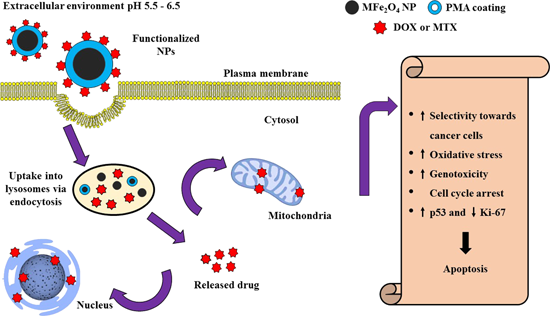
- penetration and hemocompatibility which can be useful for biomedical applications [12][17]. Furthermore, in order to be exploited in biomedical applications, NPs need to fulfill certain criteria which include water solubility, excellent colloidal stability, biocompatibility, and high saturation magnetization





Irradiation-driven molecular dynamics simulation of the FEBID process for Pt(PF3)4
Beilstein J. Nanotechnol. 2021, 12, 1151–1172, doi:10.3762/bjnano.12.86
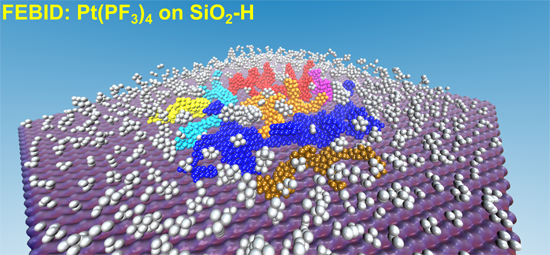
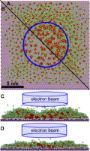
- , novel techniques exploiting the irradiation of nanosystems with collimated electron and ion beams have been developed [2][3]. One of these techniques is electron beam lithography (EBL), which is similar to conventional optical lithography but relies on the change of solubility after electron exposure of








Self-assembly of amino acids toward functional biomaterials
Beilstein J. Nanotechnol. 2021, 12, 1140–1150, doi:10.3762/bjnano.12.85
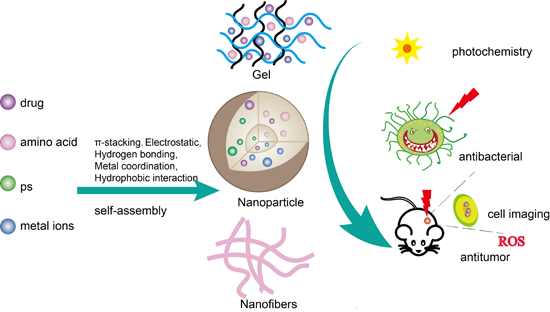
- promising natural antitumor drug, which can inhibit the transformation, proliferation, and migration of tumor cells through various ways, and has anti-angiogenic activity and good biocompatibility [72]. However, the poor water solubility and low bioavailability of curcumin hinder its direct application [73
- photosensitization activity and photostability of phthalocyanine. Camptothecin can induce tumor apoptosis by inhibiting the activity of topoisomerase I [90]. However, camptothecin has some major limitations in therapeutic applications, such as poor water solubility and rapid lactone ring hydrolysis at physiological

Use of nanosystems to improve the anticancer effects of curcumin
Beilstein J. Nanotechnol. 2021, 12, 1047–1062, doi:10.3762/bjnano.12.78
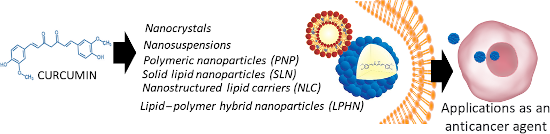
- solubility, lack of specificity, high toxicity, poor therapy index, and multidrug resistance are other related drawbacks [6][7]. Orally administered chemotherapy is currently unsuitable due to the low bioavailability of chemotherapeutic agents [8], making intravenous the only viable route of administration
- , cell, or organelle, improving solubility, dissolution rate, and pharmacokinetics [5]. In the case of CUR, the nanosystem size directly influences its biodistribution as demonstrated by Bi et al. [41], who reported differences in the pharmacokinetic profiles when they administered CUR nanosuspension of
- associated with an improved CUR solubility due to the nanosystem. Furthermore, half an hour after pulmonary administration, CUR concentration values higher than 2000 µg/g were observed in the lungs and 6 h after pulmonary administration the concentration was 824 µg/g. Curcumin was also found in other organs


Progress and innovation of nanostructured sulfur cathodes and metal-free anodes for room-temperature Na–S batteries
Beilstein J. Nanotechnol. 2021, 12, 995–1020, doi:10.3762/bjnano.12.75
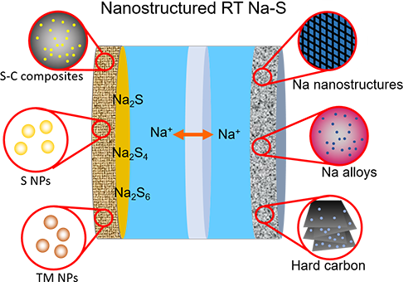
- phenomenon caused by the migration of long-chain sodium polysulfides (Na2Sn) to the anode, facilitated by their high solubility in carbonate- and ether-based electrolytes [21]. At the anode, Na2Sn is further reduced to insoluble short-chain sodium polysulfides, which precipitate and passivate the electrode




The role of deep eutectic solvents and carrageenan in synthesizing biocompatible anisotropic metal nanoparticles
Beilstein J. Nanotechnol. 2021, 12, 924–938, doi:10.3762/bjnano.12.69
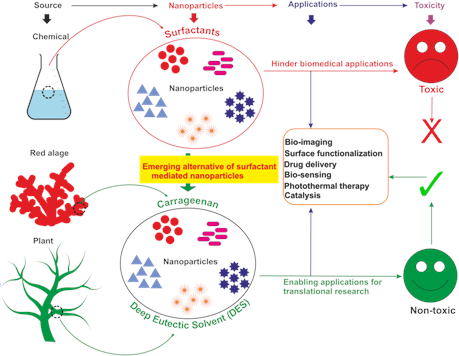
- cellulose biomass [77]. Although the applications of DESs mentioned above lie at the interface of material and biological science, the following section will only discuss application of DESs in nanomaterial synthesis. As mentioned earlier, the high solubility of metal salts in DESs makes them an ideal
- sulfate groups with repeating galactose units determines the gelation properties of carrageenan [102]. The higher the number of sulfate groups, the lower is the solubility temperature of carrageenan. Therefore, kappa and iota carrageenan do gelate whereas lambda carrageenan does not form gels at room


Modification of a SERS-active Ag surface to promote adsorption of charged analytes: effect of Cu2+ ions
Beilstein J. Nanotechnol. 2021, 12, 902–912, doi:10.3762/bjnano.12.67
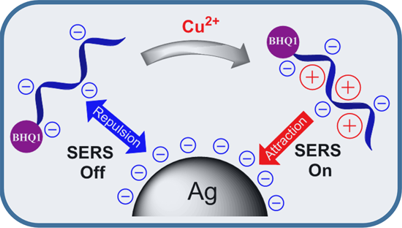
- of halide ions on the SERS signal. It is due to the high binding energy of Ag with halides, which is also responsible for the low solubility of Ag halides in water. The SERS activation of cationic analytes was observed in a number of studies after treatment of nanoparticles with halide ions [21][22


Comprehensive review on ultrasound-responsive theranostic nanomaterials: mechanisms, structures and medical applications
Beilstein J. Nanotechnol. 2021, 12, 808–862, doi:10.3762/bjnano.12.64
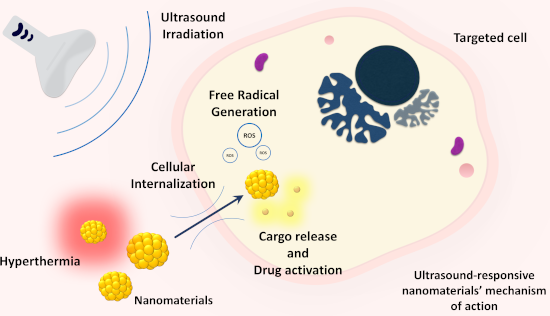
- ), are great candidates for ADV because they have low cytotoxicity and low solubility in aqueous media. In the last decade, ADV has been employed for vessel occlusion therapy, drug delivery, HIFU, tissue lesion formation, and molecular imaging [128][129]. Previous studies showed that a combination of two


Nanoporous and nonporous conjugated donor–acceptor polymer semiconductors for photocatalytic hydrogen production
Beilstein J. Nanotechnol. 2021, 12, 607–623, doi:10.3762/bjnano.12.50
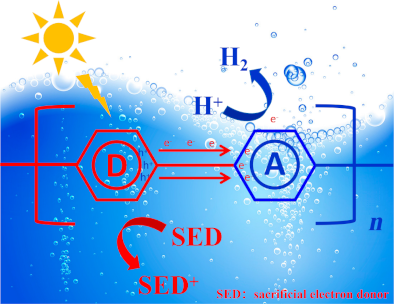
- Conjugated polymers (CPs) as photocatalysts have evoked substantial interest. Their geometries and physical (e.g., chemical and thermal stability and solubility), optical (e.g., light absorption range), and electronic properties (e.g., charge carrier mobility, redox potential, and exciton binding energy) can
- energy, high stability, wide light-absorption range, and sufficient catalytically active sites [7]. Conjugated polymers (CPs) are one of the most promising alternatives to the traditional inorganic photocatalysts. Their geometries and physical (e.g., chemical and thermal stability and solubility
- were dispersed in water. The Pdots of P49 rendered one of the highest HER (150 μmol·h−1, 3 mg) among all Pdots, which was attributed to the water solubility, broad light absorption and abundant catalytic sites of BT-based Pdots. In addition, Hu et al. [71] synthesized hyper-branched Pdots by co




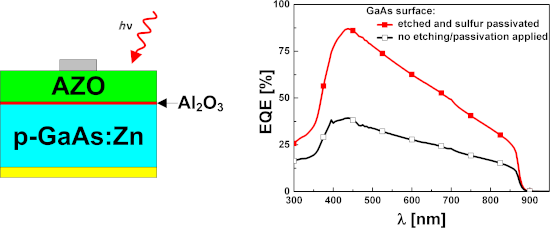
Impact of GaAs(100) surface preparation on EQE of AZO/Al2O3/p-GaAs photovoltaic structures
Beilstein J. Nanotechnol. 2021, 12, 578–592, doi:10.3762/bjnano.12.48
- also for non-passivated samples (B2 vs B3) compared accordingly. In these cases, the acidic bath was applied on the samples before the final passivation. According to the literature, such treatment leaves the As-rich surface with elemental As which has low solubility in acids [52]. Thus, the final


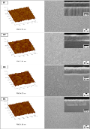


Influence of electrospray deposition on C60 molecular assemblies
Beilstein J. Nanotechnol. 2021, 12, 552–558, doi:10.3762/bjnano.12.45
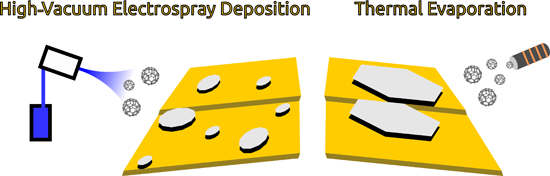
- requirement for the suitability of molecules for ESD is their solubility in a compatible solvent. A drawback is, therefore, the presence of the solvent itself. Various implementations of electrospray deposition setups were developed to allow for the selection of the molecular species via mass spectrometer


The preparation temperature influences the physicochemical nature and activity of nanoceria
Beilstein J. Nanotechnol. 2021, 12, 525–540, doi:10.3762/bjnano.12.43
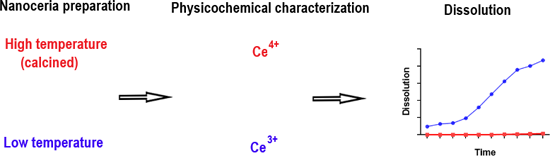
- were employed. Dissolution of NM-212 and the calcined nanoceria was much slower than that of the non-calcined form. The decreased solubility was attributed to an increased amount of surface Ce4+ species induced by the high temperature. Carboxylic acids doubled the very low dissolution rate of NM-212
- treatment of nanoceria can produce significant differences in solubility and surface cerium valence, which affect the biological and catalytic properties of nanoceria. Keywords: cerium; dissolution; nanoparticles; physicochemical properties; valence state; Introduction The long-term fate of engineered
- have adverse consequences and raised the question whether its method of preparation and solubility are contributing factors. In contrast to the results with NM-212, other nanoceria have been demonstrated to have therapeutic potential for multiple conditions with an oxidative stress/inflammation




A review on nanostructured silver as a basic ingredient in medicine: physicochemical parameters and characterization
Beilstein J. Nanotechnol. 2021, 12, 440–461, doi:10.3762/bjnano.12.36
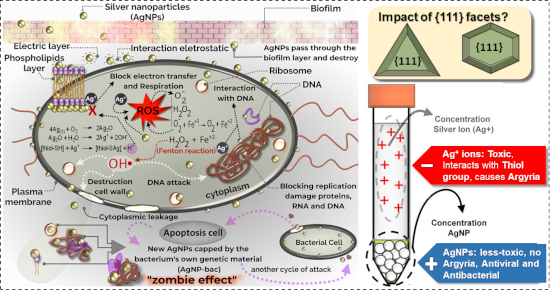
- hydrophilic groups with consequent formation of giant micelles (cages) providing reduced water solubility (which defines the cloud point transition). It is exactly at this point that the AgNPs get surrounded by these non-ionic micelles and separated from the ionic silver (hydrophilic character) [149]. The


The impact of molecular tumor profiling on the design strategies for targeting myeloid leukemia and EGFR/CD44-positive solid tumors
Beilstein J. Nanotechnol. 2021, 12, 375–401, doi:10.3762/bjnano.12.31


Doxorubicin-loaded gold nanorods: a multifunctional chemo-photothermal nanoplatform for cancer management
Beilstein J. Nanotechnol. 2021, 12, 295–303, doi:10.3762/bjnano.12.24
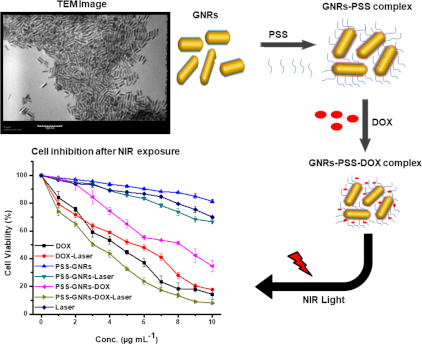
- limited due to several unwanted characteristics of poor solubility, broad bioavailability range, narrow therapeutic index, rapid elimination from systemic circulation, unselective site of action after oral/intravenous administration, and cytotoxic effects on normal tissues [6]. The anticancer drug


A review on the green and sustainable synthesis of silver nanoparticles and one-dimensional silver nanostructures
Beilstein J. Nanotechnol. 2021, 12, 102–136, doi:10.3762/bjnano.12.9
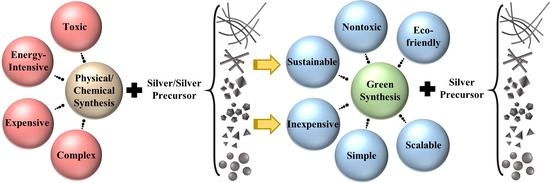
- flavones, terpenoids, catechins, and polyphenols [183][315][320], which may also include carboxylic acids, ketones, and aldehydes functional groups. Many studies have reported synthesis of AgNPs by in-plant phytochemicals in the water-soluble form [321]. This is advantageous because the water-solubility of





