Search results
Search for "step" in Full Text gives 1538 result(s) in Beilstein Journal of Nanotechnology. Showing first 200.
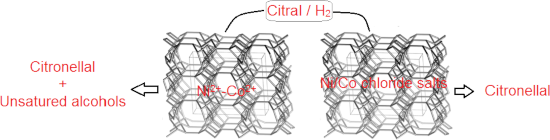
Zeolite materials with Ni and Co: synthesis and catalytic potential in the selective hydrogenation of citral
Beilstein J. Nanotechnol. 2025, 16, 520–529, doi:10.3762/bjnano.16.40
- radiation (λ = 1.5406 Å). Data were collected at a scan speed of 2°/min with a step size of 0.05°. SEM images were acquired using a FEI Nova NanoSEM 450 electron microscope. For this purpose, samples were mounted on holders and coated with a thin layer of gold prior to observation. Temperature-programmed


Impact of adsorbate–substrate interaction on nanostructured thin films growth during low-pressure condensation
Beilstein J. Nanotechnol. 2025, 16, 473–483, doi:10.3762/bjnano.16.36

- = 0.5, that is, the spatial integration step; Δt = 10−3 is the time step. The Fourier spectral method is used [45][46] to take spatial derivatives. As initial conditions, we assume that the substrate is free of adsorbates by taking x(r,0) = 0; boundary conditions are periodic. We fix σ2 = 0.01 for all


Synthetic-polymer-assisted antisense oligonucleotide delivery: targeted approaches for precision disease treatment
Beilstein J. Nanotechnol. 2025, 16, 435–463, doi:10.3762/bjnano.16.34


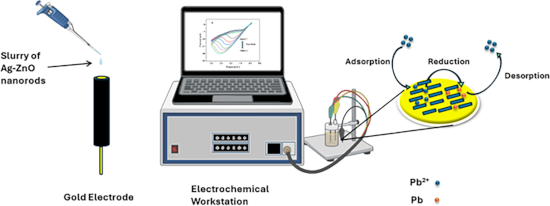
Quantification of lead through rod-shaped silver-doped zinc oxide nanoparticles using an electrochemical approach
Beilstein J. Nanotechnol. 2025, 16, 422–434, doi:10.3762/bjnano.16.33
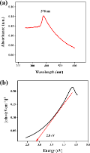
- zinc nitrate hexahydrate solution. The resulting solution was stirred for approximately 10 min at room temperature. After the reaction time, a 1 M potassium hydroxide (KOH) solution was gradually added drop by drop. This step adjusted the pH of the mixture to 10. Then the mixture underwent further





Size control of nanoparticles synthesized by pulsed laser ablation in liquids using donut-shaped beams
Beilstein J. Nanotechnol. 2025, 16, 407–417, doi:10.3762/bjnano.16.31
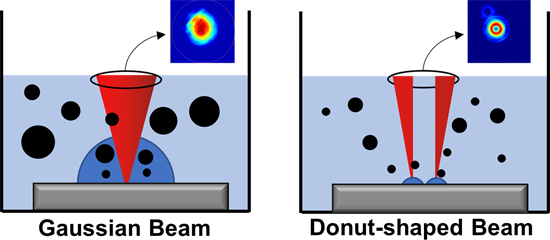
- increase in the radiation absorption efficiency inside transparent materials because of the implosion of the absorbed energy during propagation [39]. It is crucial to understand the early-stage mechanisms of PLAL to correlate them to NP size control. Plasma plume formation and expansion is a critical step


ReactorAFM/STM – dynamic reactions on surfaces at elevated temperature and atmospheric pressure
Beilstein J. Nanotechnol. 2025, 16, 397–406, doi:10.3762/bjnano.16.30
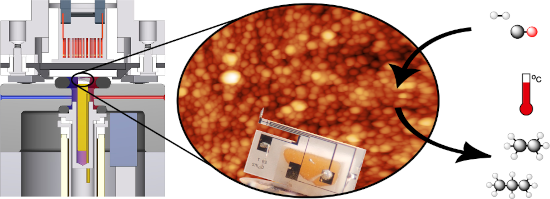
- a CaCl2 electrolytic solution (CaCl2 5 g, H2O 30 mL, acetone 2 mL). An alternating current (AC) voltage (50 Hz, 1–10 V) is applied between the tip and a gold ring electrode with the etching solution in suspension resulting in a sharp tip, which serves as the probe. In a second step, the etched Pt/Ir
- tip is washed with isopropanol, then by Milli-Q water and dried with pure nitrogen gas. In the third step, the etched tip is cut to length and glued on by hand with silver epoxy to the free end of the tuning fork prong. Tip lengths are cut to approximately 200 μm to prevent unwanted potential lateral


Engineered PEG–PCL nanoparticles enable sensitive and selective detection of sodium dodecyl sulfate: a qualitative and quantitative analysis
Beilstein J. Nanotechnol. 2025, 16, 385–396, doi:10.3762/bjnano.16.29
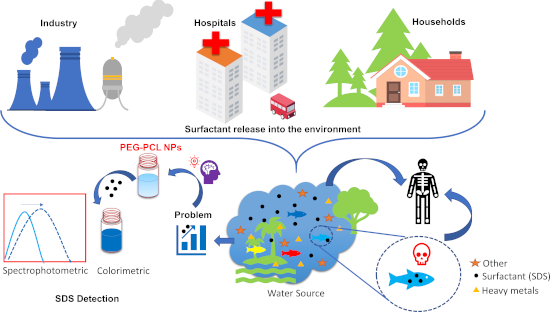
- nanoparticles is a step ahead of the reported studies. Polymer nanoparticles prepared from PEG–PCL are widely used for drug delivery, tumour targeting, and imaging [28]. To our knowledge, there is no report regarding using PEG–PCL nanoparticles (PEG–PCL NPs) as a contaminant detection system. Accordingly, we
- precipitation step is essential for purifying the nanoparticles and achieving a stable, solid-state product that can be easily collected and dried. Finally, the synthesized PEG–PCL NPs are characterized to assess their size and uniformity. Dynamic light scattering (DLS) techniques measure the average particle


Development of a mucoadhesive drug delivery system and its interaction with gastric cells
Beilstein J. Nanotechnol. 2025, 16, 371–384, doi:10.3762/bjnano.16.28

- , A2033), poloxamer 407 (16758), calcium chloride, and mucin from porcine stomach (M1778) were purchased from Sigma-Aldrich, USA. Sunflower oil and sorbitan monooleate (Span 80) were from TCI Chemicals, USA. For in vitro studies, high-glucose DMEM and Pen-Step solution were purchased from Sartorius


Pulsed laser in liquid grafting of gold nanoparticle–carbon support composites
Beilstein J. Nanotechnol. 2025, 16, 349–361, doi:10.3762/bjnano.16.26
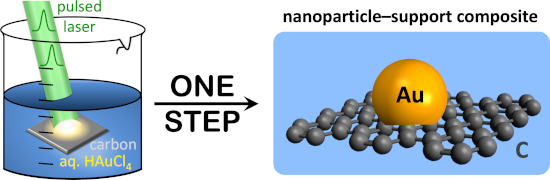
- , University of Rochester, Rochester, New York 14627, United States 10.3762/bjnano.16.26 Abstract We developed a novel pulsed laser-assisted process for the fabrication of advanced composites of nonequilibrium gold nanoparticles on carbon fiber paper supports. Our one-step process integrates the generation of
- unattached catalyst material, which is especially problematic with precious catalysts. Overall, separate nanoparticle synthesis–attachment produces composites with adhesion, durability, electrical contact, and concomitant energy efficiency issues. Here, we report a new one-step pulsed laser grafting process
- 3 h (Supporting Information File 1, Figure S4), likely due to buffering of protons in the aqueous bicarbonate electrolyte. Mixtures of H2 and CO2 are valuable precursors in carbon dioxide hydrogenation to produce synthetic fuels and chemicals [75][76]. Overall, our novel one-step aqueous pulsed


Tailoring of physical properties of RF-sputtered ZnTe films: role of substrate temperature
Beilstein J. Nanotechnol. 2025, 16, 333–348, doi:10.3762/bjnano.16.25
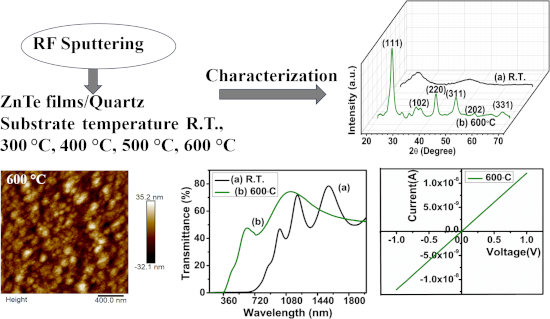
- , Kurukshetra University. The grazing incidence angle was fixed at 0.5°. The diffraction pattern was recorded in the 2θ range of 20°–70° with a step increment of 0.07°. The optical properties of ZnTe/Qz films were analysed from transmittance spectra obtained using a Shimadzu UV–vis–NIR spectrophotometer (UV




Enhancing mechanical properties of chitosan/PVA electrospun nanofibers: a comprehensive review
Beilstein J. Nanotechnol. 2025, 16, 286–307, doi:10.3762/bjnano.16.22


Emerging strategies in the sustainable removal of antibiotics using semiconductor-based photocatalysts
Beilstein J. Nanotechnol. 2025, 16, 264–285, doi:10.3762/bjnano.16.21
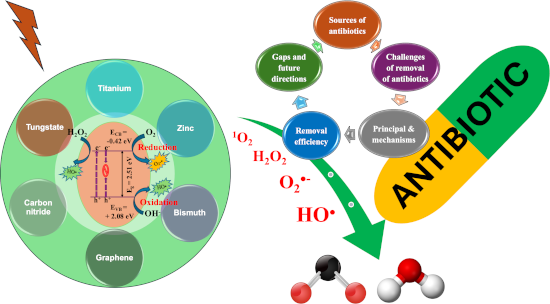
- , attributed to the increased specific surface area and absorption capacity. Using a one-step hydrothermal process, Wu et al. [69] synthesized Bi-bridged Z-scheme BiOCl/Bi2O3 heterojunctions. The constructed binary photocatalysts exhibited 94.79% TC degradation efficiency owing to the enhanced separation of


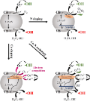

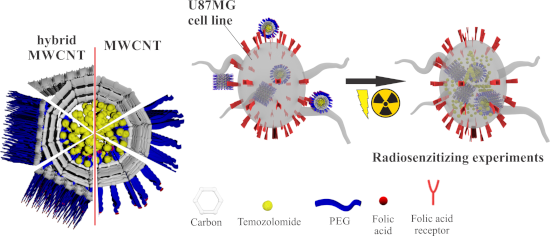
Radiosensitizing properties of dual-functionalized carbon nanostructures loaded with temozolomide
Beilstein J. Nanotechnol. 2025, 16, 229–251, doi:10.3762/bjnano.16.18




A review of metal-organic frameworks and polymers in mixed matrix membranes for CO2 capture
Beilstein J. Nanotechnol. 2025, 16, 155–186, doi:10.3762/bjnano.16.14
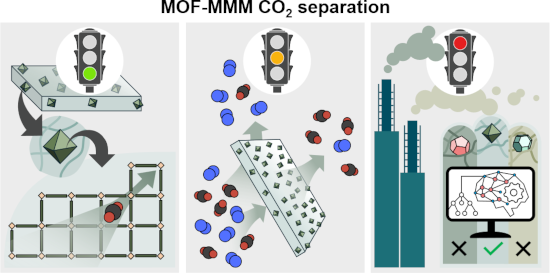
- rigidification effects and partial pore blockage. This rigidified polymer may also alter the effective MOF apertures, affecting MMM selectivity unpredictably [78][87][115][119]. The rigidified polymer defect typically forms during the solvent removal step, see Figure 4, where rapid solvent removal quenches the
- precursor slurry for higher MOF loadings [80][122]. Aggregation also tends to occur during the solvent removal step in the solvent casting method, further complicating MMM fabrication [122]. The tendency to form aggregates in MOF-based MMMs depends on the specific MOF and polymer used, their interactions




Clays enhanced with niobium: potential in wastewater treatment and reuse as pigment with antibacterial activity
Beilstein J. Nanotechnol. 2025, 16, 141–154, doi:10.3762/bjnano.16.13
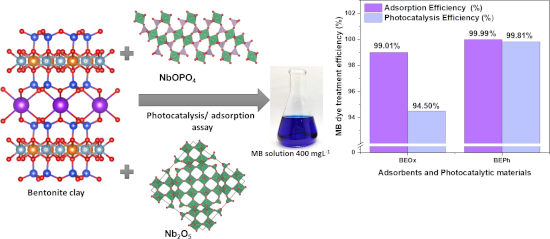
- modified with niobium First, the clays were swollen; for this purpose, 2 g of bentonite clay was dispersed in 100 mL of water, and the resulting suspension was kept under stirring for 24 h. In this experiment step, the color of raw clay was brown (Figure 1a). Then, 3.14 g of NbOPO4 and Nb2O5 was added. The
- radiation (λ = 1.5410 Å) operating at 40 kV and 30 mA. Data were collected in scanning mode in steps between 4° and 75° (2θ) with a step size of 0.05°/s. The basal distance was obtained using Bragg's Law. Fourier-transform infrared spectroscopy (FTIR) spectra were collected on a Perkin Elmer Frontier FTIR


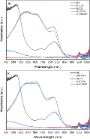

TiO2 immobilized on 2D mordenite: effect of hydrolysis conditions on structural, textural, and optical characteristics of the nanocomposites
Beilstein J. Nanotechnol. 2025, 16, 128–140, doi:10.3762/bjnano.16.12
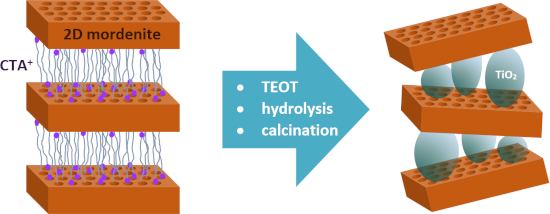
- accuracy of the experiment). Therefore, this step is immediately followed by condensation: The final composition of the hydrolysis products of alkoxides of titanium roughly corresponds to TiO1.5(OR)·yROH, where y = 0.15–1.00 depending on the nature of the alcohol. The residual carbon during thermal
- sample obtained in step (1), was stirred in TEOT at a mass ratio of 1:5 for 6 h at 25 °C. The sample was filtered off and then dried at 35 °C for 12 h. To hydrolyze TEOT that had diffused into the CTAB layers and to obtain TiO2 nanoparticles in the interlamellar space, 1.0 g of TEOT-impregnated MOR-L
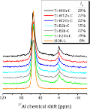
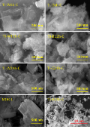
- monochromatic Cu Kα radiation. XRD patterns of the studied compounds were recorded in the 2θ range of 5–70° with a step width of 0.0302°. SAXS patterns were recorded over a 2θ scanning range of 0.2–7.0° with a step width of 0.01°. Elemental analysis and morphology of synthetized TiO2/2D mordenite nanocomposites



Nanocarriers and macrophage interaction: from a potential hurdle to an alternative therapeutic strategy
Beilstein J. Nanotechnol. 2025, 16, 97–118, doi:10.3762/bjnano.16.10
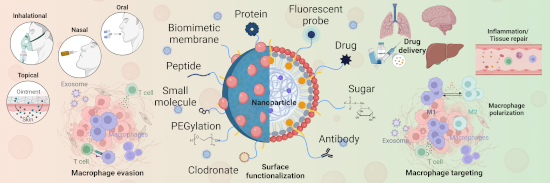
- to protect their cargo, promote extravasation, and reach the target tissue effectively. Fluid forces can strip NCs of their surface coatings, reducing their ability to adhere to vessel walls, an essential step for extravasation into the parenchyma of target tissues. Particles larger than 200 nm and
- activation, is a pivotal step in translating the therapeutic potential of RNA molecules into practical clinical applications, providing innovative solutions to the intricate challenges of nanomedicine. 6 Applications in liver and lung disorders NCs can be used to treat liver and lung diseases. Their ability


Modeling and simulation of carbon-nanocomposite-based gas sensors
Beilstein J. Nanotechnol. 2025, 16, 90–96, doi:10.3762/bjnano.16.9
- crucial for understanding the adsorption mechanism in a system and predicting its behavior [17]. Methods Gas sensor analysis with COMSOL Multiphysics To implement the methodology from the flow chart in Figure 1, we begin with pre-processing. During this step, we define the domain with physics modules
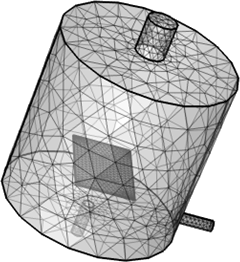
- of 0.6 cm are built as shown in Figure 2. Meshing is a crucial step in the simulation process, dividing a large domain into smaller parts to apply boundary conditions. For this model, tetrahedral elements with an element size of 0.5 mm were used as the primary mesh element throughout the body



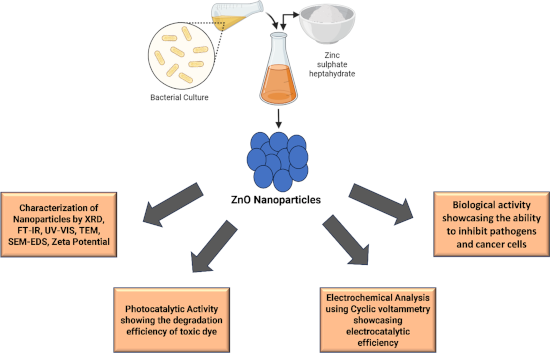
Characterization of ZnO nanoparticles synthesized using probiotic Lactiplantibacillus plantarum GP258
Beilstein J. Nanotechnol. 2025, 16, 78–89, doi:10.3762/bjnano.16.8
- procedure was used. Denaturation at 96 °C for 5 min was preceded by denaturation at the same temperature for 30 s, hybridization at 50 °C for 30 s for thirty cycles, with a final elongation step at 60 °C for 90 s. Later, the amplicons were sequenced using the ABI 3130 Genetic Analyzer sequence detection
- °–80° (2θ), with a step size of 0.02° and a dwell time of 1 s per step. Reflectance was studied using UV–vis spectroscopy performed on a Shimadzu UV-2600 double-beam spectrophotometer. Nanoparticles were dispersed in deionized water at a concentration of 1 mg/mL, and the spectra were recorded in the



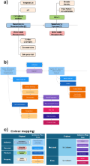
Instance maps as an organising concept for complex experimental workflows as demonstrated for (nano)material safety research
Beilstein J. Nanotechnol. 2025, 16, 57–77, doi:10.3762/bjnano.16.7

- flexibility in terms of medium, soil, dispersion approach and so forth, meaning that detailed documentation of each step is still required to allow others to reuse the data with confidence. This is especially important for nanomaterials, given that the test guidelines originally developed for soluble
- this could be achieved by adding an instance for the resulting material state after each sub-step, these intermediate instances are not typically characterised experimentally; thus, the instances would make the maps more complex without adding much information. Explicit protocol nodes, in contrast, can
- pipelines based on new approach methodologies, batteries of more than 20 assays with over 50 individual endpoints are compared and data (from different laboratories) needs to be aggregated [45]. The offspring tracking presented in Figure 5 may represent the first step towards implementation of a BIODA to


Theoretical study of the electronic and optical properties of a composite formed by the zeolite NaA and a magnetite cluster
Beilstein J. Nanotechnol. 2025, 16, 44–53, doi:10.3762/bjnano.16.5
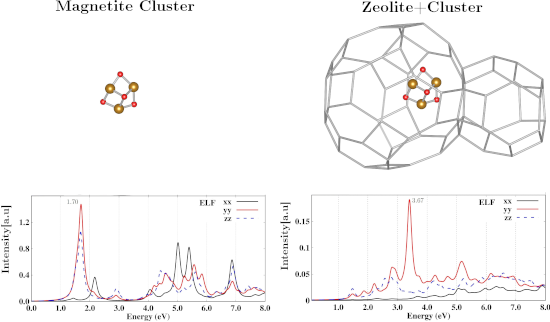
- cluster (see Figure 1), as proposed by Ermakov et al. [56], for the purposes of this study. After separately obtaining the optical and electronic properties of both the NaA zeolite and the cluster, our next step involved locating the position of minimum energy for the cluster within the zeolite framework




Bioinspired nanofilament coatings for scale reduction on steel
Beilstein J. Nanotechnol. 2025, 16, 25–34, doi:10.3762/bjnano.16.3

- cleaned by sonication for five minutes in toluene, acetone, and Milli-Q water, and the samples were rinsed with the solvent following in the sequence before each sonication step. Finally, the samples were dipped into ethanol and dried. The samples were washed in toluene, acetone and Milli-Q water, toluene
- , and dried after the first three hours of coating. When the coating was finished after a total of six hours, the samples were washed in toluene and left in Milli-Q water for approximately 12 hours. The last washing step ensures that all produced HCl is removed from the coating which will otherwise


A nanocarrier containing carboxylic and histamine groups with dual action: acetylcholine hydrolysis and antidote atropine delivery
Beilstein J. Nanotechnol. 2025, 16, 11–24, doi:10.3762/bjnano.16.2

- 70% of Atr was released after 2 h. Importantly, the release of Atr was not influenced by the concentration of added ACh, suggesting that the release step, rather than the degradation of the carrier, is rate-limiting. Additionally, unlike Fl, even low ACh concentrations facilitate Atr release


Orientation-dependent photonic bandgaps in gold-dust weevil scales and their titania bioreplicates
Beilstein J. Nanotechnol. 2025, 16, 1–10, doi:10.3762/bjnano.16.1
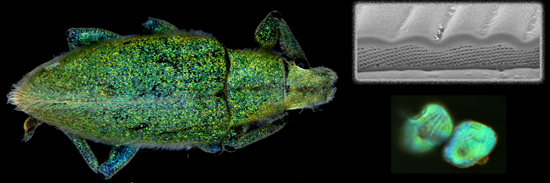
- step (130 °C). Raising the temperature slightly might increase the effective refractive index of titania before lattice degradation occurs. If the process could be additionally tuned by, for example, varying process times and chemical compositions (including hybrid sol/gels), a further reduction of


Mechanistic insights into endosomal escape by sodium oleate-modified liposomes
Beilstein J. Nanotechnol. 2024, 15, 1667–1685, doi:10.3762/bjnano.15.131
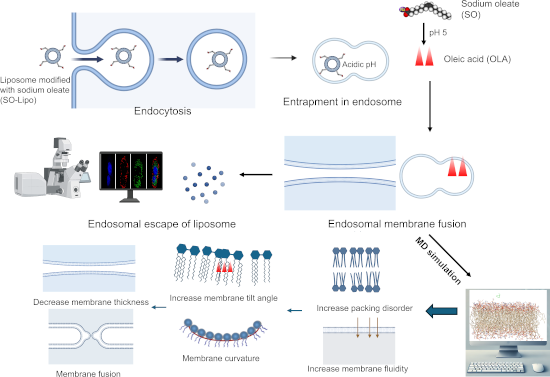
- endosomal escape has emerged as a crucial step in the intracellular trafficking process, essential for achieving successful cytosolic delivery and realizing the full therapeutic potential of liposomal systems [4]. To address the formidable challenge of endosomal entrapment, several strategies have been