Search results
Search for "synthesis" in Full Text gives 1244 result(s) in Beilstein Journal of Nanotechnology. Showing first 200.
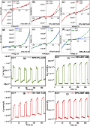
Morphology and properties of pyrite nanoparticles obtained by pulsed laser ablation in liquid and thin films for photodetection
Beilstein J. Nanotechnol. 2025, 16, 785–805, doi:10.3762/bjnano.16.60
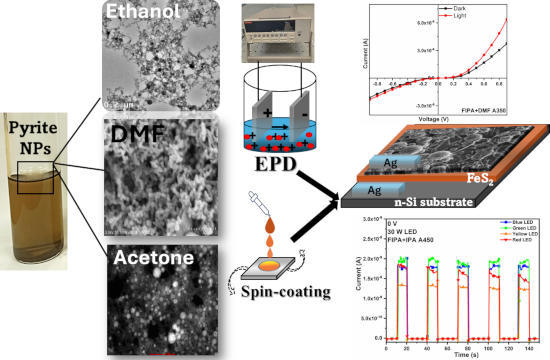
- Monterrey, Apodaca, Nuevo León, 66629, México Centro de Investigación en Innovación en Ingeniería Aeronáutica, Universidad Autónoma de Nuevo León, Carretera a Salinas Victoria K.M. 24.5, Apodaca, Nuevo León 66600, México 10.3762/bjnano.16.60 Abstract This work reports the synthesis of pyrite (iron
- films. The conventional methods reported for the synthesis of pyrite NPs include chemical methods using stabilizing agents [4], high-energy mechanical ball milling [6][7], colloidal pyrite by wet solution/phased chemical approaches [8][9], and hot injection [10][11]. In this study, PLAL was employed to
- reduction methods for the synthesis of NPs without the need for chemical reagents [12]. Laser ablation techniques are intrinsically efficient and require little manual labor and do not require extreme conditions, such as high vacuum, temperature, and pressure [13][14][15]. One of the many advantages of PLAL






Changes of structural, magnetic and spectroscopic properties of microencapsulated iron sucrose nanoparticles in saline
Beilstein J. Nanotechnol. 2025, 16, 762–784, doi:10.3762/bjnano.16.59
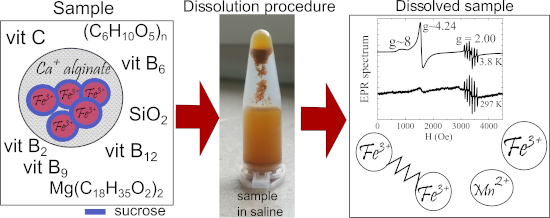
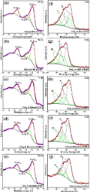
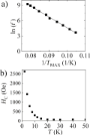
- Raman results and analysis and EPR results and analysis. FTIR and Raman results and analysis FTIR and Raman spectroscopy techniques were employed to investigate the phase composition and iron oxide type resulting from the synthesis and to validate structural alterations after interaction with saline




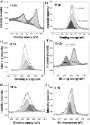

Synthesis of a multicomponent cellulose-based adsorbent for tetracycline removal from aquaculture water
Beilstein J. Nanotechnol. 2025, 16, 728–739, doi:10.3762/bjnano.16.56
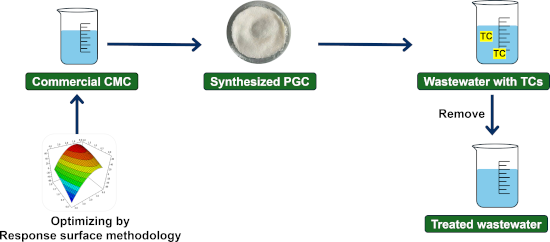
- -based multicomponent adsorbent material (PGC) synthesized from sodium carboxymethyl cellulose and investigated factors influencing its TC adsorption capacity. The synthesis process was optimized using parameters derived from the response surface methodology. The surface and structural properties of PGC
- particularly notable for their high target specificity. Although MIPs are effective, their synthesis requires exceptional precision and is time-intensive. Meanwhile, magnetic solid-phase extraction columns [15] have been explored for TC removal; however, they are impractical for processing large sample volumes
- , abundance of raw materials, and cost-effective synthesis, CMC is now widely used in food, textile, pharmaceutical, and wastewater treatment industries. This study aims to synthesize a cellulose-based multicomponent adsorbent material (PGC) using commercial sodium CMC, cross-linked with glutaraldehyde (GA


Efficiency of single-pulse laser fragmentation of organic nutraceutical dispersions in a circular jet flow-through reactor
Beilstein J. Nanotechnol. 2025, 16, 711–727, doi:10.3762/bjnano.16.55
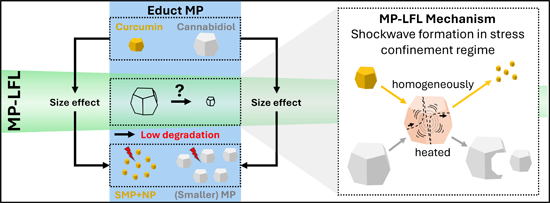
- viability even at high curcumin concentrations. Keywords: antioxidant; cannabidiol; curcumin; drug; food additive; low degradation; nanoparticle; pulsed laser ablation in liquids; solubilization; Introduction Laser synthesis and processing of colloids (LSPC) has become increasingly popular over the last


Nanostructured materials characterized by scanning photoelectron spectromicroscopy
Beilstein J. Nanotechnol. 2025, 16, 700–710, doi:10.3762/bjnano.16.54
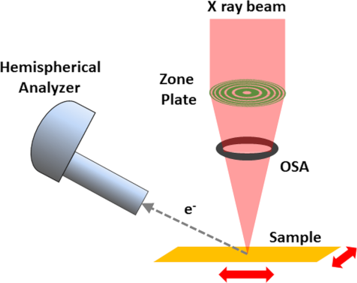
- devices, which include the synthesis, characterization, and processing, are part of an emerging and rapidly growing field referred to as nanotechnology. However, despite the large efforts of the scientific and industrial communities in the development of new nanostructured materials and related
- Ni3+ to reach charge neutrality. Additionally, NiO exhibits a wide bandgap, which also prompts considerable research interest. The properties of NiO are highly dependent on the synthesis method, owing to the variable dimensionality, morphology, crystalline orientation, and defect structure [44


High-temperature epitaxial growth of tantalum nitride thin films on MgO: structural evolution and potential for SQUID applications
Beilstein J. Nanotechnol. 2025, 16, 690–699, doi:10.3762/bjnano.16.53
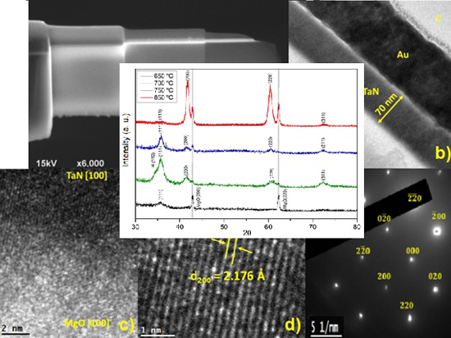
- . Atomic force microscopy (AFM, XE-70 Park Systems) in contact mode was used to study the surface morphology of the films. The synthesis protocol used in this study was modified from the work reported by Quintanar-Zamora et al. [15] by varying the substrate temperature and the nitrogen pressure. Results


Colloidal few layered graphene–tannic acid preserves the biocompatibility of periodontal ligament cells
Beilstein J. Nanotechnol. 2025, 16, 664–677, doi:10.3762/bjnano.16.51
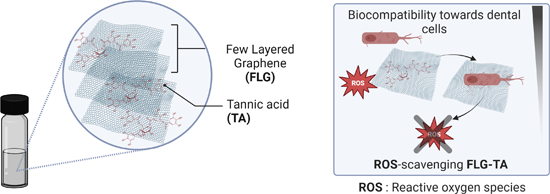
- effective strategy for enhancing their intrinsic antioxidant properties. Herein we report the synthesis of a biocompatible FLG–TA colloidal system with dual functionality. First, we examine whether TA enables the formation of a stable FLG–TA colloid; thus, various physicochemical characterizations were
- biocompatibility with PDL cells. Importantly, our strategy indicates that the modified attributes of FLG–TA enhance its suitability for dental biomaterials, thereby paving the way for safer and more effective dental applications. Results and Discussion Synthesis of FLG–TA results in a few-layered structure with
- few defects The synthesis process combined graphite and TA in a 10:1 mass ratio in an aqueous medium, followed by probe ultrasonication enhanced by magnetic stirring, resulting in a stable colloid as shown in Figure S3, Supporting Information File 1. The polyphenolic structure of tannic acid




A formulation containing Cymbopogon flexuosus essential oil: improvement of biochemical parameters and oxidative stress in diabetic rats
Beilstein J. Nanotechnol. 2025, 16, 617–636, doi:10.3762/bjnano.16.48
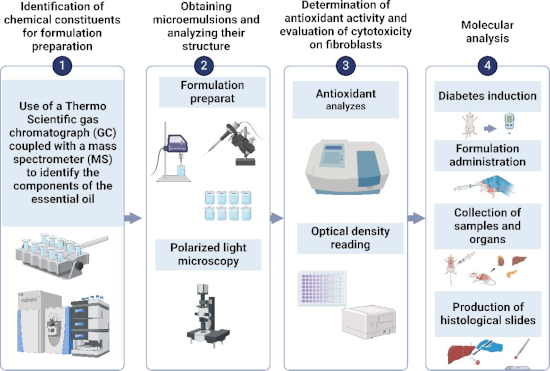
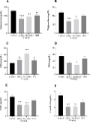
- polynuclear (ADP-ribose) synthetase, thus decreasing intracellular NAD and NADP levels. The depletion of NAD by STZ inhibits the synthesis of proinsulin, thus inducing experimental diabetes [40][41]. A significant increase in blood glucose levels was observed in diabetic rats in the control group (CONTROL




Focused ion and electron beams for synthesis and characterization of nanomaterials
Beilstein J. Nanotechnol. 2025, 16, 613–616, doi:10.3762/bjnano.16.47


Polyurethane/silk fibroin-based electrospun membranes for wound healing and skin substitute applications
Beilstein J. Nanotechnol. 2025, 16, 591–612, doi:10.3762/bjnano.16.46
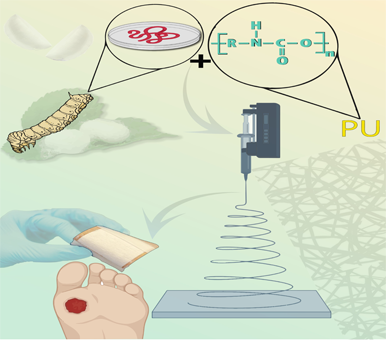
- of clarity never before possible [6][7]. In nanotechnology, different nanofiber production techniques are used such as template synthesis, electrospinning, solution blowing, drawing, thermally induced phase segregation, and self-assembly [8][9]. Among these techniques, electrospinning is the most
- to speed up the PU synthesis. The initial ratio of the three key components and synthesis route and parameters are the primary factors that influence the properties of PU, such as degradability, flexibility, and hydrophilicity. By adjusting these factors, the characteristics of PU can be effectively
- that have good biocompatibility. PUs provide significant potential for modifying polymer structures to obtain various mechanical properties [145]. Water-based polyurethanes The development of water-based polyurethanes (WPUs) has revolutionized the field of PU synthesis [146]. It has offered a greener



Feasibility analysis of carbon nanofiber synthesis and morphology control using a LPG premixed flame
Beilstein J. Nanotechnol. 2025, 16, 581–590, doi:10.3762/bjnano.16.45
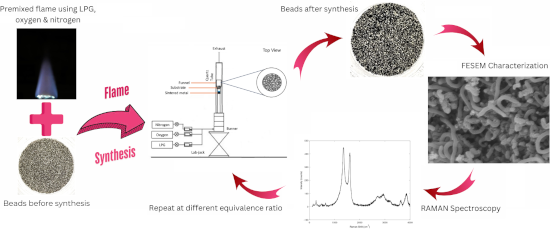
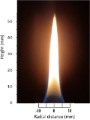
- , Udayana University 80231 Badung, Bali, Indonesia 10.3762/bjnano.16.45 Abstract Flame synthesis using liquefied petroleum gas (LPG) as the precursor gas to produce carbon nanofibers (CNFs) is an economical alternative to conventional chemical vapor deposition methods using single-component fuels such as
- . An optimum height above burner of 10 mm at which the temperature is around 650 °C was used in the synthesis process. Zirconia beads impregnated with nickel nitrate catalyst have been employed. Dense CNF growth with an average diameter of 77.9 nm was observed at an equivalence ratio of 1.8; as the
- desirable to improve the component performance. The work has proven that flame synthesis of CNFs using commercial LPG is feasible, paving the way for further exploration into cost-efficient CNF production with potential industrial applications. Keywords: carbon nanofiber (CNF); equivalence ratio; flame



Zeolite materials with Ni and Co: synthesis and catalytic potential in the selective hydrogenation of citral
Beilstein J. Nanotechnol. 2025, 16, 520–529, doi:10.3762/bjnano.16.40


Effect of additives on the synthesis efficiency of nanoparticles by laser-induced reduction
Beilstein J. Nanotechnol. 2025, 16, 464–472, doi:10.3762/bjnano.16.35
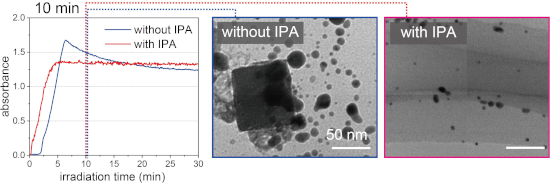
- produced by the breakdown of solvent molecules in a high-intensity reaction field near the focus of the laser. This unique reaction has the characteristic of being able to synthesize non-equilibrium solid–solution alloy nanoparticles. On the other hand, it is necessary to improve the synthesis efficiency
- of nanoparticles in large quantities for practical use. In this study, we investigated improvements of the synthesis efficiency of nanoparticles in LRL by adding scavengers, such as isopropyl alcohol (IPA) and glycerin, for oxidative radicals formed by laser irradiation to the solution and converting
- the oxidative radicals into reducing species. Based on the evaluation of the synthesis efficiency of Au nanoparticles, it was confirmed that the addition of IPA increased the synthesis efficiency of nanoparticles by about five times, and the addition of glycerin increased it by about nine times


Synthetic-polymer-assisted antisense oligonucleotide delivery: targeted approaches for precision disease treatment
Beilstein J. Nanotechnol. 2025, 16, 435–463, doi:10.3762/bjnano.16.34

- specific protein [15]. Since their discovery in 1978 by Zamecnik and Stephenson [16], design and synthesis of novel ASOs have been developed extensively with the aim to improve their biostability, pharmacokinetics, and intracellular accumulation. To date these synthetic oligonucleotides can be classified
- downregulation of protein synthesis. Two recently approved antisense drugs that use this approach include eteplirsen and nusinersen. The former is a phosphorodiamidate morpholino-derived oligomer designed to treat Duchenne muscular dystrophy (DMD) by skipping exon 51 during dystrophin mRNA processing [39]. The
- synthetic approaches, that is, chemical–enzymatic synthesis (CES), solid-phase peptide synthesis (SPPS), and ring-opening polymerisation (ROP) of N-carboxy anhydrides [62]. While CES and SPPS offer access to structural isomers (i.e., α-PLL or ε-PLL) and sequence-controlled ʟ-lysine-rich peptides


Quantification of lead through rod-shaped silver-doped zinc oxide nanoparticles using an electrochemical approach
Beilstein J. Nanotechnol. 2025, 16, 422–434, doi:10.3762/bjnano.16.33
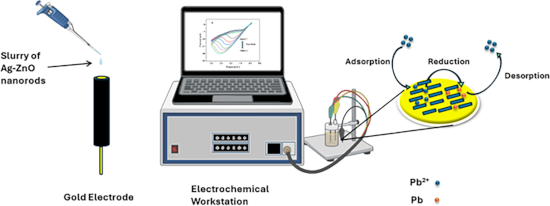
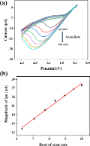
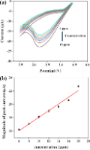
- point of care. To our knowledge, this study presents the initial demonstration of a novel method for fabricating an exceptionally responsive lead chemical sensor utilizing Ag@ZnO NRs. Experimental Details Synthesis of Ag@ZnO nanorods For the synthesis of Ag@ZnO NRs, chemicals were purchased from Sigma





Size control of nanoparticles synthesized by pulsed laser ablation in liquids using donut-shaped beams
Beilstein J. Nanotechnol. 2025, 16, 407–417, doi:10.3762/bjnano.16.31
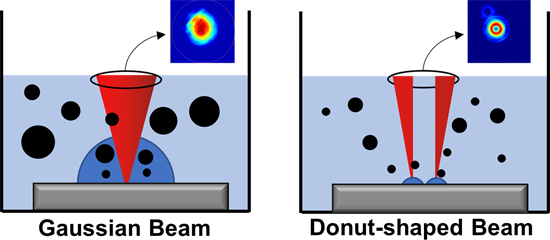
- size can cause cellular damage or prevent membrane permeation for drug delivery [10]. Therefore, a fine and reproducible size control during NP synthesis is essential. Pulsed laser ablation in liquids (PLAL) allows for the synthesis of colloidal NPs offering numerous advantages, such as being
- distance between the target surface and the window was ca. 7 mm. Deionized water was used as liquid in all experiments and pumped through the chamber at a flow rate of 0.13 L·min−1, ensuring the complete filling of the chamber volume under laminar flow conditions. For the synthesis of gold and Y2O3 NPs
- over the laser spot area and leads to the formation of smaller NPs with a narrower size distribution. Therefore, the experiments with different materials demonstrate that PLAL with donut-shaped laser pulses enabled efficient control of NP synthesis, achieving smaller average sizes, narrower


ReactorAFM/STM – dynamic reactions on surfaces at elevated temperature and atmospheric pressure
Beilstein J. Nanotechnol. 2025, 16, 397–406, doi:10.3762/bjnano.16.30
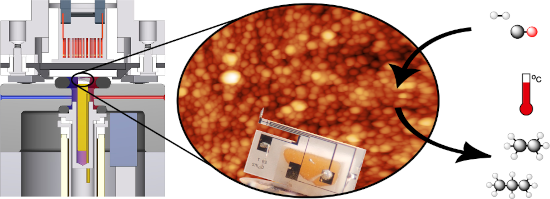
- cobalt nanoparticle catalysts on an aluminum oxide support, industrially relevant in the Fischer–Tropsch synthesis. The catalysts are imaged before and after reaction at 430 K as the current maximum temperature of the qPlus sensor used falls just below the reaction temperature. Quadrupole mass
- –Tropsch synthesis (FTS). Challenges while applying a tuning fork as force sensor A drawback of the QTF as a force sensor is that its temperature sensitivity increases with increasing temperatures; in fact, it can even serve as a micro temperature sensor [18]. As a result, temperature fluctuations while
- before and after reaction at high temperature and pressure. Quadrupole mass spectrometry data of H2O as byproduct and the hydrocarbons ethane (m/z 30), propane (m/z 44), and hexane (m/z 86), confirmed that Fischer–Tropsch synthesis has occurred and demonstrated the abilities of the setup. Further


Engineered PEG–PCL nanoparticles enable sensitive and selective detection of sodium dodecyl sulfate: a qualitative and quantitative analysis
Beilstein J. Nanotechnol. 2025, 16, 385–396, doi:10.3762/bjnano.16.29
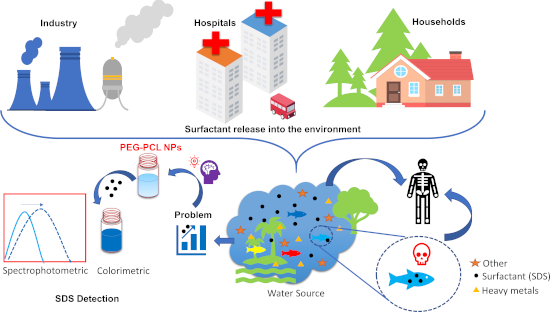
- widely used in household detergents, personal care products, emulsification, lubrication, catalysis, nanoparticles synthesis, plastic industry, and electroplating [1][2][3][4]. This organic compound exhibits an amphiphilic nature, consisting of a 12-carbon hydrocarbon tail covalently bonded to a polar
- ]. Apart from that, quantitative and qualitative measurements of SDS in terms of laboratory use are necessary. The SDS is widely used in protein estimation via polyacrylamide gel electrophoresis (PAGE) [10]. Several research groups widely explore nanoparticle synthesis using SDS as a capping agent for
- , selective, and cost-effective sensor for SDS detection in an aqueous solution. The advent of nanotechnology increased their demand for developing colorimetric sensors to detect chemical compounds, toxicants, nutrients, and biomolecules. The nanotechnology field consists of synthesis, characterization, and


Development of a mucoadhesive drug delivery system and its interaction with gastric cells
Beilstein J. Nanotechnol. 2025, 16, 371–384, doi:10.3762/bjnano.16.28

- the drugs within the mucus microenvironment of the stomach and, thus, may lead to elevated local activity or absorption of the therapeutic agents from the mucosa. Results and Discussion Morphology of nanoparticles After the synthesis of alginate (Alg) and Eudragit-coated alginate (EudAlg
- . In addition to morphological characterization, the coating of Alg nanoparticles with Eudragit RS100 polymer was studied by using fluorescently tagged polymers during particle synthesis (Supporting Information File 1). For the preparation of fluorescently tagged Alg (F-Alg) nanoparticles, fluorescein
- corresponding fluorescence intensity (FI) values (λex = 485 nm, λem = 530 nm) was used to calculate the amount of peptide within the nanoparticles. Based on the parameters used for the nanoparticle synthesis in this study, the encapsulation efficiency of the FAM-labeled peptide model within EudAlg NPs was (58.6


Pulsed laser in liquid grafting of gold nanoparticle–carbon support composites
Beilstein J. Nanotechnol. 2025, 16, 349–361, doi:10.3762/bjnano.16.26
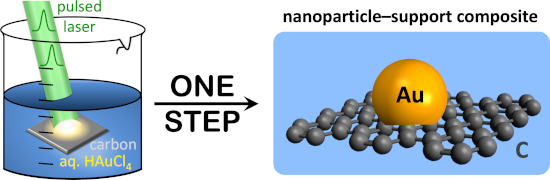
- must be integrated with macroscopic supports to function as electrodes. A major obstacle in contemporary manufacturing of nanoparticle–support composites is their laborious inefficient multistep preparation, involving chemical synthesis, heating, cooling, collection, purification, distribution, and
- synthesis–attachment are long preparation times, the generation of hazardous organic solvent and ligand waste [15], and poor electrical contact at the nanoparticle–support interface, particularly for nanoparticles with surfactant-terminated surfaces [16]. Conventionally made nanoparticles rely on
- surfactants for size control [17][18][19]. Nanoparticles prepared by pulsed laser in liquid synthesis are surfactant-free [1], but the same binder strategies are used for nanoparticle–support composites as for conventionally made nanoparticles. Capping ligands and binders hinder intimate contact between


Graphene oxide–chloroquine conjugate induces DNA damage in A549 lung cancer cells through autophagy modulation
Beilstein J. Nanotechnol. 2025, 16, 316–332, doi:10.3762/bjnano.16.24
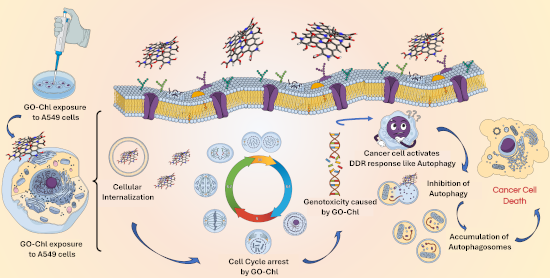
- from Thermo Scientific Nunc (Rochester, New York). Synthesis of graphene oxide Highly exfoliated GO nanosheets were chemically synthesized using slight modifications to the method documented by Dimiev et al. [26][27]. Briefly, 0.5 g of graphite powder was treated with a mixture of 0.5 g of NaNO3 and 40
- ) through chemiluminescence. Three independent experiments were performed for each group. The values represent the mean ± SE of three independent experiments. A value of p < 0.05 (*) was considered statistically significant. Results and Discussion Physical characterization analysis The synthesis of graphene
- oxide involves chemical exfoliation and oxidation of graphite powder. We employed a method with slight modifications and optimizations to the original documented method by Dimiev et al. [26][27] as shown in Figure 1. The chemical synthesis of highly pure graphene oxide nanosheets depends on several



Enhancing mechanical properties of chitosan/PVA electrospun nanofibers: a comprehensive review
Beilstein J. Nanotechnol. 2025, 16, 286–307, doi:10.3762/bjnano.16.22

- overcome these limitations, without losing the advantages of PVA such as biodegradability, is to blend PVA with stiff and water-insoluble biodegradable polymers such as chitosan [68]. Fabrication techniques Nanofibers can be fabricated using different methods such as direct drawing, template synthesis
- is needed to address this limitation. This method should not only support cell spreading, cell adhesion, and ECM synthesis but also


Emerging strategies in the sustainable removal of antibiotics using semiconductor-based photocatalysts
Beilstein J. Nanotechnol. 2025, 16, 264–285, doi:10.3762/bjnano.16.21
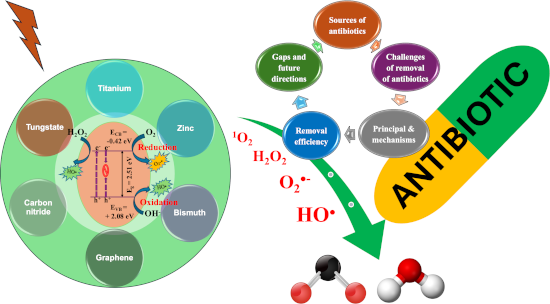
- advanced methods, including sol–gel, hydrothermal, solvothermal, precipitation and template-assisted techniques [53]. The synthesis method chosen often depends on factors such as the desired crystal structure, particle size, surface area, and photocatalytic activity required for the specific application
- accomplished the separation with success, greatly enhancing the efficiency of the catalysts and their potential to be reused, while also decreasing the overall cost of synthesis. The construction of the α-Fe2O3@TiO2 photocatalyst resulted in a higher efficiency in removing the antibiotic cefixime (CFX) than
- derivatives possess two notable drawbacks. They are more expensive than other carbon compounds, and their normal synthesis procedure requires using dangerous oxidizing and reducing agents [110]. Therefore, it is crucial to utilize direct, secure, economical, and eco-friendly synthesis methods to use these



Preferential enrichment and extraction of laser-synthesized nanoparticles in organic phases
Beilstein J. Nanotechnol. 2025, 16, 254–263, doi:10.3762/bjnano.16.20
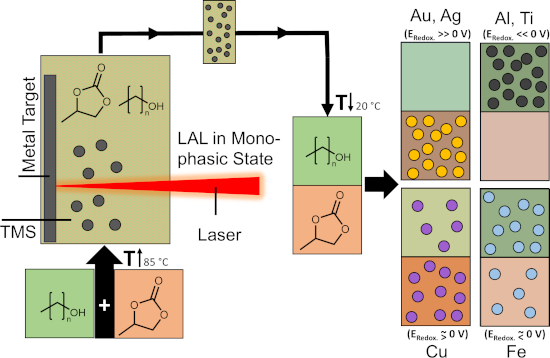
- in liquid; laser synthesis and processing of colloids; phase transfer; size separation; thermomorphic multiphase system; Introduction Laser ablation in liquids (LAL) provides nanoparticles without the need of external surfactants while retaining the initial composition of the educt material in the
- nanoparticle synthesis was shown to produce gas phases consisting of hydrogen [11][12][13], carbon dioxide [12][14], and carbon monoxide [12][14], as well as carbon-based gases such as methane or C2 hydrocarbons [12][13][14][15][16]. In addition to gaseous by-products, the decomposition was found to produce
- states at around 80 °C. While laser-synthesized nanoparticles have been characterized regarding their (surface) oxidation [4][5][7] and carbon shells [7][24] previously, the phase preference of nanoparticles from laser synthesis and processing of colloids in liquid–liquid TMSs is unknown. However, to




Radiosensitizing properties of dual-functionalized carbon nanostructures loaded with temozolomide
Beilstein J. Nanotechnol. 2025, 16, 229–251, doi:10.3762/bjnano.16.18
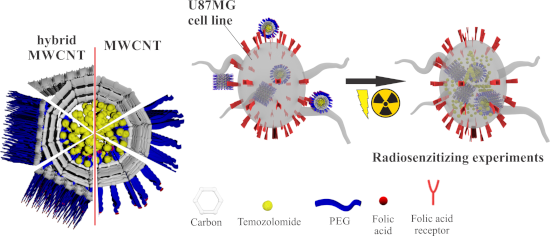
- to changes in the structure of RNA, protein chromatin structure, gene expression and replication, and synthesis and repair of DNA [30]. It has also been shown that TMZ has radiosensitizing effects [31][32], increasing the degradation of DNA strains and cell death when combined with RT, which is a
- detail explained in a recent review by Thabet et al. [96], emphasizing its role in DNA synthesis and repair mechanisms, gene expression, protection from oxidative stress, homocysteine regulation, collagen synthesis, and effect on enzymes, on one side, and the stimulation of nucleotide synthesis and