


Search results
Search for "NaCl" in Full Text gives 224 result(s) in Beilstein Journal of Nanotechnology. Showing first 200.
Atomistic modeling of tribological properties of Pd and Al nanoparticles on a graphene surface
Beilstein J. Nanotechnol. 2018, 9, 1239–1246, doi:10.3762/bjnano.9.115
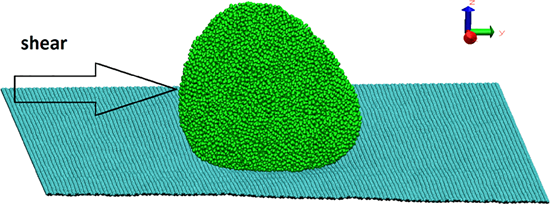
- , even when the contact area with the graphene is the same. This results from the different lattice constant and atomic arrangements in Al and Pd particles. A similar non-monotonous behavior of friction is observed for hexadecanethiol self-assembled monolayers on Au substrates [4] and NaCl(001) crystal
- , which is similar to that of hexadecanethiol self-assembled monolayers on Au substrates [4] and NaCl crystal surfaces in ultrahigh vacuum [5]. We found that the friction force, i.e., the force acting on the particles from the substrate, depends nearly linearly on the contact area consistent with [13][14


Electrodeposition of reduced graphene oxide with chitosan based on the coordination deposition method
Beilstein J. Nanotechnol. 2018, 9, 1200–1210, doi:10.3762/bjnano.9.111
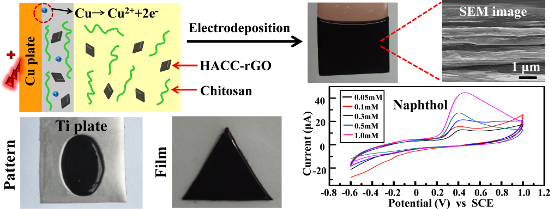
- that of our work [46]. Additionally, Figure 7b shows that there is an obvious peak current in the CV for 1.0 mM 1-naphthol, whereas there is no obvious peak current in the CVs for 1.0 mM NaCl and 1.0 mM K2SO4, indicating that the GCE with the deposited HACC-rGO/CS film has an anti-interference
- concentration of 1-naphthol. (a) DPV of the GCE with the deposited HACC-rGO/CS film in the presence of 1-naphthol with different concentrations (0.5, 1, 2, 5 and 10 μM). (b) CV curves of the GCE with the deposited HACC-rGO/CS film in the presence of 1.0 mM NaCl, 1.0 mM K2SO4, and 1.0 mM 1-naphthol. Scan rate


Noble metal-modified titania with visible-light activity for the decomposition of microorganisms
Beilstein J. Nanotechnol. 2018, 9, 829–841, doi:10.3762/bjnano.9.77
- g/L 10 µL/disc) were placed at different locations on the culture plates. The control discs were impregnated with saline solution (0.9% NaCl). One part of the plates was incubated in the dark, while another part was exposed to the indoor light. The natural indoor light from windows (intensity of ca
- . The spores of A. niger, A. melleus and P. chrysogenum were collected with 8.5 g/L NaCl aqueous solution, and the suspension was inoculated on the Petri dishes. Dishes were irradiated with fluorescence light or kept in dark. After three and eight days of exposure the diameters of colonies were measured
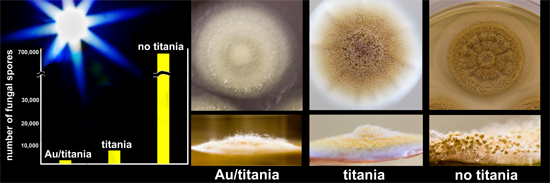
- and the appearances were checked visually. Sporulation test 20 g/L of the sample was dispersed in MEA medium, sonicated for 1 min, autoclaved at 121 °C for 10 min and dispensed to the slants. The spores of A. melleus and P. chrysogenum were collected with 8.5 g/L NaCl aqueous solution, the number of


Photocatalytic and adsorption properties of TiO2-pillared montmorillonite obtained by hydrothermally activated intercalation of titanium polyhydroxo complexes
Beilstein J. Nanotechnol. 2018, 9, 364–378, doi:10.3762/bjnano.9.36
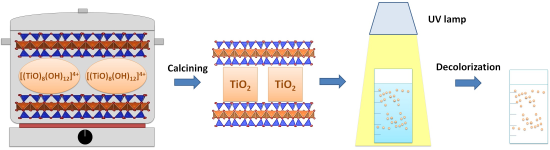
- and consists of flaky particles with sizes ranging from 100 to 1000 nm, which "stick" to large aggregates. A MM form enriched with the Na+ ions was obtained by adding a 1 M solution of NaCl to the MM suspension (10 g of MM per 1 L of solution) under continuous mixing with a magnetic stirrer and






Wafer-scale bioactive substrate patterning by chemical lift-off lithography
Beilstein J. Nanotechnol. 2018, 9, 311–320, doi:10.3762/bjnano.9.31
- (TRIS) and tris(2-carboxyethyl)phosphine (TCEP) were obtained from Acros Organics (Geel, Belgium). Bovine serum albumin (BSA), and 10× phosphate buffered saline (PBS) containing 1.37 M NaCl, 0.027 M KCl, 0.10 M Na2HPO4, and 0.018 M KH2PO4 were purchased from Bioman Scientific Co., Ltd (Taipei, Taiwan
- mixed with 5 μL of 20 μM reducing agent (TCEP) in 25 mM TRIS buffer (150 mM NaCl, pH 8.2) for 30 min. The probe solution was then diluted to a final concentration of 0.5 μM in 25 mM TRIS buffer (150 mM NaCl, pH 8.2), and kept in the dark before use. Bioactive substrate preparation by the CLL process
- TRIS buffer (150 mM NaCl, pH 7.4) in advance. Target DNA solutions in 25 mM TRIS buffer (150 mM NaCl, pH 7.4) was thereafter dropped onto the target DNA-specific probe-modified substrates for a 5 min incubation period. For sandwich-like array signal reporting, biotinylated thiol-patterned substrates


Hyperthermic intracavitary nanoaerosol therapy (HINAT) as an improved approach for pressurised intraperitoneal aerosol chemotherapy (PIPAC): Technical description, experimental validation and first proof of concept
Beilstein J. Nanotechnol. 2017, 8, 2729–2740, doi:10.3762/bjnano.8.272
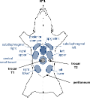
- upper/lower and the left upper/lower as well as from the subdiaphragmal right/left, the epigastric and the posterior stomach. Afterwards, the tissue samples were rinsed with a sterile aqueous 0.9 wt % NaCl solution to eliminate superficial cytostatics, dried with blotting paper and shock frozen in




Patterning of supported gold monolayers via chemical lift-off lithography
Beilstein J. Nanotechnol. 2017, 8, 2648–2661, doi:10.3762/bjnano.8.265
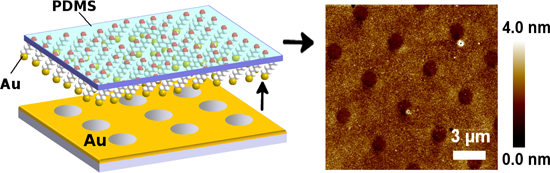
- solutions. Immediately prior to experiments, the DNA stock solutions were diluted 1:100 with 1× phosphate buffered saline (PBS) ([NaCl] = 138 mM, [KCl] = 2.7 mM, and [MgCl2] = 5 mM) pH 7.4 (Sigma-Aldrich, St. Louis, MO, USA) to make 1 µM solutions. The patterns of Au–alkanethiolate monolayers on flat PDMS


Photobleaching of YOYO-1 in super-resolution single DNA fluorescence imaging
Beilstein J. Nanotechnol. 2017, 8, 2296–2306, doi:10.3762/bjnano.8.229
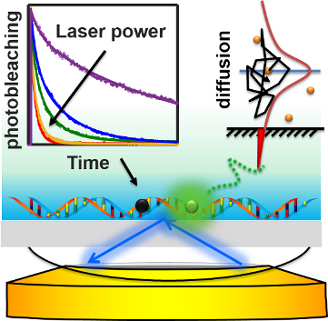
- photocleavage (photodamage). Experimental Sample preparation All λ-DNA (Thermo Fisher) and YOYO-1 (Invitrogen) solutions were prepared in the buffer of 10 mM HEPES (pH 7.4, Acros Organics) with 10 mM NaCl (Sigma-Aldrich). All water used was from a Barnstead E-Pure ultrapure water purification system with a




Bi-layer sandwich film for antibacterial catheters
Beilstein J. Nanotechnol. 2017, 8, 1982–2001, doi:10.3762/bjnano.8.199
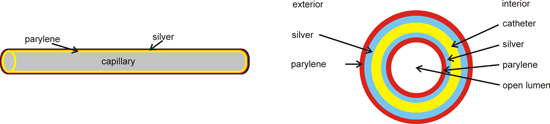
- . The medium of choice is artificial urine because our catheter should be applied to the uriniferous system [41][42]. Although urine is mainly a solution of NaCl (approx. 0.1 M), no precipitation of AgCl occurs because urine always contains ammonia (which is the reaction product of urea and urease


Carbon nano-onions as fluorescent on/off modulated nanoprobes for diagnostics
Beilstein J. Nanotechnol. 2017, 8, 1878–1888, doi:10.3762/bjnano.8.188
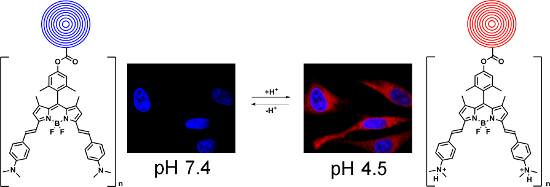
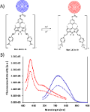
- of independent measurements. The CNO samples were dispersed to a final concentration of 1 mg mL−1 in PBS 0.01 M (PBS pH 7.4, composition 0.14 M NaCl, 0.0027 M KCl, 0.010 M PO43−) The samples were sonicated for 10 min at 37 kHz and then diluted in 0.01 M PBS to achieve a final concentration of 5 μg mL




The effect of the electrical double layer on hydrodynamic lubrication: a non-monotonic trend with increasing zeta potential
Beilstein J. Nanotechnol. 2017, 8, 1515–1522, doi:10.3762/bjnano.8.152
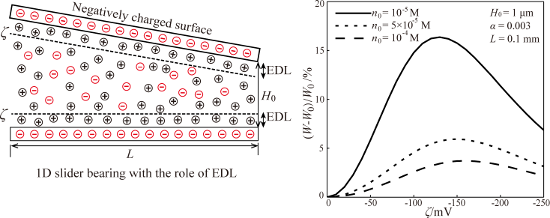
- inlet of bearing, respectively. While solving for the hydrodynamic load capacity, the following pressure boundary conditions were used: Results and Discussion After establishing the theoretical model regarding the effect of the EDL on the hydrodynamic lubrication, NaCl solution was chosen as the


A nanocomplex of C60 fullerene with cisplatin: design, characterization and toxicity
Beilstein J. Nanotechnol. 2017, 8, 1494–1501, doi:10.3762/bjnano.8.149
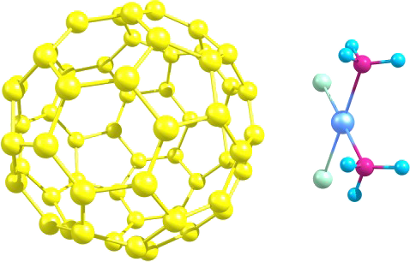
- collected into a heparinized medical syringe. Lymphocytes were separated by centrifugation in a density gradient (Histopaque 1077, Sigma, USA) according to instructions of the manufacturer and washed twice: control lymphocytes in 0.15 M NaCl, lymphocytes that were intended for blast transformation reaction
- in RPMI 1640 medium. To induce the blast transformation the lymphocyte suspension was cultivated in RPMI 1640 medium with 10% FBS and 1000 units/mL IL-2α at 37 °C for 20 h. After cultivation the cells were washed in 0.15 M NaCl. Aliquots of the suspension were used for cytological analysis to
- drug Сіs (0.01, 0.1 or 0.15 mg/mL) or the complex of C60 fullerene with Cis (Cis concentration was 0.1 or 0.15 mg/L, the C60 fullerene to Cis molar ratio was equal to 1:2.4) for 1.5 h at 37 °C, washed once in 0.15 M NaCl, and then used for the comet assay. Five to seven independent repeats of the



Adsorption and electronic properties of pentacene on thin dielectric decoupling layers
Beilstein J. Nanotechnol. 2017, 8, 1388–1395, doi:10.3762/bjnano.8.140
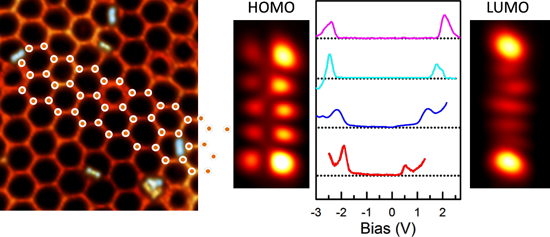
- metal [7]. For example, it has been shown that NaCl with a thickness of merely one to three atomic layers grown on a Cu(111) surface provides sufficient electronic decoupling between pentacene molecules and the metal surface [6]. The influence of the inert NaCl layer on the molecules is very small, as
- resolution, the tip is functionalized with a pentacene molecule, as has been shown for pentacene on NaCl [3] (Figure 4). The functionalization is achieved by positioning a metallic tip over the endpoint of the pentacene molecule. While monitoring the current, the tip is lowered until an abrupt change in the


ZnO nanoparticles sensitized by CuInZnxS2+x quantum dots as highly efficient solar light driven photocatalysts
Beilstein J. Nanotechnol. 2017, 8, 1080–1093, doi:10.3762/bjnano.8.110
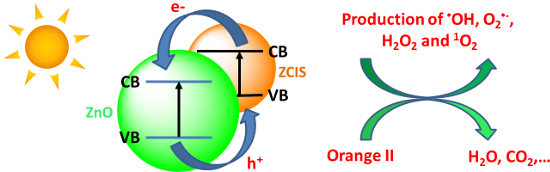
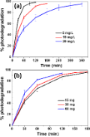
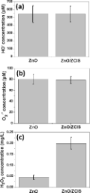
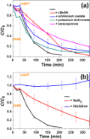
- found in wastewater such as Na2SO4, NaNO3, CaCl2, MgCl2 or NaCl was also investigated (all these salts were used at a 10 mM concentration). Neither the adsorption of Orange II at the surface of the ZnO/ZCIS catalyst nor its photodegradation were significantly affected by the presence of these salts




Phospholipid arrays on porous polymer coatings generated by micro-contact spotting
Beilstein J. Nanotechnol. 2017, 8, 715–722, doi:10.3762/bjnano.8.75
- buffer (20 mM HEPES pH 7.4, 400 mM NaCl, 1 mM β-mercaptoethanol, 1 mM ZnCl2, 1 mM PMSF, 1 mM Na2V03, 10 μL protease inhibitor cocktail (Roche Mannheim, Germany) per mL) with 10−4 M DHT and an equivalent amount of ethanol in a control purification. The lysates were then centrifuged for 10 min at 14,000g


Dispersion of single-wall carbon nanotubes with supramolecular Congo red – properties of the complexes and mechanism of the interaction
Beilstein J. Nanotechnol. 2017, 8, 636–648, doi:10.3762/bjnano.8.68
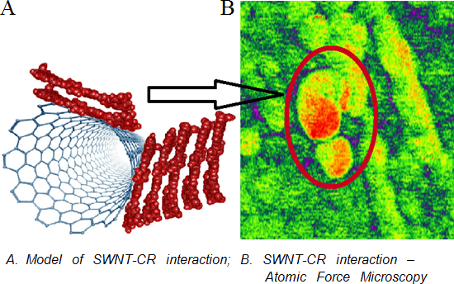
- salt (e.g., 0.15 M NaCl) stabilizes the interaction between CR molecules and increases its supramolecularity [32]. Figure 3 presents the effect of addition of salt on the amount of CR bound to SWNTs (0.05 M pH 7.4 Tris/HCl buffer with no NaCl and at 0.145 M and 0.264 M NaCl) after 1 or 4 days of
- incubation at room temperature. In Figure 3, 100% equals the total amount of CR added to the sample (1 mL of 2 mg/mL CR added to 1 mg of SWNTs, followed by sonication and filtration, as described in the Experimental part). At low ionic strength (no NaCl) the interaction of CR with SWNTs is low – dispersion
- of SWNTs is not observed and there are no changes in the absorption spectrum of CR. At both 0.145 M and 0.264 M NaCl the efficiency of CR binding is high, but complexes are formed faster at the higher salt concentration. Congo red binding capacity of SWNTs Analysis of samples containing SWNT–CR


Uptake of the proteins HTRA1 and HTRA2 by cells mediated by calcium phosphate nanoparticles
Beilstein J. Nanotechnol. 2017, 8, 381–393, doi:10.3762/bjnano.8.40
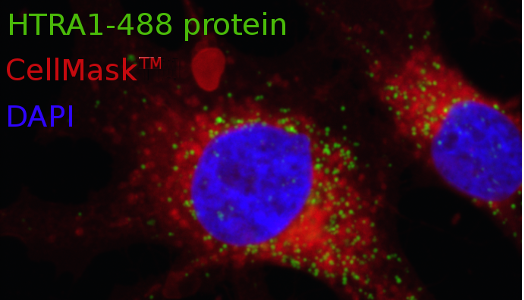
- was induced with 500 µM IPTG at 16 °C for 16 h. The cells were harvested by centrifugation at 6,000g for 10 min at 4 °C and lysed at 12 bar with two passes in a microfluidizer in 20 mL ice-cold lysis buffer (50 mM NaH2PO4, pH 8.0, 300 mM NaCl) per 1 L bacterial culture. Lysates were cleared by
- NaH2PO4, pH 8.0, 1 M NaCl) and wash buffer II (50 mM NaH2PO4, pH 8.0, 200 mM NaCl, 20 mM imidazole). HTRA2 was eluted with 3 column volumes of elution buffer I (50 mM NaH2PO4, pH 8.0, 300 mM NaCl, 250 mM imidazole) and elution buffer II (50 mM NaH2PO4, pH 8.0, 300 mM NaCl, 500 mM imidazole). Fractions
- ) per 1 L of expression culture that had been equilibrated with 40 column volumes of lysis buffer. The columns were then washed as described for the Ni-TED columns. Additionally, a third washing step with 40 column volumes of wash buffer III was included (50 mM NaH2PO4, pH 8.0, 300 mM NaCl, 70 mM


Comparison of four methods for the biofunctionalization of gold nanorods by the introduction of sulfhydryl groups to antibodies
Beilstein J. Nanotechnol. 2017, 8, 372–380, doi:10.3762/bjnano.8.39
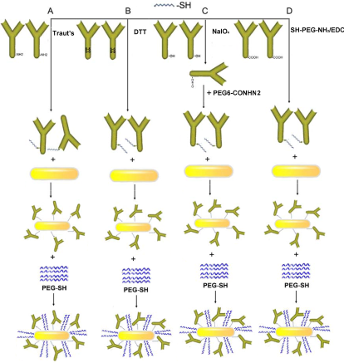
- previously described [19]. Briefly, 0.1 mL of anti-IgG was reconstituted in Buph PBS (0.1 M sodium phosphate, 0.15 M NaCl, pH 7.2) containing 10 mM EDTA. Then, 5 μL DTT (1 M) dissolved in Buph PBS/10 mM EDTA were added to the IgG solution. The samples were mixed and reacted on a rotator at room temperature


Tailoring bifunctional hybrid organic–inorganic nanoadsorbents by the choice of functional layer composition probed by adsorption of Cu2+ ions
Beilstein J. Nanotechnol. 2017, 8, 334–347, doi:10.3762/bjnano.8.36
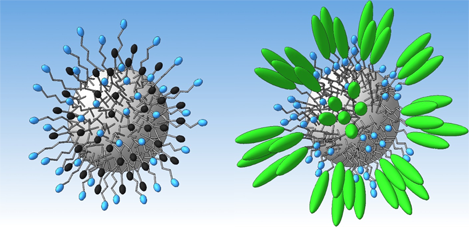
- (reagent grade, Macrochem, Ukraine), NH4Cl, NaNO3, NaCl (chemically pure, Macrochem, Ukraine); HNO3, HCl, NaOH, EDTA - fixanal concentrates (Reahim, Ukraine); murexide (analytical grade, Reahim, Ukraine). Synthesis of nanoparticles The particles were produced by a single-step Stöber approach (for details


Streptavidin-coated gold nanoparticles: critical role of oligonucleotides on stability and fractal aggregation
Beilstein J. Nanotechnol. 2017, 8, 1–11, doi:10.3762/bjnano.8.1
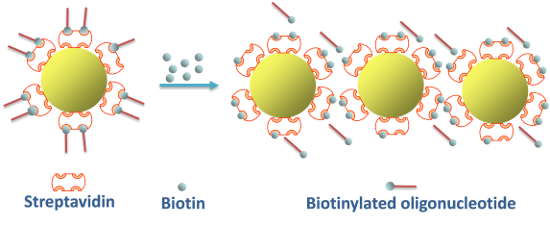
- ) solutions at pH 7.4 (137 mM NaCl, 2.7 mM KCl, phosphate buffered 10 mM) were obtained from Amresco (Italy). Ultra-pure water (Milli-Q Element, Millipore) was used for all the experiments. Synthesis of AuNPs Glassware was cleaned with freshly prepared “piranha” solution; i.e., a mixture of 1:3 ratio of




A novel electrochemical nanobiosensor for the ultrasensitive and specific detection of femtomolar-level gastric cancer biomarker miRNA-106a
Beilstein J. Nanotechnol. 2016, 7, 2023–2036, doi:10.3762/bjnano.7.193
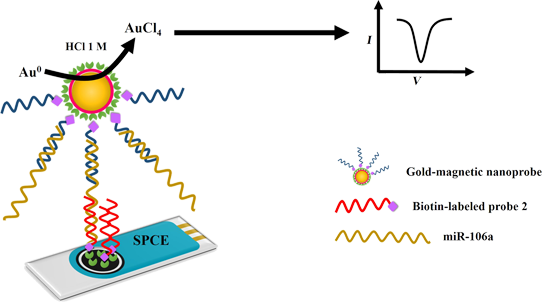
- -ethyl-3-(3-dimethylaminopropyl)carbodiimide (EDC), N-hydroxysuccinimide (NHS), 11-mercaptoundecanoic acid (MUA), streptavidin, K3Fe(CN)6, and K4Fe(CN)6 were purchased from Sigma Chemical Company (USA). Analytical grade HCl, NaCl, D-glucose, glutaraldehyde, N-methylpyrrolidone (NMP), iodomethane, sodium
- hydroxide, sodium iodide and acetone were purchased from Merck (Darmstadt, Germany). All other chemicals employed were of analytical grade and deionized water was utilized in all the experiments. Buffers used in the experiment included Tris buffer (including 2% BSA), the immobilization buffer (NaCl 300 mM
- , Na2HPO4 20 mM, EDTA 0.1 mM at pH 7.4), and the hybridization buffer (NaCl 300 mM, sodium citrate 30 mM at pH 7.4). The SPCEs (3.4 cm length × 1.0 cm width × 0.05 cm height) were purchased from DropSens (Spain). The SPCE consists of a 4 mm diameter disk carbon working electrode, carbon counter electrode


Facile fabrication of luminescent organic dots by thermolysis of citric acid in urea melt, and their use for cell staining and polyelectrolyte microcapsule labelling
Beilstein J. Nanotechnol. 2016, 7, 1905–1917, doi:10.3762/bjnano.7.182
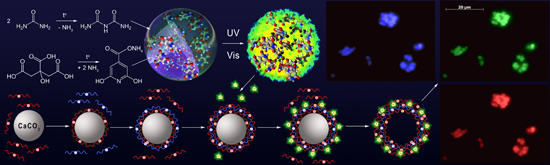
- made by adsorption of the positively charged poly allylamine hydrochloride (PAH) from 1 mg/mL solution in 0.15 M NaCl (15 min of incubation and shaking) on CaCO3 microparticles dispersed in this solution. The second layer was prepared by absorption of the negatively charged polystyrene sulfonate (PSS
- ) from 1 mg/mL solution in 0.15 M NaCl (15 min of incubation and shaking). The third layer was made by adsorption of PAH again, and the O-dots were fixed on the positively charged polymeric surface. Then, the above described procedures were repeated. As a result, each particle was composed of a core and




False positives and false negatives measure less than 0.001% in labeling ssDNA with osmium tetroxide 2,2’-bipyridine
Beilstein J. Nanotechnol. 2016, 7, 1434–1446, doi:10.3762/bjnano.7.135
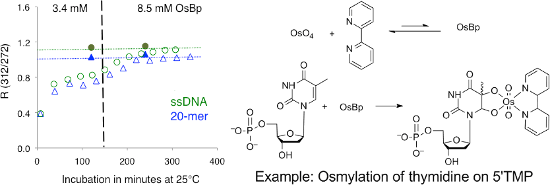
- resolution of oligos based on both length and composition. Typically, a flow of 0.5 mL/min was used and a linear gradient system with solvent A of 25 mM Tris HCl at pH 7.0 and solvent B of 1.0 M NaCl in solvent A; the initial elution conditions were typically at 75% for A and 25% for B. The actual gradient
- 20-mers differing only by one base analyzed by IE HPLC on DNAPac. An equimolar mixture of the four oligos appears as a single peak by CE, but as four separate peaks by HPLC using a NaCl gradient in a 25 mM Tris HCl pH 7.0 buffer on a 2 × 250 mm DNAPac PA200 from Dionex. Overlapping HPLC profiles of


High performance Ce-doped ZnO nanorods for sunlight-driven photocatalysis
Beilstein J. Nanotechnol. 2016, 7, 1338–1349, doi:10.3762/bjnano.7.125
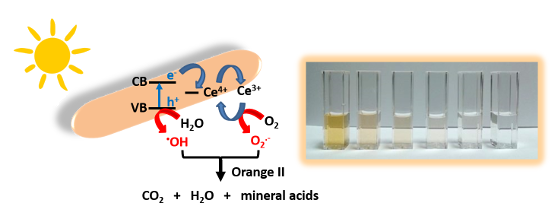
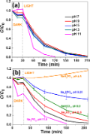
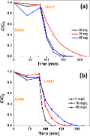
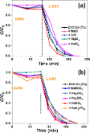
- experiments, we investigated the influence of various chlorides (NaCl, KCl, MgCl2 and CaCl2) used at a 10 mM concentration and at neutral pH on the photocatalytic activity of ZnO:Ce (5%) rods (Figure 11a). The amount of dye adsorbed by the photocatalyst and the photocatalytic activity are only slightly
- influenced by CaCl2 (complete degradation in 100 min while in the absence of CaCl2, the oxidation is complete in 80 min). Noteworthy is that NaCl and MgCl2 increased the photodegradation rate. We assume that Na+ or Mg2+ ions can either neutralize the negative sites at the surface of ZnO:Ce and thus diminish







Sandwich-like layer-by-layer assembly of gold nanoparticles with tunable SERS properties
Beilstein J. Nanotechnol. 2016, 7, 1028–1032, doi:10.3762/bjnano.7.95
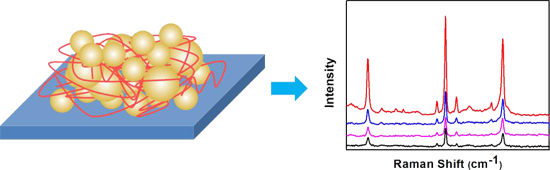
- to deposit the first PDDA layer. Sandwich-like LbL thin films were obtained by alternative immersion of PDDA (1 mg/mL, with 1.5 M NaCl, 30 min) and Au NP solution (12 h). After each immersion step, the thin film was rinsed with water and dried under N2. Since only two different sizes of Au NPs were
- concentration (1.5 M NaCl, this work) may be similar to that of three polyelectrolyte monolayers assembled at low salt concentration (0.1 M NaCl, work of Rockstuhl et al.) [36]. Overall, controlling the interlayer distance of the NP layers is another efficient way to tune the SERS properties of multilayer thin





