Search results
Search for "cell viability" in Full Text gives 188 result(s) in Beilstein Journal of Nanotechnology.
Carbon nano-onions as fluorescent on/off modulated nanoprobes for diagnostics
Beilstein J. Nanotechnol. 2017, 8, 1878–1888, doi:10.3762/bjnano.8.188
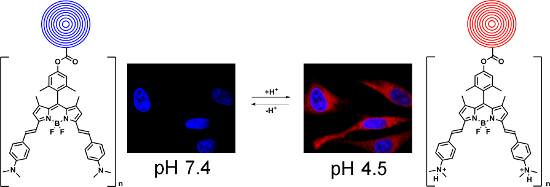
- treated with only cell culture medium were used as a control. The cell viability percentage was above 80%, showing that CNOs exhibited moderate toxicity to the cells at the tested concentrations (Figure 6). The observed high viability of the HeLa cells treated with CNOs demonstrated their suitability for
- a positive control for cytotoxicity, the cells were incubated with 5% DMSO. Cell viability was determined using the cell proliferation reagent WST-1 (Roche Applied Sciences). After aspiration of the culture medium, a mixture of DMEM and WST1 reagent (1/10 volume) was added to each well. After 2 h of
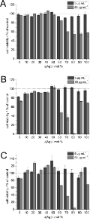
- µg mL−1. Cellular viability of HeLa cells treated with different concentrations (1, 2, 5, 10 and 20 µg mL−1) of fluo-CNOs for 12, 24, 28 and 72 h in DMEM (pH 7.4), revealed by the WST 1 assay. Cell viability (%) was evaluated for the CNO-treated samples against a non-treated control. As a positive


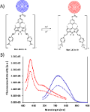


Synthesis and functionalization of NaGdF4:Yb,Er@NaGdF4 core–shell nanoparticles for possible application as multimodal contrast agents
Beilstein J. Nanotechnol. 2017, 8, 1815–1824, doi:10.3762/bjnano.8.183
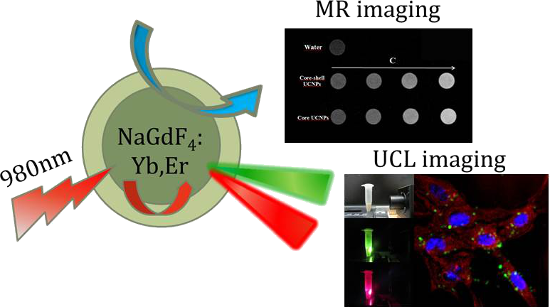
- . The similar localization of Tween 80-coated nanoparticles was observed in MCF-7 cells as well. The same results of endocytic NP accumulation in cells was demonstrated in different studies with UCNPs [31], quantum dots [32], magnetic nanomaterials [33] and noble metal nanoparticles [34]. Cell viability
- detectors from reflected and scattered NIR light. Cell viability assay: MCF-7 and MDA-MB-231 human breast cancer cells were seeded on a 96-well plate at a density of 20,000 cells/well. After 24 h, the old medium was replaced with a fresh medium containing 5, 10, 20, 50 and 100 µg/mL core–shell UCNPs. 12
- , treated with different concentrations of UCNPs for 24 h. Toxicity of UCNPs was investigated using XTT cell viability assay. Formation of water-soluble core and core–shell UCNPs by coating with Tween 80. Supporting Information Supporting Information File 134: The hydrodynamic particle size and zeta


Uptake and intracellular accumulation of diamond nanoparticles – a metabolic and cytotoxic study
Beilstein J. Nanotechnol. 2017, 8, 1649–1657, doi:10.3762/bjnano.8.165
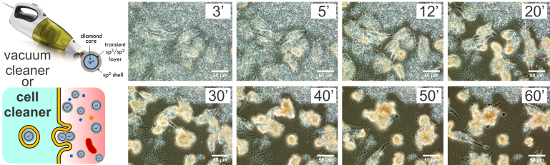
- 5 nm, H-terminated), and the same detonation NDs further oxidized by annealing at 450 °C. The influence of the NDs on cell viability and cell count was measured by the mitochondrial metabolic activity test and by counting cells with stained nuclei. The interaction of NDs with cells was monitored by
- phase contrast live-cell imaging in real time. For both types of oxygen-terminated HPHT NDs, the cell viability and the cell number remained almost the same for concentrations up to 100 µg/mL within the whole range of ND diameters tested. The uptake of hydrogen-terminated detonation NDs caused the
- types. Keywords: cell viability; FTIR; live-cell imaging; MTS; nanodiamond; SAOS-2 cells; Introduction Carbon-based materials in the form of nanostructures are showing great promise as engineering and biomedical materials [1]. Moreover, diamond represents a new class of material with properties that


Calcium fluoride based multifunctional nanoparticles for multimodal imaging
Beilstein J. Nanotechnol. 2017, 8, 1484–1493, doi:10.3762/bjnano.8.148
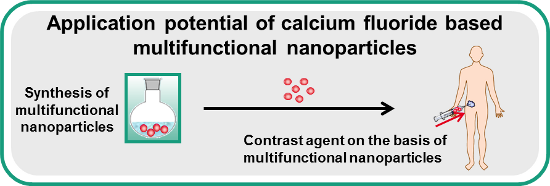
- for all batches show a decrease of the relaxivity of about 11.6% after nine months. Finally, the cell viability of the NPs stabilized with Melpers®2450 was evaluated in hdF and we can show that the NP system is biocompatible and non-toxic. Overall, we have developed a very promising particle system
- cell toxicity of the CaF2:(Tb3+,Gd3+) NPs was investigated in 96-well plates on a subconfluent monolayer culture of hdF. With the CellTiter-Glo luminescent cell viability assay (Promega), based on the quantification of the ATP concentration, the cell viability was examined. The cell line was seeded
- -containing cell-culture medium and b) absorbance measurement (λabs = 700 nm) of the samples over a period of 24 h. a) Representative microscopic image of hdF 24 h after treatment with the NPs (c = 1 mg·mL−1). b) Cell viability 24 h after adding CaF2:(Tb3+,Gd3+) NPs at concentrations between 0.5 and 1 mg·mL−1


Development of polycationic amphiphilic cyclodextrin nanoparticles for anticancer drug delivery
Beilstein J. Nanotechnol. 2017, 8, 1457–1468, doi:10.3762/bjnano.8.145
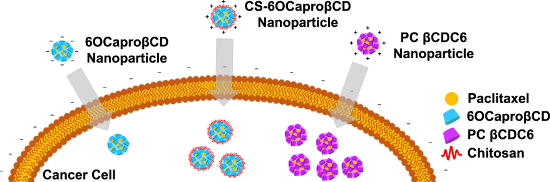
- assay. This cell line is recommended by the U.S. Pharmacopeial Convention (USP) for the cytotoxicity evaluation of polymeric systems and was therefore used. According to MTT assay, cell viability for L929 cells is given in Figure 6. It is clearly shown that all blank amphiphilic CD nanoparticle
- -loaded nanoparticles was determined on MCF-7 cell lines. After an incubation period, cell viability was calculated, as shown in Figure 8. According to the results of anticancer activity studies on MCF-7, PCX-loaded amphiphilic CD nanoparticles have higher cytotoxicity than PCX solution in DMSO (p < 0.05
- ). The amphiphilic CD nanoparticles and the drug solution carry an equivalent amount of PCX (250 nM) during the cell culture study. The cell viability in loaded CD nanoparticles is significantly different from the PCX solution (p < 0.05). Moreover, the effect of surface charge on viability of cancer


Cationic PEGylated polycaprolactone nanoparticles carrying post-operation docetaxel for glioma treatment
Beilstein J. Nanotechnol. 2017, 8, 1446–1456, doi:10.3762/bjnano.8.144
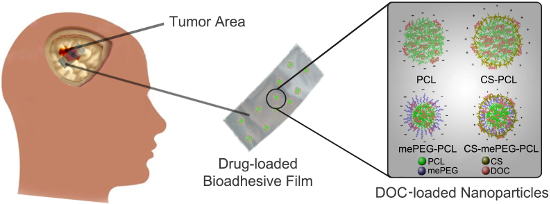
- assay, cell viability for L929 cells is given in Figure 6 for 24 h and 48 h. When compared with the control group, the blank formulations were found to have no cytotoxic effect on L929 fibroblast cells (the differences between groups were statistically insignificant, p > 0.05), and it can be suggested
- . Then, DMEM was replaced with fresh medium containing blank nanoparticle formulations and incubated for 48 h. MTT assay was applied to determine cell viability. 20 µL of MTT solution in PBS (5 mg/mL) were added in each well and incubated for 4 h. 80 µL of MTT lysis solution containing SDS (23% w/v) and
- DMF (45% v/v) in ultrapure water were added in plates and incubated overnight. The optical density (OD) was determined by a microplate reader (Molecular Devices, USA) at 450 nm (n = 3). The results were expressed in terms of cell viability (%) according to the equation: Statistical analysis All




Nano-engineered skin mesenchymal stem cells: potential vehicles for tumour-targeted quantum-dot delivery
Beilstein J. Nanotechnol. 2017, 8, 1218–1230, doi:10.3762/bjnano.8.123
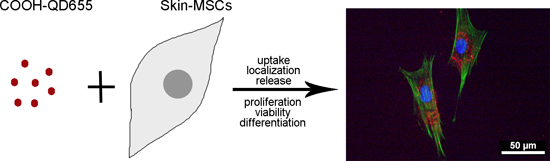
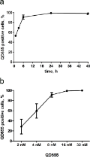
- quantum dots QD655 were studied in human skin MSCs. The effect of QD on MSCs was examined using a cell viability assay, Ki67 expression analysis, and tri-lineage differentiation assay. The optimal conditions for QD uptake in MSCs were determined using flow cytometry. The QD uptake route in MSCs was
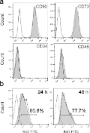
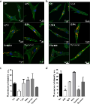
- in skin MSCs was clathrin-mediated endocytosis. QDs were mainly localized in early endosomes after 6 h as well as in late endosomes and lysosomes after 24 h. QDs in concentrations ranging from 0.5 to 64 nM had no effect on cell viability and proliferation. The expression of MSC markers, CD73 and CD90
- , comparing unlabelled and labelled cell populations. Cell-viability assay The impact of carboxyl-coated QD655 on the viability of MSCs was analysed using the Cell Counting Kit 8 (CCK-8) (Sigma-Aldrich, USA). A total of 5 × 10³ cells per well were seeded onto 96-well plates in 100 μL of complete medium. The





Silicon microgrooves for contact guidance of human aortic endothelial cells
Beilstein J. Nanotechnol. 2017, 8, 675–681, doi:10.3762/bjnano.8.72
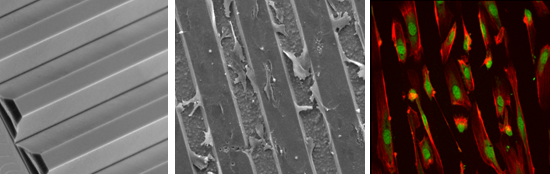
- , Spain) with an atmosphere containing 5% CO2. Cell viability and cytotoxicity Cell viability was assessed by morphology using phase-contrast microscopy and by trypan blue dye exclusion test (Merck). Viability 97% was required for the thawed HAECs in order to guarantee the viability of the cells before


Facile fabrication of luminescent organic dots by thermolysis of citric acid in urea melt, and their use for cell staining and polyelectrolyte microcapsule labelling
Beilstein J. Nanotechnol. 2016, 7, 1905–1917, doi:10.3762/bjnano.7.182
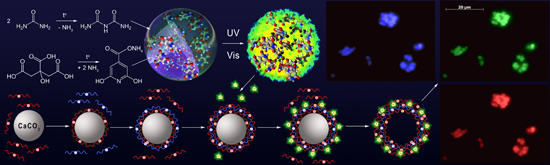
- effect might have been due to the passivation of the particle surface by DMSO molecules [48]. Biological properties of O-dots Cellular toxicity The results of studying the effect of O-dots samples on cell viability and metabolic activity of NADP-H-dependent oxidoreductases are shown in Figure 4 (for more




Low temperature co-fired ceramic packaging of CMOS capacitive sensor chip towards cell viability monitoring
Beilstein J. Nanotechnol. 2016, 7, 1871–1877, doi:10.3762/bjnano.7.179
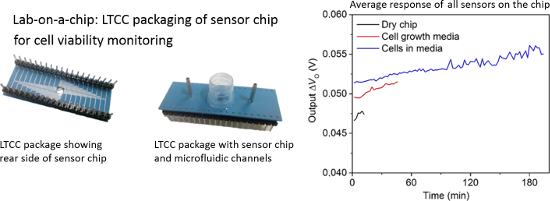
- Organization, Intel Corporation, Hillsboro, USA Division of Applied Sensor Science, Department of Physics, Chemistry and Biology, Linköping University, SE-58183 Linköping, Sweden 10.3762/bjnano.7.179 Abstract Cell viability monitoring is an important part of biosafety evaluation for the detection of toxic
- effects on cells caused by nanomaterials, preferably by label-free, noninvasive, fast, and cost effective methods. These requirements can be met by monitoring cell viability with a capacitance-sensing integrated circuit (IC) microchip. The capacitance provides a measurement of the surface attachment of
- medium above the capacitors. Moreover, the manufacturing of microfluidic channels in the LTCC package was demonstrated. Keywords: capacitance sensing; cell viability; lab-on-a-chip; low temperature co-fired ceramic (LTCC); Introduction Biosafety regulations require ethical, simple, rapid, and cost


Antitumor magnetic hyperthermia induced by RGD-functionalized Fe3O4 nanoparticles, in an experimental model of colorectal liver metastases
Beilstein J. Nanotechnol. 2016, 7, 1532–1542, doi:10.3762/bjnano.7.147
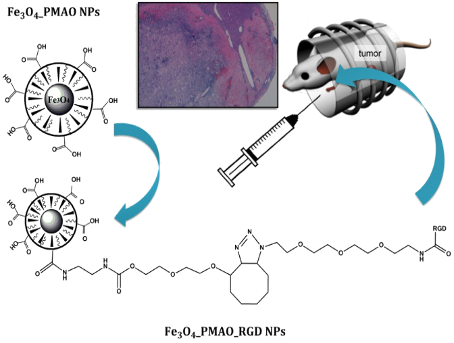
- could seriously compromise tumor cell viability. For such tumor destruction it is necessary to combine the heat capacity of the magnetic system with its localization in tumor tissues. However, the creation of high quality magnetic nanosystems that meet both requirements is still a great challenge


On the pathway of cellular uptake: new insight into the interaction between the cell membrane and very small nanoparticles
Beilstein J. Nanotechnol. 2016, 7, 1296–1311, doi:10.3762/bjnano.7.121
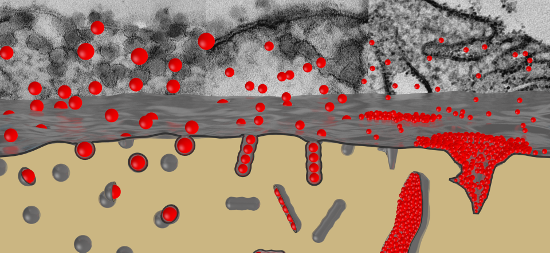
- . Similar results were reported by Zhang et al. comparing 80 nm SiNPs with 500 nm SiNPs on HepG2 cells [40]. Those investigated particles affect cell viability and the proliferation potential in a size-ascending-dependent manner. Nevertheless, these data were only focusing on large differences in size and
- surface-area dependent cytotoxicity and focused on long incubation times of SiNPs in the order of some 24 h. In our experiments we applied high concentrations of SiNPs and could observe effects on cell viability and membrane integrity already after a few hours. When inspecting the LDH release experiments
- the following formula (Abs: Absorbance): Measurement of intracellular ATP content Intracellular ATP content was measured according to the kit instructions of CellTiter-Glo® Luminescent Cell Viability Assay (Promega, U.S.A.). Briefly, 15,000 HeLa cells·cm−2 were seeded on a 96-well plate. After




Straightforward and robust synthesis of monodisperse surface-functionalized gold nanoclusters
Beilstein J. Nanotechnol. 2016, 7, 1278–1283, doi:10.3762/bjnano.7.118
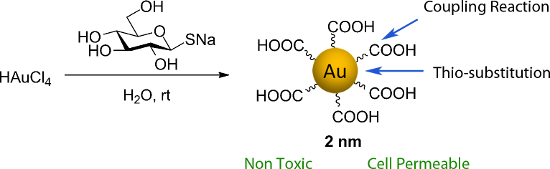
- for one day with the mouse cell line L929 for a proof-of-principle study. Cell viability was measured using the MTS [3-(4,5-dimethylthiazol-2-yl)-5-(3-carboxymethoxyphenyl)-2-(4-sulfophenyl)-2H-tetrazolium inner salt] assay [30]. The cytotoxicity of Glc-NCs, CTAB-NCs and THPC-NCs was compared. CTAB
- lectin ConA (4). Cell viability of Glc-NCs A) purified and B) without purification incubated for one day with L929 cells. The Glc-NCs were not toxic at any of the concentrations studied. C) Cellular uptake of Glc-NCs when incubated with L929 cells for one day. Gold concentration taken up by the cells was


Reasons and remedies for the agglomeration of multilayered graphene and carbon nanotubes in polymers
Beilstein J. Nanotechnol. 2016, 7, 1174–1196, doi:10.3762/bjnano.7.109
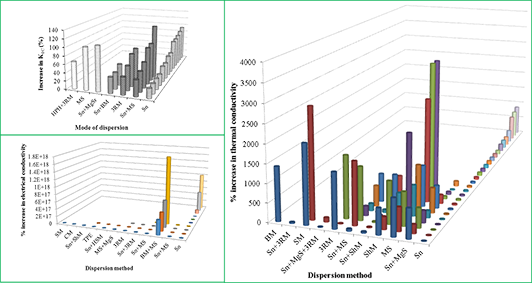
- , as well as to different methods to measure cell viability and different CNT sources. More efforts are needed to solve these issues prior to the incorporation of MLG/CNT–polymer nanocomposites into the human body. Therefore, it is a prerequisite to master the production of MLG- and CNT-based polymer


Multiwalled carbon nanotube hybrids as MRI contrast agents
Beilstein J. Nanotechnol. 2016, 7, 1086–1103, doi:10.3762/bjnano.7.102
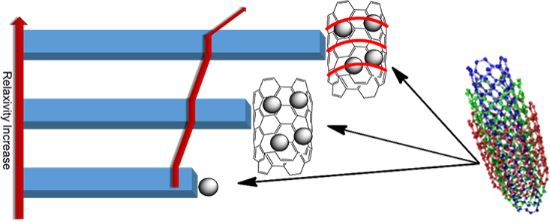
- the in vivo behavior of nanohybrids is essential in order to judge their applicability in MRI. Several types of studies were performed. The first group was to study cytotoxicity by determining cell viability upon incubation with the nanohybrids (Table 2). In some cases it was possible to indicate



Improved biocompatibility and efficient labeling of neural stem cells with poly(L-lysine)-coated maghemite nanoparticles
Beilstein J. Nanotechnol. 2016, 7, 926–936, doi:10.3762/bjnano.7.84
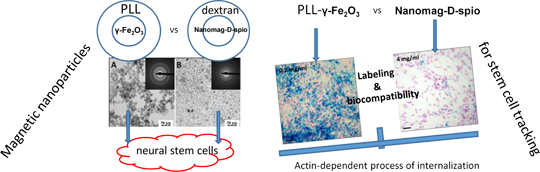
- counterstained with 0.1% Nuclear Fast Red (Sigma-Aldrich) for 1 min, mounted with HistoMount (Invitrogen) and covered using coverslip. After drying, the cells were analyzed under bright field using light microscope (ECLIPSE E200, Nikon Instruments, Japan). MTT cell viability assay After NSC labeling MTT (methyl
- labeled with different concentrations of PLL-γ-Fe2O3 (A) and nanomag®-D-spio (B) nanoparticles (N = 5). The asterisk indicates a statistically significant difference (P < 0.05) versus other concentrations of the same nanoparticle. PLL-γ-Fe2O3 nanoparticles did not affect NSC proliferation. MTT cell
- viability assay of NSCs labeled with PLL-γ-Fe2O3 and nanomag®-D-spio nanoparticles (N = 12). The statistically significant diferences versus Control were depicted by asterisks, *: P < 0.05; **: P < 0.005; ***: P < 0.001. PLL-γ-Fe2O3 nanoparticles had low NSC cytotoxicity. Flow cytometry analysis showed the




Tight junction between endothelial cells: the interaction between nanoparticles and blood vessels
Beilstein J. Nanotechnol. 2016, 7, 675–684, doi:10.3762/bjnano.7.60
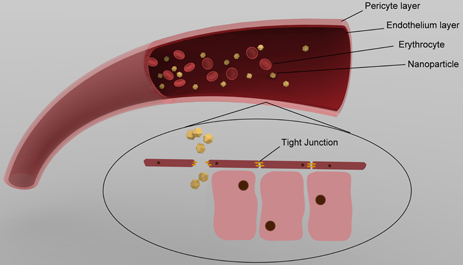
- induce brain dysfunction and pathology [25] and in some cases have an impact on gene expression in neural cells [26]. CuO NPs reduce cell viability and also cause oxidative stress in human bronchial epithelial cells [27]. Interaction between NPs and blood circulatory system The circulatory system or

Unraveling the neurotoxicity of titanium dioxide nanoparticles: focusing on molecular mechanisms
Beilstein J. Nanotechnol. 2016, 7, 645–654, doi:10.3762/bjnano.7.57
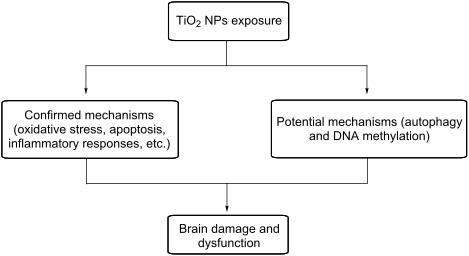
- -2 levels, indicated that mitochondria- and endoplasmic reticulum-mediated signaling pathways were involved in the apoptotic process. TiO2 NPs were also shown to decrease cell viability by inducing apoptosis in the microglia N9 [36] and human astrocytes-like astrocytoma U87 cell lines [37]. Direct
- toxic effects on cell structures Cell components, such as the cell membrane and mitochondria, can be targets of TiO2 NPs. TiO2 NPs can decrease cell viability of primary rat astrocytes. Herein, the mitochondrial morphology was changed and mitochondrial membrane potential (MMP) was reduced, suggesting
- found that prenatal exposure to TiO2 NPs could alter the expression of neurotransmitter genes as well as genes associated with apoptosis, OS, and psychiatric disorders. TiO2 NPs decreased cell viability in PC12 cells in a dose- and time-dependent manner by increasing the level of ROS and proportion of
An ISA-TAB-Nano based data collection framework to support data-driven modelling of nanotoxicology
Beilstein J. Nanotechnol. 2015, 6, 1978–1999, doi:10.3762/bjnano.6.202
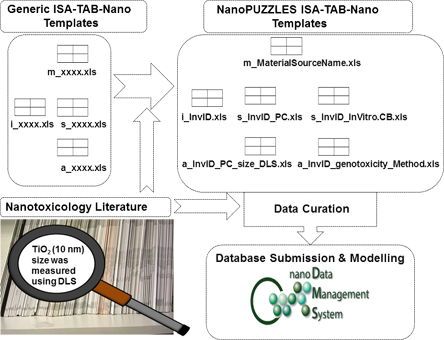
- business rule no. 10 (see section 4 and Supporting Information File 4 for an in-depth explanation). The lethal cytotoxicity Assay file template (“a_InvID_cytotoxicity.cell-viability_Method.xls”) was designed to record data corresponding to a reduction in cell “viability” (typically interpreted as an



Predicting cytotoxicity of PAMAM dendrimers using molecular descriptors
Beilstein J. Nanotechnol. 2015, 6, 1886–1896, doi:10.3762/bjnano.6.192
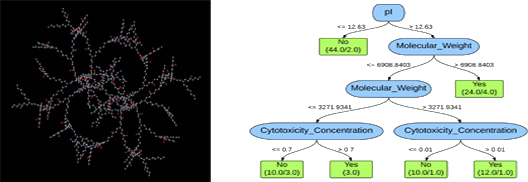
- materials with expected low levels of toxicity. Cytotoxicity can be determined by a gamut of in vitro toxicity assays focusing on a number of cellular parameters including cell viability, oxidative stress, genotoxicity, and inflammatory response [9]. In this paper, we focus on the cell viability to
- here, it was observed that the properties regarding charge, size, and concentration of the PAMAM dendrimers are the most important properties in the prediction of cytotoxicity and cell viability of Caco-2 cells treated with PAMAM dendrimers. To the authors’ knowledge, these results are the first
- Scopus and PubMedCentral using the search terms “PAMAM dendrimers AND cytotoxicity AND Caco-2 cells”. In order for the PAMAM dendrimer cytotoxicity values to be considered relevant for extraction, both cell viability and treatment concentration information had to be available in the publication. From


Synthesis, characterization and in vitro biocompatibility study of Au/TMC/Fe3O4 nanocomposites as a promising, nontoxic system for biomedical applications
Beilstein J. Nanotechnol. 2015, 6, 1677–1689, doi:10.3762/bjnano.6.170
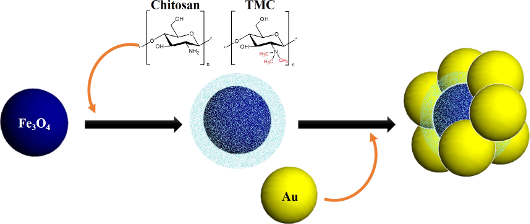
- various fields of application, especially the biomedical sciences and biosensors. Keywords: Au/polymer/Fe3O4 nanocomposites; Au nanoparticles; cell viability; magnetic nanoparticles; N-trimethyl chitosan; Introduction Nanotechnology is the science of the fabrication of novel materials, devices and
- -containing nanocomposites is more than that of polymer/Fe3O4 nanoparticles, which is likely due to the relatively heavy weight of Au nanoparticles. Cell viability assay One of the most important factors for employing nanomaterials in biomedical applications is related to their safety and biocompatibility
- viability were assessed using the MTT assay. The assay was based on the reduction of the dye MTT to formazan crystals (an insoluble, intracellular, blue product) by cellular dehydrogenases. The MTT results demonstrated that no significant decrease in cell viability occurred in presence of different




The eNanoMapper database for nanomaterial safety information
Beilstein J. Nanotechnol. 2015, 6, 1609–1634, doi:10.3762/bjnano.6.165
- proposed to extend the list of endpoints for hazard identification to include cell uptake, cell viability, oxidative stress, inflammation, fibrosis, immunotoxicity, cardiovascular toxicity, ventilation rate, gill pathologies, mucus secretion and brain pathology. The EU guidance document lists the main
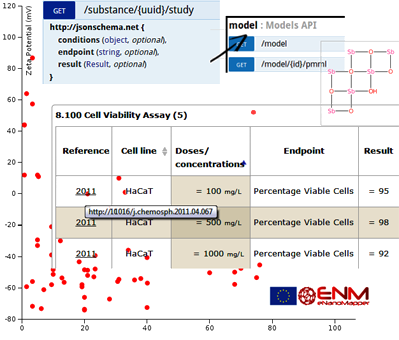
- experimental data are assigned to a substance (e.g., nanoparticle) and a JSON (JavaScript Object Notation) representation of the data can be retrieved through a “/substance/{uuid}/study” API call. As an example, in Figure 4, we present an excerpt from the JSON serialisation of a cell viability assay for the
- average, though this is not always specified), a minimum and maximum value, or a single value and a standard deviation. Biological measurements are linked to assays (such as cytotoxicity, cell growth, cell viability, genotoxicity, and oxidative stress), endpoints measured on that assay (e.g., ROS


Using natural language processing techniques to inform research on nanotechnology
Beilstein J. Nanotechnol. 2015, 6, 1439–1449, doi:10.3762/bjnano.6.149
- the numeric values and dendrimer property terms. The entities associated with PAMAM were based on the NanoParticle Ontology and included: (1) hydrodynamic diameter, (2) particle diameter, (3) molecular weight, (4) zeta potential, (5) cytotoxicity, (6) IC50, (7) cell viability, (8) encapsulation
Synthesis, characterization and in vitro effects of 7 nm alloyed silver–gold nanoparticles
Beilstein J. Nanotechnol. 2015, 6, 1212–1220, doi:10.3762/bjnano.6.124
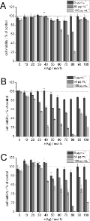
- with a molar silver composition of 60% or higher affected the cell viability. After 24 h, this trend was observed more clearly. For HeLa cells, toxic effects began to emerge for nanoparticles with a silver content >30 mol % and also at a metal concentration of 50 µg mL−1. Discussion The synthesis
- , determined by atomic absorption spectroscopy. The cell viability was analyzed by the MTT assay. 3-(4,5-dimethylthiazol-2-yl)-2,5-diphenyl-2H-tetrazolium bromide (MTT; Sigma, Taufkirchen, Germany) was dissolved in PBS (5 mg mL−1) and then diluted to 1 mg mL−1 in the cell culture medium. After incubation, the
- nanoparticles as well as for pure Ag and Au nanoparticles. The given errors represent standard deviations. Experimental molar composition of the Ag/Au nanoparticles as measured by AAS. Calculated nanoparticle (NP) concentration for cell viability experiments. Acknowledgements We thank the Deutsche


Tattoo ink nanoparticles in skin tissue and fibroblasts
Beilstein J. Nanotechnol. 2015, 6, 1183–1191, doi:10.3762/bjnano.6.120
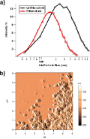
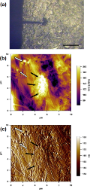
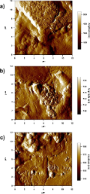
- culture fibroblasts in diluted tattoo ink to explore both the immediate impact of ink pigment on cell viability and also to observe the interaction between particles and the cells. Keywords: atomic force microscopy (AFM); dermis; nanoparticles; skin; tattoo ink; Introduction The act of tattooing has
- . Further, we also investigate the cell viability of dermal fibroblasts after incubation with filtered/unfiltered diluted tattoo ink and discuss these results in the context of nanoparticle research. Results and Discussion Tattoo ink particle size distribution Following three repeats of the particle size
- assay for cytotoxicity assessment was carried out on fibroblasts exposed to two different diluted tattoo inks, which showed both cell death and inhibition of pro-collagen synthesis [37]. As that study was not carried out on skin fibroblasts it was decided to run a similar cell viability test using human