Search results
Search for "electrical conductivity" in Full Text gives 253 result(s) in Beilstein Journal of Nanotechnology. Showing first 200.
An efficient electrode material for high performance solid-state hybrid supercapacitors based on a Cu/CuO/porous carbon nanofiber/TiO2 hybrid composite
Beilstein J. Nanotechnol. 2019, 10, 781–793, doi:10.3762/bjnano.10.78
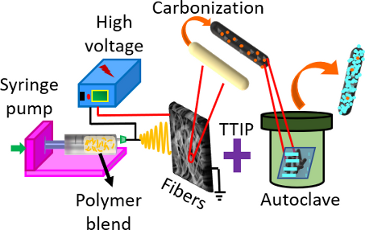
- amount of charge than double layer supercapacitors and exhibits superior energy density [6]. Pseudo-supercapacitors have limited electrical conductivity and slow charge–discharge kinetics, resulting in a significant decrease in power density. Supercapacitors have been explored by realizing both faradaic
- and effective strategy that can enhance the electrical conductivity and provide relatively high specific capacity (increased by 10–30%). However, the electrochemical performance of this material deteriorates due to the large volume expansion during cycling. This results in a gradual loss of
- . Second, Cu, which has good electrical conductivity and provides unique rate capabilities, was uniformly dispersed on the carbon matrices, which are extensively explored to meet the imperative requirements in the field of supercapacitors. Third, the introduction of nanoscale TiO2 can further enhance the


Trapping polysulfide on two-dimensional molybdenum disulfide for Li–S batteries through phase selection with optimized binding
Beilstein J. Nanotechnol. 2019, 10, 774–780, doi:10.3762/bjnano.10.77
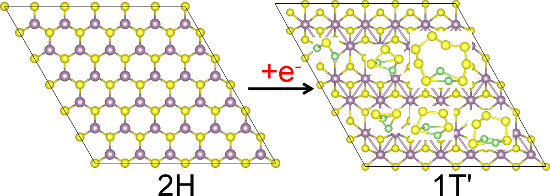
- efficiency, active material loss, and rapid capacity fading hinder the practical application of Li–S batteries [6]. The insulating nature of sulfur and its lithiation products, Li2S2 and Li2S, leads to low electrical conductivity of the cathode and low rate capability. Dissolved higher-order lithium
- electrical conductivity [10]. However, the adsorption of polarized LPSs on non-polarized graphene is weak; heteroatom doping is necessary for improving the anchoring effect. Nitrogen doping has been used to modify the anchoring behavior of graphene, and the N-doped graphene showed improved anchoring of Li2Sx


An iridescent film of porous anodic aluminum oxide with alternatingly electrodeposited Cu and SiO2 nanoparticles
Beilstein J. Nanotechnol. 2019, 10, 735–745, doi:10.3762/bjnano.10.73
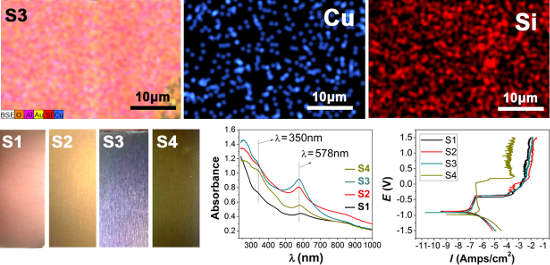
- the electrical conductivity of the sample) before scanning. Cu can be seen as numerous particles at the nanoscale homogeneously distributed over the entire surface. In sample S2 (Figure 4b), Si can be observed all over the sample surface, revealing the uniform deposition of SiO2. The electrodeposited


Enhancement in thermoelectric properties due to Ag nanoparticles incorporated in Bi2Te3 matrix
Beilstein J. Nanotechnol. 2019, 10, 634–643, doi:10.3762/bjnano.10.63
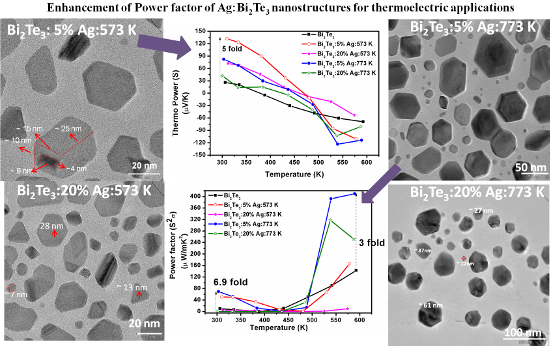
- nanoparticles on thermoelectric properties can be understood on the basis of a carrier-filtering effect that results in an increase in thermopower along with a control over the reduction in electrical conductivity to maintain a high power factor yielding a high figure of merit. Keywords: bismuth telluride
- = S2σT/k) and to enhance figure of merit (ZT), one needs to increase the power factor (S2σ, where S is the Seebeck coefficient or thermopower, σ is the electrical conductivity) or to decrease thermal conductivity (k). In bulk, all three parameters (S, σ, k) are interdependent. In bulk Bi2Te3, ZT is close
- nanoparticles that yield both a higher power factor and figure of merit than pure Bi2Te3 [21]. An enhanced Seebeck coefficient (S) could compensate for the reduction in electrical conductivity to some extent maintaining S2σ as unaffected as possible. Through the metal fraction in the matrix or the synthesis



A porous 3D-RGO@MWCNT hybrid material as Li–S battery cathode
Beilstein J. Nanotechnol. 2019, 10, 514–521, doi:10.3762/bjnano.10.52
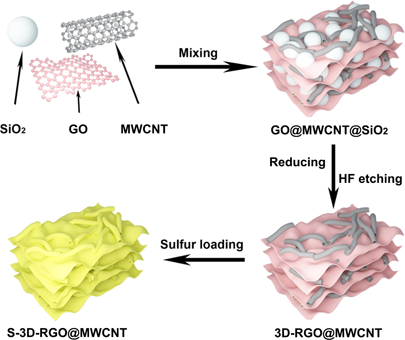
- used to adjust structure and density of the pores of the composite while improving the electrical conductivity. Following such a strategy, we developed a unique three-dimensional structured carbon-based composite material, referred to as 3D-RGO@MWCNT. Multiwalled carbon nanotubes (MWCNTs) form a
- battery technologies. The actual application of Li–S batteries, however, is hindered by several challenges, i.e., i) the poor conductivity of sulfur and ii) the “shuttle effect” of polysulfides (Li2Sx, 4 < x ≤ 8) [1][2][3][4]. To achieve a high specific capacity, a sulfur cathode with high electrical
- conductivity and high sulfur loading is necessary. The shuttle effect will result in rapid fading of the capacity and coulombic efficiency during the cycling process. Therefore, the development of a sulfur cathode that can “withhold” sulfur and reduce the shuttle effect, together with a high conductivity and



Wearable, stable, highly sensitive hydrogel–graphene strain sensors
Beilstein J. Nanotechnol. 2019, 10, 475–480, doi:10.3762/bjnano.10.47
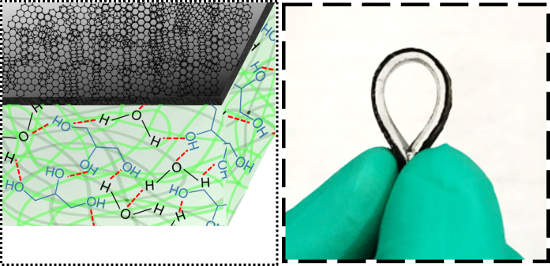
- -hydrogel and the electron conduction change of the graphene film under different contact conditions [15] (spacing variations and contact area under stretching). The ionic conductivity is responsible for the electrical conductivity of the bare WG-hydrogel. The hysteresis curve for graphene/WG-hydrogel


Reduced graphene oxide supported C3N4 nanoflakes and quantum dots as metal-free catalysts for visible light assisted CO2 reduction
Beilstein J. Nanotechnol. 2019, 10, 448–458, doi:10.3762/bjnano.10.44
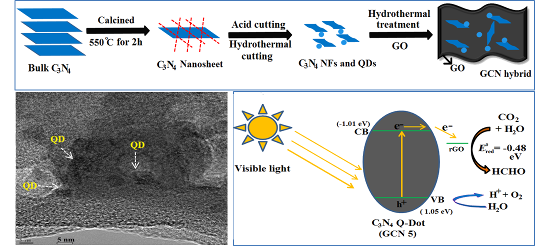
- all these interesting properties, pure g-C3N4 only weakly absorbs visible light due to its wide band gap and also has poor electrical conductivity [18]. An efficient way to increase the charge separation and electrical conductivity of g-C3N4 is to modify it with rGO. Besides the structural and





Nanocomposite–parylene C thin films with high dielectric constant and low losses for future organic electronic devices
Beilstein J. Nanotechnol. 2019, 10, 428–441, doi:10.3762/bjnano.10.42
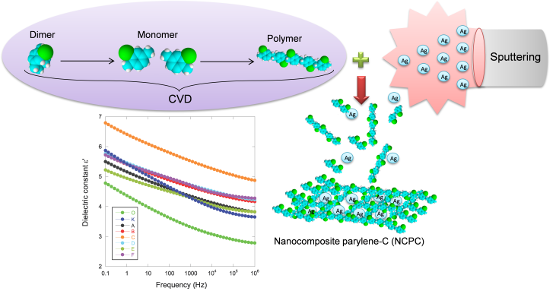
- -relaxation without bringing other inconveniences such as interfacial polarization mechanism or a long-range electrical conductivity induced by these nanoparticles. For this latter, we plotted the electrical ac-conductivity σ’ as a function of the frequency (Figure 9). The behavior is representative of short
- constant ε’HF (value at 1 MHz); b) the dielectric strength Δε. Frequency dependence of the dissipation factor for pure parylene C and NCPC samples. Electrical conductivity of pure parylene C and NCPCs. Gain in the gate insulation capacitance by replacing conventionally processed parylene C (sample O) with




Improving control of carbide-derived carbon microstructure by immobilization of a transition-metal catalyst within the shell of carbide/carbon core–shell structures
Beilstein J. Nanotechnol. 2019, 10, 419–427, doi:10.3762/bjnano.10.41
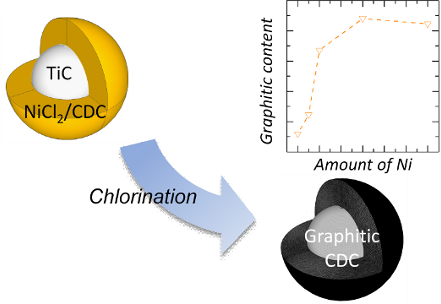
- large specific surface area and distinct pore character. For applications in which electrical conductivity plays an important role, e.g., battery electrodes, fuel-cell catalysts or supercapacitors [14][15][16], it is necessary for carbon to not only show porosity but also to feature a graphitic


Sub-wavelength waveguide properties of 1D and surface-functionalized SnO2 nanostructures of various morphologies
Beilstein J. Nanotechnol. 2019, 10, 379–388, doi:10.3762/bjnano.10.37
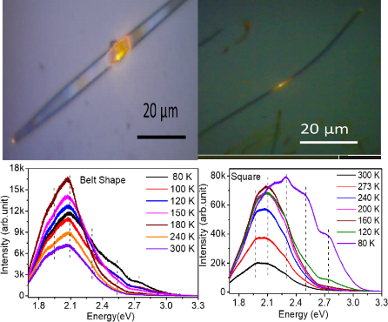
- SnO2 NSs. Depending on the growth procedure, these metal oxide nanostructures offer varied structural and electrical properties. For instance, Zhu et al. [23] demonstrated a huge variation in the electrical conductivity in NWs grown at the liquid–solid (LS) interface and VS interface. In this article


A Ni(OH)2 nanopetals network for high-performance supercapacitors synthesized by immersing Ni nanofoam in water
Beilstein J. Nanotechnol. 2019, 10, 281–293, doi:10.3762/bjnano.10.27
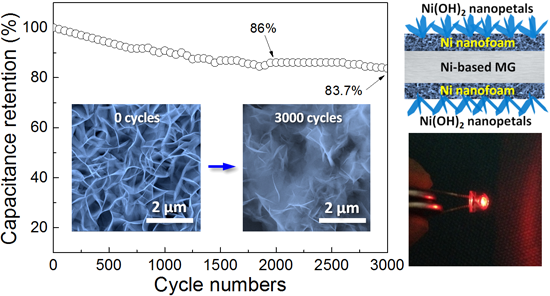
- derivatives, such as active carbon, porous carbon, graphene, carbon nanotubes with good electrical conductivity and high specific surface area, are most commonly employed as electrode materials [5][6][7]. The other category are pseudocapacitors governed by reversible faradic redox reactions at the interface
- performance. Moreover, they are environmentally friendly, easily available and inexpensive [11][12][13][14]. However, bulk Ni(OH)2 is a semiconductor material with poor electrical conductivity [15], which leads to low capacity at a high scan rate and poor cycling stability. In order to overcome this




Nanoporous water oxidation electrodes with a low loading of laser-deposited Ru/C exhibit enhanced corrosion stability
Beilstein J. Nanotechnol. 2019, 10, 157–167, doi:10.3762/bjnano.10.15
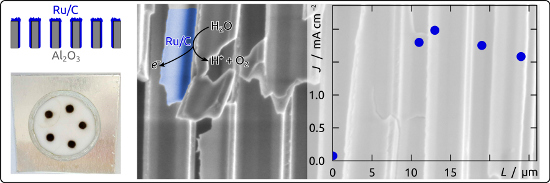
- nanoparticles [18][28]. A carbonaceous support has also been used, with the advantages of chemical durability and electrical conductivity, as demonstrated in the context of alcohol dehydrogenation [29][30]. Such a support, however, has not been applied to the water oxidation reaction so far. In this paper, we




Wet chemistry route for the decoration of carbon nanotubes with iron oxide nanoparticles for gas sensing
Beilstein J. Nanotechnol. 2019, 10, 105–118, doi:10.3762/bjnano.10.10
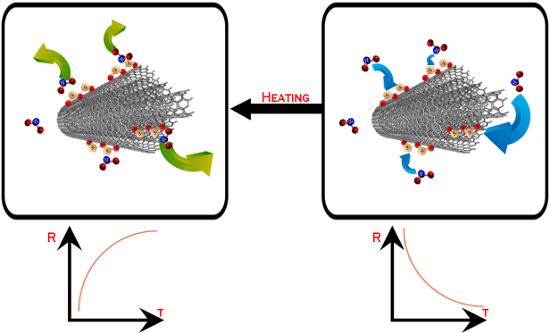
- chemical environment [2][3][4][5]. CNT gas sensors often exhibit fair sensitivity to gases even when operated at room temperature. Since their electrical conductivity is affected upon the adsorption of gases, their response is often measured as a change in resistance of a CNT film. The fact that CNT gas




Amorphous NixCoyP-supported TiO2 nanotube arrays as an efficient hydrogen evolution reaction electrocatalyst in acidic solution
Beilstein J. Nanotechnol. 2019, 10, 62–70, doi:10.3762/bjnano.10.6
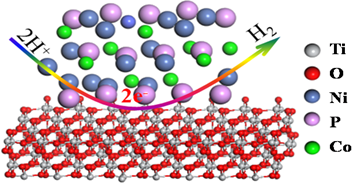
- .) demonstrate a superior electrochemical performance. Because the ternary phases provide a synergistic effect, these bi-metal phosphides provide good electrical conductivity and electronic structure [15][16][17]. Among the bi-metal phosphides, Ni–Co–P catalysts have been intensively investigated. The similar
- , respectively. It should be noted that the hydrogen doping may occur due to the small radius of the hydrogen atom when measuring the electrocatalytic activity of NixCoyP/TNAs. Generally speaking, hydrogen doping increases electrical conductivity and enhances electron transfer. Thus the electrocatalytic activity


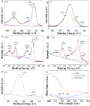


Zn/F-doped tin oxide nanoparticles synthesized by laser pyrolysis: structural and optical properties
Beilstein J. Nanotechnol. 2019, 10, 9–21, doi:10.3762/bjnano.10.2
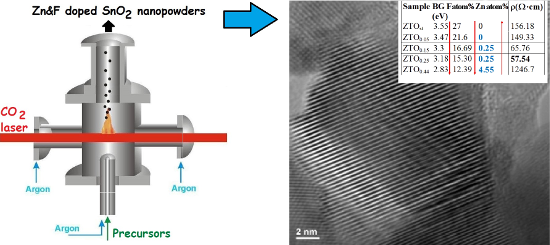
- valuable from a technological point of view are its electrical conductivity, which is strongly affected by the surface states and the presence of dopants, transparency in the visible light range, high reflectance in the infrared range, and its classification as not potentially toxic or harmful [2][3]. The
- reduced bandgap of tin oxide nanoparticles by introduction of defects to the crystal lattice is ≈0.7 eV [4]. Generally, the doping of these semiconducting oxides with specific cations or anions is performed in order to increase their electrical conductivity while maintaining a high optical transparency in
- commercial applications that require both transparency and electrical conductivity (employed in liquid crystal displays, organic light emitting diodes (OLEDs), touchscreens or in solar panels) is indium tin oxide (ITO), which unfortunately suffers from high cost and a limited supply of indium [5]. One

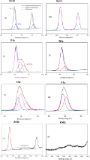


Impact of the anodization time on the photocatalytic activity of TiO2 nanotubes
Beilstein J. Nanotechnol. 2018, 9, 2628–2643, doi:10.3762/bjnano.9.244
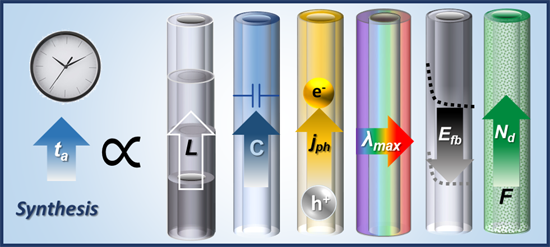
- bulk of the semiconductor. Subsequently, the electron percolation occurs in the TNTs, and crystalline defects and trap states (e.g., surface states) are among the factors that affect the electrical conductivity [62]. Thus, low scan rates are preferred in these experiments for more accurate measurements
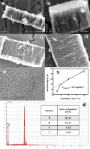


ZnO-nanostructure-based electrochemical sensor: Effect of nanostructure morphology on the sensing of heavy metal ions
Beilstein J. Nanotechnol. 2018, 9, 2421–2431, doi:10.3762/bjnano.9.227
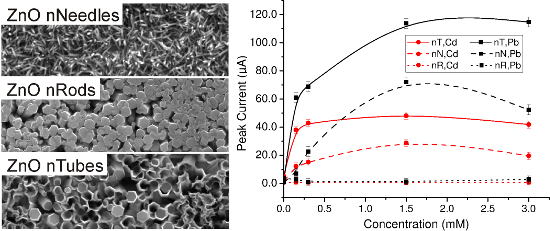
- deionized and distilled water, and finally dried in an electric oven at 90 °C to remove any residual water. First, a 100 nm thick chrome layer was sputtered onto the glass substrate through a metal shadow-mask to provide electrical conductivity for further electrochemical measurements. The deposition was


Filling nanopipettes with apertures smaller than 50 nm: dynamic microdistillation
Beilstein J. Nanotechnol. 2018, 9, 2181–2187, doi:10.3762/bjnano.9.204
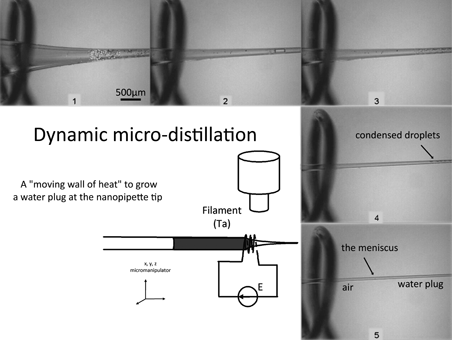
- . Nanopipettes are filled faster than by using high back-pressure, in roughly one hour. The technique works with all nanopipettes, filling even closed nanopipettes. Results are tested directly by electrical conductivity to check that filling is complete, that the nanopipette is open and that electrical
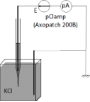
- (cyan) directly after the KCl filling shows the electrical conductivity of the system. The nanopipette is open and filled. The second measurement (purple) after the electromigration shown in (b) shows the nominal current intensity values together with the voltage values. The electrical characteristics


Electrospun one-dimensional nanostructures: a new horizon for gas sensing materials
Beilstein J. Nanotechnol. 2018, 9, 2128–2170, doi:10.3762/bjnano.9.202






Metal-free catalysis based on nitrogen-doped carbon nanomaterials: a photoelectron spectroscopy point of view
Beilstein J. Nanotechnol. 2018, 9, 2015–2031, doi:10.3762/bjnano.9.191
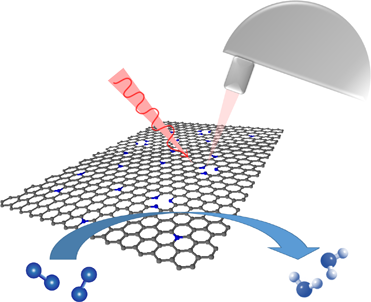
- graphene is its high thermal and electrical conductivity [24], allowing for a good heat diffusion and conduction during catalytic reactions, preventing the generation of overheated regions. The Dirac point of pure graphene is found exactly at the Fermi level, hence graphene is defined as a semi-metal (or a


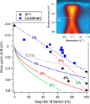


Defect formation in multiwalled carbon nanotubes under low-energy He and Ne ion irradiation
Beilstein J. Nanotechnol. 2018, 9, 1951–1963, doi:10.3762/bjnano.9.186
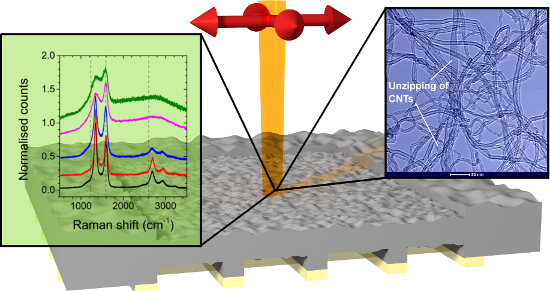
- , ion irradiation can also be used to modify the electronic properties. The presence of defects can increase the resistivity by several orders of magnitude [2][16]. When combining low-fluence ion irradiation with subsequent annealing, the electrical conductivity of SWCNTs can be improved [17]. The

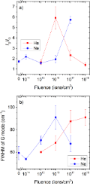


Synthesis of carbon nanowalls from a single-source metal-organic precursor
Beilstein J. Nanotechnol. 2018, 9, 1895–1905, doi:10.3762/bjnano.9.181
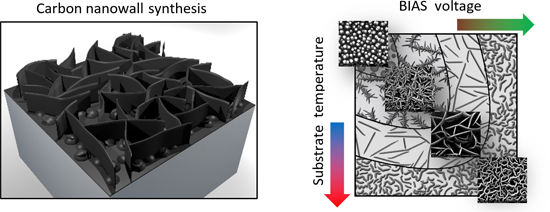
- the large surface area of the material. The high aspect ratio together with chemical stability, mechanical strength and electrical conductivity make CNWs an interesting matrix material for catalytic applications. Together with metallic nanoparticles, such as platinum, CNWs could be used in lithium-ion


Nitrogen-doped carbon nanotubes coated with zinc oxide nanoparticles as sulfur encapsulator for high-performance lithium/sulfur batteries
Beilstein J. Nanotechnol. 2018, 9, 1677–1685, doi:10.3762/bjnano.9.159
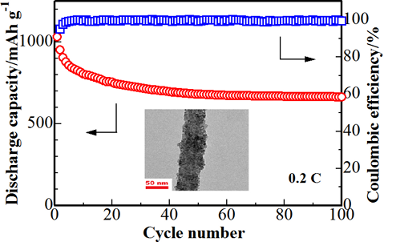
- of nucleation sites in NCNT allows ZnO to uniformly grow on its surface with a small size. Also, NCNT has a higher electrical conductivity due to its additional free electron pairs compared to CNT without nitrogen doping. The ZnO@NCNT composite showed excellent electrochemical properties in lithium


Free-radical gases on two-dimensional transition-metal disulfides (XS2, X = Mo/W): robust half-metallicity for efficient nitrogen oxide sensors
Beilstein J. Nanotechnol. 2018, 9, 1641–1646, doi:10.3762/bjnano.9.156
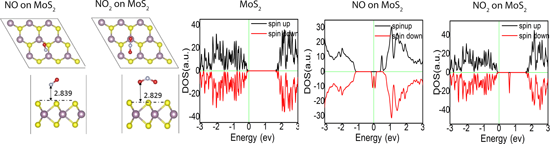
- ][16], phosphorene [9], siligraphene (SiC5) [10] and molybdenum disulfide (MoS2) [11][17] possess a high specific surface area and high electrical conductivity making them the ideal candidates for gas sensors. In particular, investigations of XS2-based (X = Mo, W) monolayer nanodevices demonstrate that


Nanoscale electrochemical response of lithium-ion cathodes: a combined study using C-AFM and SIMS
Beilstein J. Nanotechnol. 2018, 9, 1623–1628, doi:10.3762/bjnano.9.154
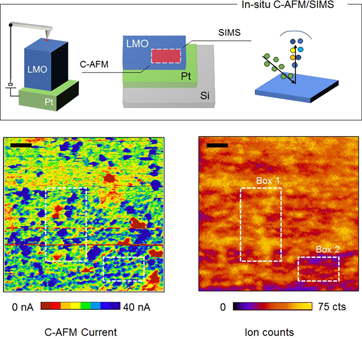
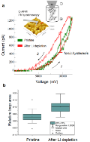
- strong and localized electric field. Second, the combination of C-AFM and SIMS is used to correlate electrical conductivity and local chemistry in different cathodes for application in ASB. Finally, a promising starting point towards quantitative electrochemical information starting from C-AFM is
- , using MnO2 and LMO as cathode model systems for ASB, we have demonstrated the use of combined scanning probe and beam analysis techniques to investigate electrical, structural and electrochemical properties at the nanoscale. C-AFM was used for comparing the local electrical conductivity of the two
- electrical conductivity as highly lithiated regions show enhanced electrical conductivity. Appearance of the ionic hysteresis and influence of Li depletion during preconditioning. (a) The hysteresis loop visible in the I–V curves is indicating the local change in resistance under the tip induced by the Li