Search results
Search for "high resolution" in Full Text gives 781 result(s) in Beilstein Journal of Nanotechnology. Showing first 200.
Dry under water: air retaining properties of large-scale elastomer foils covered with mushroom-shaped surface microstructures
Beilstein J. Nanotechnol. 2022, 13, 1370–1379, doi:10.3762/bjnano.13.113
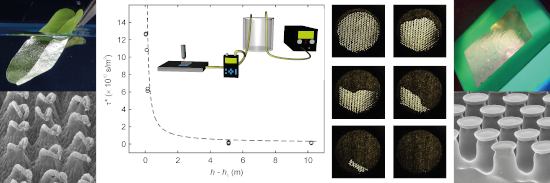
- (HCX APO L 63x/0.90 W U-V-I, Leica Microsystems, Wetzlar) with 63-fold magnification directly after submergence and after two weeks. Using the total reflection of the laser light at the air–water interface this method allowed us to analyze the shape of the air–water interface at high resolution. The


Supramolecular assembly of pentamidine and polymeric cyclodextrin bimetallic core–shell nanoarchitectures
Beilstein J. Nanotechnol. 2022, 13, 1361–1369, doi:10.3762/bjnano.13.112
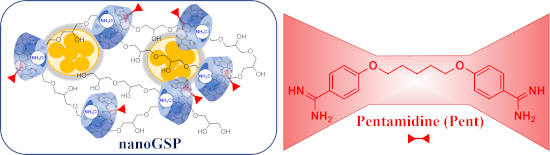
- ultrapure water. The results are reported as the mean of three separate measurements ± the standard deviation (SD). The morphological characterization was performed using a high-resolution TecnaiG2 F20 XTWIN TEM with a 200 kV accelerating voltage. NMR spectra were recorded on a Varian 500 MHz spectrometer


Near-infrared photoactive Ag-Zn-Ga-S-Se quantum dots for high-performance quantum dot-sensitized solar cells
Beilstein J. Nanotechnol. 2022, 13, 1337–1344, doi:10.3762/bjnano.13.110
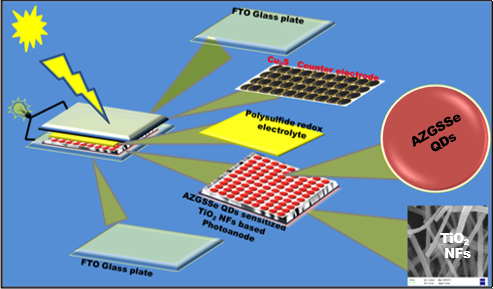
- QDSCs. Physical characterization The crystalline structure and size of the synthesized QDs were examined by X-ray diffraction (Riganku Ultima IV XRD spectrometer with nickel-filtered Cu Kα radiation with a step width of 0.02°) High-resolution transmission electron microscopy was carried out on a JEOL


Enhanced electronic transport properties of Te roll-like nanostructures
Beilstein J. Nanotechnol. 2022, 13, 1284–1291, doi:10.3762/bjnano.13.106
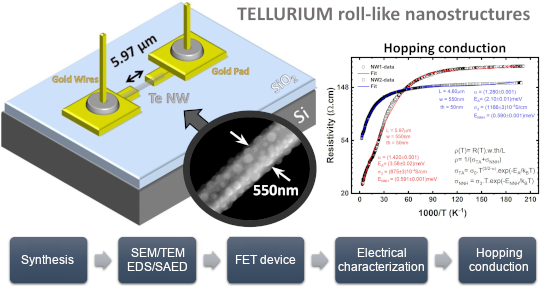
- (SEM, FEI Quanta 3D FEG) at an acceleration voltage of 15.0 kV. An EDS system attached to the SEM was employed to analyze the chemical composition. TEM, high-resolution TEM (HRTEM) images, and SAED measurements were carried out in an FEI Tecnai G2-20 S-TWIN operated at 200 kV in a bright-field (BF) TEM




Laser-processed antiadhesive bionic combs for handling nanofibers inspired by nanostructures on the legs of cribellate spiders
Beilstein J. Nanotechnol. 2022, 13, 1268–1283, doi:10.3762/bjnano.13.105
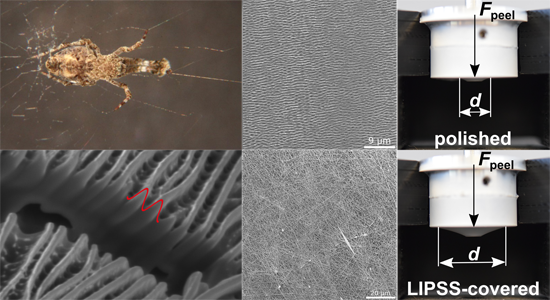
- top surface of the laser-processed Ti6Al4V sample through structural color effects, that is, optical diffraction of the ambient light at the sub-micrometric grating-like LIPSS. High-resolution optical microscopy (OM) confirmed the presence of LSFL-LIPSS with average spatial periods Λ between 700 and
- [16]). (b) Photography of the cosmopolitan feather-legged lace weaver Uloborus plumipes (body size up to 0.6 cm [17]). (c) Scanning electron micrograph of the calamistrum of Jamberoo johnnoblei (body size up to 0.8 cm [18]). (d) FIB-cut high resolution SEM image through the nanoripples on the







Studies of probe tip materials by atomic force microscopy: a review
Beilstein J. Nanotechnol. 2022, 13, 1256–1267, doi:10.3762/bjnano.13.104
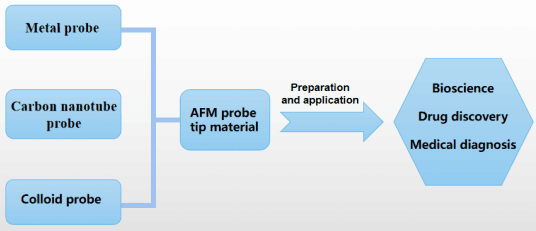
- resolution and durability or wear and tear and conductivity requirements must be considered before selecting a probe. Metal-coated probes are generally suitable for high-resolution or high conductivity test experiments. Metal nanoclusters adsorbed on two-dimensional materials grown on metal substrates are an
- have large aspect ratios and good wear resistance. They thus can better avoid artefacts and more accurately reflect the proper shape of the sample at steep locations, making them suitable for high-resolution test experiments. However, previous methods to fabricate carbon nanotube probes are complicated
- Figure 1a and Figure 1b, the F(z) curve and the high-resolution NC-AFM image were used as criteria to test the conditions of the constructed nano-tip. It can be seen from the Figure 1 that the tip remains intact, and the atomic and molar periodicity in the images is resolved with high quality. This work
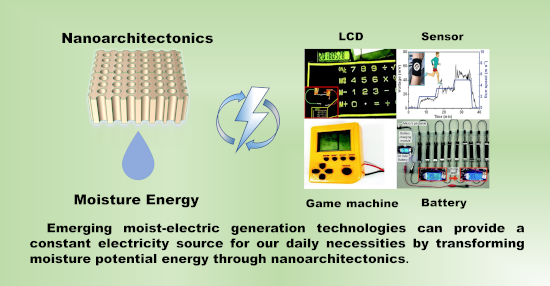
Application of nanoarchitectonics in moist-electric generation
Beilstein J. Nanotechnol. 2022, 13, 1185–1200, doi:10.3762/bjnano.13.99
- electrodes for (1) the anode and (2) the cathode. (f) Infrared spectra of g-PDA near (1) the anode and (2) the cathode. (g) High-resolution C 1s spectra of the g-PDA film for (1) the anode and (2) the cathode. Figure 8e–g were reprinted with permission from [84], Copyright 2019 American Chemical Society


Rapid fabrication of MgO@g-C3N4 heterojunctions for photocatalytic nitric oxide removal
Beilstein J. Nanotechnol. 2022, 13, 1141–1154, doi:10.3762/bjnano.13.96
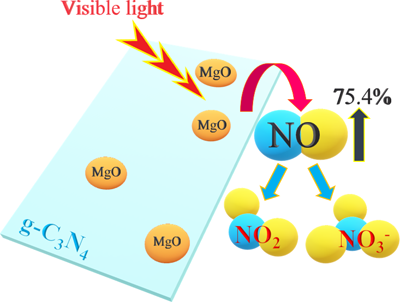
- properties of the materials. Scanning electron microscopy (SEM) and high-resolution transmission electron microscopy (HR-TEM) were used to assess the morphology of the materials. The crystal phase of the materials was determined by X-ray diffraction (XRD) with a measurement range of 10°–80°. Fourier
- -transform infrared spectroscopy (FTIR) was used to determine the chemical bond composition of the materials. Differential reflectance spectroscopy (DRS) determined the change in the bandgap of the materials. The elements of the materials were identified by high-resolution X-ray photoelectron spectroscopy





Green synthesis of zinc oxide nanoparticles toward highly efficient photocatalysis and antibacterial application
Beilstein J. Nanotechnol. 2022, 13, 1108–1119, doi:10.3762/bjnano.13.94
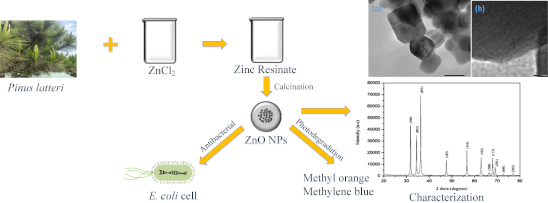
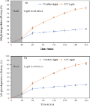
- electron microscopy, and high-resolution transmission electron microscopy. The fabricated ZnO NP samples are crystalline with a grain size of 30–100 nm. The ZnO NPs were used as catalysts for the photodegradation of methylene blue (MB) and methyl orange (MO) under visible and UV light. The results indicate
- (XRD) using a Bruker D8 advanced X-ray diffractometer equipped with Cu Kα radiation (λ = 1.5418 Å). The morphology and size of the synthesized material were determined by field emission scanning electron microscopy (FESEM) on a Hitachi S-4800 at 15 kV and high-resolution transmission electron




Recent advances in green carbon dots (2015–2022): synthesis, metal ion sensing, and biological applications
Beilstein J. Nanotechnol. 2022, 13, 1068–1107, doi:10.3762/bjnano.13.93




Spindle-like MIL101(Fe) decorated with Bi2O3 nanoparticles for enhanced degradation of chlortetracycline under visible-light irradiation
Beilstein J. Nanotechnol. 2022, 13, 1038–1050, doi:10.3762/bjnano.13.91
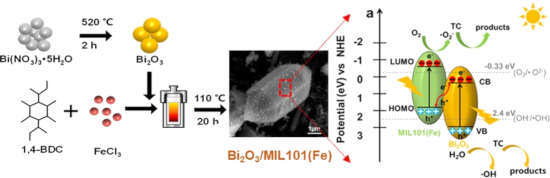
- , FEI-quanta 200, Japan Electronics, Japan), transmission electron microscopy (TEM, FEI-Tecnai F20, USA) and high-resolution transmission electron microscopy (HRTEM, JEOL 2100F, Japan). The element valence and chemical composition was investigated using X-ray photoelectron spectroscopy (XPS, Axis ultra
- BOM-20 composites. In the high-resolution spectrum of Fe 2p (Figure 4b), peaks at 725.2 and 711.4 eV are ascribed to Fe 2p1/2 and 2p3/2, respectively, implying the existence of Fe–O bonds [37]. The difference of binding energy between these two peaks is 13.9 eV, suggesting the presence of Fe3+ in BOM
- ) MIL101(Fe) and (b, c) BOM-20. (d) HRTEM image of BOM-20. (e) HAADF-STEM image of BOM-20 and the corresponding elemental maps of (f) Fe, (g) O, and (h) Bi. (a) XPS survey spectra of BOM-20 and high-resolution XPS spectra of (b) Fe 2p; (c) Bi 4f; and (d) C 1s. (a) UV–vis spectra, (b) PL spectra, (c


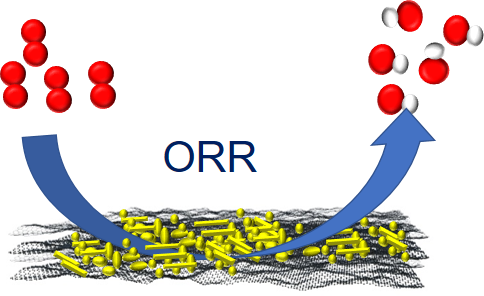
Electrocatalytic oxygen reduction activity of AgCoCu oxides on reduced graphene oxide in alkaline media
Beilstein J. Nanotechnol. 2022, 13, 1020–1029, doi:10.3762/bjnano.13.89
- high-resolution spectrum lie at 367.9 and 373.9 eV, respectively, with a splitting of 6 eV (Figure 6a), indicating the elemental oxidation state of Ag metal [28][33]. The Co 2p high-resolution spectrum has two primary peaks assigned to 2p1/2 and 2p3/2 at 797.3 and 781.3 eV, respectively, as well as two
- satellite peaks at 802.2 and 785.1 eV (Figure 6b). The peak difference between 2p1/2 and 2p3/2 and the satellite peak assignment represent the existence of cobalt atoms in Co2+ and Co3+ chemical states [34]. Likewise, the high-resolution spectrum of copper displayed Cu 2p1/2 and Cu 2p3/2 binding energies at
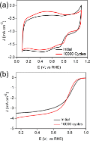
- of ACC-2. High-resolution XP spectra (a) Ag 3d, (b) Co 2p, (c) Cu 2p, and (d) O 1s of ACC-2. Stability of ACC-2. (a) CV curves and (b) LSV curves before and after 10,000 continuous cycles in O2-saturated 0.1 M KOH electrolyte. Supporting Information Supporting Information File 70: Experimental


Interaction between honeybee mandibles and propolis
Beilstein J. Nanotechnol. 2022, 13, 958–974, doi:10.3762/bjnano.13.84
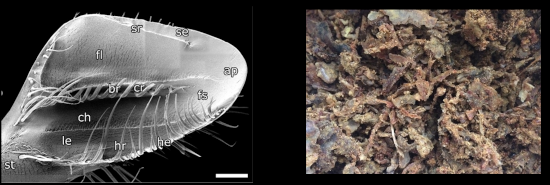
- studied using a SEM (Hitachi S-4800, Hitachi High-Technologies Corp., Tokyo, Japan) at 3 kV accelerating voltage. Images of the spoon-shaped mandible tip were taken systematically and later assembled into one high resolution image. Higher magnified pictures were taken in characteristic areas of the


Hierachical epicuticular wax coverage on leaves of Deschampsia antarctica as a possible adaptation to severe environmental conditions
Beilstein J. Nanotechnol. 2022, 13, 807–816, doi:10.3762/bjnano.13.71
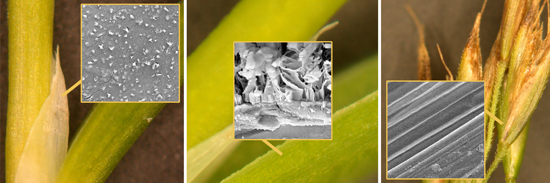
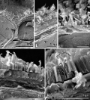
- . antarctica plant, which are usually exposed to the environment, using cryo scanning electron microscopy (cryo-SEM) allowing for a high-resolution imaging of frozen and fractured samples in native condition, that is, without treatment in strong solvents, such as ethanol or acetone, usually needed in the




Hierarchical Bi2WO6/TiO2-nanotube composites derived from natural cellulose for visible-light photocatalytic treatment of pollutants
Beilstein J. Nanotechnol. 2022, 13, 745–762, doi:10.3762/bjnano.13.66
- using a reference to the peak of the surface adventitious carbon (284.8 eV) in the high-resolution spectrum of the C 1s region. The N2 adsorption−desorption isotherms were recorded at −196 °C on a Micromeritics ASAP 2020 analyzer, while the specific surface area and pore distribution curve were
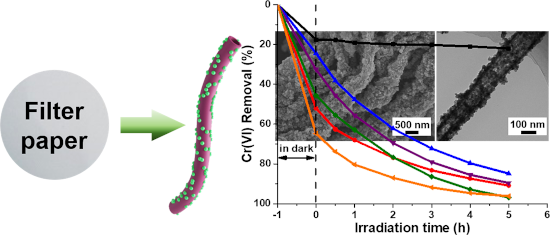
- homogeneous suspension. The suspension was then dropped onto an Al foil to be observed via field-emission scanning electron microscopy (FE-SEM), and onto a carbon-supported copper grid for examination via transmission electron microscopy (TEM) and high resolution transmission electron microscopy (HR-TEM
- , and W. The high-resolution XPS spectrum of the Bi 4f region (Figure 5a) shows two peaks at 164.1 and 158.8 eV, which are indexed to the binding energies of Bi 4f5/2 and Bi 4f7/2, respectively, proving the existence of Bi(III) in Bi2WO6 [44]. The high-resolution XPS spectrum of the W 4f region (Figure


A nonenzymatic reduced graphene oxide-based nanosensor for parathion
Beilstein J. Nanotechnol. 2022, 13, 730–744, doi:10.3762/bjnano.13.65
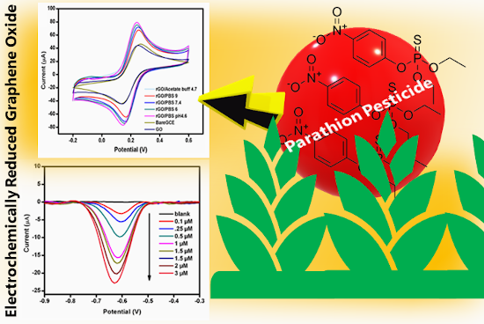
- an acceleration voltage of 15 kV. The morphological characteristics of the electrodeposited ERGO were obtained by field-emission scanning electron microscopy (FESEM, model: LEO 430i, Carl Zeiss) and high-resolution transmission electron microscopy (model: Tecnai G2 30ST, FEI) operating at 300 kV
- transparency due to the exfoliation of stacking layers of GO. This suggests an increased surface area due to delamination of graphene layers (thickness of about one to a few layers) by electrochemical reduction. The high-resolution TEM of ERGO shows a d-spacing of 0.413 nm (Figure 3E), indicating a reduced


Nanoarchitectonics of the cathode to improve the reversibility of Li–O2 batteries
Beilstein J. Nanotechnol. 2022, 13, 689–698, doi:10.3762/bjnano.13.61
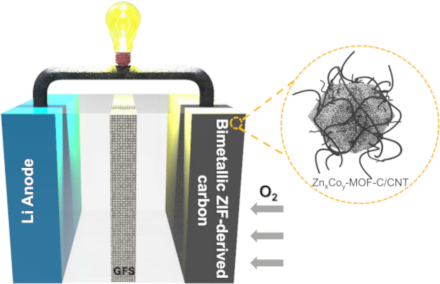
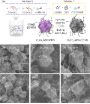
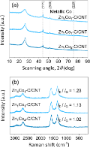
- atmosphere, the ZnxCoy–C/CNT composite was obtained and further chemically etched with 1 M of H2SO4 solution before use. Material characterization Field-emission scanning electron microscopy (JEOL, JSM-7000F) and high-resolution TEM (HRTEM, JEOL, JEM-2100F) with EDS were used to examine the morphologies and


Sodium doping in brookite TiO2 enhances its photocatalytic activity
Beilstein J. Nanotechnol. 2022, 13, 599–609, doi:10.3762/bjnano.13.52
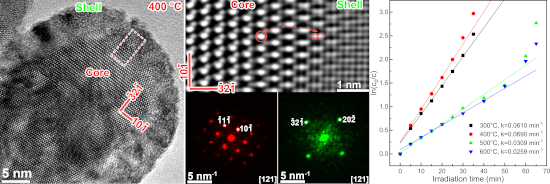
- atomic pair distribution function based on electron diffraction. High-resolution transmission electron microscopy results revealed the existence of a core–shell structure, lattice distortion, interstitial atoms, and atomic vacancies in NaxTi1−xO2, which is critical for an excellent photocatalytic
- , the Na doping in the Ti site will destroy the local atomic arrangement of the brookite phase and produce some microstructures. Figure 6a displays a typical high-resolution transmission electron microscopy (HRTEM) image of the sample calcinated at 400 °C, oriented at the [121]Brookite zone axis. The
- wafer pasted on an aluminum sample holder by a carbon conducting resin. The EDX spectra were acquired from individual morphologies or grains in the samples. Electron diffraction and high-resolution imaging experiments were carried out on a high-resolution transmission electron microscope (JEOL JEM-2100


Revealing local structural properties of an atomically thin MoSe2 surface using optical microscopy
Beilstein J. Nanotechnol. 2022, 13, 572–581, doi:10.3762/bjnano.13.49
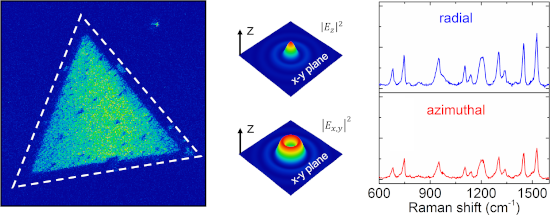
- in Figure 1b are high-resolution AFM images of CuPc/MoSe2. The upper inset exhibits a step from the SiO2/Si substrate to the border of the MoSe2 flake, and the lower inset shows a distinct transition from the border to the center of the MoSe2 flake. The MoSe2 flake is fully covered by CuPc molecule
- of 5 nm of CuPc. (a) Bright-field optical image of CuPc/MoSe2. (b) AFM topographic image of CuPc/MoSe2. The upper and lower insets show high-resolution AFM images (2 × 2 μm) scanned from the SiO2/Si substrate to the border of MoSe2 flake and from the border to the center of MoSe2 flake, respectively


Effects of substrate stiffness on the viscoelasticity and migration of prostate cancer cells examined by atomic force microscopy
Beilstein J. Nanotechnol. 2022, 13, 560–569, doi:10.3762/bjnano.13.47
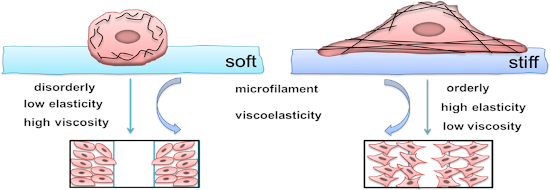
- with 2 mL of PBS. Then, the cells were observed in QI working mode with Setpoint 1 nN, Z length of 2000 nm, and pixel time of 50 ms. The topography scanning at each pixel position (128 × 128) of the selected area (50 μm × 50 μm) was done to obtain high-resolution surface topography features of cells



Detection and imaging of Hg(II) in vivo using glutathione-functionalized gold nanoparticles
Beilstein J. Nanotechnol. 2022, 13, 549–559, doi:10.3762/bjnano.13.46
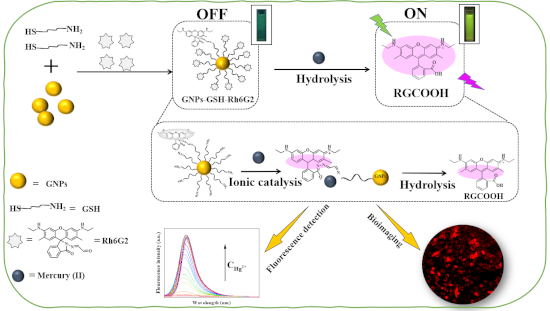
- high-resolution mass spectrometer. Synthesis of GSH-Rh6G and GNPs-GSH-Rh6G2 GNPs with a concentration of about 2.5 × 10⁻⁴ M were synthesized using a citrate reduction method [38]. 100 mL of HAuCl4 solution (0.24 mM) was boiled and stirred vigorously. To the mixture was swiftly added 3.5 mL of sodium


Zinc oxide nanostructures for fluorescence and Raman signal enhancement: a review
Beilstein J. Nanotechnol. 2022, 13, 472–490, doi:10.3762/bjnano.13.40
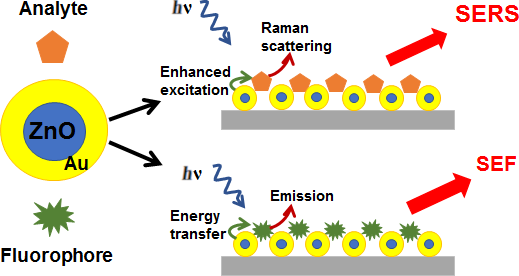




Investigation of electron-induced cross-linking of self-assembled monolayers by scanning tunneling microscopy
Beilstein J. Nanotechnol. 2022, 13, 462–471, doi:10.3762/bjnano.13.39
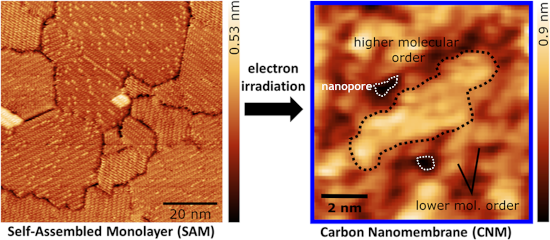
- separation [36][37][38][39][40][41][42]. The interactions between aromatic SAMs and electrons have been studied by X-ray photoelectron spectroscopy (XPS), near-edge X-ray-absorption fine-structure (NEXAFS) technique [43][44][45][46][47][48][49], infrared spectroscopy [43][50][51][52], high-resolution
- to the surface normal [65]. Figure 2b (bottom panel) shows a high-resolution image of the β-phase, which is characterized by rows of oval spots aligned at an angle of ≈60° with respect to the stripe direction. Each oval spot contains two TPT molecules. Such superstructure is caused by point-on-line
- well as gold monolayer islands. Domain boundaries are marked by black solid lines. (b) Top panel: high-resolution image of the α-phase (+0.4 V, 100 pA); bottom panel: high-resolution image of the β-phase (+0.4 V, 70 pA). (c) Low-magnification STM image (+1.0 V, 30 pA) of monolayers prepared from the


Thermal oxidation process on Si(113)-(3 × 2) investigated using high-temperature scanning tunneling microscopy
Beilstein J. Nanotechnol. 2022, 13, 172–181, doi:10.3762/bjnano.13.12
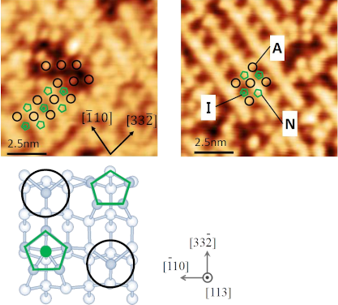
- the literature. Initial oxidation processes were identified based on high-resolution STM images. Keywords: high-index Si surface; in situ measurement; oxidation; scanning tunneling microscopy (STM); Introduction High-index silicon surfaces have drawn considerable interest for their usefulness in
- the Si 2p and O 1s core levels in detail during thermal oxidation using high-resolution X-ray photoelectron spectroscopy with synchrotron radiation [7][8][9]. Using a state-of-the-art wet oxidation procedure, we also reduced the interface trap density (Dit) at the SiO2/Si interface on the Si(113
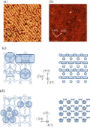
- ]. Structure model of oxidized Si(113)-(3 × 2) A high-resolution STM image obtained for the oxidation regime is shown in Figure 7a. Here, the total oxygen exposure is 30 L. We found that the oxidized parts exhibit well-resolved bright protrusions. There are three patterns with reference to the (3 × 1) lattice



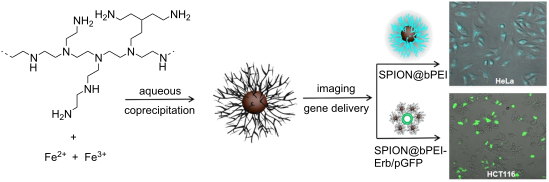
Theranostic potential of self-luminescent branched polyethyleneimine-coated superparamagnetic iron oxide nanoparticles
Beilstein J. Nanotechnol. 2022, 13, 82–95, doi:10.3762/bjnano.13.6
- capping layer from the nanocrystal and perform image processing on a squire containing two particles protruding under vacuum using a high-resolution transmission electron microscope. For this purpose, a reduced fast Fourier transform (FFT) of a region containing two SPION@bPEI crystal particles protrude