Search results
Search for "liquid" in Full Text gives 995 result(s) in Beilstein Journal of Nanotechnology. Showing first 200.
Assessing phytotoxicity and tolerance levels of ZnO nanoparticles on Raphanus sativus: implications for widespread adoptions
Beilstein J. Nanotechnol. 2024, 15, 115–125, doi:10.3762/bjnano.15.11
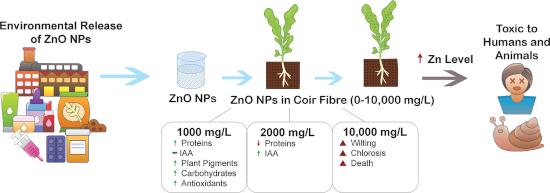
- microvoids in the liquid. This exerted a shear force on NP agglomerates, effectively overcoming the van der Waals force that holds them together [56]. The effect of ZnO NPs on soluble protein and IAA contents Plants grown in coir medium treated with 10,000 mg/L did not survive. Therefore, protein and IAA
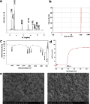


Development and characterization of potential larvicidal nanoemulsions against Aedes aegypti
Beilstein J. Nanotechnol. 2024, 15, 104–114, doi:10.3762/bjnano.15.10
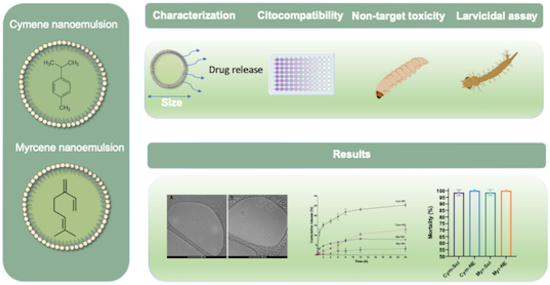
- . The samples were diluted (1:1000 v/v) in ultrapure water. The NEs were injected into the sample chamber with sterile syringes until the liquid extended to the tip of the injector. The measurements were performed in triplicate at room temperature (25 °C) and the data were represented as mean ± standard
- the release of cymene and myrcene from the nanoemulsions was performed at specific time intervals: 30 min and 1, 2, 4, 6, 8, 12, and 24 h. Each measurement was repeated six times to ensure reliability. The released compounds were quantified by high-performance liquid chromatography, following a


Nanotechnological approaches in the treatment of schistosomiasis: an overview
Beilstein J. Nanotechnol. 2024, 15, 13–25, doi:10.3762/bjnano.15.2
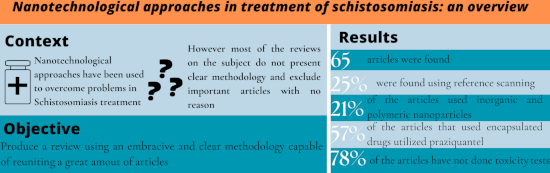
- is just one formulation of PZQ developed for pediatric use which is commercially available: Epiquantel (40 mg/kg), a liquid formulation produced by Eipico, an Egyptian pharmacy industry. However, this medicine is not distributed by WHO and, thus, few works tried to use nanotechnology to change the


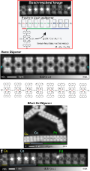
unDrift: A versatile software for fast offline SPM image drift correction
Beilstein J. Nanotechnol. 2023, 14, 1225–1237, doi:10.3762/bjnano.14.101
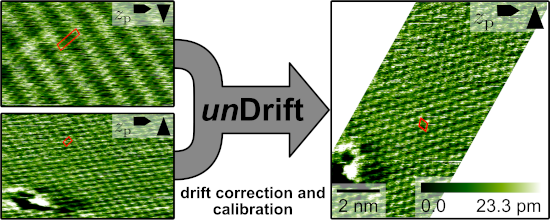
- effective way to reduce thermal drift to a minimum is to carry out SPM experiments under cryogenic conditions close to the temperature of liquid helium. The cryogenic temperature, however, also drastically reduces the rates of thermal processes such as on-surface reactions, diffusion, or desorption [25
- ]. Hence, many processes relevant at room temperature or elevated temperatures are impossible to study in a cryogenic environment. The same applies to SPM studies at the solid–liquid interface. For these measurements, the effect of thermal drift needs to be compensated. A variety of different strategies
- of the experiment, the drift is caused by equilibration processes between sample surface, liquid, and AFM instrument, so the absolute drift velocity is high and has a stable direction. Then, with increasing measurement time, the system gets closer to equilibrium, which causes the drift velocity to


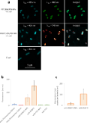
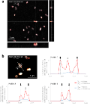
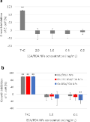
Fluorescent bioinspired albumin/polydopamine nanoparticles and their interactions with Escherichia coli cells
Beilstein J. Nanotechnol. 2023, 14, 1208–1224, doi:10.3762/bjnano.14.100
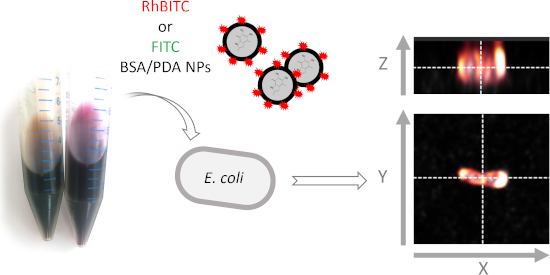
- agar plate into fresh liquid LB (for E. coli) or MH (for S. aureus) and incubated at 37 °C overnight. The bacterial suspension was then diluted with fresh LB (for E. coli) or MH (for S. aureus) to 6 × 10⁶ CFU/mL. Lyophilized foam of BSA/PDA NPs with a BSA/DA ratio of 10 was diluted with 9 mg/mL NaCl
- Standard and high-resolution fluorescence confocal laser scanning microscopy (CLSM) were used to determine the localization of the fluorescent BSA/PDA NPs with a BSA/DA ratio of 10 in bacterial cells. One colony of E. coli was transferred from the agar plate into fresh liquid LB and incubated at 37 °C
- ) were thus estimated to be 164 and 373 µM for FITC and RhBITC, respectively. The suspensions were all incubated at 37 °C for 24 h. Then, they were diluted in fresh liquid LB to reach a transmittance of 0.5 at 600 nm for suspensions without NPs, or a transmittance of 0.5 increased by the transmittance of



Density functional theory study of Au-fcc/Ge and Au-hcp/Ge interfaces
Beilstein J. Nanotechnol. 2023, 14, 1093–1105, doi:10.3762/bjnano.14.90
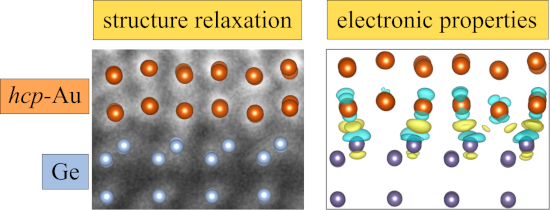
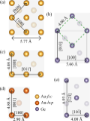
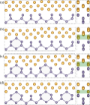
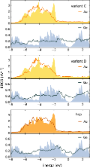
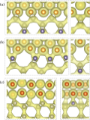
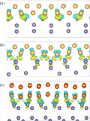
- , stable hcp nanoislands were obtained under controlled annealing conditions on the germanium substrate [23]. After initial crystallization of the fcc gold phase, the hcp phase grows from the eutectic Au/Ge liquid. The atomically resolved STEM-HAADF measurements as well as electron backscatter diffraction





Dual-heterodyne Kelvin probe force microscopy
Beilstein J. Nanotechnol. 2023, 14, 1068–1084, doi:10.3762/bjnano.14.88
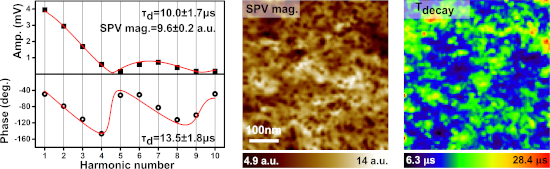
- applications of KPFM are extremely broad. It is now used by physicists, chemists, and biologists to characterize the nanoscale electronic/electrostatic properties of an ever-expanding range of materials, interfaces, and devices, in ambient conditions, under ultrahigh vacuum, or at the liquid–substrate




Experimental investigation of usage of POE lubricants with Al2O3, graphene or CNT nanoparticles in a refrigeration compressor
Beilstein J. Nanotechnol. 2023, 14, 1041–1058, doi:10.3762/bjnano.14.86
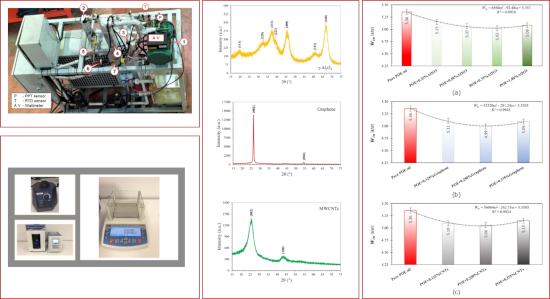
- interface between particles and the liquid in a solid–liquid suspension, enhancing the interfacial area can result in more effective thermal transport properties. Smaller particle sizes result in higher surface-to-volume ratios, consequently raising the thermal conductivity of the liquid. This is attributed





Nanoarchitectonics of photothermal materials to enhance the sensitivity of lateral flow assays
Beilstein J. Nanotechnol. 2023, 14, 988–1003, doi:10.3762/bjnano.14.82
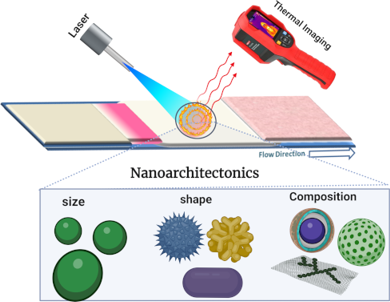
- . Thus, the test results from LFAs are not comparable with standard centralized laboratory techniques such as enzyme-linked immunosorbent assay, real-time polymerase chain reaction, and high-pressure liquid chromatography, which have a detection limit from nanomolar to attomolar concentrations, whereas


Low temperature atomic layer deposition of cobalt using dicobalt hexacarbonyl-1-heptyne as precursor
Beilstein J. Nanotechnol. 2023, 14, 951–963, doi:10.3762/bjnano.14.78
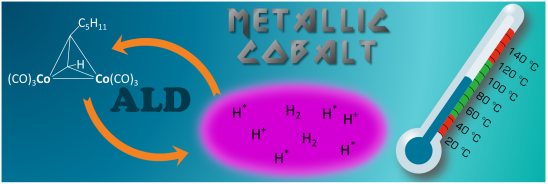
- precursor structure is shown in Figure 2. This precursor was selected because of the following considerations: Georgi et al. provided a set of nine similar complexes with different alkynes and reported their film compositions after CVD experiments. We selected a liquid precursor without Si contaminations


Two-dimensional molecular networks at the solid/liquid interface and the role of alkyl chains in their building blocks
Beilstein J. Nanotechnol. 2023, 14, 872–892, doi:10.3762/bjnano.14.72
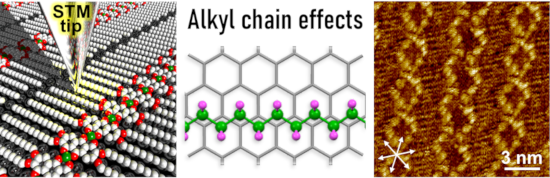
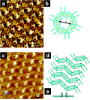
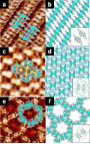
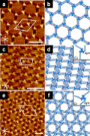
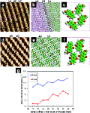
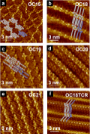
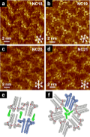
- this review, we focus on the role of alkyl chains in the formation of ordered 2D assemblies at the solid/liquid interface. The alkyl chain effects on the 2D assemblies are introduced together with examples documented in the past decades. Keywords: alkyl chains; scanning tunneling microscopy; self
- -assembly; solid/liquid interface; two-dimensional networks; Introduction The fabrication of ordered nanostructures using the concept of nanoarchitectonics [1][2][3][4] for various applications such as nanomachines, nanoelectronics, catalysis, and nanopatterning remains challenging [5][6][7]. Design and
- flat conducting substrates, such as metal surfaces and highly oriented pyrolytic graphite (HOPG), under ultrahigh vacuum (UHV) conditions, at solid/air or solid/liquid interfaces [23][24][25][26][27][28]. Although UHV-STM offers high-resolution imaging, it requires large, complex, and expensive









Industrial perspectives for personalized microneedles
Beilstein J. Nanotechnol. 2023, 14, 857–864, doi:10.3762/bjnano.14.70
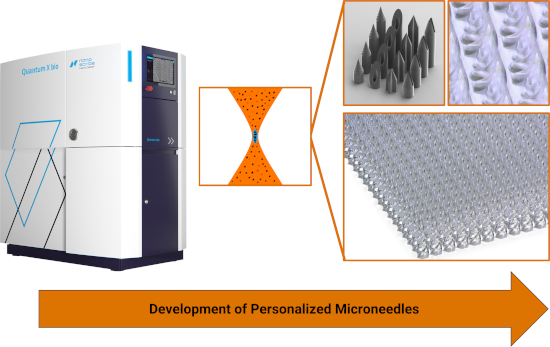
- realize greater efficacy while also maintaining scalability. For example, snake fangs are hollow and asymmetrically grooved teeth optimized to deliver liquid venom. Researchers can use the bio-inspired hollow design to transdermally deliver drugs that must remain in liquid form during administration [39


Nanostructured lipid carriers containing benznidazole: physicochemical, biopharmaceutical and cellular in vitro studies
Beilstein J. Nanotechnol. 2023, 14, 804–818, doi:10.3762/bjnano.14.66
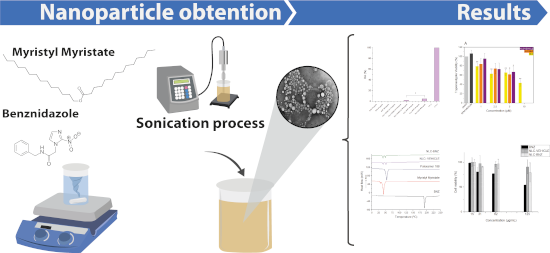
- delivering active principles [19]. SLNs comprise a lipid core, solid at 25 °C, stabilized by steric effects with a surfactant. The addition of small amounts of a liquid lipid at 25 °C leads to the improvement of SLNs in terms of sustained drug release and encapsulation efficiency (EE%), enabling the
- was estimated by performing a high-performance liquid chromatography (HPLC) analysis of the filtrate. Considering the initial amount of BNZ added to the formulation, the EE% was calculated as follows: where M0 is the initial amount of BNZ added to the formulation, Cfree is the drug concentration of
- were captured using a Jeol-1200 EX II-TEM microscope (Jeol, MA, USA). A drop (10 µL) of the nanoparticle dispersion previously diluted (1:10) with ultrapure water was spread onto a collodion-coated Cu grid (400 mesh). Excess liquid was drained with filter paper. A drop of phosphotungstic acid was added


Silver-based SERS substrates fabricated using a 3D printed microfluidic device
Beilstein J. Nanotechnol. 2023, 14, 793–803, doi:10.3762/bjnano.14.65
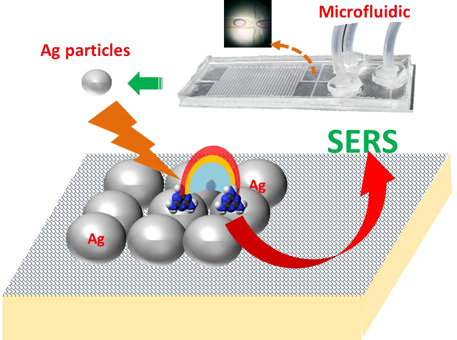
- assembled into a monolayer on a liquid/air interface and deposited onto a porous silicon array prepared through a metal-assisted chemical etching approach. By using the developed microfluidic device, enhancement factors of the Raman signal for rhodamine B (at 10−9 M) and melamine (at 10−7 M) of 8.59 × 10⁶
- [30]; also, it does not require a clean room. The stereolithography (SLA) technique is an additive manufacturing technique in which a photopolymer resin is cured and converted from a liquid to a solid by an ultraviolet laser. The resolution of SLA printers is determined by the radial beam scattering
- transform a liquid resin into a solid plastic. When exposed to laser radiation with an appropriate wavelength, the short molecular chains in photocurable resins polymerize to form rigid or flexible solid geometries. As the printing limit of the 3D line dimension suggested by the Formlabs 3 printer



Control of morphology and crystallinity of CNTs in flame synthesis with one-dimensional reaction zone
Beilstein J. Nanotechnol. 2023, 14, 741–750, doi:10.3762/bjnano.14.61
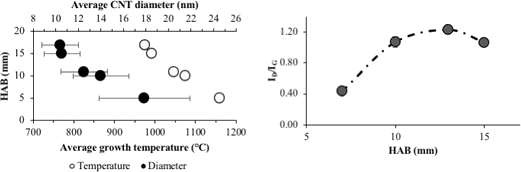
- widely accepted vapor–liquid–solid mechanism, the growth of CNTs occurs in three steps, namely, melting of nickel particles, adsorption of carbon atoms onto the surface of the metallic nickel, and finally, diffusion and deposition of the precipitated carbon, which forms tubular materials by curling of


Humidity-dependent electrical performance of CuO nanowire networks studied by electrochemical impedance spectroscopy
Beilstein J. Nanotechnol. 2023, 14, 683–691, doi:10.3762/bjnano.14.54
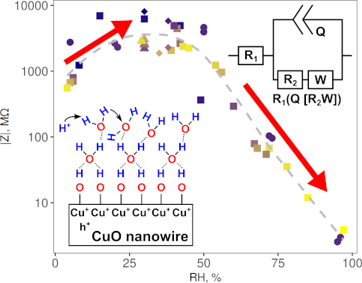
- interconnects (Figure 3e) and condensation of liquid water in pores. The correlation of the equivalent circuit elements with RH can be analyzed to assess their suitability for potential application as sensor units. For example, R2 shows a more pronounced decrease with the increase of RH above 50% than R1


Metal-organic framework-based nanomaterials as opto-electrochemical sensors for the detection of antibiotics and hormones: A review
Beilstein J. Nanotechnol. 2023, 14, 631–673, doi:10.3762/bjnano.14.52
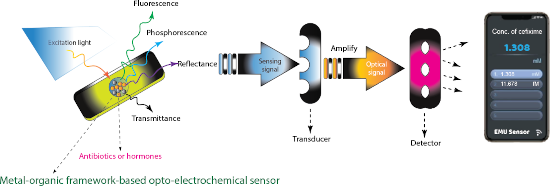
- , multistep separation procedure. A fluorescence polarisation immunoassay, which does not require a separation step, is one development that has been made to get around this restriction [22]. Furthermore, chromatographic techniques such as thin-layer chromatography (TLC), liquid chromatography-coupled mass
- spectrometry (LC–MS), high-performance liquid chromatography (HPLC), and gas chromatography coupled with mass spectrometry (GC–MS) have demonstrated greater selectivity and lower variability when compared to immunoassays for the measurement of antibiotics and steroid hormones in various complex samples [22][23


Titania nanoparticles for photocatalytic degradation of ethanol under simulated solar light
Beilstein J. Nanotechnol. 2023, 14, 616–630, doi:10.3762/bjnano.14.51
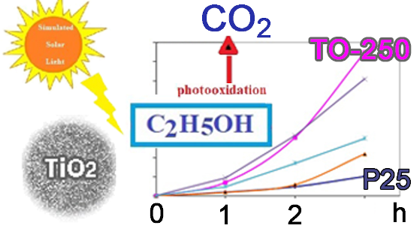
- many studies carried out in gas and liquid phases concerning the photodegradation of ethanol through TiO2-based materials, targeting both hydrogen production [25][26] and the photocatalytic oxidation of ethanol to CO2 [27][28]. Hydrogen production and depollution via ethanol photodegradation are of
- ) that yield the highest photocatalytic decomposition of ethanol as harmful compound in gaseous or liquid media, that is air and wastewater. Results and Discussion Powder characterization The main chemical reaction of the TiCl4 precursor in laser pyrolysis in the presence of synthetic air can be
- injected through the central nozzle. The reactive flow was a mixture of synthetic air (Siad 99.99% purity) as oxidizer, C2H4 (Siad 99.5% purity) as sensitizer, and TiCl4 vapor (Aldrich 98% purity) as Ti precursor. Synthetic air was used as carrier of gaseous TiCl4 from a liquid reservoir (via a bubbler




Suspension feeding in Copepoda (Crustacea) – a numerical model of setae acting in concert
Beilstein J. Nanotechnol. 2023, 14, 603–615, doi:10.3762/bjnano.14.50
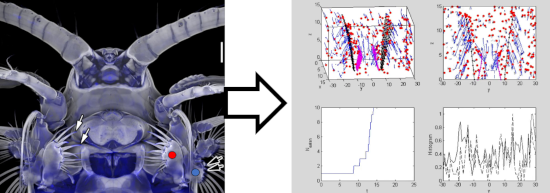
- liquid by a “mutual friction” between the particles and setae, which aims to reduce the difference between the particle and setae velocity at relatively short distances according to simple factors in the dynamic equations of motion. The particles move in an “empty space”, but interact with the flows
- caused by the eternal flux and the motion of the setae via an “imaginary liquid”, which influences their motion. Initially, the particles were placed randomly in a box [0,Lx; −Ly,Ly; 0,Lz] and their velocity was equal to the velocity of external “water flow”, vext. The x component of the external
- practically independently of one another. Thus, particles do not interact directly with each other in our model. However, each particle interacts with the setae via the liquid. Due to strong damping, each particle tends to equilibrate its speed with the local velocity of the liquid. This velocity, in turn, is


Transferability of interatomic potentials for silicene
Beilstein J. Nanotechnol. 2023, 14, 574–585, doi:10.3762/bjnano.14.48
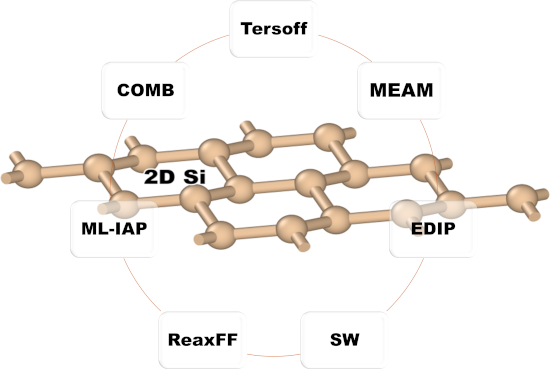
- embedded-atom method (MEAM) potential for Si fitted to silicon interstitials SW1985 [38]: the Stillinger–Weber (SW) potential fitted to solid and liquid forms of Si SW2014 [39]: the Stillinger–Weber (SW) potential fitted to phonon dispersion curves of a single-layer Si sheet EDIP [40]: the environment
- the SO(3) smooth power spectrum potential (SO(3)) fitted to the ground-state of the crystalline silicon structure, strained structures, slabs, vacancy, and liquid configurations from DFT simulations ACE [45]: the machine-learning-based (ML-IAP) variant of the atomic cluster expansion potential (ACE
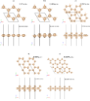
![[Graphic 3]](/bjnano/content/inline/2190-4286-14-48-i7.svg?max-width=637&scale=1.18182)

Carbon nanotube-cellulose ink for rapid solvent identification
Beilstein J. Nanotechnol. 2023, 14, 535–543, doi:10.3762/bjnano.14.44
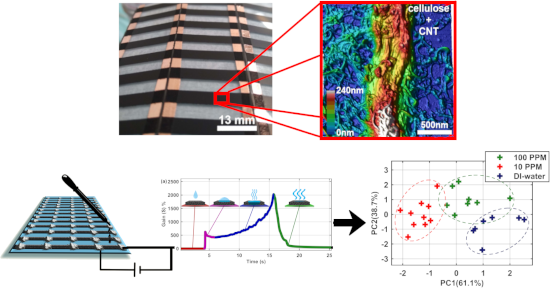
- Federal do ABC, Santo André - CEP 09210-580, Brazil 10.3762/bjnano.14.44 Abstract In this work, a conductive ink based on microfibrillated cellulose (MFC) and multiwalled carbon nanotubes (MWCNTs) was used to produce transducers for rapid liquid identification. The transducers are simple resistive
- devices that can be easily fabricated by scalable printing techniques. We monitored the electrical response due to the interaction between a given liquid with the carbon nanotube–cellulose film over time. Using principal component analysis of the electrical response, we were able to extract robust data to
- differentiate between the liquids. We show that the proposed liquid sensor can classify different liquids, including organic solvents (acetone, chloroform, and different alcohols) and is also able to differentiate low concentrations of glycerin in water (10–100 ppm). We have also investigated the influence of


Nanoarchitectonics to entrap living cells in silica-based systems: encapsulations with yolk–shell and sepiolite nanomaterials
Beilstein J. Nanotechnol. 2023, 14, 522–534, doi:10.3762/bjnano.14.43
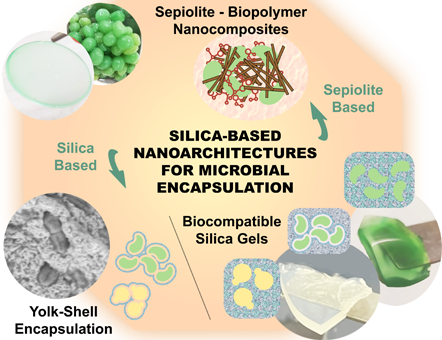
- precursor could be cast and gelled as thin films or hollow tubular monoliths with thin walls, improving the interaction between the encapsulated cells and a liquid medium in which the material could be placed. In addition to the optimisation of the sol–gel synthesis, the conditions for yolk–shell
- each cell displays a similar size and morphology to cells grown in liquid culture. However, some cyanobacterial cells present a slightly reduced size and a more spherical morphology when compared to their common rod-shaped appearance. Although this change in morphology is correlated with stress
- considerable resemblance to the distribution that is found in a liquid culture. This herd-like arrangement could be beneficial, since the cells are organized in a fashion that resembles their normal growth conditions, facilitating their survival and metabolism maintenance. In contrast to the FE-SEM
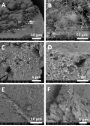


On the use of Raman spectroscopy to characterize mass-produced graphene nanoplatelets
Beilstein J. Nanotechnol. 2023, 14, 509–521, doi:10.3762/bjnano.14.42
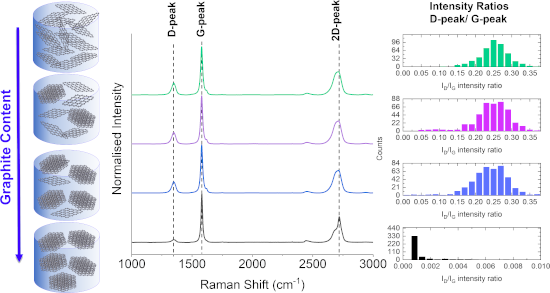
- individual spectra, the limits of the published metrics can be tested, and recommendations can be made for improved Raman analysis approaches. Methods Rather than using commercial GNP products, we produced a dispersion by sonication-assisted liquid-phase exfoliation, using graphite (Sigma-Aldrich, UK


Specific absorption rate of randomly oriented magnetic nanoparticles in a static magnetic field
Beilstein J. Nanotechnol. 2023, 14, 485–493, doi:10.3762/bjnano.14.39
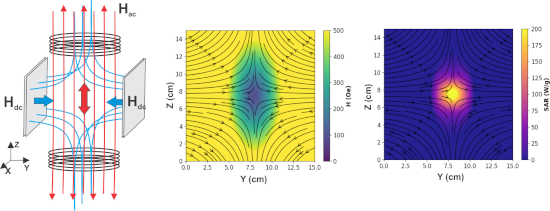
- magnetic nanoparticles in a liquid, an increase of the dc magnetic field leads to a decrease in the area of the hysteresis loop for both parallel and perpendicular configurations of external magnetic fields. Analytical and numerical calculations of the dynamics of the nanoparticle magnetization in an ac
- magnetic field in the presence of a dc field were carried out in [15][16][17][18][19][20][21]. In particular, the behavior of assemblies of nanoparticles distributed in a viscous liquid was considered in [18][19][20][21]. However, nanoparticles in a liquid show a more complex behavior because of the


Molecular nanoarchitectonics: unification of nanotechnology and molecular/materials science
Beilstein J. Nanotechnol. 2023, 14, 434–453, doi:10.3762/bjnano.14.35
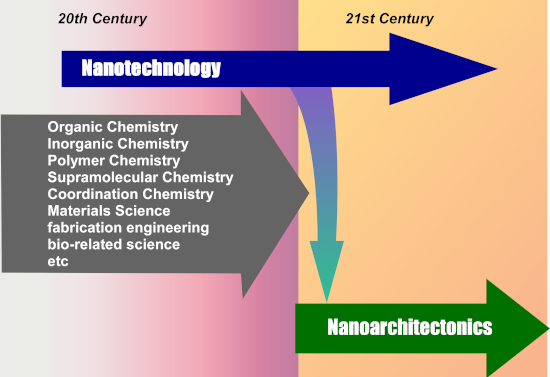
- expression through nanoarchitectonics. Shi and co-workers created nanoparticle surfactants at liquid–liquid interfaces by exploiting the interaction between nanoparticles and polymer ligands [101]. They showed that a size-dependent aggregation of nanoparticle surfactants can be generated at the interface