


Search results
Search for "proteins" in Full Text gives 429 result(s) in Beilstein Journal of Nanotechnology. Showing first 200.
Design and selection of peptides to block the SARS-CoV-2 receptor binding domain by molecular docking
Beilstein J. Nanotechnol. 2022, 13, 699–711, doi:10.3762/bjnano.13.62
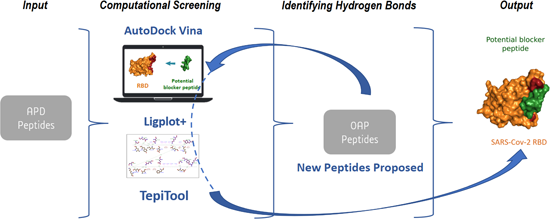
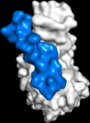
- variants of SARS-CoV-2. This research work will be focused on the molecular docking of peptides by molecular dynamics, in addition to an analysis of the possible interaction of these peptides with physiological proteins. This methodology could be extended to design peptides that are active against other
- histocompatibility complex (MHC). This is crucial to reduce any acute immunological responses [12][13]. Several suitable peptide candidates could be found to block the SARS-CoV-2 RBD. Natural antiviral and antimicrobial peptides and chimeric peptides with the capability to bind and neutralize viral proteins can be
- [12]. Specifically, during a viral infection, viral antigens are presented by MHC I to be recognized by T cells, which, in turn, promote cytosine release and the cytotoxic activity of CD8+ T cells [12][52][53]. Due to the efficiency of this system, many biological therapeutics (proteins, peptides



Antibacterial activity of a berberine nanoformulation
Beilstein J. Nanotechnol. 2022, 13, 641–652, doi:10.3762/bjnano.13.56
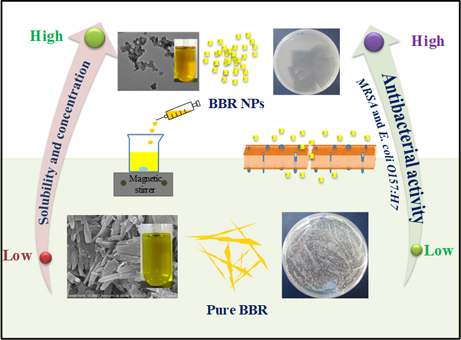
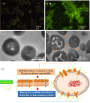
- bacterial cell membrane and inhibiting the synthesis of proteins and DNA [15]. Chu et al. [16] reported that BBR showed no antibacterial activity against methicillin-resistant Staphylococcus aureus (MRSA) in the range of concentrations from 1 to 64 µg/mL. However, inhibition of MRSA biofilm formation was



Stimuli-responsive polypeptide nanogels for trypsin inhibition
Beilstein J. Nanotechnol. 2022, 13, 538–548, doi:10.3762/bjnano.13.45
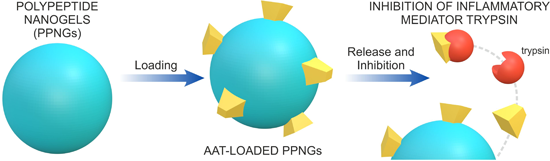
- purposes or antinutritional properties [7][8]. Different types of small proteins or polypeptides represent a class of bioactive compounds identified as serine protease inhibitors. Aprotinin, a Kunitz-type serine protease inhibitor, is well known for its inhibitory activity regarding trypsin [9]. Other
- , soft hydrogel nanoparticles, have been proven efficient carriers of proteins or peptides preserving the biological activity of their payload [12][13][14]. For instance, Ozawa et al. introduced a nanogel from highly branched cyclic dextrin derivatives that trapped fluorescein isothiocyanate-labeled
- insulin, which was continuously released over 12 h [15]. Hirakura et al. fabricated a cholesteryl group-bearing pullulan nanogel serving as a reservoir of three different proteins, glucagon-like peptide 1, insulin, and erythropoietin incorporated in hyaluronan hydrogel [16]. Morimoto et al. prepared an


Design and characterization of polymeric microneedles containing extracts of Brazilian green propolis
Beilstein J. Nanotechnol. 2022, 13, 503–516, doi:10.3762/bjnano.13.42
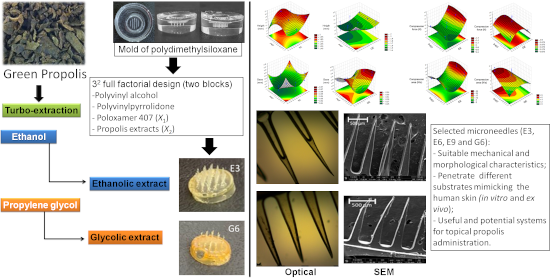
- of large molecules, nanoparticles, and proteins through the skin [39][40]. Considering the height, the MNs containing EE and P407 exhibited a significant positive interference (p > 0.05) (Supporting Information File 1, Table S2 and Figure S5), being greater for the amount of extract, which


Zinc oxide nanostructures for fluorescence and Raman signal enhancement: a review
Beilstein J. Nanotechnol. 2022, 13, 472–490, doi:10.3762/bjnano.13.40
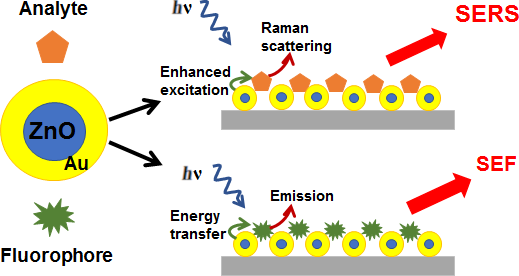
- were successfully used for the detection of relevant biological and biomedical proteins, such as bovine serum albumin and streptavidin, as well as to study the protein–protein interactions by enhanced fluorescence detection [117]. The ZnO nanoplatforms showed several key advantages, such as enhanced




Micro- and nanotechnology in biomedical engineering for cartilage tissue regeneration in osteoarthritis
Beilstein J. Nanotechnol. 2022, 13, 363–389, doi:10.3762/bjnano.13.31
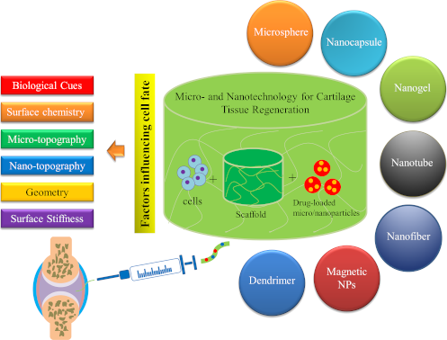
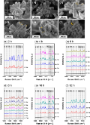
- candidates for biomedical applications (Table 1). Collagen fibril and fibrous proteins are naturally occurring nanofibers whose fiber diameters range between 50 and 150 nm, depending on tissue type and function. Various techniques to fabricate nanofibers include 3D printing, molecular self-assembly
- cultures, and nanocomposite scaffolds showed no detrimental effects on the chondrocyte viability and promoted the expression of articular cartilage-specific ECM proteins [125]. In addition, functionalized SWCNTs improved the biomechanical properties of cell-laden nanocomposite structures compared with the
- . Cell culture in 3D matrices, unlike 2D cultures, provides the opportunity to include and recruit the necessary bioactive molecules for proper cell function [177]. In addition to biopolymers, which provide structural integrity and stability, ECM consists of protein motifs and full-length proteins


Alcohol-perturbed self-assembly of the tobacco mosaic virus coat protein
Beilstein J. Nanotechnol. 2022, 13, 355–362, doi:10.3762/bjnano.13.30
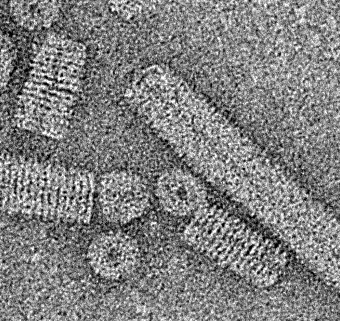
- ; Introduction Bottom-up fabrication of nanomaterials with precise control over the spatial arrangement of components is of great interest in nanotechnology [1][2]. A promising approach to this issue is the use of templates based on self-assembling biological materials, such as nucleic acids and proteins [3][4
- proteins for VLPs can be obtained through heterologous expression [11][12]. However, working with infectious virus particles poses serious health and environmental safety risks and may require costly containment measures, depending on the virus of interest [13][14]. With this in mind, it may be preferrable
- to work with virus-like particles composed of the viral capsid proteins without the viral genome. One of the most extensively studied viral templates is the tobacco mosaic virus [15]. The native virus forms helical rod-shaped particles composed of ca. 2130 copies of the coat protein. The particles


Coordination-assembled myricetin nanoarchitectonics for sustainably scavenging free radicals
Beilstein J. Nanotechnol. 2022, 13, 284–291, doi:10.3762/bjnano.13.23
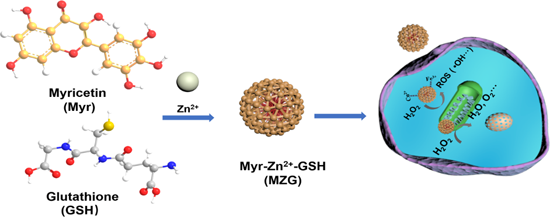
- between antioxidative and oxidative systems, leads to permanent and irreversible damage of cellular components, such as proteins, lipids, and nucleic acids [1]. Furthermore, oxidative stress leads to diseases including Alzheimer’s disease [2], cardiac disease [3], atherosclerosis [4], kidney disease [5


Systematic studies into uniform synthetic protein nanoparticles
Beilstein J. Nanotechnol. 2022, 13, 274–283, doi:10.3762/bjnano.13.22
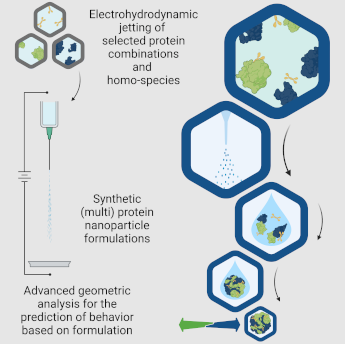
- this knowledge gap by evaluating formulation trends in SPNPs prepared by EHD jetting based on a series of carrier proteins and protein blends (hemoglobin, transferrin, mucin, or insulin). In general, blended SPNPs presented uniform populations with minimum diameters between 43 and 65 nm. Size
- SPNPs made from blended proteins can serve as a promising drug delivery carrier owing to the ease of production, the composition versatility, and the control over their size, shape and dispersity. Keywords: nanogels; nanomedicine; particle characterization; protein-based biomaterials; Introduction As
- ]. Nanoparticles made of proteins [6] hold significant promise in this respect and different methods have been adopted to fabricate protein-based nanoparticles including nab technology [1], desolvation methods [2], and self-assembly [3]. The protein human albumin is a natural carrier of endogenous hydrophobic


Photothermal ablation of murine melanomas by Fe3O4 nanoparticle clusters
Beilstein J. Nanotechnol. 2022, 13, 255–264, doi:10.3762/bjnano.13.20
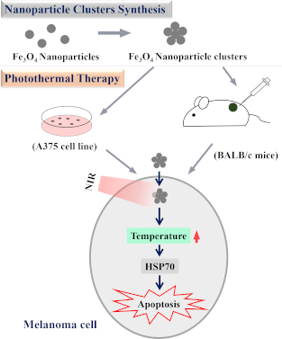
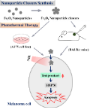
- proteins were resolved by SDS-PAGE, transferred to nitrocellulose membranes and blocked with 5% non-fat milk for 1 h at room temperature. After overnight incubation with anti-HSP70 primary antibody (Cell Signaling Technologies, #4872) or anti-ACTB (Cell Signaling Technologies, #4970) at 4 °C, membranes


Engineered titania nanomaterials in advanced clinical applications
Beilstein J. Nanotechnol. 2022, 13, 201–218, doi:10.3762/bjnano.13.15
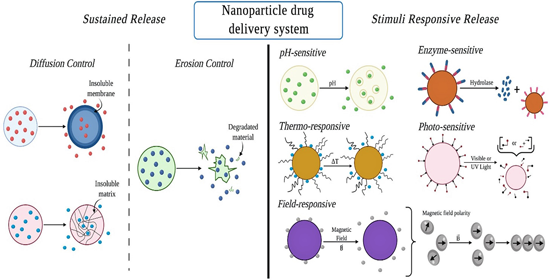
- proteins. The entry of TiO2 nps inside the human body could be through inhalation, ingestion of food, skin lesions, and injections [30][31]. The circulatory system then distributes them to different parts of the body. Kreyling et al. studied the biokinetics and clearance of 48V-radiolabeled, pure TiO2
- excretion [33]. When a TiO2 nanomaterial circulates through the body, certain biomolecules (such as proteins, phospholipids, or DNA contained in biological fluids or present in living cells) get adsorbed onto the surface of it very quickly, which is termed as “protein corona (PC)” formation. This protein
- corona alters the surface properties and transforms the physical, chemical, and biological characteristics of the nanomaterial. The types and amounts of adsorbed proteins are influenced by certain physiochemical qualities of the nanomaterial, such as the size, shape, charge as well as topography


A comprehensive review on electrospun nanohybrid membranes for wastewater treatment
Beilstein J. Nanotechnol. 2022, 13, 137–159, doi:10.3762/bjnano.13.10
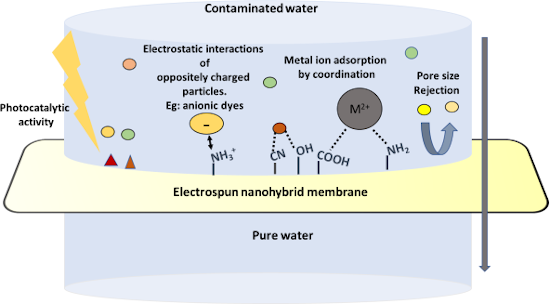
- and require a pressure typically below 1 bar. Particles with dimensions greater than 0.1 μm will be rejected while smaller particles are allowed to permeate through the membrane. MF filters have the potential to filter out suspended particles, major pathogens, large bacteria, proteins, and yeast cells




Bacterial safety study of the production process of hemoglobin-based oxygen carriers
Beilstein J. Nanotechnol. 2022, 13, 114–126, doi:10.3762/bjnano.13.8
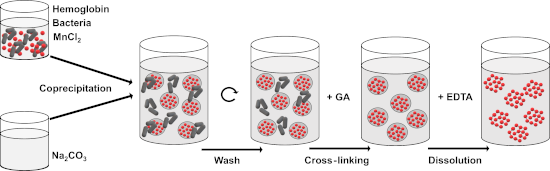
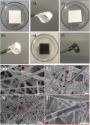
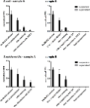
- -positive bacteria was investigated in preliminary experiments. Glutaraldehyde is used in the HbMP manufacturing process to cross-link proteins. EDTA is used to dissolve the carbonate template. In order to check whether glutaraldehyde and EDTA have an influence on the bacterial safety of HbMP, growth tests
- . It is mainly applied to disinfect surfaces or medical instruments [41][42][43]. Glutaraldehyde is applied in the manufacturing process of HbMP to cross-link hemoglobin molecules. This cross-linking is also the main reason for the biocidal effect. Glutaraldehyde strongly reacts with proteins and can
- inhibit DNA synthesis in bacteria, and similar effects are also seen on RNA and protein syntheses [44][45]. In addition, glutaraldehyde particularly acts on the outer layers of E. coli and cross-links lipoproteins and proteins there as well. This fixation of bacteria prevents the bacterial cells from


Theranostic potential of self-luminescent branched polyethyleneimine-coated superparamagnetic iron oxide nanoparticles
Beilstein J. Nanotechnol. 2022, 13, 82–95, doi:10.3762/bjnano.13.6
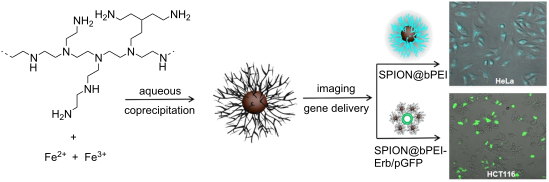
- sodium; superparamagnetic iron oxide nanoparticles; Introduction Luminescent materials are of great interest in biotechnology and medicine since they can be utilized in sensors, labelling, and imaging [1][2][3][4][5]. Luminescent proteins, luminescent synthetic polymers, and quantum dots are the most
- cytochrome c [57]. Covalent binding of Erb to the surface of SPION@bPEI may somehow switch off the intrinsic cytotoxicity by hindering the primary amine interaction with box proteins. These can be some of the possible reasons for cytotoxicity reduction of SPION@bPEI after surface modification with Erb. To




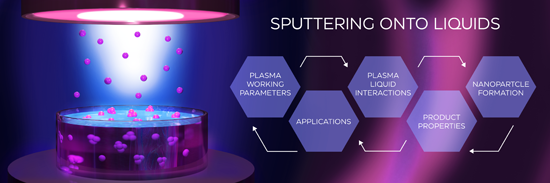
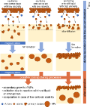
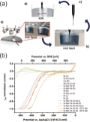
Sputtering onto liquids: a critical review
Beilstein J. Nanotechnol. 2022, 13, 10–53, doi:10.3762/bjnano.13.2






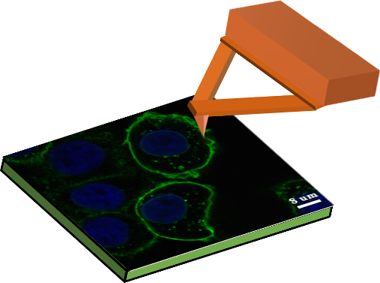
Alteration of nanomechanical properties of pancreatic cancer cells through anticancer drug treatment revealed by atomic force microscopy
Beilstein J. Nanotechnol. 2021, 12, 1372–1379, doi:10.3762/bjnano.12.101
- possibility for the early diagnosis of cancer [7]. In recent decades, anticancer drugs have been developed in great number, enabling the control and treatment of many cancers to improve life quality and life span of people. Many approved anticancer drugs have significant effects on cell membrane proteins and
- ultrastructure of living cells [15][16], cell membranes, membrane proteins [17][18] and DNA [19], and through recording single molecular force spectra [20][21]. However, the morphology and the nanoscale mechanical properties of malignant pancreatic cancer cells (PCCs) under anticancer drug treatment have not
- caused by the more complex distribution of biomolecules, such as proteins and sugars, existing on the normal cell membrane surface than that on the cancer cell surface [28][29][30]. The statistics of the Young's modulus values of the four kinds of cells are illustrated in Figure 4a. The Young’s modulus


Biocompatibility and cytotoxicity in vitro of surface-functionalized drug-loaded spinel ferrite nanoparticles
Beilstein J. Nanotechnol. 2021, 12, 1339–1364, doi:10.3762/bjnano.12.99
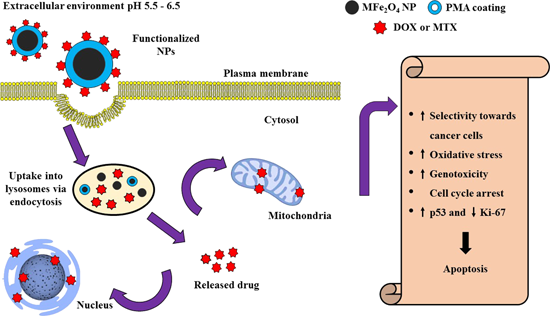
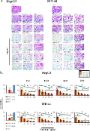
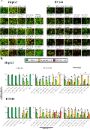
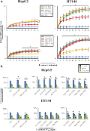
- which enables controlled and nontoxic biological interactions [18]. The hydrophilicity of the nanocarriers is important, as native hydrophobic surfaces of NPs are rapidly opsonized by hydrophobic serum proteins [19]. For this, surface functionalization has a major role [18]. It alters the surface
- potential values is the interaction between NPs and serum proteins present in DMEM [30]. In cell culture media, NPs agglomerate with serum proteins and are therefore recruited in cells via the protein corona effect, which increases the bioavailability of NPs by many folds [31]. PMA-coated samples have a
- smaller hydrodynamic size (60–93 nm) as compared to drug-loaded samples (74–110 nm), which was further increased (132–210 nm) in DMEM due to the interaction between proteins and samples. Among them, NFO has the largest hydrodynamic size (>200 nm) in DMEM, which is not considered suitable for biological





Morphology-driven gas sensing by fabricated fractals: A review
Beilstein J. Nanotechnol. 2021, 12, 1187–1208, doi:10.3762/bjnano.12.88
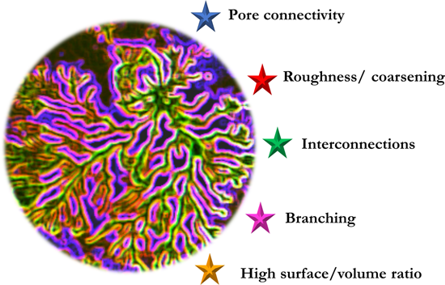
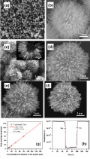
- fractal [39][40]. Figure 1 shows various fractal geometries found in nature. Complex patterns seen in human lungs, lines on the surface of human brains, neuron distribution, molecular chains of proteins, and DNA structures with double helix are described by fractal geometries [41]. Ice crystals










Self-assembly of amino acids toward functional biomaterials
Beilstein J. Nanotechnol. 2021, 12, 1140–1150, doi:10.3762/bjnano.12.85
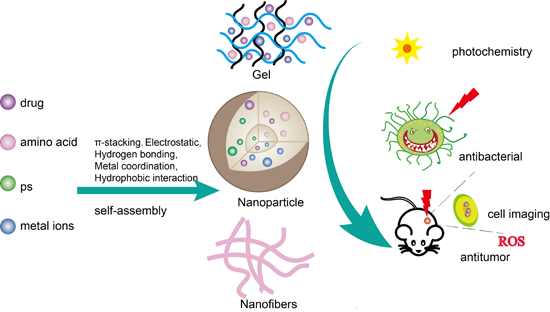
- Huan Ren Lifang Wu Lina Tan Yanni Bao Yuchen Ma Yong Jin Qianli Zou School of Pharmacy, Anhui Medical University, Hefei 230032, China 10.3762/bjnano.12.85 Abstract Biomolecules, such as proteins and peptides, can be self-assembled. They are widely distributed, easy to obtain, and biocompatible
- . However, the self-assembly of proteins and peptides has disadvantages, such as difficulty in obtaining high quantities of materials, high cost, polydispersity, and purification limitations. The difficulties in using proteins and peptides as functional materials make it more complicate to arrange assembled
- nanostructures at both microscopic and macroscopic scales. Amino acids, as the smallest constituent of proteins and the smallest constituent in the bottom-up approach, are the smallest building blocks that can be self-assembled. The self-assembly of single amino acids has the advantages of low synthesis cost

Use of nanosystems to improve the anticancer effects of curcumin
Beilstein J. Nanotechnol. 2021, 12, 1047–1062, doi:10.3762/bjnano.12.78
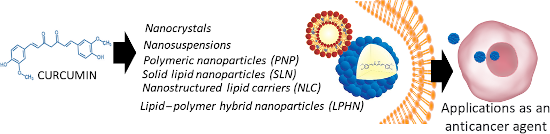
- %) [2]. The most commonly used treatments involve chemotherapy, surgery, or a combination of both. Chemotherapy is based on the use of molecules such as doxorubicin, paclitaxel, cisplatin, and some proteins and peptides that induce cell death [3]. Conventional or low molecular weight chemotherapeutics
- conjunction with inhibition of angiogenic/inflammatory proteins in an NF-κB-dependent manner [18]. Zhang et al. [75] reported that a combination of nanosized particles and the inclusion of glutathione (which has a thiol group that can initiate thiolysis and release CUR) results in a synergistic effect. This
- -promoting effect of the phototherapy–CUR combination is the result of increased nuclear fragmentation, nuclear condensation and reactive oxygen species (ROS) generation, loss of mitochondrial membrane potential, increased cytosolic levels of cytochrome C, and regulation of apoptosis-related proteins


The role of deep eutectic solvents and carrageenan in synthesizing biocompatible anisotropic metal nanoparticles
Beilstein J. Nanotechnol. 2021, 12, 924–938, doi:10.3762/bjnano.12.69
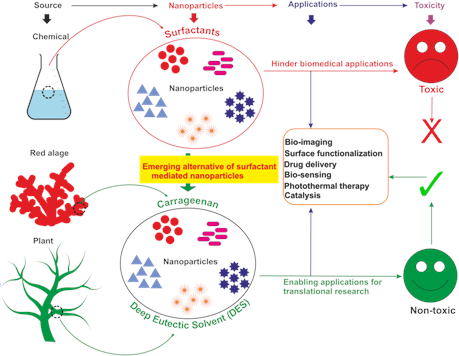
- was observed due to the difference in the binding affinity of the capping agents toward serum proteins. Glutathione showed less affinity towards serum proteins than citric acid. In an exposure time duration study by Lopez-Chaves et al., size-dependent metabolic fate and deposit formation of gold


The role of convolutional neural networks in scanning probe microscopy: a review
Beilstein J. Nanotechnol. 2021, 12, 878–901, doi:10.3762/bjnano.12.66
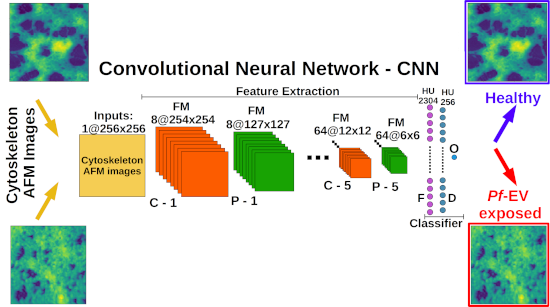
- learning and linear programming (an optimization method) for tracking single cells in live-cell imaging of both fluorescent and bright-field images of the cell cytoplasm [112]. Newby et al. developed a CNN for fully automated submicrometer-scale localization of particles such as viruses, proteins, and drug







Comprehensive review on ultrasound-responsive theranostic nanomaterials: mechanisms, structures and medical applications
Beilstein J. Nanotechnol. 2021, 12, 808–862, doi:10.3762/bjnano.12.64
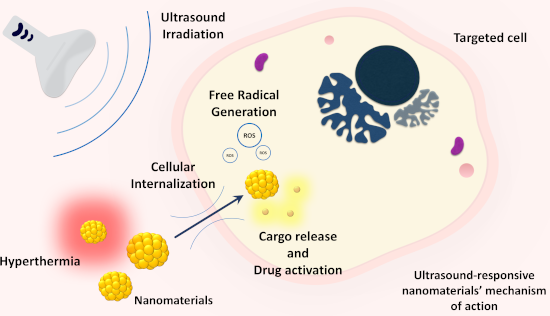
- weight molecules, such as nucleic acids, proteins, peptides, calcein, dextran [66][67][68][69][70], or gene complexes [67] via a process known as “sonoporation” or “transient cavitation”. Cavitation events are sometimes triggered by the effects of US on MBs. Microbubbles are micrometer-sized (1–10 µm


Silver nanoparticles induce the cardiomyogenic differentiation of bone marrow derived mesenchymal stem cells via telomere length extension
Beilstein J. Nanotechnol. 2021, 12, 786–797, doi:10.3762/bjnano.12.62
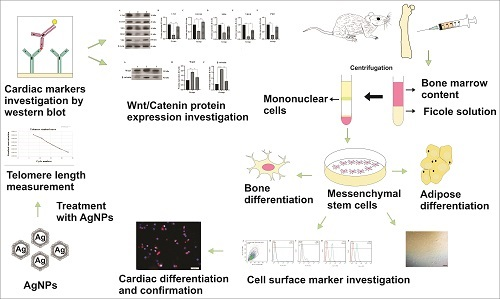
- in group II as compared to group I by factors of about 1.75 and 1.38, respectively. Induction of protein and gene expression of cardiac markers To investigate the effect of Ag-NPs on the cardiomyogenic differentiation of BM-MSCs, the cardiac proteins and genes were examined (Figure 7) [20]. GATA
- expression of the mentioned cardiac markers. However, the expression of proteins was observed in group II (BM-MSCs with Ag-NPs), in the absence of cardiac differentiation medium. In other words, it could be claimed that Ag-NPs play an important role in the expression of cardiac markers even in the absence of
- concentration-dependent. More specifically, it was shown that 0.1 µg/mL Ag-NPs caused elevated levels of NK2 homeobox 5 (NKX2.5), myosin heavy chain 6 (MYH6), and islet (ISL) genes expression, of alpha-fetoprotein (AFP), albumin (ALB) proteins expression and of hepatocyte nuclear factor 4 alpha (HNF4A


Recent progress in actuation technologies of micro/nanorobots
Beilstein J. Nanotechnol. 2021, 12, 756–765, doi:10.3762/bjnano.12.59
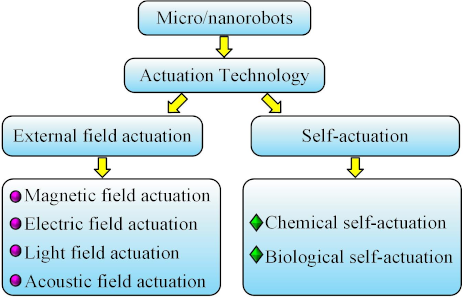
- besides oral treatment. Inspired by the molecular motion of proteins in animal cells, scientists integrated enzymes as catalytic engines, using chemical reactions to provide power for micro/nanorobots. Compared with traditional chemical self-actuation methods, enzyme actuation uses biocompatible fuels and





